
A basement can stay comfortable and usable when its water-management system matches the way water reaches the home. If you are comparing sump pumps for basements, the right question is not simply which pump has the highest advertised capacity. The better question is which combination of pump, pit, discharge route, controls, and backup protection fits the home.
Call (313) 900-0700 to compare basement sump pump options with a professional.
Different homes need different conversations. A finished basement may need quiet operation and a carefully planned discharge route. A home with a high water table may need dependable primary pumping and a backup plan. An older system may need a broader assessment before anyone recommends replacing only the pump.
What should you compare when choosing sump pumps for basements?
Start with the whole system rather than the pump label. A sump pump moves collected water, but the basin, inlet pathways, check valve, discharge piping, electrical supply, float control, and final outlet all affect how that work is performed. A pump that looks suitable on paper may not be the right fit if the discharge line is restricted or the basin does not collect water effectively.
A professional comparison usually considers these factors:
For a local review, see sump pump service options when you want the system assessed in the home.
- Water volume and inflow pattern: Seasonal groundwater, surface drainage, and a plumbing leak create different demands. A system should be evaluated against the home’s observed water behavior.
- Vertical lift and pipe distance: The pump must move water from the basin to its discharge point. The lift, bends, pipe diameter, and outlet location affect the real operating demand.
- Basin and float space: The basin needs to collect water and allow the float or control system to operate without obstruction.
- Power and controls: The electrical connection, switch, alarm, and nearby conditions should be reviewed as part of the installation plan.
- Backup needs: A second means of protection can matter when outages, pump failure, or unusually heavy inflow would leave the basement vulnerable.
This system-level view helps a homeowner compare proposals on useful details instead of comparing horsepower or brand names alone. It also keeps the discussion focused on the home’s conditions, not a one-size-fits-all equipment choice.
Which sump pumps for basements fit different basement conditions?
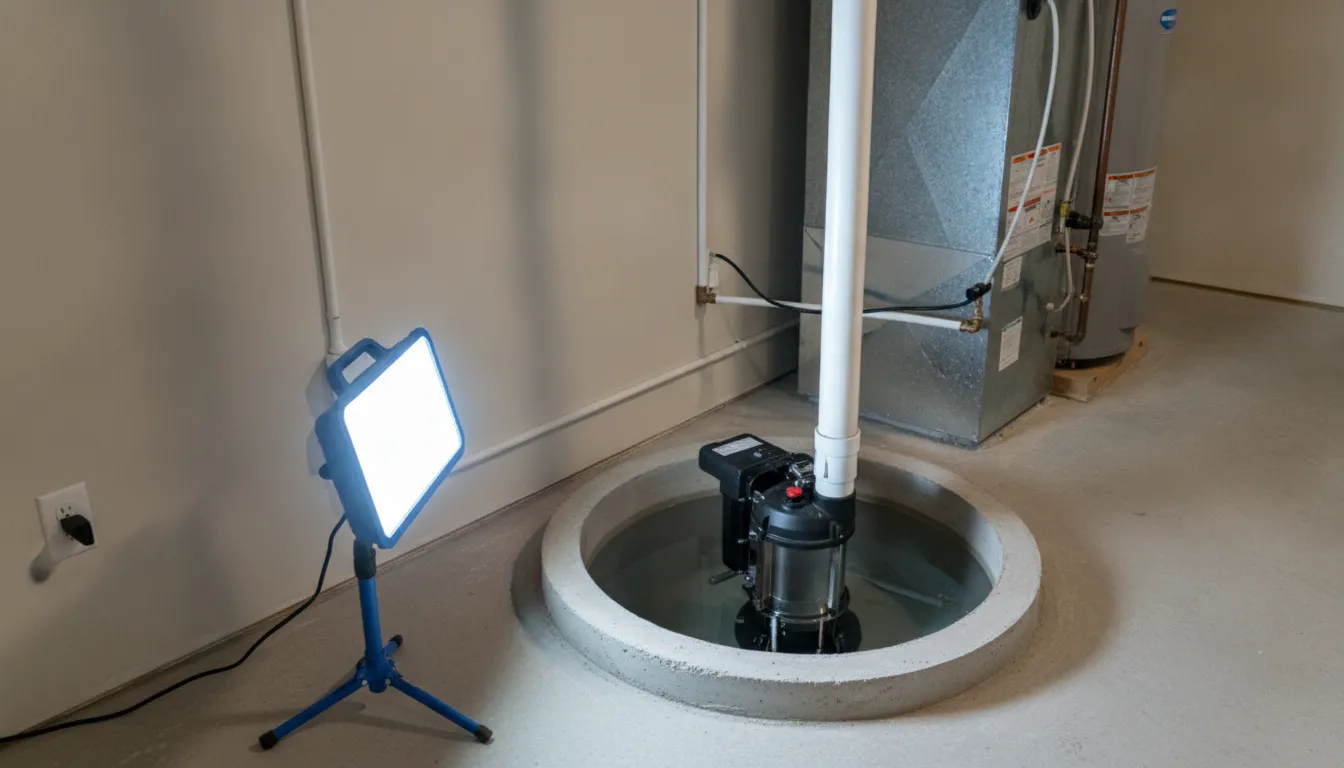
There are several common design paths, and each has a place. A submersible pump sits in the basin and is often selected when the home has enough pit depth and the owner prefers a contained, quieter arrangement. A pedestal pump keeps its motor above the basin and may suit a narrower or shallower pit, although the visible motor and operating sound may matter in a finished space.
Backup protection is a separate design decision. A battery backup can provide another pumping path when electrical power is interrupted. A water-powered backup uses the home’s water supply and local plumbing conditions, so it is not interchangeable with a battery system. The differences between these approaches deserve their own evaluation, and the sump pump battery backup guide explains the main backup paths in more detail.
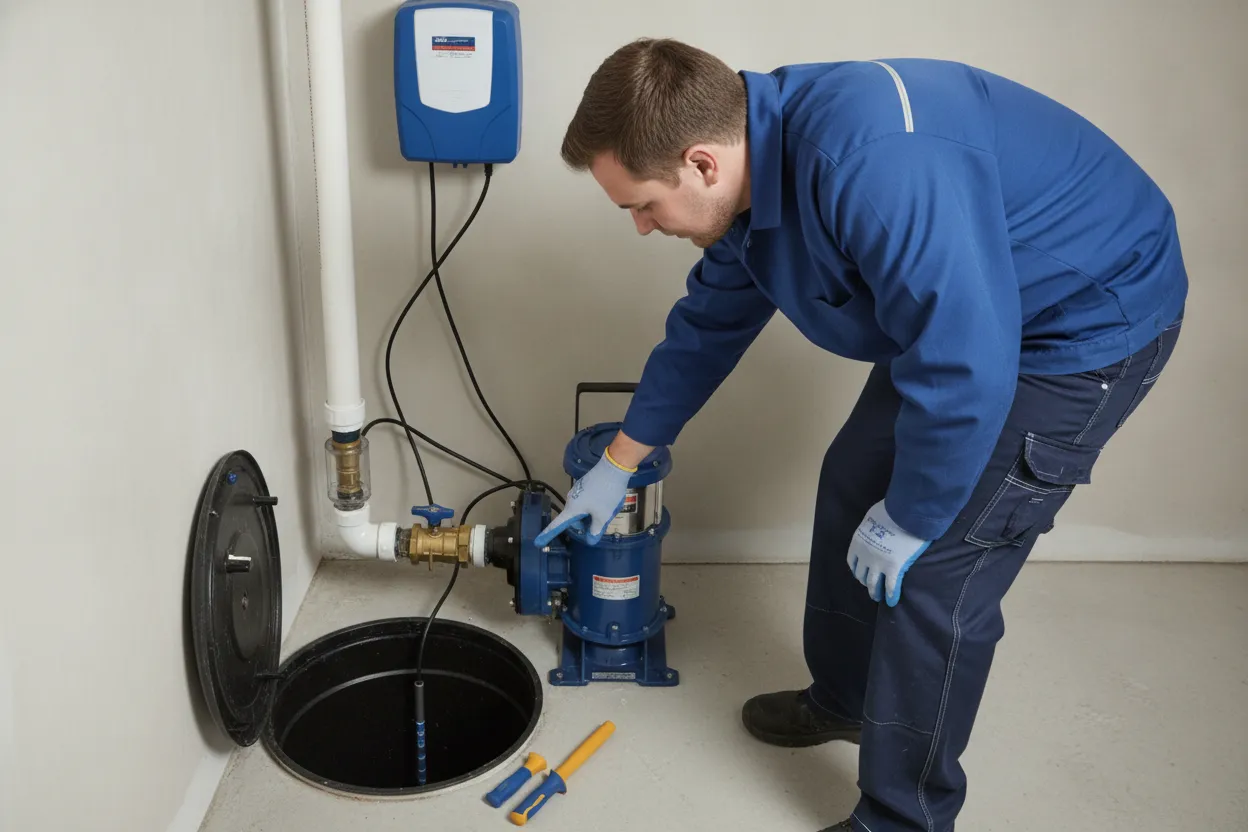
Instead of treating one pump style as universally best, compare the conditions that shape the recommendation:
| Basement condition. | What deserves attention. | Design conversation. |
|---|---|---|
| Finished living space. | Noise, access, alarms, and clean routing. | Whether a contained pump and well-planned controls fit the room. |
| Small or shallow basin. | Float movement, basin capacity, and service access. | Whether the existing basin supports the intended pump arrangement. |
| Frequent groundwater inflow. | Run frequency, lift, discharge capacity, and backup planning. | How the system will handle sustained seasonal demand. |
| Frequent power interruptions. | Alarm response and secondary pumping capability. | Which backup approach fits the home and local conditions. |
| Older installed system. | Check valve, pipe condition, switch, and outlet. | Whether a pump-only replacement leaves a weak part unchanged. |
How do submersible and pedestal sump pumps differ?
Submersible and pedestal pumps can both protect a basement when correctly sized and installed. The difference is where the motor operates and how that choice interacts with the pit and room. A submersible pump is located below the water level in the basin. Its enclosed position can reduce audible motor noise in a finished basement, while the basin still needs to remain accessible for service.
A pedestal pump places the motor above the basin. That arrangement can be useful where a pit is narrow or shallow, but the motor is more exposed in the room. The float, discharge piping, and clearance around the equipment still need to operate reliably. A professional should also confirm that the pump can meet the actual vertical lift and discharge requirements rather than relying only on a nameplate rating.
The decision also includes service access. A pump that is difficult to reach can make future inspection more disruptive. A pump that is easy to reach but poorly protected from obstruction can create a different maintenance concern. Ask how the proposed arrangement will be accessed, tested, and serviced after the installation is complete.
For a homeowner planning a new project, the existing basement sump pump installation planning guide covers the broader assessment, discharge routing, and project-scope questions. This article focuses on comparing system choices so those questions can be discussed with the right context.
When should a basement sump pump include backup protection?
Backup protection is worth discussing when a basement depends on active pumping and the consequences of an interruption would be significant. The decision can be influenced by outage history, seasonal groundwater, the condition of the primary pump, the amount of finished space, and whether the home has another reliable route for managing collected water.
Backup does not mean the primary pump is unnecessary. The primary system should still be appropriate for the normal inflow and discharge route. A backup arrangement is intended to add resilience when the primary pump cannot operate, the power is unavailable, or inflow is higher than usual. An alarm can also help a homeowner learn that the system needs attention before a small issue becomes a service interruption.
Do not compare backup products only by battery size or a simple runtime claim. Ask how the backup pump will be activated, where it will discharge, how the alarm is monitored, and what service the system requires. A backup that cannot work with the basin, water supply, electrical conditions, or discharge route does not provide the protection its label suggests.
Mr. Pipey’s basement sump pump service can include a discussion of primary pumping, backup battery options, and the conditions that affect a professional recommendation. The goal is a system that fits the home, not an automatic add-on to every basement.
What should a professional review before recommending a sump pump?
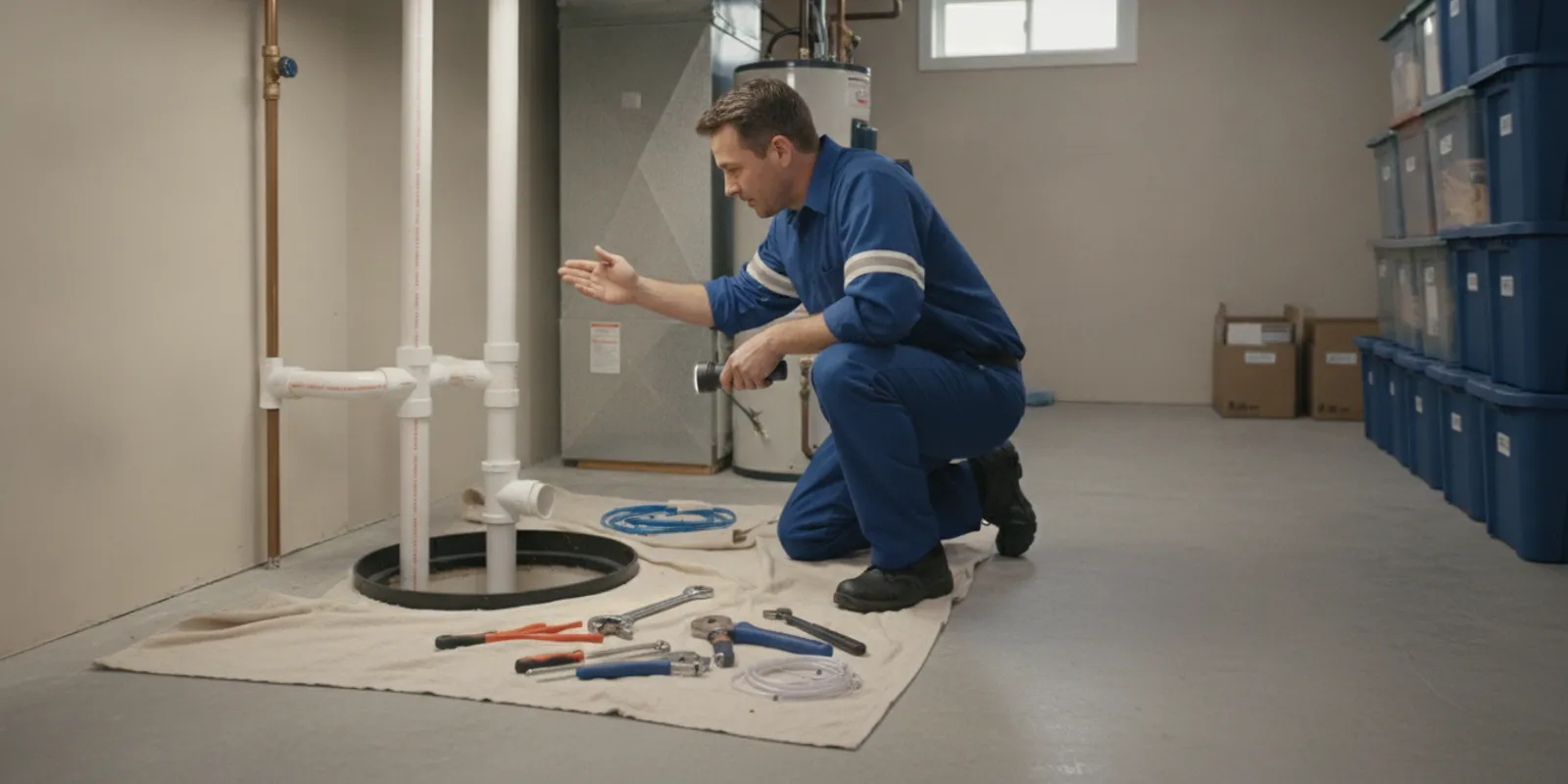
A useful evaluation begins with evidence from the home. The technician should look at where water enters the basin, how often the pump runs, how the discharge line leaves the house, and whether the outlet remains clear. The inspection should also account for the basement’s use. Equipment in an unfinished utility area may have different access and noise priorities than equipment next to a finished family room.
Before a recommendation is finalized, ask for a clear explanation of:
- The water path: How water reaches the basin and whether other drainage conditions need attention.
- The pumping demand: How lift, pipe length, bends, and outlet conditions affect performance.
- The equipment role: What the primary pump does and what any backup or alarm is intended to do.
- The service plan: Which parts can be inspected, tested, cleaned, or replaced later.
- The project boundary: Which work is included in the recommendation and which conditions would require a separate review.
This conversation is especially important in older homes. A new pump cannot correct every issue in a discharge line, basin, check valve, or foundation drainage path. A professional may recommend a broader solution when the surrounding system limits the pump’s performance.
Local planning matters as well. Basement water management should be considered alongside the home’s drainage pattern and local flood exposure. The federal Ready.gov flood guidance recommends learning about local flood risk and preparing for flooding, which is useful context when a homeowner is deciding how much resilience a basement system should provide.
How can you compare a sump pump proposal without comparing only the pump?
Two proposals can name similar pumps while describing different levels of work. One may include the basin, discharge route, check valve, alarm, and testing. Another may address only the motor. Comparing the total system helps prevent a low equipment price from hiding an incomplete water-management plan.
Review each proposal for these points:
- Does it describe the pump’s expected role, rather than only a model or horsepower?
- Does it explain the vertical lift and discharge destination?
- Does it identify how the float, switch, alarm, and check valve will be handled?
- Does it state whether a backup system is included, optional, or outside the current scope?
- Does it explain how the finished basement, access, and future service needs affect the layout?
- Does it include testing of the installed system and a clear explanation of what the homeowner should observe?
It is reasonable to ask questions before approving work. A trustworthy recommendation should make the system understandable without promising that one pump will solve every drainage condition. If the home has a current failure or unusual noise, the sump pump repair warning-sign guide can help explain when a professional evaluation is more appropriate than waiting for the next heavy rain. You can also use the Mr. Pipey contact page to request a consultation.
How does routine service protect the system?
Routine attention helps identify changes in the system before the next period of heavy inflow. The useful focus is not a complicated homeowner repair routine. It is knowing what a professional should assess: pump operation, float movement, discharge flow, check-valve behavior, alarm function, backup readiness, and visible conditions around the basin.

Service timing depends on the equipment, water conditions, and the home’s history. A pump that runs frequently may need closer attention than one that operates occasionally. A basement with finished flooring or stored belongings may also justify a more deliberate backup discussion. When symptoms appear, prompt evaluation can clarify whether the issue involves the pump or another part of the system.
A service relationship also gives the homeowner a record of what has been inspected and what may need planning later. That is more useful than replacing parts on a schedule without understanding why the system is changing.
What should a sump pump service record show?
A useful record should identify the primary pump arrangement, basin condition, discharge route, switch or float behavior, check-valve condition, and any backup equipment. It should also note observations that may affect future planning, such as frequent cycling, restricted flow, difficult access, or an alarm that needs attention.
This information gives the next technician a starting point and helps the homeowner recognize whether a later recommendation is addressing a new condition or a previously noted concern. It also supports a more focused conversation when the basement is remodeled, the drainage pattern changes, or the home’s use expands.
Call (313) 900-0700 for a professional basement sump pump consultation.
Frequently Asked Questions About Sump Pumps for Basements
Are sump pumps necessary in every basement?
No. The need depends on groundwater, drainage, the home’s construction, and the history of water entry. A professional evaluation can explain whether active pumping is appropriate and what conditions support that recommendation.
Is a submersible pump always better than a pedestal pump?
No. Both designs can be suitable. Basin size, available clearance, noise priorities, service access, pumping demand, and the discharge route should guide the comparison.
Does a backup pump replace the primary sump pump?
No. A backup is intended to add resilience during certain interruptions or higher-demand conditions. The primary pump still needs to match the home’s normal water inflow and discharge requirements.
What is the most important question to ask about a sump pump proposal?
Ask how the complete system will move water from the basin to the discharge point. Ask how it will respond to an interruption and which parts of the system are included in the proposed work.