
For a Metro Detroit homeowner planning basement sump pump installation, the first decision is not a pump model. It is understanding what the home’s water pattern, basin, existing piping, and discharge route call for. A professional assessment can help distinguish a new installation from a replacement, repair, or separate drainage concern—and give you a clear scope to review before work begins.
Request a professional sump pump assessment
What should a basement sump pump installation assessment cover?
A useful assessment begins with conditions at the property rather than a preselected piece of equipment. The plumber should review where water appears, when it happens, whether a basin and pump are already present, and how the piping and power are arranged. Those observations help clarify whether the project is a first-time installation, a replacement using some existing components, or a different plumbing diagnosis.
Before the appointment, make a simple record of what you have observed. Note whether water shows up after heavy rain, during snowmelt, or at another time. Record where it appears: in the sump basin, near a floor drain, along a wall, or in multiple areas. Mention whether the pattern is occasional or recurring and whether it changed after a renovation or plumbing repair. These details do not establish the cause, but they can help the professional investigate efficiently.
- Water pattern: Identify the location, timing, frequency, and conditions you associate with the water.
- Existing equipment: Note any pump, basin, alarm, backup system, and visible discharge piping.
- Basement use: Explain which areas are finished, used for storage, or difficult to access.
- History: Share known prior plumbing work or recurring concerns, including problems that were never conclusively diagnosed.
If there is water at a floor drain as well as at the sump, mention both. A drain concern can need a distinct assessment from a pump project. Mr. Pipey’s basement drain service information covers related plumbing work; ask the plumber to explain which findings support each part of a recommendation.
Which home conditions affect basement sump pump installation?
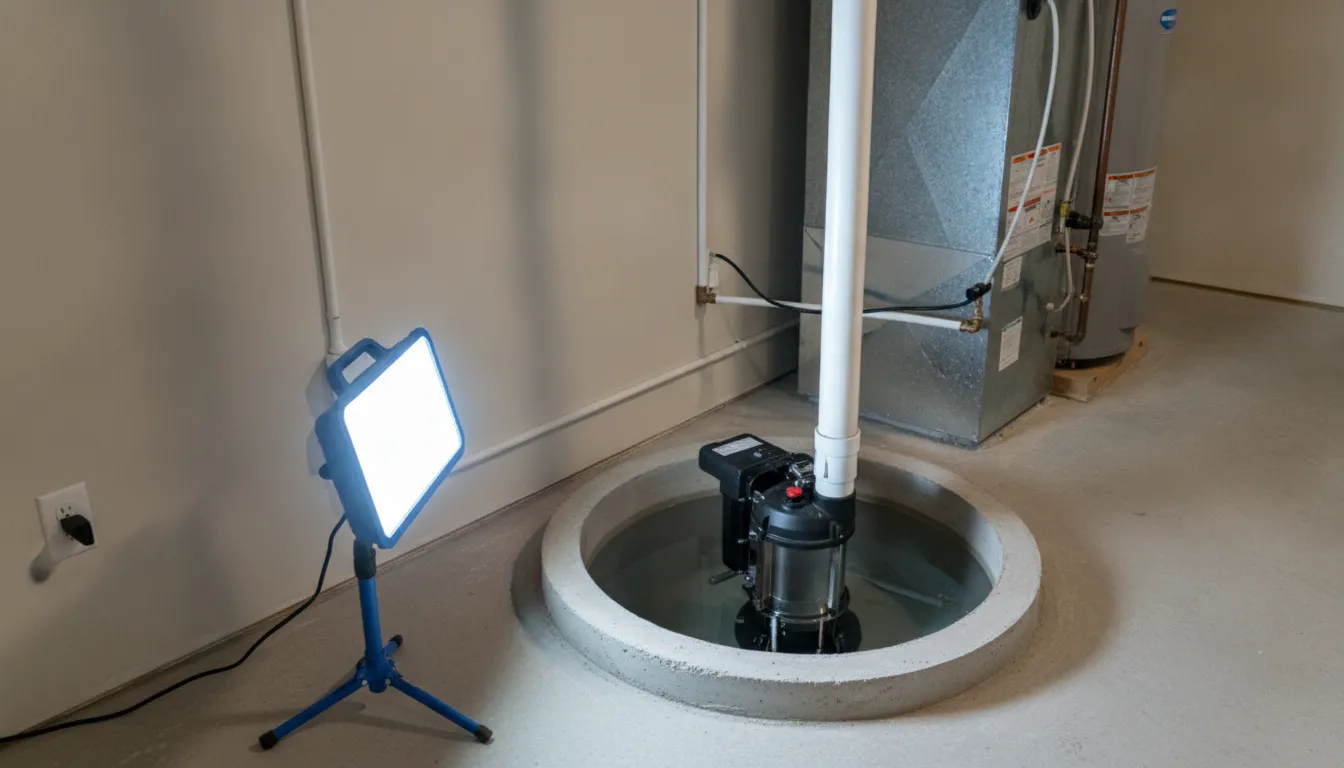
The basin’s location and condition influence the plan because the pump needs a suitable collection point and room for future access. An existing basin may be in good condition, may need attention, or may not fit the proposed work. The professional should explain what was inspected and whether the basin can reasonably remain in service as part of the proposed scope.
The piping deserves its own review. The plumber should consider how water enters the basin, how the pump connects to the discharge line, and whether the discharge route is practical for this property. A plan that describes only the pump itself leaves important questions unanswered. Ask where the discharged water will go, what route the piping will take, and whether anything about the home’s layout limits that route.
Access can shape the work sequence. In an unfinished utility area, the basin and nearby connections may be easy to inspect. In a finished basement, walls, flooring, stored items, and other utilities may affect access or restoration. Older plumbing may also have been changed in ways that are not obvious from the visible equipment. These are reasons to assess the actual site, not reasons to assume a particular component must be replaced.
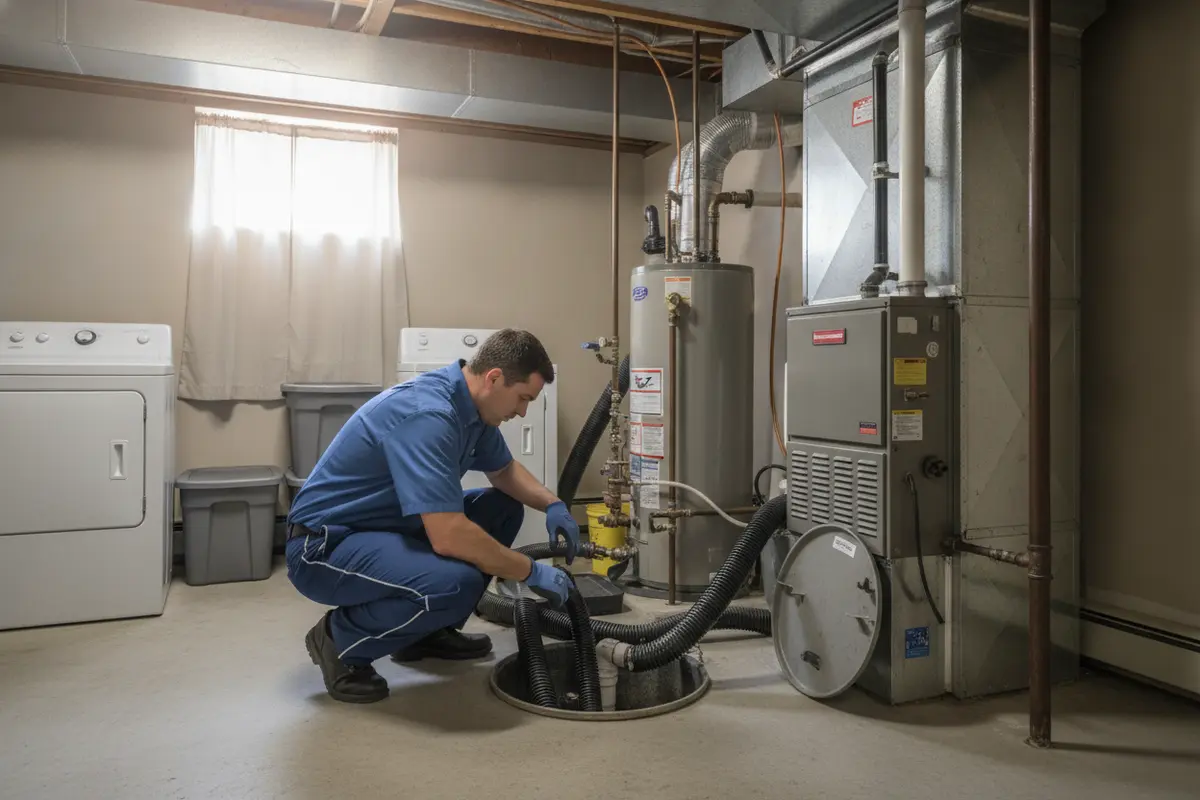
Where practical, clear access to the basin and point out affected areas. Do not dismantle equipment or alter piping to prepare. The plumber can inspect accessible components, ask about what is concealed, and explain when further investigation would be needed before the scope is final.
How do common sump pump project paths compare?
Two projects described as a sump pump installation may include different work. The following comparison is a planning aid, not a diagnosis or a price list. The assessment should connect the proposed path to the equipment and water pattern at your home.
| Project path | When it may be considered | Questions to resolve |
|---|---|---|
| New pump and basin | No suitable existing system is present and an appropriate collection location is identified. | Where the basin will be placed, how water reaches it, the discharge route, access, and power arrangements. |
| Pump replacement | An existing pump is being replaced and the basin and piping may remain suitable. | Whether existing connections and the discharge route remain appropriate and what components are included. |
| Repair or adjustment | An existing system may be serviceable but a specific component or connection needs attention. | What fault was observed, what the repair covers, and whether other findings are separate. |
| Broader drainage evaluation | Water appears away from the basin or there are additional drain or sewer symptoms. | Whether a separate drainage diagnosis is appropriate and how it relates to the pump work. |
When reviewing proposals, compare the tasks rather than the headline. One may cover a pump replacement only, while another includes work to the basin or discharge piping. Ask for a written scope that identifies included components, work that will remain untouched, and exclusions. If the assessment suggests a separate drain issue, request a clear explanation of that work instead of allowing it to blend into a general installation description. Mr. Pipey’s sump pump service page provides information about its related service.
What should you ask before approving basement sump pump installation?
A straightforward conversation before scheduling can prevent confusion about what the estimate covers. Ask the plumber to tie each recommendation to an observation at your home. You should be able to explain the main work in plain language after reviewing the proposal.
- What did the assessment find? Ask for a description of the water pattern, basin, piping, and other relevant conditions that informed the recommendation.
- Which parts are included? Confirm whether the pump, basin, piping, connections, alarm, or backup components are new, retained, excluded, or offered as separate options.
- Where will the water discharge? Ask for the planned route and an explanation of how the route fits the property and applicable requirements.
- What preparation or access is needed? Confirm where the work will take place, whether nearby storage should be moved, and what protection or restoration is part of the scope.
- How will completion be checked? Ask which operational checks are included and what instructions you will receive about the installed system.
- How are changes handled? Find out how a newly discovered condition will be explained and approved before it changes the agreed work.
A proposal is easier to evaluate when it separates the core pump work from other plumbing observations. For example, if the professional sees signs of a drain concern, ask what evidence points to it and whether it is part of the estimate or a separate recommendation. Mr. Pipey’s sewer and drain service overview describes related services. A drain diagnosis and a pump installation may be connected in a home’s water-management picture, but one should not be assumed to resolve the other without assessment.
How does a professional install and check the system?
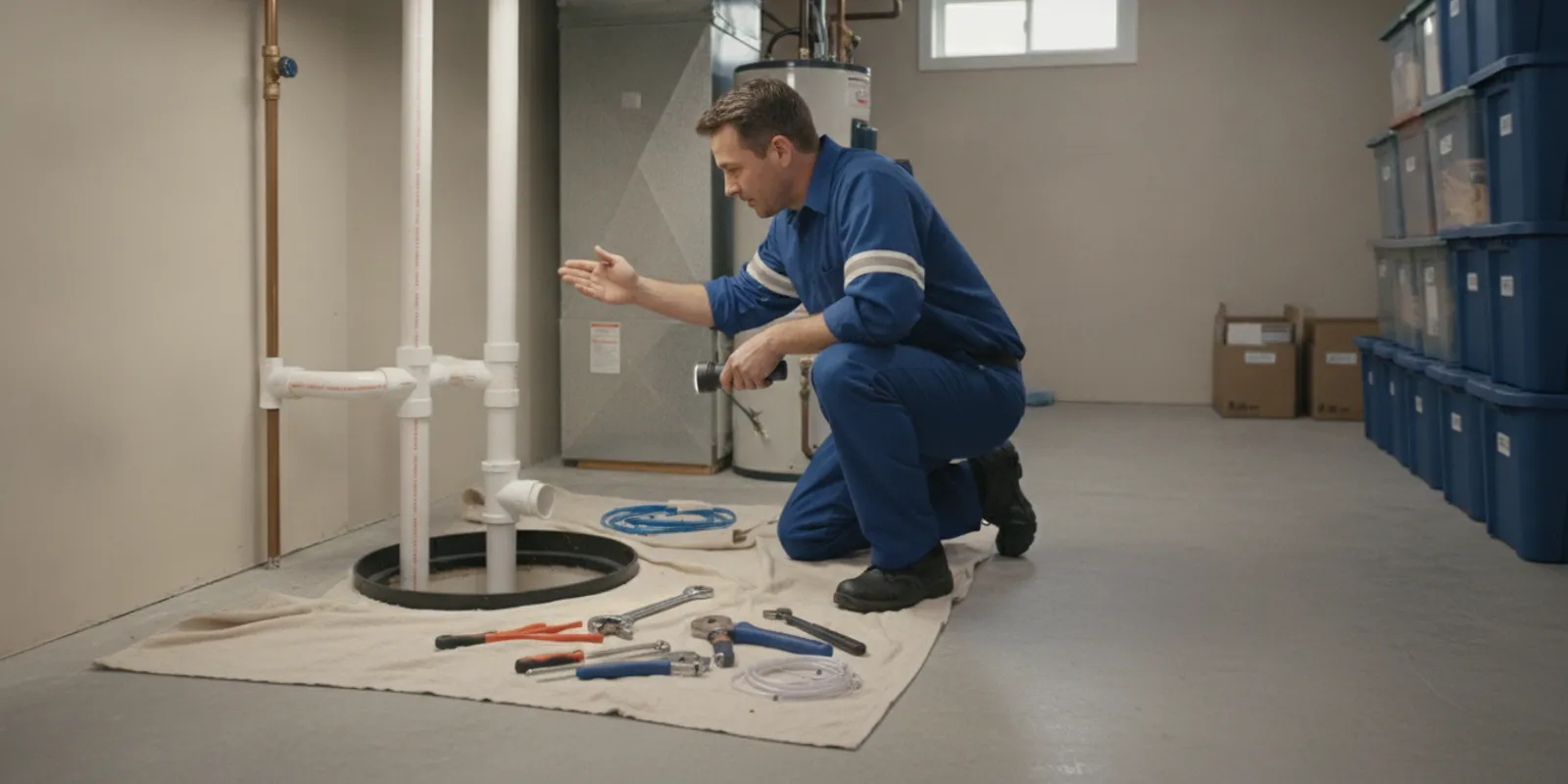
The sequence depends on whether the work is a replacement, a new installation, or an installation that includes changes to the surrounding drainage. In general, the plumber confirms the approved scope and location, fits the specified equipment, makes the agreed connections, and routes the discharge piping. A new basin or changes needed to reach it can add site-specific work. Before work starts, confirm what areas need to be accessible and how the work area will be managed.
Ask what operational checks are part of completion. The professional can explain how operation is checked, how the discharge connection is reviewed, and whether any alarm or backup component included in the agreed scope is tested. Do not assume that an alarm or backup system is part of every proposal; have the estimate state whether each item is included, optional, or excluded. Ask what the system’s limits are and what would call for a service visit.

At the end, request a short explanation of what was installed, whether anything differed from the original plan, and what information to keep for future service. If there were separate drain or sewer findings, ask that those be summarized separately. Mr. Pipey’s drain repair service overview covers another category of plumbing work that may be relevant when water appears away from the sump area.
What affects a sump pump estimate and project scope?
The estimate reflects the work needed at a specific home, so a pump description alone is not enough to compare proposals. Replacing a pump in a suitable existing setup may involve a different scope from installing a new basin and establishing a discharge route. Access, the condition of existing components, and connections all affect what the professional proposes.
Review the estimate for detail in these areas:
- The equipment and components to be installed, repaired, retained, or excluded.
- Whether the basin, discharge piping, or connections will be changed.
- Any separate drain or sewer work and the findings that support it.
- Preparation, access, operational checks, and cleanup responsibilities.
- How additional conditions will be communicated and authorized before the work changes.
Then compare the proposals on the same basis. If one includes an alarm and another does not, they are not describing identical work. If one includes a piping change, ask what condition makes it necessary and where the new route goes. If the wording is broad, request clarification rather than relying on assumptions. A clear scope helps you understand the recommendation without treating every optional item as essential.
Homeowners with water in more than one area should explain the complete pattern when requesting an estimate. Water at a floor drain, a basement fixture, and a sump basin may point to different questions than a pump-only concern. For winter-related pipe conditions, Mr. Pipey’s frozen pipe repair information is available as a separate service reference; a pump estimate should still identify exactly what it does and does not address.
What information helps the plumber plan the visit?
A short, accurate description can make the assessment more useful. Write down the first place you noticed water, what was happening around that time, and whether it appeared again under similar conditions. If you do not know when the water began, say so rather than guessing. The goal is to describe observations, not determine the cause in advance.
It can help to distinguish three different observations. First, note whether water is collecting inside the sump basin or appearing on the basement floor. Second, identify whether a floor drain or plumbing fixture is involved. Third, mention any pump behavior you have noticed, such as whether it runs, whether an alarm is present, or whether you are unsure how the system operates. Do not open a cover or handle electrical components to gather this information.
For example, a homeowner might report that water has appeared near one basement wall after rain, while the basin is dry and there is no visible pump. Another homeowner might have a pump and basin but also report water at a floor drain. Those descriptions do not prove what work is needed. They do help the plumber know which areas and questions deserve attention during the visit.
Also gather practical project details: whether the basement is finished, which rooms are affected, what access is available, and whether previous plumbing work is known. If you have paperwork about earlier work, share it if convenient. Do not delay requesting an assessment because some history is missing; be clear about what you know and what remains uncertain.
How can Oakland County and Northville homeowners prepare?
Basement layouts vary across Oakland County and Northville. A finished room can limit access to parts of a foundation or piping, while an open utility area can make visible components easier to review. Past additions, repairs, and plumbing changes may also affect what is apparent during an initial visit. Share what you know about the house, particularly any changes in the water pattern after renovation or prior work.
Before the assessment, confirm the location of the work area and make the basin accessible when it is safe and practical to do so. Point out places where water has appeared and any areas that may need care during access. There is no need to move heavy equipment or open electrical enclosures. Keep children and pets away from the active work zone during service, and leave system operation and plumbing changes to the professional.
If the professional identifies a possible related issue, ask three practical questions: what was observed, whether it changes the proposed pump scope, and whether it should be evaluated or quoted separately. This keeps the core installation distinct from an additional concern. When water appears at a floor drain or elsewhere, describing the symptoms clearly is more useful than assuming the pump is the only possible cause.
Rules and permit steps can depend on the work and the authority responsible for the property. Ask your plumber which requirements apply and who should confirm them before work proceeds. Michigan’s official state government website is a starting point for state information; property-specific questions should be checked with the relevant local building department. For urgent plumbing conditions, review Mr. Pipey’s emergency plumbing service information and explain what is happening when you contact the company.
What questions do homeowners ask about sump pump installation?
Does every wet basement need a sump pump?
No. Water can appear for different reasons, and the location and timing matter. A professional assessment should establish whether a pump system is appropriate or whether another plumbing or drainage question needs attention.
Can an existing sump pump simply be replaced?
Sometimes, but the basin, piping, connections, discharge route, and current site conditions should be reviewed. The estimate should say which existing components will remain and why they are suitable for the proposed work.
Should a sump pump discharge into a basement drain?
Do not assume that a basement drain is the appropriate destination. Ask the plumber to explain the proposed route for your property and to identify any applicable requirements before the work is approved.
What information should I share when requesting an estimate?
Describe where and when water appears, what equipment is present, and any prior work or recurring pattern you know about. Mention finished areas or access limits, and make the basin and affected areas accessible when practical.
Will sump pump installation fix a floor drain backup?
Not necessarily. A floor drain backup may need a separate drain or sewer assessment. Describe both the drain symptoms and the sump conditions so the professional can explain whether one or more scopes are appropriate.
Contact Mr. Pipey to discuss your sump pump project
A careful assessment connects the recommended work to the home’s water pattern, existing equipment, and discharge needs. Request a property-specific explanation so you can understand the scope and compare options with confidence.