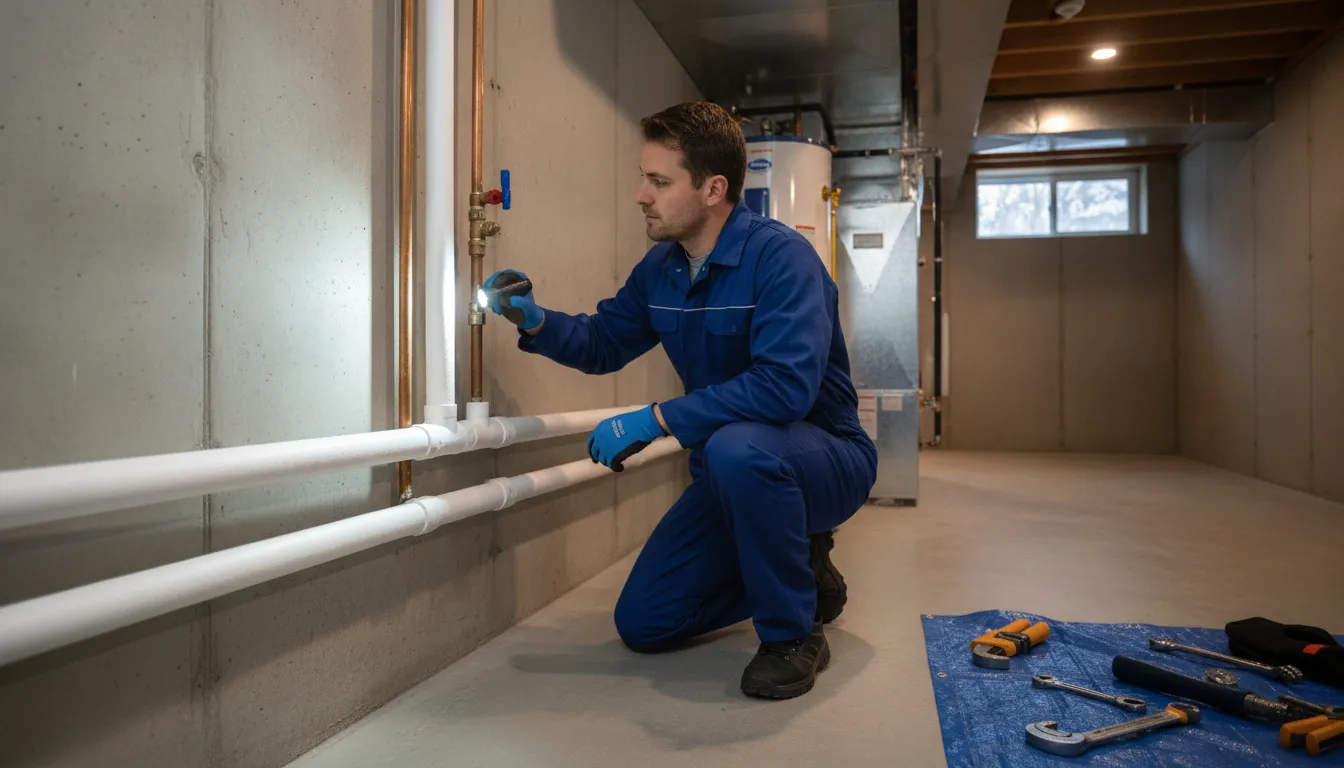


A silent sump pump during a Metro Detroit storm is a warning, not reassurance. Choosing repair or replacement before the next downpour can protect your basement from avoidable damage.
Request a professional sump pump inspection from Mr. Pipey before the next storm puts your basement at risk.
Sump pump replacement is usually safer when a pump is over 10 years old, repeatedly fails, or cannot keep up with incoming water. Repair may make sense for a newer unit with one clear fault, such as a blocked inlet or stuck float. A licensed plumber can test the full system before recommending either option.
The right answer depends on the pump’s age, failure pattern, and condition, not guesswork or the price of one part. Sump pump replacement vs repair: the quick decision lays out the first checks that separate a practical fix from an urgent replacement. Here’s how.
Sump pump replacement vs repair: the quick decision
Repair makes sense when the pump is fairly new, sized for the job, and has one clear, fixable problem. Choose sump pump replacement when age, repeat failures, poor capacity, or lost trust makes another repair a gamble. The goal is not simply getting the pump to run today. It must also move water when the next heavy rain arrives.
Start with age and trouble history
Age gives you the fastest first check. FEMA advises homeowners to replace a sump pump that is more than 10 years old. An older pump with a stuck switch or weak motor is usually a poor repair choice. A newer pump with one blocked part may still have useful life left.
Next, look at the pattern. One simple fault is different from repeated shutdowns, loud operation, or water rising faster than the pump can remove it. If you have called for repairs more than once, replacement often offers the safer path. Recurring trouble suggests the problem reaches beyond one worn part.
| Decision factor | Repair may make sense | Replacement is usually safer |
|---|---|---|
| Age | Newer unit with limited wear | More than 10 years old |
| Problem pattern | First clear, fixable fault | Repeat failures or several worn parts |
| Capacity | Keeps up during heavy rain | Water rises while the pump runs |
| Reliability | Passes a full test after repair | Starts late, stops early, or cannot be trusted |
Check capacity, not just operation
A running pump can still be the wrong pump. Watch the pit during a high-water event or controlled test. If water keeps rising while the pump runs, the unit may lack enough capacity. Repairing a switch or clearing debris will not correct an undersized pump. Use a guide to choosing the right sump pump kit when reviewing pump size and backup options.
Maintenance issues can sometimes look like pump failure. A blocked vent hole can cause an air lock, and debris can wear the pump early. Municipal sump pump maintenance guidance also calls for checking float movement, pit debris, and electrical power. A professional can test these items before recommending repair or replacement.
Make reliability the final test
Ask one practical question: would you trust this pump through a long storm while you were away? If the answer is no, replacement is the better decision even if a repair could restart it. A sump pump protects against a costly event, so dependable operation matters more than stretching a weak unit through one more season.
A licensed plumber can confirm the cause, check discharge flow, and match the replacement to the home’s water load. Mr. Pipey’s sump pump team covers diagnosis, repair, replacement, and maintenance for Metro Detroit homes.
What signs point to sump pump replacement?
Choose sump pump replacement when the unit is more than 10 years old, shows corrosion or housing damage, cannot clear rising water, or has failed more than once. A newer pump with one isolated switch, float, or blockage problem may still be a reasonable repair candidate.
Age and visible damage
Age is one of the clearest reasons to choose sump pump replacement over another repair. FEMA recommends replacement when a sump pump is more than 10 years old. An older unit may still run during a quick test, but that does not prove it will keep up during a storm.
Look closely at the pump housing, power cord, fittings, and discharge pipe. Rust, heavy corrosion, cracks, or damaged wiring point to lasting wear rather than a small fault. Water marks around the pit can also show that the unit has overflowed or leaked before.
- Replace a pump with a cracked housing, damaged cord, or deep corrosion.
- Consider replacement when several worn parts need attention at the same time.
- Do not keep relying on a unit that has already failed during heavy rain.
Changes in how the pump runs
A healthy pump should turn on as water rises, move the water out, and then shut off. Constant cycling may point to a stuck float, a bad switch, poor sizing, or another system issue. A pump that runs for long periods but cannot lower the water may lack enough capacity.
Grinding, rattling, humming, or harsh vibration can signal worn or blocked moving parts. Some causes can be repaired, so check the pit and float before replacing the unit. The City of Superior notes that abrasive debris can wear a pump out early.
Frequent starts are also worth checking. The float must move freely, and the discharge path must let water leave the home. If those parts work but the pump still cycles, replacement may be the safer long-term choice.
Flood history and repair pattern
A prior basement flood is a strong warning, even if the pump later starts running again. The real question is whether it can protect the home during the next hard rain. Deep puddles outside and a pump that never runs are also replacement signs listed by FEMA.
Repeated repairs can make the decision clearer. A new switch or float may make sense on a sound, newer pump. When leaks, noise, weak flow, and switch trouble keep returning, more repairs may only delay replacement.
Have the full setup checked before choosing a new unit. Pit size, discharge routing, backup power, and expected water flow all affect the right choice. Mr. Pipey’s professional sump pump repair and replacement services can help confirm whether one repair is enough or a new pump is safer.
How to choose the right replacement sump pump
Choose a replacement sump pump by matching its type and capacity to the pit, incoming water load, discharge pipe, and lift height. Confirm that the switch moves freely, then plan backup power and test the complete system under load. Horsepower alone does not determine the right fit.
Start with the existing system
A good sump pump replacement starts with the pit, pipe, and water load, not just the old pump’s horsepower. Note the current pump type, model number, discharge pipe size, power source, and available space. A matching model can simplify the work, but it still must suit the home’s needs.
Measure the vertical rise from the pit to the discharge outlet. Then note the full discharge run, including bends and check valves. These details affect how much water a pump can move after it is installed. Use the pump maker’s performance chart to compare flow at the required head height.
A practical selection process
Work through each part of the system before buying a pump. This keeps one strong feature, such as a large motor, from hiding a poor fit elsewhere.
-
Choose the pump type. A submersible pump sits in the pit, while a pedestal pump keeps its motor above the water. Check pit size, lid design, access, and noise needs before choosing.
-
Match capacity to the job. Compare each model’s flow at your measured head height, not its flow at zero lift. The chosen pump should handle incoming water without cycling on and off too fast.
-
Check the switch. Confirm that the float or switch can move freely inside the pit. A switch that catches on the wall, pipe, or cord may not start the pump when needed.
-
Plan for a power loss. Decide whether the home needs a battery backup, water-powered backup, high-water alarm, or a mix. The right choice depends on outage risk, water service, pit space, and how fast water enters.
-
Confirm installation fit. Check the base, pipe connection, check valve, lid, outlet, and cord location. Dirt, sand, and concrete chips can wear a pump early, so keep debris away from the intake. Local maintenance guidance also suggests raising the pump above debris with a stable block.
-
Test the full setup. Restore power, inspect each connection, and make sure the switch moves without contact. Then follow FEMA’s sump pump test by pouring water into the pit and checking that the pump starts.
Checks after installation
Watch one full pump cycle before leaving the system in service. Confirm that water exits through the planned discharge point and does not flow back into the pit. Listen for odd sounds, check for leaks, and make sure the alarm and backup respond as intended.
Keep the new model number and operating guide where they are easy to find. Also record the pump’s installation date and the details of its backup power source. These notes make later testing, service, and emergency replacement easier.
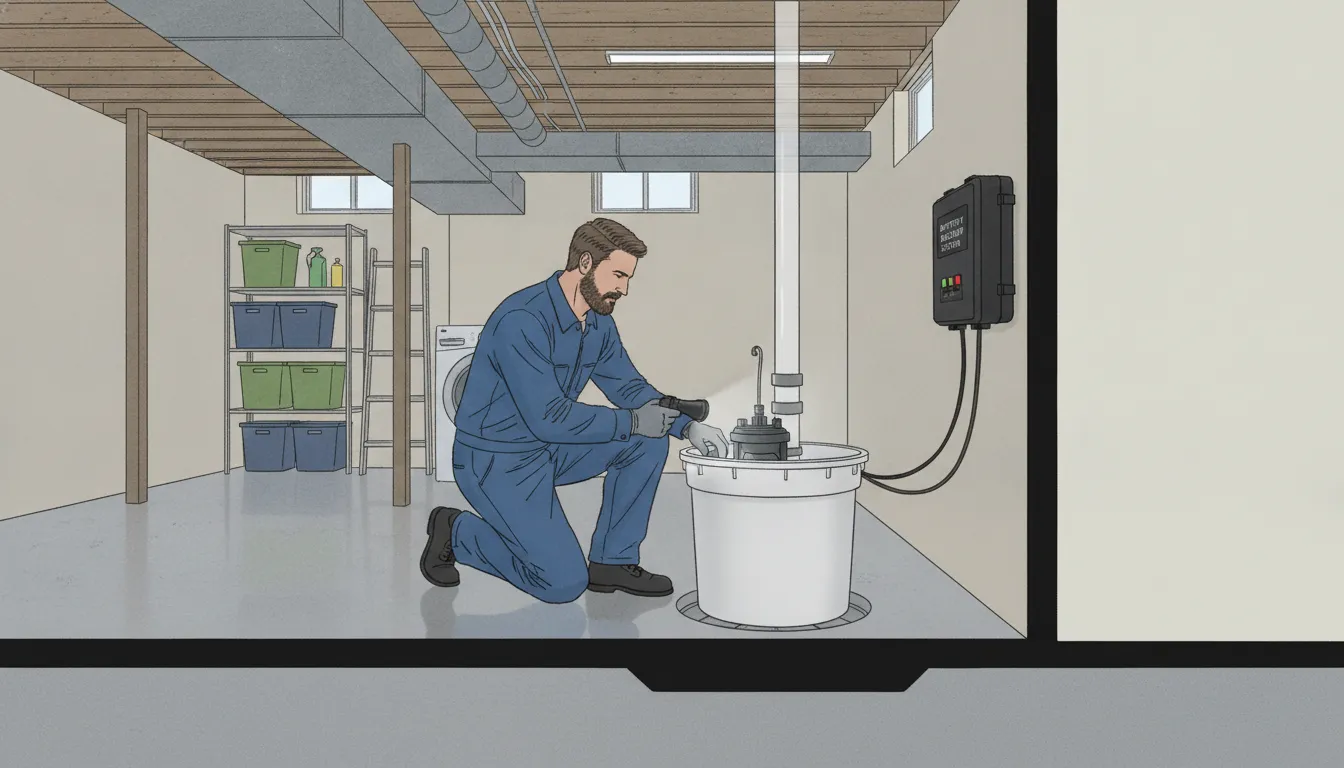
Why Metro Detroit homes need a reliable sump pump
Rain and snowmelt at the foundation
Metro Detroit weather can send water toward a home’s foundation in more than one season. Heavy rain can soak the soil fast, while melting snow can keep adding water over time. A working sump pump collects that groundwater and moves it away before it reaches the basement floor.
This protection matters even when a basement has never flooded. Water pressure can build around the foundation as the ground gets wet. Small changes in grading, drainage, or soil conditions may also change how much water reaches the sump pit.
Moisture left indoors can create more than a cleanup problem. The EPA’s guide to mold and moisture explains why controlling dampness is key to controlling mold. Keeping the sump system ready helps limit the chance that stored items, finished walls, and flooring sit in water.
Protection during a power outage
A standard electric pump cannot run when the power is out. That creates a clear risk if a storm brings both heavy rain and an outage. The sump pit may keep filling even though the main pump has stopped.
A battery backup gives the system another way to move water during an outage. It can also help if the primary pump fails or cannot keep up. The backup should be tested, and its battery should be checked as part of routine home care.
Backup power is not a reason to ignore the main unit. Both pumps need clear discharge lines, working check valves, and dependable switches. A plumber can test the full setup under load rather than checking each part alone.
Correct sizing and timely replacement
Pump size should match the home’s actual water load and discharge needs. A unit that is too small may run without lowering the pit fast enough. An oversized unit may cycle too often, which can put extra wear on its switch and motor.
Professional sizing looks beyond the label on the old pump. The plumber can review pit depth, incoming water, pipe layout, lift height, and backup needs. This helps select a pump that fits the system instead of relying on a rough guess.
Warning signs deserve attention before the next storm. Loud operation, frequent cycling, visible rust, or a pump that runs without clearing water can point to trouble. Planning professional sump pump replacement early gives the installer time to size, test, and verify the full system.
A reliable setup protects more than the lowest room in the house. It also helps protect heating equipment, electrical systems, stored belongings, and finished basement space. For Metro Detroit homes, the main pump and its backup should work as one tested system.
What happens during professional sump pump replacement?
Professional sump pump replacement includes inspecting the pit and discharge system, choosing a correctly sized pump, removing the old unit, installing the new pump and check valve, then testing a full cycle. The technician should also confirm that backup power and alarms operate as intended.
Professional sump pump replacement starts with a full system check, not a quick pump swap. The technician inspects the pit, pump, power source, float, check valve, and discharge line. This check helps show whether replacement is needed and what setup fits the home.
Inspection and pump sizing
The technician first asks about recent pump trouble, water levels, and any past basement flooding. They then inspect the pit for debris, damage, and enough room for the new unit. The existing discharge route and electrical outlet also need a close look.
Next, the technician selects a pump based on the pit layout and the work it must handle. Pump type, lift height, discharge pipe size, and backup needs all affect that choice. Homeowners who want more detail can review this guide to choosing the right sump pump kit.
Removal and new pump installation
Before work begins, the technician disconnects power and uses proper protective gear. These steps match government sump pump safety guidance for work near the pump and pit. The old pump is then detached from the discharge pipe and removed.
With the pump out, the technician can inspect parts that are hard to see during normal use. They check the pit base, discharge pipe, fittings, and check valve for wear or blockage. A failed check valve may let water flow back into the pit after each cycle.
The new pump is placed on a firm, level base and connected to the discharge line. The float must move freely without touching the pit wall, pipe, or power cord. The technician also confirms that each fitting is secure and the check valve faces the correct direction.
Testing and maintenance guidance
After installation, the technician adds water to the pit and watches the full pump cycle. They confirm that the float starts and stops the pump at suitable water levels. The test also checks for leaks, backflow, odd sounds, and steady discharge outside the home.
The final walkthrough covers basic care, warning signs, and how often the system should be checked. It may also include backup pump options for added protection during an outage. Mr. Pipey’s professional sump pump repair and replacement services include licensed support, a 100% satisfaction guarantee, and no overtime charges.
Homeowners should know where the pump plugs in and how to run a simple water test. They should also keep the pit clear and watch for a stuck float or slow discharge. A clear explanation makes future maintenance easier and helps the homeowner spot trouble sooner.
Homeowners can also review Mr. Pipey’s emergency plumbing support, learn more about the family-owned plumbing team, or use the contact page to request service.
Frequently Asked Questions
When should you replace a sump pump vs repair it?
Repair may make sense when a newer pump has a clogged inlet, stuck float, blocked vent hole, or faulty check valve. Replacement is usually safer when the motor has failed, the housing is damaged, breakdowns keep returning, or the pump is over 10 years old. FEMA recommends replacement once a sump pump is more than 10 years old.
How much does it cost to replace a sump pump?
Sump pump replacement cost depends on the pump type, capacity, discharge piping, electrical setup, and condition of the existing pit. A direct swap usually costs less than adding a battery backup or correcting drainage problems. Metro Detroit homeowners should request a written estimate that separates equipment, labor, and any needed system changes before approving replacement.
Is it worth it to replace a sump pump as a DIYer?
DIY replacement may be reasonable for an experienced homeowner making a simple, like-for-like swap with sound piping and a safe electrical connection. Professional help is wiser when sizing is uncertain, the pit needs changes, or backup power is involved. Before touching the pump, disconnect its power and wear protective clothing, as advised by the City of Superior.
What tools are needed for sump pump replacement?
A basic sump pump replacement often requires adjustable pliers, a screwdriver, a hacksaw or pipe cutter, a tape measure, a level, and PVC joining supplies. Gloves, eye protection, and a bucket are also useful. The exact list depends on the discharge pipe, check valve, and electrical connection, so inspect the existing setup before buying materials.
How long does a sump pump replacement take?
A straightforward replacement using compatible piping may take a few hours. The job can take longer when the pit needs cleaning, the discharge line requires changes, or a battery backup is added. After installation, the pump and float should be tested with water to confirm that the system starts, drains, and shuts off correctly.
Ready to protect your basement before the next storm?
Waiting for a struggling sump pump to fail can turn a manageable service call into an urgent replacement and an expensive cleanup. Starting now gives a plumber time to inspect the system, test its key parts, and explain whether repair or replacement is the better choice. You can then plan the work on your schedule, prepare for the cost, and reduce the chance of discovering a failed pump during heavy rain.
Do not wait for standing water or a silent pump to force a rushed decision. Ready to protect your Metro Detroit home? Request sump pump service from Mr. Pipey today to get an expert diagnosis and choose the right next step.