
You’ve decided your home needs protection from flooding—smart move. But you’ve probably realized a sump pump isn’t just one item. It’s a whole system of parts: the pump, the basin, the check valve, and all the right fittings. A sump pump kit simplifies this by bundling all the essential components together. The challenge? Not all packages are created equal, and the wrong choice can fail when you need it most. This guide cuts through the noise. We’ll break down the different types of kits and compare top brands to help you select the perfect system for your home.
Key Takeaways
- Choose features that fit your home’s needs: Look for a kit with the right horsepower for your water flow, a properly sized basin, and a reliable switch. A battery backup is essential for keeping your basement dry during a power outage.
- Weigh the benefits of professional installation: While DIY is an option, a professional plumber guarantees the system is installed correctly, meets local codes, and functions flawlessly. This prevents costly mistakes and future water damage.
- Invest in quality for long-term security: The best value isn’t always the lowest price. A durable pump made from cast iron with a strong warranty provides reliable protection and saves you from expensive repairs down the road.
How Does a Sump Pump Kit Work?
If you’ve ever worried about your basement flooding during a heavy Michigan downpour, a sump pump is your first line of defense. But where do you start? A sump pump kit is a great all-in-one solution that packages everything you need to get started. Let’s break down what these kits include, how they work their magic, and the different types you’ll encounter so you can make a confident choice for your home.
What Comes in a Sump Pump Kit?
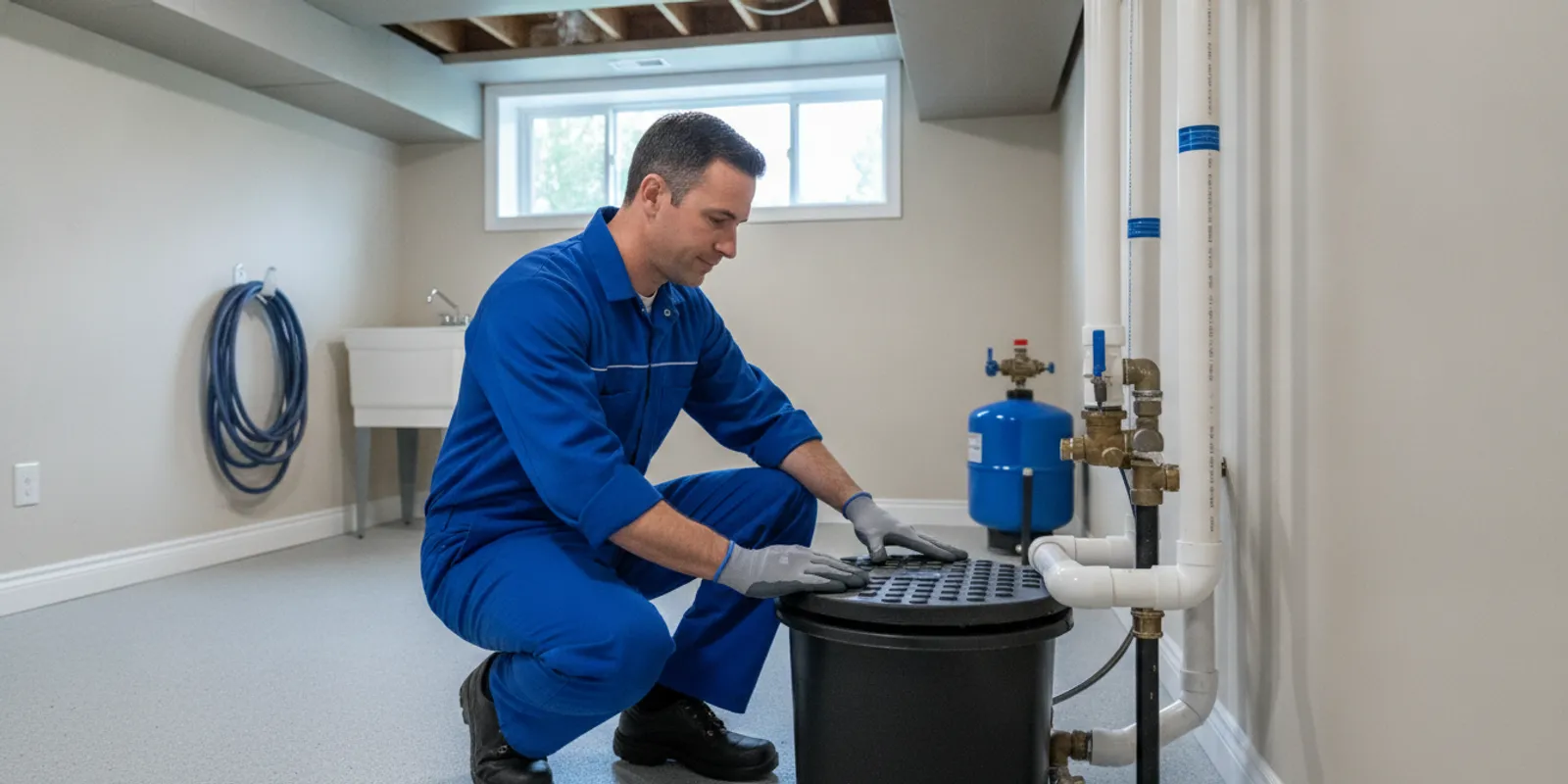
Think of a sump pump kit as a complete package designed to keep your basement or crawl space dry. Inside the box, you’ll typically find all the core components for a standard installation. This includes the pump itself, which is the heart of the system, a durable basin (also called a pit) to collect the water, a check valve to prevent water from flowing back into the basin, and all the necessary pipes and fittings to connect everything. Many kits are marketed as do-it-yourself projects, but getting professional sump pump services ensures every part works together perfectly for reliable, long-term protection.
Core Components
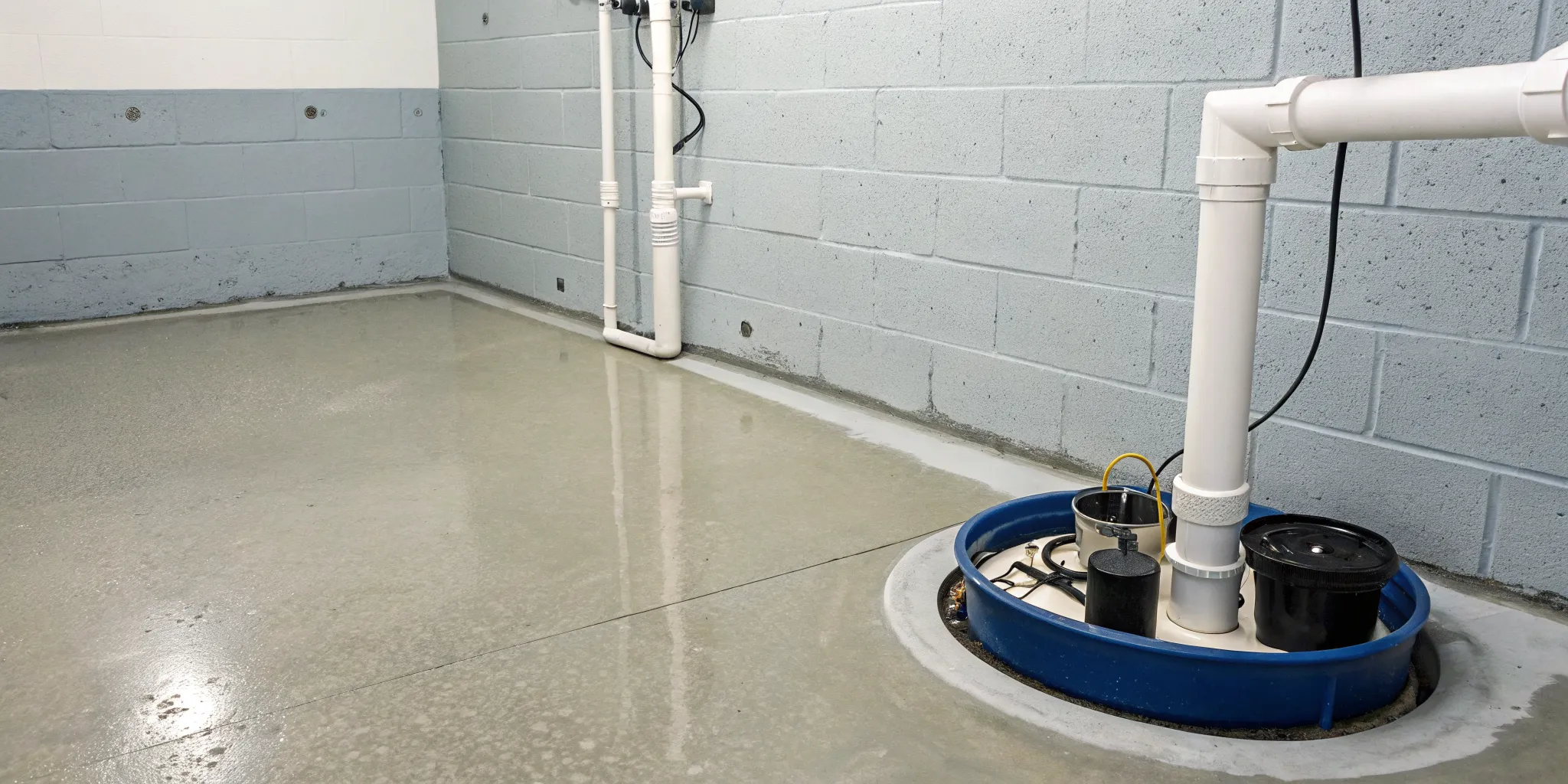
A sump pump kit is a complete package designed to keep your basement or crawl space dry. Inside the box, you’ll typically find all the core components for a standard installation. This includes the pump itself, which is the heart of the system, a durable basin (also called a pit) to collect the water, a check valve to prevent water from flowing back into the basin, and all the necessary pipes and fittings to connect everything. Each part plays a critical role: the basin gathers groundwater, the pump activates to push it out, and the check valve ensures it stays out. Having all these pieces in one box simplifies the process, but ensuring they are installed correctly is key to protecting your home from water damage.
Additional Features to Look For
When you’re comparing kits, it’s important to choose features that fit your home’s specific needs. Look for a kit with the right horsepower for your typical water flow—a home in a high water table area needs a more powerful pump. Also, consider the basin size and the reliability of the switch that activates the pump. One of the most critical features, especially here in Michigan, is a battery backup. Storms that bring heavy rain can also knock out the power, rendering a standard sump pump useless. A battery backup system ensures your basement stays dry even during a power outage, preventing a potential plumbing emergency.
Specialized Kits for Unique Spaces
Not every home has a standard, full-sized basement. If you have a crawl space or another unique layout, you’ll need a specialized kit. Some manufacturers, like Liberty Pumps, offer compact systems specifically designed for the tight quarters of a crawl space. You can also find pre-assembled kits, which can make the installation process a bit smoother. These “drop-in” systems have the pump and switch already connected inside the basin. If you’re unsure what your space requires, consulting with a professional is always a good idea. We can assess your home’s layout and recommend the perfect sump pump solution to ensure complete protection.
How Your Sump Pump Protects Your Basement
The way a sump pump works is actually quite simple and effective. The system is installed at the lowest point of your basement or crawlspace, where water naturally collects. As groundwater levels rise, the water flows into the sump basin. Once the water in the basin reaches a certain level, it triggers a float switch, which automatically turns the pump on. The pump then pushes the water out of the basin, through a discharge pipe, and away from your home’s foundation. This process repeats as needed, quietly protecting your home from potential water damage and giving you peace of mind.
Beyond Flood Protection: Other Benefits of a Sump Pump
A sump pump does more than just stop your basement from flooding—it actively improves your home’s overall health and value. By keeping your basement or crawl space consistently dry, it creates an environment where mold and mildew can’t thrive, which helps protect your family’s respiratory health. This moisture control also safeguards your home’s structural integrity by relieving the water pressure that can cause foundation cracks over time. A dry, stable foundation is a major selling point for any home. Plus, a properly sealed sump pit can even help reduce the risk of radon gas entering your home. When you think about it, investing in professional sump pump services is a proactive step toward a safer, more valuable, and healthier living space.
Submersible vs. Pedestal: Which Pump Is Right for You?
When you start shopping, you’ll notice two main types of sump pumps: submersible and pedestal. A submersible pump, as the name suggests, sits directly inside the sump basin, submerged in water. This design makes it quieter and often more powerful, but it can be a bit trickier to access for maintenance. A pedestal pump has its motor mounted on a column above the basin, keeping it out of the water. This makes it easier to service but also a bit louder and more visible. Your choice really depends on your basement’s layout and how much hands-on maintenance you’re comfortable with. If you’re unsure which is right for your home, getting some expert advice can help clear things up.
Important Sump Pump Safety Considerations
Health and Safety Risks of Sump Pits
The Hidden Danger of Radon Gas
While your sump pit is essential for keeping your basement dry, it can also create an entry point for a hidden danger: radon gas. Radon is a naturally occurring radioactive gas that seeps up from the soil, and it’s a significant health concern. You can’t see, smell, or taste it, making it impossible to detect without testing. According to The Radon Company, an unsealed or improperly covered sump pit can act like a straw, drawing this harmful gas directly into your home’s air because it creates a direct opening to the soil below your foundation. Signs that your pit might be a problem include a missing or loose-fitting cover, visible cracks around the lid, or persistent musty smells.
The only way to know for sure if you have elevated radon levels is to have your home professionally tested. However, ensuring your sump pump system is properly sealed is a critical first step in prevention. A secure, airtight lid not only keeps radon out but also prevents debris from clogging your pump, stops moisture from evaporating into your basement, and keeps curious pets or children safe. If you have any concerns about the integrity of your sump basin or its cover, it’s a good idea to consult with professionals. Experts in sump pump services can ensure everything is installed correctly and safely sealed, giving you confidence in your home’s safety.
How to Choose the Best Sump Pump Kit for Your Home
Choosing a sump pump kit can feel a bit overwhelming with all the options out there. But once you know what to look for, you can confidently pick a system that will keep your basement dry for years to come. It’s not just about buying a pump; it’s about investing in a complete solution tailored to your home’s specific needs. From the pump’s power to its backup system, every component plays a crucial role in protecting your property from water damage. Let’s walk through the key features to focus on so you can make an informed decision.
How Much Pumping Power Do You Really Need?
The heart of any sump pump kit is the pump itself, and its power is measured in horsepower (HP). Getting the right capacity is crucial. A pump that’s too weak won’t be able to keep up during a heavy downpour, while one that’s too powerful will switch on and off too frequently, which can burn out the motor. For most homes in the Detroit area, a 1/3 HP pump is a great starting point. However, if you live in an area with a high water table or have a particularly deep basement, you might need a 1/2 HP or even a 3/4 HP model. Understanding the right pump horsepower for your situation ensures your basement stays dry when it matters most.
Picking the Right Basin Size and Material
The sump pump sits inside a basin, also called a sump pit, which collects water before it’s pumped out. The size of this basin matters. A larger basin allows more water to accumulate before the pump kicks on, meaning the pump will run less frequently but for longer cycles. This can extend the life of the motor. Most kits come with a durable, perforated plastic basin designed for efficient water collection. It’s also important to have a sturdy, airtight lid. A good lid keeps debris from falling in and clogging the pump, prevents moisture from evaporating into your basement, and is a critical safety feature, especially if you have kids or pets.
How Your Pump Knows When to Turn On
The switch is the brain of the operation, telling the pump when to turn on and off. Most kits use a float switch, which rises with the water level to activate the pump. While effective, traditional tethered or vertical float switches can sometimes get stuck or tangled. Some modern kits feature more advanced options, like electronic or pressure switches, which offer greater reliability. These “intelligent” switches can reduce the risk of failure, ensuring your pump works automatically exactly when you need it to. When comparing kits, pay close attention to the switch type, as it’s a small part that makes a big difference in performance.
Why a Battery Backup Is a Must-Have
What happens to your sump pump when the power goes out during a severe thunderstorm? Nothing, unless you have a backup. This is arguably one of the most important features of a comprehensive sump pump system. Many premium kits include a secondary, battery-powered pump that automatically takes over if the primary pump loses power or fails for any reason. This gives you invaluable peace of mind, knowing your basement is protected even during the worst storms. At Mr. Pipey, we always recommend a battery backup as a non-negotiable part of any reliable sump pump service.
How to Choose the Right Battery Backup
Once you’ve decided a battery backup is essential, the next step is choosing the right one. This isn’t a one-size-fits-all situation; the best backup for your home depends on your sump pump’s power requirements and how much runtime you need during an outage. You’ll want to consider the battery’s capacity, the type of power system, and how it integrates with your primary pump. Thinking through these details ensures you invest in a system that provides reliable protection when you need it most, keeping your basement safe and dry no matter what the weather throws your way.
Calculating Your Power Needs
To figure out how long a battery backup will last, you need to look at two things: the battery’s capacity, measured in amp-hours (Ah), and your sump pump’s power draw. Think of the amp-hour rating as the size of the battery’s fuel tank—the higher the number, the longer it can run. It’s important to choose a deep-cycle battery, which is designed to be drained and recharged repeatedly. By matching a high-capacity battery to your pump’s specific energy needs, you can ensure your system has enough power to get through a prolonged outage without skipping a beat.
Types of Backup Power Systems
While a dedicated, secondary battery-powered pump is the most common solution, it’s not your only option for keeping your sump pump running during a power failure. Depending on your home’s needs and your budget, you might also consider other power sources like a gas generator or a portable power station. Each comes with its own set of benefits and considerations. Understanding the differences will help you select a backup plan that aligns perfectly with your home’s setup and gives you the ultimate peace of mind.
Gas Generators
Gas generators are a powerful and reliable option for backup power. They can run not only your sump pump but also other essential appliances in your home, like your refrigerator and lights. However, they do require more hands-on management. You’ll need to have fuel on hand, perform regular maintenance, and be prepared to operate them safely outdoors to avoid carbon monoxide buildup. If you choose this route, it’s critical to ensure the generator’s power output is sufficient to handle your sump pump’s startup and running wattage to prevent any operational issues during an emergency.
Portable Power Stations
A more modern and user-friendly alternative is the portable power station. These are essentially large, rechargeable battery packs that operate silently and don’t produce any fumes, making them safe to use indoors. They are much easier to manage than gas generators and can be charged using a standard wall outlet or even solar panels. When selecting a portable power station, the most important factor is its wattage output. You must choose a model with enough power to handle the initial surge your sump pump requires when it first kicks on, ensuring seamless protection. This is a key part of our comprehensive sump pump services.
How Difficult Is the Installation?
While some sump pump kits are marketed for DIY installation, it’s a job that’s often more complex than it looks. Proper installation involves excavating a pit, running drainage lines, and handling both plumbing and electrical connections. Mistakes can lead to a system that doesn’t work when you need it or, worse, creates new problems. Working with a licensed professional ensures the job is done right and according to local codes. A pro understands the unique soil and water conditions in our area and can guarantee your system is set up for optimal, long-term performance. If you’re unsure, it’s always best to contact an expert.
Find a Durable Pump with a Solid Warranty
A sump pump is something you want to install and forget about, so durability is key. Look for pumps with a cast iron or stainless steel housing, as these materials dissipate heat better and are far more rugged than plastic. The quality of the components will directly impact the system’s lifespan. A strong warranty is another great indicator of a well-made product. Manufacturers who stand behind their equipment will offer multi-year warranties. For example, many reputable pumps come with a 3-year warranty or longer. This protects your investment and gives you confidence that you’ve chosen a reliable kit.
Finding the Right Sump Pump Kit for Your Budget
Sump pump kits come in a wide range of prices and capabilities, so it’s helpful to know what you’re getting at each level. The right kit for your home depends on your budget, how much water your basement typically gets, and how much peace of mind you’re looking for. Let’s walk through the different tiers, from basic setups to premium systems, to help you find the perfect match for your needs.
Budget-Friendly Kits: What You Get for the Price
If you’re on a tight budget or live in an area with only occasional water issues, an entry-level kit might be all you need. These kits are the most affordable, typically ranging from $150 to $400 for popular brands like Wayne or Zoeller. For that price, you’ll get a basic, functional pump that can handle low to moderate water flow. These models are usually made from thermoplastic materials and have lower horsepower. While they get the job done for minor seepage, they generally don’t include a battery backup, which leaves you vulnerable during a power outage. Think of it as a solid starting point for basic basement protection.
Mid-Range Kits: The Best of Both Worlds?
For most homeowners in Metro Detroit, a mid-range kit hits the sweet spot between price and performance. These systems offer a significant step up in reliability and features without breaking the bank. You can expect a more powerful pump, often with 1/3 or 1/2 horsepower, and more durable construction, like a cast-iron body. The most important feature at this level is the inclusion of a battery backup system. This ensures your pump keeps running even if a storm knocks out the power, which is when you need it most. A mid-range kit is a smart investment for anyone who wants dependable, year-round protection from a wet basement.
Premium Kits: When You Need Maximum Protection
If you have a finished basement, store valuable items downstairs, or simply want the best possible defense against flooding, a premium kit is the way to go. As one expert notes, a single sump pump can’t always provide complete protection against a major basement flood. Premium systems are designed for this reality. They often include a powerful primary pump, a secondary pump that kicks in if the first one fails, and a robust battery backup system to power them both. Many also come with smart features, like Wi-Fi connectivity that sends an alert to your phone if there’s a problem. This is the ultimate setup for total peace of mind.
Which Sump Pump Brands Can You Trust?
When you start shopping, you’ll see a few names pop up again and again. Choosing between trusted brands like Wayne and Zoeller can feel like a big decision, but both have a strong reputation for a reason. Zoeller pumps are famous for their heavy-duty, cast-iron construction, making them incredibly durable. Wayne is often recognized for its innovative, energy-efficient designs that can help lower your utility bills. Understanding what each brand offers can help you narrow down your options. If you’re unsure which model is right for your home, our team can help you select and install the perfect sump pump system.
How to Compare Performance Features
The sump pump is a critical part of any basement waterproofing system, so it’s important to compare a few key specs. First, look at the horsepower (HP) and the gallons per hour (GPH) rating. These numbers tell you how powerful the pump is and how much water it can move. A basement that floods quickly needs a higher GPH. Also, consider the construction material, as cast-iron pumps tend to last longer than thermoplastic ones. Finally, check the switch type. A vertical float switch is generally more reliable in smaller sump pits than a tethered float switch, which needs more room to operate.
Understanding Flow Rate (GPH) and Lift
Beyond horsepower, a pump’s performance is measured by its flow rate, or Gallons Per Hour (GPH). This tells you how much water the pump can move in a set amount of time. However, that number isn’t constant. You also have to consider “lift,” which is the vertical distance the pump has to push water to get it out of your basement. Think of it like this: the higher the lift, the harder the pump has to work, and the lower its GPH will be. Before you buy, measure the distance from the bottom of your sump pit to where the discharge pipe leaves your house. Then, check the pump’s performance chart (usually on the box or online) to see its actual GPH at that specific lift height.
Checking Key Specifications
When you’re comparing models, a few key specs will tell you a lot about a pump’s quality and longevity. Look at the construction material first. Pumps with cast-iron housings are heavier and more durable than their thermoplastic counterparts because they dissipate heat more effectively, which can extend the motor’s life. Also, pay attention to the switch type. A vertical float switch is often more reliable in a standard-sized basin because it’s less likely to get snagged than a tethered switch that needs more room to operate. Getting these details right is a core part of any professional sump pump service, ensuring your system is built to last.
Don’t Forget About Energy Efficiency
A sump pump can run quite a bit during the rainy spring season, and all that activity can add up on your electricity bill. That’s why it’s smart to consider energy efficiency when choosing a kit. Some brands, like Wayne, are known for creating energy-efficient models with advanced motors that reduce utility costs during frequent pump cycles. An efficient pump not only saves you money over its lifespan but also puts less strain on its motor, which can contribute to a longer life. It’s a small detail that makes a big difference, reflecting a commitment to smart, cost-effective plumbing solutions.
Sump Pump Installation: Should You DIY or Hire a Pro?
Deciding whether to install your new sump pump yourself or call in a professional is a big question. While tackling the project on your own can seem like a great way to save money, it’s important to weigh the potential savings against the risks. A sump pump is your basement’s first line of defense against flooding, so a flawless installation is non-negotiable. Before you roll up your sleeves, let’s walk through what it really takes to get the job done right and help you make the best choice for your home.
3 Common DIY Installation Myths, Busted
One of the biggest myths is that modern sump pump kits are simple, plug-and-play devices. While manufacturers have made them more user-friendly, “easy” is a relative term. A successful installation still requires a solid understanding of plumbing, excavation, and even electrical work. The idea that DIY is always the cheaper route can also be misleading. A small mistake, like an improperly sealed connection or a poorly dug pit, can lead to pump failure and water damage. The cost of fixing a botched installation and repairing a flooded basement will quickly erase any initial savings.
DIY vs. Pro: Weighing the Pros and Cons
Going the DIY route gives you control over the project timeline and saves you money on labor costs, which is definitely appealing. However, the risks are significant. An incorrect installation can cause leaks, electrical hazards, or a pump that doesn’t turn on when you need it most. Even a small oversight can lead to a major flood. Hiring a professional plumber provides peace of mind. You get the benefit of their experience, the right tools for the job, and the assurance that everything is installed correctly and efficiently. For reliable sump pump services in Metro Detroit, an expert is just a call away.
Do You Need a Permit for Your Installation?
Many homeowners don’t realize that plumbing work often needs to follow local building codes. An improper sump pump installation may not be compliant, which can create problems if you ever sell your home or need to file an insurance claim. Professionals are familiar with Metro Detroit’s specific codes and will ensure your system is up to standard. They handle any necessary permits and make sure your discharge lines are routed correctly to prevent issues with your property or your neighbors’. This is one of those details that’s easy to miss on your own but critical for long-term success.
Pro Tips for a Smooth DIY Installation
Whether you decide to tackle the installation yourself or hire a pro, a flawless setup is the goal. If you go the DIY route, read the manufacturer’s instructions from start to finish before you begin. Ensure the sump pit is the correct size and is placed in the lowest part of your basement. You’ll also need to drill a weep hole to prevent air lock and ensure the discharge pipe slopes away from your foundation. A professional will handle all of this, plus they will check that the pump is connected to a dedicated GFCI outlet and test the float switch to confirm it activates properly.
Ensure Proper Discharge Pipe Placement
One of the most critical steps in any sump pump installation is figuring out where the discharge pipe will go. If it’s placed incorrectly, you could end up pumping water right back toward your foundation, which completely defeats the purpose of having a pump. A good rule of thumb is to make sure the pipe carries water at least eight feet away from your house. It’s also important to consider your neighbors—direct the pipe so the water flows away from their property, not toward it. Ensuring the pipe has a consistent downward slope is also key to preventing water from sitting in the line and freezing during our cold Michigan winters. Getting this part right is essential for effective sump pump services and long-term peace of mind.
Keeping Your Sump Pump Running for Years
Your relationship with your sump pump doesn’t end after installation. For it to protect your home for years, it needs to be reliable. A professional installation is the first step toward ensuring your system will function correctly over time. Most professional plumbers also guarantee their workmanship, giving you an extra layer of security if something goes wrong. They can also provide valuable advice on a maintenance schedule to keep your pump in top condition. Building a relationship with a trusted plumbing company means you have an expert to call for routine checks and any future plumbing needs.
Where to Find the Best Deals on Sump Pump Kits
Finding the right sump pump kit at a great price feels like a major win. But a good deal isn’t just about the lowest price tag; it’s about getting a reliable system that will protect your basement for years to come. To get the best value, you need to know where to look and what to watch out for. Whether you prefer shopping from your couch or getting hands-on advice at a local store, a little strategy goes a long way in securing a quality kit without overspending.
Should You Buy Online or From a Local Store?
Deciding where to buy your sump pump kit often comes down to a choice between convenience and expert guidance. Online retailers offer a massive selection and competitive pricing, making it easy to compare models and read reviews from home. While professional installation ensures expertise, many modern sump pumps are designed for a straightforward do-it-yourself setup, which can save you time and money.
On the other hand, local hardware and plumbing supply stores provide personalized advice from staff who can help you choose the right kit for your specific needs. You can see the products in person and take your purchase home the same day. Plus, buying local supports businesses in our Metro Detroit community.
When Is the Best Time to Buy a Sump Pump Kit?
Timing your purchase can lead to significant savings. Keep an eye out for sales during the spring, as retailers prepare for the rainy season, and in the fall, before the winter freeze sets in. Major holiday weekends, like Memorial Day, Labor Day, and Black Friday, are also prime times for deals on home improvement items. Some retailers even offer sump pump kits that come pre-assembled and “installation ready,” which adds value by making your setup process much simpler. Signing up for newsletters from your favorite hardware stores can also give you a heads-up on upcoming promotions.
“Too Good to Be True” Deals to Avoid
A deal that seems too good to be true probably is. Be cautious of deeply discounted kits from unknown brands with few or no reviews, as they may be made with low-quality components that are prone to failure. Used or refurbished units can also be risky unless they come with a solid warranty from a reputable seller. Remember, the goal is to protect your home from water damage. An unreliable pump isn’t a bargain if it fails during a storm. Incorrect installation can also lead to leaks or electrical hazards, so a cheap kit could end up costing you far more in repairs.
How to Get the Best Value for Your Money
The best value comes from balancing cost, performance, and durability. Instead of just grabbing the cheapest option, compare the features that matter most, like motor horsepower, pumping capacity (GPH), and warranty length. For example, trusted brands offer different price points; most Wayne sump pumps cost between $150 and $400, while Zoeller pumps often range from $200 to $900. The higher price may reflect a cast-iron build or a more reliable switch. Investing in a quality system from a trusted brand is an investment in your peace of mind. If you need help choosing and installing the perfect system, our team at Mr. Pipey offers expert sump pump services to ensure your basement stays dry.
Related Articles
- Sump Pump Installation: Your Guide to a Dry Basement
- Sump Pump and Installation Cost: What to Expect
Frequently Asked Questions
Is a more powerful sump pump always the better choice? Not necessarily. While it seems like more power would be better, a pump that’s too strong for your needs can “short cycle,” meaning it turns on and off too frequently. This can wear out the motor much faster. The key is to match the pump’s horsepower to your home’s specific situation, considering factors like your local water table and basement depth. For most homes, a 1/3 or 1/2 horsepower pump is perfectly sufficient.
Do I really need a battery backup for my sump pump? In short, yes. Think about when your basement is most likely to flood: during a heavy thunderstorm. That’s also the most common time for a power outage. A battery backup system ensures your pump keeps working even when the electricity goes out, providing a critical safety net. It’s one of the most important investments you can make for true peace of mind and protection against water damage.
How often should I test my sump pump to make sure it’s working? It’s a great habit to check on your sump pump every few months, and especially before the start of the rainy season. You can test it easily by pouring a bucket of water into the sump pit until the float switch rises and activates the pump. This quick check confirms that the pump turns on, removes the water, and shuts off properly, ensuring it’s ready for when you actually need it.
What’s the real difference between a basic kit and a premium one? The main differences come down to durability, power, and features. A basic, entry-level kit will handle minor water seepage but is often made of plastic and lacks a battery backup. A mid-range or premium kit will typically feature a cast-iron pump for a longer lifespan, a more powerful motor to handle heavy water flow, and a battery backup system for protection during power outages.
Can I save money by installing the sump pump kit myself? While you can save on labor costs with a DIY installation, it comes with risks. A proper installation involves digging, plumbing, and electrical work, and a small mistake can lead to pump failure or even flooding. Hiring a professional ensures the job is done correctly, meets local codes, and is optimized for your home’s specific needs, which often saves you much more money and stress in the long run.