
That strange noise coming from the basement isn’t something to ignore. If your sump pump is making a grinding sound, cycling on and off constantly, or just not turning on at all, it’s sending you a clear warning sign. These issues are especially common in Royal Oak, where our unique soil and harsh weather can cause everything from clogged lines to burnt-out motors. Panicking isn’t the answer, but taking action is. Knowing whether you’re facing a simple fix or a major failure is crucial. This article will help you diagnose the problem, understand your options, and know when it’s time to call a professional for sump pump repair Royal Oak MI to protect your home.
Key Takeaways
- Perform simple checks to prevent floods: You can avoid most emergencies with a few simple habits. Test your pump monthly with a bucket of water, clean the pit seasonally, and make sure the outdoor discharge line is clear before winter.
- Understand why Royal Oak is a high-risk area: The area’s heavy clay soil contributes to clogs, while our harsh freeze-thaw cycles can block the discharge line; these are two of the most common local causes of pump failure.
- Choose to repair or replace based on age and cost: A repair often works for newer pumps with minor issues, like a stuck float switch. If your pump is over seven years old or needs frequent service, a full replacement is the more reliable and cost-effective choice.
Common Sump Pump Problems in Royal Oak
Your sump pump is the unsung hero of your basement, working silently to protect your home from water damage. But like any hardworking appliance, it can run into trouble. In Royal Oak, our unique weather patterns and soil conditions create a specific set of challenges that can lead to pump failure. From the heavy clay in the ground to our intense freeze-thaw cycles, local sump pumps are put to the test year-round. Understanding these common issues is the first step in preventing a flooded basement. If your pump starts acting up, it’s likely facing one of a few familiar culprits. Knowing what to look for can help you catch a small problem before it becomes a major, costly disaster. We’ll walk through the most frequent problems we see in the area, so you can keep your basement dry and your mind at ease. For any issues you encounter, our team is always ready to provide expert sump pump services.
Faulty Float Switches
Think of the float switch as your sump pump’s brain. It’s the component that tells the pump when to turn on and off. Just like the float in your toilet tank, it rises with the water level, triggering the pump to start. A common point of failure is this very switch. It can get stuck in the “off” position from debris in the sump pit, or it can get jammed against the side of the basin. When this happens, your pump won’t activate, even as water fills your basement. Conversely, if it gets stuck in the “on” position, the pump will run continuously, burning out the motor.
Clogs from Local Clay and Iron
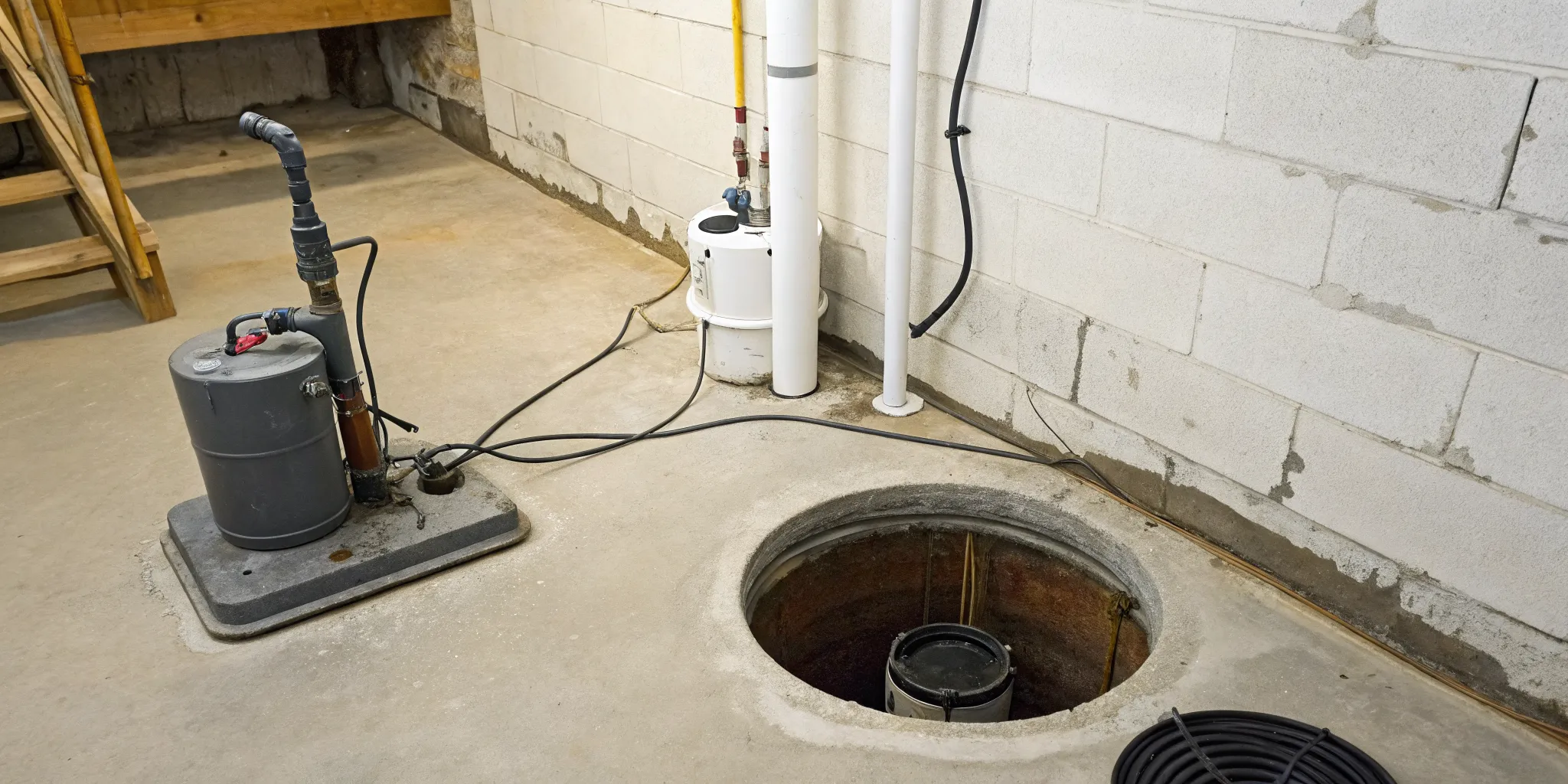
The ground beneath Royal Oak homes has a lot of clay, which can be tough on plumbing. This dense soil doesn’t just affect foundations; it also introduces a lot of sediment, silt, and debris into your sump pit. Over time, this gunk can get sucked into your pump, clogging the intake screen or jamming the impeller (the part that actually moves the water). An iron-rich water supply can also lead to a rusty, sludge-like buildup called iron ochre, which creates a thick gel that can completely block your system. A clogged pump has to work much harder, leading to overheating and premature failure.
Burnt-Out Motors or Worn Parts
Your sump pump is a powerful machine, but it won’t last forever. The motor is the heart of the unit, and it can burn out from simple old age or from being overworked. Constant cycling, which can be caused by a faulty switch or an improperly sized pump, is a primary cause of motor failure. Other internal parts, like bearings and seals, can also wear down over time, leading to loud noises or leaks. Regular use, especially during a wet Michigan spring, puts a lot of stress on these components. Without proper maintenance, a simple worn-out part can cause the entire system to fail when you need it most.
Frozen and Cracked Discharge Lines
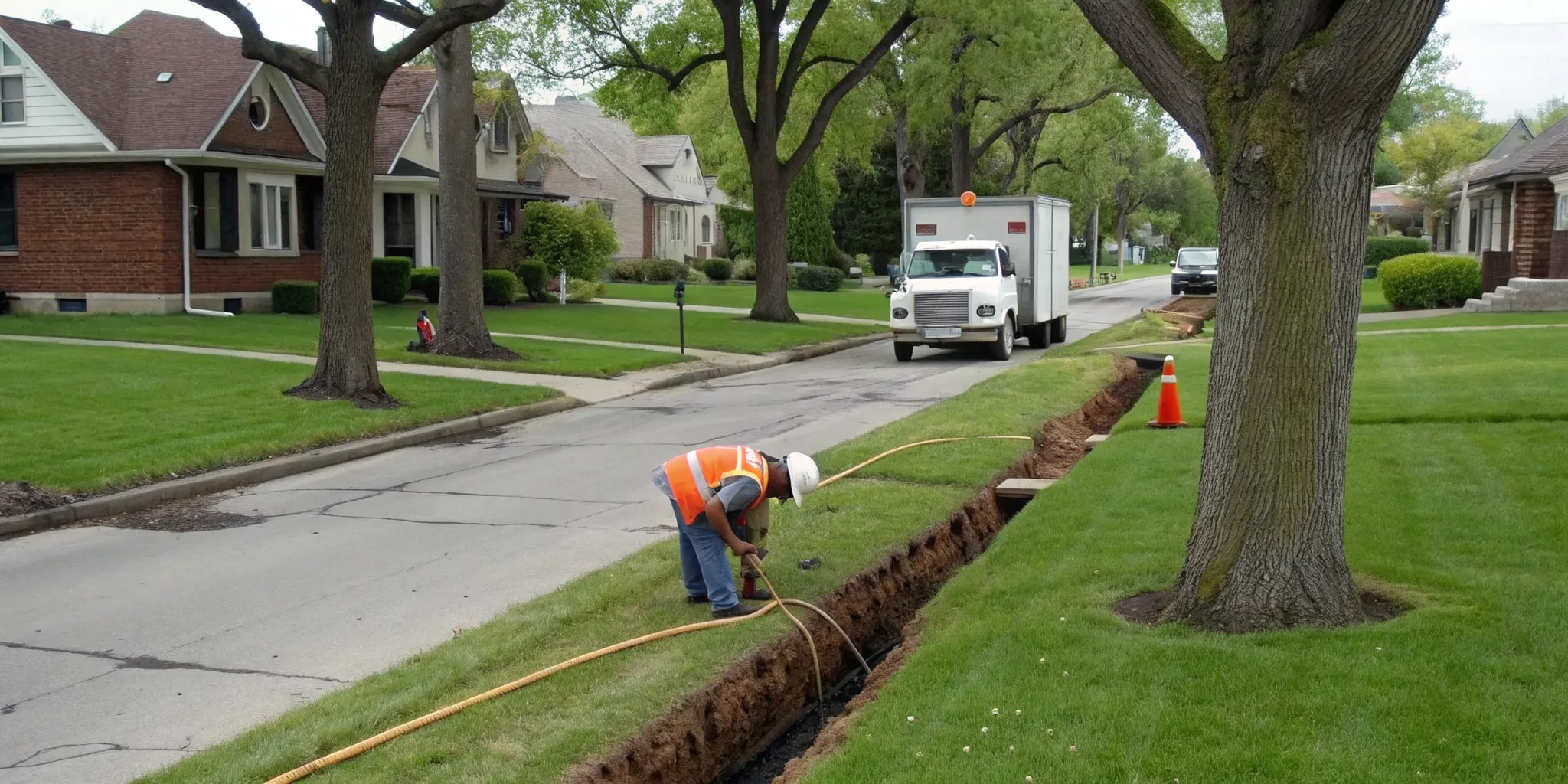
In Michigan, winter is a major threat to your sump pump system. The discharge line is the pipe that carries water from your pump out of your house and away from the foundation. If this pipe isn’t buried deep enough or properly sloped, water can get trapped inside and freeze solid. A frozen discharge line creates a complete blockage. Your pump will try to send water out, but with nowhere to go, the water will flow back into your basement. This can also put immense pressure on the pump, causing the motor to burn out. We see this often and specialize in frozen pipe repair to get things flowing again.
Overload During Spring Thaws
The spring thaw combined with heavy rain is your sump pump’s busiest season. As snow melts and the ground becomes saturated, an enormous amount of water presses against your home’s foundation. This forces your sump pump to run frequently, sometimes even continuously, to keep up. If your pump is older, undersized for your home, or already weakened by clogs or wear, this constant operation can be too much. The motor can easily overheat and burn out right when you need it most. This is why so many basement floods happen in the spring, turning a seasonal change into a household emergency.
Why Royal Oak Homes Are at Higher Risk
Living in Royal Oak means enjoying beautiful neighborhoods and a strong community, but it also comes with a few unique challenges for homeowners, especially when it comes to keeping basements dry. Your sump pump isn’t just a piece of equipment; it’s your first line of defense against water damage. Unfortunately, a combination of local soil, older homes, and our classic Michigan weather puts Royal Oak properties at a higher risk for
Unique Soil and Water Conditions
Royal Oak’s ground isn’t just dirt; it’s largely made of clay soil. This type of soil acts like a sponge, swelling when it’s wet and shrinking as it dries. This constant movement can put stress on your home’s foundation over time. More directly, this clay soil contributes a lot of sediment and debris that gets washed into your sump pit. All that grit can easily clog your pump’s intake, jam the float switch, or cause the motor to wear out prematurely. It’s a problem that requires a robust sump pump system designed to handle more than just clear water.
Aging Home Infrastructure
Many of us love the character and charm of Royal Oak’s older homes, but their vintage appeal can come with outdated plumbing. Homes built before the 1970s often have smaller sump pump basins and drainage systems that simply weren’t designed for the volume of water they face today. A small pit means your pump has to run more frequently, leading to faster wear and tear. If your system is original to the house, it may be undersized and struggling to keep up, putting your basement at constant risk during heavy rains or spring thaws. An upgrade might be necessary to bring your home’s defenses up to modern standards.
Michigan’s Harsh Freeze-Thaw Cycles
We all know Michigan winters are no joke, and they are especially tough on sump pumps. The biggest threat isn’t the pump itself, but the discharge line that carries water away from your house. During our notorious freeze-thaw cycles, this pipe can easily freeze solid, creating a blockage. When your pump tries to push water out, it has nowhere to go and backs up into your basement. This can also cause the pump to run continuously against a blockage, leading to a burnt-out motor. Properly installed and maintained discharge lines are critical to preventing this common winter disaster and avoiding the need for frozen pipe repair.
Warning Signs Your Sump Pump Is Failing
Your sump pump works quietly in the background, so it’s easy to forget it’s there until something goes wrong. But paying attention to a few key signals can help you catch a problem before you’re dealing with a flooded basement. If you notice any of these warning signs, it’s time to take a closer look.
Strange Noises or Constant Cycling
You know the normal hum your sump pump makes when it kicks on. If you start hearing loud, unusual sounds like grinding, rattling, or gurgling, it’s a red flag. These noises often mean a part is broken or jammed with debris. Another telltale sign is a pump that cycles on and off constantly, even when there isn’t heavy rain. This could point to a faulty float switch or a pump that’s struggling to keep up. Ignoring these sounds can lead to a complete system failure, so it’s best to have your sump pump services checked out right away.
Visible Rust and Grime
Take a peek into your sump pit every few months. If you see visible rust on the pump, it’s a sign of corrosion that can weaken the system and eventually cause it to fail. You might also notice a slimy, reddish-brown buildup, which is common in Michigan due to iron bacteria in the soil. This grime can clog the pump’s mechanics and prevent it from working properly when you need it most. A little preventative maintenance can go a long way in avoiding a call for emergency plumbing during the next big storm.
Water in Your Basement Anyway
This is the most obvious and urgent warning sign. If you have water in your basement, your sump pump has already failed its one job. The cause could be anything from a clog or power outage to a completely burnt-out motor. Whatever the reason, standing water is a serious issue that can damage your home’s foundation, ruin your belongings, and lead to mold growth. Don’t wait to address the problem. A professional can diagnose why your pump isn’t working and recommend the best course of action to protect your home.
Your Pump’s Age
Even the best sump pumps don’t last forever. On average, a sump pump has a lifespan of about seven to ten years. If your pump is getting close to that age, or if you have no idea how old it is, it’s living on borrowed time. An older pump is far more likely to fail, especially during the heavy spring thaws and summer downpours we get in Royal Oak. Replacing an aging pump proactively is a smart investment that gives you peace of mind and helps you avoid a costly, stressful cleanup down the road.
Should You Repair or Replace Your Sump Pump?
Figuring out whether to fix your sump pump or get a new one can feel like a big decision, especially with a storm on the horizon. The right choice often comes down to the age of your pump, the nature of the problem, and the cost. A simple repair might be all you need to get things running again, but sometimes, a full replacement is the smarter, safer investment for your home. Let’s walk through the key factors to help you decide.
When a Repair Is Enough
The good news is that many common sump pump problems don’t require a full replacement. If your pump is relatively new and has been reliable, a repair is often the most cost-effective path. Issues like a stuck float switch, a small clog in the mechanism, or a jammed part can frequently be fixed by a professional without breaking the bank. Think of it like changing a flat tire instead of buying a new car. A qualified plumber can quickly diagnose the issue and perform the necessary sump pump services to get your system back in working order, protecting your basement from potential water damage.
When to Opt for a Replacement
While a repair can be a quick fix, it isn’t always the best long-term solution. The biggest factor to consider is age. Most sump pumps have a lifespan of about seven to ten years. If your pump is approaching the decade mark, it’s wise to plan for a replacement before it fails during a critical moment. Constant repairs are another red flag. If you find yourself calling for service every year, the cumulative cost and stress likely outweigh the price of a new, reliable unit. A replacement gives you peace of mind and a fresh start with modern, more efficient technology.
Is Your Pump Powerful Enough?
It’s also possible your sump pump isn’t failing but was never the right fit for your home in the first place. A pump that’s too small will struggle to keep up with heavy water flow during Royal Oak’s spring thaws, leaving your basement vulnerable. On the other hand, an oversized pump will cycle on and off too frequently, leading to premature motor burnout. A professional can assess your home’s specific needs, considering factors like the local water table and your basement’s square footage, to ensure you have a properly sized pump. This guarantees your pump works efficiently and effectively when you need it most.
What Does Sump Pump Repair Cost in Royal Oak?
Let’s get straight to the point, because it’s the question on every homeowner’s mind: what is this going to cost? When your sump pump acts up, figuring out the potential expense is a top priority. The final price tag for a sump pump service in Royal Oak depends heavily on whether you need a simple repair or a full replacement. While online estimates can give you a general idea for your budget, the only way to get a precise number is to have a professional diagnose the problem.
A simple fix, like replacing a faulty float switch, will naturally cost less than installing a brand-new unit. However, sinking money into repairing an old, inefficient pump might not be the most cost-effective choice in the long run. The key is to weigh the immediate repair cost against the long-term value and peace of mind a new pump provides. We believe in transparent pricing, so a trusted plumber should always give you a clear breakdown of your options and an upfront quote before any work begins. This allows you to make an informed decision for your home and your budget without any surprises. For a detailed assessment, it’s best to schedule a professional sump pump inspection.
Repair vs. Replacement Cost Estimates
Deciding between a repair and a replacement often comes down to the numbers. A typical sump pump repair in the Royal Oak area can range from $300 to $700, depending on the part that failed and the labor involved. This might cover issues like a broken float switch or a minor clog. In contrast, a full sump pump replacement is a larger investment, often falling between $900 and $1,500 for the new unit and professional installation.
While a repair seems cheaper upfront, consider the age and history of your pump. Most sump pumps have a lifespan of about seven to ten years. If your unit is approaching that age or has needed multiple repairs already, investing in a full replacement is often the smarter financial move. It saves you from the cycle of repeated service calls and protects your basement from the costly damage of a future failure.
Factors That Influence Price
Several key factors determine the final cost of your sump pump service. Understanding them can help you see exactly what you’re paying for. The most significant variable is the type of work needed; a simple part replacement will always be more affordable than a complex installation. The type of pump you have also matters, as submersible pumps can be more labor-intensive to access and service than pedestal pumps.
Another major factor is the accessibility of your sump pit. If it’s located in a tight crawl space or requires moving heavy objects, the additional labor will be reflected in the price. Finally, the timing of your call plays a role. A scheduled maintenance visit during business hours will cost less than an urgent, middle-of-the-night call. That’s why having access to reliable emergency plumbing services is so important for those unexpected breakdowns.
Essential Sump Pump Maintenance Tips
Your sump pump is your home’s first line of defense against a flooded basement, and keeping it in top shape is one of the smartest things you can do as a homeowner. A little regular attention can save you from the massive headache and expense of water damage, especially with Michigan’s unpredictable weather patterns that can bring heavy rain or rapid snowmelt. Think of these tips as a simple checklist to protect your home and give you peace of mind. By staying proactive, you can feel confident that your pump is ready to work exactly when you need it most, keeping your basement dry and your belongings safe. It’s about turning potential panic into a manageable routine, ensuring a small issue today doesn’t become a disaster tomorrow. Following these steps will help you maintain your system’s health and extend its life.
Test Your Pump Monthly
Think of this as a quick fire drill for your sump pump. Once a month, take a bucket of water and pour it into the sump pit. You should pour enough to raise the float switch, which will then trigger the pump to turn on and drain the water. Once the water is gone, the pump should shut off. This simple test takes less than five minutes and is the best way to confirm everything is working correctly. Catching a problem during a test is much better than discovering it during a downpour. If the pump doesn’t turn on or seems to struggle, it’s a clear sign you need to call for professional sump pump services.
Clean the Sump Pit Seasonally
Over time, your sump pit can collect dirt, gravel, and other debris that can clog your pump’s intake screen. At least once a year, and ideally each season, it’s a good idea to give it a cleaning. Unplug the pump and remove it from the pit. You can then clear out any sludge or debris from the bottom of the pit and clean the pump’s inlet screen. This simple chore prevents clogs and helps your pump operate more efficiently, ensuring it can handle the heavy water flow during a storm without getting jammed up. It’s a bit of a dirty job, but it’s essential for keeping your system reliable.
Inspect the Discharge Line Before Winter
In Michigan, a frozen discharge line is a common cause of sump pump failure. When the pipe that carries water away from your home freezes, the water has nowhere to go except back into your basement. Before the first freeze, walk outside and inspect your discharge line. Make sure it’s clear of any obstructions like leaves, dirt, or animal nests. The pipe should also be sloped downward to allow gravity to drain any remaining water. If your line has frozen in the past, consider professional pipe insulation to prevent it from happening again. This small step is critical for winter preparedness.
Get a Battery Backup System
What happens to your sump pump when the power goes out during a severe thunderstorm? Nothing, unless you have a backup. A battery backup system is a secondary, battery-powered pump that kicks in automatically if the power fails or if your primary pump can’t keep up. It’s your insurance policy against flooding during a power outage. Given how often storms can knock out power in our area, a backup system provides invaluable protection and peace of mind. It ensures your basement stays dry even when the main power grid is down, protecting your property for hours until electricity is restored.
Schedule an Annual Professional Inspection
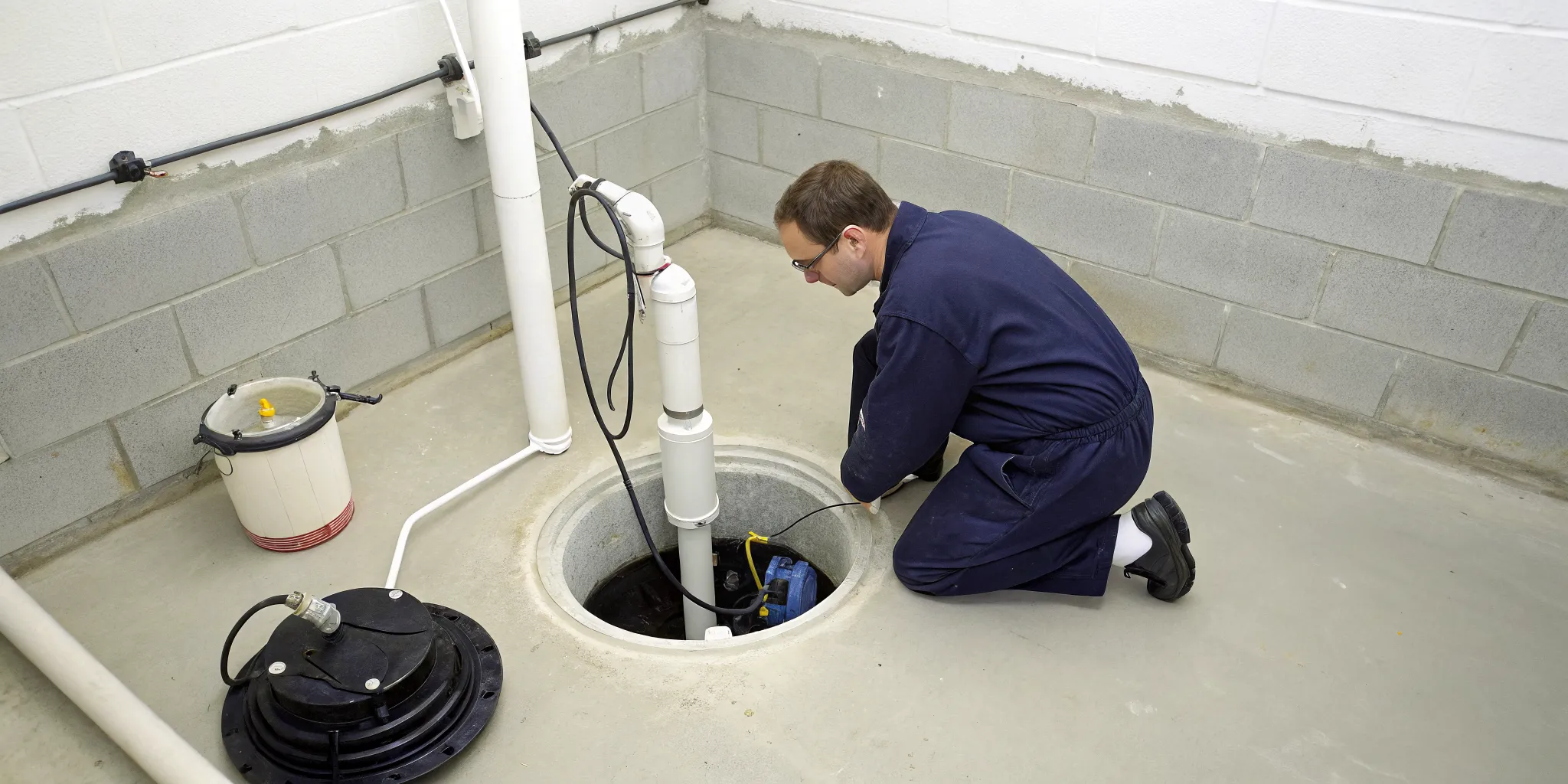
While monthly tests and seasonal cleanings are great, they can’t replace a professional’s trained eye. We recommend scheduling an annual professional inspection to make sure every component of your sump pump system is in perfect working order. A technician can spot issues you might miss, like worn-out bearings or a failing motor, and perform preventative maintenance. An annual check-up from a trusted expert ensures your pump is ready for Michigan’s rainy seasons and can prevent a small, fixable issue from turning into a catastrophic failure. It’s a small investment that protects your entire basement. You can contact us to schedule your yearly inspection.
Plan to Replace It Every 7–10 Years
Even the best sump pumps don’t last forever. Most pumps have a lifespan of about 7 to 10 years. After that, the risk of failure increases significantly. Instead of waiting for it to fail during a critical moment, it’s wise to be proactive about replacement. If you know your pump is approaching the 10-year mark, or if you don’t know how old it is, start planning for a new one. Replacing your pump on your own schedule is far less stressful and costly than dealing with an emergency replacement after your basement has already started to flood.
How to Choose the Right Sump Pump Service
Finding the right plumber for your sump pump isn’t just about getting a quick fix. It’s about finding a partner who can protect your home from water damage for years to come. When your basement is on the line, you need a team you can trust completely. The best professionals combine local expertise with round-the-clock availability and transparent business practices. Here’s what to look for when choosing a sump pump service in Royal Oak.
Deep Knowledge of Royal Oak Conditions
Royal Oak has its own unique environmental challenges, from clay-heavy soil to intense freeze-thaw cycles that can wreak havoc on plumbing. A generic solution just won’t cut it. You need a plumber who understands these specific local conditions and knows how to install or repair a sump pump system that can handle them. A team with deep roots in the area will recognize the signs of common local problems, like clogs from iron ochre, and recommend the right equipment to keep your basement dry. This local expertise ensures your sump pump services are tailored to protect your home effectively, not just provide a temporary patch.
Around-the-Clock Emergency Service
Sump pumps rarely fail at a convenient time. More often, they give out in the middle of a torrential downpour or late on a Saturday night. When water is rising in your basement, you can’t afford to wait until Monday morning for a callback. That’s why access to 24/7 support is crucial. A company that offers emergency plumbing understands the urgency of a failing sump pump. Look for a service that guarantees a rapid response, day or night. This immediate attention can be the difference between a small, manageable cleanup and a catastrophic flood that causes thousands of dollars in damage to your foundation and belongings.
Clear Pricing and Guarantees
No one likes financial surprises, especially during a stressful home repair. A trustworthy sump pump service will be upfront and transparent about costs from the very beginning. Before any work starts, you should receive a clear, detailed estimate. While average repair costs in Royal Oak can give you a general idea, a reputable company will assess your specific situation to provide an accurate quote. Furthermore, look for a plumber that stands behind their work with a satisfaction guarantee. This commitment gives you peace of mind, knowing they are dedicated to providing a reliable, long-lasting solution. When you’re ready for a clear estimate, don’t hesitate to contact a professional.
Your Trusted Sump Pump Experts in Royal Oak
When your sump pump acts up, finding a reliable plumber in Royal Oak is the most important step you can take to protect your home. You have several local options, with some companies focusing on new installations and others specializing in emergency repairs. While having choices is great, what truly matters is finding a team that can handle any issue with expertise and care, especially when you have water threatening your basement.
At Mr. Pipey, we offer a comprehensive approach. As a family-owned business serving the Metro Detroit area, we’ve built our reputation on trust and treating every client like a neighbor. We provide complete sump pump services, from diagnosing strange noises and fixing faulty switches to installing a brand-new system with a battery backup. Our deep understanding of Royal Oak’s specific soil conditions and harsh winters means we don’t just offer a quick fix; we provide lasting solutions designed to withstand local challenges.
We believe you deserve peace of mind. That’s why our work is backed by a 100% customer satisfaction guarantee. You’re not just another job to us; you’re part of our community. Because we know that disasters don’t stick to a 9-to-5 schedule, our emergency plumbing team is available around the clock to stop a flood in its tracks. When you need a partner to protect your home, you can count on the team that treats you like family.
Related Articles
- Cost to Replace Sump Pump: A 2026 Price Guide
- Sump Pump Basin: Everything You Need to Know
- Step-by-Step Sump Pump Installation in Crawl Space
- Sump Pump Installation: Your Guide to a Dry Basement
- Sump Pump and Installation Cost: What to Expect
Frequently Asked Questions
How often should I really be testing my sump pump? I know it feels like one more thing to add to your to-do list, but testing your pump is the single best way to prevent a surprise flood. I recommend doing it seasonally, or even monthly if you can. Just pour a bucket of water into the pit until the float rises and the pump kicks on. It’s a five-minute check that confirms your pump is ready for the next storm, and it’s much better to find a problem during a calm, dry day than in the middle of a downpour.
Is a battery backup system actually worth the money? In my opinion, absolutely. Think of it as an insurance policy. The worst storms are often the ones that knock out the power, which is exactly when your primary, electric-powered pump becomes useless. A battery backup system is a secondary pump that automatically takes over when the power fails, keeping your basement dry. For the peace of mind it provides during a Michigan thunderstorm, I believe it’s one of the smartest investments you can make for your home.
My sump pump runs constantly, even when it’s not raining. Is that normal? That’s a definite red flag. While it could mean you live in an area with a naturally high water table, it more often points to a problem. The most common culprits are a faulty float switch that’s stuck in the “on” position or a pump that’s too small for your home and can’t keep up. A pump that runs nonstop will burn out its motor quickly, so it’s a good idea to have a professional take a look and diagnose the real issue.
What’s the most important thing I can do to prepare my sump pump for a Michigan winter? Focus on the discharge line. This is the pipe that carries water out of your house, and it’s the system’s most vulnerable point in the winter. Before the first freeze, make sure the pipe is clear of debris and slopes downward away from your foundation so water can drain completely. If that pipe freezes solid, your pump has nowhere to send water except back into your basement. This simple check can prevent a major winter disaster.
My pump is almost 10 years old but seems to work fine. Should I replace it anyway? I understand the hesitation, but I would strongly consider it. Most sump pumps have a lifespan of about seven to ten years. After that, the risk of failure goes up dramatically. Replacing an old pump proactively allows you to do it on your own schedule, without the stress and water damage that comes with an emergency failure. Think of it as replacing aging tires on your car; you do it to prevent a blowout, not wait for one to happen on the highway.