
Living in Royal Oak means our homes face unique challenges that you won’t find everywhere else. Our dense clay soil doesn’t absorb water well, and the iron-rich groundwater can create a slimy buildup that clogs and destroys sump pumps. These local conditions mean your pump works harder and is more prone to failure than average. Many homeowners don’t realize their pump is struggling against these elements until they’re standing in a flooded basement. Understanding these specific environmental threats is crucial for protecting your property. This guide will walk you through the common local culprits so you know exactly when to call for professional sump pump repair Royal Oak MI before a small issue becomes a catastrophe.
Key Takeaways
- Stay ahead of problems with simple checks: You can prevent most floods by periodically testing your pump with water, cleaning debris from the pit, and listening for strange noises. These quick habits help you spot trouble before a storm hits.
- Know the local challenges: Royal Oak’s clay soil, harsh winters, and iron-rich water put extra strain on sump pumps. This means your system is more prone to clogs and freezing, requiring more frequent attention to prevent failure.
- Don’t ignore the warning signs of failure: A pump that is over seven years old, runs constantly, or shows visible rust is likely due for a professional inspection. It’s often smarter and safer to replace an aging unit than to risk a sudden breakdown.
Royal Oak’s Unique Sump Pump Challenges
Living in Royal Oak means dealing with specific environmental conditions that can be tough on your home’s plumbing, especially your sump pump. While a sump pump is your best defense against a flooded basement, our local soil, harsh winters, and water quality create a unique set of problems that can lead to premature failure if you’re not prepared. Understanding these challenges is the first step toward protecting your home from water damage.
Many homeowners don’t realize their sump pump is struggling until it’s too late. The ground beneath your house and the weather outside play a huge role in how well your system works. From sediment-heavy soil that clogs your pump to freezing temperatures that block your discharge lines, Royal Oak’s environment demands more from your equipment. That’s why routine checks and professional sump pump services are so important here. A pump that seems to be working one day can fail during the next big storm, leaving you with a costly mess. Knowing what to look for can help you prevent a small issue from turning into a major, water-filled headache. We’ll walk through the main culprits so you can stay ahead of potential disasters.
Clay Soil and High Water Tables
One of the biggest challenges for Royal Oak basements is the soil itself. Our area is known for its dense, clay-heavy soil, which doesn’t absorb water very well. When it rains or snow melts, water tends to sit around your foundation instead of draining away, creating a high water table. This puts constant pressure on your sump pump to keep up. Worse, this clay soil brings a lot of silt and sediment with it, which gets washed into your sump pit. This debris can easily clog your pump’s intake screen and wear down its internal parts, forcing it to work harder and eventually burn out.
Harsh Winters and Frozen Lines
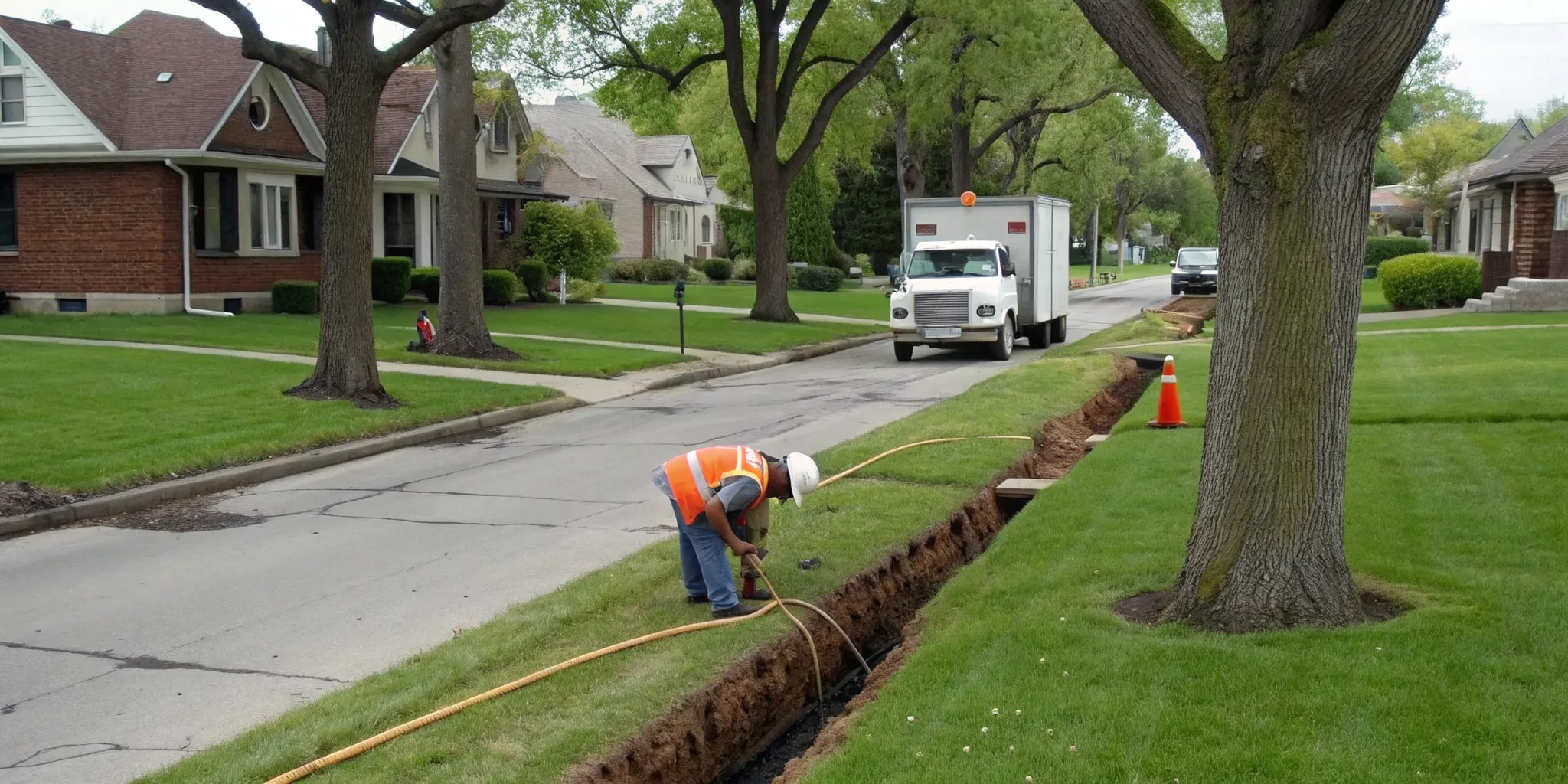
We all know how brutal Michigan winters can be, and they pose a serious threat to your sump pump system. The discharge line, which carries water from your basement safely away from your home, is particularly vulnerable. If this pipe isn’t installed correctly or becomes blocked with snow and ice, it can freeze solid. When that happens, your sump pump has nowhere to send the water, causing it to flow right back into your basement. A properly installed system and proactive frozen pipe repair are essential to prevent this messy and expensive problem.
Iron Buildup and Clogs
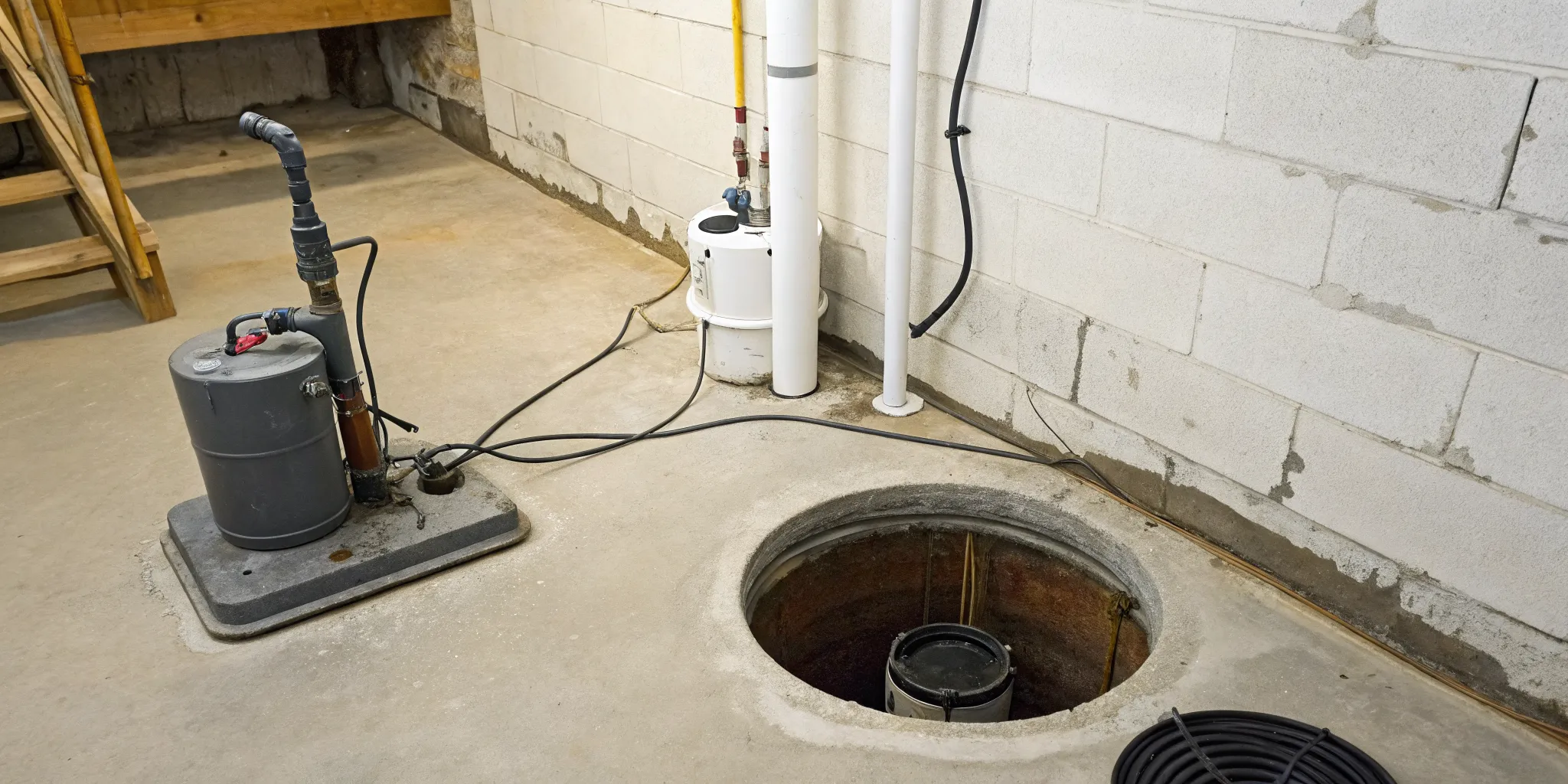
Have you ever noticed a reddish-brown, slimy gunk in your sump pit? That’s likely iron ochre, a type of bacteria that feeds on the natural iron deposits found in Royal Oak’s groundwater. While it might look harmless, this slime is a major cause of sump pump failure. It can clog the pump’s float switch, preventing it from turning on when the water level rises. It can also build up inside the pump and discharge lines, restricting water flow and putting a huge strain on the motor. Regular cleaning is the only way to keep this pesky buildup from causing a system failure when you need it most.
Common Sump Pump Problems in Royal Oak
Your sump pump is a silent hero, working behind the scenes to protect your basement from water damage. But even the most reliable equipment can run into trouble. In Royal Oak, we see a few recurring issues that can stop a sump pump in its tracks. Knowing what to look for is the first step in preventing a small problem from turning into a major, water-logged headache. If your pump starts acting up, one of these common culprits is likely to blame.
A Stuck or Faulty Float Switch
Think of the float switch as your sump pump’s brain. It’s the part that tells the pump when to turn on and when to shut off as water levels rise and fall in the sump pit. If this switch gets stuck or breaks, your pump can either run nonstop or, even worse, not turn on at all when you need it most. Debris in the pit can jam the switch, or it can simply wear out over time. A malfunctioning switch is one of the most frequent reasons for a pump failure, leaving your basement completely vulnerable to flooding during the next downpour.
Clogged or Frozen Discharge Lines
Your sump pump works hard to push water out of your basement, but that water needs a clear path to get outside. The discharge line is that path, and it can easily get blocked. Throughout the year, dirt, rocks, and other debris can build up and create a clog. During our harsh Michigan winters, the line can freeze solid, creating an ice dam that sends all the water backing up right into your home. If your pump is running but the water isn’t going anywhere, you may need professional help with your frozen pipes to clear the blockage safely.
A Burnt-Out Motor
The motor is the heart of your sump pump, providing the power needed to move water. If it burns out, the pump is completely useless. A motor can fail for several reasons, including simple old age, electrical issues, or being forced to run continuously due to a stuck float switch. A struggling motor might make grinding or humming noises before it gives out completely. When the motor dies, it often creates an urgent situation, which is why having a reliable emergency plumbing service on call is so important for Royal Oak homeowners.
Visible Rust and Corrosion
Have you noticed a reddish-brown slime or crusty buildup in your sump pit? That’s likely iron ochre, a type of bacteria that feeds on iron found in our local groundwater. This rusty gunk isn’t just ugly; it can clog your pump’s components, jam the float switch, and block pipes, causing the entire system to fail. Visible rust is a clear warning sign that your pump is struggling. Regular inspections as part of our sump pump services can catch this issue early and keep your system clean and operational before corrosion causes permanent damage.
Is Your Sump Pump Trying to Tell You Something?
Your sump pump works quietly in the corner of your basement, a silent guardian against water damage. But because it’s so out of the way, it’s easy to forget about it until something goes wrong. The good news is that most pumps give you warning signs before they fail completely. Learning to recognize these signals is the key to preventing a flooded basement and expensive repairs. If you notice any of the following issues, your sump pump is likely asking for a little attention.
Constant Cycling or Strange Noises
Sump pumps are often ignored until they fail, but strange sounds are your first clue that trouble is brewing. Is your pump turning on and off every few minutes, even when there’s no heavy rain? That’s called short cycling, and it could mean the float switch is stuck or the check valve is failing. Grinding, rattling, or loud humming noises are also red flags. These sounds often point to a jammed impeller or worn-out motor bearings. Don’t just turn up the TV to drown it out. These are cries for help that, if ignored, can lead to a complete system failure. A professional inspection of your sump pump can diagnose the problem before it becomes a catastrophe.
A Wet Basement Despite a Running Pump
There’s almost nothing more frustrating than seeing water in your basement when you can hear your sump pump running. If this is happening, your pump isn’t moving water effectively. The problem could be a clog in the discharge line, preventing water from exiting your home, or the pump itself might be overwhelmed. It’s also possible the motor is running, but a broken impeller isn’t actually pushing any water out. Whatever the cause, a running pump that isn’t keeping your basement dry is a serious issue that requires immediate attention. This situation can quickly turn into a full-blown flood, so it’s best to call for emergency plumbing services right away.
Warning Signs of an Old Pump
Like any hardworking appliance, sump pumps don’t last forever. Most have a lifespan of about 7 to 10 years. If your pump is approaching that age, or if you have no idea how old it is, it’s time to start paying closer attention. Visible rust and corrosion are clear signs that the pump is deteriorating and may fail soon. An older pump is also more likely to have hidden wear and tear on its internal components. Being proactive is your best defense. Replacing an aging pump on your own terms is far less stressful and costly than dealing with a sudden failure during a major Royal Oak downpour. If you’re unsure about your pump’s age or condition, contact us for an inspection.
Repair or Replace Your Sump Pump?
When your sump pump starts acting up, the big question is whether to fix it or get a new one. It’s a decision that balances upfront cost against long-term peace of mind. A simple repair might save you money now, but if the pump is old or constantly breaking down, a replacement could prevent a future flood and a much bigger headache. Making the right choice comes down to understanding the specific problem, the age of your pump, and the cost of potential repairs.
Typical Repair Costs by Issue
Sump pumps are often forgotten until they fail, which can turn a small issue into a major expense. The cost of a repair really depends on what’s wrong. For example, replacing a stuck float switch or a failed check valve is usually a straightforward and affordable fix. However, if the motor has burned out, you’re looking at a more significant cost, sometimes approaching the price of a new unit. Our team can quickly diagnose the problem and give you a clear breakdown of the costs, helping you understand your options for sump pump services.
Ignoring minor problems like strange noises or intermittent cycling can lead to more extensive damage. A small clog that could be cleared easily might eventually strain the motor and cause it to fail prematurely. Regular check-ups can catch these issues early, but if you’re already facing a breakdown, getting a professional opinion is the best way to weigh the cost of a repair against the risk of future failures.
When Replacement Is the Smarter Choice
Sometimes, a repair just isn’t the most practical solution. Most sump pumps have a lifespan of about seven to ten years. If your pump is in that age range, especially if you don’t know its service history, replacement is often the wiser investment. Constant repairs on an old unit can add up quickly, and you’ll still be left with an aging pump that’s more likely to fail during the next big Royal Oak storm. A new, efficient pump provides reliability when you need it most.
There are a few other signs that point to replacement. If your pump is running all the time but your basement is still damp, it’s not doing its job effectively. Significant visible rust is another red flag, as it indicates the pump is deteriorating. Understanding what plumbers wish homeowners knew can make all the difference. If you’re unsure, it’s always best to contact us for an honest assessment. We’ll help you decide if a new installation is the right move to protect your home.
Don’t Believe These Sump Pump Myths
When it comes to sump pumps, a little bit of misinformation can lead to a whole lot of water in your basement. As a homeowner, it’s easy to fall for common myths that sound logical but can put your property at risk. Let’s clear the air and debunk a few of the most common misconceptions we hear from homeowners in Royal Oak. Getting the facts straight is the first step to keeping your basement dry and your home protected.
“My pump doesn’t need regular check-ups.”
This is probably the most dangerous myth of all. Because a sump pump sits quietly in a corner, it’s easy to adopt an “out of sight, out of mind” mentality. The problem is, sump pumps are often neglected until they eventually fail, usually during the worst possible time, like a heavy downpour. Regular check-ups are not about fixing what isn’t broken; they’re about ensuring your pump is ready to work when you need it most. A quick inspection can catch a stuck float switch, a clogged intake, or a motor that’s about to give out. Scheduling routine sump pump services is a small price to pay for the peace of mind that comes with knowing your first line of defense against flooding is in top shape.
“Any sump pump model will do.”
Walking into a hardware store and grabbing the first sump pump you see is a recipe for trouble. It’s a common belief that all pumps are more or less the same, but that couldn’t be further from the truth. As plumbers, we wish more homeowners understood that choosing the right system is critical for protecting your property. Factors like your home’s location in Royal Oak, the height of the local water table, your soil type, and the size of your basement all influence what kind of pump you need. A pump that’s too weak won’t keep up, while one that’s too powerful can cycle on and off too frequently, leading to premature burnout. A professional can help you assess your home’s specific needs to find the perfect fit.
“A quick DIY fix is good enough.”
We love an empowered homeowner, and there are definitely simple maintenance tasks you can handle yourself. However, believing a “quick DIY fix” is always sufficient can be a costly mistake. Avoiding common errors in sump pump repair is crucial for the reliable operation of your pump when it’s needed most. An incorrect repair, especially on electrical components or the motor, can lead to complete pump failure, create an electrical hazard, or even void your warranty. While cleaning out the sump pit is a great DIY task, more complex issues are best left to the pros. Calling for professional emergency plumbing isn’t giving up; it’s making a smart investment to ensure the job is done right and your home stays protected.
Essential Sump Pump Maintenance Tips
Your sump pump is your home’s first line of defense against a flooded basement, but it can’t protect you if it isn’t working correctly. Like any important appliance, it needs a little attention to stay in top shape. The good news is that a few simple maintenance habits can make all the difference, helping you catch small issues before they turn into major, water-logged headaches. These straightforward tips will help you keep your pump ready for action, ensuring it’s prepared to handle anything Royal Oak’s weather throws its way. By staying proactive, you can extend the life of your pump and keep your basement dry and secure for years to come.
Test Your Pump Each Season
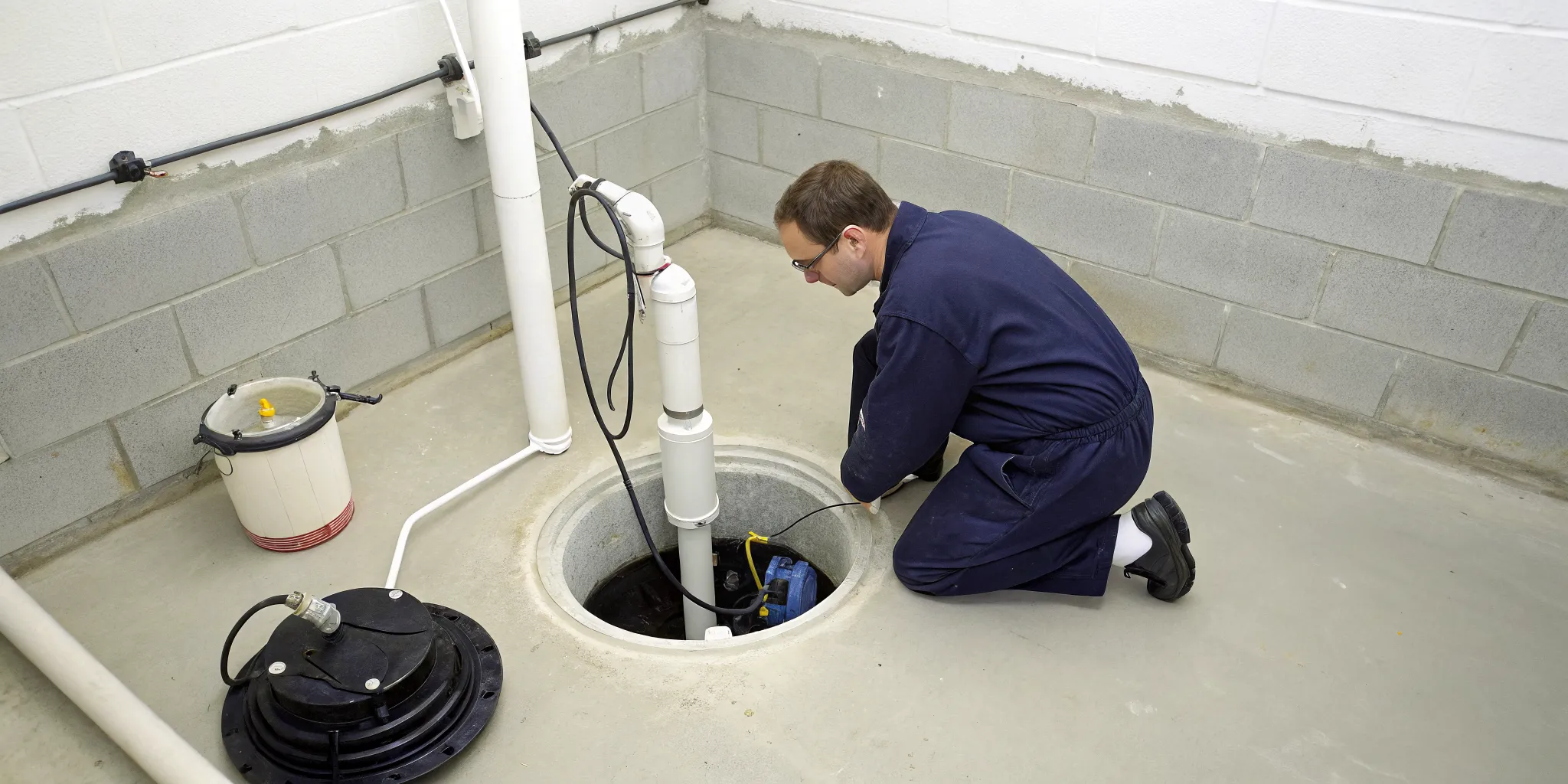
A great habit to get into is testing your sump pump every few months, especially before the rainy spring season or a big thaw. It’s easier than it sounds. Just pour a bucket of water into the sump pit until the float rises and activates the pump. You should hear it turn on, pump the water out, and then shut off automatically. If the pump doesn’t start, makes strange noises, or fails to empty the pit, it’s a clear sign something is wrong. Don’t wait for a storm to find out your pump has failed; a quick test gives you the chance to schedule professional sump pump services on your own terms.
Keep the Sump Pit Clean
Over time, your sump pit can collect dirt, gravel, and other debris that gets washed in with the groundwater. If the pit isn’t cleaned out periodically, this sediment can get sucked into the pump, causing clogs and even motor failure. At least once a year, unplug the pump and remove it from the pit. Then, you can scoop out any gunk from the bottom. While you’re at it, wipe down the pump itself to clear any buildup from the intake screen. A clean pit ensures water can flow freely and helps your pump operate efficiently when you need it most.
Clear the Discharge Line Before Winter
In Michigan, we know how harsh winters can be. The pipe that carries water from your sump pump away from your house, known as the discharge line, is vulnerable to freezing. If the line freezes solid, water has nowhere to go and will back up into your basement, defeating the purpose of the pump entirely. Before the first deep freeze, make sure your discharge line is disconnected from any hoses and is pitched at a downward angle to drain completely. This simple step is crucial for preventing the need for emergency frozen pipe repair in the middle of winter.
Consider a Battery Backup System
Heavy storms often come with power outages, which is precisely when your sump pump is needed most. Without electricity, a standard sump pump is useless. That’s why a battery backup system is one of the smartest investments you can make for your home. These systems automatically kick in the moment the power goes out, giving you hours of protection against flooding. It provides invaluable peace of mind, ensuring your basement stays dry even during the worst storms. If you’re ready to add this layer of security, our team can help you find and install the right backup system for your home.
How to Choose a Sump Pump Repair Service
When your sump pump fails, the last thing you want is the added stress of finding a reliable plumber. With water threatening your basement, you need someone you can trust to do the job right, and fast. Choosing the right professional comes down to a few key factors that separate the experts from the rest. Think of it as a simple checklist to ensure you’re hiring a true professional who will protect your home and give you peace of mind. A little bit of vetting on the front end can save you from major headaches, repeat repairs, and unexpected costs down the line. The best companies make the choice easy by demonstrating their value clearly. Look for a plumber with deep local roots, around-the-clock availability for emergencies, strong guarantees that back up their work, and a commitment to transparent, upfront pricing. Taking a moment to check for these qualities will help you feel confident in your decision, even when you’re in a hurry.
Local Expertise and Proper Licensing
You need a plumber who understands the specific challenges of living in Royal Oak. A local company will be familiar with our area’s clay soil, high water tables, and the plumbing codes unique to our community. This expertise means they can diagnose problems faster and recommend solutions that last. Always confirm that the company is fully licensed and insured. This isn’t just a formality; it’s your protection, ensuring the technicians are qualified and that you’re covered if anything goes wrong. A company proud of its local roots, like a family-owned business, often provides a more personal and accountable level of service.
24/7 Emergency Service
A sump pump rarely fails at a convenient time. It’s often during a heavy downpour in the middle of the night or on a holiday weekend. That’s why access to 24/7 support is non-negotiable. A company that offers emergency plumbing services shows a commitment to its customers’ safety and well-being. When you call, you should be able to speak to someone who can dispatch a technician quickly. This rapid response can be the difference between a minor cleanup and a major, costly restoration project. Don’t wait until you’re standing in a foot of water to find out if your plumber is available after hours.
Warranties and Satisfaction Guarantees
A reputable plumbing company will always stand behind its work. Look for a service provider that offers both a warranty on parts and labor and a customer satisfaction guarantee. This shows they are confident in the quality of their repairs and dedicated to making things right if you’re not completely happy. A guarantee provides an extra layer of assurance that you’re making a sound investment in your home’s protection. When a company prioritizes your satisfaction, you can feel confident that their sump pump services are built to last and that they value your long-term trust.
Clear, Upfront Pricing
Nobody likes a surprise on their final bill. A trustworthy plumber will provide clear, upfront pricing before any work begins. While it can be difficult to give an exact quote over the phone, they should be able to explain their pricing structure and provide a detailed estimate once they’ve assessed the situation in person. This transparency helps you understand exactly what you’re paying for and allows you to make an informed decision without pressure. Look for a company that offers cost-effective solutions and is happy to answer any questions you have about the costs. You can always contact a professional to discuss your needs and get a clear idea of the potential investment.
Protect Your Royal Oak Home Before the Next Storm
When the forecast calls for a heavy downpour, the last thing you want to worry about is your basement flooding. For Royal Oak homeowners, a reliable sump pump isn’t just a piece of equipment; it’s your first line of defense against water damage. But here’s the thing: sump pumps are often ignored until they stop working, usually during the worst possible storm. Out of sight and out of mind is a risky strategy when it comes to your home’s safety.
Taking a proactive approach to your sump pump’s health can save you a world of stress and the high cost of water damage repairs. It’s about being prepared so you can relax when the rain starts. A simple check-up before storm season can make all the difference. Learning about common sump pump maintenance mistakes is a great first step to understanding what to look for and how to keep your system in top shape.
Think about how old your pump is. Most have a lifespan of about 7 to 10 years. If yours is getting up there in age, or if you can’t remember the last time it was serviced, now is the perfect time for an inspection. Regular maintenance is crucial for making sure your pump operates reliably when you need it most. Don’t wait for an emergency to find out your pump has a problem. Before the next storm rolls through Metro Detroit, take a moment to check on your system. If you hear strange noises, notice it’s not running as it should, or simply want peace of mind, it’s time to call in a professional. Our team at Mr. Pipey offers expert sump pump services to ensure your home stays dry, no matter what the weather brings.
Related Articles
- Cost to Replace Sump Pump: A 2026 Price Guide
- Sump Pump Installation: Your Guide to a Dry Basement
- A Homeowner’s Guide to Old Basement Drainage Systems
- Sump Pump and Installation Cost: What to Expect
- Step-by-Step Sump Pump Installation in Crawl Space
Frequently Asked Questions
How often should I actually test my sump pump? A good rule of thumb is to test your sump pump seasonally, or at least every few months. The most critical times are before the spring rainy season and ahead of any major winter thaws. A quick test is as simple as pouring a bucket of water into the pit to ensure the pump turns on, removes the water, and shuts off properly. This simple habit helps you catch problems before a storm does.
My basement is damp, but I can hear my sump pump running. What’s going on? This is a frustrating and serious problem. If your pump is running but water isn’t leaving, it usually points to one of a few issues. The discharge line that carries water outside could be clogged or frozen, forcing water back into your basement. It’s also possible the pump’s motor is running, but a broken internal part (like the impeller) isn’t actually moving any water. In this situation, it’s best to call for professional help right away to prevent a bigger flood.
Is the rusty, slimy gunk in my sump pit a big deal? Yes, that reddish-brown slime is a significant issue. It’s most likely iron ochre, a type of bacteria that thrives in our local groundwater and can cause major problems for your pump. This buildup can jam the float switch, preventing the pump from turning on, or it can clog the pump itself and the discharge lines. Think of it as a clear warning sign that your system needs a thorough cleaning and inspection.
When is it smarter to replace my sump pump instead of just repairing it? If your sump pump is approaching 7 to 10 years of age, replacement is often the wisest choice, especially if it’s starting to need frequent repairs. While fixing a minor issue like a faulty float switch can be cost-effective, spending money on major repairs for an old unit is often not a good long-term investment. A new pump provides reliability and peace of mind that an aging, patched-up pump simply can’t offer.
What’s the most important step to prepare my sump pump for winter? The single most important thing you can do is ensure the discharge line is clear and protected from freezing. Before the first hard freeze, go outside and disconnect any flexible hoses from the end of the pipe. Make sure the line is pitched at a downward angle so any remaining water can drain out completely. A frozen discharge line will cause water to back up directly into your basement, so this simple step is crucial for preventing a winter emergency.