

Some homeowner costs are just expenses. Others are smart investments. A flooded basement is a massive, unexpected expense you never want to face. A routine check-up for your sump pump? That’s the small investment that prevents the disaster. Skipping it is a gamble, pitting a small service fee against thousands in water damage, mold, and ruined belongings. This is why professional sump pump maintenance is one of the most cost-effective decisions you can make. It protects your home and prevents a huge financial headache before it ever begins.
Key Takeaways
- Proactive Care Prevents Panic Later: Your sump pump requires an annual professional inspection to catch wear and tear before it leads to failure. Don’t wait for a heavy storm to discover a problem; a yearly check-up is your best defense against a flooded basement.
- Know What to Handle and When to Call for Help: You can easily perform quick DIY tasks like clearing debris from the pit and testing the float switch with a bucket of water. For annual inspections, strange noises, or any electrical issues, always call a professional to ensure the job is done safely and correctly.
- A Small Investment Protects Your Biggest Asset: The cost of routine maintenance is minimal compared to the thousands you could spend on water damage restoration. Consistent care extends your pump’s life, protects your home’s value, and provides invaluable peace of mind.
What Is Sump Pump Maintenance, Really?
Let’s start with the basics. Your sump pump is the unsung hero of your basement or crawl space. It’s a specialized pump designed to move water away from the lowest parts of your home, preventing flooding, water damage, and the growth of mold and mildew. Think of it as your home’s first line of defense against Metro Detroit’s heavy rains and melting snow. Sump pump maintenance is the process of regularly checking, cleaning, and testing this system to make sure it’s ready to work when you need it most. It’s not just about fixing problems as they appear; it’s about preventing them from ever happening. This proactive care involves inspecting the pump itself, clearing the pit of debris, testing the float switch, and ensuring the discharge line is clear. By keeping up with routine care, you ensure your pump can handle its job effectively, protecting your foundation and giving you peace of mind. A well-maintained pump is a reliable one, and when it comes to water damage, reliability is everything. If you’re unsure where to start, professional sump pump services can provide a thorough inspection and get your system in top shape for any weather.
Why You Can’t Just “Set It and Forget It”
It’s easy to forget about your sump pump when the weather is dry, but neglecting it can be a costly mistake. If your pump fails during a heavy downpour, you could be facing hundreds or even thousands of dollars in water damage. That’s why you can’t just “set it and forget it.” Regular maintenance is essential. Experts recommend having your sump pump fully inspected, cleaned, and tested at least once a year. If your pump runs often due to a high water table or frequent storms, you might need to check on it more frequently. A little bit of preventative care goes a long way in keeping your basement dry and your home safe from unexpected flooding.
Warning Signs Your Sump Pump Needs Attention
Your sump pump will often give you warning signs before it fails completely. Paying attention to these clues can help you catch a problem early and avoid a disaster. Be on the lookout for strange noises like rattling or grinding, or if the pump is vibrating excessively while it runs. Other red flags include the pump turning on and off too frequently, visible rust on the components, or foul odors coming from the sump pit. If you notice water pooling near your foundation or if the pump doesn’t turn on at all during a storm, it’s time to call for help. An older pump—typically one over 10 years old—is also at a higher risk of failure. If you spot any of these issues, don’t wait to contact a professional for sump pump repair.
Why Regular Sump Pump Care Is a Smart Move
Think of your sump pump as the silent guardian of your basement. It’s easy to forget it’s there, quietly waiting in the corner. But ignoring it is a gamble you don’t want to take. Regular maintenance isn’t just another item on your to-do list; it’s a smart investment that pays off in big ways. By giving your pump a little attention now, you’re protecting your home, your wallet, and your peace of mind from the stress of a water-logged disaster.
Prevent a Flooded Basement and Costly Repairs
Your sump pump’s main job is to protect your home from water damage, especially during those heavy Metro Detroit downpours. If it fails when you need it most, you could be facing a true disaster. A flooded basement means more than just a mess; it means potentially thousands of dollars in water damage restoration, mold remediation, and replacing ruined furniture and valuables. Regular sump pump services ensure your first line of defense is always ready to work, keeping your basement dry and your belongings safe. A simple check-up is far less expensive than recovering from a flood.
Extend Your Sump Pump’s Lifespan
Just like your car, your sump pump needs routine care to run efficiently and last longer. Skipping maintenance is a risky move. A well-maintained pump can serve you reliably for years, while a neglected one is likely to fail prematurely—and probably during the worst possible storm. Regular inspections catch small issues like clogs, worn-out parts, or a faulty switch before they cause a complete breakdown. This proactive approach not only extends the life of your equipment but also saves you the cost and headache of an unexpected replacement.
Enjoy Peace of Mind During Rainy Season
There’s nothing quite like the feeling of confidence you get from knowing your home is prepared for bad weather. When the forecast calls for heavy rain, you shouldn’t have to cross your fingers and hope your sump pump works. Scheduling yearly maintenance gives you that peace of mind. You can rest easy knowing a professional has tested your system, cleared any debris, and confirmed everything is in working order. This simple step helps you avoid the panic of a last-minute emergency plumbing call and lets you focus on keeping your family safe and dry, no matter what the weather brings.
Protect Your Home’s Value
A dry, healthy basement is a huge asset to your home’s value. Water damage can compromise your home’s foundation, lead to persistent mold and mildew, and create a musty environment that’s hard to get rid of. These are major red flags for potential buyers. By maintaining your sump pump, you’re not just preventing floods; you’re protecting the structural integrity and overall health of your property. A well-cared-for sump pump system shows that you’ve been a responsible homeowner, which is always a positive when it comes time to sell. It’s a small action that helps preserve your biggest investment.
What to Expect During a Professional Maintenance Visit
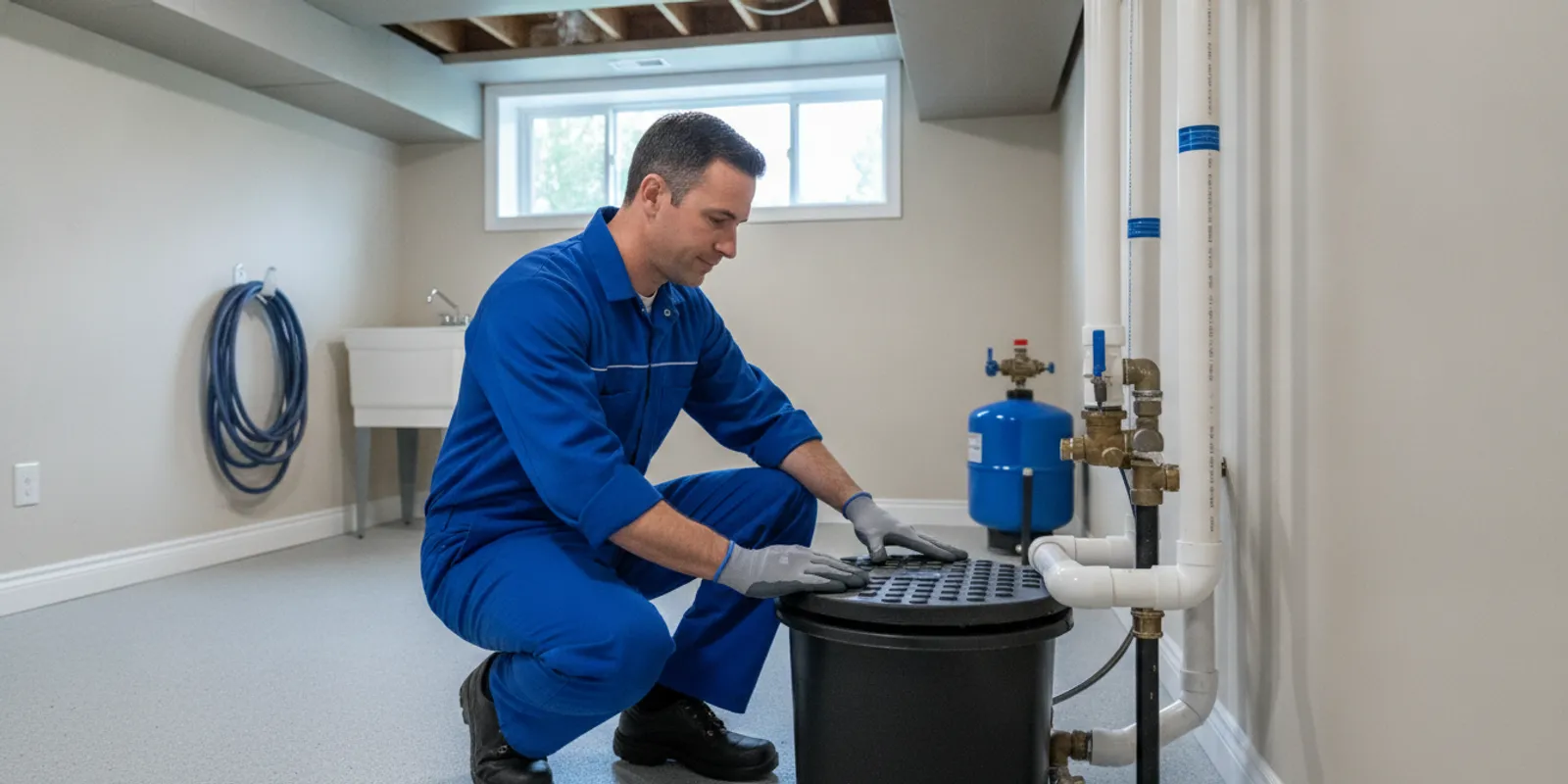
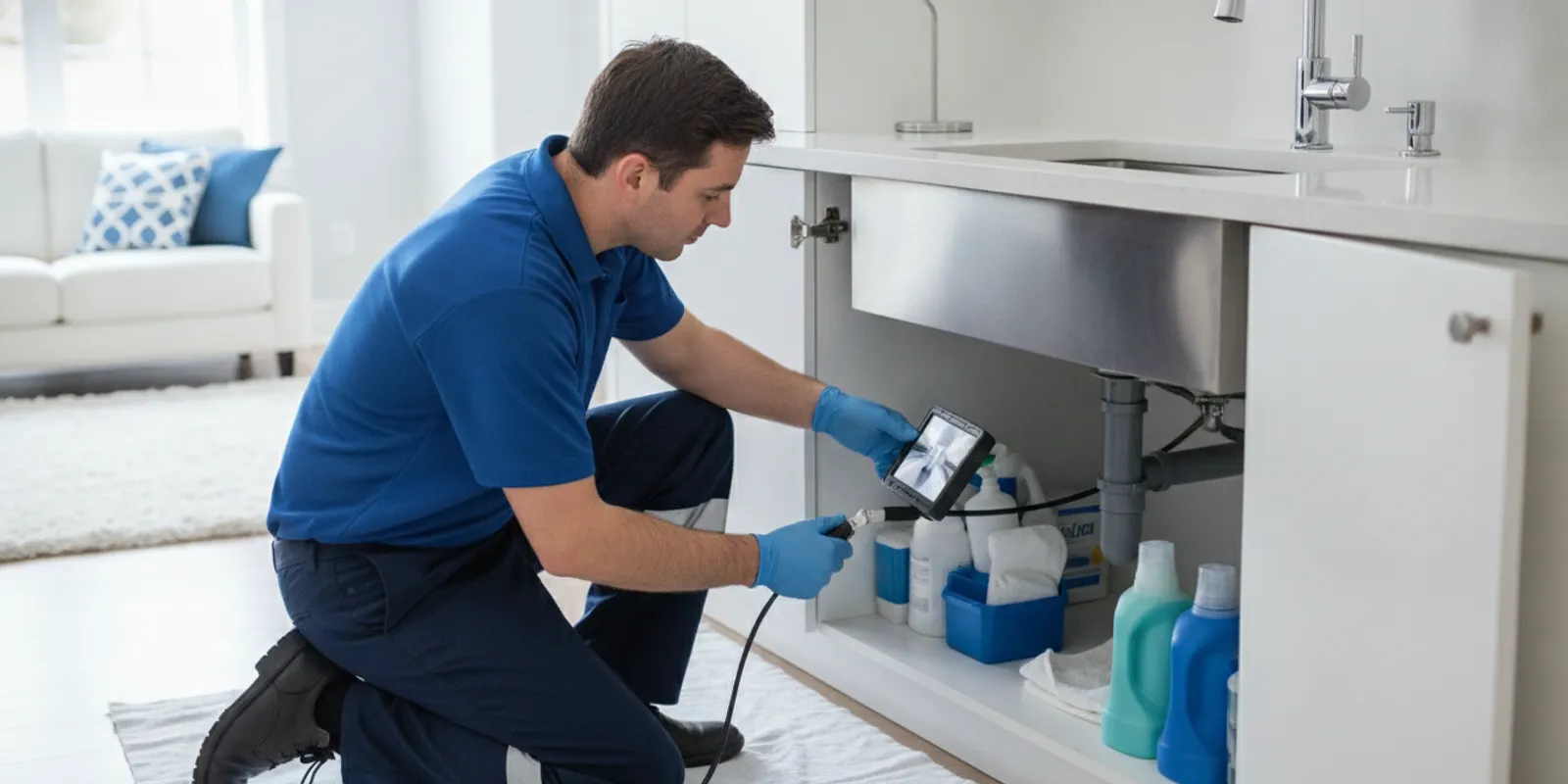
When you schedule a professional maintenance visit, you’re essentially getting a complete health check-up for your sump pump system. It’s a proactive step that goes far beyond a quick glance. A trained technician knows exactly what to look for, from the hidden mechanical parts to the subtle signs of wear and tear that most homeowners would miss. They follow a detailed checklist to ensure every component is working exactly as it should.
Think of it like a doctor’s appointment for your basement’s first line of defense against water damage. The goal is to catch small issues before they turn into catastrophic failures during a downpour. A professional visit involves cleaning, testing, and inspecting the entire system, from the pit where water collects to the discharge pipe that carries it safely away from your home. This thorough inspection gives you confidence that your pump is ready to handle whatever Mother Nature throws its way. When you work with our team for your sump pump services, we make sure no detail is overlooked, so you can feel secure in your home.
Cleaning the Sump Pit
Over time, the sump pit—the basin your pump sits in—can collect dirt, gravel, and other debris. If enough gunk builds up, it can clog the pump’s intake screen and prevent it from drawing in water effectively. During a maintenance visit, a technician will remove the pump and thoroughly clean out the pit. They’ll clear away any sediment and check the pump’s inlet screen to make sure it’s free of blockages. This simple but essential task ensures your pump can work efficiently without straining or shutting down when you need it most. Skipping this step is a common cause of pump failure, which can lead to thousands of dollars in water damage.
Testing the Pump and Its Float Switch
The float switch is the trigger for your entire system. As water fills the pit, the float rises, and at a certain level, it signals the pump to turn on. If the switch is stuck or malfunctioning, your pump will never get the message to start working. A technician will test this critical component by pouring water into the pit to simulate rising groundwater. They’ll watch to see that the float moves freely and that the pump activates at the correct water level. This hands-on test confirms that the pump’s most important function is working perfectly, ensuring it will jump into action automatically during a storm.
Checking All Wires and Connections
Your sump pump relies on a handful of key connections to operate safely and reliably. A professional plumber will carefully inspect all the electrical components, including the power cord, to check for any signs of fraying or damage. They’ll also ensure the pump is plugged into a properly functioning ground-fault circuit interrupter (GFCI) outlet to prevent electrical hazards. The inspection also covers the check valve—a device that stops water from flowing back into the pit after it’s been pumped out. This comprehensive check guarantees your system is not only functional but also safe for your home and family.
Ensuring the Discharge Line Is Clear
A sump pump can work perfectly, but if the water has nowhere to go, your basement will still flood. The discharge line is the pipe that carries water from the pump out of your house and away from the foundation. These lines can become clogged with dirt, leaves, or even ice during the winter. A technician will inspect the entire discharge line to ensure there are no obstructions. A clear path is essential for the system to do its job. If a blockage is found, it can be cleared before it causes water to back up, preventing a messy and stressful emergency plumbing situation.
Verifying Your Battery Backup System
Heavy storms and power outages often go hand-in-hand, which is why a battery backup system is such a vital part of your flood protection plan. During a maintenance visit, a technician will test your backup system to make sure it’s ready for an emergency. They will check that the battery is holding a full charge and that the backup pump will automatically take over if the primary power source is cut. This test provides the ultimate peace of mind, confirming that your basement will stay dry even when the lights go out. Without a working backup, your home is left vulnerable when it needs protection the most.
How Often Does Your Sump Pump Need Maintenance?
When it comes to your sump pump, timing is everything. A little proactive care can save you from a world of watery headaches down the road. While there are some general guidelines, the perfect maintenance schedule for your pump depends on a few factors, like how often it runs and the age of your system. The key is to be consistent. Establishing a routine for checking on your pump ensures it’s always ready to protect your basement from flooding, especially before Detroit’s notorious spring thaws and heavy rainstorms. Let’s break down what that routine should look like.
Why an Annual Check-Up Is a Must
Think of it as a yearly physical for your home’s hardest-working appliance. At a minimum, your sump pump should be professionally inspected and cleaned once a year. This annual service is your best defense against unexpected failure. A technician can spot wear and tear on critical parts, clear out any gunk that’s built up over the months, and test the entire system to confirm it’s in top shape. If your home is in an area with a high water table and your pump runs frequently, you might even consider a semi-annual check-up. A consistent schedule for sump pump services is the simplest way to keep your basement dry and your mind at ease.
Your Seasonal Sump Pump Checklist
Beyond the annual professional visit, a few seasonal checks can make a big difference. Every few months, take a peek into the sump pit. Make sure it’s clear of dirt, gravel, and other debris that could get sucked into the pump and cause a clog. You’ll also want to check that the pump’s inlet screen is clear. The easiest way to test the system is to pour a bucket of water into the pit—enough to raise the float switch and trigger the pump. It should turn on, drain the water, and shut off smoothly. Making this quick check a quarterly habit helps you catch small issues before they become big problems.
Quarterly Pump Test
This is one of the easiest and most important DIY tasks you can do. Every three to four months, grab a bucket of water and pour it directly into the sump pit. You’ll want to add enough water to raise the float switch, which is the small floating device that tells the pump when to turn on. Watch to see if the pump kicks into action, quickly drains the water, and then shuts off automatically. This simple test takes less than five minutes but gives you immediate confirmation that your pump is ready to respond. If it doesn’t turn on or struggles to drain the water, it’s a clear sign you need to call for professional sump pump services before the next storm hits.
Annual Deep Clean Before Spring Rains
While your quarterly test is a great habit, it doesn’t replace the need for a yearly professional deep clean. Before the spring thaw and heavy rains arrive, it’s the perfect time to schedule a maintenance visit. During this service, a technician will do what a simple water test can’t: they’ll disconnect and remove the pump to thoroughly clean out any sediment, gravel, or sludge that has settled at the bottom of the pit. They will also inspect and clear the pump’s intake screen to ensure nothing is blocking water flow. This annual service is your best defense against a clog or mechanical failure during a critical moment, ensuring your system is in peak condition to handle the wettest season of the year.
How to Prepare for the Rainy Season
Don’t wait for the sound of thunder to wonder if your sump pump is working. Being proactive before the wet seasons is crucial. In Michigan, that means checking your system before the spring snowmelt and again before the heavy fall rains. A pump that fails during a downpour can lead to thousands of dollars in water damage and a massive cleanup effort. Regular maintenance is your insurance policy against that kind of disaster. If you test your pump and something seems off, or if you’d rather have an expert eye on it, calling for service before the storm hits is always a smart move. It’s far better than needing emergency plumbing in the middle of the night.
How Much Does Sump Pump Maintenance Cost?
Let’s talk about one of the biggest questions on every homeowner’s mind: what’s this going to cost? When it comes to sump pump maintenance, it’s helpful to think of it as an investment rather than just another expense. A small, predictable cost for a routine check-up can save you from a massive, unexpected bill for water damage restoration down the road. The final price tag for a service call can vary quite a bit, as it depends on what your plumber finds during the inspection.
A simple maintenance visit will cost less than a complex repair. If your pump just needs a good cleaning and a quick test, you’ll be on the lower end of the price spectrum. However, if the technician discovers a worn-out part or a more serious issue, the cost will reflect the parts and labor needed to fix it. The key is that regular sump pump services catch these problems early, when they’re often cheaper and easier to resolve. This proactive approach keeps your basement dry and your budget intact.
Average Cost of Professional Maintenance
When you think about the cost of professional maintenance, view it as a small investment that prevents a huge financial headache. On average, homeowners in the Metro Detroit area can expect to pay between $150 and $300 for an annual sump pump check-up. This service typically includes a thorough cleaning of the pit, testing the float switch and check valve, and a full inspection of all mechanical and electrical parts. This proactive care is a fraction of the cost of emergency water damage restoration, which can easily climb into the thousands. By scheduling regular sump pump services, you’re not just paying for a cleaning; you’re buying peace of mind and protecting your home from a costly disaster.
What Factors Affect the Final Price?
The cost to repair a sump pump typically falls somewhere between $200 and $870. This range is pretty wide because the final price depends on a few key things. First is the type of pump you have. Submersible pumps, for example, can sometimes be more complex to service than pedestal pumps. The biggest factor, though, is the nature of the repair itself. Replacing a simple float switch is a much quicker and less expensive job than swapping out a burnt-out motor. A professional plumber can diagnose the issue and give you a clear estimate before any work begins.
The Impact of Location and Urgency on Cost
Your location in the Metro Detroit area and how quickly you need service also affect the cost. Most plumbers charge an hourly rate, which can range from $45 to $150, plus the cost of any parts. If your sump pump fails in the middle of a torrential downpour on a Saturday night, you’ll need an emergency call. These after-hours visits often come with an additional fee, sometimes adding $50 to $150 to the bill. While nobody wants to pay extra, having access to reliable emergency plumbing is priceless when your basement is at risk of flooding.
How to Get the Best Value from Your Service
The best way to get great value is to avoid repairs in the first place. Sticking to a regular maintenance schedule is the most cost-effective strategy. Think about it: a routine service call is a fraction of the cost of cleaning up a flooded basement, which can easily run into the thousands. Regular check-ups ensure your pump is ready for the next big storm, extending its lifespan and giving you peace of mind. It’s a small price to pay to protect your home, your belongings, and your property value from significant water damage.
Don’t Forget to Ask About Special Offers
Before you book your appointment, it’s always a smart move to ask if there are any special offers or promotions available. Many plumbing companies run deals to help homeowners save money on essential services. You might find a coupon for a percentage off your service or a flat-rate diagnostic fee that lets you know exactly what’s wrong for a set price. Don’t be shy about asking! Here at Mr. Pipey, we believe in providing cost-effective solutions, so feel free to contact us and inquire about our current offers.
Is Sump Pump Failure Covered by Insurance?
This is a question that catches many homeowners by surprise, often after it’s too late. The hard truth is that most standard homeowners insurance policies do not cover water damage caused by a sump pump failure or water backing up from a drain. This is usually considered a maintenance-related issue, which falls outside of typical coverage. However, don’t panic—there’s usually a solution. Most insurance companies offer an add-on or “endorsement” specifically for this situation. You’ll want to talk to your agent about adding water back-up and sump pump overflow coverage to your policy. This extra protection is typically very affordable and can save you from a massive financial hit if your pump ever fails. It’s a small price for significant peace of mind, so a quick call to your insurance provider is well worth your time.
Does the Brand of Your Sump Pump Matter?
When it comes to keeping your basement dry, the brand of your sump pump definitely plays a role, but it doesn’t change the fundamental need for regular maintenance. Think of it this way: a high-performance car still needs routine oil changes and tune-ups to run its best. Similarly, top-tier sump pump brands are built for reliability, but they require professional care to deliver on that promise year after year. A quality pump from a trusted manufacturer is an excellent foundation for a dry basement, but it’s not a “set it and forget it” solution. Over time, even the best pumps can suffer from wear and tear, sediment buildup, or mechanical failure.
While the core maintenance steps—like cleaning the pit and testing the float switch—are universal, a seasoned technician will know the specific quirks and common issues associated with different brands and models. They’ll understand the ideal performance benchmarks for a Zoeller versus a Wayne pump and can spot subtle signs of wear that are unique to certain designs. Ultimately, having a quality brand is a great start, but pairing it with expert sump pump services is what truly protects your home from water damage. The right pro knows exactly what to look for, regardless of the name on the pump, ensuring it operates at peak efficiency when you need it most.
A Look at Top Brands: Zoeller, Wayne, and Liberty
You’ve likely seen names like Zoeller, Wayne, and Liberty Pumps when researching sump pumps, and for good reason. These brands have earned a reputation for long-term reliability and powerful water removal. Zoeller is often a top choice for its sturdy, submersible models, while Wayne is known for handling heavy water flow with ease. Liberty also offers a range of dependable pumps designed to keep basements dry.
While investing in one of these brands gives you a head start, it doesn’t make them invincible. Professional maintenance ensures these workhorses perform as designed. An expert technician is familiar with the specific components of these popular models and can perform targeted checks to keep them running efficiently, helping you get the full value and lifespan out of your investment.
Submersible vs. Pedestal Pumps: Is Maintenance Different?
Sump pumps generally come in two main styles: submersible and pedestal. A submersible pump sits down inside the sump pit, fully submerged in water, while a pedestal pump’s motor is mounted on a column above the pit. This design difference changes the maintenance approach. Submersible pumps, like the popular Zoeller M53, are more prone to debris buildup around the unit itself, and their seals need to be carefully inspected for leaks.
Because a pedestal pump’s motor is out in the open, it’s easier to inspect and service, but it’s also more exposed to dust and moisture in the air. A technician will focus on keeping the motor clean and lubricated, while also ensuring the intake on the bottom of the column is clear. Each type has its own checklist for a thorough inspection.
Choosing a Durable Sump Pump
When you’re in the market for a new sump pump, it’s easy to focus on horsepower or flow rate, but the material the pump is made of is just as critical. Many pumps on the market are made from thermoplastic, which is a durable plastic, but they can be susceptible to wear and tear over time. A truly durable sump pump is built to withstand the demanding, damp environment of a sump pit year after year. The right materials can mean the difference between a pump that lasts a decade and one that fails during the first major storm. Investing in a well-constructed pump from the start is a key part of a long-term strategy to protect your home from water damage.
Why a Cast Iron Core Matters
There’s a reason professionals, including our team here at Mr. Pipey, often recommend sump pumps with a cast iron core. Cast iron is incredibly strong, allowing it to withstand the intense pressure and mechanical stress of pumping large volumes of water. This rugged construction also helps dissipate heat from the motor, preventing overheating and extending the pump’s life. While the initial cost might be slightly higher than a plastic model, a cast iron pump is a smarter long-term investment. Its durability means you’re far less likely to face premature failure and the need for frequent replacements. A well-maintained cast iron pump can reliably protect your home for years, making it one of the most cost-effective choices you can make for your basement.
Caring for Your Battery Backup System
Your battery backup system is your safety net, kicking into action the moment a storm knocks out your power. But this hero can’t save the day if it’s not ready to go. Battery backup maintenance is a critical, and often overlooked, part of your sump pump system’s health. During a service visit, a technician will test the battery’s charge, clean any corrosion from the terminals, and check the fluid levels.
They’ll also run a test to simulate a power outage, ensuring the backup pump engages automatically and runs properly. Without this check, you’re simply hoping it will work when you need it most. Regular care for your backup system is a small step that prevents a major plumbing emergency down the road.
How to Choose the Right Sump Pump Technician
Finding a reliable plumber for your sump pump maintenance can feel like a big task, but knowing what to look for makes all the difference. The right professional won’t just fix a problem; they’ll give you the confidence that your basement is protected from flooding. A great plumber is a partner in protecting your home, offering expertise, reliability, and transparent communication. When you’re vetting potential companies, it’s helpful to have a checklist of non-negotiables. This ensures you’re hiring someone who is not only qualified but also committed to providing excellent service. From verifying their credentials to understanding their service guarantees, taking a few extra steps before you hire can save you from major headaches and unexpected costs down the road. Think of it as an investment in your home’s long-term health and your own peace of mind.
Verify Their Licenses and Insurance
Before you let anyone work on your sump pump, make sure they are properly licensed and insured. This is the first and most important step. A license confirms that the plumber has met the state’s requirements for training and knowledge, so you know you’re getting a true expert. Insurance is just as crucial—it protects you and your property from liability in the rare event of an accident or damage during the job. A professional company will always be upfront about their credentials. Don’t be shy about asking for proof; a reputable plumber will be happy to provide it.
Do They Offer a Satisfaction Guarantee?
A company that stands behind its work will offer a satisfaction guarantee. This is a clear sign that they are confident in their skills and committed to providing high-quality service. A guarantee means that if you’re not happy with the results, they will work to make it right. It shows they value their customers and their reputation. At Mr. Pipey, we treat every client like family and back our work with a 100% customer satisfaction guarantee. This commitment ensures you receive reliable, long-lasting workmanship every single time, giving you one less thing to worry about.
Make Sure 24/7 Emergency Service Is an Option
Sump pump failures rarely happen at a convenient time. They often occur during a heavy downpour in the middle of the night or on a weekend. That’s why it’s essential to choose a plumber who offers 24/7 availability for urgent needs. Knowing you have a trusted professional you can call anytime provides incredible peace of mind. Before you commit to a maintenance plan, confirm that the company provides emergency plumbing services. You want a team that’s ready to respond quickly when you need them most, preventing a small issue from turning into a flooded basement.
Ask for Clear, Upfront Pricing
No one likes surprise fees on their final bill. A trustworthy plumbing company will always be transparent about its pricing. They should be able to provide a clear, detailed estimate before any work begins, so you know exactly what to expect. Look for professionals who offer upfront pricing and are willing to walk you through the costs associated with your sump pump maintenance or repair. This honesty builds trust and ensures you’re getting a fair price for the service. If a company is vague about costs, consider it a red flag and keep looking for a plumber who values clear communication.
Common Sump Pump Problems and How to Troubleshoot Them
Even the most reliable sump pump can run into trouble now and then. The good news is that not every issue requires a frantic call to a plumber. Sometimes, a simple fix is all you need to get your system back up and running. Understanding the common culprits behind a pump failure can help you quickly diagnose the problem and decide whether it’s a quick DIY task or a job for a professional. Most issues boil down to a few key areas: a problem with the power supply, a blockage preventing water from moving, or a mechanical failure in one of the pump’s essential parts.
Before you attempt any troubleshooting, always remember to unplug the sump pump from its power source. Safety should always be your top priority, especially when you’re working with an appliance that combines electricity and water. Once it’s safely disconnected, you can start investigating. We’ll walk through some of the most frequent problems, from a stuck switch to a complete power failure, and give you the steps to identify what’s going on. If you ever feel unsure or the problem seems too complex, don’t hesitate to call for professional sump pump services to handle it safely.
The Stuck Float Switch
The float switch is your sump pump’s trigger. As water fills the pit, a float rises with it, and when it reaches a certain height, it signals the pump to turn on. If this switch gets stuck, your pump will never get the message to start working, leaving your basement vulnerable to flooding. Often, the switch gets jammed against the side of the sump pit, or its cord gets tangled, preventing it from moving freely. Debris in the pit can also obstruct its path. You can check this by carefully reaching into the unplugged pit and gently lifting the float. If it moves easily, the problem might be something else. If it’s stuck, try to clear the obstruction. If it moves but the pump still doesn’t activate when plugged back in and lifted, the switch itself may have failed.
Pump Fails to Turn On
It’s a homeowner’s nightmare: the water is rising, and the sump pump is silent. If your pump fails to turn on, start with the most basic checks. First, is it plugged in? It sounds simple, but cords can get accidentally unplugged. Next, check your home’s circuit breaker or fuse box to make sure the circuit hasn’t been tripped. If the power supply seems fine, the pump’s inlet screen might be clogged with debris, preventing it from drawing water. After unplugging the pump, you can check the inlet for any blockages. If these simple steps don’t solve the problem, it could be a sign of a more serious mechanical issue, like a seized motor, and it’s time to call for a professional diagnosis.
Other Common Causes of Failure
Sometimes, a sump pump failure goes beyond a simple clog or a stuck switch. Mechanical issues can develop over time due to age and wear, or the problem might stem from the very beginning with an incorrect setup. Sump pumps can fail for a variety of reasons, including persistent power outages during a storm, a lack of routine maintenance, or simply reaching the end of their expected lifespan. Understanding these less obvious causes can help you protect your home from unexpected water damage. Two of the most significant factors that can lead to failure are improper installation and power loss during a critical time.
Improper Installation
A sump pump that is improperly installed is set up for failure from day one. The performance and longevity of your pump depend heavily on a correct installation that follows the manufacturer’s guidelines. Common mistakes include choosing a pump that’s too small or too large for your basin, setting the float switch at the wrong height, or installing a discharge pipe that’s too long or has too many bends, which forces the pump to work harder than it should. Another critical error is forgetting to install a check valve, which can cause water to flow back into the pit and lead to the pump overworking itself. Ensuring your pump is installed by a qualified professional is the best way to avoid these issues and guarantee reliable operation for years to come.
Power Outages
Heavy storms and power outages often go hand-in-hand, which is precisely when you need your sump pump the most. A standard sump pump is completely dependent on your home’s electricity, so when the power goes out, your primary defense against flooding is gone. This is why a battery backup system is such a crucial component of any comprehensive flood protection plan. A backup system includes a secondary pump that runs on a powerful battery, automatically taking over the moment a power failure is detected. Without a working backup, your home is left completely vulnerable during the most critical moments of a storm. Regular checks on your backup system are just as important as maintaining your primary pump.
DIY vs. Pro Sump Pump Maintenance: What’s Right for You?
Knowing which sump pump tasks you can tackle yourself and which ones need a professional can save you time, money, and a major headache. While some routine upkeep is perfectly fine for a handy homeowner, other jobs carry risks that are best left to a trained plumber. The key is understanding your own limits and recognizing when a small issue could become a big problem without the right expertise. Getting this balance right ensures your pump is always ready to protect your home from water damage.
Easy DIY Maintenance Tasks You Can Tackle
You don’t need to be a plumbing expert to handle a few basic maintenance steps. Performing these simple checks every few months can keep your sump pump in good working order. Start by unplugging the pump. Then, you can clear any dirt, gravel, or other debris from the sump pit to prevent clogs. You should also make sure the pump’s inlet screen is clean.
Once the pit is clear, you can test the pump itself. Plug it back in and pour a bucket of water into the pit. The float switch should rise with the water, activating the pump. If it turns on, drains the water, and shuts off properly, you’re in good shape. Finally, step outside and check that the discharge pipe is clear of obstructions so water can flow freely away from your foundation. These small steps are a great way to stay on top of your sump pump services.
How to Safely Clean Your Sump Pump
Before you do anything else, always unplug the pump from its power source. Safety first! Once it’s disconnected, you can lift the pump out of the pit. Use a flashlight to get a good look inside. You’ll likely find a mix of dirt, small rocks, and general sludge at the bottom. Use a wet/dry vac or a small shovel to clear it all out. For stubborn grime, a mix of vinegar and water works wonders. While the pump is out, take a moment to clean its intake screen. This is where water enters the pump, and keeping it clear is essential for efficient operation. A clean pit and pump will prevent clogs and help your system run smoothly for longer.
Maintaining the Discharge Line
Your sump pump can work perfectly, but it’s useless if the water has nowhere to go. The discharge line is the pipe that carries water out of your basement and away from your home. Take a walk outside and find where this pipe ends. Make sure it’s clear of any blockages like leaves, dirt, or animal nests. It’s also crucial that the pipe extends at least 20 feet away from your house. If it deposits water too close, that water can seep right back into the soil and end up back in your basement, forcing your pump to work overtime. A clear, properly positioned discharge line helps protect your foundation from water damage.
Testing Your Pump After Maintenance
After you’ve cleaned the pit and reconnected the pump, it’s time for the final, most important step: the test run. This is how you’ll know for sure that everything is working correctly. Simply pour a five-gallon bucket of water slowly into the sump pit. As the water level rises, it should lift the float switch, which in turn will activate the pump. Watch to make sure the pump turns on, quickly drains the water from the pit, and then shuts itself off once the float drops back down. This simple test helps you confirm that the pump’s most important function is working perfectly, so you can be confident it will do its job automatically during the next storm.
When to Leave It to the Professionals
While DIY checks are helpful, they don’t replace a professional inspection. You should schedule a yearly checkup with a qualified plumber to get a thorough assessment of your system. A pro will inspect the electrical components, check valve, and backup power source to catch problems you might miss.
It’s also time to call for help if you notice anything unusual. Loud or strange noises, a pump that runs constantly, or a pump that won’t turn on at all are all signs of a deeper issue. And if your sump pump is more than 10 years old, it’s wise to start thinking about a replacement before it fails. Any major repairs or a full replacement should always be handled by a professional. If you’re facing a sudden failure, our emergency plumbing team is ready to help.
Safety First: Know Your DIY Limits
When it comes to sump pumps, safety should always be your top priority. Remember, you’re dealing with an electrical appliance that sits in water, which can be a dangerous combination. Never attempt any electrical repairs yourself unless you are a licensed electrician. If you’re unsure about any part of the maintenance process or feel uncomfortable with a task, it’s always best to stop and call a professional.
Trying to fix a problem you don’t understand can easily lead to bigger issues, from damaging the pump to causing a basement flood. A small investment in a professional service call is far better than paying for extensive water damage restoration later. If you have any doubts about your sump pump’s condition, don’t hesitate to contact us. We’re here to provide a safe and reliable solution.
3 Common Sump Pump Myths, Busted
When it comes to sump pumps, a few common misunderstandings can float around. Unfortunately, believing these myths can leave your basement—and your wallet—in deep water. Let’s clear the air and bust some of the most persistent myths about sump pump care so you can keep your home safe and dry.
Myth #1: My Sump Pump Is Maintenance-Free
It’s easy to think of your sump pump as a silent guardian in the corner, ready to spring into action whenever needed. But it’s not a “set it and forget it” appliance. Over time, the sump pit can collect dirt, gravel, and other debris that can clog the pump and prevent it from working properly. The float switch can get stuck, or the motor can wear down. Skipping regular maintenance is a gamble that could lead to thousands of dollars in water damage during the next big Metro Detroit downpour. A little preventative care from our team ensures your pump is always ready to handle a storm.
Myth #2: DIY Is Always Enough
We love a can-do attitude, and there are definitely simple tasks you can handle, like making sure the pump has power and clearing obvious debris from the pit. However, a complete health check-up is a job for a professional. A trained plumber will inspect the entire system—from the check valve and discharge pipe to the backup power source and alarm. We know the subtle signs of wear and tear that can signal a future failure. Scheduling an annual professional inspection is the best way to catch small issues before they turn into a full-blown emergency plumbing situation, giving you true peace of mind.
Myth #3: A Sump Pump Lasts a Lifetime
Like any hard-working appliance in your home, your sump pump has a finite lifespan. Even the best-maintained pumps won’t last forever. The motor, bearings, and seals will eventually wear out from use. On average, you can expect a quality sump pump to last about 10 years. Pushing it beyond its expected service life is risky, as it’s more likely to fail when you need it most. If you don’t know how old your pump is, or if it’s nearing that decade mark, it’s wise to start planning for a replacement. Our sump pump services include expert advice on the right model for your home and professional installation.
Understanding Your Pump’s True Lifespan
While a 10-year lifespan is a solid rule of thumb, it’s not a guarantee. Think of it as a guideline, because the actual service life of your pump depends heavily on how often it runs and, most importantly, how well you maintain it. A neglected pump is far more likely to fail prematurely, and it will almost certainly happen during the worst possible storm. Regular inspections are your secret weapon here. They allow a professional to catch small issues like a worn-out part or a faulty switch before they lead to a complete breakdown. A little bit of preventative care goes a long way, ensuring your pump serves you reliably for years and protects your home from the massive expense of unexpected flooding.
How to Prepare for Your Maintenance Appointment
You’ve made a great decision to schedule a maintenance visit for your sump pump. A little preparation goes a long way in making the appointment smooth and efficient for both you and your technician. Knowing what to do before they arrive, what to ask during the service, and what to expect afterward helps you get the most value out of the visit. Think of it as a team effort to protect your home from water damage. When your plumber has easy access and you have your questions ready, you’re setting everyone up for success. This proactive approach ensures your sump pump gets the thorough attention it needs to keep your basement dry and your mind at ease when the rain starts to fall.
Prepping the Area for Your Technician
A few simple steps before we arrive can make a big difference. First, please clear the area around your sump pump pit. Move any boxes, storage containers, or furniture so your technician has plenty of room to work safely and effectively. It’s also helpful to ensure there’s a clear, well-lit path from the entrance of your home to the sump pump’s location. If you’ve noticed any specific issues—like strange noises or the pump running more than usual—make a note to tell your plumber right when they get there. This preparation helps us get straight to work, saving you time and ensuring we can focus completely on servicing your equipment.
Smart Questions to Ask Your Technician
Your maintenance appointment is the perfect time to get expert insight into your system. Don’t hesitate to ask questions! Here are a few to get you started:
- How old is my pump, and what is its typical lifespan? (Pumps over 10 years old may need replacing.)
- What was the condition of the sump pit, check valve, and float switch?
- Is my discharge line clear and draining properly away from my foundation?
- Did you test the battery backup system?
- Do you have any recommendations for my specific setup?
Getting answers to these questions helps you understand the health of your system and plan for the future. Our team is always happy to walk you through our sump pump services and explain what we find.
What Happens After the Service Is Done?
Once our work is done, we’ll leave your space as clean as we found it. Your technician will give you a clear summary of the maintenance performed, including details about the parts we inspected and cleaned. You can expect a full check of the pump, pit, and all components. The goal is to leave you with a fully operational sump pump and total peace of mind. We recommend scheduling these check-ups annually to keep your pump in top shape and prevent costly emergency repairs down the road. When you’re ready to book your next appointment, just contact our team, and we’ll get you on the calendar.
Related Articles
- Cost to Replace Sump Pump: A 2026 Price Guide
- Step-by-Step Sump Pump Installation in Crawl Space
- Sump Pump Installation: Your Guide to a Dry Basement
- Sump Pump and Installation Cost: What to Expect
Frequently Asked Questions
My sump pump makes a humming sound when it runs. Is that normal? A low, steady hum is typically the normal sound of your sump pump’s motor doing its job. The sounds you need to pay attention to are the ones that are out of the ordinary. If you hear loud grinding, rattling, or gurgling noises, it could mean debris is stuck in the pump’s impeller or that a mechanical part is failing. Any sudden change in the sound your pump makes is a good reason to have a professional take a look.
Do I really need a battery backup system if my power rarely goes out? Think of a battery backup as your home’s ultimate insurance policy against flooding. The most severe storms that bring heavy rain are also the ones most likely to cause a power outage. Without a backup system, your primary pump becomes useless right when you need it most. A battery backup ensures your basement stays protected during that critical window, giving you true peace of mind no matter the weather.
What’s the worst that can happen if I skip my annual maintenance just once? Skipping even one annual check-up is a gamble. In a year, debris can build up and clog the pump, the float switch can get stuck, or a key component can wear down without any obvious signs. The worst-case scenario is that your pump fails during a major downpour, leading to a flooded basement. The cost and stress of water damage restoration, mold cleanup, and replacing ruined belongings are far greater than the cost of a single maintenance visit.
How can I tell if my sump pump is the right size for my basement? Sizing a sump pump correctly depends on several factors, including your local water table and the size of your home’s drainage area. If your pump seems to run constantly during a storm or struggles to keep the pit empty, it might be too small. On the other hand, a pump that’s too powerful will cycle on and off too frequently, which can burn out the motor prematurely. A professional can assess your home’s specific needs to ensure you have the right horsepower for the job.
Can my sump pump’s discharge line freeze during a Michigan winter? Yes, this is a very common issue in Metro Detroit and a major cause of pump failure in the winter. If the exterior discharge line freezes solid, the water has nowhere to go and will back up into your basement, even if the pump itself is working perfectly. A professional can make sure the pipe is properly sloped to drain completely and is clear of any ice or debris that could cause a blockage.