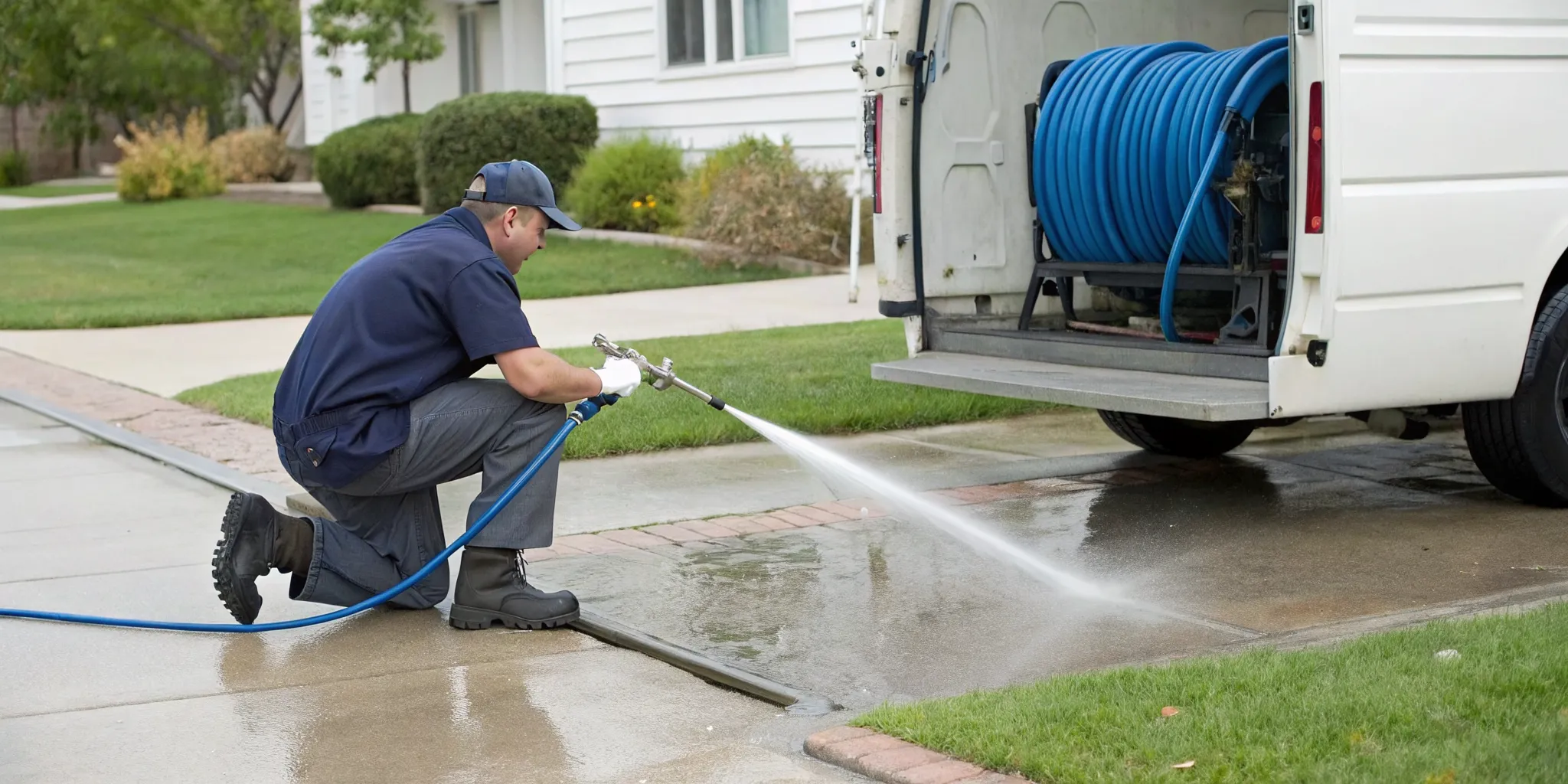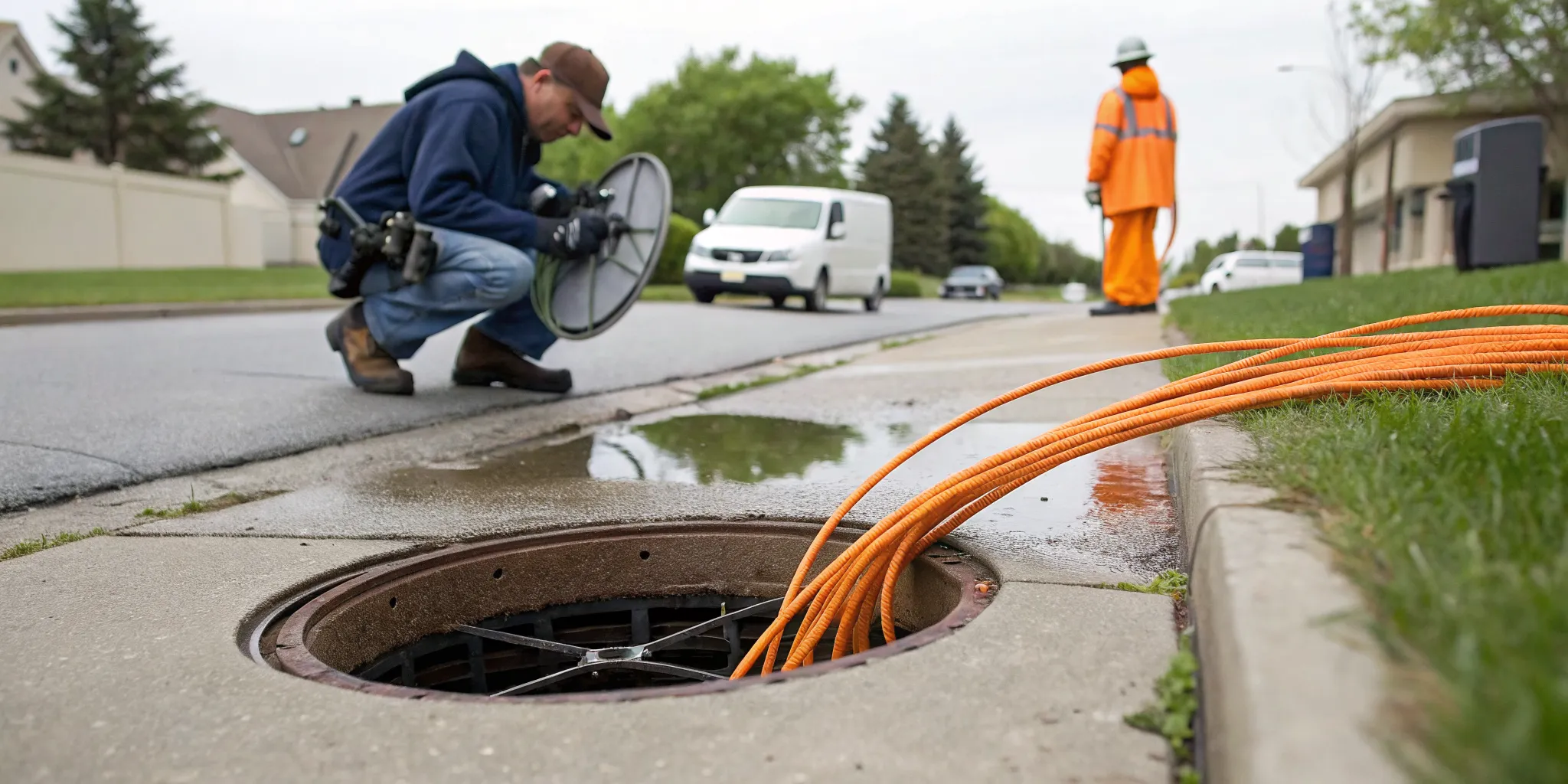


Proactive sump pump maintenance reduces the risk of basement flooding by more than 80 percent. This routine protects your home from the heavy storms and snowmelt common in Metro Detroit. It is the best defense against water damage.
sump pump maintenance is the best way to protect your Detroit basement from flooding during heavy rain or snowmelt. Proper care involves cleaning the pump basin, testing the float switch, and ensuring the discharge line stays clear of ice or debris. You should perform these tasks every three to six months to find small mechanical issues before they cause a total system failure. This regular routine can lower your risk of water damage by more than 80 percent. Experts at South Dakota State University Extension say checking the intake screen for clogs is a vital safety step. Consistent inspections extend the life of your pump and keep your home dry in every season.
Understanding local climate threats is the first step in protecting your property. We will explain Why Detroit Homes Need Regular Sump Pump Maintenance to show how older housing stock creates unique drainage challenges for area homeowners. The path begins with.
Why Detroit Homes Need Regular Sump Pump Maintenance
Detroit weather puts a lot of stress on your home. Between heavy spring rains and the local freeze-thaw cycle, water always moves through the ground. Without a working pump, this moisture can seep into your basement and cause major damage. Keeping up with sump pump maintenance is the best way to keep your home dry and safe all year long.
The impact of local soil and climate
The soil around many Metro Detroit homes has a high clay content. Clay holds onto water much longer than sandy soil does. This creates a lot of water pressure against your basement walls. When the ground is soaked after a big storm, that pressure pushes water into every small crack. A well-kept pump acts as your first line of defense by moving that water away before it can enter your living space.
Our local climate also adds a layer of risk. During the winter and early spring, the ground freezes and thaws over and over. This cycle can shift the soil and even block your pipes with ice. If you do not check your system, these blocks can cause your pump to burn out. Experts at South Dakota State University recommend checking that your discharge hose is clear so water can flow freely out of the house.
Older home challenges
Many areas in Detroit have a long past. Many homes in areas like Palmer Woods or the University District were built between 1920 and 1960. These older houses were built long before modern waterproofing rules existed. Because these older homes lack the drainage systems found in new builds, they rely much more on a single pump to stay dry.
This past makes steady checkups a vital part of owning a home in the city. Since these foundations are older, they are more prone to cracks and leaks. A pump that fails for even a few hours can lead to a flooded basement and ruin your things. Staying on top of repairs is the best way to protect your home.
The value of steady care
Basement flooding is a costly mess that no one wants to face. Most flood events are not caused by huge storms, but by small pump failures that go unnoticed. Homeowners who stay on top of their care routine can reduce their flood risk by more than 80 percent. Taking the time for simple tests can save you thousands of dollars in water damage repairs later.
If you have not looked at your system in a while, it may be time for a closer look. A pro can find hidden issues like clogged intakes or worn motors that you might miss. Setting up professional sump pump maintenance ensures your system is ready for whatever the Michigan weather brings. Steady care gives you peace of mind when the next big storm hits.
How Often Should You Perform Sump Pump Maintenance?
A reliable sump pump is your first line of defense against basement floods. Most experts agree that a consistent sump pump maintenance routine should happen every three to six months. This regular schedule helps you find small issues before they become major pump failures during a storm. Following a steady sump pump maintenance schedule can reduce the risk of basement flooding by more than 80 percent.
The quarterly checkup
You should perform basic checks at least four times a year. These quick reviews focus on clear debris and basic function. You should look for dirt or rocks in the basin and check that the pump is still upright. Small vibrations can cause a pump to tilt over time. If it leans, the float switch may get stuck against the side of the pit. Regular checks ensure the pump stays in the best spot to work when you need it.
Annual full inspections
Once a year, you should perform a more thorough review of the entire system. This is best to do in late winter or early spring before the heavy rains start in Metro Detroit. During this time, you should clean the basin and intake screen to remove slime or scale. Most sump pumps last about seven years on average. You can help your pump reach its full life by keeping it clean and dry. Neglecting these annual tasks can shorten that lifespan and lead to a sudden breakdown.
When to check more often
Some homes may need more frequent care based on the local water table or pump age. If your pump runs often even without rain, you should check it every month. Older pumps that are over five years old also benefit from more eyes. Homeowners should also verify that the system works before any predicted heavy storms or fast snow melts. This extra care ensures the discharge hose is clear and the pump is ready for a heavy load.
Step-by-Step Sump Pump Maintenance Checklist
A clear sump pump maintenance plan keeps your home dry during big storms. Most pumps last about seven years, but you can help yours last longer with small checks. By following a set list of steps, you can find small problems before they turn into big floods. You should try to do these tasks every three to six months to keep the system in top shape.
Visual inspection and safety
Before you start your work, you must think about safety. You should look at the pump and the basin for any signs of rust or cracks. Check the power cord to make sure it is not frayed or worn out. You must always unplug the pump before you touch the intake area or put your hands in the water. This stops you from getting a shock while you work on the unit.
You can also check the area around the pump. Make sure there is nothing near the basin that could fall in and block the switch. If you see any white crust on the pump, it might be mineral buildup. This is a good time to get your tools ready for a deeper clean. If you are unsure about the state of your system, you can follow a sump pump maintenance schedule to track your progress.
Cleaning the pump basin
Dirt and debris can build up in the sump pit over time. If the intake screen gets clogged, the pump cannot pull water out fast enough. You can clean the basin and the pump parts with a mix of one part vinegar and one part water. This simple solution helps break down dirt without using harsh chemicals that might hurt the pump motor or the pipes.
While the pump is unplugged, feel the intake screen for any stuck rocks or silt. A clear intake path is vital for the pump to do its job. If the basin has a lot of mud, you should scoop it out so it does not get sucked into the pump. Keeping the pit clean is one of the best ways to stop a pump from failing when you need it most.
Testing the float switch
The float switch is the part that tells the pump when to turn on. It floats on top of the water as the basin fills up. If it gets stuck, your basement could flood even if the pump motor works fine. To test it, you will need a large bucket of water. You should watch the switch closely to be sure it moves up and down without hitting the walls of the pit.
- Turn off the power and inspect. Start by unplugging the unit to stay safe. Look for any clear damage like rust or broken parts on the pump body.
- Clean the intake and pit. Use a vinegar and water mix to scrub the pump and the screen. Remove any mud or debris from the bottom of the basin so the water can flow freely.
- Test the float switch. Plug the pump back in and slowly pour five gallons of water into the basin. Watch the switch rise to make sure it turns the pump on at the right level.
- Check the discharge line. Walk outside and look at the exit point of the pump hose. Make sure there are no clogs or ice blocks that would stop water from leaving the home.
- Listen to the motor. When the pump is running, listen for any loud or odd sounds. Strange thumps or grinding noises often mean the pump is old and may need a pro to look at it.
- Inspect the check valve. Ensure the arrow on the check valve points away from the pump. This part stops water from flowing back into the pit after the pump stops.
- Verify the backup power. Check your battery backup system to make sure it is fully charged. You should also test the GFCI outlet to be sure it has a steady power flow.
Regular care is the best way to prevent basement water damage. If you do not have time for these tasks, you can get expert sump pump maintenance to ensure everything is perfect. A pro can check for small issues that a quick visual scan might miss. This gives you peace of mind when the heavy rains come to Metro Detroit.
How to Test Your Sump Pump Float Switch
The float switch is the most vital part of your sump pump system. It acts like a sensor that tells the pump when to start and stop as water enters the basin. If this switch fails or gets stuck, your basement could flood even if the pump motor works well. Regular sump pump maintenance schedule checks ensure this part moves freely when you need it most.
The 5-Gallon Bucket Test
The best way to test the switch is to mimic a real storm. First, look outside to see that your discharge hose is clear so water can flow away from the house. Then, fill a 5-gallon bucket with water and slowly pour it into the basin. Watch the float as the water level rises. It should lift and start the motor once it reaches the set height. According to experts at South Dakota State University, you should also watch the pump turn off once the water level drops.
Watch for Blockages
As you add water, pay close attention to the path of the float. It must move up and down without catching on the basin walls or the pump itself. Shake from the motor can cause the pump to shift over time. This may pin the switch against the side of the pit. In Metro Detroit, city water often has minerals that can create a rough crust on moving parts. This buildup can make the switch hesitate or stay stuck in one spot.
Cleaning and Safety Steps
If the switch feels gritty or moves slowly, it likely needs a quick cleaning. Safety is key when working inside the pit. Always unplug the pump before you reach into the basin or touch the intake area. You can use a 1:1 mix of vinegar and water to melt mineral crust on the switch arm. For homes with heavy debris, an expert sump pump maintenance visit can help clear deep clogs that may block the switch or intake screen.
Checking and Maintaining the Discharge Line
A sump pump can only protect your basement if the water it moves has a clear path away from your foundation. The discharge line is the pipe that carries water from the pump to the outside of your home. If this line becomes blocked or frozen, the pump may run all the time without moving any water. You can find more details on how to set a sump pump maintenance schedule to keep your system in top shape.
Check the outside outlet
Start your check at the end of the line. Find the discharge hose outlet on the outside of your house. You must make sure the outlet is clear of dirt, leaves, and rocks so water can flow. Many sump pump maintenance guides suggest checking this outlet before you test the pump each season. Clear any debris that might block the path to keep water from backing up into the pump basin.
Stop winter ice blocks
In Metro Detroit, freezing weather is a big risk for discharge lines. If the water inside the pipe freezes, it makes an ice dam that blocks the flow. This block causes high pressure to build up in the PVC pipes. The pressure can crack the pipes or cause the pump motor to burn out as it tries to push against the ice. To avoid this, make sure the line slopes down so water drains out before it can freeze.
Test the check valve
The check valve is a small part that keeps water from flowing back into the basin when the pump shuts off. Listen for a loud thud when the pump stops. That sound usually means the valve is working. If the valve fails, water will drain back down the pipe and force the pump to work twice as hard. For complex issues with your discharge system, you may need professional sump pump maintenance to keep your basement dry.
Battery Backup and Power System Checks
Your sump pump works best when it has steady power. Heavy summer storms in Detroit often knock out the power grid for hours. Without power, a standard pump will stop working, and your basement may flood. This makes a battery backup system a key part of your expert sump pump care routine.
The need for backup power
A backup pump acts as a second line of defense for your home. It runs on a large battery when your main power fails. This is key because heavy rain often comes with high winds that trip power lines. Having a backup gives you peace of mind while the storm is at its worst.
Signs of a weak battery include a slow pumping speed or a low hum. Batteries in these systems often last for three to five years. If yours is older, it may not hold enough charge to last through a long storm. Watch the battery case for any white crust or leaks, which are clear signs of damage.
Monthly backup system testing
You should test your battery backup once a month to ensure it is ready. First, find the power cord for your main sump pump. Unplug it from the wall outlet to mimic a power loss. It is a smart safety rule to unplug the pump before you touch it or reach into the basin.
Next, pour water into the pit until the float switch rises. The backup pump should start within a few seconds. If the motor sounds odd or struggles to pump water, it may be near the end of its life. A backup that works well will pump the water out just like the main unit.
Testing power outlets and GFCI
Most modern sump pumps plug into a special outlet called a GFCI. These outlets help stop power shocks if water gets near the power line. A GFCI outlet acts like a fast switch that turns off the power if it finds a leak. This protects you from risky shocks in a damp basement.
Check the test and reset buttons on the outlet every month. Press the test button to see if it cuts the power. If the pump stays on, the outlet is not working right and needs a fix. Also, look at the power cords for any fraying or damage. Make sure the cord is not stretched tight or touching the water in the pit.
Seasonal Sump Pump Maintenance for Michigan Weather
Michigan weather puts unique stress on your home’s drainage system. Our local freeze-thaw cycles and heavy rain events mean you need a normal sump pump maintenance schedule to keep your basement dry. Most pumps last about seven years, but neglect can shorten that time. By checking your system every few months, you can find small issues before they lead to a flood.
Prepare for spring rains
Spring is the most key time for your pump in Metro Detroit. Heavy rains and melting snow can quickly fill your basin. Before the wet season starts in April, you must ensure the system is ready to work. This prevents the pump from failing when you need it most. Clearing old debris from the winter allows water to flow out without any blocks.
Protect your system in winter
Winter brings the risk of ice blocks in your discharge line. If water cannot leave the pipe, the pump will run non-stop and may burn out. You should check the exit point of your discharge line every week from December through March. If you hear the pump cycling too often, it might mean the line is frozen or the float is stuck. Keeping the pit from freezing ensures the pump is ready for sudden thaws.
- Spring: Run a pre-rain test. Before the heavy rains arrive in April, pour five gallons of water into the basin to check the float switch. You should also clear any leaves or winter trash from the discharge exit outside your home to ensure water flows freely.
- Summer: Test for storm readiness. During the peak of storm season, check the float switch and listen for odd sounds. If the pump struggles or makes loud noises, it may be near the end of its life. Also, verify your battery backup is fully charged before any big summer storms.
- Fall: Clean the basin and pipes. Remove any fallen leaves or dirt from the basin that could clog the intake screen. Inspect the discharge pipe for cracks that may have formed during summer heat cycles. This is the best time to test the backup battery again before the ground freezes.
- Winter: Check for ice and frost. Look at the discharge line outside once a week to make sure ice has not blocked the water flow. Listen for constant cycling, which is a sign of a frozen line or a stuck switch. Ensure the pump pit stays warm enough so the water inside does not turn to ice.
| Season | Key task | Frequency | Detroit risk factor |
|---|---|---|---|
| Spring | Pre-rain test, clear discharge exit | Once before April rains | Heavy runoff + snowmelt overload |
| Summer | Float switch test, backup power check | Monthly during storm season | Power outages during thunderstorms |
| Fall | Basin cleaning, pipe crack inspection | Once before freezing | Leaf debris + freeze transition |
| Winter | Discharge line ice check, pit freeze prevention | Weekly December through March | Ice blockages burn out pump motors |
Maintain your backup power
Storms in Michigan often cause power cuts just when you need your pump the most. A battery backup is a vital part of professional sump pump maintenance for local homes. Testing the battery each month ensures it will kick in during a crisis. You should also check the GFCI outlet to make sure it has not tripped. For the best results, follow the guidelines from the South Dakota State University Extension. This helps you verify your float switch moves freely and activates at the right level.
Frequently Asked Questions
What can I pour in my sump pump to clean it?
You can use a mix of equal parts white vinegar and water to clean your sump pump basin. This simple solution helps break down lime scale and dirt buildup on the pump parts and the pit walls. Always unplug the unit before you start cleaning. According to The Spruce, this method works well to clear the intake screen and other key parts to keep them running.
What sounds indicate a sump pump might be failing?
You should listen for loud or odd sounds while your pump runs. Rattling, grinding, or thumping noises often mean a part is loose or broken. If your pump sounds like it is struggling, it may be near the end of its life. Finding these signs early helps you avoid a wet basement during a big storm. According to experts, irregular sounds are a clear signal that your unit needs a repair or a new part.
Is it safe to touch the sump pump during an inspection?
You must unplug the power cord before you touch the pump or put your hands in the basin. Water and power are a dangerous mix, so safety should be your first goal. Once the power is off, you can safely check the intake screen for debris. Always use a dry hand to pull the plug. To stay safe, follow the rules from South Dakota State University when you work near water.
What is the difference between pedestal and submersible sump pumps?
A pedestal pump has a motor that sits on a tall pole above the water line, while a submersible pump is sealed and sits inside the basin. Pedestal models are easier to fix but the motor cannot get wet. Submersible pumps are quieter and safer if you have children or pets nearby. Both types work well as long as they are the right size for your home, per NDSU.
Ready to secure your basement against flood damage?
A failed sump pump can quickly lead to thousands of dollars in water damage and weeks of messy repair work in your Detroit basement. You should not wait for the next heavy rain storm to find out your pump has a serious issue. As it is much safer to fix a small problem now than to deal with a flooded home and lost property later. Taking the time to book a professional sump pump service today will save you from a huge headache and ensure that your family stays dry and safe through the entire rainy season.
Ready to get help? Call (313) 900-0700 to schedule a professional sump pump inspection today and make sure your system is ready for the rain.