
A heavy rainstorm shouldn’t send you running to the basement, worried about what you’ll find. For many homeowners, the threat of water damage is a constant source of stress, turning every downpour into a potential disaster. A reliable sump pump is your home’s best defense against a flooded basement, working silently to protect your property and your peace of mind. But choosing the right one and ensuring it’s installed correctly can feel like a challenge. This guide will walk you through everything you need to know, from the different types of pumps to what you can expect from a professional sump pump installation in Troy, MI, so you can feel confident your home is protected.
Key Takeaways
- Choose the right pump for your needs: Your home’s water table, basement size, and sump pit dimensions determine whether a submersible, pedestal, or combination pump is the best fit. Pay close attention to horsepower and switch reliability for long-term performance.
- Factor in all installation costs: The total price includes more than just the pump; it also covers professional labor, potential permits, and future maintenance. A professional installation is a critical investment that ensures your system works correctly and prevents future water damage.
- Perform regular maintenance for reliability: Keep your sump pump ready for action by testing it between storms, cleaning the pit annually, and clearing the discharge line. An annual professional inspection helps catch problems early and extends the life of your pump, protecting your home from flooding.
What Are the Main Types of Sump Pumps?
Choosing a sump pump can feel overwhelming, but it really comes down to understanding the four main types available. Each one is designed for different needs, basement setups, and budgets. Getting familiar with these options is the best first step toward keeping your basement dry and protected. Once you know the basics, you can confidently select a system that works for your home. Our team is always ready to help you with professional sump pump services, from selection to installation.
Submersible Sump Pumps
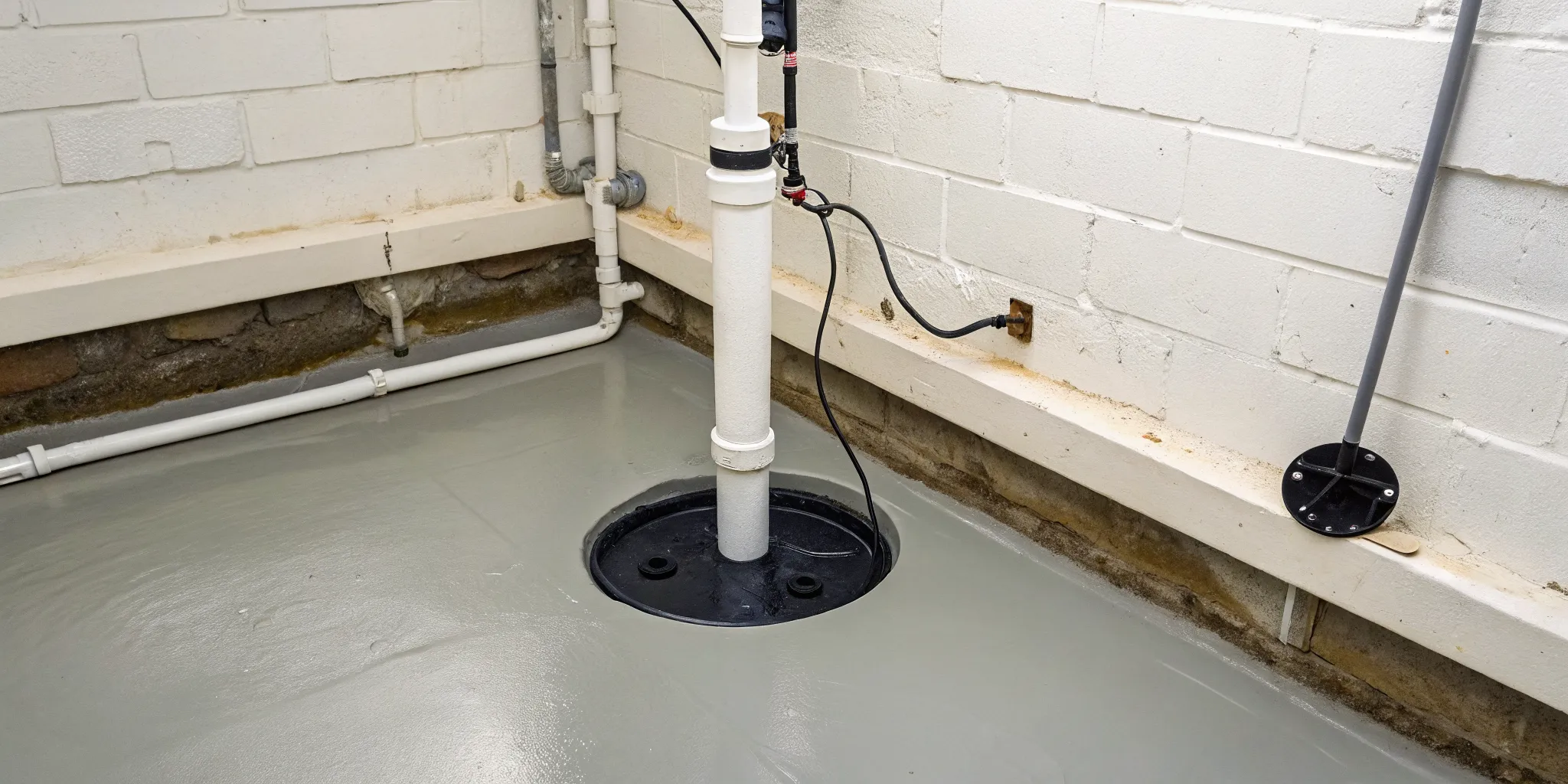
Think of a submersible pump as the strong, silent type. These pumps are designed to work completely underwater inside your sump pit. Because the motor is submerged, it’s cooled by the surrounding water, which helps it run efficiently and quietly. This makes it a fantastic choice for finished basements or any living space where you want to keep noise to a minimum. They are powerful and effective, making them ideal for homes in areas with high water tables that need to move a lot of water quickly.
Pedestal Sump Pumps
A pedestal sump pump is the more traditional and budget-friendly option. Unlike a submersible pump, its motor sits on a pedestal above the water level, keeping it dry and easy to access for maintenance or repairs. This design makes them a great fit for smaller or shallower sump pits, like those you might find in a crawl space. While they tend to be a bit louder than submersible models, their straightforward design and lower upfront cost make them a practical choice for many homeowners.
Battery Backup Sump Pumps
For ultimate peace of mind, especially during those intense Michigan storms, a battery backup sump pump is a lifesaver. This system works alongside your primary pump and automatically kicks in if the power goes out. A power outage is one of the worst times for your main pump to fail, since heavy rain is often the cause. A battery backup ensures your basement stays protected even when the electricity is down, giving you a critical layer of defense against flooding when you need it most.
Combination Sump Pumps
If you want an all-in-one solution, a combination sump pump is the way to go. This unit packages a primary submersible pump and a battery backup system together, so you get comprehensive protection right out of the box. It’s an excellent investment for any homeowner who wants to be fully prepared for heavy rainfall and potential power outages. With a combination system, you can rest easy knowing you have a reliable primary pump and a backup ready to go at a moment’s notice.
How to Choose the Right Sump Pump
Picking the right sump pump feels like a big decision, and it is. This little machine is your first line of defense against a flooded basement, so you want to get it right. It’s not just about grabbing the most powerful or expensive model off the shelf. The best sump pump for your home depends on several factors, from your foundation’s design to how much rainfall we get here in Troy. Thinking through these details now will help you find a reliable pump that keeps your basement dry and gives you peace of mind for years to come. Let’s walk through the key things to consider so you can make a confident choice for your home’s sump pump services.
Match Pump Capacity to Your Needs
The first step is figuring out how much power you actually need. A pump’s capacity is measured in horsepower (HP) and gallons per hour (GPH). While it might be tempting to go for the highest horsepower, a pump that’s too powerful can cycle on and off too frequently, leading to premature wear. The right capacity for your home depends on factors like your area’s water table, the size of your basement, and how prone your property is to flooding. A professional evaluation can help you select the perfect size, ensuring your pump works efficiently without being overworked or underpowered for the job.
Find a Reliable Switch
The switch is the brain of your sump pump, telling it when to turn on and off. It’s also one of the most common parts to fail. The two main types are tethered float switches and vertical float switches. Tethered switches are great for larger sump pits, but they can get snagged on the sides. Vertical switches are more compact and less likely to get stuck, making them a reliable choice for most standard pits. How well the unit handles small debris and how reliably it switches on are critical for preventing a basement flood, so choosing a quality switch is non-negotiable.
Consider Smart Features and WiFi Alerts
Modern sump pumps come with some impressive tech upgrades. Models with WiFi connectivity can send alerts directly to your phone if there’s a problem, like a power outage or a high water level. This is a game-changer for your peace of mind, especially when you’re at work or on vacation. You can monitor your pump’s status from anywhere, so you’ll never be caught off guard by a failing pump. These smart features turn your sump pump from a passive appliance into an active part of your home’s protection system, giving you control even when you’re not home.
Prioritize Alarms and Auto Shut-Off
Beyond WiFi alerts, look for pumps with built-in high-water alarms. These will sound a loud, local alarm if the water rises to a critical level, giving you a chance to act before flooding occurs. Some higher-end models also feature automatic shut-off technology. This feature is designed to protect the motor from burning out if the pump runs dry or becomes clogged. It’s a smart investment that can significantly extend the life of your pump and prevent costly damage, making it a feature worth looking for.
Invest in Quality Materials
Sump pumps are typically made from either thermoplastic or cast iron. While plastic pumps are more budget-friendly, cast iron models are far more durable. They dissipate heat more effectively, which helps the motor last longer, and they can withstand the bumps and vibrations of daily operation. Investing in a pump made from quality materials might cost a bit more upfront, but it pays off in reliability and a longer lifespan. This commitment to quality ensures you get long-lasting workmanship and a solution you can count on for years.
Breaking Down Sump Pump Installation Costs
Figuring out the budget for a new sump pump involves more than just the price tag on the unit. The total cost includes the pump itself, the professional labor to install it correctly, any necessary permits, and even future upkeep. Understanding these different pieces helps you see the full picture and avoid any surprises. When you get a quote, it should account for these factors, giving you a clear and honest price for protecting your home from water damage. Let’s walk through what goes into the final cost of a sump pump installation.
The Price of the Pump Itself
The first component of your total cost is the sump pump unit. Prices can vary quite a bit, typically from around $150 to $1,500. This wide range exists because there are different types of pumps with different features. For example, a durable, cast-iron submersible pump will generally cost more than a basic pedestal model. More advanced pumps might also include features like battery backups or smart alerts that notify you of issues on your phone. The right pump for your home depends on your basement’s specific needs, how much water you typically deal with, and the level of protection you’re looking for.
Labor and Professional Installation Fees
Unless you’re an experienced DIYer, you’ll need to hire a professional for the installation, which usually costs between $300 and $800. This fee covers the plumber’s time, expertise, and the physical work of setting up the system. The price can change based on how complex the job is. For instance, installing a pump in a finished basement or replacing an old, failing unit might require more work than a straightforward installation in new construction. While it might be tempting to save on labor, a professional installation ensures everything is connected properly and works efficiently, giving you reliable protection when you need it most.
Local Permit and Code Requirements
Depending on where you live in the Troy area, you might need a permit to install a new sump pump. Local building codes are in place to ensure plumbing work is done safely and correctly. A professional plumber will know exactly what local regulations require, from the type of discharge pipe needed to where it can drain. Factoring in the cost of permits and ensuring the installation is up to code is a non-negotiable step. It protects your property and ensures you won’t face issues or fines down the road. Working with a trusted company like Mr. Pipey means we handle all the permits and code compliance for you.
Future Maintenance Expenses
Your sump pump is a hardworking machine, and just like any other major appliance, it needs regular attention to keep it running smoothly. It’s wise to budget for future maintenance expenses. Simple tasks like cleaning the pit and testing the pump can be done on your own, but an annual professional inspection is the best way to catch potential problems early. Regular maintenance ensures your pump is ready to go before Michigan’s rainy season hits. This small investment in upkeep can save you from the massive cost and headache of a flooded basement, offering priceless peace of mind.
Your Trusted Partner for Sump Pump Installation in Troy
Choosing a plumber for your sump pump installation is a big decision. This isn’t just another home repair; it’s about protecting your basement, your belongings, and your peace of mind from water damage. For homeowners in Troy, finding a local, trustworthy expert is essential. At Mr. Pipey, we understand that a properly installed sump pump is your first and best defense against a flooded basement, especially with Michigan’s unpredictable weather. Our entire approach is built around getting the job done right the first time, so you don’t have to worry every time it rains.
We believe professional installation is non-negotiable. A poorly fitted pump or an incorrectly placed discharge line can fail when you need it most. Our team provides comprehensive sump pump services, covering everything from helping you select the right model to expert installation and ongoing maintenance. We’re not just installers; we’re your partners in home protection. And if the worst happens and your old pump gives out unexpectedly, our emergency plumbing team is ready to help you prevent a disaster. We’re committed to serving our neighbors in Troy with reliable solutions that last.
Why Homeowners Choose Mr. Pipey
When you invite a professional into your home, you need to know you can trust them. As a family business with two generations of experience, we’ve built our reputation on that trust. Homeowners choose Mr. Pipey because we treat you like family, offering clear explanations and honest options without any high-pressure sales tactics. Our goal is your complete satisfaction and a dry, secure basement. We take the time to understand your home’s specific needs before recommending a solution.
Our expertise goes beyond basic installation. We can also equip your system with a battery backup, ensuring your pump keeps working even if a storm knocks out the power. This proactive approach is just one reason why so many of your neighbors rely on us. We’re proud of our history and the relationships we’ve built in the community. You can learn more about our family-owned business and our commitment to quality workmanship.
How to Maintain Your Sump Pump
Once your sump pump is installed, a little regular maintenance goes a long way in preventing a water-logged basement. Think of it like a check-up for your home’s first line of defense against flooding. These simple steps will help you keep your pump in top shape, ensuring it’s ready to work when you need it most. Taking a few minutes every few months to perform these checks can save you from the headache and expense of water damage down the road. With Michigan’s unpredictable weather, you’ll be glad you did.
Test Your Pump Between Storms
The easiest way to make sure your sump pump is working is to test it yourself. You don’t want to discover a problem during a torrential downpour. To perform a quick test, pour a bucket of water into the sump pit. Keep adding water until the float rises and the pump kicks on. You should see the water level drop as the pump discharges it. If the pump activates and clears the water, you’re in good shape. If it doesn’t, it’s time to investigate further or call a professional. Performing this simple check every few months provides great peace of mind.
Keep the Sump Pit and Discharge Line Clear
Over time, dirt, gravel, and other debris can find their way into your sump pit, which can clog the pump’s intake and cause it to fail. About once a year, it’s a good idea to clean it out. First, unplug the pump and remove it from the pit. Then, you can clear out any sludge or debris from the bottom of the pit and clean the pump’s inlet screen. Also, make sure the exterior discharge pipe is clear of obstructions like leaves, dirt, or ice so water can flow freely away from your home’s foundation. A clog can lead to an emergency plumbing situation fast.
Know the Warning Signs of a Failing Pump
Your sump pump will often give you clues that something is wrong before it stops working completely. Pay attention to any unusual sounds during operation. Loud noises like grinding, rattling, or humming could mean the motor is failing or debris is interfering with the impeller. Other red flags include the pump running for a very long time, cycling on and off frequently, or visible rust on the unit. If you notice any of these signs, it’s best to have your system inspected. Catching these issues early can often prevent a complete failure and a flooded basement.
Schedule Annual Professional Inspections
While DIY checks are helpful, nothing beats a professional inspection. Regular maintenance ensures your sump pump is ready to handle heavy water loads, giving you peace of mind during Michigan’s rainy seasons. A trained technician can spot subtle issues you might miss, check the electrical components, and make sure the entire system is functioning efficiently. An annual visit can extend the life of your pump and confirm it’s prepared for any storm. If you’d like an expert to take a look, our team provides thorough sump pump services to keep your home protected.
Related Articles
- Cost to Replace Sump Pump: A 2026 Price Guide
- Sump Pump Installation: Your Guide to a Dry Basement
- Sump Pump and Installation Cost: What to Expect
Frequently Asked Questions
How often should I plan on replacing my sump pump? A quality sump pump that is well-maintained typically lasts about ten years. However, this isn’t a hard and fast rule. The lifespan depends on how often it runs, the quality of the pump itself, and whether it receives regular maintenance. Instead of marking a date on your calendar, it’s better to pay attention to its performance. If you start noticing it’s running constantly, making strange noises, or leaving water in the pit, those are signs it’s time to consider a replacement before it fails completely.
Is a battery backup system really necessary? Think of a battery backup as an insurance policy for your basement. The worst time for your sump pump to fail is during a severe storm, which is often when power outages happen. A battery backup system ensures your basement stays protected even when the electricity goes out. For homeowners in Michigan, where heavy rain and storms can be intense, having that second layer of defense provides incredible peace of mind and can prevent thousands of dollars in water damage.
Can I install a sump pump myself to save money? While it might seem like a good way to cut costs, installing a sump pump is a job best left to a professional. An incorrect installation can lead to major problems, from the pump failing when you need it most to not complying with local building codes. A professional ensures the pump is the right size for your home, the discharge line is properly routed to keep water away from your foundation, and the entire system is set up for reliable, long-term operation. It’s a small investment for the assurance that your home is properly protected.
My sump pump is making a loud grinding noise. What should I do? Loud or unusual noises like grinding and rattling are definite red flags. This often means debris has gotten into the pump and is interfering with the impeller, which is the fan-like part that pushes water out. It could also be a sign of a failing motor or worn-out bearings. You should have it inspected by a professional as soon as possible. Continuing to run a pump that’s making these noises can cause it to burn out completely, leaving you without protection.
What’s the simplest way to understand the difference between a submersible and a pedestal pump? The main difference is where the motor is located. A submersible pump has its motor sealed inside the unit and sits completely underwater in the sump pit, which makes it quieter and more powerful. A pedestal pump’s motor sits on a shaft above the water, making it easier to access for repairs but also a bit louder. Submersible pumps are great for finished basements where noise is a concern, while pedestal pumps are a solid, budget-friendly choice for many homes.