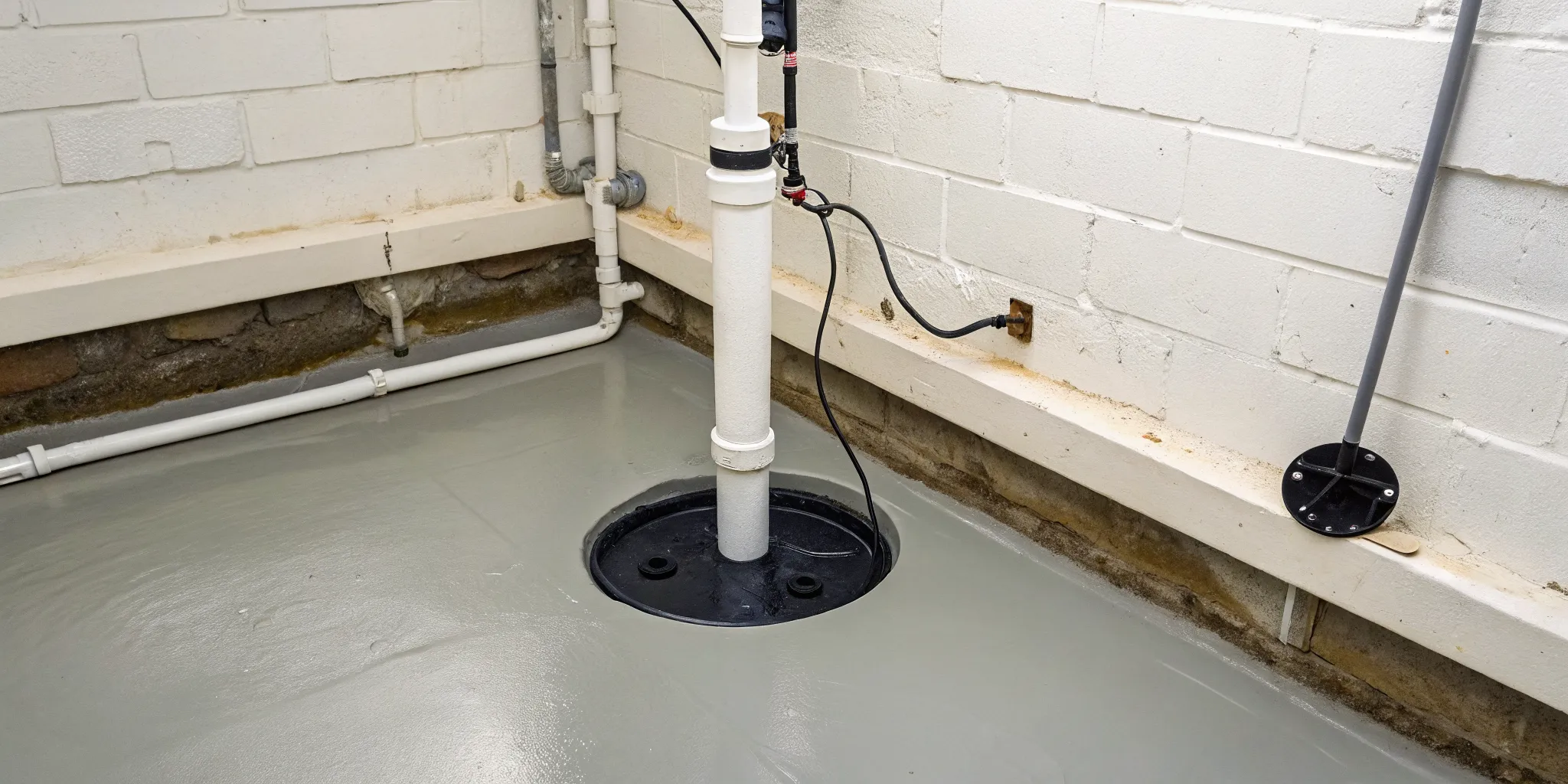

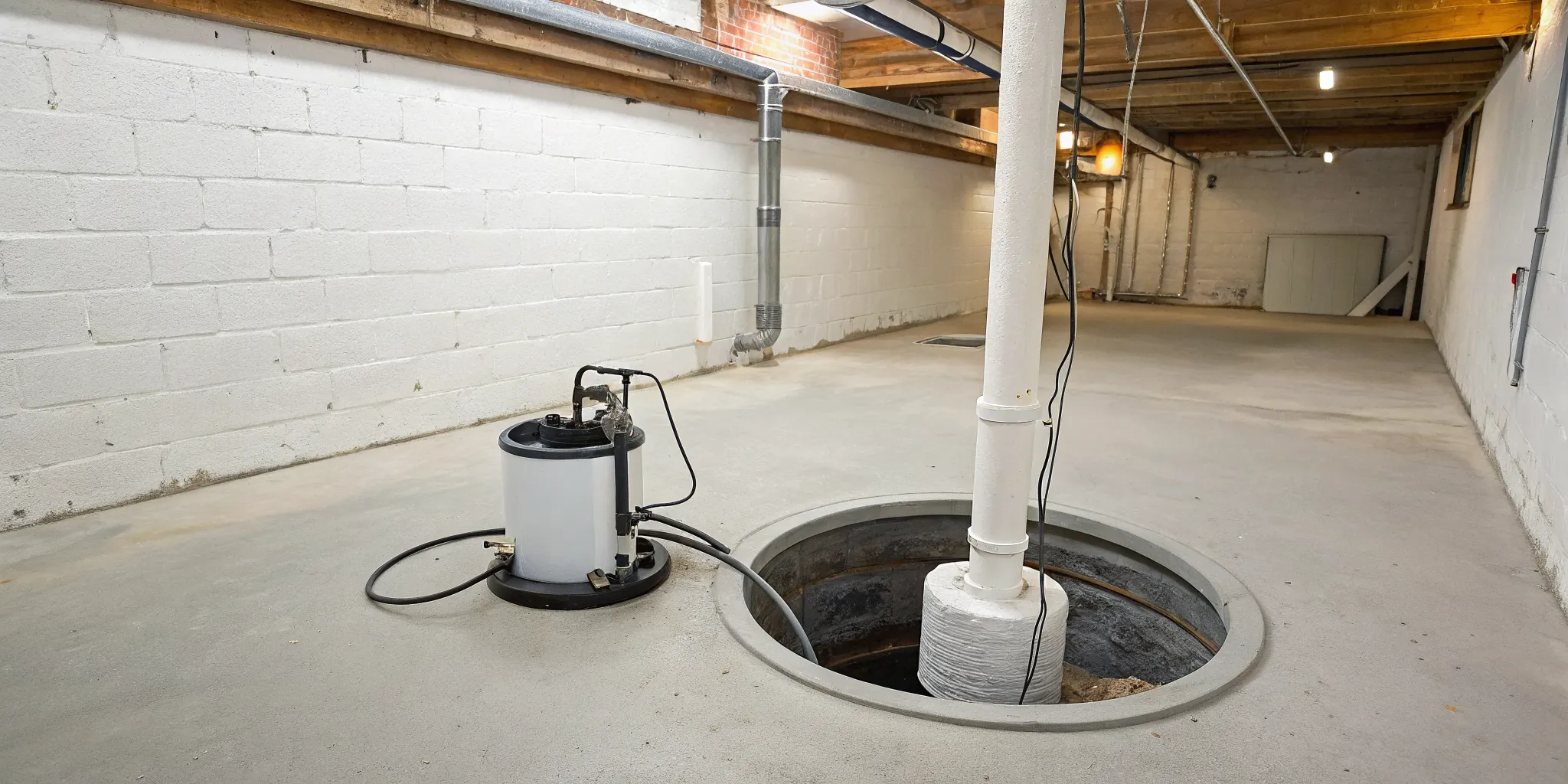
Let’s talk about the true cost of a wet basement. It’s not just the price of a shop vac and some fans. It’s the thousands of dollars spent replacing drywall, flooring, and treasured belongings after a flood. It’s the health risks that come with mold and mildew spreading through your home. And it’s the long-term, structural damage that constant water pressure can inflict on your foundation. When you compare those potential costs to the price of a professional sump pump installation Pontiac MI, the choice becomes clear. This guide will walk you through why a sump pump is one of the smartest financial decisions you can make for your home.
Key Takeaways
- Your basement’s best defense is a sump pump: Given Pontiac’s weather, a sump pump is a critical tool for preventing floods, mold, and foundation damage. For complete protection, make sure your system includes a battery backup to keep it running during power outages.
- Leave the installation to the professionals: A sump pump installation is more complex than it looks, involving plumbing, electrical work, and local building codes. Hiring a professional ensures the job is done right the first time, preventing costly failures and giving you total peace of mind.
- Vet your plumber carefully: Look for a licensed and insured installer with local experience, transparent pricing, and a satisfaction guarantee. The right partner will also offer maintenance plans to keep your system in top shape for years to come.
Why Your Pontiac Home Needs a Sump Pump
If you own a home in Pontiac, you know that our Michigan weather can be unpredictable. From heavy spring rains to rapid snowmelt, our area gets a lot of water. All that moisture has to go somewhere, and unfortunately, it often tries to find its way into your basement. A sump pump is your home’s first line of defense against water damage, working quietly in the background to protect your foundation and your peace of mind. Think of it not as an expense, but as an essential piece of equipment for safeguarding your biggest investment.
How Local Weather and Soil Put Your Basement at Risk
A sump pump is a critical tool for Michigan homeowners, especially in areas prone to heavy rainfall or flooding. In Pontiac, the combination of seasonal downpours and melting snow saturates the ground, raising the water table. This creates immense pressure against your foundation walls. Water intrusion is one of the most common and damaging issues homeowners face, as moisture will always seek the path of least resistance, which often leads right through tiny cracks in your basement floor or walls. Our expert sump pump services are designed to manage this groundwater effectively, collecting it in a sump pit and pumping it safely away from your home before it can cause any problems.
The True Cost of a Wet Basement: Flooding, Mold, and Foundation Damage
Even a small amount of water in your basement can lead to big problems. As local plumbers often say, “even small floods can cost thousands to fix.” The cost of repairing a flooded basement, including replacing drywall, flooring, and personal belongings, can be staggering. Beyond the immediate financial hit, a damp basement is the perfect breeding ground for mold and mildew, which can compromise your home’s air quality and pose health risks to your family. Over time, constant water pressure can even weaken your home’s foundation. Investing in a sump pump costs much less than dealing with the aftermath of a flood, making it one of the smartest decisions you can make to protect your property and prevent the need for emergency plumbing calls.
What Kind of Sump Pump Does Your Home Need?
Choosing the right sump pump feels like a big decision, because it is. This small appliance is your basement’s first line of defense against water damage, so you want to get it right. The best pump for your neighbor might not be the best one for you. Your choice depends on factors like your home’s risk of flooding, the size of your basement, and whether it’s a finished living space or an unfinished storage area. Understanding the main types of pumps and their key features will help you make a confident choice.
Most homeowners will choose between a pedestal and a submersible pump. Each has its own set of pros and cons related to cost, noise, and power. For complete protection, especially with Michigan’s unpredictable weather, a battery backup system is a smart addition to any setup. Getting familiar with these options is the first step toward a dry, secure basement. Our team is always ready to help you assess your specific needs and find the perfect sump pump solution for your Pontiac home. Let’s walk through what you need to know.
Pedestal Sump Pumps: The Above-Ground Option
A pedestal sump pump is designed with its motor mounted on a column above the sump pit. This keeps the motor out of the water, which has a few key advantages. First, these pumps are often less expensive than their submersible counterparts, making them a great budget-friendly option. Second, because the motor is exposed, it’s much easier to access for maintenance and repairs. You can spot issues quickly without having to pull the entire unit out of the pit.
The main trade-offs are noise and appearance. Since the motor is out in the open, pedestal pumps tend to be louder during operation. They also take up more visible space in your basement. For these reasons, they are an excellent choice for unfinished basements or utility areas where noise and aesthetics aren’t primary concerns.
Submersible Sump Pumps: The Quiet, Hidden Workhorse
If you have a finished basement that serves as a family room, office, or guest space, a submersible sump pump is likely your best bet. As the name suggests, the entire unit is sealed and placed directly inside the sump pit, completely submerged in water. This design makes them significantly quieter and keeps them out of sight, preserving the look of your finished space. Submersible pumps are also generally more powerful and can handle a larger volume of water.
Because they sit in water, they tend to have a shorter lifespan than pedestal pumps and can be more complex to service. However, their durable construction and superior performance make them a popular choice for homeowners who need reliable, heavy-duty water removal without the extra noise. Our team can handle all your plumbing needs, from installation to maintenance on any of our expert services.
Battery Backup Pumps: Your Fail-Safe for Power Outages
A sump pump is your best defense against a flooded basement, but it only works if it has power. Severe storms, the very events that cause basements to flood, are also the most common cause of power outages. A battery backup pump provides an essential layer of protection for these situations. This secondary pump is installed alongside your primary pump and is connected to a powerful, deep-cycle battery.
If the power goes out or your main pump fails for any reason, the backup system automatically kicks in to keep your basement dry. It’s the ultimate peace of mind, ensuring your home is protected even when you’re away or asleep. Given the risk of a power outage during a major downpour, a battery backup is a non-negotiable for any homeowner who wants to avoid a costly plumbing emergency.
Features That Matter: Horsepower, Flow Rate, and Switches
Beyond the main types, a few key features determine a sump pump’s performance. Horsepower (HP) indicates the motor’s strength; most homes use a 1/3 or 1/2 HP pump, but properties with a high water table may need more power. The flow rate, measured in gallons per hour (GPH), tells you how much water the pump can move. A higher GPH is necessary for larger basements or areas prone to heavy water intrusion.
Finally, the switch is what tells the pump to turn on. Most pumps use a float switch, which rises with the water level, like the float in a toilet tank. A reliable switch is critical for automatic operation. While it’s helpful to know these terms, you don’t have to be an expert. A professional can assess your home and recommend the exact specifications you need. When you’re ready, contact us to get a personalized recommendation.
What Does Sump Pump Installation Cost in Pontiac, MI?
Let’s talk about one of the biggest questions on every homeowner’s mind: what’s this going to cost? When it comes to protecting your home from water damage, a sump pump is a non-negotiable, but the price tag can feel like a mystery. The final cost of a sump pump installation in Pontiac isn’t a simple, one-size-fits-all number. It depends on your home’s specific needs, the type of pump you choose, and the work required. Let’s break down the numbers so you can budget with confidence and understand exactly what you’re paying for.
Understanding the Average Installation Cost
When you start budgeting for a sump pump, it helps to have a ballpark figure in mind. Research shows the average sump pump installation cost in Pontiac can range from about $1,029 to $1,443. Of course, some jobs might be simpler and cost as little as $404, while more complex projects could reach up to $1,997. Think of this as a starting point. This range gives you a general idea of what your neighbors might be paying, but your final quote will depend on the unique layout of your basement or crawl space. Getting professional sump pump services ensures you get an accurate price for your specific situation.
What Factors Influence the Final Price?
The reason for the wide price range comes down to a few key variables. The final price of a sump pump replacement in Michigan can vary significantly based on several factors, including the pump itself and the complexity of the job. The type of pump you choose plays a big role; a basic pedestal pump will cost less than a heavy-duty submersible model with a battery backup. Additionally, if your home needs a brand-new sump pit dug out or your current one needs to be modified, that will add to the labor costs. The complexity of the plumbing and electrical work required also influences the final price.
The Difference Between a New Install and a Replacement
Is your plumber replacing an old, worn-out pump or installing one for the very first time? The answer will have a major impact on your bill. A simple replacement is usually more affordable because the sump pit, drainage lines, and electrical outlet are already in place. A new installation is a bigger project. It involves excavating a pit in your foundation, running new discharge piping, and ensuring there’s a proper power source. For a new installation in a basement, you can expect to spend between $800 and $2,000. The best way to get a clear number is to have a professional assess your home and provide a detailed quote.
Should You DIY Your Sump Pump Installation?
As a homeowner, tackling a project yourself can be incredibly rewarding. But when it comes to sump pump installation, this is one job you should leave to the professionals. A sump pump is your home’s last line of defense against a flooded basement, and a small mistake during a DIY installation can lead to catastrophic and expensive damage down the road.
Installing a sump pump involves more than just dropping a pump in a hole. It requires electrical wiring, plumbing connections, and often, breaking through concrete. A professional ensures every component is installed correctly, from the pit and pump to the discharge line and check valve. This guarantees your system will work exactly as it should when a heavy Michigan storm hits. Let’s walk through why a professional installation is a non-negotiable for protecting your home.
Why Professional Installation Gives You Peace of Mind
A sump pump is a piece of equipment you hope you never need, but when you do, it has to work perfectly. Professional installation is the only way to get that true peace of mind. Experts understand that installing a sump pump is not a simple DIY job; it must be done correctly to ensure it functions when you need it most. A pro will test the system thoroughly, making sure the float switch activates at the right water level and the pump discharges water effectively. This means you can go on vacation or sleep through a rainy night without worrying about what’s happening in your basement. When you hire a trusted team for your sump pump services, you’re not just buying a product; you’re buying confidence.
Getting It Right: Permits, Codes, and Proper Sizing
Proper sump pump installation is a technical task with several critical variables. A professional plumber will assess your home’s specific needs to select the right system. This choice depends on your home’s layout, the local water table, and the soil conditions around your foundation. They also handle the necessary permits and ensure the entire installation complies with Pontiac’s local building codes, which is something most homeowners aren’t equipped to do. An incorrectly sized pump can either burn out from running too often or fail to keep up with incoming water. A professional ensures your pump has the right horsepower and flow rate for your home, providing effective and efficient protection. This expertise is a key part of our comprehensive plumbing solutions.
The Long-Term Value of a Job Done Right
While professional installation has an upfront cost, it’s a small price to pay compared to the thousands of dollars needed to repair a flooded basement. A properly installed sump pump is a powerful tool that prevents catastrophic water damage, protects your home’s foundation from hydrostatic pressure, and stops mold growth before it starts. Think of it as an investment in your property’s value and your family’s health. A failed DIY job can quickly turn into a frantic call for emergency plumbing services in the middle of a storm. By having the job done right the first time, you save yourself money, stress, and the immense headache of a major home repair.
How to Choose the Best Sump Pump Installer in Pontiac
Finding the right person to install your sump pump is just as important as picking the right pump. You’re trusting them with the safety of your basement and the foundation of your home. A great installer doesn’t just put a pump in a hole; they provide a long-term solution and peace of mind. To make sure you’re hiring a true professional, focus on a few key areas: their qualifications, their business practices, and the long-term support they offer.
Verify Their License, Insurance, and Local Experience
First things first: never hire a plumber who isn’t licensed and insured. This is your most basic protection. A license proves they’ve met state and local requirements, while insurance protects you from liability if an accident happens on your property. A professional company will have no problem providing you with this information. Beyond the paperwork, look for a team with deep roots in the Pontiac area. A local plumber understands the specific challenges our soil and weather present. They’ll know the local building codes inside and out, ensuring your installation is done correctly and legally from the start. This local expertise is something you can’t get from a generic national chain.
Demand Transparent Pricing and a Satisfaction Guarantee
You should never have to guess what a plumbing job will cost. A trustworthy installer will give you clear, upfront pricing in a written estimate before they begin any work. This transparency is a hallmark of a professional who respects you and your budget. Be wary of anyone who gives you a vague quote or is hesitant to put it in writing. Equally important is a satisfaction guarantee. Companies that are confident in their work will stand behind it. Here at Mr. Pipey, we operate on a 100% customer satisfaction guarantee because we believe the job isn’t done until you’re completely happy with the results.
Ask About Maintenance Plans and Ongoing Support
A sump pump installation isn’t a one-and-done transaction. Your pump is a hardworking piece of machinery that needs regular attention to stay in top shape. Before you hire an installer, ask them about their maintenance plans and ongoing support. Regular check-ups are essential to ensure your pump is ready to handle heavy water loads, giving you peace of mind during Michigan’s rainy seasons and spring thaws. A great plumbing partner will offer sump pump services that include routine inspections and maintenance, helping you catch small issues before they turn into big, expensive problems. This ongoing relationship is key to protecting your home for years to come.
Why Pontiac Homeowners Trust Mr. Pipey
Choosing an installer comes down to trust. You want someone who not only has the technical skills but also prioritizes your home’s safety. As plumbers, we know that understanding a homeowner’s concerns is the first step to providing a real solution. We combine our technical expertise with a commitment to treating every client like family. As a local, family-owned business, we’re fully licensed and insured, provide transparent pricing, and stand by our work with a satisfaction guarantee. We don’t just install sump pumps; we build lasting relationships with our neighbors in Pontiac. If you’re ready for a plumbing partner who puts you first, contact us today.
Related Articles
- Sump Pump and Installation Cost: What to Expect
- Sump Pump Installation: Your Guide to a Dry Basement
- Cost to Replace Sump Pump: A 2026 Price Guide
- Step-by-Step Sump Pump Installation in Crawl Space
Frequently Asked Questions
How can I tell if my current sump pump needs to be replaced? There are a few key signs that your sump pump may be on its last legs. If you hear strange grinding or rattling noises, it could mean the motor’s bearings are worn out. Another red flag is if the pump runs constantly, even in dry weather, or if it cycles on and off very frequently. The most obvious sign, of course, is if you notice water in your basement because the pump failed to turn on at all. Most sump pumps have a lifespan of about 7 to 10 years, so if yours is approaching that age, it’s wise to have it inspected.
My power rarely goes out. Do I really need a battery backup? That’s a fair question, but a battery backup is all about preparing for the worst-case scenario. The most intense storms, the ones that dump enough rain to overwhelm your foundation, are also the most likely to knock out the power. Without a backup system, your primary pump becomes useless right when you need it most. Think of it as an insurance policy for your basement; you hope you never need it, but you’ll be incredibly grateful it’s there if you do.
My basement is finished. Is it a huge mess to install a sump pump for the first time? I understand this concern completely. The thought of cutting into a finished basement floor can be daunting. However, a professional installation team is trained to make the process as clean and contained as possible. We take great care to minimize dust and disruption by sectioning off the work area and using protective coverings. While a new installation does involve breaking concrete, we handle the excavation, plumbing, and cleanup, leaving your space tidy and, most importantly, protected from future water damage.
How often should I have my sump pump professionally maintained? To ensure your sump pump is always ready for action, we recommend having it professionally inspected once a year. The best time for this is typically in late winter or early spring, right before the heavy rains and snowmelt begin. During a maintenance visit, a technician will clear any debris from the sump pit, test the float switch, inspect the check valve, and make sure the pump is discharging water properly. This annual check-up is the best way to catch small issues before they become a major emergency.
What does a sump pump’s check valve do? The check valve is a small but critical component of your sump pump system. In simple terms, it’s a one-way gate for water. After your pump pushes water out of your basement through the discharge pipe, the check valve automatically closes to prevent that same water from flowing back down into the pit. Without it, your pump would have to work much harder, re-pumping the same water over and over, which shortens its lifespan and wastes energy.