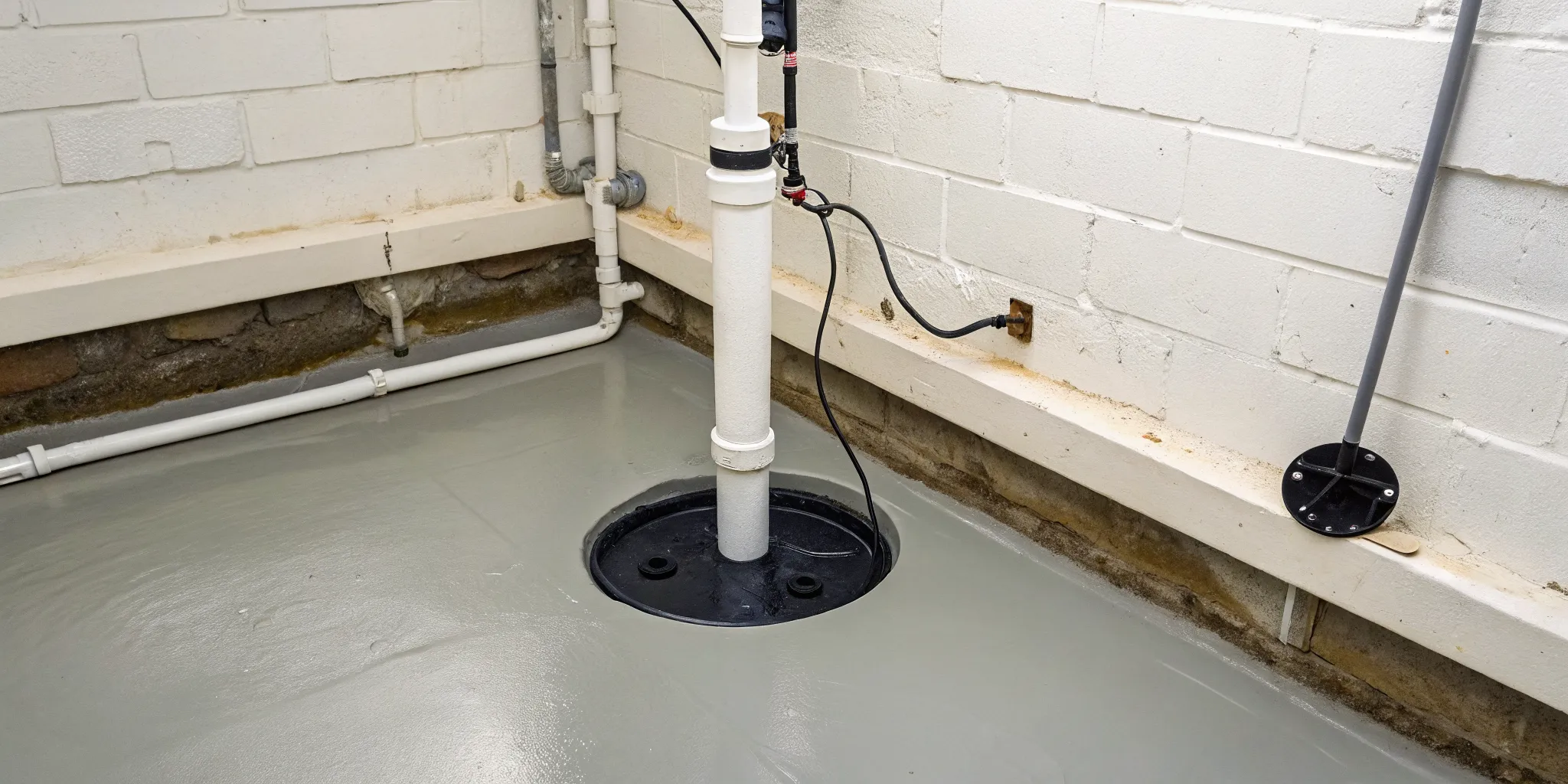


The true cost of a flooded basement goes far beyond a water-logged carpet. Lingering moisture creates a perfect breeding ground for mold, which poses serious health risks and requires expensive remediation. Water can also weaken your home’s structural supports and foundation, leading to thousands of dollars in repairs. Suddenly, a single storm can turn into a long-term financial nightmare. A sump pump is your proactive solution to prevent this cascade of problems. By investing in a quality system, you’re not just preventing a flood; you’re protecting your home’s integrity and your family’s well-being. A proper sump pump installation Farmington Hills MI is a small price to pay for avoiding these devastating expenses.
Key Takeaways
- Protect Your Home and Your Wallet: A sump pump is a crucial investment for any Farmington Hills homeowner, preventing thousands of dollars in potential water damage, mold remediation, and foundation repairs. A battery backup system is essential for uninterrupted protection during power outages.
- Select the Right System with Professional Guidance: Your home’s protection depends on more than just the pump; it requires the correct type, proper sizing, and professional installation to meet local codes. This helps you avoid common mistakes like choosing a pump that is too weak or too powerful for your basement.
- Stay Proactive with Simple Maintenance: You can extend your pump’s life and prevent emergencies with easy, regular checks. Test the pump with water, keep the pit clean, and listen for unusual noises to know when it’s time for a professional repair or replacement.
Why Your Farmington Hills Home Needs a Sump Pump
Living in Michigan means we get our fair share of unpredictable weather, from heavy spring rains to rapid snowmelt. For homeowners in Farmington Hills, this often translates to a high water table and the constant threat of a damp or flooded basement. A sump pump isn’t just another appliance; it’s your home’s first line of defense against water damage. It works quietly in your basement, standing guard to protect your foundation, your belongings, and your peace of mind. Think of it as an affordable insurance policy against the costly and stressful ordeal of a basement flood. Investing in a reliable sump pump system is one of the smartest decisions you can make for the long-term health and value of your home.
Protecting Your Basement from Michigan’s Weather
A sump pump is a simple but powerful device. It sits in a specially constructed pit, or basin, in the lowest part of your basement or crawl space. When groundwater levels rise and water starts to fill the basin, the pump automatically kicks on and pushes the water away from your home’s foundation through a discharge pipe. For Farmington Hills residents, where soil can become saturated after a storm, this is essential. A functional sump pump prevents water from seeping through foundation cracks, keeping your basement dry and usable. Proper sump pump services ensure your system is ready to handle whatever Michigan’s weather throws its way, saving you from a water-logged headache.
The Real Costs of Water Damage: Foundation, Mold, and More
Walking down to a flooded basement is a homeowner’s nightmare. The immediate damage is obvious: soaked carpets, ruined furniture, and boxes of treasured items destroyed. But the true cost of water damage goes much deeper. Lingering moisture creates the perfect breeding ground for mold and mildew, which can cause serious health issues and require expensive remediation. Water can also compromise your home’s structural integrity by weakening foundation walls and wooden supports over time. Suddenly, you’re not just paying for cleanup; you’re facing thousands of dollars in repairs. A failed or nonexistent sump pump can quickly turn into an emergency plumbing situation, which is why proactive installation and maintenance are so critical.
How to Choose the Right Sump Pump
Picking a sump pump feels like a big decision, and it is. This little machine is your basement’s first line of defense against flooding, so you want to get it right. But with so many options on the market, it’s easy to feel overwhelmed. Don’t worry, I’m here to walk you through it. The key is to understand your home’s specific needs and match them with the right type of pump and features. Let’s break down what you need to know to make a confident choice and keep your home safe and dry.
Submersible vs. Pedestal Pumps
First up, you’ll need to choose between two main types: submersible and pedestal. A submersible pump, as the name suggests, sits fully inside the sump pit, submerged in water. This makes it quieter and keeps it out of sight. A pedestal pump has its motor on a stalk, or pedestal, that sits above the pit, with only the pump base in the water. Pedestal pumps are typically less expensive and can have a longer lifespan since the motor stays dry. Your choice depends on your pit size and how much noise you’re willing to tolerate.
The Importance of a Battery Backup
Here in Michigan, we know that a summer storm or winter blizzard can knock out the power in an instant. That’s the worst time for your sump pump to stop working. This is why a battery backup is not just a nice-to-have feature; it’s essential. A battery backup system works alongside your main pump, kicking in automatically if the power goes out. This ensures your basement stays dry during an outage, preventing a stressful and costly water damage situation. Think of it as an insurance policy for your basement’s protection, giving you peace of mind when the weather gets rough.
Modern Features to Look For
Sump pumps have come a long way. Modern pumps now offer smart features that can make a huge difference in protecting your home. Many new models come with WiFi connectivity, allowing them to send alerts directly to your smartphone if there’s a problem. You can get notifications for high water levels, power failures, or if the pump is running more than usual. This real-time monitoring means you can catch a potential issue before it turns into a full-blown emergency plumbing disaster. These features provide an extra layer of security, especially when you’re away from home.
Common Mistakes to Avoid When Buying a Pump
One of the biggest mistakes homeowners make is assuming all sump pumps are created equal. Grabbing the most powerful or the cheapest pump off the shelf can lead to problems. A pump that’s too powerful can short-cycle, turning on and off too frequently, which wears out the motor. A pump that’s too weak won’t be able to keep up with heavy water flow. Choosing the right size isn’t just about horsepower; it’s about matching the pump’s capacity to your home’s specific water table and drainage needs. This is where professional advice for your sump pump services can save you from a costly mistake.
What to Expect During Sump Pump Installation
Getting a new sump pump installed can feel like a big project, but knowing what to expect makes the process straightforward. A professional installation is more than just placing a pump in a hole; it’s a careful procedure designed to protect your home for years to come. From the initial assessment to the final test, each step is crucial for ensuring your basement stays dry, especially during those heavy Michigan downpours. When you work with a trusted plumber, they handle all the details so you can have peace of mind.
Evaluating Your Sump Pit
The first thing a professional will do is inspect your sump pit, which is the basin in your basement floor where water collects. This evaluation is a critical first step because the pit’s location, size, and condition determine how effectively your pump will work. If your home doesn’t have a sump pit, your plumber will identify the best spot to install one, considering your home’s drainage patterns and foundation. A properly placed pit ensures that groundwater is channeled correctly, giving your new sump pump the best chance to do its job and keep your basement dry.
The Installation Process, Step-by-Step
Once the pit is ready, the installation begins. A licensed plumber will start by placing the new sump pump in the pit, making sure it’s positioned correctly. Next, they will connect a discharge pipe that guides water out of your home and safely away from the foundation. This step includes installing a check valve, a small but vital part that prevents water from flowing back into the pit. If you’ve chosen a model with a battery backup, they will install and connect that system as well. The entire process is designed to create a reliable defense against basement flooding and property damage.
Understanding Local Codes and Permits
Proper sump pump installation involves more than just technical skill; it also requires knowledge of local building codes. Professionals understand the specific regulations for Farmington Hills, which dictate things like where the discharge line can drain. For example, most areas prohibit draining sump pump water into the municipal sanitary sewer. Adhering to these codes is essential for avoiding fines and ensuring your system operates safely and effectively. When you hire an expert for your sump pump services, you can trust that the job will be done right and in full compliance with local rules.
Why Professional Installation Matters More Than DIY
While a DIY project can be tempting, installing a sump pump is a job best left to the pros. Your sump pump is the heart of your basement’s waterproofing system, and a small mistake during installation can lead to catastrophic failure when you need it most. A professional plumber has the experience to assess your home’s unique needs, recommend the right equipment, and handle any unexpected challenges that arise. By hiring a professional, you’re not just paying for an installation; you’re investing in the assurance that your home is protected by a system that is reliable, efficient, and correctly installed.
Sump Pump Installation Costs in Farmington Hills
Figuring out the budget for a new sump pump is a top priority for any homeowner. It’s an investment, and you want to know exactly what you’re paying for. In the Farmington Hills and greater Detroit area, the cost of a sump pump installation can vary quite a bit. The final price depends on the type of pump you choose, the complexity of the installation, and any extra features you might need for total peace of mind.
While it can be tempting to just look at the price tag on a pump at the hardware store, a full installation involves more than just the unit itself. It includes the labor to ensure it’s installed correctly, the right parts to connect it to your home’s drainage system, and the expertise to make sure it will work when you need it most. Getting a professional quote is the best way to understand the full scope of the project. A trusted plumber will assess your home’s specific needs, from the size of your basement to the local water table, and recommend a system that provides the best protection. This upfront clarity helps you avoid surprise costs and ensures your investment truly safeguards your home from water damage. Our team at Mr. Pipey can provide a clear, detailed estimate for our sump pump services so you know exactly what to expect.
How Pump Type Affects the Price
The biggest factor influencing your total cost is the sump pump itself. In the Detroit area, a full installation can range from around $790 to $4,000. This wide range is mostly due to the differences between the various types of sump pumps available. A smaller, basic pedestal pump will sit at the lower end of that price range. However, for most basements in Michigan, a more robust submersible pump is the better choice. These models are more powerful, quieter, and last longer. The pump’s horsepower (HP) and its gallons per hour (GPH) rating also play a big role. A home with a higher water table or a larger basement will need a more powerful pump to keep up, which will increase the cost.
Budgeting for Additional Costs
Beyond the pump itself, there are a few other costs to keep in mind. The most important one is a battery backup system. If a big storm knocks out your power, a standard sump pump becomes useless, right when you need it most. Adding a battery backup can cost between $1,000 and $2,500, but it’s one of the smartest investments you can make to protect your home. Other potential costs include digging a new sump pit if you don’t have one, running new discharge piping, or obtaining any necessary permits. A professional and proper sump pump installation prevents basement flooding and ensures your system runs efficiently for years, saving you from the stress and expense of an unexpected plumbing emergency.
Is Your Sump Pump Sending Warning Signs?
Your sump pump works tirelessly behind the scenes to protect your basement from water damage. But like any hard-working appliance, it can’t last forever. The good news is that pumps usually give you a heads-up before they fail completely. Learning to spot these warning signs can be the difference between a minor repair and a major basement flood. If your pump has been acting up, it’s time to play detective and figure out what it’s trying to tell you.
Telltale Signs Your Pump Needs Attention
Think of your sump pump as the quiet guardian of your basement. When it starts making a racket, it’s trying to tell you something is wrong. Loud grinding, rattling, or gurgling noises are clear indicators of a mechanical issue. You should also pay attention to its cycle. Is the motor running constantly, even with little water, or does it fail to turn on when the pit fills up? Both are serious red flags. Other signs include visible rust or corrosion on the unit and frequent cycling on and off. If you notice any of these issues, it’s time to call in a professional for sump pump services before a small problem becomes a catastrophe.
Repair or Replace? How to Make the Right Call
Once you know your pump is in trouble, the big question is whether to repair or replace it. A good rule of thumb is to consider the pump’s age. If your unit is more than seven years old, replacement is often the most reliable and cost-effective choice in the long run. For newer pumps, weigh the cost of the repair against the price of a new unit. If you find yourself paying for frequent and expensive fixes, investing in a new, more efficient model is the smarter financial move. A failing sump pump can quickly lead to a basement flood, so making a clear-headed decision now can save you from a future emergency plumbing situation.
Simple Sump Pump Maintenance for Homeowners
Once your sump pump is installed, a little bit of maintenance goes a long way in keeping it ready for action. Think of it like a check-up for your home’s first line of defense against water damage. Taking a few minutes every few months to inspect your system can save you from the headache and expense of a flooded basement. These simple steps will help you feel confident that your pump is working correctly, especially before a big Michigan storm rolls in.
Your Regular Inspection and Testing Checklist
Regular maintenance is your best strategy for making sure your sump pump works when you need it most. A quick inspection every few months is all it takes. First, unplug the pump and check that the inlet screen isn’t clogged with debris. Then, plug it back into a dedicated GFCI outlet, making sure the power cord is secure. The most important step is to test the pump itself. You can do this by slowly pouring a bucket of water into the sump pit. The float switch should rise with the water and turn the pump on. If it drains the water and shuts off, you’re good to go. If not, it’s time to call in a professional for sump pump services.
How to Keep the Pit and Discharge Line Clear
For your sump pump to do its job, water needs a clear path in and out. Over time, dirt, gravel, and other debris can collect in the bottom of the sump pit, which can clog the pump and cause it to fail. Once a year, you should unplug the pump and use a wet-dry vacuum to clean out the pit. It’s also important to check the discharge line outside your home. Make sure it’s free of leaves, dirt, or other blockages and that it directs water far away from your foundation. In the winter, this line can freeze, so keeping it clear is critical to prevent backups and potential frozen pipe issues.
Common Maintenance Mistakes to Avoid
Avoiding a few common missteps can prevent a lot of stress and potential damage. One of the biggest mistakes is simply forgetting about the pump until it’s too late. Ignoring strange noises, running the pump on an extension cord, or letting the pit fill with debris are all recipes for disaster. Another frequent error is failing to test the pump regularly. You don’t want to discover it’s not working during a downpour. Neglecting these simple checks can lead to pump failure, which often results in a call for emergency plumbing when your basement starts to flood. A little proactive care is much easier to handle than a major cleanup.
How to Find a Trusted Plumber in Farmington Hills
While DIY maintenance is great, some jobs are best left to the pros. If your pump fails a test, makes unusual noises, or if you’re just not comfortable performing the maintenance yourself, it’s time to call a plumber. When looking for help, you want someone who is licensed, has great reviews, and has specific experience with sump pumps. A trusted local company will understand the unique challenges of our area’s weather. As a family-owned business, we believe in treating your home like our own. If you have any questions or need a hand with your sump pump, don’t hesitate to reach out to us.
Related Articles
- Sump Pump and Installation Cost: What to Expect
- Sump Pump Installation: Your Guide to a Dry Basement
- Cost to Replace Sump Pump: A 2026 Price Guide
- Step-by-Step Sump Pump Installation in Crawl Space
Frequently Asked Questions
Is a sump pump really necessary for my home in Farmington Hills? For most homes in our area, the answer is a definite yes. Given Michigan’s unpredictable weather, from heavy spring rains to melting snow, the ground can get saturated quickly. A sump pump acts as your home’s dedicated defense against a high water table, preventing water from seeping into your basement. Think of it less as an appliance and more as an essential part of protecting your foundation, preventing mold growth, and safeguarding your home’s value.
My budget is tight. Is a battery backup system really worth the extra cost? Absolutely. A battery backup is the single most important feature you can add to your sump pump system. Our powerful Michigan storms often cause power outages, which is precisely when your basement is most vulnerable to flooding. A standard pump is useless without electricity. The battery backup ensures your pump keeps working during an outage, giving you invaluable peace of mind and protecting you from a costly and stressful cleanup.
How often should I check on my sump pump, and what am I looking for? A quick check every few months is a great habit to get into, especially before a big storm is forecast. Listen for any unusual grinding or rattling noises, which could signal a mechanical problem. You should also make sure the pump and the pit it sits in are free of dirt and debris. The most important check is to pour a bucket of water into the pit to ensure the pump turns on, drains the water, and shuts off properly.
My sump pump is acting strange. Should I repair it or just get a new one? This is a great question, and the answer usually depends on two things: age and cost. If your pump is more than seven years old, replacing it is often the most reliable and cost-effective decision for the long term. For a newer pump, consider the price of the repair. If you find yourself paying for frequent fixes, that money is better spent on a new, more efficient model that you can depend on.
Why is there such a wide price range for sump pump installation? The final cost depends on a few key factors, not just the price of the pump itself. The type of pump you choose makes a big difference; a durable, quiet submersible pump will cost more than a basic pedestal model. The price also includes the professional labor to ensure it’s installed correctly according to local codes, the cost of any new piping, and whether you include essential features like a battery backup system. A professional quote will break down these elements for you.