
Your home is likely your biggest investment, and protecting it is a top priority. While you might think about home security or a new roof, one of the most critical protective measures for a Birmingham home sits quietly in the basement. Water damage is one of the most destructive and expensive problems a homeowner can face, often leading to thousands in repairs and a loss of property value. This guide will explain how a professional sump pump installation in Birmingham, MI, is a smart financial decision that safeguards your foundation, prevents mold, and secures your investment for the long haul.
Key Takeaways
- Protect Your Home from Local Water Issues: Birmingham’s high water table makes basements prone to flooding from rain and snowmelt. A sump pump is your best defense, actively preventing water damage, stopping mold growth, and safeguarding your home’s foundation.
- Select the Right Pump and a Pro Installer: Your home’s needs will determine the best pump, such as a quiet submersible model or one with a battery backup for power outages. Always hire a licensed professional to ensure the installation is safe, effective, and meets all local codes.
- Simple Maintenance Prevents Costly Failures: A sump pump requires regular checkups to function properly. Test it twice a year with a bucket of water, keep the pit and discharge line clear of debris, and call a professional if you notice any warning signs like strange noises.
Why Your Birmingham Home Needs a Sump Pump
If you own a home in Birmingham, you’ve probably heard neighbors or friends talk about their sump pumps. It might seem like just another piece of equipment, but in our corner of Southeast Michigan, it’s one of the most important defenses for your home. A sump pump isn’t a luxury; it’s a key player in keeping your basement dry and your foundation secure. Understanding why it’s so essential starts with looking at the ground beneath our feet and considering the costly alternative of going without one.
Birmingham’s Unique Water Table
Living in Southeast Michigan means dealing with a unique set of environmental factors, including a high water table. This simply means that groundwater sits closer to the surface than in other regions. For homes with basements, this can be a real problem. After a heavy rain or during the spring thaw, that groundwater level rises, and the pressure it puts on your foundation can force water through tiny cracks and seams. That’s why sump pumps are standard in local homes. Their job is to collect this accumulating water and pump it safely away from your house, preventing a soggy mess. A professionally installed system is your first line of defense against our local water challenges.
What Happens When You Don’t Have One
Going without a sump pump is a gamble against nature, and the stakes are high. Water intrusion is one of the most common and damaging issues homeowners face. Even a small amount of water in your basement can lead to ruined carpets, damaged furniture, and the rapid growth of mold and mildew, which can affect your family’s health. Over time, persistent moisture can even compromise your home’s structural integrity. Taking a proactive approach with professional sump pump services helps you avoid the stress and expense of water damage. It’s far better to have a system in place than to make a frantic call for emergency plumbing when your basement is already under water.
What Are the Different Types of Sump Pumps?
When you start looking into sump pumps, you’ll quickly realize there isn’t just one type. The right pump for your neighbor might not be the best fit for your basement. Understanding the main differences is the first step to making a smart choice for your home. It really comes down to your basement’s layout, how much water you typically deal with, and your budget. Let’s break down the three most common options you’ll encounter.
Submersible Sump Pumps
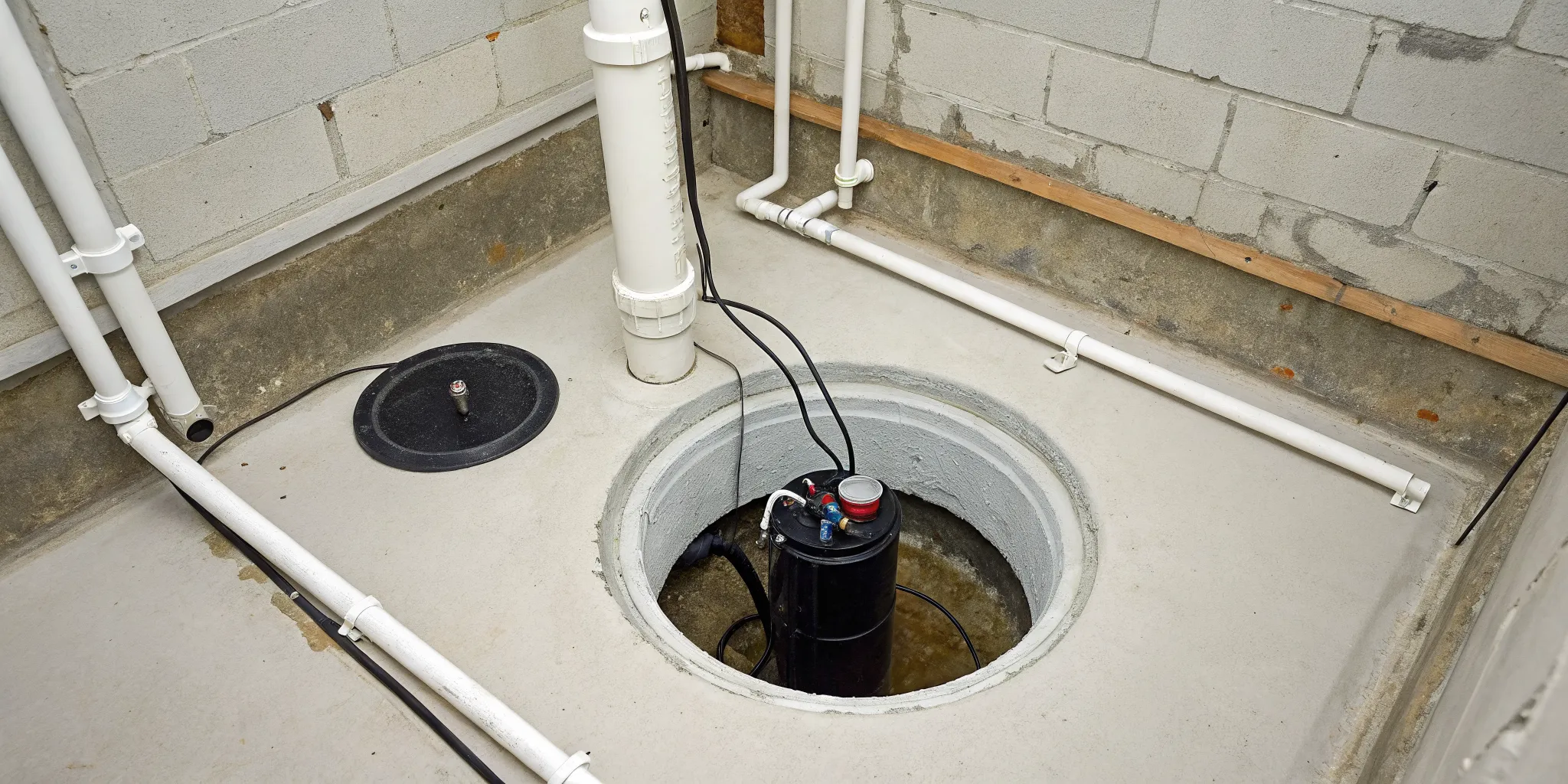
As the name suggests, a submersible sump pump is designed to be fully submerged in the water in your sump pit. Because the motor is sealed and sits inside the pit, these pumps are often much quieter than other models, which is a huge plus if your basement is a finished living space. They are also typically more powerful and can handle higher volumes of water and even small debris without clogging. This makes them a fantastic choice for homes in areas with a high water table or those prone to heavy rainfall. Choosing the right sump pump services ensures your submersible unit is installed correctly for maximum efficiency.
Pedestal Sump Pumps
A pedestal sump pump is designed with its motor mounted on a column, or pedestal, that sits above the sump pit, keeping it out of the water. Only the inlet pipe sits down in the pit. This design makes the motor easier to access for maintenance and repairs, and pedestal pumps are generally less expensive than submersible models. While they are a reliable and cost-effective option for many homes, they can be a bit louder since the motor is exposed. They also may not be as powerful as a submersible pump, making them better suited for basements that experience only minor water issues. A professional can help you decide if this model fits within your home’s overall plumbing solutions.
Battery Backup Sump Pumps: Your Defense Against Power Outages
A battery backup sump pump is your home’s best defense when the power goes out during a storm, which is exactly when you need your pump the most. These systems work alongside your primary pump and kick on automatically the second a power failure is detected. Using a float switch, it senses rising water and starts pumping, running off a dedicated deep-cycle battery. This provides priceless peace of mind, ensuring your basement stays dry even during a severe weather event. Think of it as an insurance policy against a flooded basement when you’re most vulnerable. It’s a key part of any solid emergency plumbing plan.
How a Sump Pump Protects Your Home
Think of a sump pump as your home’s silent, hardworking bodyguard against water. Its job is simple but critical: to keep your basement or crawl space from turning into an indoor swimming pool. Especially in areas like Birmingham where heavy rains or a high water table can be a concern, this single piece of equipment can be the difference between a dry, comfortable home and a waterlogged disaster. A properly installed sump pump works around the clock to protect your property, your health, and your home’s structural integrity, giving you invaluable peace of mind every time the forecast calls for a downpour.
Prevent Flooding and Water Damage
The most immediate job of a sump pump is to prevent flooding. The system works by collecting excess groundwater and rainwater in a basin, or sump pit, in your basement. When the water reaches a certain level, the pump automatically activates and discharges the water safely away from your home. This simple action prevents water from seeping into your basement, saving your belongings, flooring, and drywall from costly damage. Without one, you’re left vulnerable to a messy cleanup and expensive repairs. Our expert sump pump services ensure your home has a reliable first line of defense against water intrusion.
Stop Mold and Mildew Growth
A damp basement is the perfect breeding ground for mold and mildew, which can cause musty odors and trigger serious health issues like allergies and breathing problems. By keeping your basement consistently dry, a sump pump eliminates the moisture that these harmful fungi need to thrive. This helps maintain healthier indoor air quality for you and your family. Protecting your home isn’t just about the structure; it’s about creating a safe environment for the people inside it. As a family-owned company, we understand that protecting your loved ones is your top priority.
Protect Your Foundation and Property Value
Constant water pressure against your home’s foundation can lead to cracks and serious structural damage over time. A sump pump helps relieve this hydrostatic pressure, safeguarding the very base of your home. By preventing major water damage and foundation issues, you are also protecting your home’s long-term property value. An unexpected basement flood can quickly turn into a major financial crisis, but a sump pump is a smart, proactive investment. It’s a small price to pay to avoid the stress and expense of emergency plumbing situations down the road.
What to Expect During Sump Pump Installation
Getting a sump pump installed might sound like a major project, but when you work with a professional, it’s a straightforward process. Knowing what happens from start to finish can help you feel confident and prepared. The installation isn’t just about placing a pump in your basement; it’s a carefully planned procedure to ensure your home stays dry for years to come. From finding the perfect spot to testing the final setup, every step is designed for maximum effectiveness and long-term protection against water damage.
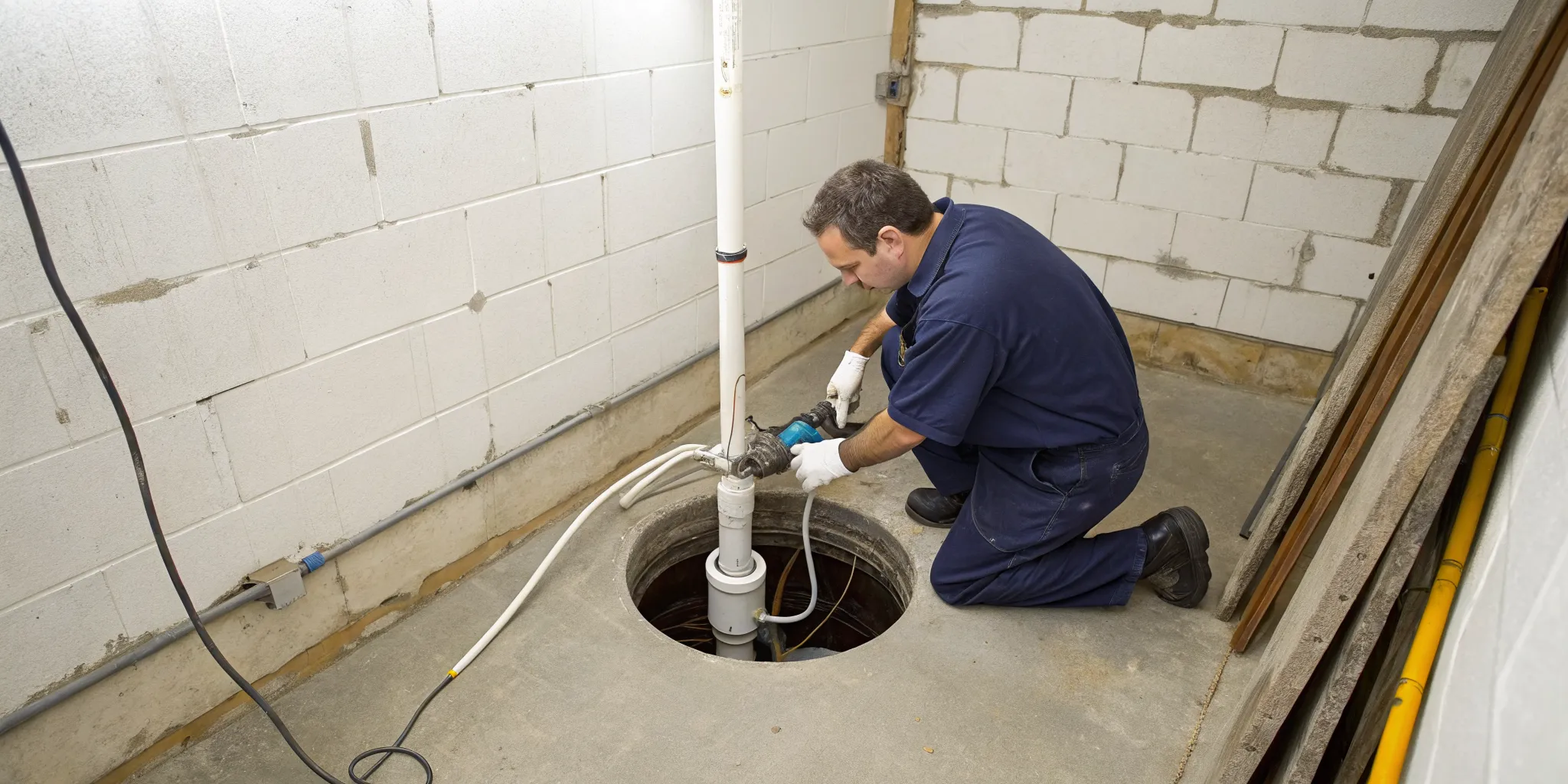
A professional plumber will handle everything, including the heavy lifting and technical details, so you don’t have to worry. They will assess your home’s specific needs, prepare the site, install the pump and its related plumbing, and make sure everything complies with local codes. The goal is to leave you with a reliable system that works automatically when you need it most. We believe in keeping you informed, so let’s walk through what a typical sump pump installation looks like.
Site Assessment and Pit Preparation
The first step is a thorough site assessment. A plumber will inspect your basement or crawl space to find the lowest point, which is where water will naturally pool. This is the ideal location for the sump pump. If you’re already dealing with water issues, this spot might be obvious, but a professional evaluation confirms the best placement for optimal performance.
Once the location is chosen, the team will prepare the sump pit. This involves carefully cutting a hole in your concrete floor and excavating a space for the sump liner, which is a perforated basin that holds the pump. The pit is then filled with gravel to help filter out debris before water enters the pump. This careful preparation is crucial for ensuring your system operates efficiently and without clogs.
Pump Placement and Discharge Line Setup
After the pit is ready, the sump pump itself is placed inside the liner. The next critical step is setting up the discharge line. This is the pipe that will carry water from the pump safely away from your home. Your plumber will run a PVC pipe from the pump up and out of your foundation.
The discharge line is routed to a designated drainage area, like a storm drain or a spot in your yard far enough away that water won’t flow back toward the house. A check valve is also installed on the pipe. This important component acts as a one-way gate, preventing the water that was just pumped out from flowing back into the pit after the pump shuts off. This ensures the pump doesn’t have to do the same work twice.
Meeting Local Codes and Permit Requirements
One of the biggest advantages of hiring a professional is their knowledge of local regulations. Sump pump installations in Birmingham must adhere to specific building codes that dictate everything from the electrical wiring to where the discharge line can empty. A licensed plumber ensures your entire system is installed correctly and safely, meeting all local requirements.
Attempting a DIY installation without this knowledge can lead to fines or a system that doesn’t work effectively when you need it. Professionals handle any necessary permits and ensure the installation will pass inspection. When you work with a trusted company, you can rest easy knowing your sump pump services are fully compliant and built to last, protecting your investment and your home.
Final Testing and Walkthrough
Before the job is finished, your plumber will test the entire system. They will pour several gallons of water into the sump pit to make sure the float switch activates the pump correctly. They’ll watch as the pump removes the water and then shuts off automatically once the pit is empty. This test confirms that every component is working exactly as it should.
Finally, the plumber will walk you through the system. They’ll show you the key parts, explain how it works, and provide tips for basic maintenance. This is the perfect time to ask any questions you have. A quality installer will make sure you feel comfortable and understand your new sump pump before they leave, ensuring you’re prepared for any rainy day. If you have questions later, our team is always ready to help.
How Much Does Sump Pump Installation Cost in Birmingham?
One of the first questions every homeowner asks is, “What’s this going to cost me?” It’s a completely fair question. When you’re investing in something as important as a sump pump, you want a clear picture of the budget. The final price for a sump pump installation can vary quite a bit because every home has unique needs. Factors like the type of pump you choose, the complexity of the installation, and whether you need a new pit dug all play a role.
Think of it less as a one-size-fits-all product and more as a custom safety solution for your basement. A professional assessment is the only way to get a firm number, but we can break down the typical costs and the factors that influence them. This will give you a solid understanding of what to expect and help you spot a fair deal. At Mr. Pipey, we believe in transparent pricing because we want you to feel confident and informed, just like you’re part of our family. We’ll walk you through every option and explain the benefits so you can make the best choice for your home and your wallet without any high-pressure sales tactics.
A Look at the Average Cost
In the greater Detroit area, including Birmingham, sump pump installation costs generally range from $790 to $4,000. That’s a wide range, so let’s talk about why. The price difference often comes down to the pump’s power and capacity. A pump with higher horsepower (HP) and a greater gallons per hour (GPH) rating will naturally cost more than a basic model. Homes in areas with a high water table or those that experience significant rainfall need a more powerful pump to keep up. This initial investment ensures your basement stays dry during the heaviest downpours. Our team can help you determine the right size and type for your home’s specific needs during a sump pump service consultation.
What Factors Influence the Final Price?
Beyond the pump itself, several other elements affect the total installation cost. The biggest factor is the scope of the work. If you’re replacing an old pump in an existing sump pit, the job is relatively straightforward. However, if your home has never had a sump pump, the process is more involved. A technician will need to break through the concrete floor to dig a new pit, which adds to labor and time. Other considerations include the type of pump (a submersible pump often costs more than a pedestal model) and whether you add a battery backup system for protection during power outages. Getting a detailed, itemized quote is the best way to understand exactly what you’re paying for when you contact a professional.
Why a DIY Installation Can Cost You More
It can be tempting to try and save money with a DIY installation, but this is one project where cutting corners can lead to disaster. An improperly installed sump pump is worse than no pump at all. Common mistakes, like choosing the wrong size pump, setting it at the incorrect depth, or failing to install the discharge line properly, can lead to catastrophic flooding. This can result in thousands of dollars in water damage, mold remediation, and foundation repairs. Professional installation ensures the job is done right the first time, meets all local codes, and gives you peace of mind. When a DIY job fails, you’ll find yourself needing emergency plumbing services at the worst possible time.
Common Sump Pump Myths, Busted
When it comes to sump pumps, a little bit of misinformation can lead to a lot of water in your basement. It’s easy to put off an installation when you think you don’t need one or that it’s a complicated hassle. Let’s clear the air and bust a few of the most common myths we hear from homeowners. Understanding the truth can help you protect your home, your foundation, and your peace of mind.
Many people in Birmingham believe they’re safe from water damage for one reason or another, only to find themselves dealing with a flooded basement after a heavy storm. Believing these myths can lead to damaged belongings, expensive structural repairs, and the unhealthy growth of mold and mildew. We want to help you avoid that headache. By addressing these common points of confusion, you can make an informed decision about protecting your property. Let’s look at the facts behind three big sump pump myths so you can keep your basement dry and secure.
“My Home Isn’t in a Flood Zone, So I’m Safe”
It’s a common thought: “My house isn’t near a river, so I don’t need to worry about flooding.” But most basement water problems aren’t caused by overflowing rivers. Heavy Michigan rainstorms, rapid snowmelt in the spring, or even a high local water table can easily overwhelm your foundation’s drainage. A sump pump isn’t just for homes in official flood zones; it’s for any home with a basement or crawl space. Think of it as your first line of defense against unexpected water, preventing a soggy mess, costly repairs, and the potential for mold growth before it ever starts. It’s about keeping your basement dry, no matter what the weather throws at you.
“Aren’t All Sump Pumps the Same?”
Walking down the hardware store aisle, you might think one sump pump is just like the next. In reality, choosing the right one is key to getting reliable protection. The two main types are submersible and pedestal pumps. A submersible pump sits directly in the water inside the sump pit, making it quieter and out of the way. A pedestal pump has a motor that sits on a column above the pit, which is easier to service but more noticeable. For complete peace of mind, we always recommend a battery backup system. This ensures your pump keeps working during a power outage, which is often when you need it most. Our team can help you select the perfect sump pump services for your home’s specific layout and needs.
“It’s a Set-It-and-Forget-It System”
This is one of the most dangerous myths out there. A sump pump is a hardworking mechanical device, and just like your car, it needs regular checkups to run properly. Over time, the float switch can get stuck, debris can clog the intake, or the motor can simply wear out. Ignoring your pump until the next big storm is a recipe for failure. You should test it yourself a few times a year by pouring a bucket of water into the pit to make sure it kicks on. For a more thorough check, having a professional inspect it annually ensures all the mechanical parts are in good shape. Regular maintenance prevents a small issue from turning into an emergency plumbing situation.
How to Choose the Right Sump Pump Installer in Birmingham
Finding the right professional to install your sump pump is just as important as choosing the right pump. You’re trusting someone to protect your home from water damage, so it’s worth taking a moment to ensure you’re hiring a true expert. A great installer not only gets the job done right but also gives you peace of mind. Think of it as finding a long-term partner for your home’s health. To make it easier, focus on a few key areas: their credentials, their reputation, and their service policies. These simple checks will help you confidently choose a plumbing partner you can rely on for years to come.
Verify Licensing, Insurance, and Local Experience
Before you even talk about price, your first step should be to confirm that any potential installer is licensed and insured. This is non-negotiable. A license proves they meet state and local standards, while insurance protects you from any liability if an accident happens on your property. Don’t be shy about asking for proof; a reputable company will have this information ready. Local experience is also a huge plus. A plumber who has worked in Birmingham for years will be familiar with our specific soil conditions and high water table, ensuring your installation is tailored to the area’s unique challenges.
Read Customer Reviews and Ask About Guarantees
Customer reviews are your window into a company’s real-world performance. Look on sites like Google or Angi to see what previous clients are saying. Go beyond the star rating and read the comments. Did the team arrive on time? Were they respectful of the home? Did the final bill match the estimate? Equally important is the company’s guarantee. A contractor who is confident in their work will stand behind it. We believe in our work so much that we offer a 100% customer satisfaction guarantee. This shows the company is committed to quality and will be there for you if any issues arise.
Confirm Emergency Availability and Transparent Pricing
A sump pump doesn’t always fail during business hours. That’s why it’s critical to choose an installer who offers emergency plumbing services. Knowing you have a reliable professional to call in a crisis can save you from a flooded basement and costly repairs. Before work begins, also make sure you receive a clear, upfront estimate. Vague quotes or surprisingly low prices can be red flags for hidden fees or subpar work. A trustworthy plumber will walk you through the costs associated with your specific sump pump installation, ensuring there are no surprises when you get the final bill.
How to Maintain Your Sump Pump
Once your sump pump is installed, it’s tempting to forget it’s even there. But a little bit of maintenance goes a long way in preventing a major headache down the road. Think of it as simple insurance for your basement. Taking a few minutes to perform these checks can ensure your pump is ready to spring into action during the next big downpour, saving you from costly water damage and stress. Here’s how you can keep your sump pump in top shape.
Inspect and Clean It Regularly
Your sump pump can’t do its job if it’s clogged with dirt and debris. Over time, sediment, gravel, and other gunk can build up in the sump pit, leading to clogs or even mechanical failure. At least once a year, take a few minutes to inspect and clean it. Start by unplugging the pump. You can then remove it from the pit to clean the screen or intake valve. While it’s out, scoop any debris from the bottom of the pit. A clean pump is an effective pump, and this simple step is your first line of defense against a malfunction.
Test It Twice a Year
You don’t want to discover your sump pump has failed in the middle of a torrential rainstorm. That’s why testing it is so important. A good rule of thumb is to check it twice a year, typically in the spring and fall before the wettest seasons hit. The test is simple: just pour a bucket of water into the sump pit. The water should raise the float, trigger the switch, and turn the pump on. It will then pump the water out and shut off. If it works, you can rest easy. If it doesn’t, you’ve caught the problem before it becomes an emergency.
Keep the Discharge Line Clear
Your sump pump works by pushing water out of your basement and away from your home through a discharge pipe. If that pipe is blocked, the water has nowhere to go except back where it came from. Make a habit of checking the pipe’s exit point outside your home. Clear away any leaves, dirt, or other debris that could cause a blockage. In the winter, ice can also create a serious obstruction. A clear discharge line is essential for your pump to work efficiently and protect your foundation from water buildup. If you suspect an ice blockage, it’s best to call a professional for frozen pipe repair.
Know the Signs You Need to Call a Pro
Sometimes, a sump pump will tell you when it needs help. If you hear loud grinding, rattling, or banging noises, it’s a clear warning sign. Other red flags include a pump that runs constantly, even in dry weather, or one that won’t turn on at all. Age is another factor; if your pump is approaching the 10-year mark, it may be time for a replacement. Don’t wait for your basement to flood to address these issues. If you notice any of these signs, it’s time to call for professional sump pump services to diagnose the problem and prevent a watery disaster.
Related Articles
- Sump Pump and Installation Cost: What to Expect
- Sump Pump Installation: Your Guide to a Dry Basement
- Cost to Replace Sump Pump: A 2026 Price Guide
Frequently Asked Questions
My basement has never had water in it. Do I still need a sump pump? This is a great question. Think of a sump pump as prevention, not just a reaction. Here in Southeast Michigan, the groundwater level can rise unexpectedly after heavy rain or a quick spring thaw. Your basement might be dry now, but that pressure can eventually force water through tiny foundation cracks. Installing a sump pump is a proactive step to make sure a surprise storm doesn’t lead to your first basement flood. It’s much less stressful than dealing with water damage after the fact.
With all the options, which type of sump pump is the best choice? For most homes in our area, a submersible pump is the top recommendation. Because it sits inside the sump pit, it’s much quieter and more powerful, which is ideal for handling the amount of water we often see. While a pedestal pump can be a good budget-friendly option for basements with very minor water concerns, the reliability and power of a submersible model provide better protection and peace of mind for the average Birmingham homeowner.
Is a battery backup system really worth the extra cost? Absolutely. Think about when you need your sump pump the most: during a severe storm. Unfortunately, that’s also when power outages are most likely to happen. A battery backup system is your insurance policy against this exact scenario. It automatically takes over when the power goes out, ensuring your basement stays dry when it’s most vulnerable. The extra investment provides priceless protection against a potential flooding disaster.
How long does a sump pump last, and how do I know when to replace it? On average, a quality sump pump has a lifespan of about 7 to 10 years. However, this can vary based on how often it runs and how well it’s maintained. The best way to know it’s time for a replacement is to watch for warning signs. If your pump starts making strange grinding noises, runs all the time, or is visibly old and rusty, it’s wise to have it inspected. Replacing it proactively is always better than waiting for it to fail during a storm.
Can I save money by installing a sump pump myself? While it might seem like a way to cut costs, installing a sump pump is a project best left to professionals. An incorrect installation can lead to major problems, from a pump that doesn’t turn on to a discharge line that sends water right back to your foundation. Professionals understand local building codes, ensure the pit is dug correctly, and install the right size pump for your home’s needs. The cost of a failed DIY job and the resulting water damage will always be far greater than the price of a proper installation.