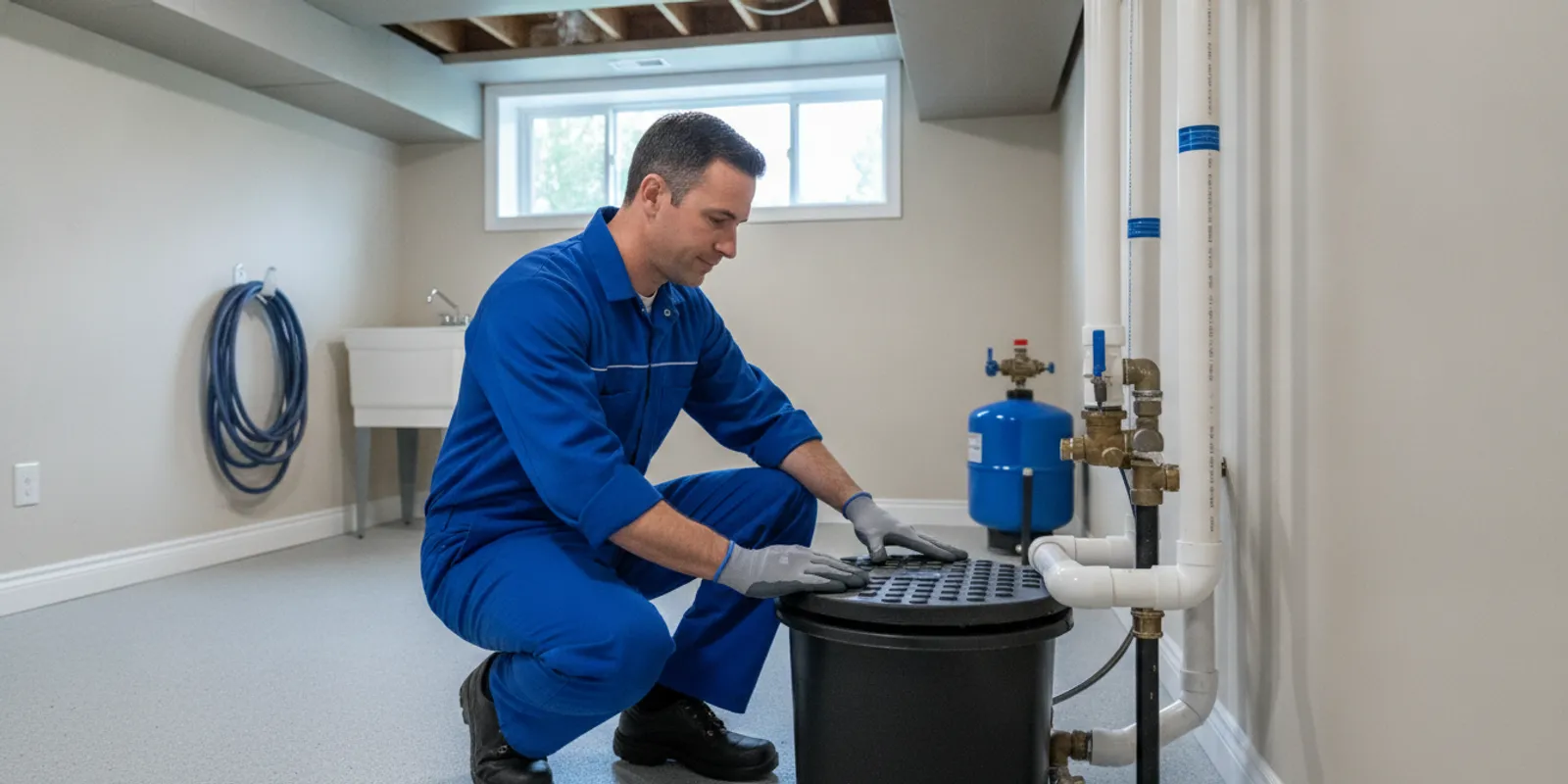

Standing water on your driveway after a Michigan storm usually points to a blocked drainage system. Routine cleaning prevents these clogs from becoming expensive emergencies. Professional maintenance keeps your yard from flooding when the heavy rain starts.
Storm drain cleaning near me is the professional way of taking out debris like leaves and silt from home systems. This work is vital because storm sewers often flow directly into Michigan rivers, and the Environmental Protection Agency warns that failing to clean them leads to foul odors. Local homeowners should schedule service once a year to avoid backups, mostly when warning signs like slow drainage or water pooling first appear. Hiring a licensed plumber ensures the work follows environmental rules and protects your home foundation from water damage by keeping the pipes clear and working. This early care saves you money and stress by stopping major pipe failures and costly land damage before they have a chance to start.
Many homeowners ignore storm drains until water backs up into the basement. Knowing how these systems work and when to call for help keeps your property safe. This guide covers Storm drain cleaning near me: what homeowners need to know to stay ahead of the next storm. The path begins with
Storm drain cleaning near me: what homeowners need to know
Storm drains play a vital role in keeping your home safe from water damage. These systems collect rain and melted snow from your roof, driveway, and yard. Without a clear path, this water can pool around your foundation or flood your basement. Searching for storm drain cleaning near me is the first step toward keeping your home safe from these risks.
How storm drains work
A storm drain is a network of pipes and open channels that move water away from your house. Unlike the drains in your kitchen or bath, storm drains often flow straight into local rivers and lakes without being treated first. According to the Environmental Protection Agency, these systems need regular checks and cleanings to stay in good shape. If they get blocked, the water has nowhere to go but up and back toward your home.
Most home systems use catch basins to trap heavy dirt and trash before they enter the main pipes. These basins act like a filter for the rest of the storm drain. When they fill up with muck, the whole system slows down. Keeping these areas clear is a big part of routine home care.
The causes of storm drain clogs
Metro Detroit weather puts a lot of stress on storm drains throughout the year. In the spring, heavy rains wash loose dirt and mulch into the grates. During the summer, grass clippings and trash can build up and block the flow. But autumn is often the busiest time for drain issues. As trees shed their leaves, the large amount of debris can quickly cover and plug the inlet grates.
Common waste like oil, grease, and pet waste also find their way into the system. These things can stick to the inside of the pipes and catch other debris. Over time, this buildup turns into a thick clog that is hard to move without tools. Using professional storm drain cleaning helps clear out these stubborn blocks before they lead to a flood.
Who takes care of the drain?
One common question for homeowners is who owns the job for drain care. In most Metro Detroit towns, the city or county maintains the large storm sewers under the public streets. They handle the main lines that serve the whole area. But if a drain is found on your private land, you are often the one who must keep it clear.
This includes the smaller pipes that run from your gutters or yard grates to the street. If these lines get backed up, the city will not come out to fix them. You will need to hire a pro to inspect and clean the private parts of the system. Keeping your part of the drain clean helps the whole area stay dry during a big storm.
How can you tell a storm drain needs cleaning?
You may not think about your storm drains until a heavy rain hits Metro Detroit. A working drain moves water away from your home to keep your yard and basement dry. When these systems fail, they can cause big problems for your property. Knowing the early signs of a clog helps you get storm drain cleaning near me before the next storm causes a flood.
Standing water and slow runoff
The most common sign of a clog is pooling water. If you see puddles around the drain grate after the rain stops, the system is likely full of debris. Water should flow into the grate as soon as it hits the ground. Slow runoff often means leaves, silt, or trash have blocked the pipe. This build-up can lead to clearing blocked storm drains being a top priority to protect your lawn from erosion.
Failure to maintain these systems can lead to foul odors and reduced water quality in local areas. According to the EPA, storm drain systems need regular inspection and cleaning to work well. When water sits for too long, it can also attract pests like mosquitoes or start to smell like rotting plants.
Visible debris and odd smells
Take a look at the grate on your property. If you see piles of grass, sticks, or plastic bags, the drain is at risk. Even if water still flows, this debris will eventually wash deeper into the pipe. Once a clog forms deep inside, it is much harder to fix. You might also notice a damp or musty scent coming from the drain. This smell often comes from trapped organic matter that is starting to decay.
Bad smells are more than just a nuisance. If a system is not cleaned, it can accumulate large amounts of debris and pollutants. These materials can then wash into our local water bodies during the next big flush of rain. Getting professional storm drain cleaning ensures these pollutants are removed before they cause environmental harm or property damage.
Sinking soil and foundation risks
Clogged drains do not just affect the surface. When water cannot enter the pipe, it finds other ways to flow. This can wash away the dirt around your driveway or home foundation. If you see new cracks in your concrete or sinkholes in your grass, a blocked drain might be the cause. This soil loss is a serious sign that you need sewer and storm drain maintenance to stop the damage.
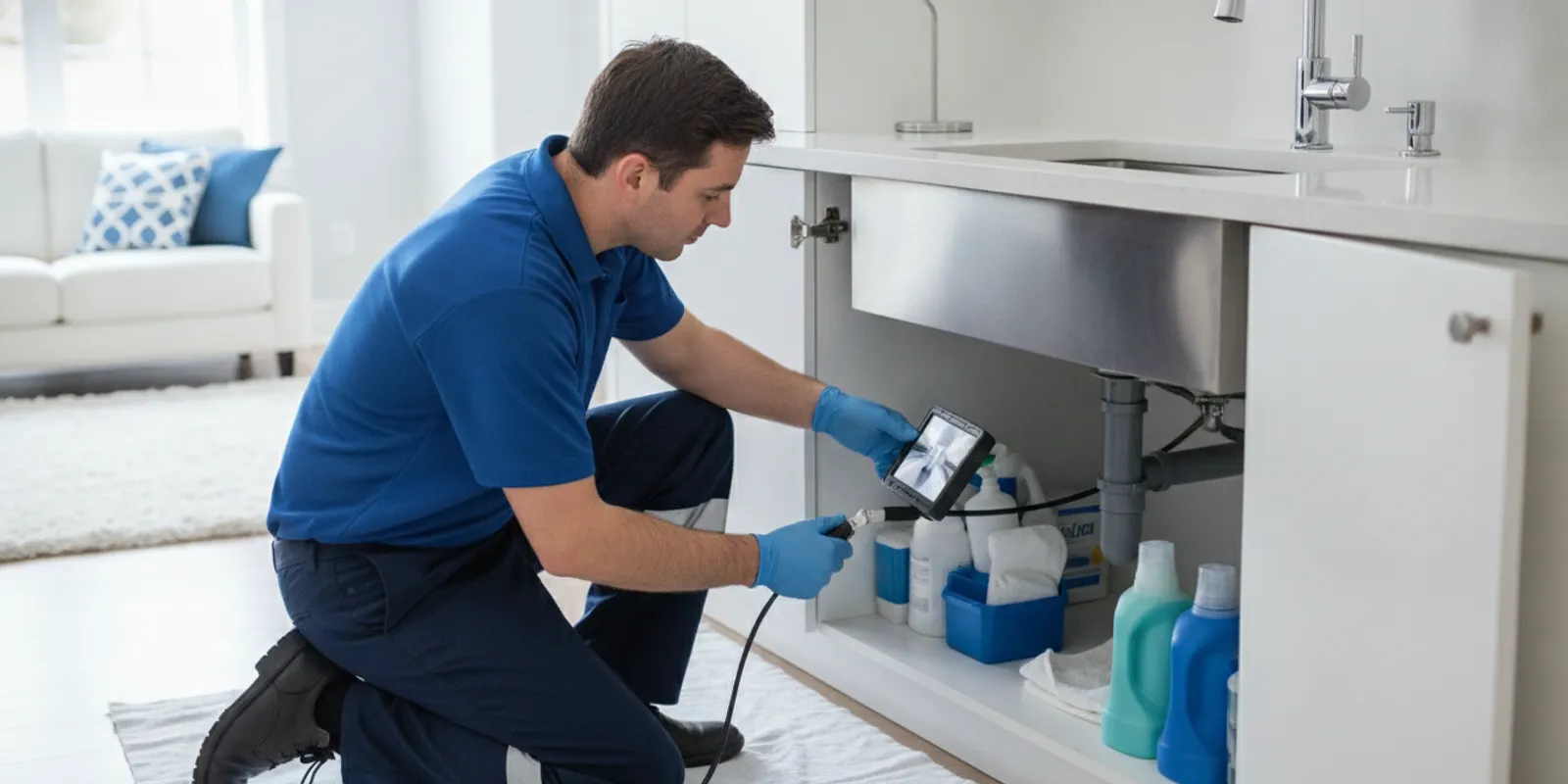
Waiting too long can lead to water backing up into your basement or garage. Prompt action keeps your home safe and saves you money on major repairs. Our team can use camera tools to find the exact spot of the block. This allows us to clear the path quickly so your property stays dry through every season.
What storm drain maintenance can homeowners safely do?
Homeowners can help keep storm drains clear with a few simple tasks. You do not need heavy tools to prevent local flooding on your Metro Detroit block. Most safe care happens right on the surface. By taking a few minutes each month, you can stop water from pooling near your home or driveway. This simple work helps the whole city manage rain well.
Keep the grate clear
The best way to help is to remove trash and leaves from the top of the grate. If debris blocks the openings, water will pool on the street or in your yard. The Environmental Protection Agency notes that regular care of these systems is needed to stop flooding. You should focus on keeping the curb area clean so water flows as it should into the pipe. This prevents a “dam” effect that causes most street floods.
- Put on heavy gloves and use a rake or broom to pull leaves and trash away from the storm drain grate.
- Pick up loose sticks or trash and put them in a bin so they do not blow back into the drain.
- Clear a path for water to flow from your property to the drain by removing mud in the curb.
- Check the drain before and after a big storm to ensure water moves freely into the pipe.
- Watch for standing water that stays long after a storm, as this often means there is a clog.
- Keep grass clippings and lawn waste away from the street so they do not wash down the drain.
Check for warning signs
You should keep an eye out for signs that the drain is not working. If you see water backing up in your yard or near the curb, the drain may be full. Foul smells are also a sign that waste is trapped in the basin. If you notice these issues, you might look for professional storm drain cleaning to fix the problem before the next big storm hits. Finding a local expert for storm drain cleaning near me is often the best move for deep blocks.
Homeowner safety rules
Never enter a storm drain for any reason. These are tight spots that can hold bad gas or trap you if water levels rise fast. You should never reach into the grate with your hands or tools. Also, do not use harsh chemicals to clear a block. They can harm the local water and damage your pipes. If surface cleaning does not work, we offer clearing blocked storm drains in Metro Detroit to fix the issue safely. Our team uses tools that get the job done without any risk to your home or the land.
What happens during professional storm drain cleaning?
If you search for storm drain cleaning near me, you want to know how the job gets done. A pro team follows a set of steps to make sure your system works well. They do not just clear the top of the grate. They look deep into the basins and pipes to find hidden blocks. This work helps stop flooding on your land and keeps the water clean for the whole town.
First check and camera use
The first step is to see what is going on inside the drain. Experts often use small cameras to look through the pipes. This tech lets them find tree roots, heavy mud, or broken spots without any digging. They may also map out your system to see how it links to the main sewer line. The EPA says these checks are needed to keep the system’s space and stop water issues.
Mapping helps the crew know where to focus their tools. It also lets them see if there are any signs of wear that could lead to a leak. When you hire professional storm drain cleaning, you get a full view of your system’s health. This path is much better than guessing where a clog might be.
How we remove trash and mud
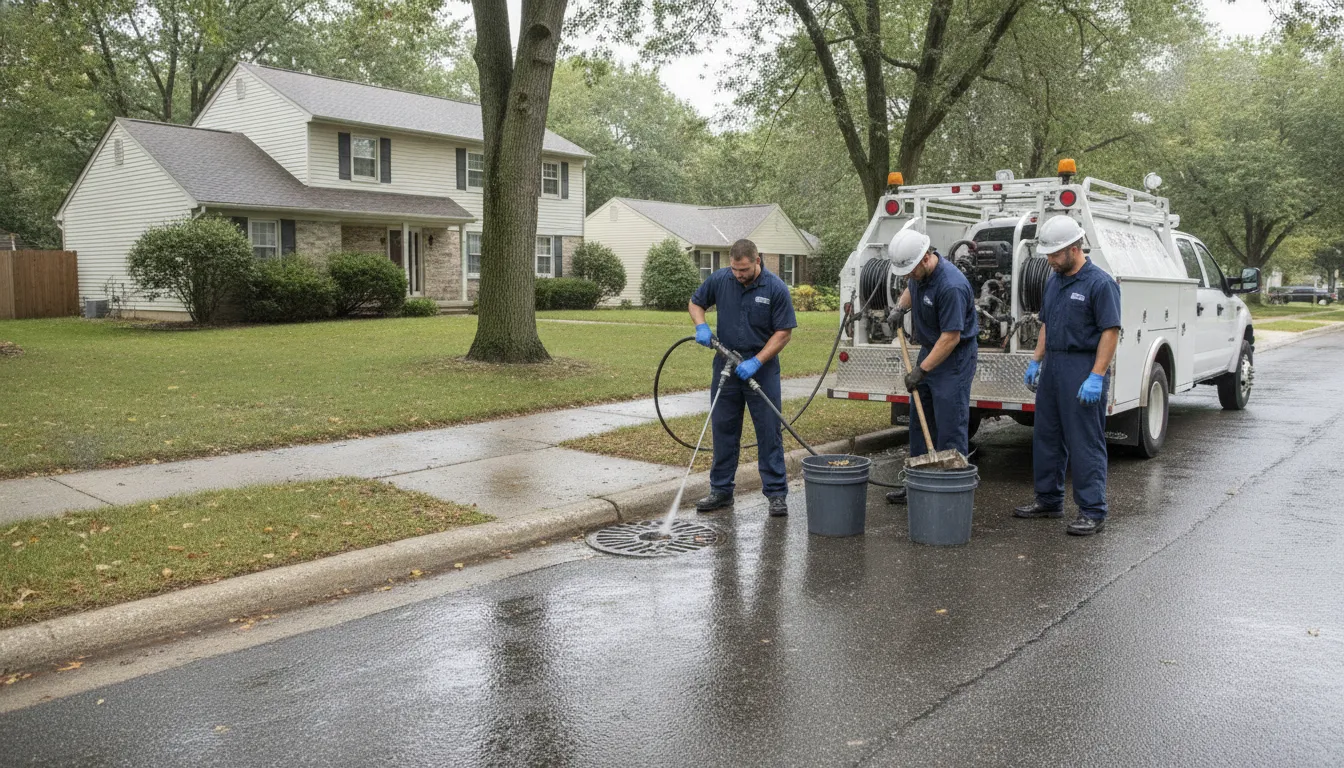
Once the plan is set, the real cleaning starts. There are two main ways to do this work. First, crews use the dry method. This involves pulling out trash and leaves by hand or with tools. It is vital to remove these large items before using any water. This stops them from moving deeper into the pipes. Common tools used in this phase include:
- High-power vacuum trucks
- Large shovels and scoops
- Heavy-duty trash bags
Next comes the wet method. This step uses a lot of water pressure to flush the pipes. At Mr. Pipey, we use hydro-jetting for storm drains to scrub the pipe walls. This tool uses a strong stream of water to break up thick mud and grease. It is one of the best ways to get your pipes back to a like-new state. The crew must have training on how to use this tool safely to avoid damage to older pipes.
Final test and waste removal
After the pipes are clear, the crew does a flow test. They run water through the system to make sure it moves fast and smooth. They also check the catch basins one last time. If they find any cracks, they will let you know so you can fix them early. This prevents small leaks from turning into big sinkholes under your driveway or yard.
The crew also handles the waste they pull out. All the mud, oil, and trash must be taken to a safe place. They follow local rules for getting rid of waste to keep the earth safe. This is part of the service when you choose a licensed pro. Choosing a team with flat-rate pricing means you know the cost before the work begins. It also means you do not have to worry about extra fees for a job that takes more time.
Routine cleaning versus an urgent storm drain call
Most people only think about their storm drains when water pools on the lawn or in the driveway. While these drains move water away from your home, they also collect trash, dirt, and oils. Over time, these things can cause blocks that lead to floods or bad smells. Knowing when to book a professional storm drain cleaning versus when to call for fast help can save you time and money.
The benefit of regular care
Routine service keeps your pipes clear before a big rain hits. Like any part of your home, storm drains need regular checks to work well. This is a smart step to prevent stormwater issues before they happen. Experts suggest cleaning your drains at least once a year. You may need to do this more often in the fall when leaves drop and clog the inlets.
During a normal visit, a plumber will look for signs of wear and remove light debris. Keeping these systems clean helps protect local water. Since stormwater often flows directly into local waterbodies without treatment, removing dirt is vital. This basic care keeps the pipes open so they can handle the next heavy storm without a hitch.
When you need a fast response
An urgent call is needed when your drain stops working during a storm. If you see water back up in your sink or hear gurgling in your toilets, it is when you need professional drain cleaning right away. Pooling water near your foundation is another sign of a big block. These issues often happen when the drain is full of heavy mud, trash, or tree roots.
In these cases, a plumber may use high-pressure water to clear the path. This hydro-jetting for storm drains can break through thick clogs that a snake cannot reach. Getting help fast prevents water damage to your home. Fast action also stops bad odors from building up due to rot. In Metro Detroit, you can find 24/7 help with no extra fees for late-night calls.
Comparing service types
The table below shows the main differences between a standard check and an urgent visit. This can help you decide which path to take based on what you see at home.
| Feature | Routine Cleaning | Urgent Storm Call |
|---|---|---|
| Goal | Prevent blocks and floods | Clear active clogs and backups |
| Timing | Planned once or twice a year | Immediate response needed |
| Signs | None or very slow drainage | Standing water and gurgling |
| Tools | Inspection and light cleaning | Hydro-jetting and camera scans |
| Risk | Low risk of damage | High risk of property floods |
How to choose storm drain cleaning in Metro Detroit
Finding the right help for your home means looking at more than just a price tag. In Metro Detroit, rain can be heavy and sudden. You need a team that knows how to keep your yard dry. When you search for storm drain cleaning near me, focus on a few key things to get the best care.
Local trust and family roots
Working with a family-owned shop often means better care for your home. These teams live in the same towns as their clients. They know local needs and weather trends. A local team can often reach you faster when a storm is coming.
Always check that the firm has a valid license. This proves they follow state rules for safety and good work. They should also have full insurance. This protects you and your home if something goes wrong during the job. A trusted plumber will be happy to show you these papers before they start work.
Clear pricing and solid promises
Price is key, but watch out for deals that seem too low. Some firms use low prices to get in the door and then add hidden fees later. It is better to choose a team that offers flat-rate pricing. This way, you know the full cost before the work begins.
Good service teams in Metro Detroit do not charge more for late hours. Search for a firm with no overtime charges, even for night or weekend calls. A 100% satisfaction guarantee is also a must. It shows the firm stands behind their work. If you are not happy with the job, they should come back and fix it for free.
Modern tools and expert ways
An expert team uses more than just a shovel. They use tools like scopes to see deep inside your pipes. This helps them find the exact spot where a clog has formed. Once they find the block, they use high-pressure water to clear it out.
You might want to ask about hydro-jetting for storm drains. This way uses water at high pressure to scrub the walls of the pipe clean. It is a safe and good way to remove tree roots and heavy dirt. Using the right tools helps your storm drain system work well for a long time. Routine care helps stop flooding and keeps local water clean. For hard tasks, you may need professional storm drain cleaning to keep your home safe.
A seasonal storm drain prevention plan
Weather in Metro Detroit can be tough on your home drainage system. To avoid a backup, you need a plan that changes with the season. Keeping your grates clear and checking your catch basins often can prevent water from pooling near your home. If you see slow drainage, searching for storm drain cleaning near me can help you find local pros to clear deep clogs.
Manage autumn leaves and debris
Fall is a vital time for drain care in Michigan. As trees shed their leaves, they can quickly cover and plug your storm grates. This buildup can lead to clogged drain repair needs if the debris enters the pipe. Experts note that systems often need more frequent cleanouts when leaf litter increases to keep them working well (EPA).
You should clear away yard waste before heavy rain falls. Do not blow grass clippings or leaves into the street where they will wash into the sewer. This help keeps the local water clean and stops blockages from forming in your neighborhood pipes.
Prepare for winter snowmelt
Winter brings snow and ice that can trap water on your land. When the air gets warm, melting snow needs a clear path to the drain. Ensure that snow piles are not blocking the catch basin or your yard’s drainage path. You should also check for ice dams that might stop water from reaching the sewer lines during a thaw.
If your pipes freeze or back up during a cold snap, we can help. Mr. Pipey Plumbing offers emergency plumbing services across many Metro Detroit towns. We provide fast help with no overtime charges to get your lines flowing again.
Inspect after spring rain and storms
Spring rain can wash large amounts of dirt and trash into your storm system. After a big storm, walk your yard to look for any new debris. Regular checks like this help keep the stormwater infrastructure effective and full of capacity. It is also a good time to look at your catch basins to see if silt has built up at the bottom.
A pro check can find issues you might miss. We use video cameras to see deep into your lines and find root growth or cracks. Setting up a yearly plan for HydroScrub drain jetting can keep your pipes clear year-round. This care stops small clogs from becoming big floods.
Frequently Asked Questions
What is the cost of storm drain cleaning?
The price to clean a storm drain varies based on the system size and the level of the block. You should look for a company that offers clear, flat rates to avoid surprises on your bill. Beware of very low deals that seem too good to be true, as they may have hidden fees. At Mr. Pipey, we provide honest prices and have a no overtime fee policy. Call us for a quote to keep your home safe from flood risks.
Why does my storm drain have a bad smell?
Bad smells often happen when trash and dirt sit in the basin for too long. If the system is not cleaned, leaves and grease will rot and cause odors. According to the EPA, a lack of regular care leads to foul smells and other water issues. This is a sign that you have a block that needs to be cleared. Routine service removes these items before they start to stink and cause floods.
Is a storm drain the same as a sanitary sewer?
No, these two systems handle different types of waste. A sanitary sewer takes water from your toilets and sinks to a plant for treatment. A storm drain collects rain and snow melt from the street and your yard. The EPA notes that storm water often flows right into local lakes and rivers without being cleaned first. This is why it is vital to keep trash and oil out of your storm drains.
How can I keep my storm drain from getting blocked?
You can help by keeping trash, leaves, and dirt away from the drain inlets. Use a rake to clear the top of the grate after a storm or in the fall. The EPA also suggests washing your car on the grass to keep soapy water out of the pipes. You should also check your cars for oil leaks and pick up pet waste. These simple steps keep the system open and protect the local water supply.
Ready to request storm drain service for your Metro Detroit home?
Leaving a blocked storm drain alone leads to water pooling in your yard or flooding your basement when the next heavy rain hits our town. If you ignore these signs today, you risk facing a high cost for damage to your home and walls a simple cleaning could have stopped. Booking your service now ensures your pipes are clear and ready for any weather our Metro Detroit team finds as the storms hit this year.
Check our expert storm drain cleaning to see how we help keep your home and yard safe from floods during the next storm we see. Ready to request storm drain service? Call (313) 896-8874 now to talk to a local plumber and book your visit so your home stays dry.