
Your home’s plumbing system often sends out warning signs long before a full-blown disaster strikes. That strange gurgling sound from the shower drain when you flush the toilet, the collection of sinks that are all draining a bit too slowly, or a faint, unpleasant odor you can’t quite place—these aren’t just quirky house noises. They are clues. These symptoms point to a developing problem in your pipes that, if ignored, can lead to a messy backup. Learning to interpret these signals is the first step in how to stop sewage backup in basement. We’ll help you play detective, distinguishing between a minor local clog and a serious main line issue that requires professional help.
Key Takeaways
- Diagnose the backup’s source: Figure out if you’re dealing with a simple clog in one drain or a bigger problem in your main sewer line. This distinction is key because it tells you whether a DIY fix is possible or if it’s time to call for backup.
- Protect your home with preventative habits: The best way to handle a sewage backup is to stop it from ever happening. Be mindful of what goes down your drains, schedule regular professional cleanings, and consider installing a backwater valve to save yourself from future stress and costly repairs.
- Recognize when to call for help: Some jobs are not DIY projects, especially when your health is at risk. If you see raw sewage, suspect a main line blockage from tree roots, or need a protective device installed, calling a professional is the safest and most effective choice.
Why Is Sewage Backing Up in My Basement?
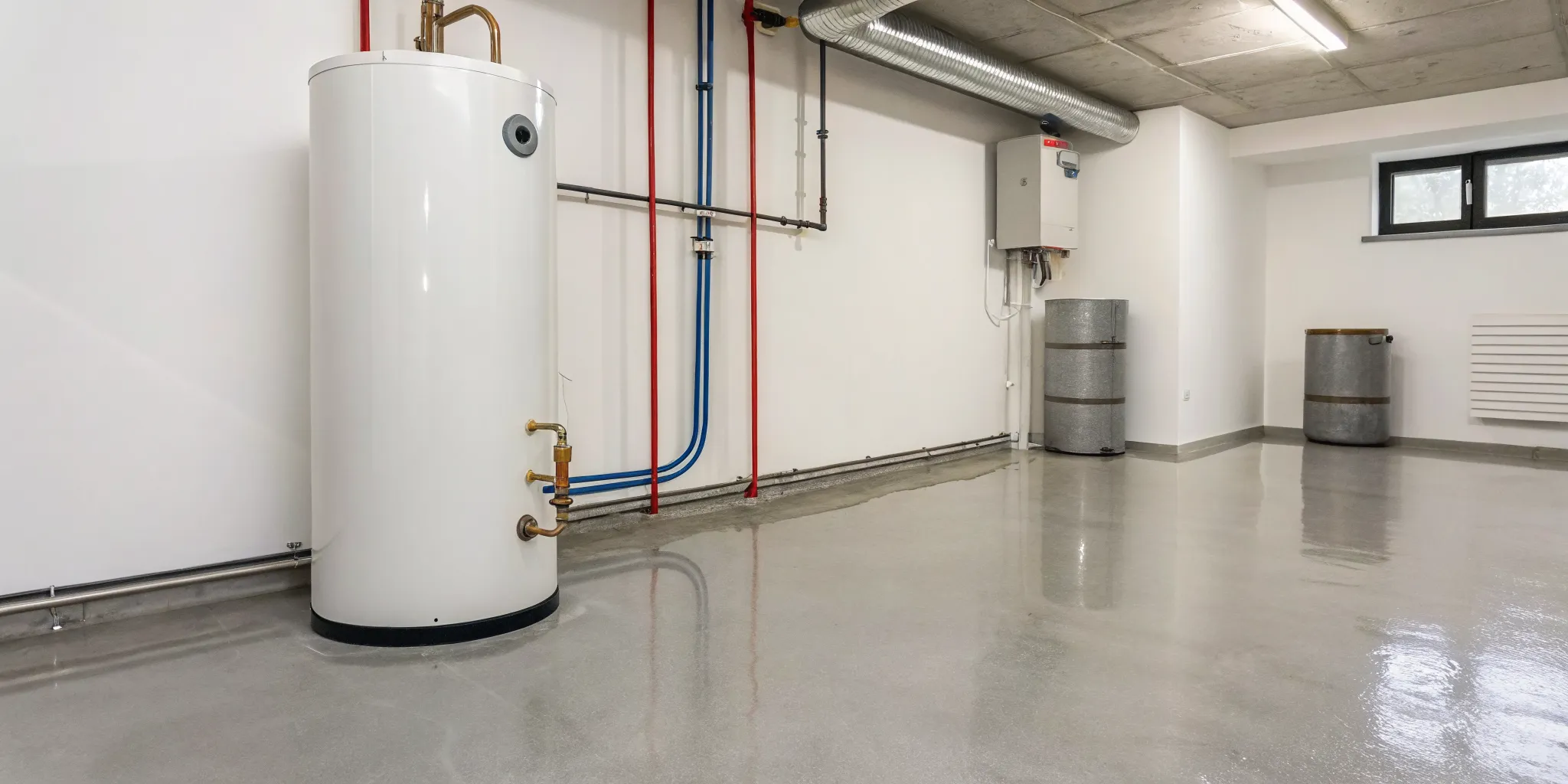
Walking into your basement and finding a puddle of murky, foul-smelling water is a homeowner’s nightmare. A sewage backup isn’t just messy; it’s a serious issue that needs immediate attention. The first step to solving the problem is figuring out what caused it. From city-wide issues to problems right under your own lawn, several culprits could be behind your basement drain disaster. Understanding the root cause will help you determine the right course of action and prevent it from happening again.
Heavy Rain & City Sewer Overload
If you notice water backing up during or after a heavy downpour, the problem might be bigger than just your house. Intense rain can overwhelm the municipal sewer system, especially in older parts of Metro Detroit. When the public sewer can’t handle the massive influx of stormwater, it can cause water and sewage to flow backward into your home’s sewer line. This event, known as a surcharge, pushes wastewater up through your floor drains. Installing a backflow preventer can be a crucial defense, creating a one-way gate that stops city sewer water from entering your home.
Clogged Drains
Sometimes the problem is much closer to home. A clog in your home’s plumbing system can easily lead to a backup. If the backup only occurs when you use a specific fixture, like a washing machine or a basement sink, the clog is likely localized in that drain line. These blockages are often caused by a buildup of grease, hair, soap scum, or foreign objects. However, if you notice multiple drains backing up at once, it’s a strong indicator of a more serious clog in your main sewer line, the pipe that carries all your home’s wastewater to the city sewer. When this line is blocked, the water has nowhere to go but back up into your home, usually at the lowest point: the basement.
Invading Tree Roots
The beautiful, mature trees that give our neighborhoods character can also be a hidden threat to your plumbing. Tree roots are naturally attracted to the constant source of water and nutrients inside your sewer line. They can work their way into pipes through tiny, existing cracks. Once inside, they continue to grow, forming a dense mat that catches debris and eventually causes a major blockage. In some cases, the force of the growing roots can crack or even crush the pipe. Root intrusion is a common cause of recurring backups and requires professional tools to clear without causing further damage to your pipes.
Old or Broken Sewer Lines
Like any other part of your home, your sewer lines have a lifespan. Over time, pipes can deteriorate, crack, shift, or collapse. This is especially true for older homes with pipes made of clay or cast iron. Shifting soil, freeze-thaw cycles, and simple wear and tear can all take a toll. A broken or collapsed line not only causes persistent backups but can also leak sewage into your yard. If you’ve had recurring clogs that snaking doesn’t seem to fix, it might be time for a professional camera inspection to see what’s really going on. This is the only way to diagnose a compromised pipe and avoid a major emergency plumbing situation down the road.
Local Clog vs. Main Sewer Line: How to Tell the Difference
When water starts backing up, the first step is to play detective. Is the problem in one specific spot, or is your whole house’s plumbing system crying for help? Figuring this out tells you whether you’re dealing with a minor local clog or a more serious main sewer line blockage. The answer will guide your next steps and help you know when it’s time to call in a professional. Getting the diagnosis right from the start can save you a lot of time, money, and a giant mess.
Signs of a Local Clog
A local clog is a problem contained to a single drain line. Think of it as a traffic jam on a small side street. You’ll notice that the issue is isolated. For example, your kitchen sink might be slow to drain, but the bathroom sink and shower are working just fine. Or maybe the toilet is backing up, but everything else seems normal. If the backup only happens when you use a specific appliance, like a washing machine, the blockage is likely in that fixture’s drainpipe. These are often caused by hair, soap scum, or food scraps and are usually the easiest to resolve.
Signs of a Main Line Problem
A main line problem is a much bigger deal. This is the major artery of your home’s plumbing, and a clog here affects every drain in the house. If you flush a toilet and water gurgles up in your shower drain, that’s a red flag. Other signs include multiple slow drains at once or water backing up in the basement floor drain when you do laundry. If you notice these issues get worse during heavy rain, it could mean the city’s sewer system is overloaded and pushing wastewater back into your home. This is a system-wide issue that needs immediate attention.
Why the Right Diagnosis Is Crucial
Knowing whether you have a local clog or a main line issue is critical because the solution for one won’t fix the other. Using a simple drain snake on a main line blockage caused by invasive tree roots is not going to work. You could waste an entire weekend trying to fix a problem that requires professional equipment. Recurring backups are a strong indicator that you need a proper diagnosis. A professional plumber can perform a camera inspection to see exactly what’s happening inside your pipes. If you suspect a
Key Warning Signs of a Sewer Backup
Your home’s plumbing system is great at sending subtle (and not-so-subtle) hints when something is wrong. A sewer backup doesn’t usually happen without a few warning signs first. Learning to spot these red flags can be the difference between a simple fix and a full-blown, expensive emergency. Think of it as your home trying to communicate with you. Before the situation gets out of hand, you might hear strange noises, notice drains slowing down, or smell something off. These aren’t just random quirks; they are symptoms of a developing problem deep within your pipes. If you notice any of the following issues, especially if they appear together, your sewer line is likely crying out for help. Paying close attention to what your drains, toilets, and pipes are telling you is the best way to protect your home from the mess and stress of a sewage backup in your basement. Acting on these early warnings can save you from water damage, costly repairs, and a major headache. It puts you in control, allowing you to call for help on your terms instead of in a middle-of-the-night panic. Let’s walk through the key signs so you know exactly what to look and listen for.
Gurgling Sounds from Drains or Toilets
Have you ever flushed a toilet and heard a strange gurgling sound coming from the shower drain? Or maybe your kitchen sink “burps” after you run the dishwasher? These aren’t just quirky house noises; they’re signs of a problem. Gurgling happens when air gets trapped in your pipes by a partial clog and is forced to escape. If you hear gurgling from multiple drains, especially on the lower level of your home, it often means the blockage is in your main sewer line. Don’t ignore these sounds. They are an early warning that pressure is building up and a backup could be next.
Multiple Slow Drains
One slow drain in a sink or shower is usually a minor annoyance caused by a local clog of hair or soap scum. But when you start noticing that your shower, toilet, and sink are all draining slowly, you should be concerned. This is a classic symptom of a developing blockage in your main sewer line. Since all of your home’s drains lead to this single pipe, a clog there will affect the entire system. If the issue is isolated to one area, like a laundry room sink backing up when the washing machine drains, the clog might be in a secondary line. However, widespread slowness is a clear signal that a bigger problem is brewing underground.
Unpleasant Smells from Drains
That rotten egg or sulfur smell wafting from your drains is more than just unpleasant; it’s a warning. This is the smell of sewer gas, and it should be staying in the sewer, not entering your home. While a single smelly drain can sometimes be fixed by cleaning a P-trap, a persistent odor throughout your house points to a bigger issue in your sewer line. This is a serious concern because sewage is full of germs and bacteria that can pose significant health risks to your family. If you smell sewage, it’s a sign that your plumbing’s defenses have been breached.
Water Backing Up in Floor Drains
This is the most alarming and obvious sign of a sewer backup. If you see water or, worse, raw sewage coming up through your basement floor drain, you have an active backup happening. This often occurs during heavy rainfall when the municipal sewer system is overwhelmed, forcing water back into your home’s lateral line. Any water that comes up from a floor drain should be treated as highly contaminated. Don’t try to wade through it or clean it up without proper protection. This situation is a true plumbing emergency, and it’s time to call for professional help immediately to stop the flow and address the blockage.
How to Clear a Local Basement Drain Clog Yourself
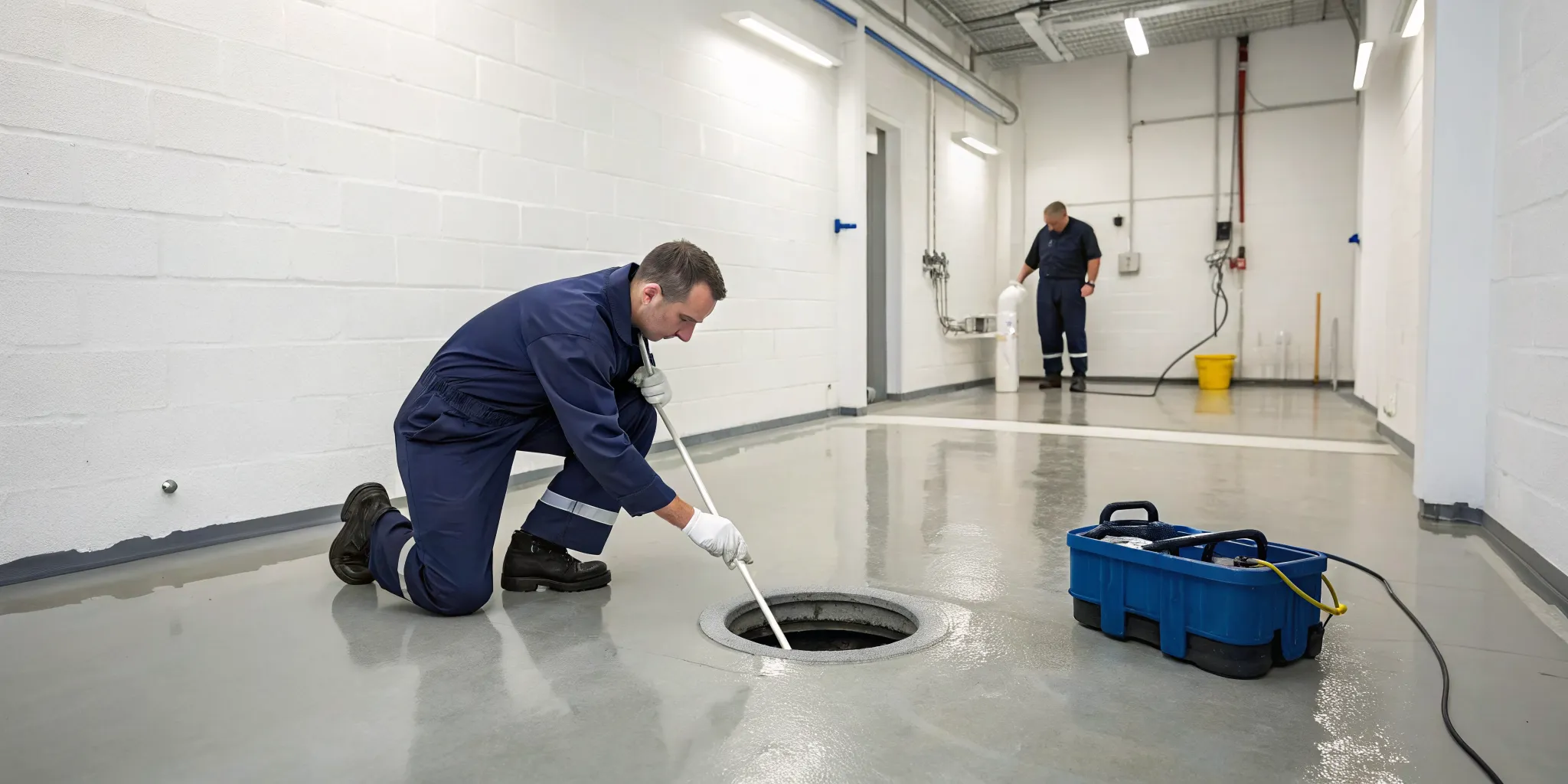
If you’ve determined the backup is from a local clog and not your main sewer line, you might be able to fix it yourself. Before you start, remember to wear protective gear like rubber gloves and safety glasses. Standing water in a basement can contain all sorts of bacteria, so it’s important to protect yourself.
These DIY steps are ordered from simplest to most involved. If at any point you feel overwhelmed, the clog isn’t budging, or you suspect the problem is bigger than you thought, don’t hesitate to call for help. A stubborn clog that won’t clear with these methods might be a sign of a more serious issue that requires professional attention. Our team is always ready to handle any emergency plumbing situation safely and effectively.
Step 1: Clear Debris from the Drain Cover
The simplest solution is often the right one. Before you do anything else, take a close look at the drain cover itself. Over time, things like dirt, leaves, lint, and other small objects can get washed toward the drain and create a surface-level blockage. Put on your gloves and scoop out any gunk or debris you can see. You might need a screwdriver to gently pry up the grate for a better look. Sometimes, clearing these visible obstructions is all it takes to get water flowing again.
Step 2: Remove Standing Water with a Wet/Dry Vac
If you have standing water, you’ll need to remove it before you can properly address the clog. A wet/dry shop vacuum is the perfect tool for this job. By clearing the water, you’ll have a much better view of what’s going on inside the drain and create a safer, cleaner workspace. Be sure to follow all safety precautions when operating an electrical appliance near water. If you discover the backup contains raw sewage, stop immediately. Sewage poses serious health risks and should only be handled by professionals with the right equipment.
Step 3: Use a Baking Soda and Vinegar Solution
For a less aggressive approach that doesn’t involve harsh chemicals, try a classic home remedy: baking soda and vinegar. This combination can be surprisingly effective on minor clogs caused by gunk and buildup. First, pour about one cup of baking soda directly into the drain. Follow it with one cup of white vinegar. You’ll hear a fizzing reaction, which is the solution working to break down the blockage. Let it sit for at least 30 minutes, then carefully flush the drain with a gallon of very hot water.
Step 4: Tackle Deeper Clogs with a Drain Auger
If the baking soda and vinegar trick doesn’t work, the clog is likely deeper in the pipe. This is where a drain auger, also known as a plumber’s snake, comes in handy. You can rent or buy one at most hardware stores. Carefully feed the end of the auger into the drain until you feel resistance—that’s the clog. Begin turning the handle to break up the blockage or hook onto it. You can then pull the debris back out. Using an auger can take some patience, and it’s important to be gentle to avoid damaging your pipes. If you’re not comfortable, our plumbing services include professional drain snaking.
Step 5: Inspect and Clean the P-Trap
If your basement drain is connected to a utility sink or washing machine, the clog might be in the P-trap. This is the U-shaped section of pipe under the sink designed to hold water and block sewer gases. P-traps are also notorious for catching hair, soap scum, and small objects. To clean it, place a bucket underneath to catch any water. Use a wrench to carefully loosen the nuts on either side of the U-bend and remove the trap. Empty its contents into the bucket, clean it thoroughly, and then reassemble it. Run some water to make sure there are no leaks.
Prevent Sewage Backup with These Devices
Being proactive is your best defense against a messy and expensive sewage backup. Thankfully, you don’t have to cross your fingers and hope for the best. Several plumbing devices are designed specifically to protect your home by stopping backflow in its tracks. From simple drain inserts to more robust systems, installing the right device can give you peace of mind, especially during heavy Metro Detroit rains. Let’s look at some of the most effective options.
Install a Backwater Valve
Think of a backwater valve as a one-way gate for your home’s sewer line. It’s installed on your main drain and allows wastewater to flow out of your house, but it has a special flap that automatically closes if sewage from the city line tries to push its way back in. This makes it an incredibly effective tool against backups caused by overloaded municipal sewers. Installing one is a job for a professional, as it involves accessing your main sewer line. We can help you determine if this is the right solution for your home and handle the backflow preventer installation correctly.
Rely on a Sump Pump
If you have a basement, a sump pump is your first line of defense against flooding of all kinds. This device sits in a special pit, or sump basin, in your basement floor. When groundwater levels rise and water fills the basin, the pump automatically kicks on and pushes the water away from your foundation. While it primarily deals with groundwater, preventing basement flooding reduces the overall strain on your drainage system and helps prevent water from overwhelming your floor drains. Regular maintenance is key, so if you need a check-up or a new installation, our sump pump services ensure your home stays dry.
Use Flood Guards and Standpipes
For a quick and affordable solution, you can look into flood guards or check valves. These are simple devices that you insert directly into your floor drain opening. They typically use a float that rises with backing-up water to create a seal, stopping sewage from spilling onto your floor. While they are a great temporary or supplemental measure, they only protect a single drain and may not hold up against the intense pressure of a major main line backup. They’re a good starting point, but for long-term protection, you might want to consider a more permanent solution for your home’s plumbing system.
Consider an Overhead Sewer System
An overhead sewer system is a more comprehensive, and significant, plumbing modification. Instead of your home’s pipes running under the basement floor, this system reroutes them to run overhead. Waste from the upper floors flows down into these overhead pipes, and a pump ejects it up and out to the main city sewer line. Because gravity is no longer pulling city sewage down into your basement, this system provides excellent protection against backflow. It’s a major project, but for homes in areas highly prone to flooding, it can be a permanent and highly effective solution. If you’re considering this option, you can contact us for a professional consultation.
How to Prevent Future Backups
After dealing with a sewage backup, the last thing you want is a repeat performance. The good news is that you can take several proactive steps to keep your pipes clear and your basement dry. Prevention is always less stressful and more affordable than dealing with an emergency cleanup. By paying a little attention to what goes down your drains and how your property handles water, you can significantly reduce the risk of future backups. These simple habits and maintenance tasks protect your home’s plumbing system and give you peace of mind.
Taking a comprehensive approach to your home’s plumbing health is the best strategy. From regular maintenance to smart landscaping, each small action contributes to a bigger picture of a well-functioning, reliable system. Let’s walk through the most effective ways to prevent sewage from ever becoming a problem in your basement again.
Schedule Regular Drain Cleanings
Think of your plumbing system like your car; it needs regular maintenance to run smoothly. Over time, soap scum, hair, grease, and other debris build up inside your pipes, creating the perfect conditions for a stubborn clog. Scheduling a professional drain cleaning every year or two is one of the best ways to prevent a major blockage. A professional can clear out this accumulation before it causes a backup. If you have a backwater valve, it’s also a great idea to have it inspected annually to ensure it’s clean and working correctly. Staying on top of this simple task helps keep everything flowing as it should.
Know What Not to Put Down Your Drains
Your drains and toilet are designed to handle very specific things, and treating them like a trash can is a recipe for disaster. Many common household items can cause serious blockages in your main sewer line. To keep your pipes clear, never put grease, fats, or oils down the drain. These substances solidify in pipes and create tough clogs. You should also avoid flushing anything other than human waste and toilet paper. That includes so-called “flushable” wipes, paper towels, cotton swabs, and feminine hygiene products, as they don’t break down properly. Being mindful of what goes down can prevent many common causes of toilet and drain clogs.
Manage Tree Roots Near Your Sewer Line
The trees in your yard can add beauty and shade, but their roots can pose a serious threat to your sewer line. Roots are naturally drawn to the moisture and nutrients inside your pipes and can work their way into tiny cracks. Once inside, they expand and can cause major blockages or even break the pipe. If you have large, older trees on your property, it’s wise to know where your sewer line is located. If you experience recurring backups, tree roots could be the culprit. A professional camera inspection can confirm if roots have invaded your pipes, allowing you to address the problem before it leads to a plumbing emergency.
Improve Yard Drainage and Downspouts
During heavy rain, your local sewer system can become overwhelmed with excess water, increasing the risk of a backup into your home. You can help reduce this strain by managing the water on your own property. Make sure your roof downspouts are directed away from your foundation and drain onto your lawn, not into the sewer system. Additionally, check that the ground around your house slopes away from the foundation. This prevents water from pooling and saturating the soil around your sewer lateral. Improving yard drainage is a key step that works hand-in-hand with devices like sump pumps to keep your basement dry.
The High Cost of Ignoring a Sewage Backup
A sewage backup is one of those home emergencies that you can’t just put on the back burner. It’s more than an unpleasant mess; it’s a serious event that can have lasting consequences for your home and your health. When you see, or smell, the first signs of a backup, your first instinct might be to wait and see if it gets better. But trust me, ignoring the problem will only make it more complicated and expensive to fix. The longer contaminated water sits in your home, the greater the damage becomes. Acting quickly is the single most important thing you can do to protect your property and your family.
Risk of Structural Damage
When sewer water backs up into your basement, it brings a destructive mix of contaminants that can cause significant harm to your home’s structure. This isn’t just water; it’s a corrosive mixture that soaks into everything it touches. Drywall will absorb it like a sponge, leading to swelling, crumbling, and widespread mold growth. Wooden support beams, floor joists, and subflooring can begin to rot and weaken, compromising the integrity of your house. Your flooring, whether it’s carpet, laminate, or hardwood, will likely be unsalvageable. This kind of extensive damage requires professional restoration and can be incredibly costly to repair, which is why a sewage backup is always considered an emergency plumbing situation.
Health Risks from Contamination
The most immediate danger of a sewage backup is the serious health risk it poses. Raw sewage is teeming with harmful bacteria, viruses, and parasites that can cause illnesses like E. coli, salmonella, and hepatitis. Simply coming into contact with the contaminated water or inhaling the airborne particles can be dangerous. Beyond the germs, there are other hidden hazards. If the water level reaches electrical outlets or appliances, there’s a very real risk of electrocution. In some cases, sewer gases can build up and create a risk of explosion. It’s critical to prioritize personal safety and avoid the affected area. We treat every client like family, and your well-being is our top concern, which is why we always advise against DIY cleanup for sewage backups.
How Prevention Saves You Money
Let’s talk numbers, because they really put things into perspective. Professional sewage cleanup is an intensive process, and the cost reflects that. You could be looking at a bill ranging from $2,000 to over $10,000, depending on the extent of the spill and the damage caused. That doesn’t even include the cost of replacing ruined furniture or personal items. When you compare that to the cost of preventative maintenance, the choice is clear. Scheduling regular drain cleanings or having a backwater valve installed costs a fraction of a full-scale cleanup. Taking proactive steps and addressing small issues before they become big emergencies is the smartest way to protect your wallet and your peace of mind. You can explore all of our preventative plumbing services to find the right solution for your home.
When to Call a Professional Plumber
While it’s great to have a few DIY tricks up your sleeve, some plumbing problems are too big or too risky to handle on your own. A sewage backup often falls into that category. Trying to fix a major issue without the right tools or training can lead to more extensive damage to your home and even pose serious health risks. Knowing when to step back and call for help is key. If you see any of the following signs, it’s time to contact a professional plumber.
If You Suspect a Main Line Blockage or Tree Roots
If you notice that more than one drain in your home is slow, or if toilets and floor drains are gurgling, you might be dealing with a main sewer line blockage. Unlike a simple clog in a single sink, a main line issue affects your entire plumbing system. Often, the culprit is aggressive tree roots that have worked their way into the pipes, causing cracks and major obstructions. This isn’t a problem a bottle of drain cleaner can fix. It requires professional intervention with special tools, like camera scopes and powerful augers, to diagnose and clear the line safely.
When Raw Sewage Is Present
This one is non-negotiable. If you see or smell raw sewage backing up into your basement, your first priority is to keep your family safe. Sewage contains harmful bacteria, viruses, and other pathogens that can cause serious illness. Do not attempt to clean it up yourself. A professional has the proper personal protective equipment (PPE) and specialized cleaning agents to handle the contamination safely and effectively. Your job is to get everyone (including pets) away from the affected area and contact a professional immediately to stop the backup and begin the cleanup process.
For Professional Device Installation
Preventative devices like backwater valves are fantastic for protecting your home from future backups, but their installation is a job for a pro. These devices are installed directly into your main sewer line, which means cutting into your home’s primary plumbing system. One wrong move could lead to leaks, improper function, or even more severe plumbing emergencies down the road. To ensure the device works correctly and is up to code, always hire a licensed plumber for the job. They have the expertise to do it right, giving you true peace of mind.
Related Articles
Frequently Asked Questions
What’s the very first thing I should do if I find sewage in my basement? Your first priority is safety. Do not touch the contaminated water or try to clean it up yourself, as it contains harmful bacteria. Keep children and pets far away from the area. If the water is near any electrical outlets or appliances, avoid the area completely and call a professional plumber immediately. This is an emergency, and your main job is to keep your family safe while you get expert help on the way.
Will chemical drain cleaners fix a sewer backup? While chemical cleaners can sometimes help with a minor, local clog in a sink, they are not a solution for a sewer backup. These backups are often caused by major blockages in your main line from things like tree roots or broken pipes, which chemicals cannot fix. In fact, using harsh chemicals can sometimes damage your pipes, especially if they are older, and make the problem worse.
My basement only backs up when it rains hard. What does that mean? This is a classic sign that the municipal sewer system is overwhelmed. During a heavy downpour, the city’s system can fill with excess stormwater and has nowhere to go but back into homes through their sewer lines. The problem isn’t a clog inside your house, but rather an external pressure. A great way to protect your home from this is by having a backwater valve installed, which acts as a one-way gate to stop city sewage from entering your home.
How do I know for sure if tree roots are causing my clogs? Recurring backups that don’t seem to resolve with simple snaking are a strong hint that you might have a tree root problem. However, the only way to know for certain is with a professional camera inspection. A plumber can feed a special waterproof camera down your sewer line to get a clear view of the inside. This allows them to see exactly what is causing the blockage, whether it’s roots, a crack, or a collapsed section of pipe, so you can get the right fix.
What’s the difference between a sump pump and a backwater valve? They both protect your basement but do very different jobs. A sump pump sits in a pit in your basement and removes groundwater that seeps in from around your foundation, keeping your basement from getting damp or flooding. A backwater valve is installed on your main sewer pipe and is designed specifically to stop sewage from the city’s line from flowing backward into your house. You might even need both for complete protection.