
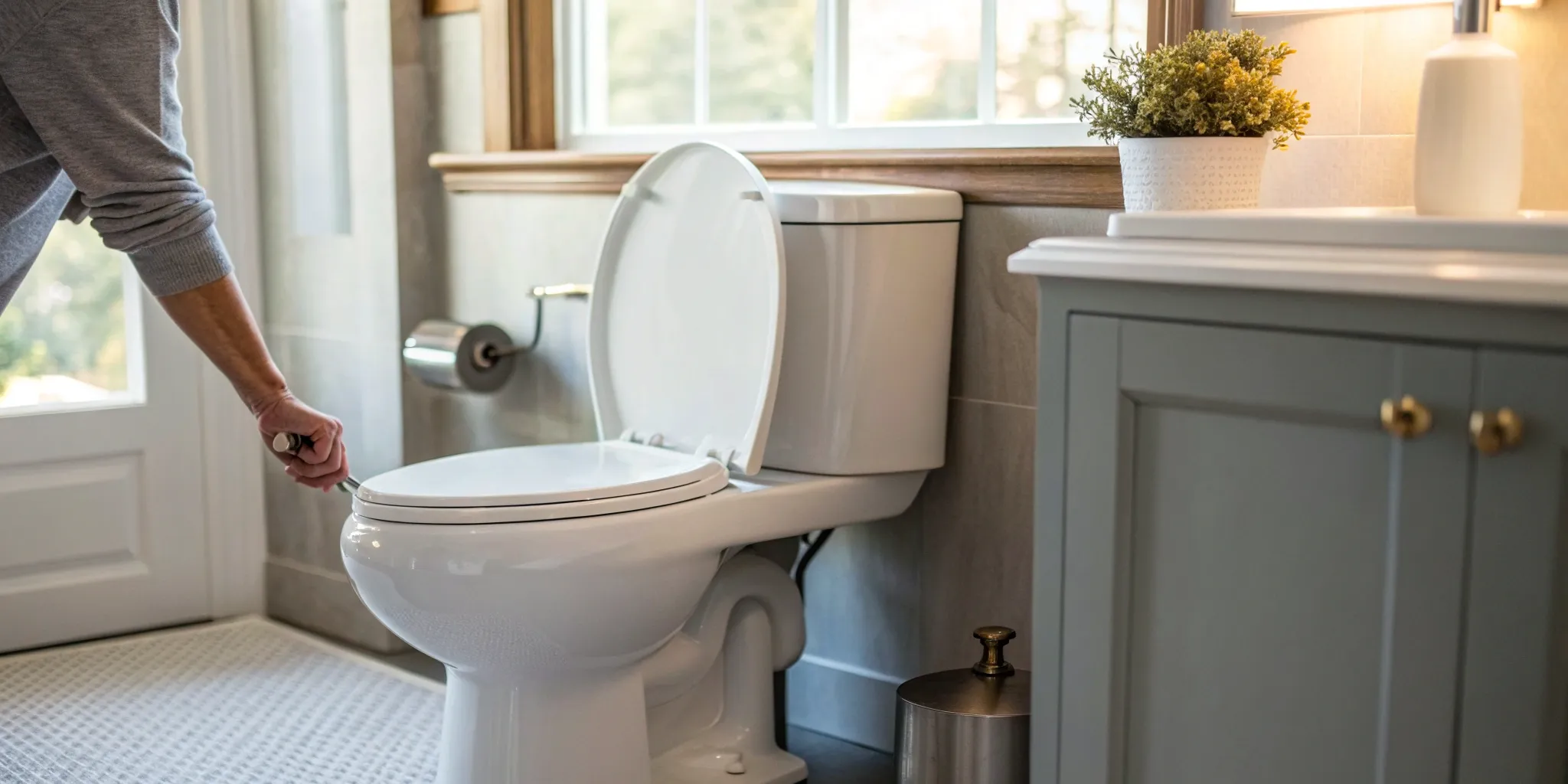
Let’s get straight to the point: that constant trickling sound from your toilet is more than just an annoyance—it’s the sound of money going down the drain. A single running toilet can waste hundreds of gallons of water, leading to a surprisingly high water bill. The good news? You don’t have to live with it. The mechanics inside your toilet tank are much simpler than you think, and the problem is usually a worn-out part that costs just a few dollars to replace. We’ll walk you through the simple steps to diagnose the issue and show you exactly how to stop a running toilet, saving you water, money, and your sanity.
Key Takeaways
- Identify the source of the leak: Most running toilets are caused by one of four simple parts inside the tank: the flapper, the float, the fill valve, or the chain. A quick visual inspection is usually all you need to find the culprit.
- Try simple fixes before replacing parts: Often, the problem can be solved without a trip to the store. Adjusting the float height, untangling the flapper chain, or cleaning the flapper seat are easy, no-cost fixes that can stop the running immediately.
- Don’t hesitate to call for help: If you’ve tried adjusting and replacing the common parts and the toilet still runs, it’s time to call a professional. A persistent leak might signal a more complex issue that an expert can diagnose and fix correctly.
Why Won’t My Toilet Stop Running?
That constant hissing or trickling sound from your toilet isn’t just annoying—it’s a sign that water and money are going down the drain. A running toilet can waste hundreds of gallons of water every day, leading to a surprisingly high water bill. The good news is that the cause is usually a simple mechanical issue inside the toilet tank. You don’t need to be a plumbing expert to identify the problem, and in many cases, you can fix it yourself with a quick trip to the hardware store.
Most running toilet issues come down to one of four common culprits: a worn-out flapper, an improperly set float, a faulty fill valve, or a tangled chain. By taking off the tank lid and doing a little investigating, you can usually pinpoint what’s wrong. We’ll walk through each of these potential problems so you can figure out what’s happening with your toilet. And if you find the issue is more than you want to handle, our team is always ready to help with professional toilet repair and replacement. Let’s take a look inside that tank.
A Quick Look Inside Your Toilet Tank
When you lift the lid off your toilet tank, you might be surprised at how simple the mechanics are. It’s not a complex web of machinery, but rather a few key parts working together. Most running toilets are caused by an issue with one of four components: the flapper, the float, the fill valve, or the chain connecting the flush handle to the flapper. A quick visual inspection is usually all you need to find the culprit. Taking a moment to see how these parts interact when you flush can give you a much better understanding of what might be going wrong. This initial look is the first step toward a quiet bathroom and a lower water bill.
Don’t Worry, the Tank Water Is Clean
Before you go any further, let’s clear up a common misconception. The water inside your toilet tank is clean. It’s the same fresh water that comes out of your sink faucet, and it hasn’t yet entered the toilet bowl. So, if you need to reach in to adjust the chain or check the flapper, you can do so without any health concerns. It’s completely safe to touch the components inside the tank. Knowing this makes it much easier to get hands-on and investigate the problem without hesitation, allowing you to get a closer look at what’s causing that constant running sound.
Understanding the Overflow Pipe
One of the most important parts you’ll see is the overflow pipe, a tall, open-ended tube usually located in the center of the tank. Its job is to prevent a flood in your bathroom by directing any excess water safely into the toilet bowl. If you hear water running and see it constantly spilling into this pipe, you’ve found a major clue. This usually means the fill valve isn’t shutting off when the tank is full, or the float is set too high. This is a common issue that can waste a significant amount of water. If adjusting the float doesn’t help, you may need a professional toilet repair to fix the underlying problem.
Is a Worn-Out Flapper the Culprit?
The most common reason for a running toilet is a worn-out flapper. The flapper is the rubber seal at the bottom of your tank that lifts when you flush and then drops back down to stop water from flowing into the bowl. Over time, this little part can get old, brittle, or warped from minerals in the water. When that happens, it can no longer create a tight seal, allowing water to slowly leak from the tank into the bowl. This leak causes the fill valve to kick on periodically to refill the tank, which is why you hear it running. Checking the flapper should be your first step, as it’s an easy and inexpensive part to replace.
Signs of a Bad Flapper: From Phantom Flushes to High Water Bills
Your toilet has a few tell-tale ways of letting you know its flapper is failing. The most common sign is the sound of the toilet running long after you’ve flushed it. You might also hear it randomly refill on its own, even when no one has used it—a phenomenon plumbers call a “phantom flush.” If you lift the tank lid and look at the flapper itself, you might see visible signs of wear, like cracks, warping, or a slimy, degraded surface. A bad flapper can also affect performance, leading to a weak flush or a tank that takes forever to refill. An unexpected increase in your water bill is another major red flag, as even a small, constant leak can waste a surprising amount of water over time.
What Causes a Flapper to Fail?
A toilet flapper has a simple job: it opens to let water into the bowl during a flush and closes to seal the tank so it can refill. But because it’s made of rubber and constantly submerged in water, it doesn’t last forever. Over the years, the rubber simply breaks down and becomes less pliable, preventing it from creating a watertight seal. Hard water minerals can speed up this process, causing the flapper to become brittle and crack. In-tank cleaning tablets that contain bleach are another common cause of failure, as the harsh chemicals can quickly corrode the rubber. When the flapper can no longer seal properly, water leaks into the bowl, forcing the toilet to run to keep the tank full. If you’ve replaced the flapper and still have issues, it might be time for a professional toilet repair.
Could Your Float Height Be Off?
If the flapper looks fine, the next thing to check is the float. The float is the part in the tank that senses the water level. If the float is set too high, the tank will fill with too much water, which then spills into the overflow tube. This creates a constant, quiet flow of water that keeps the fill valve from shutting off completely. To check this, take the lid off the tank. The water level should be about one inch below the top of the overflow tube. If it’s higher, you’ll need to adjust the float mechanism to lower the water level. This simple adjustment can often stop the running instantly.
What About a Faulty Fill Valve?
The fill valve is the tall assembly that brings water back into the tank after you flush. If this valve is old, cracked, or clogged with debris, it might not shut off properly, allowing water to continuously trickle into the tank. If you’ve already confirmed that your flapper is sealing correctly and your float height is right, a faulty fill valve is the likely suspect. While replacing a fill valve is a bit more involved than changing a flapper, it’s a common repair. A malfunctioning fill valve is a clear sign that your toilet needs a professional repair to get it working efficiently again.
Is the Chain Tangled or Too Long?
The chain connects the flush handle to the flapper, and its length is surprisingly important. If the chain is too short or gets tangled, it can hold the flapper slightly open, preventing it from creating a proper seal. On the other hand, if the chain is too long, it can get caught underneath the flapper, also breaking the seal. Take a look at the chain inside your tank. It should have just a little bit of slack when the handle is at rest. Adjusting the chain is a simple fix that can immediately solve the problem of a constantly running toilet.
Why Jiggling the Handle Is a Temporary Fix
If you’ve found yourself jiggling the toilet handle to stop that incessant running sound, you’re not alone. This common trick often works for a moment because it can temporarily reseat a worn-out flapper or untangle a caught chain, allowing the seal to close. However, this is just a temporary fix, not a real solution. The need to jiggle the handle is a clear sign that a part inside your tank is failing. Ignoring the underlying issue—whether it’s a degraded flapper or an improperly adjusted chain—means you’ll continue to waste water and see higher utility bills. Instead of relying on a quick shake, it’s better to identify the root cause and make a permanent repair. If you’ve checked the common culprits and the toilet still runs, it might be time for a professional toilet repair to get things working correctly and save you money in the long run.
Let’s Check and Adjust Your Toilet Float
If your toilet sounds like it’s constantly refilling, the float is the first thing you should check. The float’s job is to tell the fill valve when the tank is full so it can stop the water flow. When the float is set too high, water keeps pouring into the overflow tube, and the toilet runs endlessly. The good news is that this is usually a simple fix you can handle in a few minutes without any special tools.
First, Locate the Float
First, take the lid off your toilet tank and set it aside carefully. Inside, you’ll see a mechanism that rises and falls with the water level—that’s the float. It will either be a ball-shaped float on a long metal arm or a more modern cup-style float that slides up and down a vertical tube. Both do the same job, but they adjust differently. Identify which kind you have before moving on.
Next, Gently Test the Fill Valve Arm
With the tank open, you can do a quick test to confirm the float is the problem. Gently lift the arm connected to the float with your finger. If the running water stops, you’ve found the culprit. This means the water level is rising too high before the float can trigger the shut-off valve. All you need to do is adjust the float so it sits a little lower in the tank, signaling the valve to close sooner.
Making the Right Float Adjustment
To lower the float, look for an adjustment screw. On a cup-style float, this screw is usually on the fill valve; turn it counterclockwise. For a ball float, the screw is often where the arm connects to the fill valve. If there’s no screw, you may need to gently bend the metal arm downward. After making a small adjustment, flush the toilet. The ideal water level is about a half-inch to one inch below the top of the overflow pipe.
Finally, Check for Obstructions or Damage
While you’re adjusting the float, take a quick look around the tank. Make sure the float arm isn’t bumping against the tank wall or the flapper chain. A tangled chain can prevent the flapper from sealing properly, which also causes a running toilet. If you’ve adjusted the float and the toilet still runs, or if parts look worn out, it might be time for a professional toilet repair. An expert can quickly diagnose the issue and replace any faulty components.
Fixing a Leaky Flapper: Your Action Plan
If you’ve ruled out the float and fill valve, the next suspect is the toilet flapper. This rubber seal at the bottom of your tank is the gatekeeper that controls the flow of water into the bowl. Over time, it can wear out, get dirty, or become misaligned, causing a slow, persistent leak that makes your toilet run. Don’t worry, this is one of the most common toilet troubles, and it’s usually a simple fix. Let’s walk through how to check the flapper and get it working properly again.
Give the Flapper a Quick Inspection
First, you’ll want to take a close look at the flapper itself. After turning off the water and flushing to drain the tank, reach in and feel the flapper. Is it brittle, warped, or mushy? A healthy flapper should be flexible and smooth to create a perfect seal. Over time, minerals in the water and cleaning chemicals can cause the rubber to break down. If you see any signs of wear and tear, like cracks or bubbling, it’s lost its ability to seal the drain effectively. This is the most common reason for a running toilet, and luckily, it’s an easy one to spot.
Make Sure the Chain Length Is Right
The small chain connecting the flapper to the flush handle plays a surprisingly big role. If the chain is too short or tight, it will pull the flapper up slightly, preventing it from ever fully sealing. If it’s too long, it can get tangled or caught underneath the flapper, also breaking the seal. To check it, just look inside the tank. The chain should have just a little bit of slack when the flapper is closed—not tight, but not dangling all over the place. You can easily adjust the length by moving the clip to a different link on the chain.
Wipe Down the Flapper Seat
Sometimes, the flapper itself is fine, but the surface it seals against isn’t. This surface is called the flapper seat or the flush valve seat. Over time, mineral deposits and gunk can build up on this rim, creating a rough, uneven surface that prevents the flapper from sealing tightly. To clean it, take a non-abrasive sponge or cloth and wipe down the rim of the flush valve opening. A little bit of scrubbing can remove the buildup and create the smooth surface needed for a watertight seal. This simple step can often solve the problem without needing to replace any parts.
Time for a New Flapper? Here’s How
If you’ve inspected, adjusted, and cleaned everything and the toilet is still running, it’s time for a new flapper. Replacing a flapper is a straightforward and inexpensive fix you can handle yourself. You can find universal replacement flappers at any hardware store. Just unhook the old one from the overflow pipe and the chain, and clip the new one in its place. However, if you’re not comfortable doing it yourself or if the problem persists, it might be a sign of a bigger issue. In that case, our team is always here to help with professional toilet repair.
Pro Tip: Trim the Extra Chain
One part of your toilet that’s easy to overlook is the small chain connecting the flush handle to the flapper. The length of this chain is more important than you might think for getting a proper seal. If the chain is too short, it constantly pulls on the flapper, preventing it from closing all the way. On the other hand, if the chain is too long, it can get tangled or even wedge itself under the flapper. Either way, you end up with a broken seal and a toilet that just won’t stop running.
Getting the length just right is a simple fix. Take a look inside your tank—the chain should have just a little bit of slack when the flapper is closed. It shouldn’t be taut, but it also shouldn’t be dangling with lots of extra links. If it needs adjusting, you can usually unhook the clip and move it to a different link on the chain. This tiny change often solves the problem in seconds and ensures the flapper can do its job without any interference.
This small detail is often the root cause of a phantom flush. As plumbing guides often explain, a chain that is too short or too long will prevent the flapper from ever fully sealing. Taking a moment to check and trim any extra length is a quick, no-cost step that can save a surprising amount of water. It’s one of the easiest ways to stop that annoying trickling sound for good and keep your water bill in check.
A Simple Way to Clean Your Fill Valve
If you’ve checked the flapper and float and your toilet is still running, the fill valve is the next place to look. The fill valve is the tall mechanism that refills the tank with water after you flush. Over time, small bits of sediment or debris can get stuck inside, preventing it from closing completely. This causes a slow, constant leak into the bowl, which is not only annoying but also wastes a surprising amount of water. Cleaning it out is a straightforward fix that can often solve the problem without needing to replace the whole part. Let’s walk through the steps to get it clean and working properly again.
First Things First: Turn Off the Water
First things first, you need to stop the water flow to your toilet. Look for a small, oval-shaped handle on the wall or floor behind the toilet—this is the shut-off valve. Turn it clockwise all the way until it stops. This cuts off the water supply. Next, flush the toilet and hold the handle down to drain as much water as possible from the tank. You can use a sponge or a small towel to soak up the last little bit of water at the bottom. Working in a dry tank is much easier and cleaner, preventing any accidental spills on your bathroom floor while you work.
Next, Carefully Remove the Valve Cap
Now that the tank is empty, focus on the fill valve assembly. At the very top of this tall column, you’ll find a cap. Most modern fill valves have a cap that you can remove by pressing down and turning it about a quarter-turn counter-clockwise, similar to a child-proof medicine bottle. It should then lift right off. Be gentle, as these parts are usually plastic. If you’re having trouble, check the manufacturer’s instructions online for your specific toilet model. Once the cap is off, you’ll see a small rubber seal or diaphragm inside. Carefully remove it and set it aside with the cap.
Clear Out Any Gunk or Debris
With the cap removed, it’s time to clear out any gunk that’s causing the issue. Grab a small plastic cup and hold it upside down over the top of the uncapped fill valve. This acts as a shield to prevent water from spraying all over your bathroom. With the cup in place, slowly turn the water supply back on for just a few seconds. The burst of water will shoot up into the cup, flushing out any sediment or mineral deposits that were trapped inside the valve. Turn the water back off completely before removing the cup. You might be surprised by the tiny particles that come out.
Look for Signs of Wear or Buildup
Before putting everything back together, take a close look at the valve cap and the rubber seal you removed earlier. Rinse the seal under a faucet to clean off any film or mineral buildup. Check it for signs of wear, like cracks, warping, or if it feels brittle. If the seal looks damaged, it won’t create a proper seal, and you’ll need to replace it. You can find replacement seals at any hardware store; just be sure to bring the old one with you to get an exact match. A worn-out seal is a common reason for a running toilet, and it’s a very inexpensive part to replace.
Put It Back Together and Test Your Work
Once you’ve flushed the valve and inspected the seal, it’s time to reassemble. Place the rubber seal back into the cap, then put the cap back on top of the fill valve, turning it clockwise to lock it into place. Now, you can turn the water supply back on by turning the shut-off valve counter-clockwise. The tank will start to fill. Watch to make sure the water stops filling when it reaches the correct level. Give the toilet a flush to test your work. If it fills up and stops running, you’ve successfully fixed the problem. If it continues to run, the fill valve itself might need replacing, which is a good time to call for a professional toilet repair.
Still Running? When to Call a Plumber
While many running toilet issues are simple enough for a quick DIY fix, some problems point to a bigger issue that needs a professional touch. Knowing your limits is key to avoiding a small annoyance turning into a major headache. If you’ve tried the fixes above and that phantom flushing sound persists, it might be time to put down the wrench and pick up the phone. Sometimes, the problem isn’t as straightforward as a worn-out flapper, and a misdiagnosis can lead to wasted time, money, and a still-running toilet. Recognizing when to call for backup will save you stress and ensure the job is done right the first time.
Is It Time for New Toilet Parts?
Toilet components don’t last forever. The most common culprit is a worn-out flapper. Over time, the rubber can warp, crack, or degrade, preventing it from creating a tight seal at the bottom of the tank. This allows water to slowly leak into the bowl, triggering the fill valve to refill the tank constantly. If you’ve cleaned the flapper and its seat but the leak continues, it’s a clear sign you need a replacement. Similarly, the fill valve itself can fail due to age or mineral buildup. If adjusting the float doesn’t solve the problem, the entire fill valve assembly might need to be replaced.
Consider Replacing the Flapper and Fill Valve Together
When you find that one part inside your toilet tank has failed, it’s a good idea to consider replacing its counterpart at the same time. Think of it this way: both the flapper and the fill valve are constantly submerged in water and endure similar wear and tear. If the flapper has become brittle and cracked, the seals inside the fill valve are likely not far behind. Many plumbers suggest replacing both parts at once because they are inexpensive, and it saves you from having to drain the tank and do another repair in a few months. This proactive approach ensures a more reliable, long-lasting fix, giving you peace of mind. If you’d rather have an expert handle it, our team can take care of your toilet repair quickly and efficiently.
Don’t Make These Common DIY Mistakes
One of the biggest DIY mistakes is replacing the wrong part. It’s easy to assume the flapper is the problem since it’s the most frequent issue. However, you might spend an afternoon replacing it only to find the toilet is still running. The actual problem could be a faulty fill valve or even an issue with the water supply line. Before you head to the hardware store, take the time to carefully diagnose the problem. Another common mistake is overtightening connections, which can crack the porcelain and cause a much more serious leak. If you’re not completely sure what you’re doing, it’s better to pause and get an expert opinion.
Save Time with a Toilet Repair Kit
If trying to figure out whether it’s the flapper, the fill valve, or something else feels like a guessing game, you’re not alone. Instead of making multiple trips to the hardware store, you can pick up an all-in-one toilet repair kit. These kits are a smart shortcut because they bundle together the parts that fail most often, like the flapper and the fill valve assembly. Replacing everything at once not only solves your current problem but also helps prevent another part from failing a few months down the road. It’s a cost-effective way to give your toilet’s internal mechanics a complete refresh and ensure everything works together seamlessly.
Using a kit can be a very satisfying DIY project, but it is more involved than just swapping out a single part. If you open the box and feel a bit out of your depth, that’s perfectly okay. The last thing you want is to create a bigger leak by accident. When a simple fix turns into a complex replacement, it’s a good time to call for backup. Our team can handle any professional toilet repair, ensuring all the new parts are installed correctly for a reliable, long-lasting fix. We’re here to help you get it done right without the stress.
When to Leave a Running Toilet to the Experts
If you’ve replaced the flapper and fill valve and the toilet still won’t stop running, it’s time to call a professional. A persistent running toilet could be a symptom of a more complex issue, like a silent leak in the tank itself or a problem with your home’s water pressure. You should also call for help if you notice other plumbing problems at the same time, such as frequent clogs, gurgling sounds, or low water pressure in other fixtures. These could indicate a bigger issue in your plumbing system that requires an expert diagnosis. For persistent issues that just won’t quit, our emergency plumbing team is ready to help.
If You’re Uncomfortable with the Repair
There’s a big difference between a quick, satisfying fix and a frustrating afternoon that ends with a bigger mess than you started with. If you open the tank and feel even a little bit hesitant, that’s a good sign to step back. Plumbing repairs can seem simple, but one wrong move—like overtightening a plastic nut or using the wrong part—can lead to a cracked tank or a leak outside the toilet. If you’re not comfortable with the process or if the problem seems more complicated than you expected, calling for help is the smartest move. Our team is always ready to provide a professional toilet repair, giving you peace of mind that the job is done correctly and efficiently.
When You’re Facing Old or Complex Parts
Not all toilets are created equal. If you have an older model, finding the right parts can be a challenge, and the internal mechanisms might be completely different from what you see in online tutorials. Similarly, if you’ve already replaced the flapper and the fill valve but the toilet is still running, you’re likely dealing with a more complex issue. A persistent leak could be a sign of a problem with your home’s water pressure, a hairline crack in the overflow tube, or a faulty flush valve seat. Instead of guessing, let an expert diagnose and fix the root cause. We have the tools and experience to handle any toilet, old or new, and solve those stubborn problems for good.
Here’s How Mr. Pipey Can Help
Ignoring a running toilet is more than just an annoyance—it’s a constant drain on your wallet. A single running toilet can waste hundreds of gallons of water a day, leading to a surprisingly high water bill. At Mr. Pipey, we handle these issues every day. Our experienced technicians can quickly and accurately diagnose the problem, whether it’s a simple part replacement or a more complicated fix. We provide lasting toilet repair and replacement solutions to give you peace of mind. As a family-owned business, we treat your home like our own and are committed to providing reliable, cost-effective service.
Frequently Asked Questions
How can I tell if my toilet is leaking if I can’t hear it running? Some of the most wasteful leaks are completely silent. The best way to check for one is to add a few drops of food coloring to the water inside your toilet tank. Don’t flush, and just wait about 20 minutes. If you see any of that color has seeped into the toilet bowl, you have a leak. This simple test confirms that water is escaping the tank, usually through a faulty flapper.
I replaced the flapper, but my toilet is still running. What should I check next? It’s a common frustration when the most obvious fix doesn’t work. If a new flapper didn’t solve it, your next step is to inspect the float and fill valve. Check that the water level is stopping about an inch below the top of the overflow pipe; if it’s too high, you’ll need to adjust the float down. If the water level is correct, the problem is likely a faulty fill valve that isn’t shutting off completely.
How much water does a running toilet actually waste? You would be shocked at how much water goes down the drain. A moderately running toilet can waste over 200 gallons of water every single day, which can add a significant amount to your monthly water bill. Fixing it promptly is not just about stopping an annoying sound; it’s one of the easiest ways to reduce your home’s water consumption and save money.
Are all toilet parts universal, or do I need a specific kind for my toilet? While many replacement parts are labeled “universal,” there isn’t a true one-size-fits-all solution for every toilet. Different models have different requirements for flapper size or fill valve height. To ensure you get the right part, it’s a great idea to take a picture of the inside of your tank or, if possible, bring the old part with you to the hardware store for a direct comparison.
Is it okay to just turn the water off at the wall until I can get it fixed? Yes, that’s a smart temporary fix. Turning off the water supply will stop the waste and the noise until you have time to address the problem. You can find the shut-off valve on the wall or floor behind the toilet; just turn the handle clockwise. Remember that the tank won’t refill after you flush, so you’ll have to turn the water back on briefly each time you need to use it.