
Every Detroit homeowner should know the signs of hidden water leak detroit homes typically show before major damage sets in. Hidden leaks are one of the most costly plumbing problems in Metro Detroit because they go unnoticed for weeks or months. Slowly driving up water bills while damaging your home from the inside out.
According to the EPA, the average household wastes about 10,000 gallons of water per year from leaks. A single drip at one drop per second wastes more than 3,000 gallons annually. In older Detroit homes with aging pipes, the risk is even higher. Many properties built between the 1920s and 1960s still have original galvanized steel or copper pipes that corrode from the inside out. This guide walks you through the warning signs so you can catch a leak early, protect your home, and avoid expensive structural repairs. We cover bill spikes, water meter tests, visible damage, musty odors, slab leaks, DIY detection steps, and when to call a licensed plumber in Metro Detroit.
Call Mr. Pipey at (313) 900-0700 for professional leak detection and fast, reliable repair service across Metro Detroit. No overtime charges, 24/7.
Signs of Hidden Water Leak Detroit: What Does It Cost Your Home?
A hidden water leak can waste thousands of gallons and cause thousands of dollars in structural damage before you even notice it. The earlier you find the leak, the less it costs to fix.
Ignoring a small drip or a damp spot in your basement might seem like a minor issue. But water leaks rarely stay small. In many Detroit homes, old pipes and cold winter freezes create the perfect path for slow leaks. These small drips can lead to high water bills and big repair costs if you do not find them early. Finding the signs of hidden water leak detroit homes often show is the first step to saving money and protecting your house.
Waste from small plumbing drips
You might think a single leaking tap or a slow pipe drip is not a big deal. Data from EPA WaterSense shows that the average home wastes about 10,000 gallons of water every year from leaks. This is enough water to wash 270 loads of clothes. If a single pipe or tap drips at just one drop per second, it can waste more than 3,000 gallons of water in a year. This waste drives up your bill and puts stress on local water systems.
Costly damage and mold
Water that leaks from hidden pipes must go somewhere. In older Detroit homes, this water often soaks into wood wall studs, floor beams, and drywall. Over time, moisture can lead to wood rot and weaken the frame of your house. It also creates a damp space where mold and mildew can grow. Mold can start to grow in as little as 24 to 48 hours after water hits a surface. Fixing these house issues and removing mold can cost a lot, far more than a leaking pipe repair.
Foundation shifts and clay soil
The clay soil in Metro Detroit holds onto water, creating pressure against your home. When a leak happens under your house or near the base, it can wash away the soil that holds up your floor. This can cause your foundation to crack or shift. You might see cracks in your basement walls or doors that do not close right. Catching a leak early stops these big moves and keeps your home safe for many years to come.
Is Your Water Bill Spiking for No Reason?
A sudden jump in your water bill with no change in your family’s water use is often the very first sign of a hidden leak. Your plumbing system is losing water somewhere, and your bill is catching it before visible damage appears.
Many Detroit homes have pipes that are decades old. These pipes can fail without showing any water on your floors or walls. If you see your bill rise but you have not changed how you use water, you likely have a leak. This is the top sign of a problem that you cannot see yet. It shows that water is escaping from your pipes somewhere in the system. The extra cost on your monthly bill is not just a fee but a warning of a bigger plumbing issue.
Why a sudden water bill jump matters
Small leaks waste more water than most people think. The EPA WaterSense program says the average home wastes about 10,000 gallons of water every year from leaks. A single faucet that drips just once per second can waste more than 3,000 gallons in one year. In Detroit, you pay for both the water you use and the sewer service. This means a leak costs you twice as much on every bill. Many older homes in Detroit still have galvanized steel pipes. These pipes can rust from the inside out and leak slowly for months before you notice a puddle.
A hidden leak can also cause big damage to the structure of your home. Water that escapes behind a wall can rot wood and grow mold. In some cases, a leak under a concrete slab can wash away soil. This can lead to cracks in your floor or foundation. By the time you see these physical signs, the repair bill could be very high. Catching a leak through your bill is the cheapest way to find a problem. It lets you call for a leaking pipe inspection and repair before your home needs a major fix.
Track your home water use patterns
You should look at your water bill every month to spot small changes. Compare your current bill to the same month from last year. If your bill is much higher now but your habits are the same, you have a leak. Some people in the Detroit area have reported bills as high as 900 dollars because of one hidden leak. Tracking your use is the best way to catch a leak early. You should also watch the usage units on your bill. If the number of units goes up while your family size stays the same, water is going somewhere it should not.
A slow leak can also cause a steady rise in costs over time. You might not see a huge spike in one month, but your bill might grow by five or ten dollars each month. This often happens with leaks in toilets or underground supply lines. In Detroit’s clay soil, water from an underground leak may not reach the surface. The clay can hold the water or guide it away from your yard. This makes the water bill your only real tool for finding these hidden issues. Checking your meter when no water is running is a good way to verify what your bill is telling you.
The Detroit water leak credit program
The Detroit Water and Sewerage Department (DWSD) knows that leaks can happen to anyone. They offer a leak credit program for customers. If you find and fix a verified leak, you might get a credit on your bill. This credit can help cover the high cost of the water that was wasted. To get this help, you must show that you repaired the plumbing issue. You will need to provide a receipt from a licensed plumber or a list of parts you used for a DIY repair.
It is vital to act fast once you see a bill spike. The DWSD program has strict rules on how soon you must report and fix a leak to get a credit. Most times, you must fix the leak within 30 days of the bill date. If you wait too long, you might have to pay the full amount for the wasted water. This is why you should call for professional help the moment your bill seems wrong. A team like Mr. Pipey can find the leak fast and give you the proof you need for the city.
How Can You Detect a Hidden Water Leak at Home?
You can confirm a hidden leak in less than two hours using just your home’s water meter and a few simple steps. No special tools or training are needed to run this basic check.
Hearing water move through your pipes when no fixtures are on is a serious warning sign. The sound itself means water is escaping somewhere. Combined with a simple water meter test, you can confirm whether a hidden leak exists in your Detroit home before calling a professional plumber.
What Different Sounds Mean
A running water sound when all faucets and appliances are off points to a leak inside your walls or under your slab. A hissing sound often means water is spraying through a small hole in a pressurized supply line. A steady drip suggests water is falling from a leak inside a wall cavity or ceiling. If you hear these sounds at night when your home is quiet, the source may be close to the area where the noise is loudest.
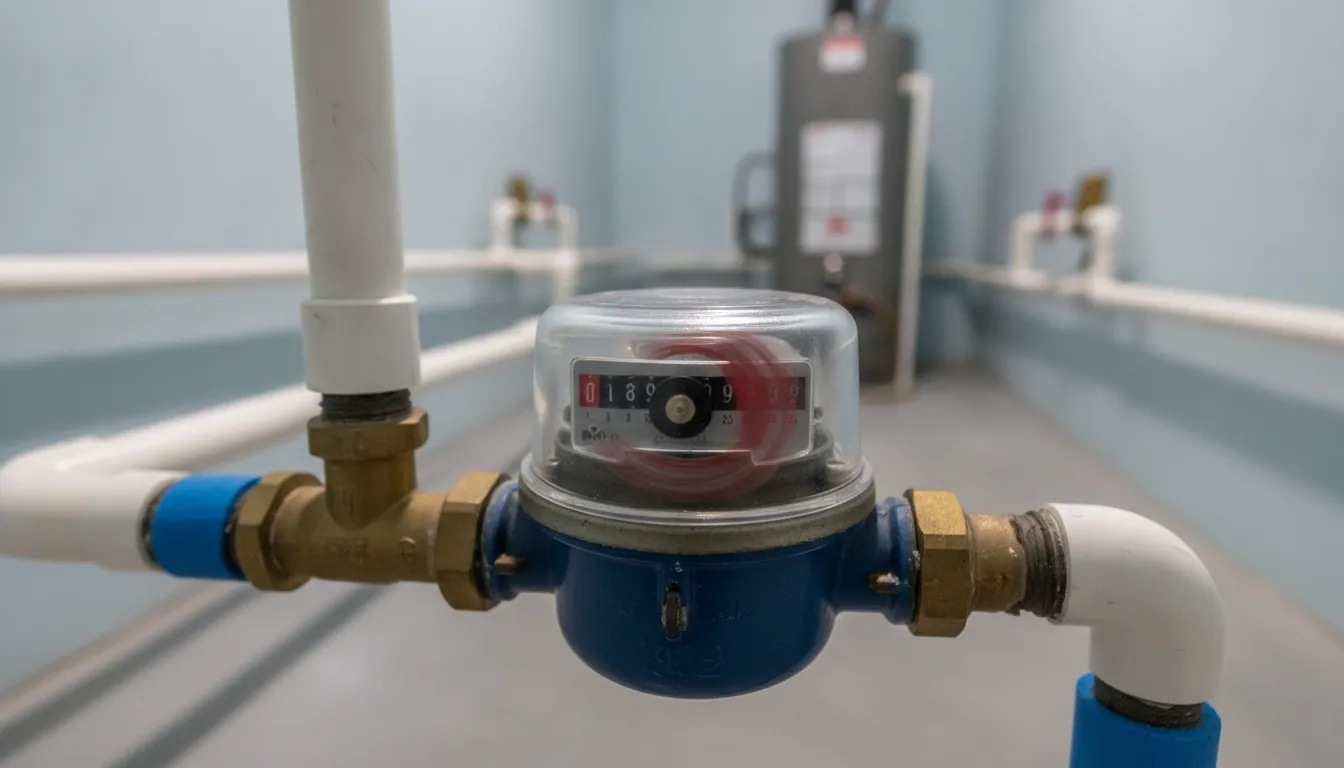
How to Perform a Water Meter Test
Follow these steps to check for a hidden leak using your water meter:
- Turn off all water fixtures. Make sure every faucet, toilet, shower, washing machine, dishwasher, and ice maker is off.
- Locate your water meter. Most Detroit homes have their meter in the basement, crawl space, or a utility closet near the front wall.
- Read the meter and write down the number. Record the exact reading from the dial or digital display.
- Do not use any water for 1 to 2 hours. Avoid flushing toilets, running taps, or using any appliance that uses water.
- Read the meter again. If the number has changed, water is flowing somewhere. This confirms a hidden leak in your plumbing system.
A meter that continues to spin when nothing is running is one of the most reliable signs of hidden water leak detroit homeowners can check on their own. If your meter test shows a leak, call a licensed plumber to locate and fix the problem before it causes more damage.
Monitoring Your Usage Patterns
Checking your meter before bed and again first thing in the morning is another effective way to catch slow leaks. A drop in the overnight reading while no one used water points to a leak you cannot see. Combining this routine with a monthly review of your water bill gives you two layers of detection. The earlier you find a hidden leak, the less damage it can do to your home and your budget.
Visible Damage: Walls, Ceilings, and Flooring Changes
Hidden water leaks almost always leave visible clues on your home’s surfaces before they cause major structural failure. Stains, warped flooring, and peeling paint are your home’s way of signaling an active leak behind a wall or under a floor.
These signals should never be ignored, as they show water has been present long enough to cause visible harm.
Stains on Ceilings and Walls
Yellow, brown, or copper-colored patches on your ceiling or walls are a clear sign of a leak above or behind that surface. The color comes from minerals and sediment in the water. A fresh stain that grows larger after rain or snowmelt is especially concerning, as it suggests an active leak from a supply pipe. Old stains that have stopped growing may point to a past leak that was never fully repaired.
Warping and Buckling Floors
Hardwood floors that begin to cup, buckle, or separate at the seams indicate moisture from below. This often happens when a pipe under the subfloor or in the crawl space is leaking. Water from a hidden leak saturates the wood from underneath, causing it to swell. The same issue can occur with laminate and vinyl flooring, which may show bubbling or lifting at the edges. If you notice a soft or springy area on your floor, there is likely water damage below the surface.
Bubbling Paint and Peeling Wallpaper
Paint that bubbles or cracks on an interior wall, especially in a bathroom or kitchen, may signal moisture behind the surface. Water pushes the paint away from the drywall, creating a raised blister that eventually peels. If you press on a bubbled area and it feels soft or damp, the wall material behind it is already compromised. In many cases, the only way to confirm the source is through leaking pipe inspection and repair by a professional who can trace the moisture back to its origin. Replacing the drywall alone will not solve the problem if the pipe is still leaking.
Is a Musty Smell in Your Basement a Sign of a Hidden Water Leak?
A persistent musty odor in your basement, crawl space, or near interior walls is a strong indicator of an active hidden leak feeding moisture and mold growth. The smell itself is your nose detecting mold spores that thrive in damp, dark spaces.
A thick musty smell is one of the most common signs of hidden water leak detroit homeowners find. If you notice a damp, earthy scent that stays after you clean the room, you likely have an active leak. Still water creates a place for mold to grow in dark, hidden areas.
How Hidden Leaks Cause Mold
Mold and mildew thrive in damp spots from pinhole leaks in wall pipes or cracks in a floor. Even a small amount of water can lead to fast growth on wood studs, drywall, and insulation. Per EPA rules, mold cleanup needs a pro if the area is over 10 square feet. Finding a leak early with professional leak detection and repair services can stop small damp spots from turning into a big structural problem.
Health Risks of Indoor Moisture
The presence of mold in your home is more than just a bad smell. Hidden leaks can lead to breathing issues, allergies, and other health problems when spores enter your air. People with asthma or weak immune systems are often the first to notice these changes. Keeping your basement drain solutions in top shape is a key step to stop moisture and protect your health.
Finding the Source of the Smell
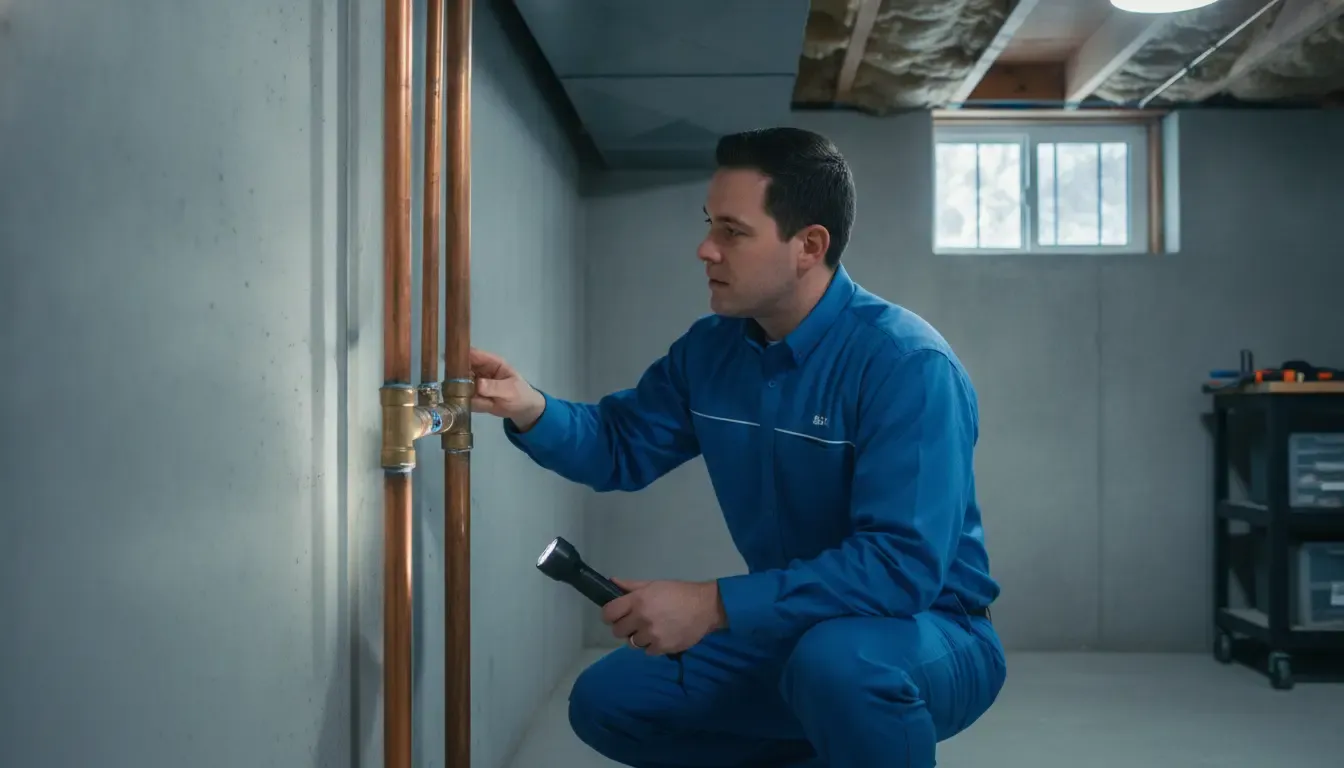
Finding the source of a musty odor can be hard because water often moves far from the actual leak. If you smell mold but do not see water damage, the leak may be under your floor or deep inside a wall. Our team uses thermal cameras and sound sensors to find these hidden leaks without tearing into your home. Fixing the root cause quickly keeps your home dry and stops the spread of mold in your Detroit house.
What Causes Slab Leaks in Detroit Homes?
Detroit homes are at higher risk for slab leaks because of clay-heavy soil, freeze-thaw cycles, and aging galvanized pipes. A slab leak can erode the soil under your foundation, causing structural damage that is expensive to repair.
Detroit homes built between the 1920s and 1960s often have plumbing lines running beneath concrete slab foundations. When these pipes develop a leak, the water can erode the soil underneath your home, causing the slab to settle or crack. These slab leaks are among the most serious plumbing issues a homeowner can face because they threaten the structural integrity of the house.
Signs of a Slab Leak
Warm spots on your concrete floor, especially in a straight line or a small patch, often indicate a hot water line leaking under the slab. Cool or damp patches on the floor may signal a cold water leak. Cracks in your foundation walls or basement floor that grow wider over time are another red flag. You may also notice doors that stick or windows that no longer close properly, as the shifting foundation changes the alignment of your home’s frame.
Why Detroit Homes Are at Higher Risk
Three factors put Detroit properties at greater risk for slab leaks. First, the clay-heavy soil found across Wayne and Oakland counties expands when wet and contracts during dry periods, putting constant pressure on underground pipes. Second, Michigan’s freeze-thaw cycle stresses pipes year after year, creating small fractures that grow into full leaks over time. Third, many Detroit homes still have original galvanized steel pipes. These pipes often develop pinhole leaks long before they show any visible rust on the outside.
Green Grass Patches and Sewer Leaks
An unusually green patch of grass near your foundation, especially during dry weather, can signal a sewer line leak. Wastewater acts as a fertilizer, making the grass above a cracked sewer pipe grow faster and greener than the rest of your lawn. If you spot this pattern along with any foundation movement, you should have your sewer line inspected. Sewer camera inspection can confirm whether your underground pipes are the source. Trenchless sewer line repair is often an option for fixing these issues without digging up your yard.
Hidden Leak Types Comparison
| Leak Type | Primary Signs | Damage Risk | Detection Method |
|---|---|---|---|
| Slab leak | Warm floor spots, foundation cracks, running water sound | High – can shift foundation | Thermal imaging, acoustic |
| Wall leak | Stains, bubbling paint, musty smell | Medium – mold, wood rot | Moisture meter, camera |
| Sewer line leak | Green grass patches, odors, slow drains | High – health hazard | Sewer camera inspection |
| Toilet leak | Running sound, high bill, bowl refills | Low to medium | Food coloring test |
| Underground supply leak | Wet yard spots, low pressure, meter spin | Medium – wasted water | Meter test, acoustic |
How to Detect a Hidden Leak Yourself
Before calling a professional, there are several DIY methods Detroit homeowners can use to check for hidden leaks. These simple tests can confirm whether a problem exists and help you provide useful information to the plumber who comes to fix it.
- Perform the water meter test. Turn off all water fixtures and appliances. Record your water meter reading. Wait two hours without using any water. If the meter reading has changed, you have a leak somewhere in your plumbing system.
- Check your toilets with food coloring. Remove the toilet tank lid and drop a few drops of food coloring into the tank. Wait 15 minutes without flushing. If the color appears in the toilet bowl, the flapper valve is leaking. A silent toilet leak can waste up to 200 gallons of water per day without making a sound.
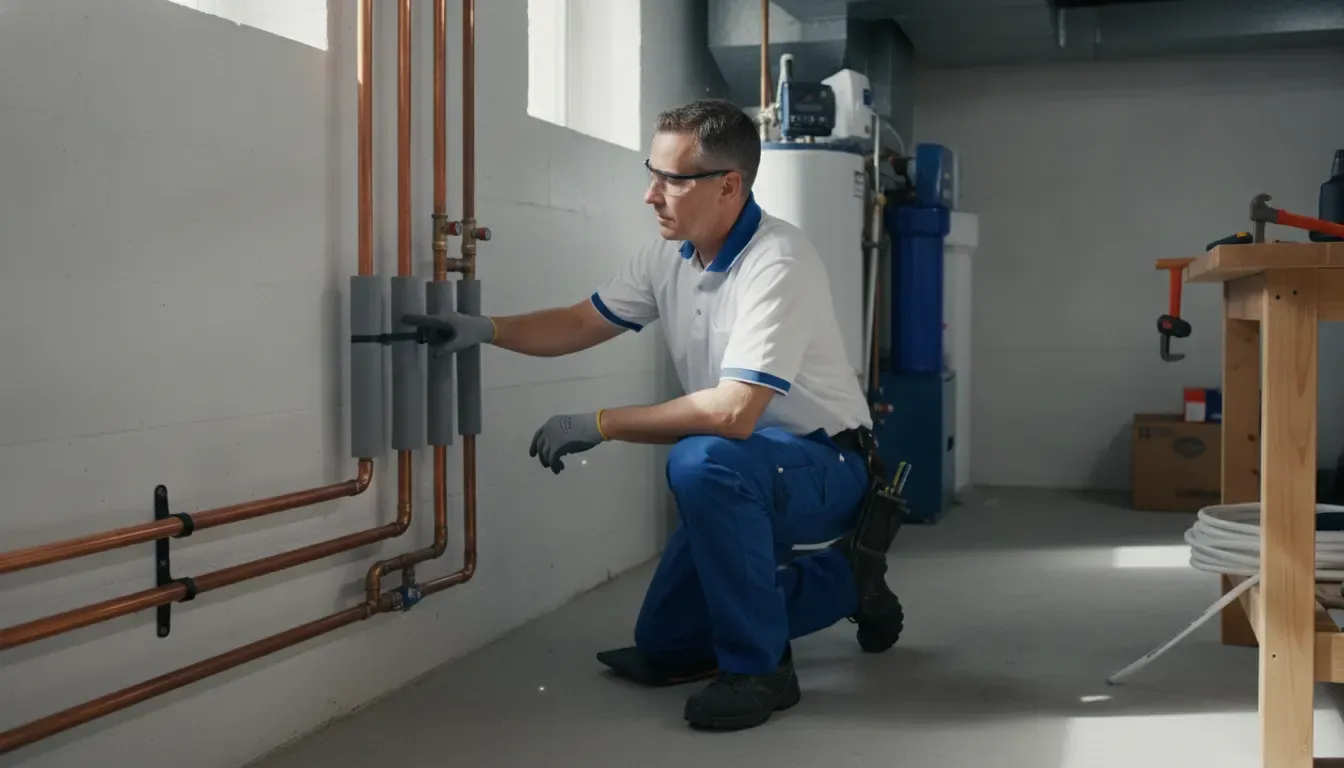
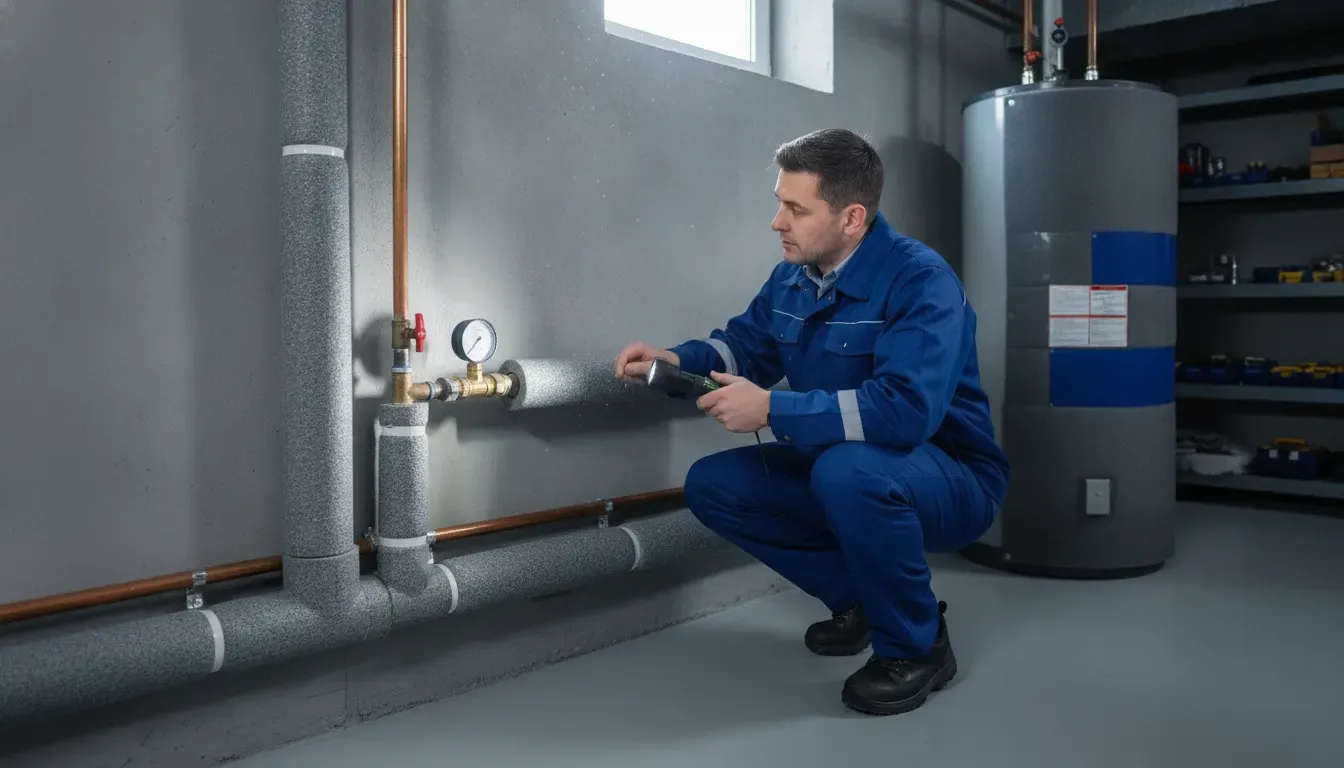
- Inspect visible pipes for moisture. Look under every sink in your home. Check the pipes for water droplets, corrosion, white mineral buildup, or greenish patina on copper pipes. These signs point to slow leaks that may not drip onto your cabinet floor but still waste water and damage surfaces over time.
- Monitor your water bill month to month. Compare your current bill to the same period last year. If your usage has stayed the same but your bill has risen, you likely have a leak. Track the units on your bill, not just the dollar amount, for a clearer picture.
- Listen for running water after quiet hours. Spend five minutes in your basement or near interior walls late at night when the house is still. Running, dripping, or hissing sounds you cannot explain point to a hidden leak that needs professional attention.
If any of these tests suggest a leak, the next step is to call a licensed plumbing professional. Learning how to shut off your main water valve in an emergency is also a smart move for every Detroit homeowner. Knowing where the valve is and how it works can prevent flooding while you wait for help to arrive.
Professional Leak Detection Technology From Mr. Pipey
When DIY methods confirm a leak but cannot pinpoint its location, professional leak detection technology finds the exact spot without tearing into walls or floors. Mr. Pipey uses a combination of non-invasive tools to locate hidden leaks fast, reducing the damage and cost of repairs.
With an average emergency response time of 45 minutes and a 4.8/5 star rating from Metro Detroit customers, the team brings both speed and skill to every call.
Acoustic Listening Devices
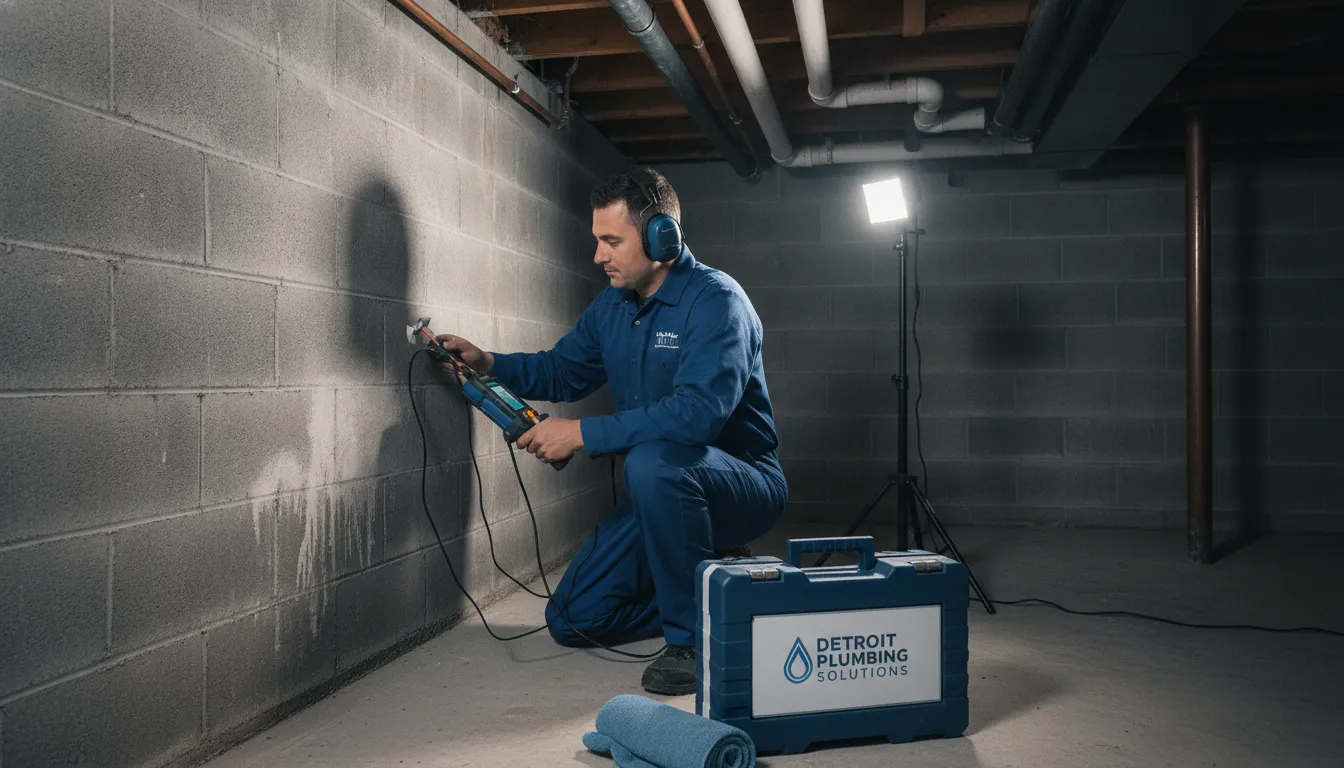
Acoustic sensors amplify the sound of pressurized water escaping from pipes. These devices can detect the faint hiss or spray of a pinhole leak through concrete, drywall, and soil. The technician moves the sensor across the suspected area and marks the spot where the sound is loudest. This method works well for locating leaks in supply lines under slabs and behind finished walls without any demolition.

Thermal Imaging and Sewer Cameras
Thermal imaging cameras detect temperature differences caused by leaking water. A hot water line leak produces a warm spot on the floor or wall that the camera can see. Sewer cameras matching Detroit city inspector standards allow technicians to look inside drain pipes for cracks, root intrusion, and blockages. A waterproof camera on a flexible cable is fed into the pipe, sending live video back to a screen so the plumber can see the exact problem. Sewer camera inspection is especially useful for locating leaks in underground sewer lines.
Why Choose Mr. Pipey for Leak Detection
Mr. Pipey stands out among Metro Detroit plumbing companies for several reasons. As a family-owned and Detroit-based business, the team understands the unique plumbing challenges of older Michigan homes. The company charges no overtime fees, so the same flat rate applies whether you call at 2 PM or 2 AM. All work is backed by a 100% satisfaction guarantee. For reliable plumbing leak repair and detection services, call Mr. Pipey at (313) 900-0700.
Call Mr. Pipey at (313) 900-0700 now to schedule your professional leak detection service. Same-day appointments available across Metro Detroit.
Frequently Asked Questions
How can I tell if I have a hidden water leak?
Common signs include a sudden spike in your water bill, the sound of running water when all fixtures are off. Damp spots on walls or ceilings, musty odors, and your water meter continuing to spin when no water is being used. If you notice any of these signs, perform a water meter test and call a licensed plumber if the results point to a leak.
How can I tell if I have an underground water leak?
An underground water leak often shows up as an unusually green patch of grass near your foundation. A sudden drop in water pressure, or your water meter spinning when no water is being used inside the home. In Detroit’s clay soil, surface water may not appear at all, making the meter test your most reliable DIY check.
What does a water leak behind a wall look like?
A water leak behind a wall typically shows up as yellow, brown, or copper-colored stains on the drywall, bubbling or peeling paint, and a musty odor. You may also hear a dripping or hissing sound when the house is quiet. If you press on the stained area and it feels soft or damp, the drywall is already damaged.
How much does a hidden water leak increase your water bill?
A single dripping faucet at one drop per second wastes over 3,000 gallons per year, adding roughly $30-$50 per month to a typical Detroit water bill. A larger hidden leak can push a bill to $900 or more in a single month. The DWSD leak credit program may help recover some of these costs after the leak is repaired.
Can a small water leak cause foundation damage?
Yes, even a small water leak under a concrete slab can erode the soil underneath your foundation. Detroit’s clay soil is especially vulnerable because it swells when wet and contracts when dry, creating voids under the slab. Over time, this can cause foundation cracks, uneven floors, and doors that stick.
Ready to Find and Fix Hidden Leaks in Your Detroit Home?
If you have noticed any of the warning signs discussed in this guide, do not wait for the damage to get worse. A small leak today can become a major repair bill tomorrow. Mr. Pipey’s team of licensed plumbers uses advanced acoustic sensors, thermal imaging cameras, and sewer video inspection to locate hidden leaks quickly and accurately. With no overtime charges and a 100% satisfaction guarantee, you can trust that the job will be done right. Call Mr. Pipey at (313) 900-0700 for professional leak detection and repair service anywhere in Metro Detroit. Our team responds fast, explains every step, and delivers lasting repairs that protect your home.