

Your home has a way of talking to you, especially when its plumbing is in trouble. That gurgling toilet isn’t just a weird noise, and the drain that backs up when you do laundry isn’t a coincidence. These are crucial clues. Many homeowners dismiss these subtle hints, not realizing they can be the earliest signs of a broken sewer line. Learning to spot these warnings is the key to protecting your home from a messy and expensive disaster. This guide will teach you exactly what to look for, helping you catch the problem early and take action before it becomes a crisis.
Key Takeaways
- Recognize the Pattern of a Main Line Problem: A single slow drain is one thing, but issues in multiple fixtures at once, strange gurgling sounds, or foul odors are clear signs of a bigger problem. When your whole house is affected, the issue is likely your main sewer line.
- Act Quickly to Minimize Damage: If you suspect a sewer line break, immediately stop using all water to prevent sewage from backing up into your home. This is not a DIY fix; your next step is to call a professional plumber for an accurate diagnosis with a camera inspection.
- Adopt Proactive Plumbing Habits: The best way to handle a sewer line disaster is to prevent one. Be mindful of what goes down your drains (no grease or wipes) and schedule regular inspections, especially for older homes, to catch small problems before they become catastrophic.
7 Signs You Might Have a Warning Signs
A broken sewer line is one of those home repairs that sounds like a nightmare. The good news is that your house will usually give you plenty of warning signs before a complete failure. The key is knowing how to spot them. If you notice several of these issues happening around the same time, it’s a strong signal that your main sewer line needs a professional inspection. Catching the problem early can save you from a much bigger, messier, and more expensive situation down the road.
Water Backing Up in Sinks or Toilets
This is one of the most obvious and unpleasant signs. If you have sewage backing up into your floor drains, bathtubs, or toilets, your main sewer line is likely the culprit. A single clogged drain is usually an isolated issue, but when a broken sewer line can no longer carry waste away from your home, the sewage has nowhere to go but back up. If you notice backups whenever you flush a toilet or run water, or if multiple drains seem to be clogged at once, it’s a clear sign of a systemic problem. This isn’t a wait-and-see situation; it’s time to call for emergency plumbing services immediately.
That Unmistakable Sewer Gas Smell
You should never smell sewage in or around your home. If you start noticing a persistent, foul odor coming from your drains or wafting through your yard, it’s a major red flag. A crack or break in the sewer line allows sewer gas and waste to escape before it reaches the municipal sewer. This smell is not only unpleasant but can also indicate a potential health hazard for your family. Don’t just try to mask the odor with air fresheners; it’s a clear signal from your plumbing system that something is seriously wrong and needs professional attention.
Multiple Drains Are Suddenly Slow
Is your shower drain, bathroom sink, and kitchen sink all draining slower than usual? While a single slow drain might just be a simple clog from hair or soap scum, multiple slow drains point to a bigger problem. When the main sewer line is obstructed or has collapsed, it affects the drainage of every fixture in your home. If you’ve tried clearing individual drains with no success, the blockage is probably located much deeper in your plumbing system. It’s a sign that the main artery of your home’s drainage is compromised.
Hearing Gurgling Noises from Pipes
Your plumbing shouldn’t sound like a science experiment. If you hear strange gurgling noises from your drains or see the water in your toilet bubbling when it’s not being flushed, it’s a sign of trapped air in your pipes. When a sewer line is clogged or broken, it prevents air from escaping properly. As you run water or flush a toilet, the displaced air is forced back up through the system, creating those unsettling gurgling and bubbling sounds. Think of it as your plumbing’s cry for help; it’s an early warning that a backup could be on its way.
An Extra-Lush Spot in Your Yard
It might seem strange, but an unusually lush, green, and fast-growing patch of grass on your lawn can be a sign of a sewer line leak. When a sewer line breaks underground, the wastewater seeps into the surrounding soil. This acts as a potent, albeit unwanted, fertilizer, causing the grass directly above the leak to become much greener and healthier than the rest of your yard. If you notice a vibrant green spot that doesn’t have another explanation, especially if the area also feels soggy, it’s worth investigating what’s happening beneath the surface.
Sinkholes or Indentations in Your Lawn
Beyond just a soggy patch, a more serious sign of a sewer line break is the ground itself starting to give way. When a sewer line breaks underground, the constant flow of wastewater saturates and erodes the surrounding soil. Over time, this loss of soil integrity makes the ground unstable, leading to the formation of distinct indentations or even small sinkholes in your lawn. If you spot an unusual depression in your yard, especially if it’s paired with a foul odor or is located along the path of your sewer line, it’s a strong indication of a significant problem. This isn’t something to ignore, as it points to a long-term leak that requires emergency plumbing services.
A Sudden Pest Problem
This is one of the more unsettling signs, but it’s an important one. Sewer lines can be a highway for pests like rats and roaches. A crack or break in the pipe gives them a convenient exit point and easy access into your yard or even your home’s foundation. If you suddenly notice an increase in pest activity and can’t find another explanation, it could be a symptom of a compromised sewer line. While your first instinct might be to call an exterminator, it’s crucial to consider the root cause. A professional plumber can help determine if a break in your plumbing is the real source of your unwanted guests, solving the problem for good.
Sudden Cracks in Your Foundation or Walls
This is one of the most serious signs of a sewer line problem. A long-term, untreated sewer line leak can saturate the soil around and under your home’s foundation. This excess moisture can cause the soil to shift, wash away, or erode, leading to a loss of structural support. Over time, this can result in new cracks appearing in your foundation, walls, or even cause parts of your home to sink unevenly. If you spot new structural issues and can’t find another cause, a hidden, leaking sewer line could be the culprit.
An Unexplained Jump in Your Water Bill
This one is a bit tricky. A high water bill usually points to a leak in a freshwater supply line, not the sewer line. However, if you’re experiencing frequent backups in multiple sinks, toilets, and tubs, it’s a strong indicator of a sewer line issue. When you notice this alongside other signs like gurgling drains or strange smells, it confirms that your home’s plumbing system is under serious strain. It’s crucial to have a professional diagnose the root cause of all your plumbing woes, whether they’re on the supply or drain side of things.
Common Causes of Sewer Line Breaks
Sewer line breaks don’t just happen out of the blue. They’re usually the result of long-term stress or a sudden, forceful event. Understanding what causes these issues can help you spot potential risks around your own property. From the pipes themselves to the environment around them, several factors can lead to a major plumbing headache. Knowing the culprit is the first step toward finding the right solution and preventing future problems. Here are some of the most common reasons your sewer line might fail.
Old or Deteriorating Pipes
Just like anything else in your home, your plumbing has a lifespan. If you live in an older home, especially in historic areas of Metro Detroit, your sewer lines might be made of materials like cast iron or clay. While durable for their time, these materials break down after decades of constant use. Cast iron can corrode and rust from the inside out, becoming brittle and weak. Clay pipes can crack under pressure. Over time, this natural deterioration leads to cracks, collapses, and leaks that can cause serious backups. It’s an unavoidable part of homeownership, but regular inspections can help you catch issues before they become a full-blown emergency plumbing situation.
Understanding Pipe Lifespans
Most older sewer pipes are simply outdated and need to be replaced. The materials used decades ago were the best available at the time, but they can’t compete with modern technology. Today, Schedule 40 PVC is the best choice for sewer lines because it resists corrosion, has smooth interior walls that prevent blockages, and lasts an incredibly long time. Upgrading your pipes isn’t just about fixing a current problem; it’s about investing in a durable, long-term solution for your home’s plumbing health and preventing future headaches. It’s a proactive step that ensures your home’s drainage system is reliable for years to come.
Risks Associated with Older Homes
If you live in an older home, your sewer lines might be made of materials like cast iron or clay. While durable for their time, these materials break down after decades of constant use. Cast iron can corrode and rust from the inside out, becoming brittle, weak, and prone to cracking. Clay pipes, which are essentially baked clay, are susceptible to cracking under pressure from shifting soil or invasive tree roots. When these materials fail, it often happens suddenly, creating a situation that requires emergency plumbing services. This is not a minor inconvenience; it’s a problem that needs a professional who can handle the complexities of older plumbing systems.
A Note on Asbestos in Pipes
It’s also important to be aware that some old clay pipes, specifically a brand called Transite, might contain asbestos. This material was once used for its strength and heat resistance, but we now know the serious health risks it poses when disturbed. If you suspect your older home has these types of pipes, they must be handled and removed safely by trained professionals. This is absolutely not a DIY project; safe removal is critical to protect your family’s health from airborne asbestos fibers. If you have any concerns about the materials in your plumbing, it’s always best to contact an expert for a professional assessment.
Aggressive Tree Root Intrusion
A beautiful, mature tree in your yard is a wonderful asset, but its root system can be a hidden threat to your sewer line. Tree roots are naturally drawn to the moisture, nutrients, and oxygen found in sewer pipes. They can sneak into the tiniest crack or a loose joint in the pipe. Once inside, they continue to grow, creating a dense web that catches debris and causes blockages. As the roots expand, they put immense pressure on the pipe, which can eventually cause it to break completely. This is one of the most frequent causes of sewer line damage, and it often happens without any visible signs above ground until it’s too late.
Ground Shifting or Settling
The ground beneath your property isn’t as stable as you might think. Here in Michigan, we’re very familiar with freeze-thaw cycles that cause the soil to expand and contract. Heavy rains can also saturate the ground, causing it to shift. This movement puts a tremendous amount of stress on the sewer pipes buried below. If the soil shifts enough, it can cause pipes to bend, crack, or even separate at the joints. This is especially true for more rigid pipe materials that can’t flex with the ground movement. Unfortunately, you have no control over soil conditions, which makes this a particularly tricky problem to prevent.
Poor Installation or Subpar Materials
A sewer line is only as good as its installation. If the original plumbers cut corners, used substandard materials, or didn’t properly prepare the ground, your pipes are set up for premature failure. Improperly fitted joints can leak, and pipes laid on unstable ground can sag or bend, creating low spots where waste collects and causes blockages. Using low-quality pipe materials that can’t withstand ground pressure or corrosion is another common issue. While a poor installation might not cause problems right away, it creates a weak point in your plumbing system that will likely fail years down the road. This is why choosing a trusted, experienced plumber is so important for any plumbing service.
Nearby Construction or Heavy Equipment
Your sewer line is buried, but it’s not invincible. Any major activity on the surface can have a direct impact on the pipes below. Heavy construction equipment, for example, can crush pipes that aren’t buried deep enough. Even something as simple as a new driveway installation or major landscaping work can put enough pressure on the ground to cause a break. If you or your neighbors are planning any significant construction, it’s important to be aware of where the sewer lines are located. A sudden, unexplained plumbing problem after a project could be a sign that your pipes were accidentally damaged during the work.
Is It a Clogged Drain or a Broken Sewer Line?
When your plumbing acts up, it’s easy to assume you just have a simple clog. While that’s often the case, sometimes the problem runs much deeper, pointing to a break in your main sewer line. Knowing the difference can save you from major headaches and costly damage down the road. Here’s how you can distinguish between a minor drain issue and a serious sewer line problem.
Is It One Slow Drain or Several?
The first clue is the number of drains affected. If your kitchen sink is slow to drain but your shower and toilets are working just fine, you’re likely dealing with a localized clog in that specific pipe. This is usually a straightforward fix. However, if you notice that several drains in your home are clogged at the same time, it’s a strong sign of a sewer line issue. When the main line is blocked or broken, wastewater has nowhere to go, causing backups in multiple fixtures throughout your house, from the basement floor drain to the upstairs bathroom sink.
Where is the Problem Happening?
Think of a clogged drain as a problem inside your home, while a broken sewer line is an issue with the main pipe that carries all wastewater away from your house. A simple clog is contained to one area. A sewer line break, on the other hand, can cause widespread problems, including new cracks in your foundation or soggy, indented spots in your yard. Because a broken sewer line affects your entire plumbing system, it requires immediate attention from a professional. These situations often call for emergency plumbing services to prevent extensive property damage.
Is This a Recurring Issue?
A one-time backup can happen to anyone. Maybe too much food went down the kitchen sink, or your toddler got a little too curious about what the toilet could flush. But if you find yourself dealing with frequent backups in your sinks, toilets, or tubs, it’s time to suspect a bigger problem. Recurring clogs, especially those that happen in multiple drains, strongly suggest an ongoing issue with your main sewer line. This could be due to invading tree roots or a collapsed pipe that a simple drain snake can’t fix, meaning the problem will just keep coming back until the root cause is addressed.
How Bad Are the Backups and Smells?
The intensity of the problem is another key indicator. A clogged sink might have a mild, unpleasant smell, but it’s nothing compared to the distinct odor of raw sewage. If you smell sewage inside or outside your home, it’s a clear sign that a crack in the sewer pipe is letting gas escape. An even more severe symptom is seeing sewage pool in your yard or back up into your tubs and showers. These are not just plumbing inconveniences; they are serious health hazards that require an immediate call to a professional plumber.
Think Your Sewer Line is Broken? Do This Now
Discovering a potential sewer line break can feel overwhelming, but taking the right steps quickly can prevent a messy situation from becoming a catastrophe. If you’ve noticed any of the warning signs, from sewage backups to foul odors, it’s time to act. Don’t panic. By following a clear plan, you can protect your home from further damage and get the problem handled efficiently. The key is to stop adding to the problem and call in a professional who can accurately diagnose the issue. Here’s exactly what you need to do next to manage the situation safely and effectively.
First, Stop Using All Water
This is the most important first step. If your main sewer line is broken or blocked, every drop of water you send down the drain has nowhere to go but back into your house. Immediately stop using all water sources. This means no flushing toilets, no showers, no running the dishwasher, and no laundry. Continuing to use your plumbing will only increase the pressure on the compromised pipe, leading to more severe sewage backups and water damage inside your home. Pausing your water usage buys you valuable time and helps contain the mess while you wait for professional help to arrive.
Try to Locate Your Sewer Line
While you wait for a professional to arrive, knowing the location of your main sewer line can be incredibly helpful. It gives the plumber a head start and helps you better understand your home’s plumbing layout. You’re looking for the sewer cleanout, which is a capped pipe that provides direct access to the main sewer line. This is usually a 3- or 4-inch pipe with a screw-on cap, often found in your basement, crawl space, or somewhere in your yard between your house and the street. Finding it can sometimes be a small victory in a stressful situation. If you can’t locate it or if you’re dealing with an active backup, it’s best to leave the detective work to the experts and focus on getting emergency plumbing help right away.
Call a Professional Plumber
A broken sewer line is not a DIY project. You need an experienced, licensed plumber to assess the situation. Professionals have specialized tools, like sewer inspection cameras, that can pinpoint the exact location and cause of the break without destructive guesswork. A prompt and accurate diagnosis is critical to determining the best course of action. If you’re facing backups or other serious signs, you likely need emergency plumbing services. Calling an expert immediately ensures the problem is handled correctly from the start, saving you from more extensive and costly repairs down the road.
Consider Getting a Second Opinion
Sewer line repair is a major investment, so it’s completely reasonable to want another expert to weigh in. Before you commit to thousands of dollars in repairs or a full line replacement, consider getting a second opinion. A different licensed plumber can provide their own assessment, often using a camera inspection to get a clear look at the problem themselves. They might confirm the initial diagnosis, or they could offer an alternative, potentially more cost-effective solution you hadn’t considered. A trustworthy plumber will understand your need for reassurance. Taking this extra step ensures you have all the information you need to make a confident decision about protecting your home and your budget.
Take Photos and Notes of the Damage
Before any cleanup begins, grab your phone and take plenty of photos and videos. Document everything, including sewage backups in drains, water damage to floors, walls, and furniture, and any affected areas in your yard, like sinkholes or soggy patches. This evidence is crucial if you need to file an insurance claim for water damage. Keep a simple log of when you first noticed the problem and who you contacted. Having clear documentation will make the insurance process much smoother and can help you recover costs for any property damage that your policy covers.
Why You Shouldn’t Try to Fix It Yourself
While it might be tempting to pour a chemical drain cleaner down the sink or rent a heavy-duty snake, these actions can make the problem much worse. Chemical cleaners are rarely effective on main line clogs and can corrode your pipes. Mishandling a powerful auger can also cause the pipe to crack or collapse completely. Sewer line issues are complex and often involve problems deep underground, like tree root intrusion or shifting soil. Ignoring the problem won’t make it go away; it will only lead to more significant damage over time. It’s best to leave this job to the professionals.
Find Out What Your Insurance Covers
It’s a good idea to understand what your homeowners insurance covers. Unfortunately, most standard policies do not cover the cost of repairing or replacing the actual sewer line, as it’s often considered a maintenance issue. However, your policy might cover the cost of water damage to the interior of your home that results from the backup. Some homeowners also purchase specific add-ons or riders for service line protection. Pull out your policy or call your insurance agent to clarify your coverage. Knowing what to expect financially will help you make informed decisions about the necessary repairs.
The High Cost of Ignoring a Broken Sewer Line
When you first notice a slow drain or a faint, unpleasant smell, it’s tempting to hope it will just go away on its own. But when it comes to your sewer line, ignoring the early signs is a recipe for disaster. A broken sewer pipe is much more than a simple plumbing inconvenience; it’s a serious problem that can have far-reaching consequences for your home, health, and finances. Acting quickly is the best way to protect your property and your family from the messy and expensive fallout.
Potential Health Hazards for Your Family
Let’s be direct: raw sewage is hazardous. It’s filled with bacteria, viruses, and other harmful pathogens that can cause significant health problems. When a sewer line backs up into your home, it exposes your family to these contaminants. Exposure can lead to issues like gastrointestinal infections and other illnesses, especially for children, the elderly, or anyone with a compromised immune system. This isn’t just about dealing with an awful smell; it’s about safeguarding your family’s well-being. If you suspect a sewage backup, it’s crucial to call for emergency plumbing services right away to handle the situation safely.
The Dangers of Sewer Gas Exposure
That foul odor isn’t just unpleasant; it’s a warning sign about sewer gas. This gas is a toxic mix of chemicals like hydrogen sulfide, ammonia, and methane, released from decomposing waste. Even at low levels, exposure can cause headaches, nausea, dizziness, and fatigue. In higher concentrations, it can be much more dangerous. The smell itself is your home’s alarm system telling you that a crack or break in your sewer line is allowing these harmful gases to seep into your living space. This is a serious health risk that qualifies as an emergency plumbing situation, and it’s a clear signal to get everyone, especially children and pets, out of the affected area and call a professional right away.
Expensive Property and Structural Damage
A broken sewer line can quietly wreak havoc on your home’s structure. As wastewater leaks into the ground, it can saturate the soil around your foundation, causing it to shift and settle. This can lead to new cracks in your foundation, walls, or floors. Inside your home, slow leaks or backups can cause water damage to flooring, drywall, and personal belongings. This moisture creates the perfect breeding ground for mold, which can spread quickly and is expensive to remove. What starts as a plumbing issue can easily become a major structural and environmental problem inside your home.
Harm to the Local Environment
The impact of a broken sewer line doesn’t stop at your property line. When wastewater escapes from a cracked pipe, it seeps into the surrounding soil and can contaminate the local groundwater. This can harm your lawn, garden, and nearby trees. More seriously, this contamination can spread to your neighbors’ properties and even affect local water sources. Taking care of a sewer line break is also about being a responsible member of your community and protecting the shared environment. It’s a problem that requires a professional solution to prevent wider contamination.
How a Small Problem Becomes a Costly Repair
It’s a simple fact: the longer you wait, the more expensive the repair will be. A small crack or blockage in a sewer line is a relatively straightforward fix for a professional. But if left unaddressed, that small crack can lead to a complete pipe collapse. A collapsed line often requires extensive excavation of your yard, landscaping, or even your driveway. The cost of repairing the pipe itself is then compounded by the cost of restoring your property. Addressing the warning signs early can save you thousands of dollars and a massive headache down the road. Don’t wait for a catastrophe; contact a professional at the first sign of trouble.
Advice for Homebuyers and New Homeowners
Buying a home is one of life’s biggest milestones, but discovering a major sewer line issue right after you move in can quickly sour the experience. Whether you’re in the process of buying or you’re a new homeowner who just uncovered a nasty surprise, you have options. Understanding how to protect yourself during the buying process and what steps to take if a problem arises can save you from a world of stress and unexpected costs. This advice is all about being proactive and informed so you can focus on enjoying your new home, not worrying about what’s happening underground.
Schedule a Sewer Inspection Before You Buy
Before you sign on the dotted line, one of the smartest investments you can make is a professional sewer scope inspection. This is especially true for the beautiful, older homes found throughout Metro Detroit. A sewer inspection involves sending a specialized camera down the main sewer line to see its condition from the inside. It can reveal hidden problems like tree root intrusion, cracks, or sections of collapsed pipe that a standard home inspection will miss. Finding these issues beforehand gives you the power to negotiate with the seller for repairs or a price reduction. It’s a small upfront cost that can prevent you from inheriting a multi-thousand-dollar problem.
Why a Standard Home Inspection Isn’t Enough
Many buyers are surprised to learn that a standard home inspection doesn’t include a detailed look at the sewer line. A home inspector will typically run the faucets and flush the toilets to check for immediate clogs or leaks inside the house, but their job stops there. They don’t have the equipment to assess the condition of the underground pipe connecting your home to the city sewer. This leaves a massive blind spot in your evaluation of the property. A separate sewer camera inspection is the only way to know for sure if the line is clear and intact, giving you a complete picture of the home’s plumbing health before you commit.
Options for New Owners Facing a Surprise Repair
Finding out your new home has a broken sewer line is incredibly stressful, but don’t panic. Your first move should be to get a clear diagnosis from a licensed plumber to understand exactly what you’re dealing with. Once you know the scope and cost of the repair, you can explore your options. It’s a frustrating situation, but you may not have to bear the full financial burden alone. From home warranties to potential seller liability, there are a few avenues to investigate that could help offset the cost of this unexpected and unwelcome home repair project. Calling for emergency plumbing services can get you a fast and accurate assessment.
Check for a Home Warranty
Go through the stack of paperwork you received at closing and look for a home warranty policy. Sellers sometimes include a one-year warranty as an incentive, and it might offer coverage for major systems, including plumbing. Read the fine print carefully to see if sewer line repairs are included, as policies can vary widely. It’s also a good idea to contact your local sewer district to clarify which portion of the line is your responsibility. In some cases, the break might be on the city’s side of the property line, which could mean they are responsible for the repair.
When to Contact a Real Estate Attorney
If you suspect the seller knew about the sewer problem and didn’t disclose it, you may have a legal case. This is particularly relevant if the issue is severe and appears to be a long-standing problem that was patched up just enough to pass a basic inspection. Before you call an attorney, gather information. You can talk to neighbors to see if they recall seeing plumbing trucks at the property frequently or check with the city for any past plumbing permits pulled for the address. If you find evidence of a cover-up, consulting with a real estate attorney can help you understand your rights and options for seeking compensation from the seller.
Simple Ways to Prevent Sewer Line Damage
Dealing with a broken sewer line is a homeowner’s nightmare, but the good news is that many issues are preventable. A little proactive care can save you from major headaches, property damage, and expensive repairs down the road. Instead of waiting for a disaster, you can take a few simple, consistent steps to keep your sewer system healthy and flowing smoothly. Think of it as routine maintenance for one of your home’s most critical systems. By being mindful of your plumbing and scheduling occasional check-ups, you can protect your home and your budget. Many of these preventative steps are simple habits you can build into your daily routine, while others are part of a smart home maintenance plan that includes a range of plumbing solutions. Here are four key habits that will help you avoid sewer line problems.
Schedule Regular Inspections
The best way to fix a problem is to catch it before it starts. Scheduling regular sewer line inspections, especially for older homes, is one of the smartest investments you can make. A professional plumber can perform a video camera inspection, sending a small camera down the line to get a real-time look at its condition. This allows them to spot potential issues like small cracks, tree root intrusion, or developing blockages long before they cause a backup. An inspection gives you a clear picture of your pipe’s health and allows you to plan for repairs on your own terms, not in the middle of an emergency. It’s a simple, preventative step that provides incredible peace of mind.
Be Smart About Drain Maintenance
Your home’s drains are the entry point to your sewer line, so keeping them clear is your first line of defense. Over time, things like soap scum, hair, and food particles can build up, creating partial clogs that slow drainage. While this is an issue on its own, it also puts added pressure on your entire plumbing system. You can maintain your drains by using drain screens to catch hair and food debris and by periodically flushing them with hot water. For kitchen sinks, avoid pouring grease or oil down the drain at all costs; let it solidify and throw it in the trash instead. These simple habits reduce the likelihood of major blockages forming deeper in your sewer line.
Know What Not to Flush or Pour
Being careful about what you flush or rinse away is crucial for a healthy sewer line. Your plumbing is designed to handle human waste and toilet paper, and not much else. Flushing items like paper towels, cotton swabs, dental floss, or even so-called “flushable” wipes can create stubborn clogs that can lead to a sewer backup. In the kitchen, coffee grounds and greasy foods are major culprits. These materials don’t break down easily and can combine to form solid masses that block the pipe. The golden rule is simple: if it’s not toilet paper, throw it in the trash. This small change in habit can prevent some of the most common causes of sewer line clogs.
Don’t Ignore Minor Plumbing Problems
Your plumbing system often gives you subtle hints when something is wrong. Do you have a sink that drains slower than the others? Do you hear gurgling noises from your toilet when you run the shower? These small signs are easy to ignore, but they can be early warnings of a bigger problem brewing in your sewer line. A single slow drain might just be a local clog, but if multiple fixtures are acting up, it often points to the main line. Don’t wait for a full-blown sewage backup to take action. If you notice anything unusual, it’s best to call for emergency plumbing services right away. Addressing a minor issue early is always easier and more affordable than fixing a catastrophic failure.
What to Expect During a Sewer Line Repair
Figuring out you might have a broken sewer line is stressful, but creating a plan to fix it doesn’t have to be. Once you’ve spotted the warning signs and called a professional, the next phase is all about diagnosis and repair. Understanding the process can help you feel more in control and make the best decisions for your home and budget. A qualified plumber will walk you through each step, but knowing what to expect is the best way to prepare.
The goal is to find the exact cause of the problem and choose the most effective, long-lasting solution. This isn’t a time for quick fixes or DIY attempts that could make things worse. It’s about getting a clear picture of the situation and moving forward with confidence. A professional approach ensures the problem is solved correctly the first time, protecting your property from further damage and saving you money in the long run. From getting a clear look inside your pipes to understanding the costs, here’s what you can expect as you move forward with a sewer line repair.
Start With a Video Camera Inspection
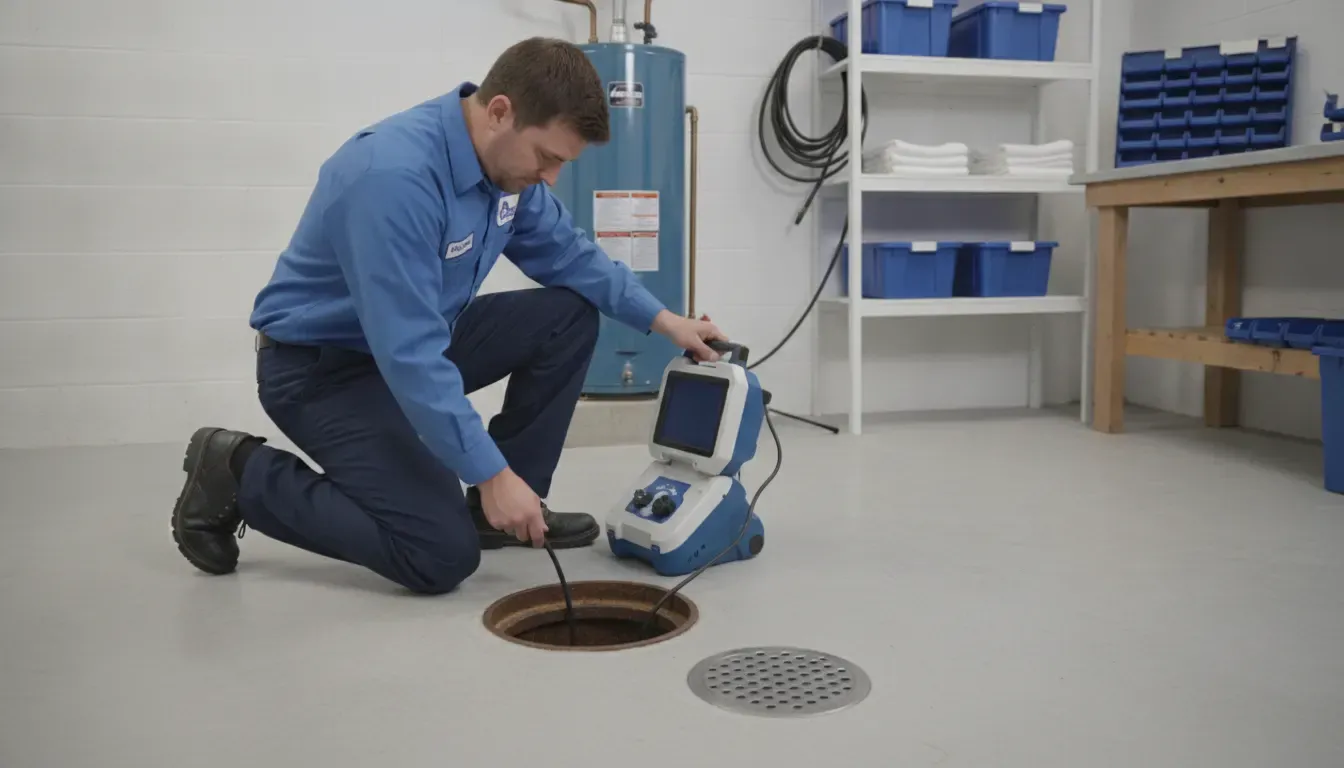
Before any digging starts, the first step is always a professional video inspection. A plumber will feed a small, high-resolution waterproof camera into your sewer line to get a real-time look at what’s going on. This sewer scope inspection is the only way to accurately diagnose the problem without excavating your yard.
The camera feed shows the exact location and severity of any cracks, blockages, tree root intrusions, or collapsed sections. This takes the guesswork out of the equation, allowing your plumber to recommend the most precise and effective repair. Without this crucial step, you’d be working blind. It’s the key to creating an accurate plan and getting a fair quote for the job.
Will It Be a Repair or a Full Replacement?
Once the inspection is complete, your plumber will explain your options. Depending on the condition of your pipes, you may be looking at a simple repair or a full replacement. A small, isolated crack might be fixed with a patch, while extensive damage or an old, deteriorating pipe will likely require a full replacement.
Your plumber can explain the different methods available for these expert plumbing solutions. For example, traditional repairs involve digging a trench to access the pipe, while modern trenchless methods can often repair or replace pipes with minimal disruption to your yard and landscaping. The right choice depends on the extent of the damage, the age of your pipes, and your budget.
Understanding Your Insurance Coverage
One of the first questions homeowners ask is whether their insurance will cover the cost. Unfortunately, a standard homeowners insurance policy usually does not cover sewer line repairs caused by normal wear and tear, aging pipes, or tree root damage.
Coverage typically only applies if the damage was caused by a sudden and accidental event that is specifically named in your policy. It’s always a good idea to call your insurance agent and review your policy to see what’s covered. Some providers offer additional endorsements or separate policies for service line protection, which can be a lifesaver in these situations.
Why Relining Old Cast Iron Pipes Can Be a Temporary Fix
Pipe relining can sound like the perfect, minimally invasive solution, but it’s not always a permanent fix, especially for older homes with cast iron pipes. The issue is that cast iron corrodes from the inside out over many decades, becoming weak and brittle. While a new liner can seal cracks and stop leaks, it doesn’t fix the fundamental problem: the structural integrity of the original pipe. If the host pipe is too deteriorated, it can still collapse under the pressure of the surrounding soil. When that happens, the new liner inside it often can’t hold its shape, and you’re right back where you started. It’s why a thorough camera inspection is so critical to determine if your pipes are strong enough for relining or if a full replacement is the smarter long-term investment.
Common Sewer Line Repair Methods
After a camera inspection gives a clear diagnosis, your plumber will lay out the best repair strategies for your specific situation. The right approach depends on several factors, including the type and extent of the damage, the material of your existing pipes, and the layout of your property. There isn’t a one-size-fits-all answer. The two main paths forward are traditional repair, which involves digging, and modern trenchless methods, which are designed to be far less disruptive. Understanding the pros and cons of each will help you make an informed decision for your home and budget, ensuring you get one of the best expert plumbing solutions available.
Traditional (Trench) Repair
The traditional method is exactly what it sounds like: a trench is dug along the path of the sewer line to physically expose the damaged section. Once the pipe is accessible, the plumber can cut out the broken portion and replace it with a new, durable pipe. While this method is very effective and sometimes the only option for a completely collapsed line, its biggest drawback is the disruption. It means excavating your lawn, garden, or even your driveway. After the plumbing is fixed, you’re left with the additional cost and hassle of restoring your property to its original condition, which is an important factor to consider in your overall budget.
Trenchless Repair Methods
For many situations, trenchless sewer repair is a game-changer. This modern approach avoids large-scale digging by repairing the pipe from the inside. One common method is pipe lining, where a flexible, resin-coated tube is inserted into the old pipe and inflated. The resin hardens, creating a strong, seamless new pipe inside the old one. Another technique is pipe bursting, where a new pipe is pulled through the old one, breaking the old pipe apart while simultaneously laying the new one. These trenchless technologies are fantastic for preserving your landscaping and can often be completed much faster than traditional repairs, saving you time and stress.
Factors That Influence Repair Costs
The cost of fixing a sewer line can vary quite a bit, and several factors play a role in the final price. The biggest variables include the extent of the damage, the accessibility of the pipe, and the repair method used. A minor repair on a pipe that’s easy to reach will cost significantly less than a full replacement under a concrete driveway.
As you might expect, trenchless repair methods can sometimes have a higher upfront cost but may save you money on restoring your landscaping. When you get a quote, make sure it details all the costs involved. A trusted plumber will provide a clear, transparent estimate before any work begins, so you know exactly what to expect.
Understanding Repair Costs and Insurance
Let’s talk about the elephant in the room: the cost. A sewer line repair is a significant investment, and it’s natural to worry about the financial side of things. The final bill can depend on many different factors, and navigating your insurance policy can feel like a puzzle. The key is to get clear information from the start so you can make informed decisions. Understanding what influences the cost and what your insurance may or may not cover will help you prepare for the process and explore all your options. This knowledge puts you back in control, even when facing a stressful home repair.
Estimated Sewer Line Repair Costs
The cost of fixing a sewer line can vary quite a bit, and several factors play a role in the final price. The biggest variables include the extent of the damage, the accessibility of the pipe, and the repair method used. A minor repair on a pipe that’s easy to reach will cost significantly less than a full replacement under a concrete driveway. After a thorough video inspection, a trusted plumber can give you a detailed breakdown of the costs. Here at Mr. Pipey, we believe in transparency, providing a clear, upfront estimate so you know exactly what to expect before any work begins. This ensures there are no surprises, just reliable, long-lasting workmanship.
What Standard Homeowners Insurance Excludes
This is a tough pill to swallow for many homeowners, but a standard insurance policy usually does not cover sewer line repairs. Most policies exclude damage caused by normal wear and tear, aging pipes, corrosion, or tree root intrusion because these are considered maintenance issues. Coverage typically only applies if the damage was caused by a sudden and accidental event that is specifically named in your policy, which is rare for sewer lines. It’s essential to read your policy carefully or call your agent to understand your specific coverage. Don’t assume you’re covered; it’s always best to confirm directly with your provider.
Helpful Insurance Add-Ons to Consider
While a standard policy often falls short, many insurance companies offer specific add-ons, also known as endorsements or riders, that can provide crucial coverage for your home’s service lines. These add-ons are designed to fill the gaps left by a basic policy and can be a lifesaver when you’re facing an unexpected and expensive underground repair. It’s worth a call to your insurance agent to ask about these options, as they are often surprisingly affordable and can provide significant peace of mind. Here are two of the most common and valuable endorsements to ask about.
Service Line Coverage
Service Line Coverage, sometimes called Buried Utility Lines Coverage, is an add-on that specifically covers the repair or replacement of underground service lines on your property. This includes your sewer line, as well as water, power, and gas lines. Unlike a standard policy, this endorsement often covers damage from a wide range of causes, including wear and tear, rust, corrosion, and even tree root intrusion. Adding this coverage to your policy can protect you from the high cost of excavating and repairing these essential lines, making it a smart investment for any homeowner, especially those with older homes or mature trees.
Sewage Backup Coverage
It’s important to understand the distinction between this and service line coverage. A Sewage Backup or Water Backup Endorsement covers the cost of cleaning up the mess *inside* your home if a sewer or drain backs up. This includes water removal, drying services, and repairing damage to your floors, walls, and personal belongings. However, it does *not* cover the cost of fixing the broken sewer line itself. While incredibly valuable for mitigating property damage, you would still need Service Line Coverage (or to pay out of pocket) to repair the actual pipe that caused the backup.
Financial Assistance and Local Programs
Because a functioning sewer system is a matter of public health, some cities and municipalities offer financial assistance to help homeowners with the cost of repairs. These programs vary widely by location, but they are worth looking into. For example, some cities may offer low-interest loans or allow homeowners to pay back the cost of the repair over several years through an assessment on their property tax bill. We recommend checking the official website for your city or township in the Metro Detroit area to see if any such programs are available. It’s a proactive step that could provide a manageable way to handle an otherwise overwhelming expense.
Related Articles
- Sewer Line Repair 101: A Homeowner’s Guide
- Trenchless Sewer Line Replacement Cost: A 2026 Guide
- Sewer Inspection Camera: The Ultimate Buyer’s Guide
- Sewer Line Camera Inspection Cost: A Price Guide
Frequently Asked Questions
How do I know if the broken sewer line is my responsibility or the city’s? Typically, as a homeowner, you are responsible for the sewer pipe that runs from your house to the city’s main line. This section, often called the sewer lateral, usually ends at the curb or your property line. If the break is located within this lateral, the repair falls to you. Problems in the main sewer line under the street are the city’s responsibility. A professional plumber can use a camera inspection to find the exact location of the issue and clarify who needs to handle the repair.
How often should I have my sewer line inspected? If you live in a home that’s over 20 years old, scheduling a professional video inspection every one to two years is a wise move. For newer homes, you can probably go longer between inspections unless you have large trees near your sewer line or you begin to notice recurring issues like slow drains. An inspection is also a critical step to take before purchasing any home, as it can reveal hidden problems before they become your responsibility.
Are chemical drain cleaners a good idea for slow drains? I always recommend staying away from chemical drain cleaners. They might provide a quick, temporary fix for a simple clog in a single sink, but they are completely ineffective against a major sewer line blockage. More importantly, the harsh chemicals can corrode your pipes over time, potentially turning a small crack into a much bigger problem. If multiple drains are slow, it’s a clear sign of a deeper issue that chemicals can’t solve.
What’s the main difference between traditional and trenchless sewer repair? Traditional sewer repair is exactly what it sounds like: a crew digs a large trench in your yard to expose the pipe for repair or replacement. While effective, it can be very disruptive to your lawn, garden, or driveway. Trenchless methods are much less invasive. Techniques like pipe lining or pipe bursting allow plumbers to fix the line from the inside out, requiring only a couple of small access points. This preserves your landscaping and can save you money on restoration costs.
How long does a sewer line repair usually take? The timeline for a sewer line repair depends entirely on the severity of the damage and the method used to fix it. A relatively simple repair using trenchless technology can often be completed in just one day. However, a full replacement that requires extensive digging, especially if the pipe is deep or located under a driveway, could take several days. After a thorough video inspection, your plumber can give you a clear and accurate estimate of how long the job will take.