
Let’s be honest, terms like “Reduced Pressure Zone Assembly” and “differential pressure” can make your eyes glaze over. But understanding the basics of your plumbing is key to protecting your property and your family’s health. Backflow is a serious issue where contaminated water can reverse flow into your clean supply, and a special device is installed to stop it. This article cuts through the jargon to explain exactly what these devices are and why they require annual testing. Think of this as your official backflow testing cheat sheet, designed to make complex plumbing concepts simple, clear, and easy to understand.
Key Takeaways
- Backflow testing is an essential safety check: It verifies that your plumbing’s safety devices are working correctly, preventing contaminants from your property from entering the community’s clean water supply.
- Compliance requires annual professional testing: Most Metro Detroit municipalities legally require a certified professional to test your backflow preventer every year to ensure it meets specific pressure standards and to submit official documentation.
- A failed test often points to a simple fix: Common issues like debris in a valve or a worn-out seal are often the cause of a failed test, and a certified plumber can quickly diagnose the problem and perform the right repair to keep your water safe.
What Is Backflow Testing and Why Does It Matter?
Backflow testing is essentially a routine check-up for your plumbing system’s most important safety feature. Think of your water supply as a one-way street: clean water is supposed to flow into your home, but it should never flow back out into the main supply line. Backflow is what happens when a sudden change in water pressure causes that flow to reverse, creating a serious risk of contamination. A backflow prevention device is installed to stop this from happening, and regular testing is the only way to be sure it’s ready to do its job. This simple test is one of the most critical steps you can take to protect the quality of your drinking water and the health of your entire community.
Understanding the Risks of Water Contamination
The biggest reason backflow testing matters is simple: safety. When water flows backward, it can pull contaminants from sources right on your property, like lawn fertilizers, household chemicals, or even water from a boiler system, into the public water supply. This contaminated water can then travel to other homes and businesses connected to the same water main, putting others at risk. A properly functioning backflow preventer acts as a crucial barrier, keeping your drinking water pure. Regular testing confirms that this barrier is working correctly, giving you peace of mind that the water your family uses every day is clean and safe.
Staying Compliant with Local Regulations
Beyond safety, backflow testing is often a legal requirement. Most municipalities across Metro Detroit mandate that backflow prevention devices be tested at least once a year by a certified professional. These regulations are in place to protect the entire community’s water supply, and failing to comply can result in fines or even a disruption of your water service. Scheduling an annual inspection is a straightforward way to meet these local rules and ensure your property remains compliant. Professional backflow preventer repair and testing not only keeps you on the right side of the law but also provides the official documentation you need to prove your system is secure.
A Quick Guide to Backflow Prevention Devices
Backflow prevention devices are the unsung heroes of your plumbing system. They work silently in the background to ensure that contaminated water never flows back into your clean water supply. While they all share the same goal, different types of devices offer varying levels of protection and are designed for specific situations. Getting to know the most common types can help you understand what’s installed on your property and why regular backflow preventer repair and testing is so important. Let’s look at the key players you’re likely to encounter.
Double Check Valve Assembly (DCVA)
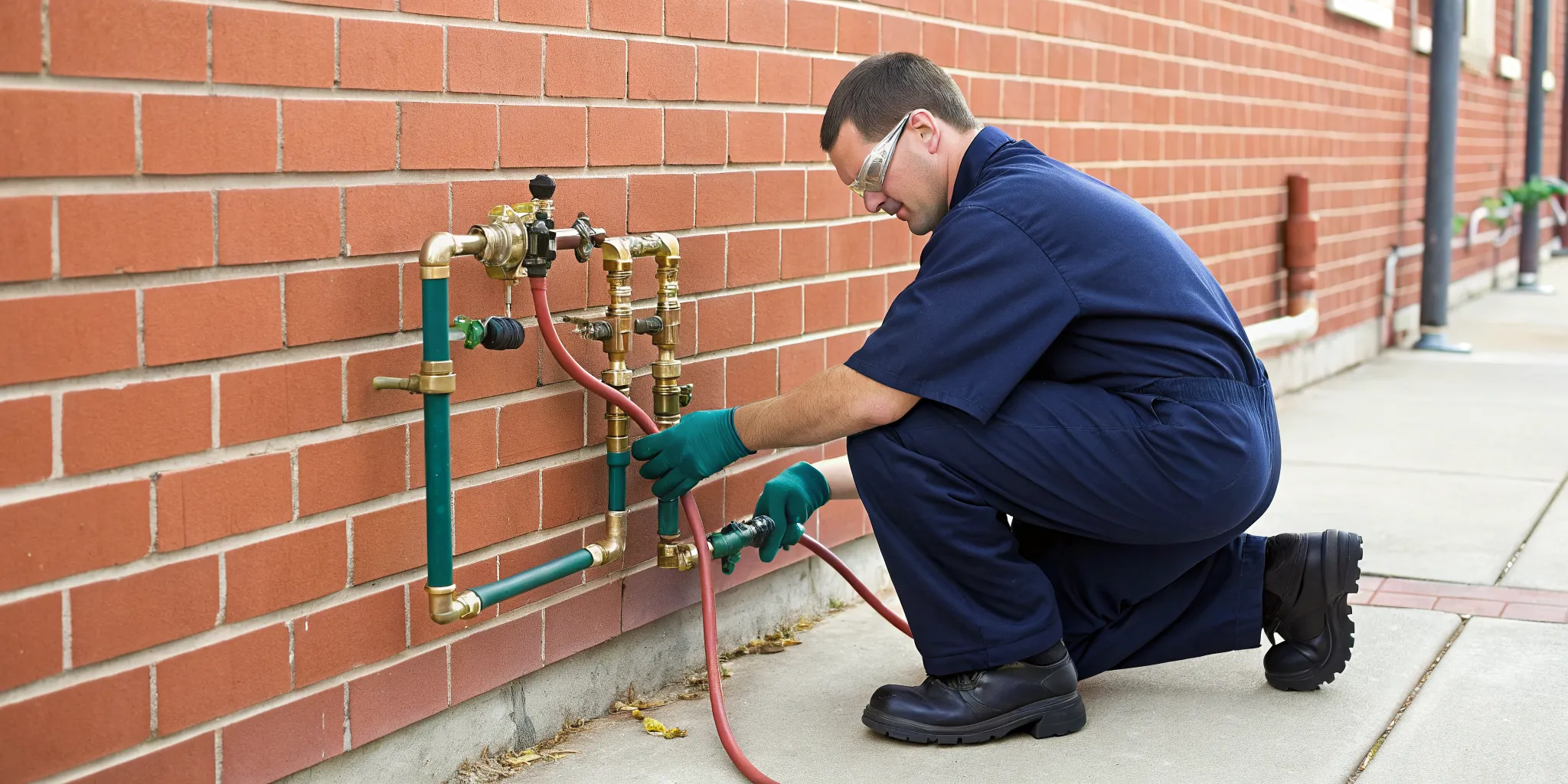
A Double Check Valve Assembly, or DCVA, is exactly what it sounds like: two independently acting check valves housed together in one unit. Think of it as a two-stage security system for your water. If the first valve fails, the second one is there to back it up. This device is designed to protect against backpressure and backsiphonage from low-hazard contaminants, meaning substances that won’t harm you if consumed but might affect the water’s taste or smell. You’ll often find DCVAs installed on lawn irrigation systems and fire sprinkler lines. Like other common devices, they require annual testing to ensure both valves are working correctly.
Reduced Pressure Zone Assembly (RPZ)
The Reduced Pressure Zone Assembly, or RPZ, is the heavy-hitter of backflow prevention. It offers the highest level of protection and is required in situations where the risk of contamination is severe. An RPZ contains two independent check valves plus a pressure-differential relief valve located between them. This relief valve is designed to open and discharge water if it senses that backflow is about to occur, creating a visible indicator of a problem. Because they protect against hazardous chemicals and pollutants, RPZs are mandatory for commercial buildings, hospitals, and industrial facilities. Proper testing ensures the relief valve opens at the correct pressure, keeping your water supply completely safe.
Pressure Vacuum Breaker (PVB)
A Pressure Vacuum Breaker (PVB) is a common device used to protect against backsiphonage in high-hazard situations. It consists of a single check valve and an air inlet that opens to break the vacuum when pressure drops, preventing contaminated water from being siphoned back into the clean supply. PVBs are most frequently used for irrigation systems and must be installed at least 12 inches above the highest sprinkler head or outlet. Unlike DCVAs and RPZs, they don’t protect against backpressure. Following recommended backflow testing procedures is crucial to confirm the air inlet and check valve are functioning as they should to keep your water safe.
Atmospheric Vacuum Breaker (AVB)
The Atmospheric Vacuum Breaker (AVB) is the simplest type of backflow preventer. You’ve probably seen one without even realizing it; they are often attached to hose bibbs (outdoor spigots) and utility sink faucets. An AVB works by allowing air to enter the line to break a siphon, but it can’t be under continuous pressure for more than 12 hours and offers no protection against backpressure. While it’s a basic device, it’s an effective and inexpensive way to prevent contaminants from a garden hose or utility basin from entering your home’s drinking water. Because of its simple design, it’s typically not testable and is replaced if it fails.
Your Backflow Testing Toolkit
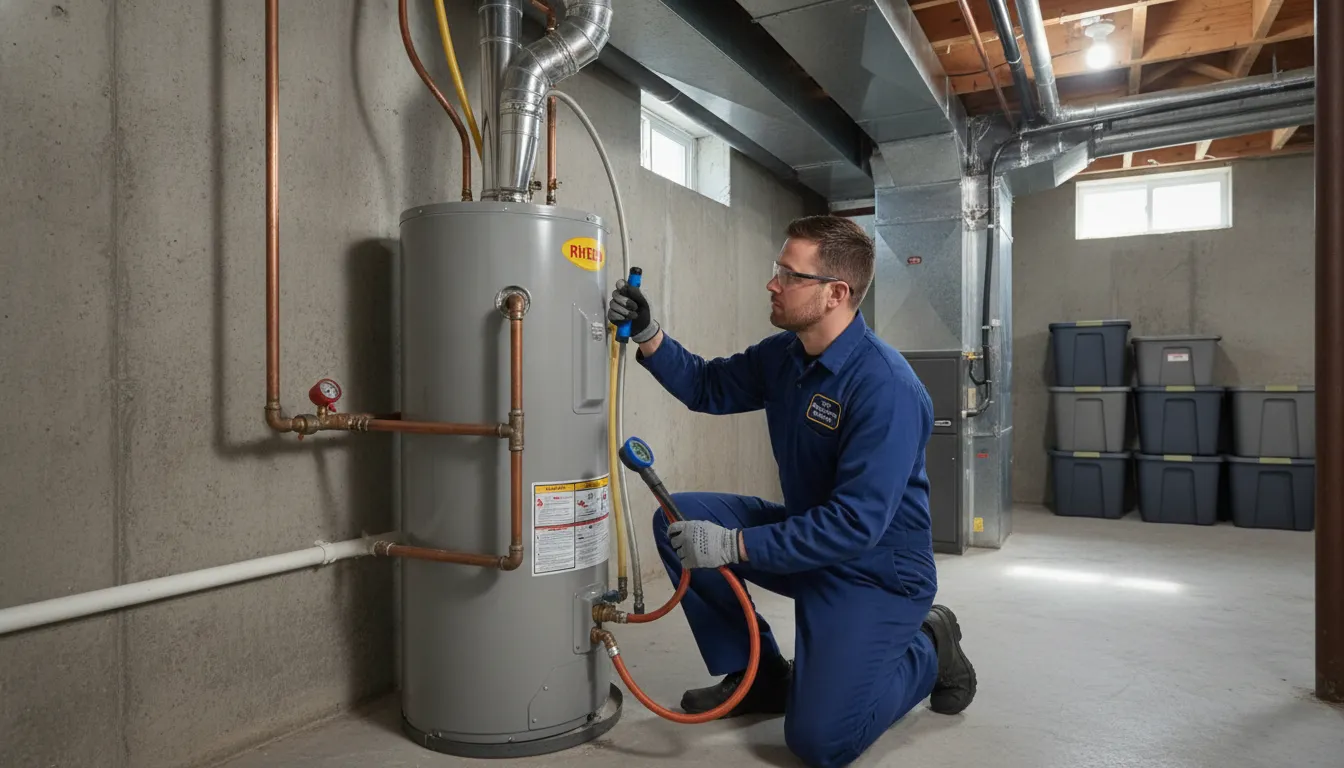
Before you can check your backflow preventer, you need the right equipment. Just like a chef needs sharp knives, a plumber needs a backflow test kit. This specialized device is designed to give you precise pressure readings, ensuring your water supply stays safe and clean. Getting familiar with your toolkit is the first step toward a successful test and keeping your property compliant with local codes. Let’s walk through what you’ll need and how to prepare it for the job.
What’s in a Backflow Test Kit?
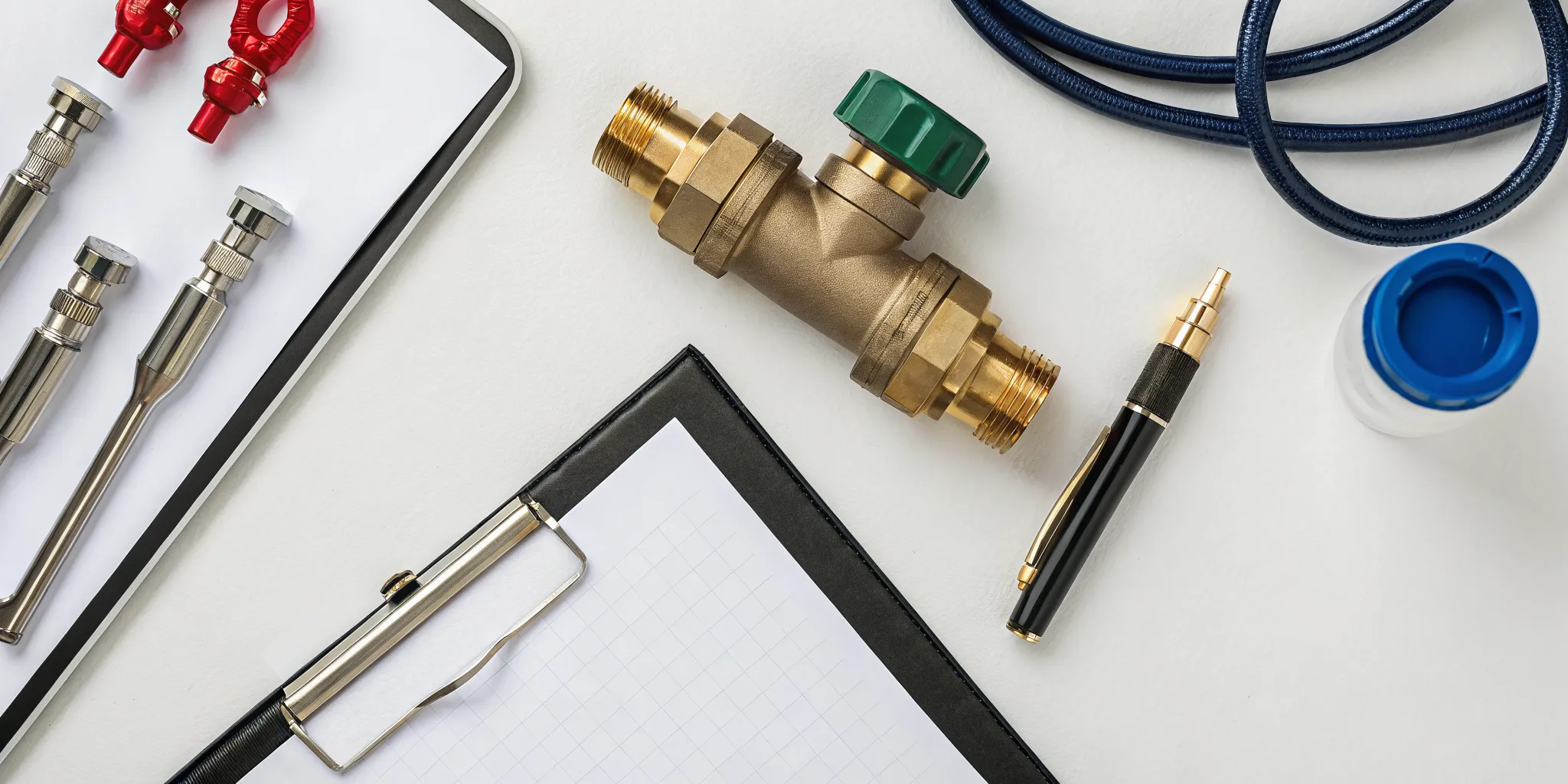
A backflow test kit is a portable device with gauges and hoses made to measure water pressure within a backflow prevention assembly. It’s the only reliable way to verify that your device is working correctly. Common assemblies like Double Check Valve Assemblies (DCVA) and Reduced Pressure Zone Assemblies (RPZ) have specific pressure requirements they must meet to pass inspection. This kit allows a certified tester to check those levels precisely. Since most municipalities require annual backflow preventer testing, a properly functioning kit is non-negotiable for professionals and a key reason this job is best left to them.
How to Calibrate Your Pressure Gauge
An accurate test starts with an accurate gauge. Before connecting any hoses, it’s critical to calibrate your pressure gauge. This simply means making sure the needle points directly to zero before any pressure is applied. You’ll also want to “bleed” the gauge and hoses to clear out any trapped air that could throw off your readings. An uncalibrated gauge can give you a false reading, making you think a faulty device is working fine or that a good one has failed. Taking a moment to zero out your equipment ensures the results are completely trustworthy.
Safety First: Pre-Test Preparations
A little prep work makes a backflow test smooth and safe. First, always let the property owner know you’ll be shutting off the water temporarily. Next, briefly open and close the shutoff valves to ensure they’re working properly. Before connecting your kit, flush each test cock to clear out any sediment that could affect the readings. And here’s a pro tip: always operate the valves slowly. Slamming them shut can cause a sudden pressure spike known as a water hammer, which can damage pipes. If you’re ever unsure, it’s always best to contact a certified plumber.
How to Test Common Backflow Assemblies: A Step-by-Step Guide
Testing backflow preventers is a precise job that ensures your water supply stays clean and safe from contaminants. While it requires specialized tools and certification, understanding the process can give you peace of mind and help you know what to expect when a professional arrives. Each type of backflow assembly has a unique testing procedure designed to verify its components are working correctly. Below, we’ll walk through the general steps for testing the most common devices you might find in your home or business.
Remember, these steps are for informational purposes. For reliable and compliant results, it’s always best to schedule a professional backflow preventers repair and testing service. Our certified technicians at Mr. Pipey have the expertise to handle these tests accurately and efficiently, ensuring your system meets all local Metro Detroit codes and keeps your water safe.
Testing a Double Check Valve Assembly (DCVA)
A Double Check Valve Assembly (DCVA) has two internal check valves that act as a team to prevent backflow. When a technician tests a DCVA, their main goal is to confirm that both valves are holding pressure correctly. They will attach a specialized test kit to the assembly’s test cocks. The first check valve is tested to ensure it maintains a pressure difference of at least 1.0 PSI. Then, the second check valve undergoes the same test. If both valves hold the required pressure, the test is a success. Finally, the technician will carefully close all test cocks, remove their equipment, and slowly reopen the shutoff valves to restore your water service.
Testing a Reduced Pressure Zone Assembly (RPZ)
A Reduced Pressure Zone (RPZ) assembly offers a higher level of protection and has a more complex testing procedure. Like the DCVA, an RPZ has two check valves that must each show a pressure drop of at least 1.0 PSI to pass. The key difference is the RPZ’s relief valve, which is designed to open and discharge water if it detects a backflow condition. During a test, a technician will verify that this relief valve opens at the correct pressure, which should be 2.0 PSI or higher. This confirms the assembly’s most critical safety feature is operational. Because of their complexity, RPZs require annual testing to remain compliant and effective.
Testing a Pressure Vacuum Breaker (PVB)
Pressure Vacuum Breakers (PVBs) are commonly found on irrigation systems. Testing these devices properly is crucial for keeping your drinking water safe from lawn chemicals and other contaminants. The test involves checking that the air inlet valve opens correctly to break any siphonage and that the internal check valve closes tightly to prevent backflow. Before starting, it’s important to know that local water authorities often have specific guidelines for testing. A certified plumber will always follow the required steps for the Metro Detroit area to ensure compliance. If you have a PVB, it’s best to contact our team to have a professional handle the test and ensure everything is working as it should.
Decoding the Pressure Readings: Pass or Fail?
Once you have your test kit hooked up, the numbers on the pressure gauge tell the whole story. Understanding these readings is the final step in determining whether your backflow prevention device is working correctly or if it needs attention. Think of it like a report card for your plumbing’s safety. Each part of the assembly has a specific job, and the pressure readings show how well it’s performing. Let’s break down what those numbers mean so you can confidently read the results.
Critical Pressure Readings for Each Device
To pass a backflow test, your device needs to meet specific pressure standards. For a Double Check Valve Assembly (DCVA) or a Reduced Pressure Zone (RPZ), both the first and second check valves must hold a pressure drop of at least 1.0 PSI. For an RPZ assembly, there’s one more critical test: the relief valve must open at 2.0 PSI or higher. These numbers are the clear benchmarks for a pass. If your readings don’t meet these minimums, it’s a sign that professional backflow preventer repair is needed.
What Is Differential Pressure?
You’ll often hear “differential pressure” during backflow testing, but it’s simpler than it sounds. It’s just the pressure difference between two points. For a backflow preventer, we measure the difference between the upstream side (closer to the city water supply) and the area between the two check valves. A functioning RPZ device must maintain this pressure difference to ensure the relief valve works correctly. This keeps the relief valve closed during normal operation but allows it to open and dump water if backflow conditions occur, making it a key indicator of the device’s health.
Checking the Relief Valve Opening Pressure
The relief valve on a Reduced Pressure Zone (RPZ) assembly is its most important safety feature. Its job is to open and discharge water if it senses a backflow condition, preventing contamination. During a test, we slowly reduce the pressure between the check valves to simulate a problem. The relief valve must open at 2.0 PSI or higher. If it opens below that, it could waste water. If it fails to open at all, it won’t protect your water supply, which could lead to a serious issue requiring emergency plumbing services.
Spotting a Check Valve Pressure Drop
A properly sealed check valve should hold pressure steady. If you’re testing a check valve and see the needle on your gauge start to drop, that’s a clear sign of a leak. For instance, when testing the second check valve, you pressurize the area between the valves and close the bleed-off valve. The gauge’s needle should stay put. If it starts to fall, even slightly, it means the second check valve isn’t creating a complete seal. This failure means the valve can’t be trusted to stop backflow and needs to be serviced.
Troubleshooting Common Backflow Device Failures
Even with regular testing, backflow prevention devices can sometimes fail. The good news is that most issues have straightforward causes, like a leaky valve, some trapped debris, or simple wear and tear from doing their job day in and day out. Pinpointing the exact problem is the first step toward getting your system back in working order and keeping your water supply safe. A failed test doesn’t automatically mean you need a costly replacement; often, a simple repair is all it takes.
Before you assume the worst, a little troubleshooting can go a long way. Understanding what to look for can help you identify whether it’s a quick fix or a sign you need professional help. For example, a small leak might just be a worn-out gasket, while continuous discharge could point to something more specific. Below, we’ll walk through some of the most common failures and how to spot them. If you run into a problem that seems too complex or you just want a second opinion, our team is always ready to help with expert backflow preventer repair and testing. We treat every client like family and will give you an honest assessment to make sure your device is functioning perfectly and your property is protected.
How to Identify a Leaky Check Valve
A leaky check valve is one of the most frequent culprits behind a failed backflow test. The easiest way to spot this is by looking at your test results. If the relief valve is discharging water, it’s often a tell-tale sign that the first check valve isn’t sealing properly. When a professional tests the device, they look at the differential pressure. A healthy check valve should maintain a certain pressure drop, typically at least 1.0 PSI. If it can’t hold that pressure, it means water is seeping back through, which is exactly what the device is designed to prevent. This failure compromises the entire system, so it’s something that needs to be addressed right away to keep your water safe.
What to Do About Relief Valve Discharge
Seeing water discharge from the relief valve can be alarming, but it’s actually a sign that the device is trying to do its job. The relief valve on a Reduced Pressure Zone (RPZ) assembly is designed to open and release water if it detects a backflow condition. However, it should only open when the pressure hits a specific point, which is 2.0 PSI or higher. If you notice it dripping or discharging water when the pressure is below that threshold, the valve itself might be faulty. This could be due to debris stuck in the valve or a worn-out seal. While the discharge protects you from immediate contamination, it also indicates an underlying problem that needs a professional diagnosis to prevent water waste and ensure your system is truly secure.
Finding and Clearing Debris Contamination
It’s amazing how a tiny bit of dirt, sand, or rust can bring a powerful backflow preventer to a halt. Debris is a leading cause of test failures because it can easily get lodged in the check valves or relief valve, preventing them from sealing completely. Before you jump to replacing parts, it’s always a good idea to check for contamination. A common troubleshooting step is to flush the system by opening and closing the test cocks and shut-off valves. This can often dislodge whatever is stuck inside. If you’re comfortable doing so, you can carefully open the device to inspect it for debris. Clearing out any obstructions is a simple, cost-effective fix that can often resolve the issue without needing to replace expensive components.
Assessing for Component Wear and Tear
Like any mechanical device, backflow preventers have parts that wear out over time. Rubber seals, O-rings, and springs are constantly under pressure and will eventually degrade. During an annual test, a certified plumber will inspect these internal components for signs of aging, like cracks in the rubber or weakened springs. Catching this wear and tear early is key to preventing a sudden failure. If a seal is worn, it won’t create the tight closure needed to stop backflow. Regular maintenance and timely replacement of these parts will extend the life of your device and ensure it works when you need it most. If you suspect your device’s parts are worn out, you can contact us to schedule a thorough inspection and service.
How to Document and Report Your Test Results
Once you’ve completed the test, the job isn’t quite done. Proper documentation is the final, crucial step to prove your system is safe and compliant. It involves filling out the right forms, understanding the results, and submitting everything on time. Let’s walk through exactly what you need to do to close out the process correctly.
Filling Out the Paperwork Correctly
Your local water authority provides a specific form for reporting backflow test results, and filling it out accurately is essential. You’ll need to include the test date, the property owner’s name and address, and the tester’s information, including their license number. Be sure to list the type of backflow device tested and clearly mark whether it passed or failed. After adding any necessary notes, sign and date the form to certify the results. If you’re working with a professional, they handle all of this for you as part of their backflow preventer testing service.
Interpreting Pass vs. Fail Criteria
The test report will show specific pressure readings, but what do they mean? For a device to pass, its check valves must show a pressure drop of at least 1.0 PSI. If you have a Reduced Pressure Zone (RPZ) assembly, its relief valve must open at 2.0 PSI or higher. Anything outside these parameters indicates a failure. A failed test means your water supply is at risk, and you’ll need to get the device repaired quickly to avoid fines and ensure your water remains safe. This is a situation where you’ll want to call for emergency plumbing services.
Meeting Compliance and Reporting Deadlines
After completing the test and paperwork, you must submit the results to your local water authority. Most municipalities across Metro Detroit require annual testing, and there’s usually a strict deadline for submitting your report after the test is performed. Missing this deadline can lead to penalties or even a disruption in your water service. Staying on top of these dates is key to remaining compliant. If you’re ever unsure about your area’s specific rules or deadlines, it’s always best to contact a local plumbing expert who can guide you through the process.
How Often Should You Perform Backflow Testing?
Keeping your water safe isn’t a one-time task. Your backflow prevention device works hard behind the scenes, and like any important equipment, it needs regular check-ups. A consistent testing schedule ensures your water stays clean and you remain compliant with local regulations. Think of it as preventative care for your plumbing system, protecting both your family and your community from the risks of water contamination.
The Annual Testing Requirement
For most backflow prevention devices, the rule of thumb is to have them tested once a year. This annual check is crucial because these assemblies have internal seals, springs, and moving parts that can wear out or get stuck over time. A certified tester needs to verify that everything is working right. An annual test confirms the check valves are preventing backflow and the relief valve opens correctly when it should. A yearly backflow preventer test is the best way to catch failures before they cause a contamination event.
Local Rules Across Metro Detroit
While annual testing is standard, specific regulations can vary from one city to the next here in Metro Detroit. Your local water authority sets the final rules on testing frequency, reporting, and which devices are required for your home or business. Keeping up with these local ordinances is essential for compliance. Properly testing these devices helps keep your water safe and avoids potential fines. If you’re unsure about your local requirements, it’s best to contact a professional who is familiar with the plumbing codes in your area.
Maintenance Tips to Follow Between Tests
Between professional tests, you can play an active role in maintaining your backflow preventer. Take a moment every few months to do a quick visual inspection. Look for any signs of leaking, dripping, or corrosion on the device itself. Make sure the area around the assembly is clear of dirt, leaves, and overgrown plants that could interfere with its function. In the winter, check that it’s protected from freezing. While you can’t perform the official test yourself, spotting these small issues early can prevent them from turning into major problems and save you from a costly emergency repair.
Know When to Call a Professional
While tackling home projects yourself can be incredibly rewarding, some jobs are best left to the experts, and backflow testing is definitely one of them. This isn’t just about fixing a leaky faucet; it’s about protecting the health and safety of your family and community. Backflow testing requires specialized tools, an in-depth understanding of local plumbing codes, and the precision to get accurate results. One small mistake can lead to a false reading, leaving your water supply vulnerable to contamination.
Think of it this way: a certified plumber is trained to spot issues that an untrained eye would miss. They know exactly what pressure readings mean, how to troubleshoot a failing device, and how to ensure your system is fully compliant with Metro Detroit’s regulations. Bringing in a professional isn’t just about convenience; it’s about peace of mind. At Mr. Pipey, our team is equipped with the right knowledge and calibrated equipment to handle backflow preventer repair and testing correctly the first time, ensuring your water stays safe and clean.
Why Certified Plumbers Are Essential
Not just any plumber can perform a backflow test. This job requires a specific certification for a reason. Certified plumbers have gone through rigorous training to understand the mechanics of backflow devices and the serious risks of water contamination. They are up-to-date on local codes and know that proper testing procedures are essential for keeping the water supply safe.
This certification ensures that the person testing your system has the expertise to protect your drinking water from harmful pollutants. They know how to accurately interpret test results and can officially sign off on the paperwork required by your local water authority. It’s a level of accountability and skill that guarantees the job is done right.
Handling Complex Commercial Systems
For business owners, the stakes are even higher. Commercial plumbing systems are often larger, more complex, and subject to stricter regulations than residential ones. These systems can involve intricate networks of pipes and multiple backflow prevention devices, each requiring precise testing and maintenance. A failed device in a commercial setting could affect hundreds of people and lead to serious liability issues.
Professionals who specialize in commercial systems understand these complexities. They use finely calibrated test kits and follow the exact procedures mandated by local water departments. Whether you run a restaurant, an office building, or a manufacturing facility, you can rely on an expert to manage your backflow testing needs and keep your business compliant and your water safe.
Related Articles
- Backflow Preventer Testing: A Homeowner’s Guide
- Plumbing Maintenance & Prevention
- A Homeowner’s Guide to Old Basement Drainage Systems
- Drain Backup in Basement? A Step-by-Step Guide
Frequently Asked Questions
Why do I need a certified professional for this? Can’t I do it myself? Backflow testing requires specialized, calibrated equipment to get accurate pressure readings. More importantly, most cities in Metro Detroit require the test to be performed and the results submitted by a licensed, certified professional. This ensures the test is done correctly and that your property is officially compliant with local health and safety codes, protecting both your water and the community’s supply.
What happens if my backflow preventer fails the test? A failed test simply means your device isn’t working correctly and needs attention. It doesn’t automatically mean you need a brand-new device. Often, the problem is caused by something simple like trapped debris or a worn-out rubber seal. A certified technician can diagnose the exact issue and will usually be able to repair it on the spot, getting your system back in working order and keeping your water safe.
How often does this test really need to be done? The standard for most homes and businesses is to have backflow testing performed once a year. This annual schedule is typically required by local water authorities to ensure your device is always ready to function correctly. Think of it as a yearly check-up that catches small problems before they can become serious risks to your water quality.
My device is dripping a little water. Is that a big deal? If you see your backflow preventer, particularly an RPZ model, constantly dripping or discharging water, it’s a clear sign that something is wrong. While the device is designed to release water under certain conditions, a continuous drip usually points to a fouled check valve or a faulty relief valve. It’s best to call a professional to inspect it, as this can waste water and indicates your system isn’t fully protected.
How will I know when it’s time for my annual test? Most professional plumbing companies, including us, will send you a reminder when your annual backflow test is due. It’s also a great idea to put a note in your own calendar after a test is completed so you can plan for it the following year. Staying on a consistent schedule is the easiest way to remain compliant and ensure your water supply is always protected.