
A broken sewer pipe used to mean one thing: a backhoe tearing a trench through your yard. The plumbing bill was just the start; the real shock came from the cost to restore your landscaping and driveway. Sewer pipe lining fixes the pipe from the inside, avoiding that destructive mess entirely. While it’s important to look at the sewer pipe lining cost per foot, the true value is in what you don’t have to pay for. The total pipe lining cost is often lower because it eliminates those surprise restoration fees, making it a smarter, more transparent choice for your home.
Key Takeaways
- Your final price depends on more than just length: The per-foot cost is a starting point, but a real quote also includes your pipe’s condition, its diameter, ease of access, and the fixed costs for professional setup and equipment.
- Calculate the true cost by including restoration: Pipe lining is often more cost-effective than traditional replacement because it saves you from the huge expense of repairing your lawn, driveway, and landscaping after a major excavation.
- Lining isn’t a one-size-fits-all solution: It’s an excellent fix for cracks and leaks, but it can’t repair a completely collapsed pipe. A professional camera inspection is the only way to know for sure if it’s the right choice for your home.
What is Sewer Pipe Lining? (And Why Should You Care?)
Hearing you have a sewer line problem is stressful enough. The thought of a backhoe digging up your beautiful lawn, driveway, or garden is even worse. For years, that was the only way to fix a broken underground pipe. But now, there’s a much better method: sewer pipe lining.
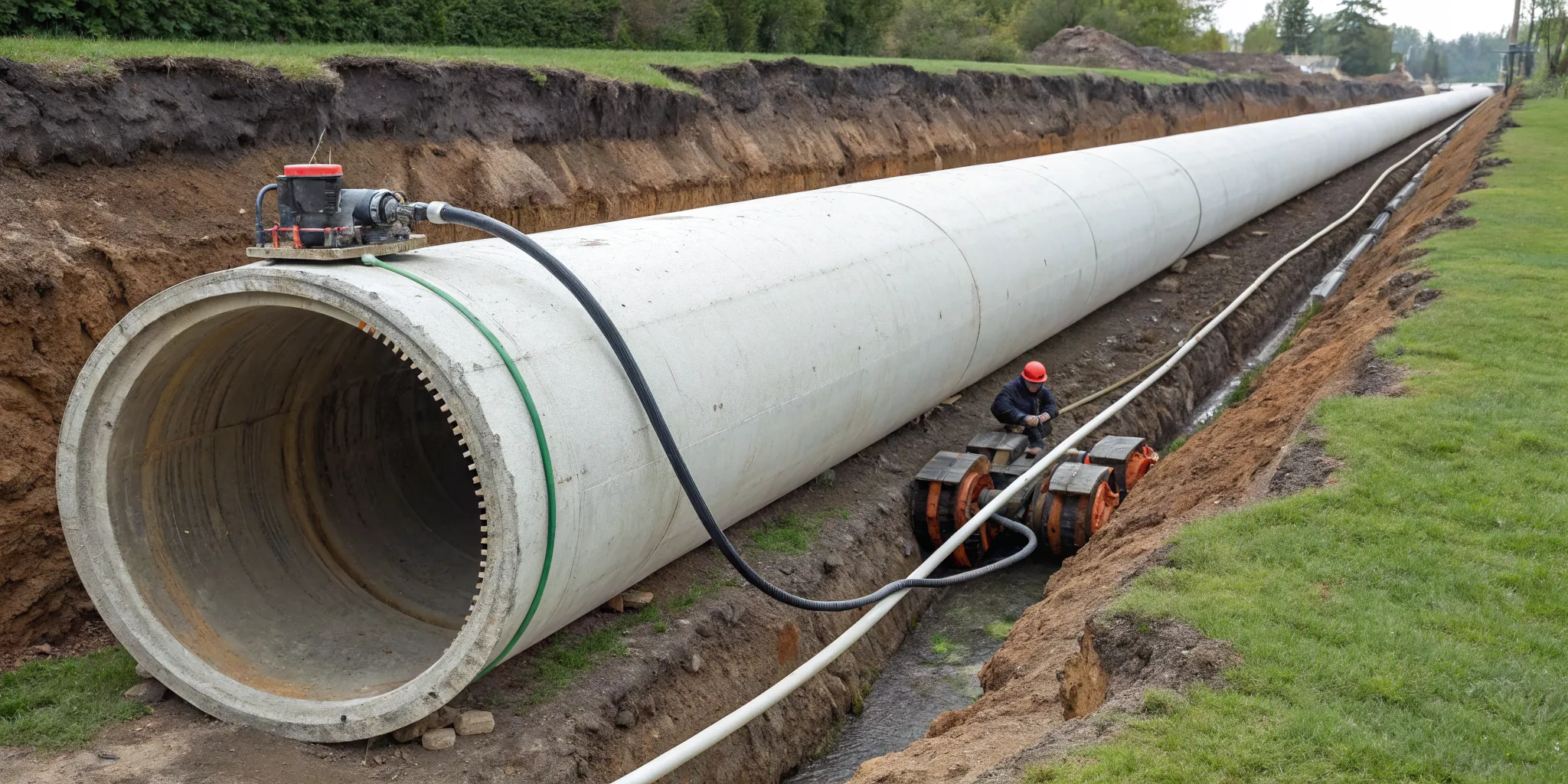
So, what is it? Think of it as creating a brand-new pipe right inside your old one, without the destructive digging. A flexible liner coated with a special epoxy resin is inserted into the damaged pipe. Once it’s in place, we inflate it, and the resin cures, hardening to form a seamless, durable pipe. This trenchless technology is one of the most effective ways to handle pipe problems.
Why should you care? Because it saves you from a massive headache. Instead of a huge excavation project that can take days and leave your yard a mess, pipe lining is a minimally invasive repair. It’s a modern solution to an age-old problem, and it’s one of the many expert plumbing solutions we offer to protect your home and property. It’s a smarter, cleaner, and often faster way to get your plumbing back in working order.
How Pipe Lining Fixes Pipes From the Inside
Pipe lining is more than just a convenient fix; it’s a powerful way to address common issues like cracks, persistent leaks, and root intrusion. The new inner pipe is completely seamless, which eliminates weak points and stops roots from finding their way back in. This method saves you significant time and money compared to traditional pipe replacement. You won’t have to pay for re-sodding your lawn, repaving your driveway, or rebuilding a retaining wall.
The benefits don’t stop there. A relined pipe is incredibly durable and can last for 50 years or more, making it a fantastic long-term investment in your home’s plumbing system. While the cost can range from $80 to $250 per foot, it’s often more affordable than a full replacement once you factor in the restoration costs. When you’re facing a sudden pipe failure, this efficient approach can be a lifesaver, which is why it’s a key part of our emergency plumbing toolkit.
Fixing Cracks, Corrosion, and Misaligned Sections
Over time, sewer pipes can develop a range of issues. Cracks can appear due to shifting soil, corrosion can eat away at cast iron from the inside, and joints can separate, creating misaligned sections that snag waste and cause blockages. Pipe lining offers a comprehensive fix for all these problems at once. The epoxy-saturated liner molds to the existing pipe, sealing every crack and pinhole leak. Because the new inner pipe is completely seamless, it eliminates the weak points at joints where roots often invade. This new surface is also highly resistant to corrosion, effectively stopping any further deterioration and restoring the structural integrity of the line. It’s one of the most effective expert plumbing solutions for giving an old, failing pipe a new life that can last for decades.
Is Pipe Lining Right for Your Home?
While pipe lining is an excellent solution for many situations, it isn’t a magic wand for every plumbing issue. Its success depends on the condition of your existing pipes. If a pipe is completely collapsed or has severe structural damage, there isn’t enough of a “host” pipe for the new liner to bond to. The process works best for pipes with cracks, holes, or root damage that are still mostly intact.
Several factors influence whether pipe lining is the right choice for you, including the pipe’s diameter, its length, and how easy it is for our team to access it. The extent of the damage is the most critical piece of the puzzle. The only way to know for sure is with a professional camera inspection. We can assess the situation and give you a clear, honest recommendation. If you’re dealing with recurring plumbing problems, get in touch with us to see if pipe lining is the right fit for your home.
Applications Beyond Sewer Lines
Pipe lining isn’t just for the main sewer line running under your lawn. This versatile technology is just as effective for the complex network of pipes inside your home. Consider the vertical drain stacks tucked away behind drywall or the smaller pipes running under your home’s foundation. Traditionally, fixing a leak in these spots meant tearing down walls or breaking up concrete floors. Pipe lining allows us to repair these hard-to-reach pipes from the inside, avoiding major demolition and mess. It’s a smart, modern approach that’s part of our commitment to providing expert plumbing solutions that protect your entire home with minimal disruption.
How Much Does Sewer Pipe Lining Cost Per Foot?
When you’re facing a sewer line issue, one of the first questions on your mind is probably, “How much is this going to set me back?” It’s a fair question. You’ll often see sewer pipe lining priced per foot, which seems straightforward enough. But that number can be a bit misleading if you don’t have the full context.
Think of it like this: pricing by the foot gives you a starting point, but it doesn’t account for the unique details of your home’s plumbing system. It’s a useful ballpark figure, but several other factors come into play that determine the final price tag for your project. Let’s look at the average costs and then get into what really shapes your quote.
A Look at Average Pipe Lining Costs
Generally, you can expect sewer pipe lining to cost between $80 and $250 per foot for a residential property. So, for a typical 50-foot repair, you might budget anywhere from $4,000 to $12,500. This range covers the liner material itself and the labor to install it. It’s a wide range because every job is different, from the type of pipe to the severity of the damage. This per-foot estimate is a helpful first step for budgeting, but it’s just one part of the equation when planning for your home’s plumbing solutions.
Commercial vs. Residential Pipe Lining Costs
While the basic idea of pipe lining is the same for a house or a business, the scale of the job is often very different. That’s why you’ll see a higher price tag for commercial properties, usually falling between $100 and $300 per foot. This increase comes down to a few key factors. Commercial pipes are typically much wider, which means they require more liner material and heavier-duty equipment to get the job done. These systems can also be incredibly complex, with numerous connections and access points that demand a more intricate approach. Whether we’re working on a straightforward residential line or a complex commercial network, our focus is always on delivering reliable, long-lasting plumbing solutions that fit the unique needs of the property.
Why “Per Foot” Pricing Doesn’t Tell the Whole Story
The main reason a simple per-foot price isn’t the whole story is because of fixed costs. A significant portion of any pipe lining job involves setup: getting the right equipment and a skilled crew to your home, performing a camera inspection, and preparing the pipe for the liner. These costs are the same whether your repair is 10 feet or 50 feet long. So, a shorter repair might have a higher cost per foot because those initial expenses are spread over a smaller length. Factors like the pipe’s diameter, the extent of the damage, and how easy it is to access the pipe also play a huge role in your final quote.
Understanding Base Fees and Per-Foot Charges
Let’s break down a typical pipe lining quote. It usually has two main parts: a base fee and a per-foot charge. The base fee covers all the essential prep work that happens before a single inch of liner enters your pipe. This includes getting our skilled team and specialized equipment to your home, conducting a thorough camera inspection to map out the problem, and cleaning the existing pipe so the new liner will bond perfectly. These are the non-negotiable first steps for a high-quality, long-lasting repair, representing the job’s fixed costs.
After accounting for the prep work, the per-foot charge comes into play. This part of the cost covers the actual liner material and the epoxy resin used to create the new pipe. The total for this portion depends directly on the length of the damaged section. This is why a quote that only gives a per-foot price can be deceptive—it ignores the significant fixed costs of the initial setup. For a reliable estimate that reflects the true scope of the work, it’s important to get a detailed breakdown. If you’re ready for a clear, comprehensive quote, you can always contact us for an assessment.
What Factors Influence Your Final Pipe Lining Cost?
When you get a quote for sewer pipe lining, the “per foot” price is really just a starting point. Think of it like the base price for a car before you add any features. The final number on your estimate depends on the unique conditions of your home’s plumbing system. A professional plumber doesn’t just guess; they assess several key elements to give you an accurate and fair price for a long-lasting repair.
Understanding these variables helps you see exactly what you’re paying for. It’s not about hidden fees, but about tailoring the solution to your specific problem. From the size of your pipes to the type of damage they have, each factor plays a role in the materials, labor, and time required to get the job done right. Let’s walk through the main factors that will shape your final quote, so you can feel confident in your decision.
How Pipe Diameter and Length Affect Price
It might seem obvious, but the dimensions of your pipes are one of the biggest cost drivers. Wider pipes require more lining material to create a new, seamless interior, which naturally increases the price. A standard three-inch residential pipe will cost less to line than a six-inch commercial one.
Similarly, the total length of the pipe that needs repair is a major factor. A short, 10-foot section with a single crack will be much more affordable than relining a 50-foot stretch running from your house to the street. More length means more materials and more time for the installation crew, both of which are reflected in the final cost.
How Damage and Access Points Impact Your Quote
The condition of your existing pipes is another critical piece of the puzzle. A few hairline cracks or minor root intrusion is a relatively straightforward fix. However, if your pipe has significant breaks, missing sections, or major blockages, the repair process becomes more complex and labor-intensive, which can increase the cost. In some cases, severe damage might even require an emergency plumbing response.
Accessibility also matters. If the access point to your sewer line is easy to get to, the job is simpler. But if it’s located under a deck, a concrete patio, or behind extensive landscaping, your plumbing team will need to spend extra time and effort just to reach the pipe, which will be factored into the overall price.
The Role of Materials and Your Zip Code
The type of pipe you currently have, whether it’s cast iron, clay, or PVC, can influence the specific lining materials and techniques needed for a successful repair. Each material has its own quirks, and an experienced plumber will choose the best approach for a durable, long-lasting bond.
Your location here in Metro Detroit also plays a part. Like any service, local labor rates and the cost of materials can affect the final price. At Mr. Pipey, we focus on providing cost-effective solutions that make sense for our community, ensuring you get top-quality work without breaking the bank. We understand the common plumbing issues in our area and price our services competitively.
The Cost of the Initial Camera Inspection
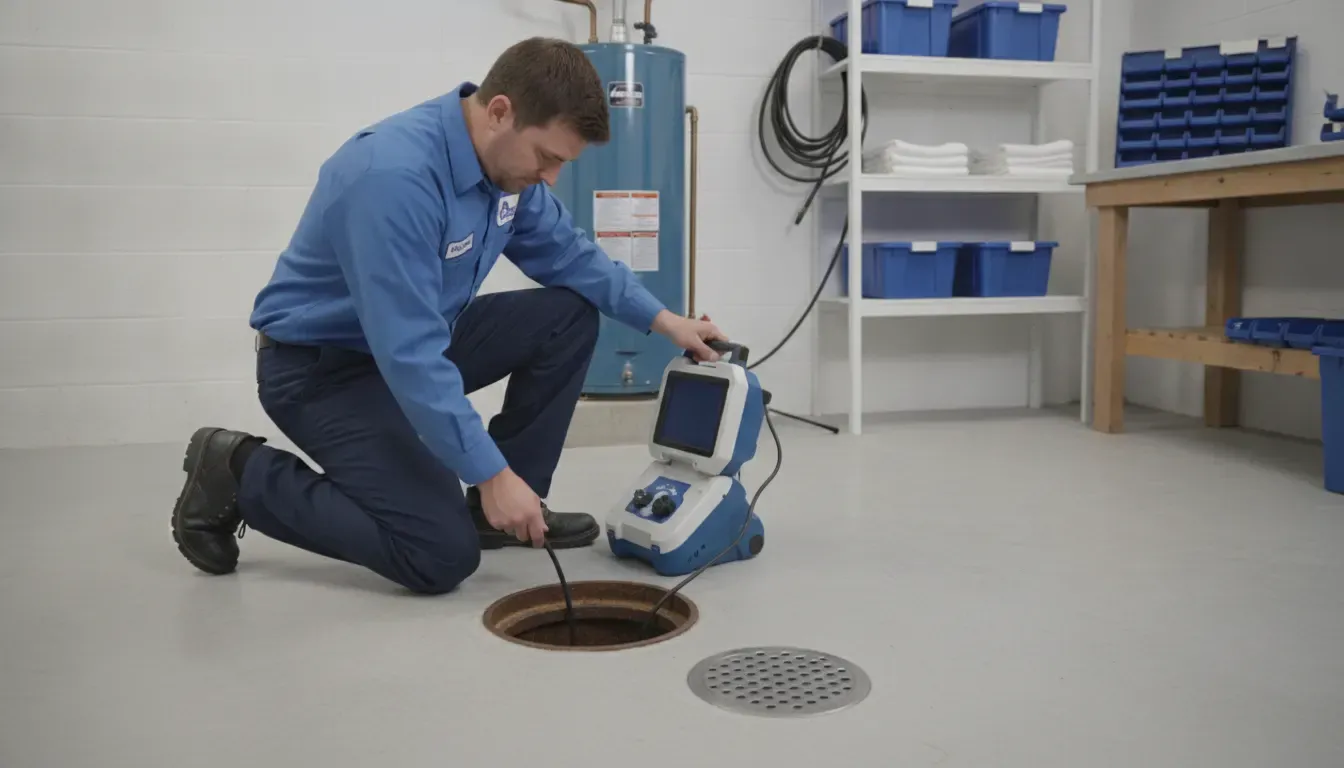
Before any reputable plumber gives you a quote, they should perform a video camera inspection of your sewer line. This isn’t an optional step; it’s essential for an accurate diagnosis. This inspection allows the technician to see the exact location and severity of the damage, identify the pipe material, and check for any underlying issues that could complicate the repair.
Think of it as a diagnostic tool that prevents guesswork. Without it, any quote is just a rough estimate that could lead to surprise costs later. Investing in a proper inspection ensures the proposed solution is the right one for your problem. If you’re ready to see what’s really going on in your pipes, you can contact us to schedule an inspection.
Additional Expenses to Budget For
The main factors like pipe length and condition give you a solid idea of your project’s cost, but a complete budget accounts for a few other potential expenses. These aren’t “hidden fees” but rather variables that can pop up depending on your specific situation and local rules. Thinking about them ahead of time helps you avoid surprises and ensures the entire process goes smoothly, from the initial inspection to the final, finished repair. A trustworthy plumber will always walk you through these possibilities so you have a clear picture of the total investment before any work begins.
Permits and Emergency Service Fees
Depending on where you live in the Metro Detroit area, your sewer line repair may require a permit from your local city or township. This is a standard procedure designed to make sure all plumbing work meets safety and building codes, protecting you as the homeowner. A professional plumbing company will handle the permitting process for you, but the fee itself is typically added to the final invoice. Additionally, if your pipe fails suddenly and you need immediate help outside of regular business hours, you may encounter higher rates associated with emergency plumbing services, which cover the cost of dispatching a technician right away.
Pre-Lining Repairs and Accessibility Costs
The initial camera inspection is crucial because it tells us exactly what we’re dealing with. If the inspection reveals a major blockage from roots or debris, that will need to be cleared out before the liner can be installed. Similarly, if a section of the pipe is partially collapsed, it might need a spot repair first. These pre-lining preparations are separate from the lining itself and will add to the overall cost. Accessibility is another key factor; if your sewer access point is buried under a new deck or custom landscaping, the extra time and labor needed to reach it will be reflected in your quote.
Pipe Lining vs. Digging: Which Costs More?
When you’re facing a major sewer line problem, the two main paths forward are pipe lining and a full replacement. The price is often the first thing people ask about, but the true cost goes beyond the initial quote. It’s about understanding the upfront investment, the potential for hidden expenses, and the long-term health of your home’s plumbing. Let’s break down how these two methods stack up financially so you can make a confident decision for your property.
The Initial Price Tag: Lining vs. Replacement
On paper, pipe lining often presents a more attractive initial cost. For most residential projects, you can expect to pay between $80 and $250 per foot. This trenchless technology allows plumbers to repair your pipes from the inside out, avoiding the massive labor and equipment costs associated with digging up your yard. While it’s still a significant home repair, the price is generally more contained and predictable than a full-scale replacement. You’re paying for the advanced materials and specialized process, not for days of excavation and landscape restoration.
The Hidden Costs of Digging Up Your Yard
Traditional pipe replacement can feel like a financial rabbit hole. The process involves digging a large trench across your property, which is where the costs start to multiply. Once you factor in the excavation, labor, and subsequent restoration of your lawn, garden, driveway, or patio, the total can easily reach $12,000 to $25,000. These aren’t just “hidden” costs; they are guaranteed expenses that come with the territory of digging. With pipe lining, you sidestep these issues entirely, protecting your landscaping and your budget from unexpected restoration bills. It’s one of the many comprehensive plumbing solutions that prioritize efficiency and minimal disruption.
Which Method Saves You More Money Over Time?
A smart repair is one that saves you money over time. Pipe lining does more than just patch a leak; it creates a brand-new, seamless pipe inside the old one. This new lining is incredibly durable, resistant to corrosion, and smooth enough to prevent future clogs and root intrusion. By strengthening your existing pipes, you’re investing in the longevity of your entire plumbing system. This proactive approach helps you avoid the stress and expense of future emergency plumbing calls. Choosing a durable, long-lasting repair means you can rest easy knowing your pipes are secure for decades to come.
How Lining Materials Impact the Price Tag
When you get a quote for pipe lining, a big part of that number comes down to the specific materials used for the job. Think of it like choosing tires for your car; different types offer different performance levels and come with different price tags. The two most common options you’ll encounter are Cured-in-Place Pipe (CIPP) and epoxy coatings. Each has its own set of benefits and cost implications. Understanding the basics of these materials will help you make a more informed decision and know exactly what you’re paying for when you hire a professional for your home’s emergency plumbing needs. Let’s break down what each one involves.
The Price of Cured-in-Place Pipe (CIPP) Lining
Cured-in-Place Pipe, or CIPP, is one of the most popular trenchless repair methods out there. It involves inserting a flexible, resin-saturated liner into your existing pipe. Once it’s in place, it’s inflated and cured (hardened) to form a brand-new, seamless pipe within the old one. Because the liner is flexible before it hardens, it’s fantastic for navigating pipes with bends and curves. For residential projects, you can generally expect CIPP costs to range from $80 to $250 per foot. The final price depends on factors like the total length of the pipe being lined and the condition of the original pipe.
Are Epoxy Coatings a Cost-Effective Option?
Another common method is using an epoxy coating. This process involves spraying the inside of the existing pipe with a durable epoxy resin, which then hardens to seal cracks and prevent leaks. While sometimes seen as a more budget-friendly option, the costs can be quite similar to CIPP, typically falling between $100 and $250 per foot. It’s important to manage expectations here; even a short 10-foot section of pipe can cost several thousand dollars to line with epoxy. The right choice between CIPP and epoxy often depends on the specific type of damage and the condition of your pipes.
Other Lining Materials to Consider
While CIPP and epoxy coatings are the most common materials you’ll hear about for pipe lining, they aren’t the only options available. The field of trenchless technology is always improving, and a professional plumber will have a range of materials to choose from to best suit your home’s specific needs. Think of it like this: you wouldn’t use the same type of paint for your bathroom as you would for your outdoor deck. Similarly, the right lining material depends on factors like the type of pipe, the nature of the damage, and environmental conditions. Knowing about these alternatives helps you have a more informed conversation about finding a truly durable, long-term fix for your plumbing system.
Thermoplastic and Glass-Reinforced Plastic (GRP)
Two of these powerful alternatives are Thermoplastic and Glass-Reinforced Plastic (GRP). Thermoplastic linings are valued for their flexibility and excellent resistance to corrosion, making them a solid choice for certain environments. GRP, on the other hand, combines the strength of glass fibers with the versatility of plastic, creating an incredibly strong liner that can last for over 50 years. Both are installed using the same trenchless methods that keep your lawn intact, and their costs are often in the same ballpark as CIPP, typically ranging from $100 to $250 per foot. These options provide excellent, cost-effective solutions, but the best material always depends on your pipe’s specific condition, which is why a professional camera inspection is the essential first step.
What to Look for in a Warranty
No matter which material you and your plumber decide on, the work should always come with a solid warranty. A warranty is your protection and a sign that the company stands behind its work. Before you agree to any project, ask about the warranty terms. How long does it last? What exactly does it cover? Are there any maintenance steps you need to take to keep it valid? A trustworthy contractor will be transparent about their guarantee because they are confident in the quality of their materials and workmanship. This commitment to customer satisfaction is something we take seriously, and it’s a core part of our company values.
What to Expect on Installation Day
So, you’ve decided pipe lining is the right move. Knowing what to expect on installation day can make the whole process feel much smoother. Trenchless pipe lining is designed to be minimally disruptive, but it’s still a significant home repair. We’ll walk through the typical timeline, how to prepare for potential costs, and why the pricing is structured the way it is. This way, you’ll feel confident and prepared when our team arrives.
How Long Does the Process Take?
One of the biggest perks of pipe lining is the speed. Unlike traditional pipe replacement that can tear up your yard for days, most lining repairs can be completed in just one day. The process is efficient because there’s no major excavation. Our team can usually access the pipes through an existing cleanout, line the damaged section, and have it cured and ready for use by the end of the day. The exact timeline depends on the length of the pipe and its condition, but it’s a remarkably fast solution for such a critical repair.
Are There Any Surprise Costs?
We believe in transparency, so let’s talk about costs that can pop up. While your main quote covers the lining, some additional expenses might be necessary. Be aware of things like initial camera inspection fees, extra work to access hard-to-reach pipes, or minor repairs required before the lining can be installed. A trustworthy plumber will discuss all of this with you upfront and provide an itemized estimate. If you ever have questions about a quote, you should feel comfortable asking for a complete breakdown before work begins. We encourage you to contact us for a clear, no-surprise estimate.
What Are Setup and Minimum Service Fees?
You might notice that the cost for a short section of pipe seems high on a per-foot basis. That’s because a large part of the price comes from the setup, not just the materials. Mobilizing the specialized lining equipment, cameras, and the skilled crew to your home carries a fixed cost. Think of it like a service call fee for highly advanced work. This initial investment is necessary whether we’re lining 10 feet or 50 feet. It ensures we have everything needed to perform the expert plumbing solutions your home deserves, safely and effectively.
Common Myths About Pipe Lining Costs
Pipe lining is a fantastic repair method, but it’s surrounded by a few common misconceptions, especially when it comes to what it can do and what it costs. It’s easy to get the wrong idea from a quick online search. Let’s clear up some of the biggest myths so you can make a confident and informed decision about your home’s plumbing. Knowing the facts helps you understand the true value of this trenchless technology and whether it’s the right fit for your specific situation.
Myth: It’s a “Forever” Fix
While pipe lining is an incredibly durable, long-term solution, it’s not literally a “forever” fix. Think of it like getting a new roof; it’s designed to last for decades, but not indefinitely. High-quality lined pipes can last for 50 years or more, which is an impressive lifespan that often outlasts the home’s remaining plumbing system. This technology provides a robust, seamless pipe within your old one, effectively solving your current problems for the foreseeable future. Our goal at Mr. Pipey is to provide reliable, long-lasting workmanship, and pipe lining is one of the best ways we deliver on that promise.
The Challenge of Aggressive Tree Roots
Tree roots are relentless in their search for water, and your sewer line is an irresistible source. They can work their way into the tiniest cracks or joints, and once inside, they expand, causing blockages, backups, and even breaking the pipe apart. This is where pipe lining truly shines as a long-term solution. Instead of just clearing the roots out for a temporary fix, we create a brand-new, seamless pipe inside the old one. This smooth, joint-free liner seals off every potential entry point, creating a barrier that roots simply can’t get through. It’s a powerful way to stop the cycle of recurring clogs and prevent a messy backup from becoming an emergency plumbing crisis, protecting your pipes for decades to come.
Myth: It Can Fix Any Type of Damage
Pipe lining is versatile, but it does have its limits. A common misunderstanding is that it can repair any and all pipe problems. In reality, the host pipe needs to be stable enough for the liner to bond to it. If a pipe is completely crushed, has collapsed, or has significant gaps, lining might not be an option. The process requires an existing pipe structure to create the new, seamless interior. That’s why a thorough camera inspection is the essential first step. It allows a professional to see exactly what’s going on and determine if your pipes are good candidates for lining or if another plumbing solution is needed.
Why Valves and Fittings Can’t Be Lined
Pipe lining is designed to create a smooth, continuous surface, which is perfect for fixing cracks and leaks in long stretches of pipe. However, this same process makes it unsuitable for the more intricate parts of your plumbing system, like valves, T-junctions, and other fittings. The epoxy resin would flow into these components and harden, essentially gluing them shut and blocking off connections. Imagine a valve designed to control water flow being permanently sealed in one position—it would be completely useless. Because these components can’t be lined, any damaged valves or fittings within the repair area must be replaced. This is an important factor in the overall project cost and scope, and it’s why a professional assessment is so critical. We identify which sections can be lined and which components need replacement to provide comprehensive plumbing solutions that address every weak point in the system.
Myth: It’s Always the Cheaper Option
This one is a bit tricky. While pipe lining is almost always more affordable than traditional excavation and replacement, it may not be the cheapest upfront fix. A quick, temporary patch might cost less initially, but it won’t solve the underlying issue. Pipe lining typically costs between $80 to $250 per foot, which can seem like a significant investment. However, it’s often 50% to 75% cheaper than digging up your yard to replace the entire pipe. You’re paying for advanced materials and a less invasive process that saves you from the hidden costs of landscape repair, driveway replacement, and major disruption. It’s a cost-effective investment in your home’s future.
Myth: Installation is Foolproof
It’s easy to think of pipe lining as a simple, plug-and-play solution, but that couldn’t be further from the truth. This is a highly technical process where the final result depends entirely on the skill of the technicians performing the work. A huge part of any successful lining job is the meticulous setup, which involves bringing specialized equipment and an experienced crew to your home. The precision required to clean the host pipe, saturate the liner correctly, and cure it perfectly in place is what separates a 50-year solution from a costly failure. It’s not a DIY-friendly task; it’s a professional trade that demands expertise.
The Risks of Improper Installation
When installation goes wrong, the consequences are serious. If epoxy lining isn’t done right, you might end up paying for the lining *and then* still have to pay for a full pipe replacement later. This often happens when the initial diagnosis is rushed or skipped altogether. Without a professional camera inspection, there’s no way to know if the pipe is a good candidate. The process works best for pipes that are still mostly intact; if a pipe is completely collapsed, there’s no “host” for the new liner to bond to. Choosing a qualified team that insists on a thorough inspection isn’t just about getting a quote—it’s about ensuring the job can be done right the first time.
How to Compare Your Pipe Lining Quotes
Getting a few different quotes for a big job like sewer pipe lining is always a smart move. But comparing them involves more than just looking at the final number on the page. You’re searching for a partner you can trust to work on one of your home’s most critical systems, and that requires a bit more digging. The goal is to find the best value, which means high-quality work from a reliable team at a fair price. A quote isn’t just a price; it’s a reflection of the company’s professionalism, transparency, and the quality of materials they plan to use for the repair.
When you have several estimates in hand, you can start to see the full picture and make an informed choice. A trustworthy plumber will provide a clear, comprehensive quote that explains exactly what you’re paying for, leaving no room for doubt. This process helps you identify experienced professionals who stand behind their work and steer clear of those who might cut corners to offer a lower price. As a family-owned business, we believe in treating every client with respect, which starts with providing an honest and detailed breakdown of all our plumbing services. Let’s walk through how to evaluate your options so you can make a confident decision for your home.
Verify Their Experience and Credentials
Before you even look at the price, verify that the plumber is qualified for the job. Any professional working on your home’s plumbing should be fully licensed and insured. This protects you from liability if an accident happens on your property. Don’t be shy about asking for proof; a reputable company will have it ready.
Beyond the basics, look for specific experience with trenchless methods like sewer pipe lining. This is a specialized skill, so you want a team that has successfully completed these projects before. Check online reviews and testimonials to see what other customers have said about their experience. A proven track record gives you peace of mind that you’re hiring experts who know exactly what they’re doing. At Mr. Pipey, we’re proud of our team and the reputation we’ve built in the Metro Detroit community.
Ask for a Detailed, Itemized Estimate
A professional quote should be much more than a single number scribbled on a piece of paper. Always ask for a detailed, itemized estimate in writing after the plumber has performed a camera inspection. This document is your best tool for comparing offers fairly because it forces companies to show their work.
Your estimate should clearly break down all the costs, including labor, the type and amount of lining materials, permit fees, and any other charges. It should also outline the scope of the work, the project timeline, and the warranty details. This transparency helps you understand exactly what you’re paying for and prevents surprise fees from appearing on your final bill. If a quote seems vague, ask for clarification. A plumber who is confident in their pricing will be happy to explain every line item.
Spot the Red Flags in a Lowball Offer
An unusually low bid can be tempting, but it’s often a major red flag. If one quote is significantly cheaper than the others, you need to find out why. Some companies cut corners by using subpar materials that won’t last or hiring less experienced technicians. Others might leave out costs that will be added later, like fees for the initial inspection, charges for accessing hard-to-reach pipes, or the cost of repairing your landscape after the work is done.
Be cautious of high-pressure sales tactics. A plumber who pressures you to sign a contract immediately might be trying to prevent you from getting other quotes or looking too closely at the fine print. A quality repair is an investment in your home, and a cheap fix that fails can lead to a much bigger and more expensive plumbing emergency later.
What Homeowners Should Know Before Committing
Committing to a major home repair like sewer pipe lining goes beyond just signing on the dotted line. It’s a significant investment in your property’s health and value. Before you move forward, it’s important to understand a few key details that can protect you, save you money, and ensure you’re making the best possible decision. Knowing your rights as a homeowner, where your responsibility ends and the city’s begins, and how to care for your new pipe lining will empower you throughout the process. Taking a moment to get clear on these points will help you feel confident and secure in your choice, ensuring there are no surprises down the road.
Determining Responsibility: Your Property vs. The City
Before you hire a plumber for a sewer line repair, one of the first things you should do is figure out exactly which part of the pipe is your responsibility. In many areas, including some municipalities in Metro Detroit, the city is responsible for maintaining the sewer line from the main in the street to a specific point on your property, often the cleanout access point in your yard. A problem in that section could be the city’s financial responsibility, not yours. A quick call to your local public works department can clarify the property line rules. This simple step could potentially save you thousands of dollars and is a crucial piece of due diligence before committing to any plumbing services.
Understanding Your Right to Cancel a Contract
Feeling pressured to make a quick decision on a major home repair is a stressful experience. The good news is that you have rights designed to protect you. In many places, consumer protection laws give you a “cooling-off” period, which often allows you three days to cancel a contract for home repairs without penalty. This gives you time to reconsider the offer, get a second opinion, or simply make sure you feel completely comfortable with the company you’ve chosen. A reputable plumber will understand and respect this. At Mr. Pipey, our customer-first approach means we want you to be 100% confident in your decision, never rushed into it.
Protecting Your Investment with Sewer Line Insurance
A sewer line failure is often an unexpected and costly event. One way to prepare for this is by checking your homeowner’s insurance policy. Many standard policies don’t cover sewer line repairs, but you can often add a “service line” endorsement for a small additional cost. Some homeowners have found coverage of up to $10,000 for as little as $70 per year. This can turn a potential financial crisis into a manageable inconvenience. It’s worth a call to your insurance agent to see what options are available. Having this protection in place can provide incredible peace of mind, especially when facing an emergency plumbing situation.
The Importance of Post-Lining Maintenance
While a newly lined pipe is designed to be a durable, low-maintenance solution that can last for 50 years, it’s not something you should completely forget about. To ensure it reaches its maximum lifespan, it’s a good idea to schedule periodic inspections. Lined pipes still need some upkeep, and regular checks can help you catch potential blockages or other issues early before they become serious problems. A quick camera inspection every few years can confirm that everything is flowing smoothly and protect your investment. Think of it as preventative care that ensures your plumbing system remains reliable for decades to come.
When Is Pipe Lining Not the Best Choice?
Pipe lining is an incredible technology that saves homeowners a lot of headaches and money. But it’s not a magic wand for every plumbing problem. As with any major home repair, it’s important to know its limitations. An honest plumber will always walk you through the pros and cons for your specific situation, ensuring you get the right fix, not just the fastest one. Sometimes, the traditional route is the better long-term investment.
Think of it this way: you wouldn’t put a patch on a tire that’s completely shredded. The same logic applies to your pipes. If the underlying structure is too far gone, a liner won’t have the foundation it needs to work effectively. Understanding when pipe lining isn’t the best fit is just as important as knowing when it is. Let’s look at a few scenarios where you might need to consider other options for your home’s plumbing. This will help you have a more informed conversation when you get a professional opinion.
When Your Pipes Have Completely Collapsed
The most significant limitation of pipe lining is that it requires a host pipe to work. The new liner is inserted into the old, damaged pipe and then inflated to create a new, seamless pipe within the old one. If your existing pipe is completely crushed or has caved in on itself, there’s simply no path for the liner to follow. There needs to be enough of the original pipe’s structure intact for the new liner to bond to. In cases of a total collapse, excavation and replacement are usually the only way forward. A collapsed sewer line is a serious issue, so it’s best to call for emergency plumbing services right away.
For Severely Deteriorated Systems
Sometimes, lining a single section of pipe is like putting a new shingle on a 50-year-old roof. It might fix the immediate leak, but the rest of the system could be on the verge of failing. If your home’s plumbing is extremely old and brittle, with widespread corrosion or deterioration, lining one part might just be a temporary solution. Another section could easily fail a year or two down the road. In these situations, a full replacement might be a wiser long-term investment. It gives you complete peace of mind knowing your entire system is new, rather than patching up one problem at a time.
Exploring Other Repair Options
Beyond a full collapse, other types of damage can make pipe lining tricky. For instance, pipes with very sharp bends or certain types of joints can prevent the liner from being installed smoothly. A wrinkled or folded liner won’t cure properly and can create weak spots. Similarly, if a pipe has a severe offset, where two sections have shifted and no longer line up, a liner can’t bridge that gap effectively. A professional camera inspection is the only way to know for sure. A thorough inspection will reveal the exact condition of your pipes and help a professional recommend the best of all available plumbing solutions for your home.
Pipe Bursting as a Trenchless Alternative
So, what happens when a camera inspection reveals your pipe is too collapsed or damaged for a liner? That’s where pipe bursting comes in as another powerful trenchless solution. Instead of lining the old pipe, this method breaks it apart underground while simultaneously pulling a brand-new, seamless pipe into its place. We only need to dig two small access points, which means you still get to avoid the massive trench and landscape destruction of a traditional replacement. It’s the ideal choice for pipes that have lost their structural integrity, and it can even allow for an increase in pipe diameter to improve flow. While the cost can be different from lining, it’s often a more affordable and practical alternative to a full excavation, making it one of the most effective trenchless repair methods available for severe pipe damage.
Is Pipe Lining the Right Investment for You?
When you’re looking at a major plumbing repair, it’s easy to get sticker shock. But it helps to think of sewer pipe lining as a long-term investment in your home’s health, not just a quick fix. While the cost generally falls between $80 and $250 per foot, that number isn’t set in stone. The final price of pipe lining depends on several things, like the length and size of your pipes, the extent of the damage, and how easy it is for a team to access them.
Investing in quality pipe lining can save you a lot of headaches and money down the road. It’s often a more affordable and far less disruptive choice than a full pipe replacement, especially for pipes with moderate damage. This trenchless method means you don’t have to tear up your lawn or driveway. Instead of just patching a problem, you’re essentially creating a new, stronger pipe inside the old one, adding decades to its lifespan.
Many homeowners find that this upfront investment is the key to preventing a much bigger, more expensive plumbing emergency later on. It’s a proactive approach to taking care of your home. While the initial cost might seem like a lot, investing in quality pipe lining now can save you a fortune on future repairs. Ultimately, making an informed choice about your sewer lines is about more than just fixing a leak; it’s about choosing a durable, cost-effective solution that protects your property and gives you lasting peace of mind.
Related Articles
- Trenchless Sewer Line Replacement Cost: A 2026 Guide
- Trenchless Sewer Line Repair: The No-Dig Guide
- Trenchless Pipe Repair: The Ultimate Guide
Frequently Asked Questions
How long does a relined pipe actually last? A properly installed pipe liner is a serious long-term solution. You can expect it to last for 50 years or even longer. Think of it less like a patch and more like creating a brand-new, durable pipe right inside the old one. It’s a solid investment in your home’s plumbing that is designed to solve the problem for decades, not just a few years.
How do I know if my pipes are even a good candidate for lining? The only way to know for sure is with a professional camera inspection. Pipe lining works wonders on pipes with cracks, leaks, or root intrusion, but it can’t fix a pipe that has completely collapsed. The existing pipe needs to be stable enough to act as a host for the new liner. An inspection gives a plumber a clear view of the damage so they can give you an honest recommendation.
Is pipe lining really more affordable than traditional replacement? When you look at the total cost, pipe lining is almost always the more affordable option. While a traditional replacement quote might seem competitive at first, it doesn’t include the thousands of dollars you’ll spend rebuilding your deck, repaving your driveway, or re-sodding your lawn. Pipe lining avoids those destructive restoration costs, making it a much more budget-friendly and predictable repair.
Why is there such a wide price range, from $80 to $250 per foot? The price range reflects how customized each job is. A final quote depends on several unique factors about your home’s plumbing. Things like the pipe’s diameter, the total length needing repair, the severity of the damage, and how difficult it is to access the pipe all play a role in determining the final cost for materials and labor.
What’s the first step if I think I need this service? Your first step is to schedule a professional camera inspection. This is the most important part of the process because it allows a technician to accurately diagnose the problem inside your pipes. From there, they can determine if pipe lining is the right solution for you and provide a clear, detailed quote for the work.