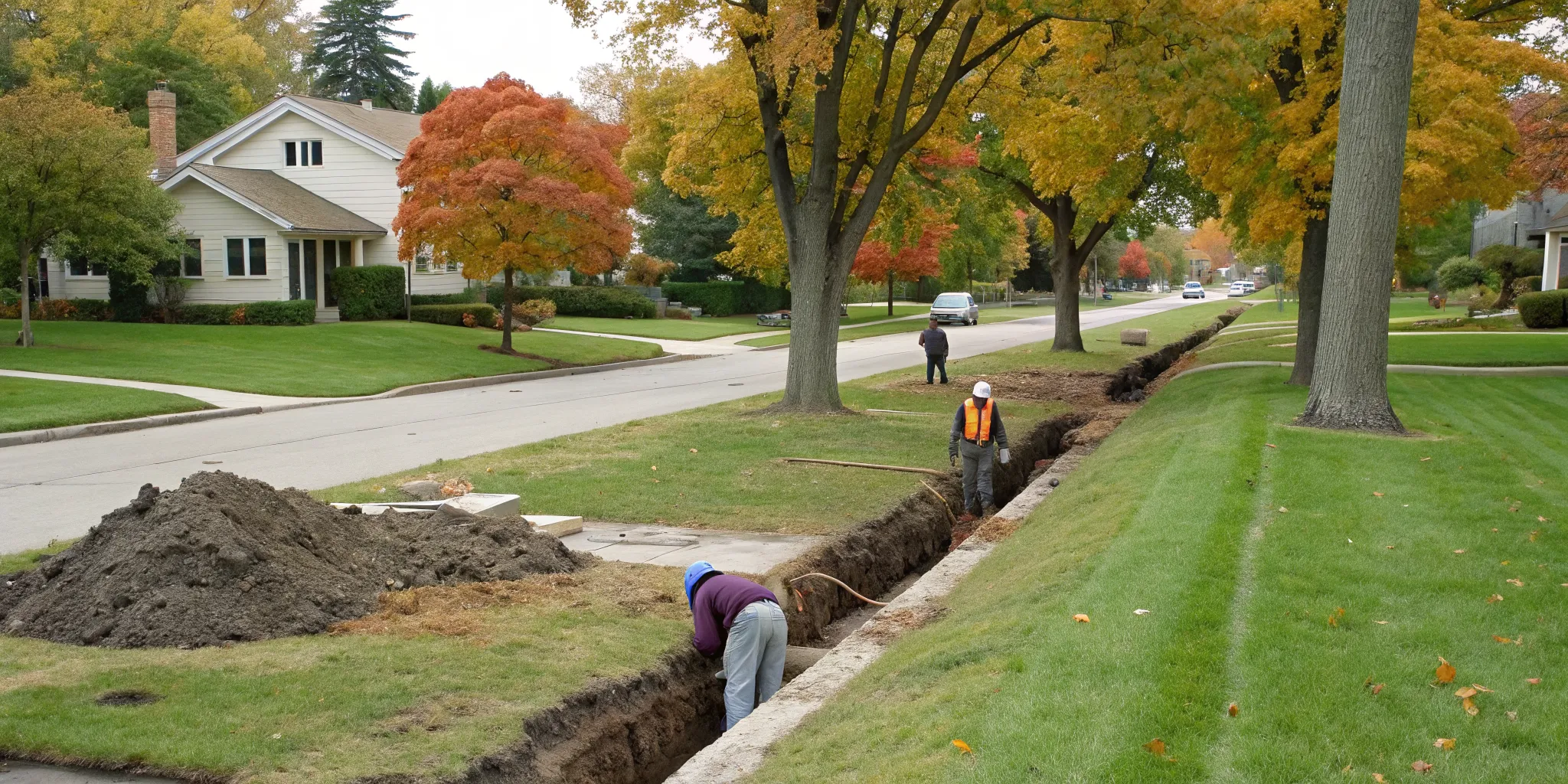


The beautiful, mature trees and the dramatic seasonal shifts are part of what makes living in Madison Heights special. Unfortunately, those same local features can be tough on your home’s sewer lines. The expansive roots from our lovely trees are a leading cause of pipe damage, while the area’s clay-heavy soil and harsh winters put constant stress on underground infrastructure. A plumber who understands these specific, local challenges is your best asset. This guide explains exactly how our environment affects your pipes and what solutions work best for our community. We’ll cover everything you need to know about effective sewer repair in Madison Heights, MI, from diagnosis to long-term prevention.
Key Takeaways
- Prevention Is Your Best Defense: Stay ahead of major issues by addressing slow drains immediately, being careful about what you flush, and planting large trees away from your sewer line. For older homes, a routine camera inspection is a smart investment to catch small problems before they become big emergencies.
- You Have Repair Options: A sewer repair does not have to mean a ruined lawn. Trenchless methods like pipe lining and bursting can fix pipes with minimal digging, while traditional excavation is reserved for severe issues like a total collapse. A professional can determine the right solution for your specific problem.
- A Professional Diagnosis Is Essential: Never guess what is wrong with your sewer line. A reputable company will start with a camera inspection to pinpoint the exact problem and provide a detailed, written estimate, ensuring you get an accurate quote and an effective repair from a licensed and insured local expert.
Why Sewer Lines Fail in Madison Heights
Sewer line problems can feel like they come out of nowhere, but they’re often the result of years of wear and tear combined with local environmental factors. In Madison Heights, we see a few common culprits behind most sewer line failures. Understanding what causes these issues is the first step in preventing a major headache down the road. From the age of your home to the soil beneath your lawn, several factors can put your pipes at risk. Knowing what to look for can help you catch problems early before they turn into a full-blown plumbing emergency. It’s not just about fixing a clog; it’s about protecting your home’s entire plumbing system for the long haul.
Old and Corroded Pipes
Many homes in Madison Heights have a lot of history, and unfortunately, so do their sewer lines. If your home is several decades old, there’s a good chance it has original cast iron pipes. While durable for their time, these pipes have a limited lifespan. Over 50 to 70 years, cast iron begins to corrode from the inside out, weakening the pipe walls. This gradual decay leads to cracks, leaks, and eventually, a total collapse. You might not see the damage until it’s too late, which is why it’s important to be aware of your home’s plumbing infrastructure. If you’re experiencing frequent backups, it could be a sign your old pipes are failing and need one of our expert plumbing solutions.
Invasive Tree Roots
The beautiful, mature trees that line the streets of Madison Heights are one of the area’s best features, but their roots can be a nightmare for your sewer line. Tree roots are naturally drawn to the moisture and nutrients inside your pipes. They can find their way into the smallest crack or a loose joint, and once inside, they expand. This growth acts like a wedge, widening the initial opening and creating significant blockages or even causing the pipe to burst. What starts as a tiny intrusion can quickly become a tangled mess that obstructs flow and puts immense pressure on your sewer system. If you have large trees on your property, it’s a good idea to contact us for a routine inspection to catch root problems early.
Shifting Soil and Michigan’s Weather
Here in Michigan, we’re no strangers to dramatic weather shifts, and that takes a toll on more than just our roads. The ground itself is constantly moving. Our region’s clay-heavy soil expands and contracts with moisture, and the relentless freeze-thaw cycles each winter cause the earth to shift. All this movement puts immense stress on the sewer lines buried underground. This pressure can cause pipes to crack, become misaligned, or develop low spots called “bellies” where waste collects and creates blockages. Protecting your home often starts with understanding how our local climate affects it, from your sewer lines to your indoor plumbing. Taking steps like insulating your pipes is just one way to prepare for Michigan’s weather.
Signs Your Sewer Line Needs Repair
Your home’s plumbing system is great at giving subtle hints before a major disaster strikes. A slow drain here or a funny smell there might seem like minor annoyances, but they can be early warning signs of a serious sewer line problem. Paying attention to these clues can help you catch an issue before it turns into a costly, messy emergency. If you notice any of the following signs, it’s time to call in a professional.
Frequent or Multiple Clogged Drains
A single clogged drain is usually a simple fix, but it’s a different story when multiple drains in your home start backing up at the same time. If your toilet won’t flush properly, your shower is slow to drain, and your kitchen sink is gurgling, the problem likely isn’t with the individual fixtures. This is a classic sign of a blockage in your main sewer line. All the wastewater from your home is trying to exit through one pipe, and when it’s blocked, it has nowhere to go but back up. If you’re constantly fighting with slow drains across your house, it’s a strong indication that you need a professional to check your main line.
Strange Noises and Foul Smells
Your plumbing should operate quietly in the background. If you start hearing gurgling sounds from your toilet or drains, that’s your pipes telling you something is wrong. These noises are often caused by trapped air being forced around a blockage in the sewer line. An even more obvious sign is the unmistakable smell of sewage inside or outside your home. That foul odor is a clear signal that waste is leaking from a cracked or broken pipe. Don’t try to mask the smell; it’s a warning that your sewer system needs immediate attention from a team that handles emergency plumbing.
Soggy Patches or Lush Spots on Your Lawn
Take a look at your yard. Do you see a patch of grass that’s unusually green and healthy compared to the surrounding lawn? As nice as it might look, this can be a red flag for a sewer line leak. Leaking sewage acts as a powerful fertilizer, causing the grass directly above the break to flourish. You might also notice persistent puddles, soggy spots, or even indentations in your yard where the saturated ground has started to sink. Your lawn can offer some of the clearest clues about the health of the pipes running beneath it, so it’s wise to contact us if you spot these changes.
An Unexplained Increase in Pests
A sudden increase in pests like rodents, cockroaches, and sewer flies can be a disturbing sign of a broken sewer line. Cracks and holes in your main pipe create a direct highway for pests to travel from the city sewer into your home’s foundation or yard. While your first thought might be to call an exterminator, the problem will keep coming back until the entry point is sealed. Addressing the breach in your sewer line is the only way to solve the pest problem for good. This is a serious issue that points to a significant plumbing failure and shouldn’t be ignored.
Your Sewer Repair Options in Madison Heights
Facing a sewer line issue can feel overwhelming, but the good news is that modern plumbing offers more solutions than ever before. Depending on the type and extent of the damage, you have several paths to get your system running smoothly again. From minimally invasive techniques that protect your landscaping to traditional methods for more complex problems, a professional can help you find the right fit. Understanding your options is the first step toward making a confident decision for your home.
Spot Repair
Think of a spot repair as a small, precise patch for your sewer line. If a camera inspection reveals that the damage is confined to one specific area, this is often the most straightforward and budget-friendly solution. We can fix that single crack, leak, or break without disturbing the rest of the pipe.
This method is perfect for newer pipes with an isolated problem. However, if you have an older line, a spot repair might just be a temporary fix. Widespread corrosion or brittleness could mean another issue is just around the corner. A thorough inspection is key to determining if a targeted repair will provide a lasting solution or if a more comprehensive approach is needed for your plumbing system.
Trenchless Pipe Lining
If you want to fix your sewer line without turning your yard into a construction zone, trenchless pipe lining is a fantastic option. This innovative method essentially creates a brand-new pipe directly inside your old one. We insert a flexible, resin-coated liner into the damaged pipe and inflate it. The resin then hardens, forming a seamless, durable pipe that seals cracks and stops root intrusion.
The best part? It requires very little digging, preserving your lawn, garden, and driveway. This technique is highly effective for fixing cracks and gaps, and the new lining is incredibly durable, often lasting for 50 years or more. It’s a popular choice for homeowners who want a long-term fix with minimal disruption.
Trenchless Pipe Bursting
When a sewer pipe is too damaged or collapsed for a liner, trenchless pipe bursting comes to the rescue. This powerful technique also avoids major excavation. We pull a new, high-density polyethylene pipe through the old one using a hydraulic machine. As the new pipe is pulled into place, a “bursting head” breaks the old, damaged pipe apart, pushing the fragments into the surrounding soil.
This method effectively replaces your old line with a brand-new, seamless one. Just like pipe lining, it keeps your landscape intact by only requiring small access points at either end of the damaged section. It’s an ideal solution for collapsed lines or pipes that have shifted significantly, and it’s one of the many emergency plumbing solutions we offer.
Traditional Excavation
Sometimes, the old-fashioned way is the best way. Traditional excavation involves digging a trench to fully expose the damaged section of the sewer pipe. This allows us to remove the old pipe entirely and replace it with a new one. While it’s certainly more disruptive to your yard than trenchless methods, it’s often necessary for certain situations.
For example, if the pipe has collapsed completely, has a severe dip or “belly,” or needs to be rerouted, excavation is the only way to ensure the job is done right. This method gives us direct access to solve complex problems and guarantees the new pipe has the correct slope for proper drainage. If this is the right path for you, we’ll work carefully to minimize the impact on your property and restore it once the work is complete.
Should You Choose Trenchless Sewer Repair?
When you find out your sewer line needs repair, one of the first big questions is how it will be fixed. The two main approaches are trenchless and traditional repair. Each has its place, and finding the right choice is a key part of our expert plumbing solutions. The best method depends on your specific situation, your property, and the nature of the pipe damage. Understanding the difference will help you have a more informed conversation with your plumber and make the best decision for your home and budget.
Trenchless vs. Traditional Repair
Trenchless repair sounds futuristic, but it’s a well-established method that saves your lawn and landscaping from being dug up. Instead of a large trench, this technique uses small access points to fix the pipe from the inside. One method, pipe lining, creates a new, durable pipe right inside the old one, sealing cracks and blocking roots. Another, pipe bursting, breaks apart the old, damaged pipe underground while pulling a brand-new one into its place. Both are fantastic for minimizing disruption and are often completed much faster than traditional digs, offering a long-lasting fix without the mess.
When to Stick with Traditional Methods
While trenchless methods are incredibly effective, they can’t solve every problem. Sometimes, the old-school approach is the only way to guarantee a proper fix. If your sewer line has collapsed completely, has a severe dip (a “belly”), or needs to be rerouted, traditional excavation is likely necessary. A collapsed line is a serious issue that often requires emergency plumbing services. This involves digging a trench to physically access and replace the damaged section of pipe. Yes, it’s more disruptive to your yard, but for these major structural issues, it’s the most reliable way to ensure your system has the correct slope and is set up for long-term success.
What Does Sewer Repair Cost in Madison Heights?
Let’s talk about the number one question on every homeowner’s mind when facing a sewer problem: What is this going to cost? The honest answer is, it depends. The final price tag for a sewer repair can vary quite a bit based on the type of damage, the method used for the fix, and the specific conditions of your property. A simple spot repair will cost less than replacing the entire line, and a modern trenchless repair might have a different price structure than a traditional excavation that requires digging up your yard.
The only way to get a firm number is to have a professional diagnose the problem. A camera inspection will show exactly what’s going on inside your pipes, allowing a plumber to recommend the most effective and cost-efficient solution. While online estimates are a good starting point, a personalized quote is essential. At Mr. Pipey, we believe in transparency, which is why we provide clear, upfront estimates after a thorough evaluation. If you’re worried about your sewer line, the first step is to contact us for an expert assessment.
Cost Estimates by Repair Type
To give you a general idea, here are some typical cost ranges for sewer repair in the Madison Heights area. A small, targeted fix, often called a spot repair, for an isolated crack might run between $1,500 and $3,500. For more extensive damage, trenchless methods are a popular choice. Trenchless pipe lining can cost anywhere from $80 to $250 per foot, while pipe bursting is often between $60 and $200 per foot. For an average-sized residential line, this can total between $3,500 and $15,000. Traditional excavation might seem cheaper per foot, but you also have to factor in the extra cost of restoring your lawn, driveway, or patio after the digging is done, which can bring the total to $20,000 or more.
The Price of a Camera Inspection
Before any work begins, a professional plumber should perform a sewer camera inspection. This involves feeding a small, high-resolution camera into your sewer line to get a clear view of the problem. It takes the guesswork out of the diagnosis, pinpointing the exact location of clogs, cracks, tree roots, or collapsed sections. A camera inspection typically costs between $150 and $300. However, many reputable companies, including Mr. Pipey, will often waive this fee if you hire them to complete the repair. Think of it as a smart, small investment to ensure you’re only paying for the work you truly need and avoiding any unnecessary, costly surprises down the road.
Factors That Influence the Final Cost
Beyond the repair method, several local factors can influence your final bill. Many homes in Madison Heights are 50 to 70 years old, which means they often have aging pipes made of cast iron, clay, or Orangeburg. These materials are prone to corrosion, cracking, and collapse over time. The area’s beautiful, mature trees also have extensive root systems that can invade and damage sewer lines. Furthermore, Michigan’s clay soil and harsh freeze-thaw cycles put constant stress on underground pipes, which can complicate the repair process. An experienced local plumber will know how to account for these unique challenges when creating your estimate.
Will Your Homeowner’s Insurance Cover It?
This is a tricky question, and unfortunately, the answer is usually no. Most standard homeowner’s insurance policies do not cover sewer line repairs caused by normal aging, corrosion, or invasive tree roots. Insurance is typically designed to cover “sudden and accidental” events, not gradual wear and tear. However, it’s always worth checking your specific policy. Some homeowners purchase additional endorsements or riders for “service line coverage” or “water backup,” which may offer some financial protection. We always recommend you call your insurance agent to understand your coverage fully, so you know what to expect before work begins. Our team at Mr. Pipey is always happy to provide the detailed documentation you’ll need for any potential claim.
How to Choose the Right Sewer Repair Company
Finding the right team for a sewer repair can feel like a big decision, because it is. The company you choose determines the quality of the repair, the impact on your property, and your peace of mind for years to come. A major plumbing issue is stressful enough, so you want to find a partner you can trust to do the job right without adding more worry. Taking a little time to vet your options will save you from headaches and costly mistakes down the road. When you’re looking for a professional, you’re looking for someone who can handle all kinds of plumbing solutions with expertise and care. A little due diligence ensures your home is in good hands.
Check for Proper Licensing and Insurance
This is the first and most important step. A proper license proves the plumbers have met the state’s requirements for knowledge and training. Insurance is just as critical, as it protects you from any liability if an accident happens on your property during the repair. Don’t be shy about asking for proof. Any reputable company will be happy to provide it. As one local professional puts it, being “trained, licensed, and insured” is a hallmark of a trustworthy business. This isn’t just a formality; it’s your assurance that you’re working with true professionals who stand by their work and protect their clients. It’s a standard that any family-owned business built on trust should meet.
Prioritize Local Experience
Every area has its own unique challenges, and Madison Heights is no exception. From the soil composition to the age of local infrastructure, a company with deep roots in the community will have a better grasp of the problems you might face. They’ll know the common causes of sewer line failure in the area and have proven solutions for them. When a company can say, “We’ve replaced hundreds of sewer lines in Madison Heights,” that speaks volumes. This kind of hands-on, local experience is invaluable. It means they’ve likely seen a problem just like yours before and know exactly how to handle it efficiently, saving you time and money.
Ask for Transparent, Written Estimates
You should never have to guess what a sewer repair will cost. A trustworthy company will be completely transparent about the process, starting with a detailed, written estimate. Some of the best plumbers will even “inspect your line with a camera, show you exactly what’s wrong, and explain your options in plain English.” This approach removes the guesswork and empowers you to make an informed decision. A clear estimate breaks down the costs for labor and materials, so you know exactly what you’re paying for. If a company is hesitant to put everything in writing, consider it a red flag. You can always reach out to a professional for a clear, upfront assessment.
Read Customer Reviews
Past performance is a great indicator of future results. Before you hire anyone, take a few minutes to read what previous customers have to say. Reviews on sites like Google, Yelp, and HomeAdvisor offer a real-world glimpse into a company’s reliability, professionalism, and quality of work. Look for comments that mention honesty and good communication, like one homeowner who said a plumber “was honest and very helpful.” Positive feedback about quick response times and excellent work is another great sign. A company that consistently earns praise for treating its customers well is likely one that values its reputation and is committed to providing outstanding service.
Common Sewer Repair Myths, Debunked
When it comes to your home’s sewer line, a lot of misinformation can cause unnecessary stress and lead to costly mistakes. It’s easy to put off a repair or try a quick fix, but understanding the truth behind common myths can save you a major headache. Let’s clear up a few things so you can make informed decisions for your home. After all, dealing with plumbing problems is stressful enough without having to sort fact from fiction.
As a family-owned company, we believe in treating our clients with honesty and transparency. That’s why we want to debunk some of the most persistent myths about sewer repair. Knowing what’s really going on with your pipes helps you protect your property and your peace of mind. We’re here to provide the straightforward answers you need, so you can feel confident when you call a professional.
Myth: “A Slow Drain Isn’t a Big Deal”
It’s tempting to ignore a sink or shower that takes a little longer than usual to drain. You might think it will clear up on its own, or that it’s just a minor annoyance. The reality is that a slow drain is often your plumbing system’s first warning sign of a bigger problem brewing underground. That slow drain today could easily become a complete, messy backup in a few months. Ignoring it is like ignoring the check engine light in your car; it’s a signal that something is wrong, and waiting will only lead to a more serious and expensive emergency plumbing situation down the road.
Myth: “I Can Fix It Myself”
The DIY spirit is admirable, and for many small home projects, it’s a great way to save money. However, sewer line issues are rarely a simple fix. What seems like a single clogged drain could actually be a symptom of a blockage or break in your main sewer line. Without the right diagnostic tools, you’re just guessing. Using harsh chemical drain cleaners can damage your pipes, and attempting a repair without experience can turn a manageable problem into a catastrophe. Choosing a trustworthy and licensed professional is the best way to ensure the job is done correctly and safely, protecting your home from further damage.
Myth: “Sewer Repair Will Destroy My Lawn”
Many homeowners picture their beautiful yard being torn apart by heavy machinery when they hear the words “sewer repair.” This used to be the case, but modern plumbing technology has come a long way. While traditional excavation is still necessary for some jobs, trenchless methods have changed the game. Techniques like trenchless pipe lining create a new pipe within the old one, causing very little disruption to your lawn, driveway, or garden. These innovative solutions are not only less messy but also create a durable repair that can last for decades. So, you don’t have to choose between a functional sewer line and a pristine landscape.
How to Prevent Sewer Problems
The best sewer repair is the one you never have to schedule. While some issues are unavoidable, especially in homes with older plumbing, a little prevention goes a long way in protecting your property and your wallet. Taking a few proactive steps can help you avoid the stress, mess, and expense of a major sewer line backup. It’s about being a smart homeowner and staying ahead of potential problems before they start. Think of it as simple maintenance that pays off big time. By being mindful of your landscaping and what goes down your drains, you can keep your sewer system flowing smoothly for years to come. Here are a few straightforward habits that can make all the difference.
Plant with Your Pipes in Mind
Your beautiful yard could be hiding a threat to your sewer lines. Tree roots are naturally drawn to the moisture and nutrients inside your pipes, and they can be surprisingly aggressive. Once they find a small crack, they can work their way inside, causing blockages and eventually breaking the pipe. To avoid this, it’s crucial to plant with your pipes in mind. As a rule of thumb, don’t plant trees and large shrubs within 10 feet of your sewer line. If you’re not sure where your line runs, it’s worth finding out before you start a new landscaping project. A professional can help you locate it, ensuring your new garden doesn’t cause a future plumbing headache. This simple step is one of the most effective ways to prevent root intrusion, a leading cause of sewer damage.
Be Mindful of What Goes Down the Drain
It’s easy to treat our drains like a magic disappearing act, but what we send down has a real impact on our plumbing. To keep your sewer lines clear, remember this simple rule: only flush human waste and toilet paper. Even products marketed as “flushable,” like wipes, don’t break down properly and are a primary cause of stubborn clogs. The same care should apply to your kitchen sink. Pouring grease, fats, or oils down the drain is a recipe for disaster. The grease cools and solidifies, creating a sticky trap for other debris that builds up over time. Taking a moment to scrape plates into the trash and dispose of grease properly can save you from needing a major toilet repair or drain cleaning service.
Schedule Routine Inspections
For your plumbing system, an ounce of prevention is truly worth a pound of cure. This is especially true for older homes, which are more susceptible to wear and tear. If your home is over 30 years old, it’s a good idea to get your sewer line inspected every three to five years. During an inspection, a plumber uses a special waterproof camera to get a real-time look inside your pipes. This allows them to spot potential issues like small cracks, early root intrusion, or buildup before they become catastrophic failures. A routine inspection gives you peace of mind and a clear picture of your sewer line’s health, allowing you to address minor issues before they turn into costly emergencies. You can contact us to schedule a camera inspection and get ahead of any potential problems.
Address Slow Drains Immediately
A slow drain might seem like a minor annoyance, but it’s often your plumbing system’s first cry for help. While a single slow drain might just be a local clog (like hair in the shower), you should pay close attention if you notice slow drains throughout your whole house. When your tub, toilet, and sinks all start draining sluggishly at the same time, it’s a strong indicator of a problem in your main sewer line. Don’t wait for the water to stop draining completely. Addressing the issue early can mean the difference between a straightforward cleaning and a full-blown sewage backup. Calling a professional as soon as you notice the signs can help you avoid a messy and expensive emergency plumbing situation.
Get Expert Sewer Repair in Madison Heights
When you’re facing a sewer line issue, it can feel overwhelming. The good news is that if you live in Madison Heights, you have access to expert help to get your home’s plumbing back on track quickly and efficiently. Finding the right professionals means you can be confident the problem will be handled correctly from the start.
The first step any good plumber will take is a thorough diagnosis. Modern plumbing isn’t about guesswork. Using a special waterproof camera, a technician can look directly inside your sewer line to see exactly what’s wrong. This technology pinpoints the precise location and cause of the problem, whether it’s a blockage from invasive tree roots, a crack in an old pipe, or a collapse from shifting soil. Homes in our area often deal with specific challenges, and understanding the impact of Michigan’s weather on aging pipes is key to a lasting repair.
Some problems simply can’t wait. A sewage backup, for instance, is more than an inconvenience; it’s a serious health hazard that requires immediate action. That’s why having access to 24/7 emergency plumbing is so important for your family’s safety and your peace of mind. While the city’s Water & Sewer Division manages the main public lines, the sewer line running through your property is your responsibility. When you need a repair, it’s crucial to choose a professional team that is licensed, insured, and dedicated to quality work. As a family-owned company, we believe in treating your home like our own and ensuring the job is done right the first time.
Related Articles
- Sewer Line Repair & Replacement Services in Bloomfield Hills| Mr. Pipey®
- Trenchless Sewer Line Repair in Ann Arbor | Mr. Pipey® Plumbing
- Sewer Line Repair 101: A Homeowner’s Guide
- Trenchless Sewer Line Replacement Cost: A 2026 Guide
- Trenchless Sewer Line Repair: The No-Dig Guide
Frequently Asked Questions
How do I know if the sewer line problem is my responsibility or the city’s? That’s a great question, and a very common one. Generally, you are responsible for the sewer line that runs from your house to the city’s main sewer line. This connection point is often located at the curb or your property line. If the blockage or break is on your side of that connection, the repair is your responsibility. A professional plumber can perform a camera inspection to pinpoint the exact location of the issue, which takes all the guesswork out of determining who needs to handle the fix.
How long does a typical sewer repair take? The timeline really depends on the repair method we use. One of the biggest benefits of trenchless methods, like pipe lining or bursting, is that they are often completed in just one day. Since there’s very little digging, the process is much faster. A traditional excavation will take longer, sometimes several days, because it involves digging the trench, replacing the pipe, and then restoring your yard. After we diagnose the problem, we will give you a clear estimate that includes a projected timeline for the work.
Is a trenchless repair as durable as a traditional replacement? Yes, absolutely. Modern trenchless repairs are designed to be a long-term solution. The epoxy resin liner used in pipe lining, for example, hardens to create a seamless and incredibly strong new pipe inside the old one. This new pipe is resistant to corrosion and root intrusion, and it can last for 50 years or more. Similarly, the new pipe installed during a pipe bursting procedure is made of a highly durable material. You can feel confident that a trenchless repair is just as reliable as a full replacement.
My house is old. Does that automatically mean my sewer line needs to be replaced? Not necessarily. While it’s true that older homes in Madison Heights are more likely to have aging cast iron or clay pipes, age alone doesn’t guarantee a problem. Many old pipes are still in decent shape. The best way to know for sure is to schedule a camera inspection. This allows us to see the pipe’s actual condition from the inside and check for cracks, corrosion, or root intrusion. It’s a proactive step that gives you a clear picture and helps you avoid replacing a line that might just need a small repair or has years of life left.
What is the very first thing I should do if I suspect a sewer line problem? If you notice signs like multiple slow drains, gurgling toilets, or sewage smells, the first thing you should do is stop using your water to prevent a potential backup from getting worse. This means no flushing toilets, running showers, or using the dishwasher. The next immediate step is to call a licensed and insured plumber. Trying to diagnose it yourself or using harsh chemical drain cleaners can often cause more harm than good. A professional can safely assess the situation and prevent a minor issue from becoming a major emergency.