

Owning a home in Metro Detroit comes with its own unique set of challenges, especially when it comes to our plumbing. Our region’s older infrastructure, heavy clay soil, and harsh freeze-thaw cycles all play a significant role in the health of your sewer lines. These local factors also directly impact the final sewer repair cost when something goes wrong. This guide is written specifically for you, our neighbors. We’ll explore how our local conditions affect your pipes and your wallet, breaking down the costs so you can make the best decision for your home and budget, with no surprises along the way.
Key Takeaways
- Understand What Shapes Your Quote: Sewer repair isn’t a one-price-fits-all service. Your final cost is determined by the specific damage, the depth and location of your pipes, and the repair method required—from a simple spot fix to a full trenchless replacement.
- Look Beyond the Initial Estimate: A complete project budget includes more than just the repair itself. Be sure to account for potential extra costs like city permits, inspection fees, and the significant expense of restoring your lawn, driveway, or patio after the work is done.
- Prevention is the Most Effective Way to Save: The cheapest repair is the one you never have to make. Investing in routine maintenance and addressing minor issues early can prevent catastrophic failures, while choosing a qualified pro with a solid warranty protects your investment for the long term.
What Really Goes Into Sewer Repair Costs?
Let’s be honest: hearing you might need a sewer repair is stressful, and the first question on your mind is probably, “How much is this going to cost?” The truth is, there’s no single price tag. While some sources suggest an average cost of about $4,000, the final bill depends entirely on your specific situation. Several key things affect the total cost, from the initial inspection to the final cleanup.
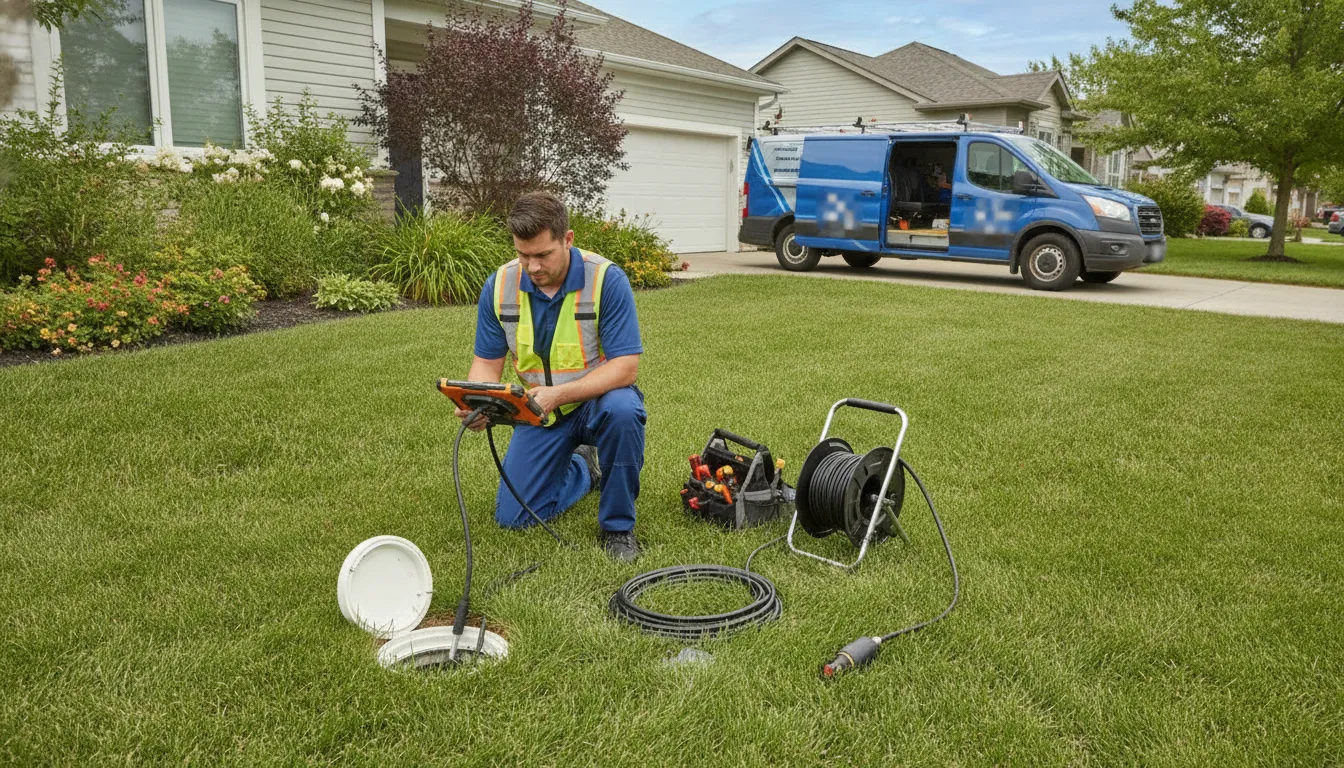
First, a plumber needs to see exactly what’s going on inside your pipes. A professional camera inspection is the only way to accurately diagnose the problem, and this service will be part of your initial cost. From there, the depth and accessibility of the damaged pipe play a huge role. A line buried deep under a concrete driveway will naturally be more labor-intensive to reach than one in an open, grassy part of your yard.
The type of pipe you have and the extent of the damage also heavily influence the price. For instance, replacing old cast iron sewer pipes is often a more involved and costly project than repairing a modern PVC line. The repair method itself is another major factor. A small spot repair will cost significantly less than a full-line replacement that requires extensive excavation. At Mr. Pipey, we provide a full range of expert plumbing solutions and always explain every factor contributing to your estimate, so you can feel confident in your decision.
Key Factors That Influence Your Final Bill
When you get a quote for sewer repair, it can feel like the number comes out of thin air. But every estimate is a careful calculation based on the unique details of your home and the problem at hand. Understanding what goes into that final price helps you see exactly where your money is going and why one repair might cost more than another. Think of it as a roadmap to your final bill—once you know the key landmarks, the journey makes a lot more sense. From the severity of the clog to the type of soil in your yard, several key elements come together to determine the bottom line.
The Scope of the Damage
The single biggest factor influencing your bill is the extent of the problem. A simple clog or a small crack in an otherwise healthy pipe is a relatively straightforward fix. However, if you’re dealing with extensive tree root intrusion, a collapsed line, or a severe belly in the pipe, the job becomes much more complex. A full sewer line replacement can cost anywhere from $1,000 to $20,000, with the average landing around $3,500. That’s why a professional camera inspection is so important—it allows a plumber to see the exact nature of the damage and provide an accurate quote for the necessary emergency plumbing services.
How Deep and Accessible Your Pipes Are
Where your pipes are located matters—a lot. The depth and accessibility of the damaged section play a huge role in the final cost. A shallow pipe located under an open patch of grass is the easiest and least expensive scenario. If the pipe is buried deep underground or, worse, sits beneath a concrete driveway, a custom patio, or the roots of a beloved old tree, the cost will go up. Reaching these difficult spots requires more labor, specialized equipment, and more time, all of which are factored into your quote.
Your Property’s Location and Soil Type
Even your address can affect the price. In Metro Detroit, factors like the length of your pipe and local soil conditions directly impact the cost of a sewer line replacement. Our region is known for having heavy, clay-based soil, which is much more difficult and time-consuming to excavate than looser, sandy soil. This can increase labor costs. Additionally, each city and township has its own permit requirements and inspection fees, which your plumbing contractor will handle and include in the overall project cost.
The Kind of Pipes You Have
The material your sewer pipes are made of has a major effect on both the cost and the durability of the repair. Many older homes in the Detroit area still have original clay or cast iron pipes, which are susceptible to cracks and root intrusion. Newer homes typically have PVC pipes, which are more resilient and generally less expensive to work with. When you get a quote, it will account for the material being repaired or replaced. Often, it’s a smart long-term investment to replace outdated pipes with modern materials that will last for decades.
Special Considerations for Metro Detroit Homes
Living in Metro Detroit comes with its own unique plumbing challenges, especially in established neighborhoods. Research shows that homeowners in areas like Royal Oak, Sterling Heights, Warren, and Troy who postpone plumbing repairs can end up with damage that costs three to five times more to fix down the line. Our aging infrastructure and seasonal freeze-thaw cycles put extra stress on sewer lines. Being proactive and addressing small issues before they become catastrophic failures is the best way to protect your property and your wallet. If you suspect a problem, it’s always better to get it checked out sooner rather than later.
Breaking Down Costs by Repair Method
Once a plumber has diagnosed your sewer line issue, the next step is figuring out the best way to fix it. The repair method is one of the biggest factors that will shape your final bill, and the difference between options can be thousands of dollars. A simple patch job on an easily accessible pipe will cost far less than a full replacement that requires digging up your entire front yard. Understanding the different approaches can help you have a more informed conversation with your plumbing professional and know what to expect from their estimate. Think of it like car repair—sometimes you just need to replace a single part, but other times, the whole engine needs an overhaul. The same principle applies to your home’s plumbing. The main repair options fall into a few categories: small-scale spot repairs, traditional excavation, modern trenchless methods, and full-line replacements. Each has its own process, price point, and ideal scenario depending on the type and extent of the damage. On top of the repair itself, you’ll also want to account for diagnostic fees and any extra charges for emergency work. Let’s look at what each of these involves and the typical costs associated with them so you can feel prepared for what’s ahead.
Spot Repairs and Partial Replacements
If you’re lucky, the damage to your sewer line is isolated to one small section. In this case, a spot repair might be all you need. This involves fixing just the cracked or broken area instead of replacing the entire pipe. It’s the least invasive and most affordable option, but it only works if the rest of your sewer line is in good shape. The cost for a spot repair can vary widely, typically ranging from $1,000 to $20,000, with an average around $3,500. The final price depends on how deep the pipe is and how difficult it is to access the damaged section.
Traditional Dig-and-Replace Excavation
This is the method most people picture when they think of sewer repair. It involves bringing in heavy equipment to dig a large trench across your property to expose the damaged pipe. Once the pipe is accessible, the plumber can repair or replace it. The cost for this method usually falls between $50 and $125 per foot. While the per-foot cost might seem lower than other methods, you also have to factor in the significant expense of restoring your yard, driveway, or patio afterward. This post-repair landscaping and cleanup can easily add hundreds or even thousands of dollars to your total bill.
Modern Trenchless Pipe Lining and Bursting
Want to fix your sewer line without destroying your lawn? Trenchless repair methods are the answer. Techniques like pipe lining (creating a new pipe inside the old one) or pipe bursting (pulling a new pipe through the old one while breaking it apart) require very little digging. These methods typically cost between $60 and $250 per foot. While the upfront cost per foot is higher than traditional excavation, you often save a significant amount of money by avoiding the need for extensive landscape restoration. It’s a less disruptive and often faster solution for many homeowners.
Full Sewer Line Replacement
Sometimes, a simple repair isn’t enough. If your sewer line is old, made of materials like cast iron that are prone to decay, or has collapsed, a full replacement is often the only long-term solution. This is the most extensive and expensive type of sewer repair, but it ensures your system is sound for decades to come. A full replacement can cost anywhere from $10,000 to $30,000 or more, with pipe replacement costs running from $100 to $300 per linear foot. It’s a major investment in your home’s infrastructure, and it’s one of the comprehensive plumbing solutions we handle for Metro Detroit residents.
Extra Fees for Emergency Service and Diagnostics
Before any repair can begin, your plumber needs to know exactly what they’re dealing with. A sewer camera inspection is the best way to do this, and it typically adds $150 to $500 to your bill. This step is non-negotiable, as it allows the team to pinpoint the problem and recommend the right fix. Additionally, if your sewer backs up on a weekend or in the middle of the night, you’ll likely face extra fees for emergency plumbing services. While nobody wants to pay more, getting immediate help can prevent costly water damage and protect your home.
Don’t Get Blindsided: Hidden Costs to Watch For
The initial quote for a sewer repair is a great starting point, but it often doesn’t tell the whole story. Several factors can pop up during the project that add to your final bill. Knowing what these potential costs are ahead of time helps you create a realistic budget and avoid sticker shock. A transparent plumber will always discuss these possibilities with you, but it’s smart to be prepared. Let’s walk through the most common hidden costs so you can ask the right questions from the get-go.
City Permits and Inspection Fees
Before any major digging starts, your plumber will likely need to pull a permit from your local municipality, whether you’re in Detroit, Warren, or another Metro Detroit community. This isn’t just red tape; it’s a crucial step to ensure the work meets local safety and plumbing codes, protecting both your property and the public sewer system. The cost of these permits and the required inspections can vary quite a bit between cities. While your plumbing contractor handles the paperwork, the fee is typically passed on to you as part of the total project cost. Be sure to ask if permit fees are included in your initial estimate.
Restoring Your Yard and Landscaping
If your sewer repair requires traditional excavation, one of the biggest hidden costs is putting your yard back together. The estimate for digging up and replacing the pipe rarely includes the price of reseeding your lawn, replanting your garden, or repairing a damaged driveway or patio. Industry reports show that restoring your landscaping can cost thousands of dollars. This is why it’s so important to clarify what’s covered. Ask your plumber if their cleanup includes basic backfilling or if you’ll need to hire a separate landscaper for the finishing touches. Understanding all the plumbing services included is key to avoiding surprises.
Uncovering Additional Pipe Problems
Sometimes, what appears to be a simple fix reveals a much bigger issue once the work begins. A plumber might open up a wall or dig down to a pipe and discover that the problem is more extensive than a camera inspection could show. For example, a single crack might be a symptom of a deteriorating, collapsed, or root-infested pipe that needs a full replacement to prevent future headaches. A trustworthy professional will stop, show you the new findings, and explain your options. While this can be frustrating, addressing the root cause now is almost always more cost-effective than paying for another emergency plumbing call later.
How Seasonal Weather Can Affect the Price
Here in Metro Detroit, the weather plays a big role in outdoor work. Trying to excavate frozen ground in the middle of winter is significantly more difficult and labor-intensive, which drives up the cost. Heavy spring rains can also create muddy, unstable conditions that complicate the repair process. Postponing a known issue can be a costly mistake; a small problem can quickly worsen during a freeze-thaw cycle, leading to more extensive damage. If possible, scheduling major sewer work during milder, drier months can help you avoid these weather-related surcharges and prevent small issues from becoming major frozen pipe disasters.
Is Trenchless Repair Worth the Investment?
When you hear that trenchless sewer repair often comes with a higher initial price tag, it’s natural to pause and ask if it’s really the right move. The short answer is: it depends, but often, yes. Deciding between trenchless and traditional methods isn’t just about the number on the initial quote. It’s about looking at the total cost—including time, property damage, and long-term reliability. To figure out if it’s a smart investment for your home, you need to weigh the upfront expense against the significant value it provides over time. Let’s break down what you’re really paying for.
The Long-Term Value and Durability
One of the biggest advantages of trenchless repair is its staying power. The materials used, like epoxy resin liners, create a seamless, joint-free pipe within your old one. This new pipe is incredibly durable, resisting corrosion, root intrusion, and cracks far better than many older pipe materials. In fact,
Comparing Property Disruption: Lawn vs. No-Dig
This is where trenchless methods truly shine. Traditional sewer repair involves digging a long, deep trench across your yard, which means destroying your lawn, flowerbeds, and potentially your driveway or patio. Trenchless repair, on the other hand, requires only one or two small access points. This no-dig approach means your beautiful landscaping stays intact. You won’t have to spend weeks looking at a muddy pit or spend thousands of dollars on sod, concrete work, and replanting your garden after the plumbers leave. The convenience and minimal disruption to your property and daily life are huge benefits that often outweigh the higher initial cost.
When Traditional Methods Are the Better Choice
Trenchless repair is an amazing technology, but it’s not a silver bullet for every sewer problem. Sometimes, the old-school dig-and-replace method is the more practical or even necessary option. For instance, if the damaged pipe is very shallow, traditional repair might be cheaper and just as effective. If a pipe has completely collapsed or has severe “bellies” (dips where waste collects), excavation may be the only way to properly regrade and fix the line. An honest plumber will assess your specific situation and recommend the best solution, not just the most advanced one. Our team at Mr. Pipey can help you understand all your plumbing service options.
Calculating the Cost-Effectiveness Over Time
To see the true value of trenchless repair, you have to look beyond the initial quote. While trenchless methods can be more expensive upfront, they often save you money when you factor in the “hidden” costs of traditional repair. Think about what it would cost to re-sod your lawn, repair a concrete patio, or rebuild a retaining wall that had to be torn down. These restoration expenses can add thousands to your final bill. Because trenchless repair leaves your property virtually untouched, you avoid those extra costs entirely. When you add up the savings on landscaping and the long-term durability of the repair, trenchless often proves to be the more cost-effective choice.
Common Myths About Sewer Repair Costs, Busted
The thought of sewer repair can bring a lot of worries, especially about the cost. There’s a lot of misinformation out there that can make a stressful situation feel even worse. Let’s clear the air and tackle some of the most common myths head-on. Understanding the reality of
Myth #1: Every sewer repair is outrageously expensive.
This is probably the biggest fear for any homeowner facing a sewer issue. While a full sewer line replacement is a significant investment, not every repair comes with a shocking price tag. The truth is, costs vary widely depending on the problem. A simple clog removal or a spot repair on a small section of pipe is far more affordable than a complete overhaul. The final bill depends on the specific issue, the repair method used, and the extent of the damage. The key is to get a professional diagnosis first. A proper camera inspection can pinpoint the exact problem, ensuring you only pay for the plumbing services you actually need.
Myth #2: Trenchless methods always cost more.
It’s easy to assume that modern, no-dig technology comes with a higher price, but that’s not always the case. While the upfront cost for trenchless repair can sometimes be more than traditional excavation, it often proves more cost-effective when you look at the total expense. Traditional dig-and-replace methods require tearing up your yard, driveway, or patio, leaving you with a hefty bill for restoration. Trenchless repairs avoid that destruction, saving you thousands in landscaping costs. For deeper or longer pipes, trenchless methods are frequently the more economical and durable choice in the long run.
Myth #3: The initial quote includes everything.
An initial estimate can be misleading if it isn’t detailed. A lowball quote might not account for essential parts of the job, leaving you with surprise costs later. The final cost of a sewer repair is influenced by several factors, including city permits, inspection fees, the type of pipe used, and the extent of cleanup required. A trustworthy plumber will provide a transparent, itemized quote that breaks down all potential expenses. Before you agree to any work, make sure you understand exactly what’s included. Don’t hesitate to ask questions and get clarity on every line item.
Myth #4: Any plumber is equipped for sewer work.
Sewer repair is a specialized field that requires more than a standard plumbing license. It demands specific expertise and advanced diagnostic equipment, like sewer cameras, to accurately identify the problem. Hiring a general plumber who lacks experience with sewer systems can lead to a misdiagnosis, incomplete repairs, or even more damage. It’s crucial to choose a company with a proven track record in sewer line services. When you work with an experienced team, you can be confident they have the training and tools to do the job right the first time, protecting your home and your investment.
How to Choose the Right Sewer Repair Pro in Metro Detroit
Finding the right professional for a major job like sewer repair can feel overwhelming, but it’s the single most important step you can take. The right plumber not only fixes the immediate problem but also saves you from future headaches and unexpected costs. It’s about finding a partner you can trust to work on one of your home’s most critical systems. To make sure you’re hiring a true expert, focus on a few key areas: their pricing, their experience, their reputation, and how they handle the estimate process. Let’s walk through what to look for.
Look for Clear, Transparent Pricing
A trustworthy plumber will be upfront about their prices. When you get a quote, it shouldn’t be just a single number scribbled on a piece of paper. Look for a detailed breakdown of all the costs involved, from labor and materials to permits and equipment fees. This transparency shows that the company is confident in its pricing and has nothing to hide. Be cautious of quotes that are significantly lower than others—it could be a sign of cut corners or hidden fees that will show up later. A reputable business will always be happy to walk you through their estimate and explain every line item so you feel completely comfortable before any work begins.
Verify Their Qualifications and Experience
Sewer repair isn’t a job for a general handyman; it’s a highly specialized field that requires specific tools and expertise. Before hiring anyone, ask about their experience with sewer-related services like pipe repairs and full line replacements. A great question to ask is, “How long have you been handling projects like mine?” You want a team that has seen it all. Also, always confirm that they are licensed and insured. This protects you and your property in case anything goes wrong. A professional company will have no problem providing you with proof of their credentials, which is a key part of the trust we build with every client.
Watch Out for These Common Red Flags
Your gut feeling is often right, so pay attention to any red flags during the hiring process. High-pressure sales tactics are a major one—you should never feel rushed into making a decision. Another warning sign is vague answers to your questions. If a contractor can’t clearly explain their plan or their pricing, it’s best to walk away. Customer reviews are also your best friend here. Look for consistent themes in online feedback. A few negative reviews are normal, but a pattern of poor communication, missed appointments, or surprise charges is a clear signal to look elsewhere. A professional plumber will offer a wide range of expert plumbing solutions and have the positive reviews to back them up.
Tips for Getting an Accurate Estimate
To get the most accurate estimate, it helps to do a little prep work. First, get at least two to three quotes from different companies to compare. When the plumber arrives, walk them through the problem and show them exactly where you’ve noticed issues. Don’t be afraid to ask questions. Inquire about their warranty, the project timeline, and whether the estimate includes things like cleanup and landscaping restoration. A clear, detailed estimate is the foundation of a good working relationship. It ensures everyone is on the same page and helps you avoid any surprises on the final bill. This clarity is especially important when you need emergency plumbing and have to make decisions quickly.
Why a Good Warranty Matters
Sewer repair is a major home improvement project, and you want assurance that the job is done right. A warranty is more than just a piece of paper; it’s a plumbing company’s promise to stand behind their work. When a contractor offers a strong warranty, it shows they are confident in their skills and the quality of their materials. This isn’t just about fixing a problem for today—it’s about providing a reliable, long-term solution that protects your home and your wallet. Think of it as your safety net, ensuring you won’t have to pay for the same repair twice.
What a Standard Warranty Should Cover
A solid warranty should always cover two key things: workmanship and materials. “Workmanship” refers to the quality of the installation and repair work itself. It’s the guarantee that the technicians did their job correctly. “Materials” covers the physical pipes, fittings, and other products used in the repair, ensuring they are free from defects. Before you agree to any work, ask for the warranty details in writing. How long does it last? What specific situations are covered? A trustworthy plumber will be happy to explain their terms clearly, so you know exactly what to expect.
The Peace of Mind of a Satisfaction Guarantee
Beyond a standard warranty, some companies offer a satisfaction guarantee. This is a pledge that they will continue working on the issue until you are completely satisfied with the outcome, often at no additional cost. This kind of promise speaks volumes about a company’s dedication to its customers. It shows they prioritize your peace of mind over simply finishing a job. As a family-owned business, we believe this commitment is essential. It’s how we build trust and treat every client like a part of our family.
How a Warranty Protects Your Investment
Let’s be honest: sewer line repair is a significant investment in your property. A comprehensive warranty protects that investment. If an issue related to the original repair pops up down the road, the warranty ensures you won’t be hit with another massive bill. It acts as a utility line protection plan for the work that was done, saving you from the stress and expense of unexpected follow-up repairs. A solid warranty ensures a faulty repair doesn’t turn into another late-night call for emergency plumbing services, giving you confidence in the solution.
How to Save Money on Your Sewer Repair
Facing a sewer repair bill can feel overwhelming, but you have more control over the final cost than you might think. While some factors, like the location of your pipes, are out of your hands, several smart strategies can help you manage the expense and avoid unnecessary costs. It’s all about being proactive, planning ahead, and knowing what questions to ask.
From scheduling regular check-ups to understanding your insurance policy, a little bit of preparation goes a long way. Think of it like maintaining your car—you wouldn’t wait for the engine to fail before getting an oil change. Your home’s plumbing deserves the same attention. By taking a few key steps, you can protect your property and your wallet from the stress of a sudden, high-cost emergency. Here are four practical ways to save money on your next sewer repair.
Invest in Preventive Maintenance
The old saying, “an ounce of prevention is worth a pound of cure,” is especially true for your sewer lines. The single best way to save money on repairs is to avoid major problems in the first place. Postponing small fixes or routine maintenance can lead to catastrophic failures that cost three to five times more to fix. A proactive approach with regular inspections can catch minor issues like small cracks, root intrusion, or blockages before they turn into a full-blown sewer line collapse. Scheduling routine drain cleaning and being mindful of what you flush can also extend the life of your pipes significantly. Investing a small amount in preventive services now can save you thousands in emergency repairs down the road.
Time Your Repairs Strategically
While you can’t always predict a plumbing disaster, timing plays a big role in your final bill. An after-hours or holiday call will almost always come with higher labor costs. If you notice early warning signs—like slow drains, gurgling noises, or foul odors—it’s best to schedule an inspection right away. Addressing the problem during regular business hours is far more cost-effective than waiting for a weekend emergency. While some issues demand immediate attention, others might give you a small window to plan. Acting on those early signals gives you time to get multiple quotes and schedule the work on your terms, avoiding the premium price tag that comes with an emergency plumbing crisis.
Ask About Financing and Payment Options
Don’t let the fear of a large, upfront payment stop you from addressing a critical sewer issue. A reputable plumbing company understands that a major repair is a significant, often unplanned, expense. Many professional contractors, including our team at Mr. Pipey, are transparent about pricing and offer flexible payment solutions to fit different budgets. Never hesitate to ask about financing plans or installment options. A company that is willing to work with you is a company that values its customers. When you get in touch for an estimate, make sure to inquire about the payment options available. This simple question can make a necessary repair feel much more manageable.
Check Your Homeowner’s Insurance Policy
Before you assume you’re on the hook for the entire bill, take a close look at your homeowner’s insurance policy. Standard policies don’t always cover sewer line repairs, especially if the damage is due to gradual wear and tear. However, many providers offer supplemental coverage, often called a “service line” or “water backup” endorsement, that can cover the cost of excavation and repair. It’s also worth checking if you have a separate home warranty, which may cover certain plumbing failures. A quick call to your insurance agent can clarify what your specific policy includes, potentially saving you a significant amount of money.
Related Articles
- Trenchless Sewer Line Replacement Cost: A 2026 Guide
- Sewage Clean Up: A Complete Homeowner’s Guide
- Sewer Line Camera Inspection Cost: A Price Guide
Frequently Asked Questions
What’s the first thing I should do if I suspect a sewer problem? The most important first step is to call a professional for a camera inspection. Trying to guess what’s wrong can lead to a lot of unnecessary stress. A camera inspection is the only way to get a clear look inside your pipes, pinpoint the exact location and cause of the issue, and get an accurate diagnosis. This allows a plumber to recommend the right solution, so you’re not paying for a repair you don’t actually need.
Why can’t I get a firm price for a sewer repair over the phone? Every sewer line repair is unique, which is why a single price tag just isn’t possible without an in-person assessment. The final cost depends on many variables specific to your property, such as how deep the pipe is buried, what’s on top of it (like grass versus a concrete driveway), the type of pipe material, and the exact repair method required. A plumber needs to see the situation firsthand to give you a truly accurate and fair estimate.
Does a sewer problem automatically mean I have to replace the entire line? Not at all. A full replacement is typically the solution for pipes that are severely collapsed, have widespread damage, or are made of old materials that are failing. For many issues, like a single crack or isolated root intrusion, a less invasive spot repair or a modern trenchless method can be a perfect and more affordable long-term fix. A proper diagnosis will determine if a smaller-scale repair is the right choice for your home.
How can I tell if a plumber’s quote is fair and complete? A fair quote should be transparent and itemized, clearly breaking down the costs for labor, materials, equipment, and any city permits. Be cautious of estimates that seem vague or significantly lower than others, as they might hide future charges. A trustworthy professional will take the time to walk you through the estimate, answer all your questions, and will never pressure you into making an immediate decision.
Will my homeowner’s insurance help pay for the repair? It’s definitely worth checking, but you’ll need to look at your specific policy. Standard homeowner’s insurance often excludes sewer line damage that results from age or lack of maintenance. However, many insurance providers offer an add-on, often called “service line coverage,” that can help cover the costs. Your best bet is to call your insurance agent directly to understand what your policy covers before you start any work.