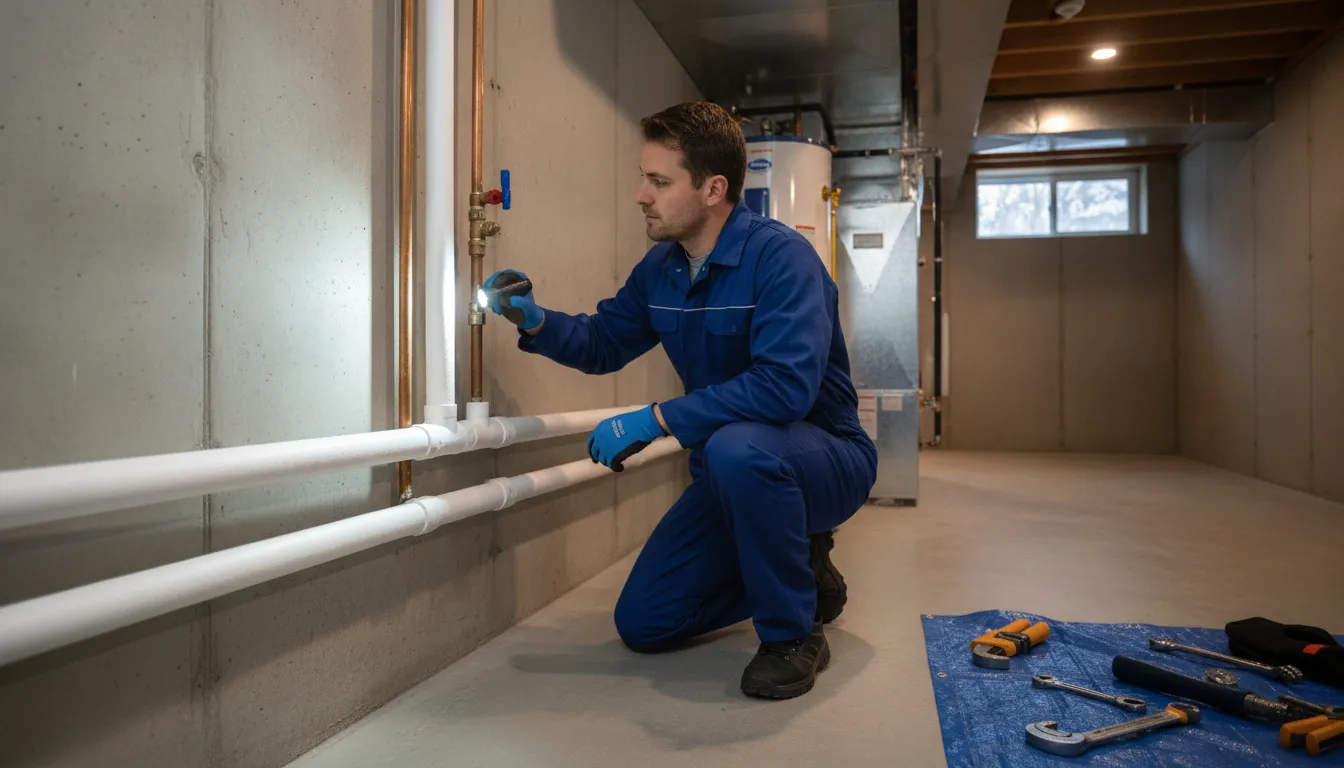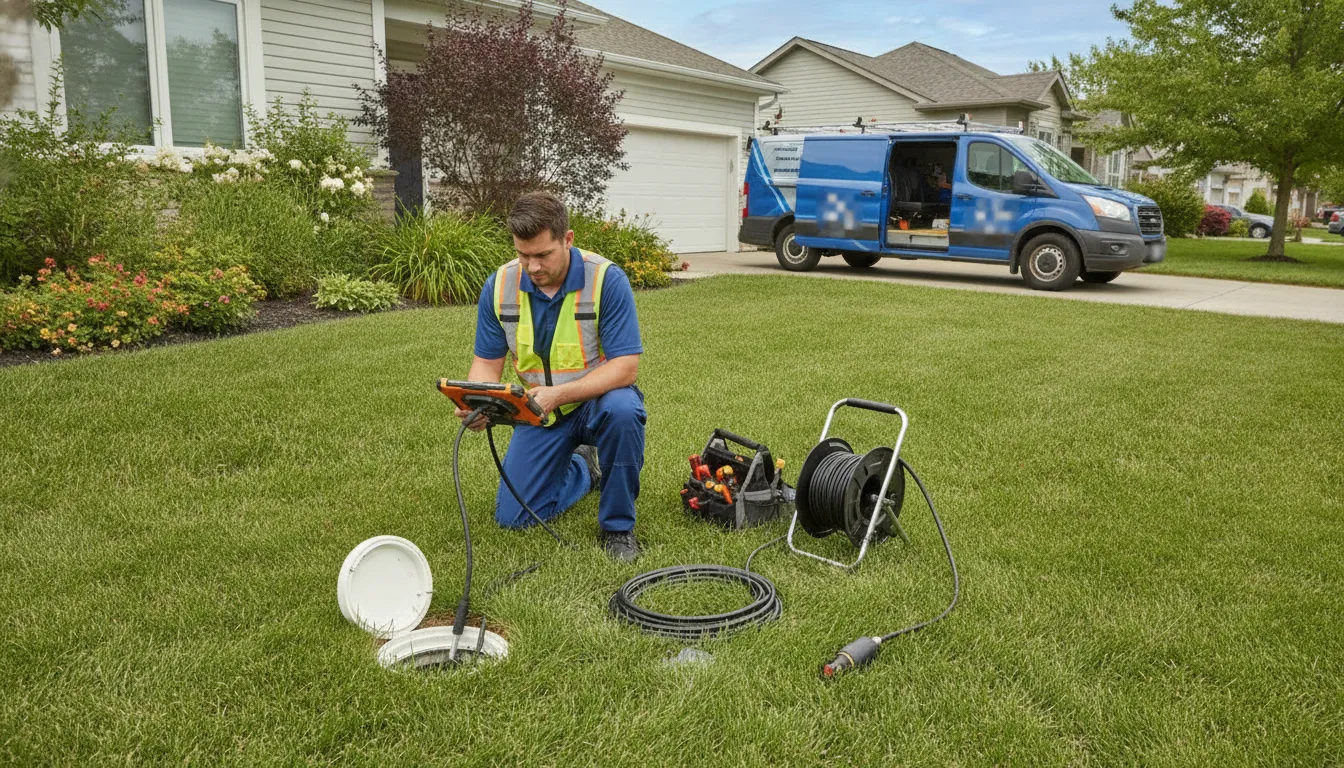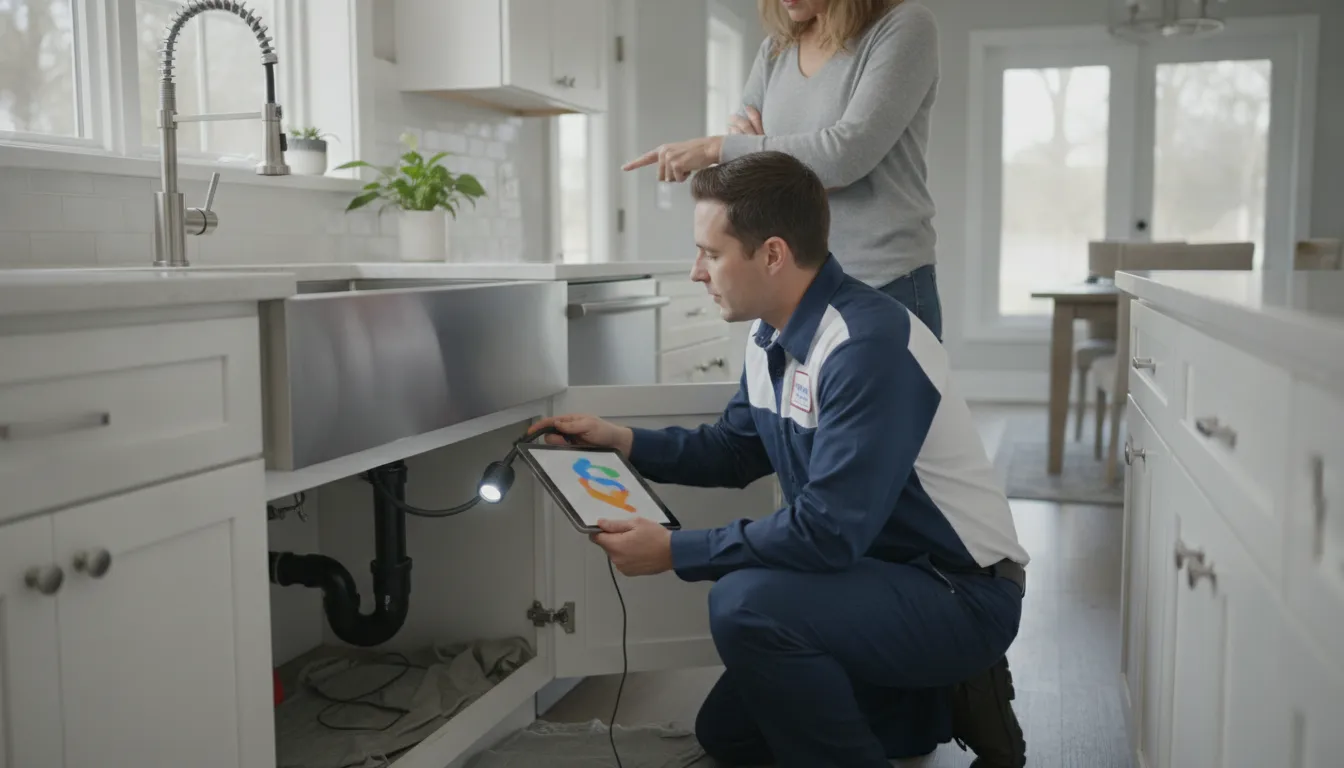

Fixing a pipe buried deep underground sounds complicated, but the concept behind a sewer pipe repair sleeve is surprisingly simple. Think of it as a stent for your home’s plumbing. A flexible liner, coated in a powerful resin, is inserted into the damaged pipe and inflated. Once the resin cures, it hardens into a brand-new, structural pipe that’s often stronger than the original. This entire process is a modern form of sewer pipe repair done through a small access point, avoiding the need for major digging. It’s a less invasive, highly effective way to restore your sewer line without destroying your yard.
Key Takeaways
- Modern Repair Avoids Major Disruption: Sewer pipe sleeves fix your pipes from the inside out, creating a new, long-lasting pipe without digging up your lawn or driveway. This trenchless method is a faster and cleaner solution to common sewer line problems.
- Choose Your Pro with Confidence: When hiring a plumber, always verify they are licensed and insured. Prioritize companies that use modern technology, offer a solid satisfaction guarantee, and have a strong track record of positive customer reviews.
- Understand the Cost Before Committing: The price of a pipe sleeve repair is based on the pipe’s condition, size, and accessibility. Always insist on a professional camera inspection to get an accurate, itemized quote, which helps you avoid hidden fees and make an informed decision.
What is a Sewer Pipe Repair Sleeve?
When you hear “sewer repair,” you probably picture a giant trench dug across your beautiful lawn. But what if I told you there’s a way to fix your pipes without destroying your yard? That’s where a sewer pipe repair sleeve comes in. Think of it as creating a brand-new, durable pipe directly inside your old, damaged one.
This modern technique, often called Cured-in-Place Pipe (CIPP) lining, is a trenchless solution for fixing cracks, leaks, or damage in your underground sewer lines. It’s a less invasive, faster, and often more cost-effective way to handle a problem that every homeowner dreads. Instead of digging, a professional uses existing access points to restore your pipe from the inside out.
How Does Trenchless Sewer Repair Work?
The magic of trenchless repair lies in its simplicity. First, a plumber performs a camera inspection to pinpoint the exact location and extent of the damage. Once the problem is identified, a flexible liner coated with a special resin is inserted into the damaged pipe. This liner is then inflated, pressing it firmly against the walls of the original pipe. The resin is left to cure, or harden, which typically takes a few hours. The result is a smooth, seamless, and incredibly strong new pipe within the old one, effectively sealing any cracks or leaks and restoring flow. This entire process avoids major excavation, saving your landscaping and driveway from destruction.
What Are Pipe Sleeves Made Of?
The materials used for sleeve repairs are designed for strength and longevity. The most common method, CIPP lining, uses a flexible felt or fiberglass tube saturated with a powerful epoxy resin. Once cured, this resin becomes a hard, structural pipe that resists corrosion and root intrusion. For smaller, more localized issues, plumbers might use a stainless steel sleeve. These are often called “point repairs” and work like a stent for your pipe. A stainless steel sleeve, often wrapped in a rubber seal, is positioned over the damaged area and expanded to create a permanent, watertight seal. The right material depends on your specific pipe problem, which is why a professional assessment is so important for all plumbing solutions.
Common Causes of Sewer Pipe Damage
Sewer pipe problems rarely happen overnight. They’re usually the result of long-term stress from a few common culprits. Understanding what causes this damage can help you spot early warning signs and know when it’s time to call in a professional. From invasive tree roots to the simple effects of time, the pipes beneath your home face a lot of challenges. Knowing the source of the problem is the first step toward finding the right solution, whether it’s a simple cleaning or a more advanced repair like installing a pipe sleeve. Here are the most frequent reasons your sewer line might be in trouble.
Tree Root Intrusion
It might sound like something out of a sci-fi movie, but tree roots are a leading cause of sewer line damage, responsible for about half of all blockages. Your sewer pipes are a perfect source of water and nutrients, and tree roots are naturally programmed to seek them out. They can sneak into tiny cracks or loose joints in your pipes, and once inside, they expand. This growth can create significant blockages or even break the pipe apart completely. Older homes with clay or concrete pipes are especially vulnerable. A professional camera inspection is the only way to know for sure if roots are the source of your slow drains or backups, allowing a plumber to see exactly what’s happening underground.
Aging and Material Breakdown
Just like any other part of your home, your plumbing system has a lifespan. Pipes installed over 50 years ago are reaching the end of their service life and are much more likely to fail. Older cast iron pipes can rust and corrode from the inside out, leading to rough surfaces that snag waste and eventually cause cracks. Clay pipes, another common material from past decades, can become brittle and crack under pressure. This natural breakdown is unavoidable, but modern solutions can give your old system new life. A trenchless sewer repair, like a CIPP liner, essentially builds a new, corrosion-resistant pipe inside the old one, stopping deterioration in its tracks.
Environmental Factors and Improper Installation
Sometimes, the problem isn’t the pipe itself but the ground around it. Shifting soil from settlement, heavy rains, or nearby construction can put immense pressure on your sewer line, causing it to crack, collapse, or become misaligned. Here in Metro Detroit, we also have to contend with sudden temperature changes. The freeze-thaw cycle can cause the ground to move and put stress on pipes, which is why having proper pipe insulation is so critical. On top of that, pipes that weren’t installed correctly in the first place are a ticking time bomb. Improperly joined sections or a poorly graded line can lead to chronic blockages and eventual failure, highlighting the importance of trusting your plumbing to certified professionals from the start.
Telltale Signs You Need Sewer Pipe Repair
Your home often gives you clues when something is wrong with the sewer line. Ignoring them can lead to bigger, messier problems, so it’s smart to pay attention. One of the most common signs is having drains that back up frequently or drain very slowly throughout your house. You might also notice foul, sewage-like odors coming from your drains or even in your yard. Other red flags include gurgling noises from your toilets, soggy or unusually green patches of grass on your lawn, or wet spots appearing in your basement. If you’re experiencing any of these issues, it’s a clear signal to get a professional inspection before a minor issue becomes a major headache.
Who is Responsible for Sewer Line Repairs?
Figuring out who is responsible for a sewer line repair can feel like a frustrating puzzle. Is it your problem, or the city’s? The answer almost always comes down to one thing: the location of the damaged pipe. As a general rule, homeowners are responsible for the section of the sewer line that runs from their house to their property boundary. This part of the system is often called the “private drain” or “sewer lateral.” The portion of the pipe that lies beyond your property line, typically under the street or sidewalk and connecting to the municipal main, is usually the city’s responsibility. Understanding this distinction is the first step in knowing who to call and what to expect when you have a sewer line issue.
Because the responsibility is tied to your property line, a professional diagnosis is key. A plumber can use a sewer camera inspection to pinpoint the exact location of the clog or break. This not only tells them how to fix the problem but also provides clear evidence of whether the issue is on your property or the city’s. Having this information can save you a lot of time and potential disputes. If the problem is yours, you can move forward with hiring a contractor. If it’s on public property, you can present the findings to your local water or public works department to handle the repair.
Understanding Your Property Line vs. Municipal Lines
Think of your home’s plumbing like a tree. The smaller pipes from your sinks and toilets are the twigs, which connect to larger branches inside your home, and finally to the main trunk—the sewer lateral—that runs out to the street. You are usually responsible for all the drains located *inside* your property’s boundaries. These are your private drains. The water company or municipal authority generally takes over from there, maintaining the “lateral drains” that carry wastewater from your property to the main sewer. So, if a tree root cracks the pipe in your front yard, the repair is on you. If the problem is in the pipe under the street, it’s typically the city’s job to fix it.
Repairs for Shared Private Drains
Things can get a bit more complicated if you share a private drain with a neighbor, which is common in older neighborhoods or with certain types of housing. If this shared pipe needs fixing, you and your neighbor will likely have to coordinate and split the cost of the repair. This is where clear communication and a professional assessment become essential. A plumber can identify the exact location of the issue within the shared line, which helps determine who is affected. If you find yourself in this situation, the best approach is to get a clear, detailed quote from a trusted company like Mr. Pipey to present to your neighbor, ensuring everyone understands the problem and the proposed solution.
Comparing Sewer Pipe Repair Methods
Not long ago, the only way to fix a broken sewer line was to bring in an excavator and dig a massive trench across the yard. Thankfully, plumbing technology has come a long way. Today, you have several options, each with its own pros and cons. The best method for your home depends on the type and extent of the damage, the location of your pipes, and your budget. Understanding the differences between modern trenchless solutions and traditional excavation can help you have a more informed conversation with your plumber and choose the right approach for your property. The three main methods you’ll likely encounter are trenchless pipe lining, traditional excavation, and pipe bursting.
Trenchless methods, like pipe lining and pipe bursting, are designed to repair or replace your sewer line with minimal disruption to your property. These techniques are often faster and can save you the secondary cost of repairing your lawn, driveway, or garden. On the other hand, traditional excavation is sometimes unavoidable, especially if a pipe has completely collapsed or is severely misaligned. A reliable plumber will always start with a thorough camera inspection to diagnose the problem accurately before recommending a specific sewer repair method.
Trenchless Pipe Lining (Pipe Sleeves)
This modern technique, often called Cured-in-Place Pipe (CIPP) lining, is a trenchless solution for fixing cracks, leaks, or damage in your underground sewer lines. It’s the least invasive option available. A flexible, resin-coated liner is inserted into the damaged pipe through an existing access point. The liner is then inflated, pressing the resin against the old pipe’s interior. After a few hours, the resin cures, forming a brand-new, seamless pipe inside the old one. This new pipe is incredibly durable, corrosion-resistant, and can last for decades, all without a single trench being dug in your yard.
Traditional Excavation Repair
Traditional repair is exactly what it sounds like: a team digs a large trench to expose the damaged section of the sewer pipe. This method involves digging up your lawn, garden, or even your driveway to physically remove the old pipe and install a new one. While it is the most disruptive method, excavation is sometimes necessary. If a pipe is back-pitched (meaning it doesn’t slope correctly), completely collapsed, or has suffered extreme damage, digging it up may be the only way to ensure a proper, long-lasting fix. The major downside is the additional time and cost required to restore your landscaping and property after the plumbing work is done.
Pipe Bursting
Pipe bursting is another trenchless method that replaces a sewer line without major excavation. This technique involves digging small access pits at either end of the damaged pipe. A powerful machine then pulls a new, high-density polyethylene pipe through the old one. As the new pipe is pulled through, a “bursting head” at the front fractures the old, damaged pipe outward into the surrounding soil. Pipe bursting is an effective method for replacing pipes that are too damaged for a liner and can even be used to increase the size of your sewer line if needed, all while keeping your yard intact.
Why Choose a Pipe Sleeve Over Traditional Repair?
When you hear “sewer repair,” you probably picture a giant trench cutting through your beautiful lawn, driveway, and garden beds. For years, that was the only way to fix a broken sewer line. But modern plumbing has a much smarter solution: sewer pipe repair sleeves. This trenchless technology offers a faster, cleaner, and more cost-effective way to solve your sewer problems without destroying your property.
Instead of digging up the old pipe, a flexible, resin-coated sleeve is inserted directly into it. Once in place, it’s inflated and cured, creating a brand-new, seamless pipe inside the old one. This approach avoids the massive disruption and hidden costs of traditional excavation. It’s a game-changer for homeowners, turning a dreaded, multi-day ordeal into a streamlined and efficient repair. From saving your landscaping to providing a durable, long-term fix, the advantages of pipe sleeves are too significant to ignore.
Save Money and Avoid a Mess
The most immediate benefit of trenchless pipe repair is what you don’t see: a giant, muddy trench across your yard. Traditional sewer repair requires extensive excavation, which means your lawn, patio, or driveway gets torn up. After the pipe is fixed, you’re left with the additional cost and headache of restoring your property. With a sewer pipe sleeve, the entire repair is done through a small access point. This means no destroyed landscaping and no need to re-pour concrete. This minimally invasive approach not only saves you money on restoration but also resolves your plumbing issues much faster, minimizing the disruption to your daily life when you’re facing an emergency plumbing situation.
A Repair That’s Built to Last
A sewer pipe sleeve isn’t just a patch; it’s a brand-new pipe within your old one. Made from durable epoxy resins, these liners are incredibly strong and resistant to corrosion, rust, and tree root intrusion. Once cured, the sleeve forms a smooth, seamless pipe that can last for 50 years or more. This makes it a fantastic long-term investment in your home’s plumbing infrastructure. You get peace of mind knowing your sewer line is secure for decades to come, backed by the kind of long-lasting workmanship that protects your property and your wallet. It’s a permanent solution, not a temporary fix.
A Greener Choice for Sewer Repair
Choosing a sewer pipe sleeve is also a more environmentally responsible decision. Traditional excavation disrupts the local ecosystem, can damage mature trees, and requires heavy, fuel-burning machinery. Trenchless methods, on the other hand, leave your yard and the surrounding environment almost entirely untouched. By preserving your landscape and reducing the carbon footprint associated with major construction, you’re opting for a greener repair. This method aligns with a more sustainable approach to home maintenance, proving that you don’t have to sacrifice your property to get effective results.
Your Sewer Sleeve Repair Questions, Answered
It’s natural to wonder if a repair that seems so simple can really be effective. The answer is a resounding yes. Pipe relining is an incredibly efficient process that restores your sewer line’s integrity with minimal downtime. Because it creates a smooth, joint-free interior, it can even improve your system’s flow rate. For most homeowners, it’s a practical and powerful choice that addresses cracks, leaks, and root damage without turning your life upside down. If you have specific questions about whether a pipe sleeve is right for your home, it’s always best to get expert advice. Contact us, and our team can assess your situation and walk you through the best options.
How to Prevent Sewer Pipe Damage
An ounce of prevention is worth a pound of cure, especially when it comes to your sewer line. Dealing with a sewer backup is a stressful, messy, and expensive ordeal that no one wants to face. The good news is that you can take proactive steps to protect your pipes and prevent major damage before it starts. A little bit of maintenance and smart planning can go a long way in keeping your plumbing system healthy and your home safe from unexpected disasters. By understanding the common threats to your sewer line, you can save yourself a lot of money and trouble down the road.
Regular Inspections and Professional Cleaning
Just like your car needs regular oil changes, your home’s plumbing system benefits from routine check-ups. Scheduling a professional sewer camera inspection every few years allows a plumber to see exactly what’s happening inside your pipes. This can catch small issues like minor cracks or early-stage blockages before they escalate into full-blown emergencies. Additionally, professional drain cleaning is a powerful preventive tool. Methods like hydro jetting use high-pressure water to safely scour the inside of your pipes, removing grease, scale, and other debris that can lead to clogs. This isn’t just about fixing a slow drain; it’s about maintaining the long-term health of your entire sewer system.
Smart Landscaping and Root Barriers
Your beautiful, mature trees might be a hidden threat to your sewer pipes. Tree roots are naturally drawn to the moisture and nutrients inside your sewer line, and they can be surprisingly destructive, causing about half of all sewer blockages. If you’re planning new landscaping, be mindful of where you plant trees and shrubs, keeping them a safe distance from your underground pipes. For existing trees, you can install root barriers—underground walls that redirect roots away from your sewer line. It’s a smart way to protect your plumbing without having to sacrifice your favorite shade tree. A professional can help you assess the risk and recommend the best course of action.
How to Find the Best Sewer Repair Service in Metro Detroit
Finding the right team to handle a sewer line problem can feel overwhelming, but knowing what to look for makes all the difference. A great sewer repair service combines technical skill with a commitment to customer care. It’s about finding a partner you can trust to protect your property and provide a lasting solution. From checking their reputation and service offerings to reading reviews and watching for warning signs, a little research goes a long way in hiring the best plumber for the job.
Why Metro Detroit Trusts Mr. Pipey
When you’re looking for a local expert, it helps to start with a name your neighbors already trust. As a premier plumbing service provider, Mr. Pipey has built a strong reputation for handling complex drain and sewer issues with cutting-edge solutions. We’re a family-owned business, and we treat every home and business we service like our own. That means showing up on time, providing clear explanations, and doing the job right the first time. Our deep roots in the Metro Detroit community drive our commitment to providing honest, high-quality work you can depend on.
What Makes a Great Sewer Repair Company?
A top-tier plumbing company will offer more than just a quick fix. When you’re searching for a sewer repair service, look for providers that offer comprehensive sewer line installation, repair, and replacement services. A company that can handle everything from a simple clog to a full replacement has the experience and equipment to diagnose your problem accurately and recommend the most effective solution. This versatility shows they have a deep understanding of sewer systems and aren’t just pushing a one-size-fits-all approach. It ensures you get a repair tailored to your specific needs, saving you time and money in the long run.
Don’t Skip the Customer Reviews
Customer reviews offer a real-world glimpse into a company’s performance. When you read what other homeowners have to say, you can learn a lot about a plumber’s reliability and quality of work. For example, many reviewers emphasize fast response times when dealing with sewer line blockages or leaks, which is critical when a delay could lead to significant property damage. Look for patterns in feedback related to communication, professionalism, and whether they cleaned up after the job was done. Consistent positive comments are a strong indicator that you’ve found a trustworthy and skilled team.
Red Flags to Watch Out For
Just as important as knowing what to look for is knowing what to avoid. Some dishonest companies use scare tactics to pressure homeowners into expensive, unnecessary work. One of the most common scams involves fabricating an emergency to create a sense of urgency. Another red flag is exaggerating the scope of repairs, turning a minor issue into a major project. If a quote seems excessively high or a plumber is pushing you to make an immediate decision without a clear explanation, it’s wise to get a second opinion. A reputable company will provide a transparent, detailed estimate and give you the space to make an informed choice.
Your Sewer Repair Company Checklist
When your sewer line is in trouble, the last thing you want is the added stress of finding a reliable plumber. Choosing the right company isn’t just about getting a quick fix; it’s about investing in a long-term solution that protects your home and your wallet. A great sewer repair company will be transparent, skilled, and equipped with the right tools for the job. But with so many options out there, how do you know who to trust?
It comes down to asking the right questions and looking for a few key indicators of quality. You’ll want to find a team that not only has the technical expertise but also values customer service and stands behind their work. Taking a little time to vet your options can save you from future headaches, costly repeat repairs, and the mess of a job done poorly. Think of it as hiring a partner to protect one of your biggest investments—your home. From the technology they use to the guarantees they offer, every detail matters. A little due diligence now ensures you’re not just patching a problem but truly solving it for good. We’ll walk through exactly what to look for to ensure you find a professional you can count on for all your plumbing solutions.
Ask About Their Technology and Materials
The plumbing industry has come a long way from the days of digging up entire yards to fix a single pipe. When you’re evaluating a company, ask about the technology and materials they use. A forward-thinking provider will invest in modern techniques like trenchless sewer repair, which uses a sewer pipe repair sleeve to fix the problem from the inside out. This method is a huge improvement over traditional options because it’s less invasive, faster, and often more cost-effective. A company that uses high-quality, durable materials and up-to-date technology shows a commitment to providing the best, most efficient pipe repair services available.
Look for Strong Warranties and Guarantees
A company’s warranty is a direct reflection of its confidence in its work. A reputable plumber will always stand behind their repairs with a solid guarantee. Don’t be afraid to ask about the specifics: What does the warranty cover? How long does it last? A strong warranty on both labor and materials gives you peace of mind, knowing that the company is accountable for the quality of their service. Here at Mr. Pipey, we are proud of our 100% customer satisfaction guarantee, because we believe in providing reliable, long-lasting workmanship that our clients can depend on for years to come.
Verify Licensing, Insurance, and Certifications
This step is non-negotiable. Before you let any technician work on your home, confirm that the company is fully licensed and insured. Licensing proves that their plumbers have met the state’s standards for knowledge and competence. Insurance is just as crucial—it protects you and your property from liability in the rare event of an accident or damage during the repair process. A professional company will have no problem providing you with proof of their credentials. This simple check ensures you’re working with a legitimate business that operates safely and professionally.
Do They Offer 24/7 Emergency Service?
Sewer backups and major leaks don’t stick to a 9-to-5 schedule. When a disaster strikes, you need a plumber who will be there for you, day or night. Look for a company that offers 24/7 emergency plumbing services. A provider who is ready to respond at a moment’s notice understands the urgency of your situation and is dedicated to protecting your home from further damage. This level of availability is a key sign of a customer-focused company that you can rely on when you need help the most.
Limitations and Potential Complications of Pipe Lining
While trenchless pipe lining is a fantastic solution for many sewer line issues, it’s important to know that it’s not a one-size-fits-all fix. Like any repair method, it has its limitations. Understanding these helps you make an informed decision and ensures you’re choosing the most effective, long-lasting solution for your home. An honest plumber will always start with a thorough inspection to determine if your pipes are a good candidate for lining. Sometimes, the extent of the damage means a different approach is necessary to guarantee a safe and durable repair. Knowing when pipe lining isn’t the right choice is just as important as knowing when it is.
When Pipe Lining Isn’t an Option
Pipe lining works by creating a new pipe inside the old one, which means it needs a relatively intact host pipe to work. If your sewer line has completely collapsed, has large sections missing, or is severely bellied (sunk), a liner won’t be able to fix the underlying structural problem. Think of it this way: you can’t reline a pipe that’s no longer there. In cases of extreme corrosion or significant breaks, the liner may not adhere properly, compromising the repair. This is why a professional sewer camera inspection is a critical first step. It allows a technician to see the exact condition of your pipes and determine if traditional excavation is the better, more reliable option.
Potential Risks During the Repair Process
Even when a pipe is a candidate for lining, the success of the repair depends entirely on the skill of the team performing the work. If the liner isn’t installed correctly, it can create blockages or fail to seal properly, leading to more complications and costs. An improperly cured resin or a liner that doesn’t fully adhere to the old pipe can result in a failed repair that needs to be redone. This is why choosing an experienced and reputable company is so important. A skilled team will ensure the host pipe is thoroughly cleaned and properly prepped, use high-quality materials, and verify the installation is flawless, giving you a sewer repair that will last for decades.
How Much Does Sewer Pipe Sleeve Repair Cost?
Let’s talk about the number one question on every homeowner’s mind: the cost. Facing a sewer line issue is stressful enough without worrying about a huge, unexpected bill. The good news is that trenchless pipe sleeving is often more affordable than traditional dig-and-replace methods. While every project is different, trenchless lining in the Metro Detroit area generally ranges from $1,900 to $6,000.
Think of it in terms of length—costs often run between $135 and $150 per linear foot. This is just a ballpark figure, of course. The final price tag depends on several specific factors related to your home’s plumbing system. A professional inspection is the only way to get a precise number, but understanding what influences the cost will help you feel more prepared when you start collecting quotes. We’ll break down those key factors so you know exactly what to expect.
What Goes Into the Final Repair Cost?
The final price of your sewer sleeve repair isn’t pulled out of a hat. It’s based on a few key variables specific to your situation. The most significant factor is the condition and size of the existing pipe. A single crack in an otherwise healthy pipe will be less expensive to fix than a long section that’s severely corroded or full of tree roots. The length and diameter of the pipe that needs lining directly impact material and labor costs.
Accessibility also plays a big role. If the access point to your sewer line is easy to reach, the job will be simpler and more affordable. However, if it’s located under a deck, behind extensive landscaping, or in a tight crawlspace, the extra labor will be reflected in the quote. The best repair method always depends on the severity of the pipe damage, its location, and your budget.
Typical Cost Breakdowns
To really understand what you’re paying for, it helps to look at how repair costs are broken down. The price isn’t just about the new pipe liner; it includes the initial camera inspection, cleaning the existing pipe to prepare it for the sleeve, and the skilled labor required to get the job done right. Comparing quotes becomes much easier when you see how different companies structure their pricing and what’s included. A transparent quote will itemize these costs, so you know exactly where your money is going and can avoid any surprise fees down the line.
Cost Per Foot: Trenchless vs. Traditional
When you compare repair methods, looking at the cost per foot is a great starting point. Traditional dig-and-replace repairs can run anywhere from $50 to over $250 per foot, and that’s before you factor in restoring your yard. Trenchless pipe sleeving is often more predictable, typically costing between $50 and $200 per foot. While the ranges overlap, the trenchless method almost always comes out ahead because it eliminates the massive expense of excavation and landscape restoration. With an average sewer line repair costing around $2,449, choosing a method that avoids thousands in secondary costs makes a huge difference for your budget.
Factoring in Secondary Costs like Water Damage
A broken sewer line can cause more than just plumbing problems. If a leak or backup leads to flooding in your basement or crawlspace, you’re suddenly facing a whole new set of expenses. The cleanup and restoration from water damage can add anywhere from $500 to a staggering $10,000 to your final bill. This includes water extraction, drying and dehumidifying the space, mold remediation, and replacing damaged drywall or flooring. Acting quickly at the first sign of trouble is the best way to prevent these secondary costs from piling up and turning a manageable repair into a financial crisis.
Will Homeowner’s Insurance Cover Repairs?
This is one of the first questions homeowners ask, and unfortunately, the answer is usually no. A standard homeowner’s insurance policy typically does not cover the cost of repairing or replacing the sewer line that runs from your house to the municipal main. Insurance is designed to cover sudden and accidental damage inside your home, but the exterior service line is generally considered your responsibility to maintain. Some providers offer specific add-ons or endorsements for service line coverage, so it’s always worth calling your agent to check your policy. However, in most cases, you should plan to cover the full cost yourself, which makes finding a reliable and cost-effective solution even more important.
How to Get an Accurate Estimate
To get a truly accurate price, you need a professional to see what’s going on inside your pipes. This usually involves a sewer camera inspection, which gives a plumber a clear view of the damage so they can recommend the right solution. Once you have a diagnosis, it’s a smart move to get a few different quotes. As you compare estimates, make sure you’re looking at the proposed materials, the scope of work, and the warranty offered.
Don’t be afraid to ask questions. A reliable plumber will be happy to walk you through their estimate and explain every line item. At Mr. Pipey, we believe in giving you all the information you need to make a confident decision. You can contact us anytime to schedule a thorough inspection and receive a detailed, no-obligation estimate for your home.
What Are Your Payment and Financing Options?
A major plumbing repair is often an unplanned expense, but you have options. Most professional plumbing companies understand this and offer flexible payment solutions to ease the financial burden. At Mr. Pipey, we accept major credit cards to give you more control over how you manage the cost. It’s always a good idea to ask any potential contractor about the payment methods they accept upfront.
Some companies may also offer financing plans or partner with third-party lenders to help you break down the cost into manageable monthly payments. It’s also worth checking your homeowner’s insurance policy. While routine wear and tear usually isn’t covered, sudden and accidental damage to your sewer line might be. A quick call to your insurance agent can clarify what your specific policy covers.
Avoid Hidden Fees with Transparent Pricing
Nothing is worse than a final bill that’s full of surprises. A trustworthy plumbing company will always provide clear, transparent pricing before any work begins. Look for a detailed, itemized estimate that outlines all costs, including labor, materials, and any potential permit fees. This is a sign of a professional who respects your budget and wants to earn your trust.
Be wary of vague quotes or high-pressure sales tactics. A company that stands behind its work, like Mr. Pipey with our 100% customer satisfaction guarantee, will be upfront about everything. Remember, delaying repairs can lead to more severe issues like sewage backups, which cause far more damage and cost more to fix. Addressing the problem promptly with a transparent company is the most cost-effective approach to protecting your home from an emergency plumbing disaster.
Related Articles
- Trenchless Pipe Repair: The Ultimate Guide
- Trenchless Sewer Replacement: A Complete Guide
- Trenchless Sewer Line Repair: The No-Dig Guide
Frequently Asked Questions
Is a sewer pipe sleeve a permanent fix or just a temporary patch? Think of it as a permanent upgrade. The sleeve creates a brand-new, structural pipe inside your old one. This new pipe is incredibly durable, resistant to corrosion and roots, and is designed to last for 50 years or more. It’s a long-term solution that fully restores the integrity of your sewer line, not just a quick fix.
How do I know if a pipe sleeve is the right solution for my sewer problem? The only way to know for sure is with a professional camera inspection. A plumber will send a specialized camera down your sewer line to get a clear look at the exact nature and location of the damage. This diagnostic step is essential for determining if a sleeve is the best approach for your specific situation or if another repair method is needed.
How long does a trenchless sleeve repair typically take? One of the biggest advantages of this method is its speed. While a traditional dig-and-replace repair can take several days and turn your yard into a construction zone, most pipe sleeve installations are completed in less than a day. This means your plumbing is back up and running with minimal disruption to your home and daily routine.
Will a pipe sleeve really stop tree roots from coming back? Yes, it’s one of the most effective ways to prevent future root intrusion. The cured sleeve forms a seamless, joint-free pipe. Since roots typically find their way into pipes through small cracks and connection joints, this new, smooth surface eliminates those entry points, keeping your line clear and protected for decades.
Does this process make my sewer pipe smaller and affect drainage? While the sleeve does slightly reduce the pipe’s internal diameter, it almost always improves the flow. The new liner has an incredibly smooth surface that reduces friction and allows waste and water to move through much more efficiently than they did in the old, rougher pipe. Many homeowners actually notice better drainage performance after the repair is complete.