You might be surprised to learn that a common sewer repair method advertised as a modern, convenient fix could be a serious mistake for your home. In some areas, sewer liners are illegal. This popular “trenchless” technique, which involves creating a new pipe inside your old one, has been banned by some municipalities over concerns about the toxic chemical fumes released during the installation process. Navigating local plumbing codes can be tricky, and choosing a non-compliant method can lead to failed inspections, fines, and having to pay to get the work done all over again. Before you agree to any sewer repair, it’s crucial to understand the facts. We’ll explain the controversy, cover the potential risks, and show you safe alternatives that protect your family and your property.
Key Takeaways
- Confirm Sewer Lining is Legal in Your Area: Sewer liner regulations are set at the local level, so a method approved in one town might be banned in another. Always verify that the proposed repair complies with your city’s specific building codes to prevent legal issues and costly redos.
- Understand the Potential Health Risks: The curing process for sewer liners can release chemical fumes into your home, potentially causing headaches, nausea, and other symptoms. Ask your plumber about their safety plan for containing fumes and ensuring proper ventilation.
- Explore Safe and Effective Alternatives: If sewer lining isn’t the right fit, other reliable options are available. Methods like traditional pipe replacement or trenchless pipe bursting offer proven solutions without the chemical risks associated with some liners.
What Is a Sewer Liner and How Does It Work?
When you hear about a major sewer line problem, you probably picture a giant trench dug across your beautiful lawn. For years, that was the only way to fix a broken sewer pipe. But then, a new method called sewer lining came along. Also known as Cured-in-Place Pipe (CIPP), this technique is a form of trenchless repair, meaning it fixes pipes from the inside out without major excavation.
Think of it like this: instead of replacing the entire damaged pipe, a flexible, resin-coated tube is inserted into it. Once it’s in place, this liner is inflated to fit snugly against the walls of the original pipe. Then, it’s heated with steam, hot water, or UV light, which “cures” the resin and hardens the liner into a brand-new, solid pipe. The result is a smooth, seamless pipe within a pipe that seals cracks, stops leaks, and prevents root intrusion. It’s a clever solution that addresses many common sewer issues, which is why it’s become a go-to for many comprehensive plumbing solutions.
How the Installation Process Works
The magic of sewer lining is in its process. First, your plumber will inspect the existing pipe with a camera to assess the damage. After clearing any blockages, they insert a soft, resin-soaked liner into the old pipe. This liner is carefully positioned to cover the entire length of the damaged section.
Next, an inflatable bladder inside the liner is filled with air, pressing the resin-coated material firmly against the inner walls of the host pipe. The final step is curing. Heat or UV light is applied, causing the resin to harden and form a rigid, durable new pipe. Once cured, the bladder is deflated and removed, leaving you with a fully restored sewer line that’s ready for use.
Why Sewer Liners Became Popular
Sewer lining quickly gained popularity for two main reasons: it saves money and avoids destruction. Traditional sewer repair requires digging a large trench to access and replace the pipe, which means destroying your landscaping, driveway, or patio. This not only creates a huge mess but also adds significant costs for restoration work after the plumbing is fixed.
Trenchless pipe repair changed all of that. By fixing the pipe from within, it eliminates the need for extensive digging, making the process faster, cleaner, and often much more affordable. For homeowners facing a stressful and potentially expensive sewer problem, the promise of a less disruptive and more cost-effective solution was a game-changer.
Are Sewer Liners Illegal?
When you’re dealing with a broken sewer line, you want a fix that’s fast, effective, and, most importantly, legal. Sewer lining, often called Cured-in-Place Pipe (CIPP), is a popular trenchless repair method, but its legality isn’t a simple yes or no. The answer depends entirely on where you live. While the technology is widely used, some cities and states have raised serious questions about its safety, leading to partial or complete bans.
The rules are set at the local level, meaning what’s perfectly acceptable in one town might be prohibited just a few miles away. These regulations are in place to protect public health, the environment, and the integrity of municipal sewer systems. Before you agree to any sewer repair, it’s crucial to understand the specific laws in your area. Working with a trusted, licensed plumber who is an expert in local codes isn’t just a good idea; it’s the only way to ensure your repair is done safely and legally, protecting your family and your investment.
Where Sewer Liners Are Banned
It might be surprising to learn that a widely advertised repair method is completely illegal in some places. For example, New York City has prohibited the installation of certain water pipe liners under its plumbing code. Bans like this are typically enacted when a municipality decides the potential risks associated with the materials or installation process outweigh the benefits. These concerns often revolve around the chemicals used and the fumes released during the curing process. This is why you can’t assume a technique is approved in your area just because you see it online. Always confirm with your local building department or a knowledgeable plumber.
How Federal and Local Regulations Differ
There is no single federal law that dictates whether sewer liners are legal for residential use. Instead, this is handled at the state, county, and city levels, which is why the rules can feel like a patchwork quilt. Local ordinances can vary significantly, not only on what methods are allowed but also on who is responsible for the sewer line. These regulations define where your private property line ends and the public utility’s responsibility begins. Understanding these local rules is key to avoiding fines and ensuring your repair is compliant. A professional plumber can help you make sense of the specific requirements for your home.
Why the Law Isn’t Always Clear
Navigating plumbing codes can be confusing because the laws themselves are often complex and subject to change. As new research on the health and environmental impacts of sewer lining emerges, municipalities update their regulations. For instance, New York City had to release a special Building Bulletin in 2011 to clarify the rules around pipe lining, which shows just how nuanced these laws can be. This constant evolution is why it’s so important to work with a team that stays current on local codes. At Mr. Pipey, we handle the complexities of local regulations so you can have peace of mind knowing your plumbing services are safe and fully compliant.
Why Are Some Areas Banning Sewer Liners?
Sewer liners often sound like the perfect no-dig solution, but the installation process has raised serious health and environmental questions. The core of the issue lies in the chemical resins used to create the new pipe lining and the heat-curing process that hardens it. During this stage, chemical reactions can release toxic fumes into the air, which can then seep into homes and businesses through plumbing connections. These concerns are not just theoretical; they have led to documented health problems and prompted some municipalities to take a closer look at regulating or even banning the practice.
Health and Safety Concerns During Curing
The main problem occurs during the “curing” phase, when the resin-soaked liner is heated to harden it into a solid pipe. This process can release a cocktail of chemicals known as volatile organic compounds (VOCs) into the air. These aren’t just unpleasant smells; they are potentially toxic fumes that can travel from the sewer main into your home’s plumbing system. Because your home’s pipes are all connected, fumes in the main line just outside can easily find their way through your drains and into your living space, putting your family’s health at risk.
Environmental and Air Quality Concerns
The fumes released during CIPP installation aren’t just a nuisance; they can contain some truly dangerous chemicals. Research has identified substances like styrene, benzene, and methylene chloride in the emissions from curing sites. Styrene, in particular, is a major concern as it is classified as a probable carcinogen. When these chemicals are released, they pollute the air in the surrounding neighborhood, affecting not just the home being serviced but also neighbors and anyone passing by. This turns a single pipe repair into a community-wide air quality issue.
Gaps in Public Health Protection
You might assume that a construction process this chemically intensive would be heavily regulated, but that’s not always the case. Currently, there are no federal agencies that specifically monitor CIPP work sites to protect the public from exposure to these fumes. While organizations like OSHA have rules to protect workers, those regulations don’t extend to the residents of nearby homes. This regulatory gap leaves homeowners vulnerable. Without clear oversight, the responsibility falls on the plumbing company to manage the risks. This is why working with a trusted, transparent plumbing professional is so important.
What Are the Health Risks of Sewer Liners?
While trenchless sewer liners are often marketed as a convenient, no-dig solution, the installation process can introduce serious health risks into your home and neighborhood. The method relies on heating a chemical resin to create a new pipe, and this curing process can release toxic fumes that travel through your plumbing and into your living spaces. Understanding these risks is the first step to making a safe choice for your family and your property.
The Dangers of Volatile Organic Compounds (VOCs)
The sewer lining process involves a resin-saturated tube that is heated to harden it in place. As the resin cures, it releases a chemical mixture into the air known as volatile organic compounds (VOCs). These fumes don’t just stay in the sewer main; they can travel up through your home’s plumbing connections and vent into your bathrooms, kitchen, and basement. According to extensive reporting, these harmful chemical fumes can fill a home with a strong, plastic-like odor, signaling the presence of airborne toxins that you and your family could be breathing in.
Immediate Symptoms vs. Long-Term Effects
Exposure to the fumes from sewer liner installation can cause immediate and unpleasant symptoms. People in and around these work sites have reported sudden headaches, dizziness, nausea, and irritation of the eyes, nose, and throat. In many documented cases, the symptoms were severe enough to lead to hospital visits and home evacuations. Even more troubling are the potential long-term consequences. Some individuals have suffered from lasting health problems following exposure, including chronic respiratory issues, frequent headaches, and even permanent hearing loss. A repair that is supposed to solve a problem shouldn’t create a lifelong health burden.
How Sewer Liners Affect Entire Communities
The health risks associated with sewer liners extend beyond a single home. The entire cured-in-place pipe (CIPP) industry operates with very little public health regulation. No federal agency actively monitors work sites or enforces safety protocols to prevent toxic fumes from spreading through a neighborhood. This lack of oversight means homeowners are often not given clear warnings about the potential dangers. It falls on you to be aware of the risks and to choose a plumbing partner who prioritizes your safety. If you have concerns about a sewer repair in your area, it’s always best to contact a trusted professional who can offer safe and transparent solutions.
How Do Regulations Change From Place to Place?
When it comes to sewer repair, there’s no universal rulebook. The regulations governing what’s allowed can change dramatically from one state to the next, and even between neighboring towns. What’s a standard, approved procedure in one city could be completely banned just a few miles away. This is especially true for newer technologies like Cured-In-Place-Pipe (CIPP) liners, where local authorities are still establishing their own rules based on regional concerns and potential health impacts.
These differences aren’t random; they’re often based on specific local factors like climate, soil type, population density, and the age of the existing infrastructure. A method that works perfectly in a dry, sandy region might not be suitable for an area with heavy rainfall and clay soil. Environmental priorities also play a huge role. Some communities have stricter standards to protect local water sources, leading them to be more cautious about the materials and chemicals used in sewer repairs. That’s why what’s legal in one part of the country might be under heavy scrutiny somewhere else. Understanding this local variability is the first step in making a safe and legal choice for your home. A qualified plumber will be an expert in your area’s specific requirements, ensuring any plumbing services you receive are fully compliant.
Local Building Codes and What They Mean for You
Think of local building codes as the specific set of instructions for any construction or repair project in your town, including plumbing. These codes dictate everything from the type of pipe materials you can use to the exact methods for installation and repair. When it comes to sewer liners, some municipalities have very clear rules. For example, New York City’s plumbing code explicitly forbids the use of certain water pipe liners. This is why you can’t assume a method is acceptable just because you read about it online. Failing to follow local codes can result in a failed inspection, forcing you to pay to have the work redone correctly.
Permit Requirements and Property Line Rules
For most major plumbing jobs, including sewer line repairs, you’ll need a permit from your local government. This isn’t just red tape; it’s a system of checks and balances to ensure the work is performed safely and up to code. The permit process also clarifies a crucial question: who is responsible for the repair? Local laws define where your responsibility for the sewer line ends and the city’s begins. This distinction is critical, as it determines who needs to secure the permit and cover the cost. A professional plumber will handle the entire permitting process for you, making sure all the legal boxes are checked before any work begins.
State and Local Environmental Standards
Beyond the building codes for your home, there are broader environmental standards designed to protect the entire community. State and local agencies set rules to safeguard public health, prevent soil contamination, and protect groundwater. These regulations often look at the big picture. For instance, some codes require that sewer systems be built to handle future population growth, ensuring the infrastructure remains effective for years to come. For sewer liners, environmental concerns about the chemicals used during the curing process are a primary reason some areas have restricted their use. These standards ensure that a repair on your property doesn’t create a larger problem for your neighbors or the local ecosystem.
What Are Safe Alternatives to Sewer Liners?
If you’re concerned about the potential health risks or legal gray areas of sewer liners, don’t worry. You have several other excellent, time-tested options for repairing your sewer line. Understanding these alternatives will help you have a more informed conversation with your plumber and choose the best path forward for your home and family. Each method has its own set of benefits, and the right one for you depends on the specific problem, your property’s layout, and your budget.
The good news is that modern plumbing offers a range of solutions, from traditional methods that guarantee a brand-new pipe to trenchless technologies that preserve your lawn. A professional plumber can assess your situation and recommend a safe, effective, and fully compliant repair. Let’s walk through the most common and reliable alternatives.
Traditional Pipe Replacement
When you think of sewer repair, this is probably what comes to mind. Traditional pipe replacement is exactly what it sounds like: a trench is carefully dug along the path of your existing sewer line to expose the damaged pipe. The old, broken section is removed, and a brand-new, durable pipe is installed in its place. While this method is more invasive and can disrupt your landscaping, it’s also incredibly thorough.
You get a completely new pipe, which can provide peace of mind for decades to come. It’s a straightforward and highly effective solution for pipes that are collapsed, severely broken, or have extensive root intrusion. For major sewer line issues, this classic approach remains one of the most dependable plumbing solutions available.
Pipe Bursting
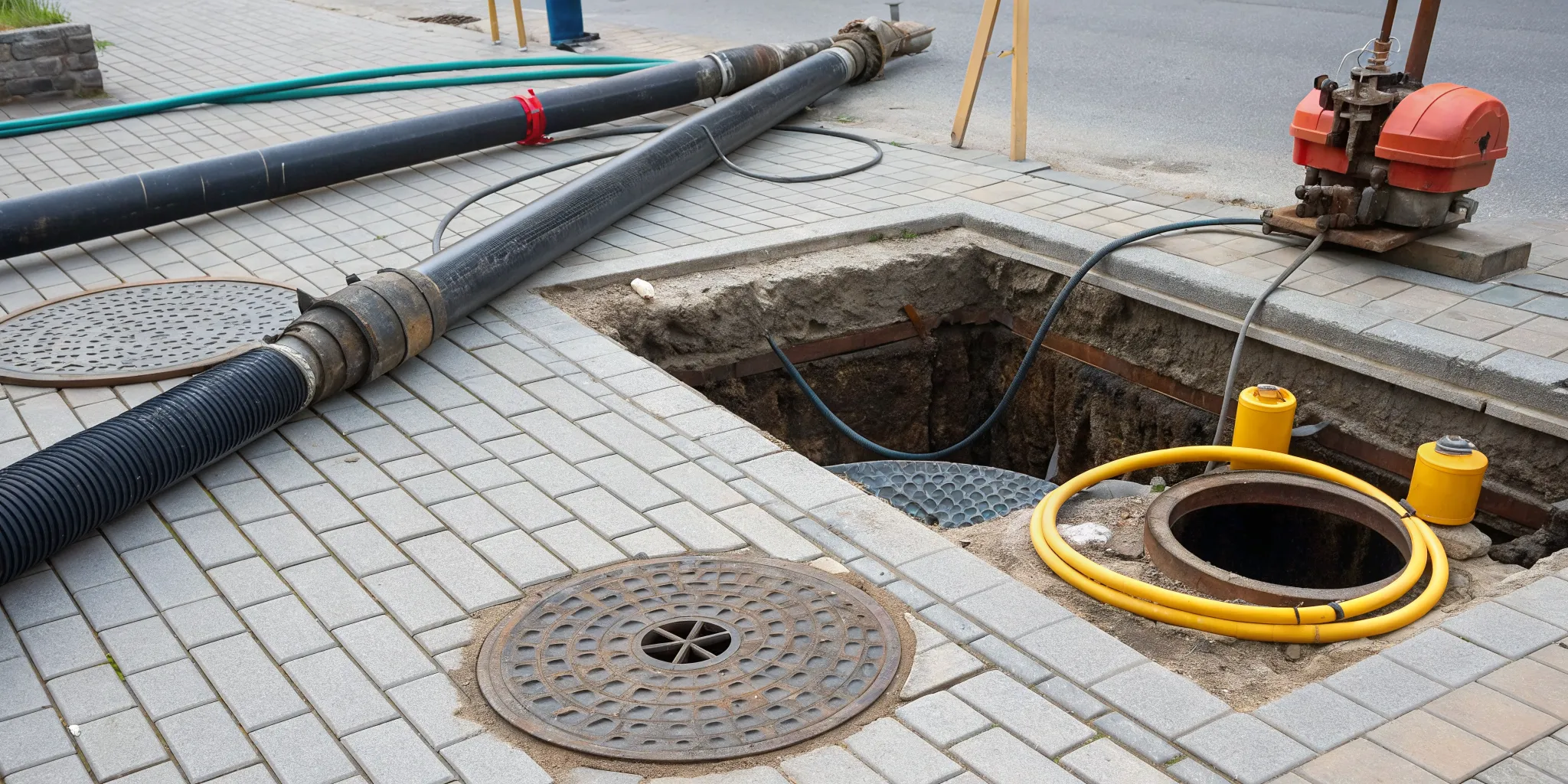
If the thought of a large trench in your yard makes you cringe, pipe bursting might be the perfect alternative for you. This is a trenchless repair method, meaning it requires very little digging. Instead of excavating the entire line, your plumber will dig two small access points at either end of the damaged pipe section. A machine then pulls a new pipe through the old, broken one. As the new pipe moves forward, it fractures, or “bursts,” the old pipe outward, seamlessly taking its place.
This technique is much faster than traditional replacement and keeps your lawn, garden, and driveway intact. It’s an ideal choice when the sewer line runs under valuable landscaping or paved surfaces. Pipe bursting gives you a brand-new, seamless pipe without the major disruption of excavation.
Hydro Jetting and Spot Repairs
Sometimes, a full pipe replacement isn’t necessary. If your sewer line is mostly in good shape but has a persistent clog or a small, isolated crack, hydro jetting and spot repairs can be a fantastic, cost-effective solution. Hydro jetting uses high-pressure water jets to scour the inside of your pipes, blasting away years of accumulated grease, scale, and even tree roots.
Once the line is perfectly clean, a camera inspection can pinpoint the exact location of any damage. If it’s just one small area, a spot repair can be performed to fix that single section without replacing the entire pipe. This targeted approach is less invasive and more affordable, making it a great option for maintaining your existing sewer system and handling minor emergency plumbing issues before they become bigger problems.
How to Choose a Safe and Legal Sewer Repair Method
When you’re facing a major sewer line issue, your first thought is probably just getting it fixed as quickly as possible. But choosing the right repair method involves more than just technical solutions; it’s about ensuring the work is safe, compliant with local laws, and won’t cause you headaches down the road. Some modern repair methods sound great on paper but come with hidden risks or may even be illegal in your area. Taking a few key steps can protect your property, your family’s health, and your wallet from costly mistakes.
Making an informed decision starts with understanding your local regulations, finding a trustworthy professional, and making sure all the paperwork is in order. A qualified plumber will handle these details for you, but knowing what to look for is the best way to ensure you’re hiring the right team for the job. This isn’t just about fixing a pipe; it’s about investing in the long-term health of your home’s plumbing system. At Mr. Pipey, we believe in transparency and making sure you understand every step of the process. Our team is always ready to discuss our expert plumbing solutions and how we ensure every job is done right, from start to finish.
Check Your Local Building Codes
Before any work begins, it’s essential to know what your local building codes allow. These rules aren’t just suggestions; they are laws designed to ensure plumbing work is safe and effective. For example, some major cities have completely banned certain methods like cured-in-place pipe lining due to health and safety concerns. Failing to follow these codes can result in fines, being forced to redo the entire project at your own expense, and even legal action. A quick search on your city’s website can often provide this information, but the easiest way to stay compliant is to work with a plumber who is an expert in local regulations.
Hire a Licensed and Insured Plumber
The single most important step you can take is to hire a licensed and insured plumber. A license proves the plumber has met the required standards for training and knowledge, while insurance protects you and your property from accidental damage. A reputable, licensed professional is also required to stay current on local building codes and will only recommend sewer repair methods that are legal in your area. This is not the time to hire a general handyman. When you work with a trusted company, you can be confident that the job will be done correctly, safely, and legally. We pride ourselves on being a family-owned business that Metro Detroit homeowners can rely on.
Secure the Right Permits and Inspections
Most significant sewer repairs require a permit from your local municipality. This permit is official permission to proceed with the work, and it triggers a series of inspections to verify that the repair meets all safety and legal standards. The permitting process also helps clarify ownership responsibilities, especially when sewer lines are near property boundaries. A professional plumbing company will manage the entire permitting and inspection process for you, so you don’t have to deal with the paperwork. This ensures your project is documented correctly and fully compliant, giving you peace of mind that the work is built to last.
Key Questions to Ask Your Plumber
Before you agree to any major sewer repair, it’s essential to have a direct conversation with your plumber. The right questions can save you from future legal troubles, health risks, and costly mistakes. A professional and transparent plumber will welcome your questions and provide clear, honest answers. If they seem evasive or unsure, that’s a major red flag. Here are the two most important questions to ask before moving forward with a sewer liner installation.
Is This Method Legal in My City?
You might assume that any service a professional offers is legal, but that’s not always the case with sewer lining. Plumbing codes vary significantly between municipalities. In some major cities, like New York City, the local plumbing code explicitly prohibits the installation of certain water pipe liners. Using an unapproved method could lead to fines or force you to pay for the work to be redone correctly. Ask your plumber directly if the specific lining method they propose is fully compliant with Metro Detroit’s local building codes. They should be able to confirm its legality and show you the relevant permits if needed.
What Are the Safety Protocols and Health Risks?
This question is all about protecting your family. The most common type of sewer lining, cured-in-place pipe (CIPP), involves heating a resin that can release chemical fumes. These fumes contain volatile organic compounds (VOCs), which have been linked to health issues like headaches, nausea, and respiratory irritation when they enter a home. Ask your plumber what specific steps they take to contain these fumes and ensure proper ventilation during and after the curing process. A trustworthy company will have a clear safety plan to protect your home’s air quality and will be upfront about any potential risks. Your family’s well-being should always be the top priority in any plumbing service.
Choose the Right Sewer Repair for Your Home
When you’re facing a sewer line problem, the last thing you want is more confusion. With different repair methods available, it can be tough to know which one is right for your home, your budget, and your local laws. Making an informed decision starts with understanding your options.
One of the most significant choices you’ll make is between traditional excavation and modern, trenchless methods. Traditional repairs involve digging a large trench in your yard to access and replace the damaged pipe. While effective, this can be disruptive and costly to your landscaping. On the other hand, trenchless pipe repair offers a less invasive alternative.
A popular trenchless method is Cured-in-Place Pipe (CIPP) lining. This process creates a new, seamless pipe inside your old one by inserting a resin-coated liner and curing it with heat or UV light. It’s a great way to fix cracks and leaks without turning your yard into a construction zone. However, pipe lining isn’t a universal solution. If your existing pipe is completely collapsed or has severe structural damage, this method won’t work.
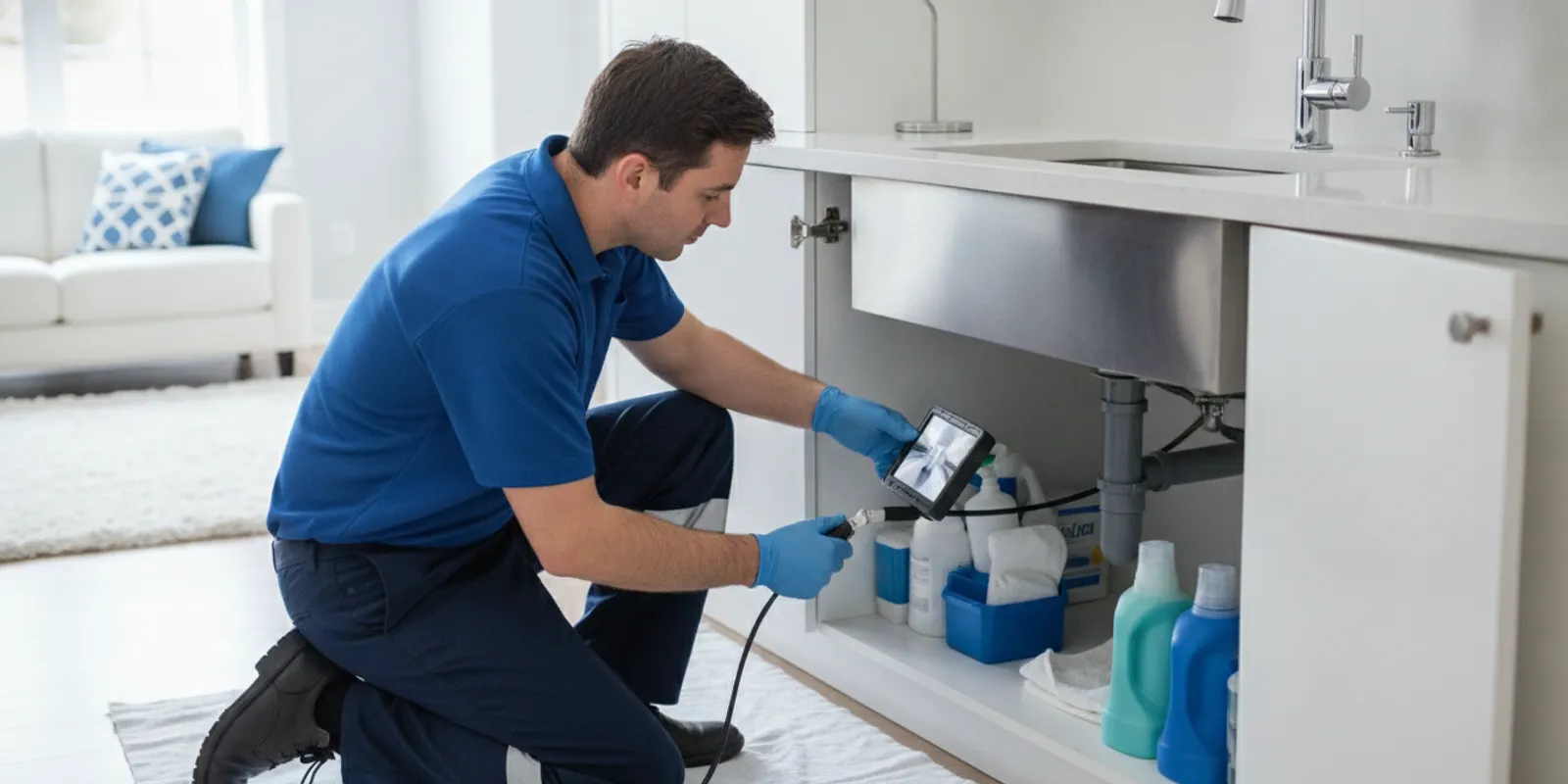
The only way to know for sure what your pipes need is with a professional assessment. A licensed plumber will perform a camera inspection to get a clear look at the condition of your sewer line. This step is critical for identifying the exact problem and determining the most effective repair strategy. No matter which method is chosen, it’s essential that the work complies with local regulations to ensure it’s done safely and correctly. Working with a trusted team like Mr. Pipey guarantees that all our plumbing solutions are tailored to your home’s specific needs and meet all local codes.
Related Articles
- Trenchless Sewer Line Replacement Cost: A 2026 Guide
- Trenchless Sewer Line Repair: The No-Dig Guide
- Trenchless Sewer Replacement: A Complete Guide
Frequently Asked Questions
How do I know if a sewer liner is the right choice for my home? A sewer liner can be a good option, but only in specific situations. It works best for pipes that have cracks or leaks but are still structurally sound. If your pipe is collapsed or severely damaged, a liner won’t be a viable solution. The only way to know for sure is to have a professional plumber perform a camera inspection to get a clear view of the problem. This assessment, combined with an understanding of your local regulations, will determine the best and safest repair for your home.
What are the main health risks I should be aware of with sewer lining? The primary health concern comes from the chemical resins used to create the liner. When these resins are heated to harden, they can release potent fumes known as volatile organic compounds (VOCs). These fumes can travel from the sewer main up through your home’s drains and into your living space, causing symptoms like headaches, dizziness, and respiratory irritation. A reputable plumber should have a clear safety plan to manage these risks and protect your home’s air quality.
If I can’t use a sewer liner, does that mean I have to dig up my entire lawn? Not at all. While traditional excavation is one option, there are other trenchless methods that keep your yard intact. One of the most popular and effective alternatives is pipe bursting. This technique uses a machine to pull a brand-new pipe through the old one, breaking the damaged pipe apart while simultaneously laying the new one. It requires only small access points, so you get a completely new sewer line without the major disruption to your landscaping.
How can I find out if sewer liners are legal in my specific Metro Detroit town? The simplest and most reliable way is to work with a licensed, local plumber. Plumbing codes can change from one municipality to the next, and a professional who works in your area every day will be an expert on the specific rules and permit requirements for your town. They handle the complexities of local regulations so you can be confident that any repair performed on your property is fully compliant and legal.
What is the most important thing to look for when hiring a plumber for a sewer repair? Above all, make sure the plumber you hire is licensed and insured. A license is proof that they have the proper training and knowledge, while insurance protects you and your property. A true professional will also be transparent about their process, prioritize your family’s safety, and be able to explain which repair methods are both effective and legally permitted in your community. This ensures the job is done right the first time.