

A torn-up yard, a ruined driveway, and a massive bill. That’s the nightmare of traditional sewer repair. For years, fixing a broken line meant destroying everything in its path. But what if you could fix the problem without all the destruction? Thankfully, you can. Modern plumbing offers a smarter, cleaner solution that keeps your property intact. This guide is all about sewer line repair trenchless methods—an approach that fixes damaged pipes from the inside out. It’s an efficient and durable way to solve serious issues without turning your home into a construction zone.
Key Takeaways
- Protect Your Yard and Your Wallet: Trenchless repair fixes pipes from the inside, which means no destructive trench across your lawn. This saves you from the major expense and hassle of restoring your landscaping, driveway, and garden after the job is done.
- Know When It’s an Option: While this technology can fix severe issues like cracks and root intrusion, it isn’t suitable for every situation, such as a completely collapsed line. A professional camera inspection is the only way to determine if your pipes are a good candidate for a no-dig solution.
- Choose a True Trenchless Expert: This is not a standard plumbing job; it requires specialized training and equipment. Vet contractors by asking for proof of experience, checking for proper licensing and insurance, and requesting a detailed estimate and warranty before hiring.
What Is Trenchless Sewer Line Repair?
If you’ve ever pictured a sewer line repair, you probably imagine a giant trench cutting across your lawn, destroying flowerbeds and maybe even a driveway. For years, that was the only way. Today, there’s a much smarter approach. Trenchless sewer repair is a modern method for fixing damaged underground pipes without the need for extensive digging. It’s a less invasive way to solve serious problems like cracks, blockages, or invasive tree roots that have compromised your sewer line.
Instead of excavating the entire length of the pipe, this technique uses a couple of small access points to repair the line from the inside. Think of it as surgery for your pipes—precise, effective, and with minimal disruption to your property. Whether your pipes are old, cracked from shifting soil, or clogged by years of buildup, trenchless methods offer a durable, long-lasting solution. It’s an efficient way to handle urgent issues, which is why it’s a key part of many emergency plumbing responses. For homeowners, this means your yard stays intact, the job gets done faster, and you get a brand-new pipe that can last for decades.
How Does This No-Dig Method Work?
The trenchless repair process is systematic and starts with a clear diagnosis. First, a professional plumber will conduct a video camera inspection by feeding a small, high-resolution camera through your sewer line. This allows them to see the exact location and extent of the damage without any guesswork.
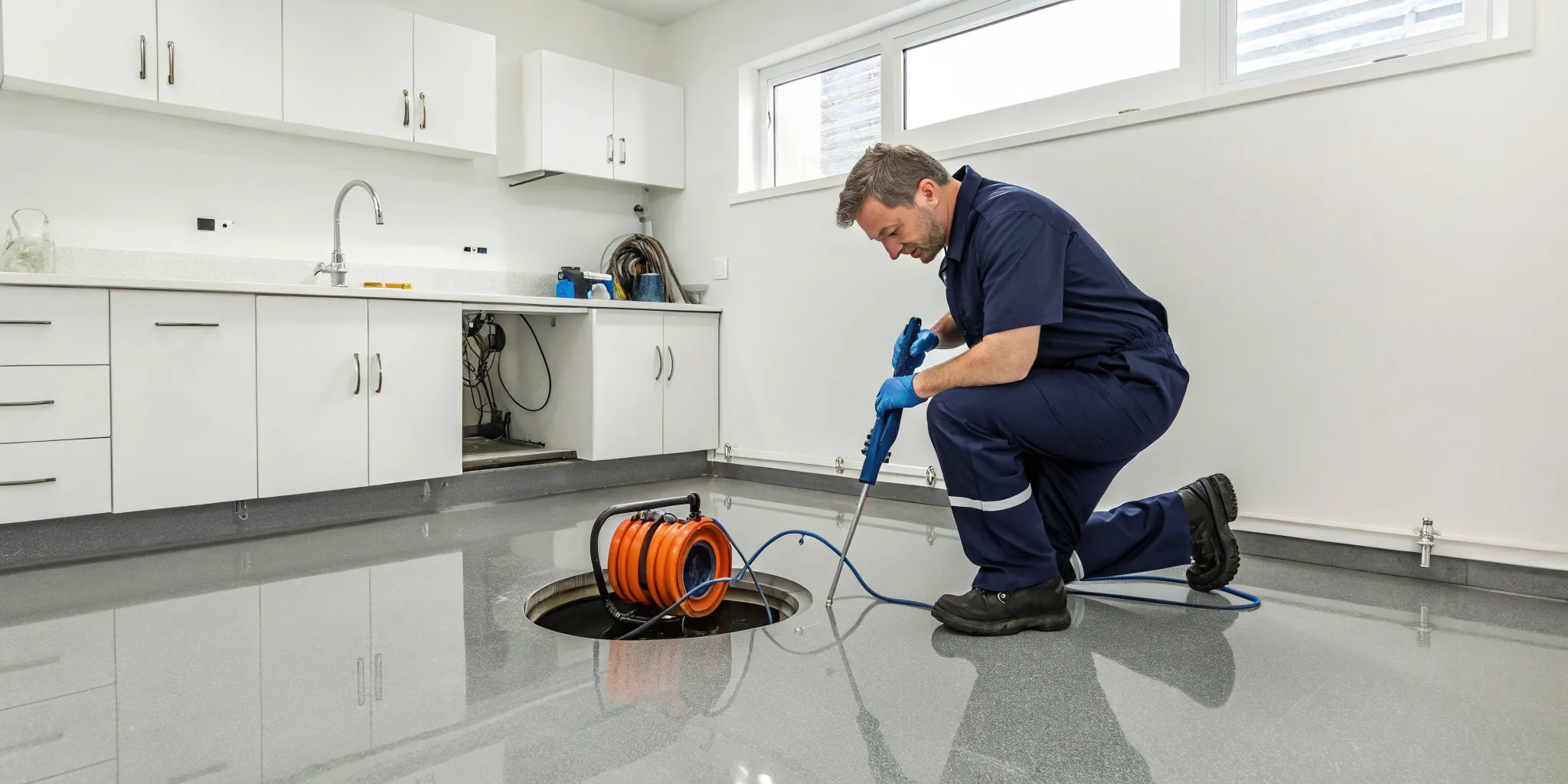
Once the problem is identified, the existing pipe is thoroughly cleaned to remove any debris, tree roots, or buildup. This is often done with a high-pressure water jetter. After the pipe is clean, the repair can begin. Depending on the specific technique used, a new liner is inserted or a new pipe is pulled through the old one. After the new material is in place, it’s left to cure and harden, creating a strong, seamless pipe. A final camera inspection is then performed to ensure the repair was successful and your sewer line is functioning perfectly.
A Proven, Reliable Technology
While the idea of a no-dig repair might sound futuristic, trenchless technology is a well-established method with a long history of success. The materials used are a key part of its reliability. The new pipe lining is incredibly durable, engineered to resist rust, cracks, and even invasive tree roots, which are common culprits behind sewer line damage. A properly installed trenchless repair can last for 50 years or more, giving you peace of mind that you won’t be dealing with the same problem again anytime soon. This modern approach is also incredibly efficient, with most repairs completed in just a few hours, saving you significant time and money compared to the old way of digging. It’s a smart, proven method that delivers the kind of long-lasting results you should expect from any expert plumbing solution.
The Two Main Types of Trenchless Repair
While the goal is the same, there are two primary methods for trenchless repair. The one that’s right for you depends on the condition of your existing pipes.
1. Pipe Lining: Also known as Cured-in-Place Pipe (CIPP), this method creates a new pipe inside your old one. A flexible, resin-saturated liner is inserted into the damaged pipe and inflated, pressing it firmly against the walls of the original pipe. The resin then cures, or hardens, forming a brand-new pipe that is strong, seamless, and corrosion-resistant. This is an excellent solution for pipes with cracks, leaks, or root intrusion but that are still structurally intact.
2. Pipe Bursting: When a sewer line has collapsed or is too damaged to be lined, pipe bursting is the answer. This technique involves pulling a new, high-density pipe through the old one. A specialized “bursting head” is attached to the front of the new pipe, which fractures the old, damaged pipe outward into the surrounding soil as it moves through. This method completely replaces the old line and can even be used to install a larger diameter pipe to increase flow capacity, making it one of the most effective plumbing solutions available.
What Kinds of Damage Can It Fix?
Trenchless technology is incredibly versatile and can resolve some of the most common and destructive sewer line problems. Because it addresses issues from the inside, it’s an effective solution for a wide range of damage that would otherwise require a full-scale excavation. This modern approach is often considered the ultimate solution for many pipe problems because it not only fixes the immediate issue but also reinforces the entire system for the long term. If you’re dealing with persistent backups, slow drains, or foul odors, there’s a good chance your pipes have damage that a no-dig repair can handle, restoring your plumbing without turning your yard upside down.
Cracks and Leaks
Over time, underground pipes can develop cracks due to soil shifting, temperature changes, or simple aging. These cracks can lead to persistent leaks that saturate your yard and create a messy, unsanitary situation. Trenchless pipe lining is the perfect fix for this. By inserting a resin-coated liner and curing it in place, we create a brand-new, seamless pipe inside the old one. This process seals every crack and joint, completely stopping leaks and preventing new ones from forming. It’s a durable, long-lasting repair that restores the integrity of your sewer line without disturbing your property, making it a go-to for many emergency plumbing situations.
Tree Root Intrusion
Tree roots are naturally drawn to the moisture and nutrients inside your sewer line, and they can be surprisingly destructive. They often find their way into tiny cracks or joints in the pipe, where they expand and cause significant blockages and damage. Trenchless repair is one of the best ways to solve this problem for good. After clearing the existing roots, a new liner is installed that is completely seamless and impenetrable. This new pipe wall leaves no entry points for roots to exploit in the future, ensuring your line stays clear and free-flowing. It’s a permanent solution to a recurring headache that protects your plumbing for decades.
Corrosion and Deterioration
Older homes, especially those with cast iron or clay pipes, often face issues with corrosion and general deterioration. Over decades, these materials can rust, weaken, and break down, leading to chronic plumbing problems. Trenchless methods effectively replace or rehabilitate these aging pipes with modern, durable materials that are built to last. The new pipe created through lining or bursting won’t rust or corrode, which is a significant upgrade over traditional materials. This not only fixes the current damage but also modernizes your entire sewer system, giving you peace of mind and preventing future failures. It’s a smart investment in the long-term health of your home’s plumbing.
Damage from Shifting Ground
In areas like Metro Detroit, the ground is constantly freezing, thawing, and shifting, which puts immense pressure on underground pipes. This movement can cause pipes to crack, separate at the joints, or become misaligned, disrupting the flow of wastewater and leading to serious backups. Trenchless repair is an excellent solution for pipes damaged by ground movement. The materials used in pipe lining are strong yet flexible enough to withstand minor soil shifts without breaking. By creating a continuous, joint-free pipe, this method eliminates the weak points where separation often occurs, ensuring your sewer line remains stable and functional for years to come.
Signs You Might Have a Sewer Line Problem
Sewer line issues rarely happen overnight. They usually start with small, easy-to-dismiss warning signs that gradually get worse. Paying attention to these early clues can save you from a much bigger, messier, and more expensive problem down the road. Your home’s plumbing system is interconnected, so a problem in the main sewer line will eventually affect every drain in your house. If you notice one or more of these signs, it’s a good idea to stop guessing and get a professional diagnosis. A quick inspection can determine if it’s a simple clog or a more serious issue brewing underground that requires an expert solution.
Frequent Drain and Toilet Clogs
A single clogged drain is an annoyance, but it’s usually a simple fix. However, if you find yourself constantly battling clogs in multiple fixtures—like the toilet, shower, and kitchen sink all acting up around the same time—you’re likely dealing with a bigger problem. When the main sewer line is obstructed, wastewater has nowhere to go, causing backups throughout your home’s plumbing system. If you’ve tried plunging and it only provides temporary relief, the blockage is probably too deep for DIY methods to reach. This pattern of recurring clogs is a classic sign that you need a professional to investigate the main line.
Unpleasant Odors Around Your Property
You should never smell sewage in or around your home. If you notice a persistent, foul odor that smells like rotten eggs coming from your drains, basement, or even your yard, it’s a major red flag. This smell is sewer gas, and it means there’s a crack or break somewhere in your sewer line that is allowing gas to escape. Not only is the smell unpleasant, but sewer gas can also contain harmful bacteria and components. Don’t ignore strange odors; they are a clear signal that your sewer system is compromised and needs immediate attention from a professional plumber.
Gurgling Sounds from Pipes
Your plumbing should operate quietly for the most part. If you start hearing strange gurgling sounds from your toilets or drains, listen closely. This noise often happens when you run water in a sink or flush a toilet. The gurgling is caused by air getting trapped in the pipes and being forced through water because of a partial blockage in the sewer line. As wastewater struggles to get past the obstruction, it pushes air back up the line, creating that distinct gurgling sound. It’s one of the earliest and most common indicators of a developing sewer line problem that needs to be addressed.
Water Backing Up into Tubs or Sinks
One of the most alarming signs of a sewer line clog is water backing up in unexpected places. For example, you might flush a toilet and see water bubbling up into your shower drain, or run the washing machine and have the kitchen sink fill with dirty water. This happens because the wastewater can’t exit through the blocked main line, so it’s forced back up through the lowest-lying drains in your home. This isn’t just a minor inconvenience; it’s a clear sign of a significant blockage that requires immediate emergency plumbing services to prevent a messy and unsanitary overflow.
Unusually Green or Wet Patches in Your Yard
If you notice a patch of grass in your yard that is suddenly much greener and more lush than the surrounding area, your sewer line might be the cause. A leaking underground pipe can release water and waste, which act as a potent fertilizer for the soil above it. You might also find soggy spots, standing water, or indentations in your lawn even when it hasn’t rained. These wet areas indicate that sewage is seeping out of the pipe and saturating the ground. It’s a sure sign of a break in the line that needs to be located and repaired.
Why Choose Trenchless Sewer Repair?
When you hear “sewer repair,” you probably picture a giant trench cutting through your lawn, destroying flower beds and maybe even your driveway. For years, that was the only way. But now, there’s a much smarter, less invasive option. Trenchless sewer repair offers a modern solution to an old problem, letting you fix your pipes without turning your property into a construction zone. It’s faster, cleaner, and often more cost-effective when you factor in the big picture.
This method is all about working smarter, not harder. Instead of digging up the entire length of the damaged pipe, our technicians use small access points to repair or replace the line from the inside. This means your landscaping stays intact, the job gets done in a fraction of the time, and you avoid the hidden costs of restoring your yard. It’s a durable, long-lasting fix that respects your home and your budget. If you’re facing sewer line issues, choosing a trenchless approach is one of the best ways to protect your investment and get your plumbing back in order with minimal disruption. It’s a key part of our comprehensive plumbing solutions.
Save Your Yard and Landscaping
The most immediate and visible benefit of trenchless repair is that it saves your yard. Traditional sewer repair requires digging a long, deep trench from your house to the street, which means saying goodbye to your lawn, garden, and any patios or walkways in the way. With trenchless methods, we only need one or two small access holes. This minimal digging keeps your landscape almost entirely untouched. You won’t have to spend weeks or months (and a lot of money) trying to get your beautiful yard back to the way it was.
Get the Job Done Faster
Nobody wants a plumbing repair to drag on for days. Traditional sewer replacement can be a lengthy process, leaving your yard a mess and your plumbing out of commission. Trenchless sewer repair, on the other hand, is incredibly efficient. Most projects can be completed in just a single day, with some smaller repairs taking only a few hours. This means less disruption to your daily routine and a faster return to normalcy. You can have a fully functional, durable sewer line without the prolonged headache of a major excavation project.
How Trenchless Repair Saves You Money
While the upfront cost of trenchless repair can sometimes be similar to traditional methods, the overall savings are significant. Think about the hidden costs of digging: you’ll have to pay for re-sodding your lawn, replanting your garden, and repairing your driveway or patio. These restoration expenses can add thousands to your final bill. Trenchless repair eliminates nearly all of these extra costs. By preserving your property, you’re making a smarter financial decision that protects both your pipes and your wallet from unexpected expenses.
Reduce Labor and Restoration Costs by up to 75%
The savings with trenchless repair are impressive, with some homeowners saving up to 75% compared to traditional excavation. The reason is simple: less labor and no restoration. Traditional sewer repair requires a large crew and heavy machinery to dig a trench, which is a time-consuming and labor-intensive process. All those hours add up on your final bill. Trenchless methods, however, require a smaller, specialized team and are completed much faster. This significant reduction in labor directly translates to lower costs for you. Plus, you completely avoid the massive expense of rebuilding your patio, replanting your garden, or re-sodding your lawn, making it one of the most cost-effective plumbing solutions available for major pipe issues.
Choose a More Eco-Friendly Repair
Choosing trenchless repair is also a choice that’s better for the environment. Large-scale excavation releases a significant amount of carbon from the heavy machinery used and disrupts the local ecosystem. Because trenchless methods use less equipment and keep the ground intact, they have a much smaller carbon footprint—sometimes reducing emissions by up to 90%. It’s a cleaner, greener way to handle sewer line problems, preserving the soil structure and minimizing your environmental impact while still getting a top-quality repair.
Is Trenchless Repair Always an Option?
Trenchless sewer repair is an incredible technology that saves homeowners a lot of headaches, but it’s not a one-size-fits-all solution. While it works for a wide range of common pipe problems, there are specific situations where it simply isn’t the right tool for the job. The best approach depends entirely on the type of damage, the condition of your existing pipes, and even where the line is located on your property.
Think of it this way: you wouldn’t use a screwdriver to hammer a nail. Similarly, we need to match the repair method to the specific problem. Sometimes, that means the traditional method of digging a trench is unavoidable and, frankly, the most effective way to guarantee a lasting fix. The only way to know for sure what your sewer line needs is to have a professional take a look. A thorough camera inspection is the first step in diagnosing the issue and determining whether a no-dig solution is on the table for your home.
When Traditional Repair Is the Better Choice
As much as we love avoiding excavation, sometimes digging is the only way to get the job done right. Trenchless methods rely on the existing pipe to act as a guide or host for the new one. If your sewer line has completely collapsed, there’s no clear path for the new pipe or liner to follow. The same goes for pipes that were installed incorrectly from the start—for example, if they have a significant dip or “belly” that collects waste. A trenchless repair would just create a new pipe with the same old flaw. In these cases, excavation is necessary to correct the underlying issue and ensure proper flow.
Severely Damaged or Fragile Pipes
Trenchless pipe lining creates a new pipe inside the old one, so it needs a reasonably intact host to work with. This method is generally only suggested if the existing pipe is at least 80% structurally sound. If a line is severely cracked, has large gaps, or is crumbling from age, the new liner won’t have a solid surface to bond with, which can lead to a weak or uneven repair that simply won’t last. While pipe bursting can sometimes replace a broken line without a trench, in cases of extreme damage, the most reliable way to guarantee a long-term fix is through traditional excavation. This allows a professional to remove the failed pipe entirely and install a new one on a properly prepared foundation.
Pipes with Multiple Sharp Bends
Sewer lines aren’t always straight; they often have to curve around foundations or other underground utilities. While the liners used in trenchless repair are flexible, they do have their limits. Forcing a liner through a series of sharp, 90-degree turns can cause it to wrinkle or fold, creating weak points that obstruct flow and trap debris. The goal of any plumbing repair is to create a smooth, seamless path for waste to follow. If the layout of your pipes makes a perfect trenchless installation impossible, excavation might be the better route to ensure a flawless and durable result that you can count on for years to come.
Checking if Your Pipes Are a Good Fit
The success of a trenchless repair hinges on the condition of the current pipe. A camera inspection allows a plumber to see exactly what’s going on underground. This method is perfect for fixing issues like cracks, gaps, holes from root intrusion, and general corrosion that has weakened the pipe walls. As long as the pipe is mostly intact, we can use it as a foundation for the new one. However, if the pipe has disintegrated or is in multiple pieces, there’s nothing for the new material to bond to or burst through. A professional assessment will confirm if your pipe is a good candidate for a no-dig solution.
Overcoming Access and Location Hurdles
Trenchless repair isn’t magic—it still requires access to the sewer line. We typically need to create small entry and exit points to feed the new pipe or liner through. If these access points are obstructed by other utilities, landscaping features, or parts of your home’s foundation, it can make the process difficult or impossible. Furthermore, not every plumbing company has the specialized equipment and training to perform trenchless repairs. It’s a newer technology that requires a specific skill set. When you’re exploring your options, make sure you hire a team that has proven experience with these advanced techniques.
How Long Does Trenchless Repair Take?
When you’re dealing with a major sewer line issue, the last thing you want is a repair that drags on for weeks, turning your yard into a construction zone. This is where the speed of trenchless repair really shines. Unlike traditional methods that involve extensive digging and can take a long time to complete, most trenchless projects are wrapped up surprisingly quickly. You get a durable, long-lasting fix without the prolonged disruption to your home and daily life. Think about it: no giant trench, no weeks of avoiding your backyard, and no lengthy restoration project once the pipes are fixed.
Of course, no two plumbing jobs are exactly alike. The exact timeline for your repair will depend on a few key things, like the condition of your existing pipes and the specific trenchless method we use. But even with these variables, the process is consistently faster and more efficient than digging a trench across your property. We believe in being transparent, so we’ll walk you through a typical project schedule and the main factors that can influence how long it takes to get your sewer system back in top shape. This way, you know exactly what to expect from start to finish.
Breaking Down the Repair Timeline
So, how fast are we talking? Most trenchless sewer line repairs are completed in just one to two days. On the first day, our team typically performs a final camera inspection, preps the area, and completes the core of the repair—either inserting the new liner or pulling the new pipe through. The second day is often for final connections, testing, and cleanup. Compare that to traditional excavation, which can easily stretch over a week or more with all the digging, repairs, backfilling, and landscape restoration. With a trenchless approach, you can get back to your normal routine almost immediately.
What Determines the Repair Schedule?
While we aim to finish every job as quickly as possible, a few factors can affect the schedule. The length and diameter of the pipe, as well as how badly it’s damaged, play a big role. A more complex repair might take a little extra time. The pipe’s location is also key; a line running under a driveway or deep underground requires more careful planning. Sometimes, we also need to coordinate with the city for permits, which can add a slight delay. When you’re facing a sewer backup, it often feels like an emergency plumbing situation, and our goal is always to provide a fast, effective solution.
How Much Does Trenchless Sewer Repair Cost?
Let’s talk about the number one question on every homeowner’s mind when facing a major plumbing issue: What’s this going to cost me? A sewer line repair is a significant investment in your home’s health and safety, and it’s completely normal to want a clear picture of the expenses involved. The idea of a major plumbing bill can be stressful, but knowing what to expect can make the process much smoother.
While the upfront cost of trenchless repair can sometimes seem higher than traditional digging, it’s crucial to look at the total financial picture. When you factor in the hidden costs of digging up your yard—like hiring a landscaper to fix the damage, repairing your driveway, or even rebuilding a deck—trenchless methods often come out ahead. The final price tag depends on the specifics of your situation, but understanding the variables will help you make an informed decision. We believe in providing cost-effective, long-lasting solutions, and that starts with being transparent about what goes into the final quote. Our goal is to give you all the information you need to choose the best path forward for your home and your budget.
What’s Included in the Cost?
Sewer line repairs can have a wide price range. A minor fix might start around $650, while a more complex job on a 30-foot section of pipe could reach $7,500. On average, most homeowners find themselves paying somewhere around $4,000. This isn’t a one-size-fits-all project, because every home’s plumbing system is unique. The only way to know for sure what your specific repair will cost is to have a professional take a look. A thorough inspection will give you a clear, accurate quote tailored to your home’s needs, so you can plan without any surprises.
Key Factors That Influence the Final Price
Several key factors influence the final cost of your sewer repair. The complexity of the job is the biggest driver. For instance, the presence of stubborn clogs or invasive tree roots can add to the labor involved. Other important variables include the exact location and depth of the damaged pipe, the total length that needs repair, and the type of material your existing pipe is made of. Of course, the repair method you choose and the plumbing company you hire will also play a significant role in the final price. We consider all these details when providing our comprehensive plumbing solutions.
Cost Comparison: Trenchless vs. Traditional
When you compare trenchless and traditional methods side-by-side, the numbers can be revealing. Trenchless techniques like pipe bursting typically run from $60 to $200 per foot, while pipe lining can range from $80 to $250 per foot. This often puts the total project cost between $6,000 and $12,000.
At first glance, traditional digging might seem cheaper, with costs between $50 and $250 per foot. However, that price doesn’t include the expense of excavation and, more importantly, restoration. Once you add the cost of repairing your lawn, garden, or driveway, the total for a traditional repair can easily climb to between $12,000 and $25,000, making trenchless the more economical choice in the long run.
Will Homeowners Insurance Cover the Repair?
This is a common question, and the answer usually comes down to one thing: what caused the damage? Most standard homeowners insurance policies cover damage that is sudden and accidental. However, they typically don’t cover issues that result from gradual wear and tear, neglect, or poor maintenance. So, if a sudden ground shift cracks your pipe, you might have a case. But if the problem is from tree roots that have been slowly growing into the line for years, you’ll likely have to pay out of pocket. Some insurance providers offer extra coverage, often called a “service line endorsement,” which you can add to your policy for this exact situation. The best first step is to review your policy documents or call your agent to understand exactly what your homeowners insurance may provide before you need it.
Exploring Financing Options
A major sewer repair is an unexpected expense, and it’s okay if the cost feels overwhelming. The good news is that you don’t have to handle it all at once. Many professional plumbing companies understand this and offer financing plans to help homeowners manage the cost. These options can allow you to break down the total bill into smaller, more manageable monthly payments, so you can get the essential repairs you need without draining your savings. Remember, investing in a trenchless repair also saves you from the significant secondary costs of restoring your lawn and driveway. When you’re discussing options with your plumber, be sure to ask about any available payment plans. A company that values its customers will work with you to find a solution that fits your budget.
Pipe Lining vs. Pipe Bursting: Which Is Right for You?
When you hear “trenchless repair,” you’re usually hearing about one of two main techniques: pipe lining or pipe bursting. Both are fantastic, modern solutions that save your yard from being dug up, but they work differently and are suited for different situations. Think of it like choosing between patching a tire and replacing it entirely—both get you back on the road, but the right choice depends on the damage. Let’s break down what each method involves so you can feel more confident about your options.
Method 1: Relining Your Existing Pipe (CIPP)
CIPP lining is essentially creating a brand-new pipe right inside your old one. We start by inserting a flexible, resin-coated liner into the damaged pipe. Once it’s in place, we inflate it so it presses firmly against the walls of the original pipe. Then, we use a special curing method—often with heat or UV light—to harden the resin. In just a few hours, you have a seamless, durable new pipe that’s ready for action. This method is perfect for fixing cracks, leaks, and root intrusion without disturbing the old pipe. It’s a quick and efficient way to handle many common plumbing problems.
Method 2: Replacing the Pipe with Bursting
If your pipe is too damaged for a liner—say, it has collapsed or is severely broken—pipe bursting is the answer. This technique completely replaces the old pipe. We guide a specialized bursting head through the existing line, which breaks the old pipe apart and pushes the fragments into the surrounding soil. At the same time, it pulls a brand-new, high-strength pipe into place behind it. It’s a powerful method that gives you a completely new sewer line without the need for a massive trench. Because it can handle severe damage, it’s often the go-to solution for emergency plumbing situations where a pipe has failed entirely.
How to Make the Right Choice for Your Home
So, which one is for you? Honestly, you don’t have to figure that out alone. The best way to decide is with a professional camera inspection. We can get a clear look inside your pipes to see the exact type and extent of the damage. Factors like the material of your existing pipes, their overall condition, and the severity of the problem all play a role. An experienced plumber can walk you through the findings and recommend the most effective, long-lasting solution for your home. The goal is to find the right fix for your specific situation, and getting an honest assessment from a family-owned team is the first step.
The Smart Tech Behind Trenchless Sewer Repair
Trenchless sewer repair might sound like magic, but it’s actually a combination of sophisticated technology and innovative techniques that have transformed the plumbing industry. Instead of bringing in heavy machinery to tear up your yard, this method uses specialized tools to fix pipes from the inside out. It’s a smarter, cleaner approach that relies on three key components: pinpoint-accurate cameras, incredibly durable materials, and specialized equipment that does the heavy lifting without the mess.
This technology allows professionals to perform complex sewer line repairs with surgical precision. By working underground, we can solve major plumbing problems while leaving your lawn, garden, and driveway completely intact. It’s a testament to how far plumbing has come, moving from disruptive, labor-intensive jobs to streamlined, efficient solutions that respect your property and your time. Let’s break down the specific technologies that make this all possible.
Pinpointing Problems with Camera Inspections
Before any repair begins, we need to know exactly what we’re dealing with. That’s where advanced camera inspections come in. A high-resolution, waterproof camera is fed through your sewer line, giving us a real-time view of the pipe’s interior. This allows us to identify the precise location and cause of the problem—whether it’s a crack, a blockage from tree roots, or a collapsed section. This initial camera inspection is the critical first step that eliminates guesswork and ensures the repair is targeted right where it’s needed, forming the foundation for an effective and lasting solution.
Durable, Modern Pipe Materials
Trenchless repair doesn’t just patch the problem; it creates a new, stronger pipe inside the old one. This is possible thanks to modern, high-strength materials. For pipe lining, we use a flexible, resin-coated liner that hardens into a solid, seamless pipe. For pipe bursting, the replacement pipe is often made from High-Density Polyethylene (HDPE). This material is incredibly durable, flexible, and resistant to corrosion, abrasion, and even tree root intrusion. The result is a brand-new pipe that’s often stronger and more reliable than the original cast iron or clay pipe it replaced, promising decades of worry-free performance.
The Strength of Epoxy Resin Lining
It’s easy to wonder if a liner is just a temporary patch, but the reality is far more impressive. Trenchless repair doesn’t just cover up a problem; it creates a brand-new, structurally sound pipe inside the old one. The epoxy resin used in CIPP lining starts as a flexible material but cures into a rock-solid, seamless tube. This new pipe is completely joint-free, which eliminates the weak spots where leaks and tree roots typically cause trouble. In many cases, this modern lining is even stronger and more durable than the original pipe, offering a long-term solution that can last for 50 years or more. It’s a powerful way to restore your sewer line’s integrity from the inside out.
Compatibility with Different Pipe Materials
One of the biggest advantages of trenchless technology is its incredible versatility. It doesn’t matter if your home was built last year or a century ago; this method is designed to work with a wide variety of existing pipe materials. It can effectively repair pipes made from older materials like cast iron, clay, concrete, or even Orangeburg. This adaptability makes it an ideal solution for many homes across Metro Detroit, where plumbing systems can vary significantly from one neighborhood to the next. By creating a new pipe within the old one, we can overcome the weaknesses of aging materials and give you a modern, reliable sewer line without having to dig everything up.
The Specialized Gear for a No-Dig Job
The real innovation behind trenchless repair lies in the specialized equipment that installs the new pipe without excavation. For pipe lining, hydraulic or pneumatic machinery pushes or pulls the resin-saturated liner into place. Once it’s positioned correctly, it’s inflated and cured, bonding to the inside of the host pipe. For pipe bursting, a powerful hydraulic machine pulls a new pipe through the old one, fracturing the damaged pipe outward while simultaneously laying the new one. This innovative approach is what allows us to complete the entire repair through small access points, preserving your landscape and property.
Common Myths About Trenchless Repair, Busted
When you’re dealing with a sewer line problem, the last thing you need is misinformation. Trenchless repair is a fantastic, modern solution, but a few common myths can cause confusion. Let’s clear the air and look at the facts so you can make a confident decision for your home.
Myth 1: It Costs More Than Digging
It’s easy to assume that newer technology comes with a higher price tag, but that’s not the whole story. While the initial quote for a trenchless repair might sometimes seem comparable to traditional digging, it often ends up being the more cost-effective solution. Why? Because the price of digging doesn’t stop when the new pipe is in the ground. You also have to pay for restoring your lawn, repaving your driveway, or rebuilding the patio that was torn up. Trenchless methods avoid these extra costs, saving you money and a major headache.
Myth 2: It’s Just a Temporary Fix
Some people think of trenchless repair as a patch-up job that won’t hold up over time. In reality, it’s the exact opposite. Methods like Cured-in-Place-Pipe (CIPP) lining create a brand-new, seamless pipe inside your old one. The epoxy resin used is incredibly strong and resistant to corrosion and root intrusion. These modern pipe materials are designed to last for 50 years or more, making this a permanent, reliable solution that gives you long-term peace of mind. It’s not a temporary fix; it’s a long-term upgrade for your plumbing system.
A Long-Term Solution Lasting 50 to 100 Years
One of the biggest advantages of trenchless sewer repair, especially the Cured-in-Place Pipe (CIPP) method, is its incredible lifespan. When done correctly, these repairs are built to last. We’re not talking about a few years—a CIPP repair can have a lifespan of 50 to 100 years. This durability comes from the high-strength epoxy resin that forms a brand-new, seamless pipe inside the old one. In fact, this new lining is often stronger and more resilient than the original pipe material ever was. For homeowners, this means you’re not just getting a quick fix; you’re investing in a permanent solution that provides decades of security and peace of mind.
Myth 3: It Can’t Handle Major Pipe Damage
Don’t let this myth fool you—trenchless technology is engineered to tackle serious sewer line problems. It’s not just for minor cracks. Whether your pipe has been crushed by soil, invaded by tree roots, or is severely corroded, trenchless methods are up to the task. Pipe bursting, for example, can replace a completely collapsed line. These techniques are backed by rigorous industry standards from organizations like ASTM International, certifying their strength and effectiveness even in pipes with significant structural damage. It’s a powerful solution for even the toughest plumbing challenges.
What to Expect on Repair Day
Knowing what happens on repair day can make the whole process feel much less stressful. When you choose a trenchless sewer repair, you’re opting for a modern, efficient solution that keeps disruption to a minimum. Our team at Mr. Pipey handles everything with care, but it always helps to have a clear picture of the steps involved. From the initial look inside your pipes to the final quality check, here’s a simple breakdown of the day.
Step 1: The Pre-Repair Inspection
The first thing we’ll do when we arrive is a detailed assessment to confirm the problem. This almost always starts with a sewer camera inspection. We guide a small, high-resolution camera through your pipes to get a live look at what’s going on inside. This lets us pinpoint the exact location and nature of the damage—whether it’s a crack, a blockage from tree roots, or a collapsed section. This step is essential because it takes the guesswork out of the repair. With a clear diagnosis, we can create a precise plan to fix the issue effectively, ensuring we’re tackling the root cause of your plumbing troubles.
Step 2: The No-Dig Repair Process
Once we have a solid plan, our team gets to work on the repair itself. The best part about trenchless methods is that we can fix your sewer line without digging a massive trench across your lawn. Instead, we typically create one or two small access points to reach the damaged pipe. From there, we use specialized equipment to either pull a new pipe through the old one (a method called pipe bursting) or install a durable liner inside of it. This modern approach allows us to provide a full pipe replacement or repair while leaving your landscaping, driveway, and garden beds almost entirely untouched.
Step 3: Final Checks to Guarantee a Perfect Fix
After the new pipe is securely in place, we conduct a final round of tests to make sure everything is working perfectly. This often includes another camera inspection to verify that the new pipe is seamless, properly sealed, and ready for years of reliable service. We check for proper flow and ensure there are no leaks or potential issues. This commitment to quality is part of our 100% customer satisfaction guarantee. Most trenchless repairs are completed in just one day, and smaller jobs can take only a few hours, letting you get back to your routine with minimal interruption.
How to Hire a Trenchless Repair Expert
Choosing the right professional for a trenchless sewer repair is the most important step. This technology is specialized, so not every plumber has the necessary equipment or training. You need a team that understands the job to ensure the repair is done correctly, giving you a long-lasting solution and peace of mind. A great contractor will be transparent, knowledgeable, and ready to answer your questions. Taking time to vet your options will save you from headaches and costly mistakes. Here’s what to focus on to find a reliable pro.
Finding a Qualified Trenchless Specialist
When you start your search, prioritize experience. Look for a company whose plumbers are specifically trained and certified in trenchless technology. Ask how many trenchless repairs they’ve completed and if they have experience with homes like yours. A seasoned pro will understand both pipe lining and pipe bursting. Beyond technical skills, check for proper licensing and insurance, which protects you. You should also look at online reviews to gauge their reputation. A trustworthy company will have a track record of satisfied customers and can provide examples of their work.
Key Questions to Ask Your Contractor
Before you commit, have a list of questions ready. A reputable contractor will welcome them and provide clear answers. Start by asking about their experience and what solution they recommend for your home—and why. A true expert can explain the best method for your unique problem.
Here are a few essential questions to ask:
- Can you provide a detailed, itemized estimate?
- What kind of warranty do you offer on work and materials?
- How long will the project take?
- Are your technicians trained and certified?
- Can you provide references?
Contractor Red Flags to Watch Out For
Knowing what to avoid is just as important as what to look for. A major red flag is a contractor who can’t provide proof of their credentials, insurance, or past work. Be cautious of anyone who uses high-pressure sales tactics or pushes for an immediate decision. A professional will give you time and information to feel comfortable. Another warning sign is a vague estimate; the quote should clearly outline all costs. Finally, remember that not every plumber is a trenchless repair expert. If a contractor seems hesitant, it’s best to keep looking.
Frequently Asked Questions
How much digging is actually involved in a “trenchless” repair? That’s a great question, as the name can be a little misleading. While it’s not completely “no-dig,” the excavation is minimal. Instead of a long, disruptive trench running the length of your yard, the process typically requires just one or two small access holes. These are strategically placed to allow our equipment to access the pipe. Once the repair is complete, these small areas are refilled, leaving your lawn, garden, and driveway almost entirely untouched.
Will tree roots be able to break through the new pipe? This is one of the best parts of a trenchless repair. The new pipe materials, whether it’s a cured-in-place liner or a high-density replacement pipe, are seamless and incredibly tough. Older pipes have joints every few feet, which create weak points where roots can force their way in. The new pipe is a single, continuous piece, giving roots no entry point. It’s a permanent solution to prevent future root intrusion.
How do I know if I’m a good candidate for this, or if I need traditional digging? The only way to know for sure is with a professional camera inspection. A plumber can guide a camera through the line to see the exact condition of your pipe. Trenchless methods are perfect for fixing cracks, gaps, and corrosion. However, if the pipe has completely collapsed or was installed with a significant dip or “belly,” traditional excavation is often the better route to ensure the underlying problem is corrected for good.
Is the new pipe as strong as a traditionally installed one? Absolutely. In fact, it’s often stronger and more durable than the original pipe it’s replacing. The modern materials used in trenchless repairs are engineered to resist corrosion, cracks, and abrasion for decades. The seamless design eliminates the joint-related weak spots found in older clay or cast iron pipes, giving you a reliable sewer line that is designed to last 50 years or more.
Does this process make a huge mess or create strong odors? You can expect a much cleaner and less disruptive experience compared to traditional excavation. Because the work is contained to a couple of small access points, there’s no giant pile of dirt or a muddy trench across your property. As for odors, the process is generally well-contained. While there might be some minor, temporary smells from the resin during a pipe lining job, it’s far less noticeable than having an open sewer trench in your yard for days.