
It’s a plumbing problem that feels completely backward. You flush an upstairs toilet, and moments later, water gurgles up from your basement drain. This isn’t a coincidence; it’s a critical warning from your home’s plumbing. A basement drain backup triggered by a toilet flush means the problem isn’t a simple clog in one fixture. Instead, it points to a major blockage in your main sewer line. Ignoring this can lead to widespread water damage and serious health hazards. Understanding what’s happening beneath your floors is the first step to fixing it for good.
Key Takeaways
- Know when it’s a main line problem: A single slow drain is one thing, but if multiple fixtures are clogged, you smell sewage, or backups happen repeatedly, the issue is likely in your main sewer line and needs a professional.
- Prioritize safety during a backup: Before doing anything else, stop using all water in your home to prevent more flooding. If there’s standing water, immediately turn off the electricity to the basement to avoid a serious electrical hazard.
- Adopt preventative habits to stay dry: You can avoid future emergencies by being careful about what goes down your drains, scheduling yearly sewer inspections, and considering a backwater valve for added protection.
Why Does My Basement Drain Back Up When I Flush?
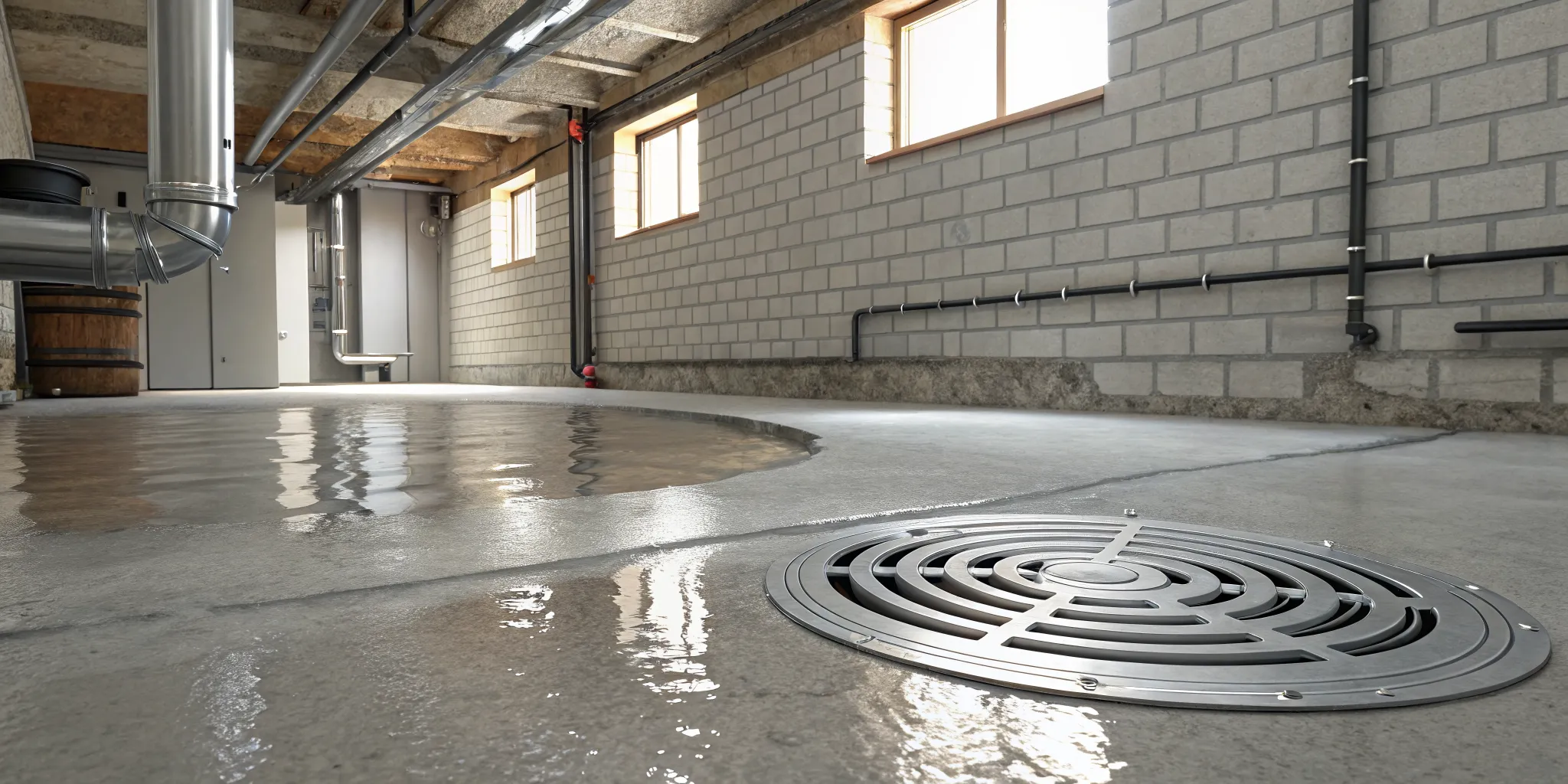
It’s a sinking feeling: you flush a toilet upstairs, and a few moments later, you hear gurgling from the basement, followed by water creeping up from the floor drain. Since your basement drain is the lowest point in your home’s plumbing system, it’s often the first place you’ll see evidence of a major blockage. When wastewater can’t flow away from your house, it backs up to the first available exit. This isn’t just a minor inconvenience; it can lead to water damage, unpleasant odors, and potential health hazards.
Understanding what’s causing the backup is the first step toward fixing it. The problem usually isn’t with the drain itself but with a blockage somewhere further down the line. Several common culprits could be responsible for this messy and stressful situation. If water is actively flowing into your home, it’s best to call for emergency plumbing help right away. Otherwise, let’s look at the most likely reasons your drain is backing up so you can get a better handle on the situation.
The Usual Suspect: A Clogged Main Sewer Line
All the drains in your home, from your kitchen sink to your toilets and showers, feed into a single main sewer line. This pipe carries all your home’s wastewater out to the municipal sewer system under the street. When this main line gets clogged, the water has nowhere to go. Flushing a toilet sends a large volume of water into the system, which hits the blockage and backs up into your home through the lowest point: the basement floor drain. These clogs are often caused by a buildup of grease, hair, soap scum, or items that shouldn’t be flushed, like paper towels or wipes.
Telltale Signs: What Do “Coffee Grounds” Mean?
If you notice a dark, gritty substance that looks like coffee grounds coming up from your basement floor drain, your plumbing is sending you a major red flag. This isn’t leftover breakfast; it’s often raw sewage and other debris that has been forced back up from a severe clog in your main sewer line. When the main pipe that carries all your home’s wastewater away gets blocked, everything you flush or send down a drain has nowhere to go. The pressure builds until the wastewater finds the easiest escape route—your basement drain. This situation is not only messy but also poses a serious health risk. The moment you see this, stop using all water in your house immediately and call a professional. This isn’t a problem that will fix itself, and it requires an expert to diagnose and clear the main line safely. For urgent issues like this in Metro Detroit, our team is ready to help with emergency plumbing services.
Are Tree Roots Wrecking Your Pipes?
If you have mature trees in your yard, their roots could be the source of your plumbing woes. Tree roots are naturally drawn to the moisture and nutrients inside your sewer pipes. They can work their way into even the smallest cracks in the line, where they’ll continue to grow and create a dense, web-like mass. This root ball can catch debris and toilet paper, eventually forming a stubborn blockage that stops water from flowing freely. It’s a common issue in many Metro Detroit neighborhoods and requires professional equipment to clear without damaging your pipes.
When It’s Not Your Fault: City Sewer Problems
Sometimes, the problem isn’t inside your property lines at all. Heavy rainfall can overwhelm the city’s main sewer system, causing it to fill up faster than it can drain. When the municipal sewer is overloaded, the excess water can be forced back through your home’s sewer line, causing a backup in your basement. While this is out of your control, a plumber can help you determine if the city’s system is the cause and recommend solutions to protect your home, like installing a backwater valve. This is a key part of preventing sewage backups, and we can help with professional backflow preventer testing and repair to ensure your home is protected.
Could You Have Damaged or Collapsed Pipes?
Older homes often have sewer lines made of materials like cast iron or clay, which can degrade over time. These pipes can crack, shift, or even collapse completely due to ground movement, age, or root intrusion. When a pipe is broken or has a “belly” (a sag), it disrupts the flow of wastewater and creates a point where debris can collect and form a blockage. A damaged pipe is a serious issue that won’t be fixed with a simple drain snake; it requires a professional inspection and sewer line repair to prevent recurring backups and further damage.
Sump Pump Failure as a Cause
Your sump pump is your first line of defense against groundwater, especially during Metro Detroit’s heavy rains and thaws. Its job is to collect excess water from around your foundation and pump it away from your house. But if the pump fails, that water has nowhere to go. The groundwater level can rise, putting immense pressure on the sewer pipes under your basement floor. This pressure can prevent wastewater from draining out and even force it back into your home through the floor drain. If you notice backups only happen during or after a storm, a failing sump pump could be the culprit. Regular maintenance is key, and if you suspect an issue, getting professional sump pump services can prevent a flood before it starts.
Laundry-Specific Backups
If your basement drain only backs up when you’re doing laundry, you might be dealing with a more localized clog. Washing machines release a large volume of water very quickly, which can easily overwhelm a partially blocked drain line. Over time, lint, soap scum, and dirt from your clothes can build up and create a stubborn obstruction in the laundry drainpipe. The good news is that if your toilets and showers are draining normally, the problem is likely contained to that specific line and not your main sewer. While it’s a less severe issue, it still requires attention to prevent water damage to your laundry area and flooring.
Could It Be an Improperly Installed Drain?
Plumbing is all about gravity. Your drain pipes are designed with a specific downward slope to ensure water and waste flow away from your house smoothly. However, if a pipe was installed incorrectly—without the proper slope, or even with a slight uphill angle—it creates a “belly” where water and debris collect. This is a recipe for chronic clogs and backups. This issue can stem from poor initial construction or from the ground shifting and settling over time. Unfortunately, this isn’t a problem you can fix with a drain snake. It requires a professional inspection, often with a camera, to diagnose and correct the pipe’s slope, ensuring your drainage system works as it should.
Is Your Septic System the Problem?
For homes not connected to a city sewer, the septic system handles all wastewater. If you have a septic system, a basement backup could be a sign that your tank is full or the drain field is failing. When the tank can no longer accept more water, flushing a toilet will send wastewater backward through the pipes and into your home. This often happens gradually, but the result is the same: a messy and unsanitary backup. Regular septic maintenance is crucial for prevention. If you suspect a septic issue, it’s important to stop using water immediately and call a professional to determine if the problem lies with your home’s plumbing or the septic system itself.
Basement Drain Backup? Your First 4 Steps
Seeing water backing up from your basement drain is alarming, to say the least. It’s a messy, stressful situation, but taking the right steps immediately can prevent a bad problem from becoming a catastrophe. Before you even think about cleaning up, your first priority is to contain the damage and keep your family safe. Here’s a clear, step-by-step guide on what to do the moment you notice a backup.
Step 1: Stop Using All Water
This is the single most important thing you can do. Stop running all water in your house right away. That means no flushing toilets, no showers, and no running the dishwasher or washing machine. Any water you send down your drains will have nowhere to go but out of that basement drain, making the flooding worse. By shutting off the water at the source (your faucets and appliances), you can stop feeding the backup. This simple action buys you valuable time to figure out your next move and prevents more extensive water damage.
Step 2: Cut the Power to the Area
Water and electricity are a dangerous combination. If there is standing water in your basement, especially if it’s near electrical outlets, appliances, or extension cords, you need to cut the power to that area immediately. Head to your home’s main electrical panel and shut off the circuit breakers connected to your basement. If you’re unsure which breakers control the basement, it’s safest to shut off the main breaker. If the panel is in the flooded area or you feel unsafe for any reason, stay out and call a qualified electrician for help. Your safety is always the top priority.
Step 3: Assess the Situation (Safely!)
That water in your basement isn’t just water; it could be raw sewage. It’s crucial to stay out of it. Backup water can contain bacteria and other contaminants that pose serious health risks. Keep children and pets far away from the area to ensure they aren’t exposed. If you absolutely must enter the basement, put on protective gear first, including waterproof rubber boots, gloves, and even safety glasses. Your goal is to assess the situation from a safe distance without coming into direct contact with the contaminated water.
Step 4: Protect Your Valuables
Once you’ve stopped the water flow and made the area safe, you can start thinking about your belongings. If you can do so without stepping in water, move any valuable or sentimental items like photo albums, furniture, and electronics to a dry, elevated location. Getting things off the floor can save them from being ruined. Don’t worry about a full-scale cleanup just yet. The immediate goal is damage control. Once the source of the backup is fixed, you can focus on removing the water and disinfecting the area. For a problem this serious, you’ll likely need professional emergency plumbing help to resolve the clog.
DIY Fixes to Try Before Calling a Plumber
When you see water creeping up from your basement drain, your first instinct might be to panic. But before you pick up the phone, there are a few simple diagnostic steps and fixes you can try yourself. Tackling a minor clog can be empowering, but it’s also important to know when to step back and let a professional handle it. If you’re comfortable with some hands-on work, these tips can help you figure out what’s going on and potentially solve the problem. Just remember to always prioritize your safety.
First, Find and Check Your Sewer Cleanout
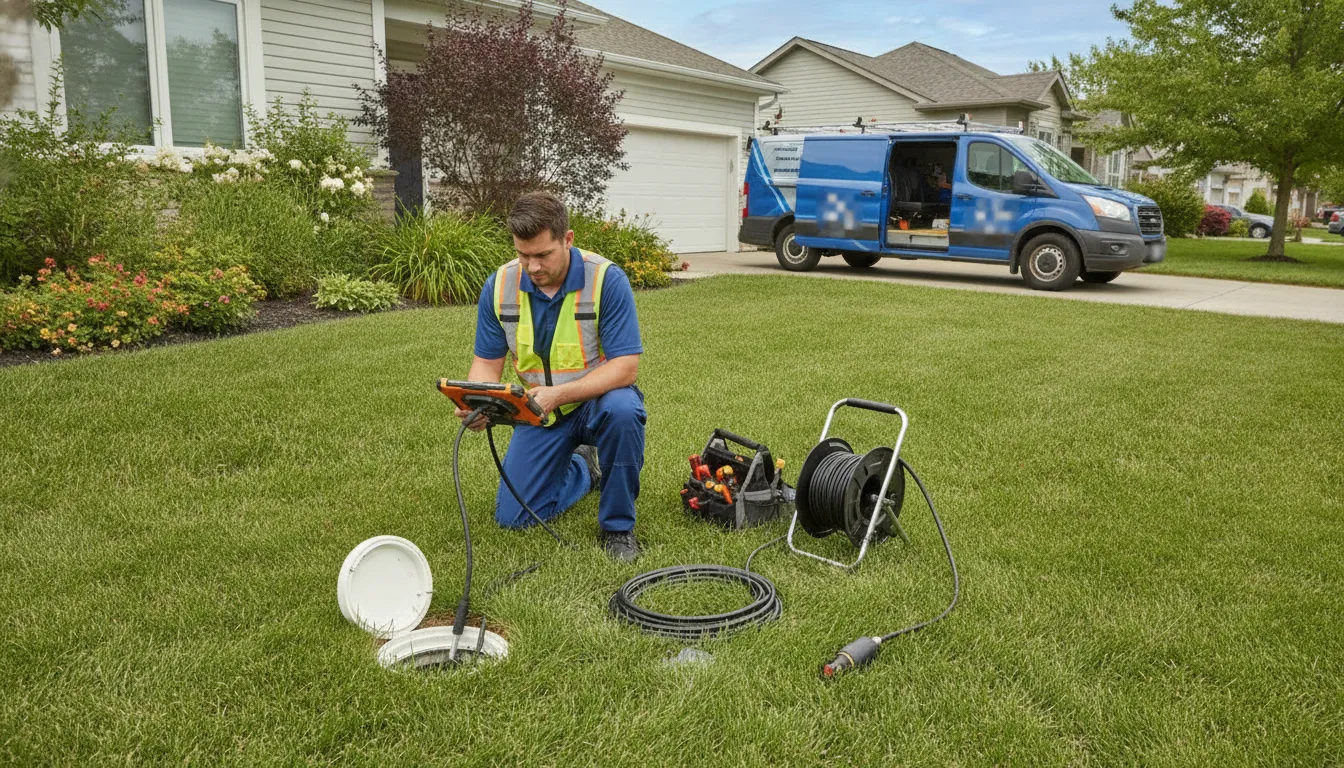
First, let’s play detective. Your home has a main sewer line cleanout, which is a capped pipe that provides direct access to your sewer line. You can usually find it in your basement, garage, or outside near your home’s foundation. Carefully remove the cap and take a look inside. If you see standing water or sewage backing up from the pipe, that’s a clear sign the blockage is in your main sewer line. A strong, unpleasant odor is another giveaway. If you find evidence of a main line clog, it’s best to stop here. This isn’t a simple DIY fix and requires professional equipment to resolve safely. This is the point where you should call for emergency plumbing services.
Preparing for the Plumber’s Arrival
Once you’ve made the call for help, your job isn’t quite done. While you wait for a professional to arrive, taking a few more steps can protect your home and family. The most important rule is to stop all water use immediately. This means no one should flush a toilet, run the dishwasher, or take a shower, as any additional water will only worsen the flooding. If you have standing water in the basement, your next priority is safety. Head to your electrical panel and shut off the power to the affected area to eliminate the risk of electrical shock. Remember, the backup water is unsanitary, so keep children and pets away, and avoid contact yourself. If you can do so without stepping in the water, move any sentimental items or valuables to a higher, dry location. These actions will help contain the mess and minimize damage until our emergency plumbing team gets there to take over.
Can a Plunger or Drain Snake Fix It?
If your sewer cleanout looks clear, the clog might be closer to the drain itself. For a localized clog, a good old-fashioned plunger is your first line of defense. Make sure you’re using a flange plunger (the kind with the extended rubber flap) for a better seal on the drain. Give it a series of firm pumps to try and dislodge the blockage. If that doesn’t work, a drain snake, or auger, is your next best tool. You can rent or buy one from a local hardware store. Feed the flexible cable into the drain until you feel resistance, then crank the handle to break up or pull out the clog.
Using a Wet/Dry Vac for Clogs
If you have a wet/dry shop vacuum, it can be a surprisingly effective tool for pulling out a clog. First, set your vacuum to the “wet” setting and remove the filter to avoid ruining it. Then, create the tightest seal you can around the drain opening with the vacuum hose—you might need to use old towels to block any gaps. The powerful suction can often pull the blockage right out, especially if it’s composed of loose debris located near the drain opening. This method is great for minor clogs, but if it doesn’t work after a few tries, the problem is likely deeper in the pipes. When DIY methods fail, it’s a clear sign you need professional help to avoid making things worse, so it’s time to call for emergency plumbing services.
A Natural Approach: Baking Soda and Vinegar
If you prefer to avoid harsh chemicals, a simple combination of baking soda and vinegar can work wonders on minor clogs. This natural duo creates a fizzing chemical reaction that helps break down grease, soap scum, and other gunk built up in your pipes. Start by pouring about a cup of baking soda directly into the drain, followed by an equal amount of white vinegar. Let the mixture bubble and sit for at least 30 minutes—or even a few hours for tougher buildup. Finally, flush the drain with a pot of very hot (but not boiling) water. This is a great maintenance trick, but it won’t clear a serious blockage caused by tree roots or a collapsed pipe.
My Go-To Plumbing Tools for Homeowners
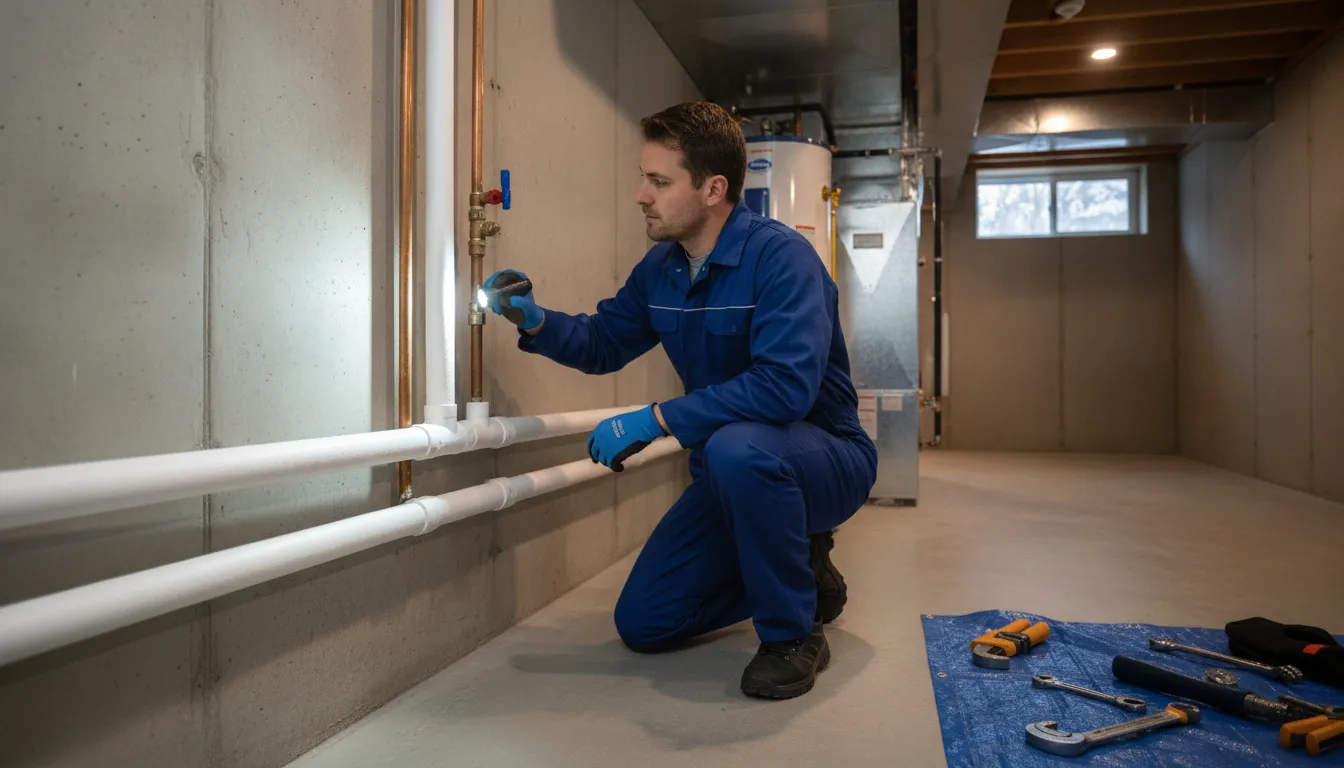
Being prepared can make a big difference in a plumbing pinch. Every homeowner should have a few basic tools on hand. Start with a good pair of heavy-duty work gloves to protect your hands. A pipe wrench is essential for loosening tight fittings, like the sewer cleanout cap. For clearing clogs, a professional-grade plumbing auger is far more effective than flimsy, small-scale versions. You might even find a garden hose with a high-pressure nozzle useful for flushing out cleared drains. Having these tools ready can help you manage minor issues, but for anything more complex, our team is equipped with a full range of expert plumbing solutions.
Why You Should Skip Chemical Drain Cleaners
It can be tempting to reach for a bottle of chemical drain cleaner, but please don’t. While they promise a quick fix, these harsh chemicals can cause more harm than good. They can corrode your pipes, especially older ones, leading to much more expensive repairs down the road. Furthermore, they are often ineffective against the tough clogs that cause basement backups, like tree roots or solid objects. If the chemicals fail to clear the clog, you’ll be left with a drain full of toxic, corrosive liquid. This creates a dangerous situation for you and for any plumber who comes to fix the problem. It’s always safer to use mechanical methods like a plunger or snake.
Is It Serious? Red Flags to Watch For
A single slow drain can often be a simple fix, but when your basement drain starts acting up, it’s important to know if you’re dealing with a minor inconvenience or a major plumbing emergency. Certain signs indicate the problem goes far beyond a simple clog and points to a more serious issue with your main sewer line. If you spot any of the following red flags, it’s time to put down the plunger and pick up the phone. These symptoms suggest a problem that requires professional expertise to diagnose and resolve before it causes significant damage to your home. Ignoring them can lead to costly repairs and unhealthy living conditions.
Red Flag #1: More Than One Drain Is Clogged
If flushing a toilet on the main floor causes water to gurgle up in your basement drain, you have a classic sign of a main sewer line clog. Think of your home’s plumbing like a tree: each drain is a small branch that feeds into a larger branch, all leading to the main trunk, which is your sewer line. When just one sink is slow, the problem is likely in that specific “small branch.” But when multiple fixtures are backing up simultaneously, it means the blockage is in the “trunk.” This isn’t a coincidence; it’s a clear signal that the entire system is compromised and needs immediate attention from a professional.
Red Flag #2: That Unmistakable Sewage Smell
You should never smell sewage in your home. That distinct, foul odor is a major warning sign that something is wrong with your drain lines. The smell is caused by sewer gas escaping from your pipes, which can happen when a blockage forces waste and contaminated water back up into your home. Beyond being extremely unpleasant, these gases can contain harmful bacteria and pose a health risk to your family. If you notice bubbling water or a sewage smell coming from your basement floor drain, don’t ignore it. It’s a direct indication of a backup that needs to be addressed right away.
Red Flag #3: The Water Level Keeps Rising
Is water actively coming out of the drain and not stopping? This is one of the most urgent plumbing situations you can face. A drain that is continuously backing up means there is a significant blockage that is preventing any wastewater from leaving your home. Continuing to use any water will only make the flooding worse, leading to extensive water damage, mold growth, and costly cleanup. If you see water steadily rising from your basement drain, you need emergency plumbing help immediately. Turn off your main water supply if you can do so safely and call a professional.
Red Flag #4: This Isn’t the First Time
Maybe you’ve managed to clear the drain, only to have the same problem pop up again a few days or weeks later. Recurring backups are a sure sign that you’re only treating a symptom, not the underlying cause. A persistent clog in the main sewer line, invasive tree roots, or a damaged pipe won’t go away with a temporary fix. Each time the drain backs up, it puts more stress on your plumbing system. If you find yourself dealing with the same messy backup over and over, it’s time for a professional inspection to identify and permanently solve the root of the problem.
How to Prevent Another Basement Drain Backup
Dealing with a basement backup is stressful, messy, and something no one wants to experience twice. The good news is that you can take proactive steps to significantly lower the chances of it happening again. A little prevention goes a long way in protecting your home, your belongings, and your peace of mind. Instead of waiting for another disaster, you can get ahead of potential problems by making a few simple changes to your habits and scheduling some routine maintenance.
Think of it as an investment in your home’s health. By being mindful of what goes down your drains and keeping your plumbing system in good shape, you can avoid the cost and hassle of major repairs. These preventative measures don’t have to be complicated or expensive, but they are incredibly effective. From watching what you flush to scheduling professional check-ups, here are the best ways to keep your basement dry and your sewer lines flowing freely. If you ever find yourself in a tough spot, remember that reliable emergency plumbing services are just a call away.
Be Mindful of What Goes Down Your Drains
The easiest and most immediate change you can make is to be more mindful of what goes into your plumbing system. Your toilets and drains aren’t trash cans, and treating them like one is a sure way to cause a clog in your main sewer line. The golden rule is to only flush human waste and toilet paper. Things like “flushable” wipes, paper towels, cotton swabs, and feminine hygiene products don’t break down properly and are common culprits behind serious blockages.
The same goes for your sinks. Never pour grease, fats, or oils down the drain. As they cool, they solidify and coat the inside of your pipes, creating a sticky trap for other debris. Coffee grounds and fibrous food scraps can also build up over time, leading to stubborn clogs that can cause a backup.
Use Drain Strainers Everywhere
Think of drain strainers as tiny, hardworking bodyguards for your pipes. They are an incredibly simple and affordable tool that puts the previous tip into practice. Placing a mesh strainer in your kitchen sink will catch all those little food scraps that would otherwise get washed down and contribute to a greasy, sticky clog. In the bathroom, a drain strainer is your best defense against hair, which is one of the biggest culprits for slow-draining showers and tubs. It’s a small, one-time purchase that can save you from the major headache and expense of a serious blockage. By physically stopping debris before it enters your plumbing, you’re taking a powerful step toward preventing clogs and keeping your water flowing exactly where it should.
Why You Need Regular Sewer Check-Ups
Out of sight shouldn’t mean out of mind when it comes to your main sewer line. Since you can’t see what’s happening inside your pipes, a professional inspection is the only way to catch potential problems before they turn into a full-blown emergency. We recommend having your sewer line inspected and cleaned by a professional plumber at least once a year, or more often if you have large trees on your property.
During an inspection, a plumber uses a special camera to get a clear view of your pipes, identifying any cracks, blockages, or tree root intrusion. This allows them to address small issues before they cause a major backup, saving you from costly and unexpected plumbing repairs.
Proactive Measures Against Tree Roots
Those beautiful, mature trees that give your yard so much character could be plotting against your plumbing. It’s nothing personal—their roots are simply hardwired to seek out the nearest source of water and nutrients, and your sewer line is an irresistible target. Once they find a tiny crack, they can invade the pipe and create a dense root ball that causes stubborn blockages. This is an incredibly common issue, especially in older Metro Detroit homes with established landscaping. But you don’t have to choose between your trees and your plumbing. Taking a few proactive steps can help you protect your pipes from this underground threat.
Strategic Landscaping to Protect Pipes
Protecting your pipes starts with smart landscaping. If you’re planning to add new trees, be mindful of where you plant them. Keeping them far away from your sewer lines is the best defense. For existing trees, you can install root barriers—underground walls made of plastic or metal that physically block and redirect roots away from your pipes. Combining these strategies with routine maintenance is key. Just as you might insulate pipes to prevent freezing, taking preventative measures against roots can save you from a future disaster. An annual camera inspection can spot root intrusion early, allowing a professional to clear them before they form a major clog and cause a messy backup in your home.
Consider Installing a Backwater Valve
If your home is in an area prone to municipal sewer system backups, a backwater valve can be a real lifesaver. This simple device is installed on your sewer line and acts as a one-way gate. It allows wastewater to flow out of your home but automatically closes if sewage from the city’s main line starts to flow back toward your house. This effectively stops a municipal backup from flooding your basement.
Installing a backwater valve is a job for a professional plumber, but it’s a one-time investment that provides lasting protection and peace of mind. It’s an essential safeguard, especially for homes in older neighborhoods or low-lying areas. Our team can help you with backflow preventer services to keep your home safe.
Don’t Forget to Maintain Your Drain Traps
Every drain in your home, including the one in your basement floor, has a U-shaped pipe called a P-trap. Its job is to hold a small amount of water to prevent sewer gases from entering your home. However, this trap can also collect hair, soap scum, dirt, and other debris over time. If it becomes clogged, it can obstruct water flow and contribute to a backup.
Make it a habit to regularly clean your drain traps, especially in showers and sinks. For your basement floor drain, you can help keep it clear by occasionally pouring a bucket of water down it. This flushes out any accumulated debris and ensures the trap stays filled with water, which is crucial for it to function correctly.
Never Cap Your Basement Floor Drain
When you’re dealing with a smelly or overflowing basement drain, it can be incredibly tempting to find a quick fix, and capping the drain might seem like the most logical solution. However, this is a dangerous move that can lead to much bigger problems. Your basement floor drain is a critical safety feature, designed to be the lowest point in your home’s plumbing to safely divert water from a burst pipe or overflowing appliance. By sealing it, you’re not solving the underlying issue—you’re just forcing the pressure to build elsewhere. That backed-up water will find the next easiest escape route, which could be your shower, tub, or sink, causing a much more destructive and unsanitary flood on your main living floors. Instead of a temporary plug, you need to address the root cause with professional emergency plumbing services to prevent catastrophic damage.
How to Stay Safe Around Sewage Water
A sewage backup is more than just a mess; it’s a serious health hazard. The water flooding your basement contains contaminants that can put your family at risk. Before you even think about cleanup, your number one priority should be safety. Taking the right precautions will protect you from illness and injury while you handle the immediate situation. Think of this as damage control, where the most important thing to protect is your health. Once everyone is safe, you can focus on getting your home back to normal.
Understanding the Dangers of Contaminated Water
That foul-smelling water is teeming with bacteria, viruses, and other pathogens that can make you very sick. Direct contact or even inhaling the fumes can expose you to illnesses like E. coli, salmonella, and hepatitis A. The gases released from raw sewage, such as hydrogen sulfide, can also cause nausea and headaches. It’s crucial to treat the entire affected area as a biohazard zone. Understanding the dangers of contaminated water helps you appreciate why professional cleanup is often the safest route.
Your Essential Safety Gear Checklist
If you must enter the flooded area, you need to protect yourself from head to toe. Before you step into any standing water, shut off the electricity to that part of your home at the breaker box to prevent electrocution. Always wear waterproof boots, rubber gloves, and safety glasses. A facemask or respirator is also a good idea to avoid inhaling harmful fumes and airborne contaminants. Keep children and pets far away from the area until it has been completely cleaned and disinfected. This is a job that requires serious protection, which is why many homeowners call for emergency plumbing assistance.
Use Disposable Cleaning Tools
When you’re facing a sewage backup, it’s critical to treat the cleanup process with extreme caution. The water isn’t just dirty; it’s a biohazard. As we’ve discussed, backup water contains bacteria and other contaminants that pose serious health risks. That’s why using disposable cleaning tools is non-negotiable. Think single-use items like heavy-duty trash bags, paper towels, and disposable cloths. Using tools you can throw away afterward prevents you from accidentally spreading those germs to other parts of your home. Once you’re done, seal everything in a sturdy garbage bag and dispose of it properly. This approach minimizes your contact with hazardous materials and is a key part of staying safe around sewage water.
How to Safely Clean and Disinfect
Once the plumbing issue is fixed and the area is safe to enter, the cleanup can begin. While wearing your protective gear, start by removing all the standing water with a wet/dry vacuum. Shovel any solid waste into heavy-duty trash bags. You’ll need to throw away anything that can’t be thoroughly disinfected, like carpets, books, and upholstered furniture. Next, wash all hard surfaces with hot water and a strong soap. Finally, disinfect everything with a solution of one cup of bleach mixed with one gallon of water. Let the solution sit for at least 20 minutes before rinsing it away.
Disposing of Contaminated Items
After disinfecting the hard surfaces, you face the toughest part of the cleanup: deciding what to throw away. Sewage water soaks deep into porous materials, and surface cleaning won’t remove the trapped bacteria. You’ll need to be ruthless. Anything absorbent that came into contact with the water—carpets, rugs, upholstered furniture, mattresses, books, and even drywall—must be disposed of. Place these items in heavy-duty trash bags and remove them from your home. It’s a difficult job, but getting rid of these contaminated materials is essential for making your home safe and clean again.
Preventing Mold Growth After a Backup
Once the area is cleared and disinfected, your next priority is to get it completely dry. You’re racing against the clock, as mold can start to grow in as little as 24 to 48 hours in a damp space, creating a new health hazard. To prevent this, get the air moving by opening windows and setting up high-powered fans. A commercial-grade dehumidifier is also essential for pulling moisture from the air, concrete, and wood framing. This drying phase is just as critical as the initial cleanup. After you’ve had to manage a plumbing emergency, the last thing you need is a lingering mold problem that could affect your family’s health.
When Is It Time to Call a Plumber?
While it’s tempting to tackle home repairs yourself, a basement drain backup is one of those problems that often requires a professional touch. Some issues are simply too complex or hazardous for a DIY fix. Knowing when to put down the plunger and pick up the phone can save you time, money, and a major headache. If you’re facing persistent clogs, foul odors, or water that just won’t go down, it’s a clear signal that a deeper problem is at play. A licensed plumber has the right tools and expertise to diagnose the root cause and provide a lasting solution, ensuring your home stays safe and dry.
Clear Signs You Need Professional Help
You should call a professional plumber if you notice any of these warning signs. If the water in your basement is actively rising and won’t recede, it’s time for an expert. The same goes for water that smells like sewage, as this indicates a serious main line issue. Another major red flag is when multiple drains in your home start backing up simultaneously, like a toilet and a shower, which points to a blockage deep in your plumbing system. Homeowners in older Metro Detroit homes should be especially cautious, as aging pipes are more prone to collapse or damage. Don’t hesitate to call for professional plumbing services when the problem is beyond a simple clog.
What Happens During a Pro Plumbing Inspection?
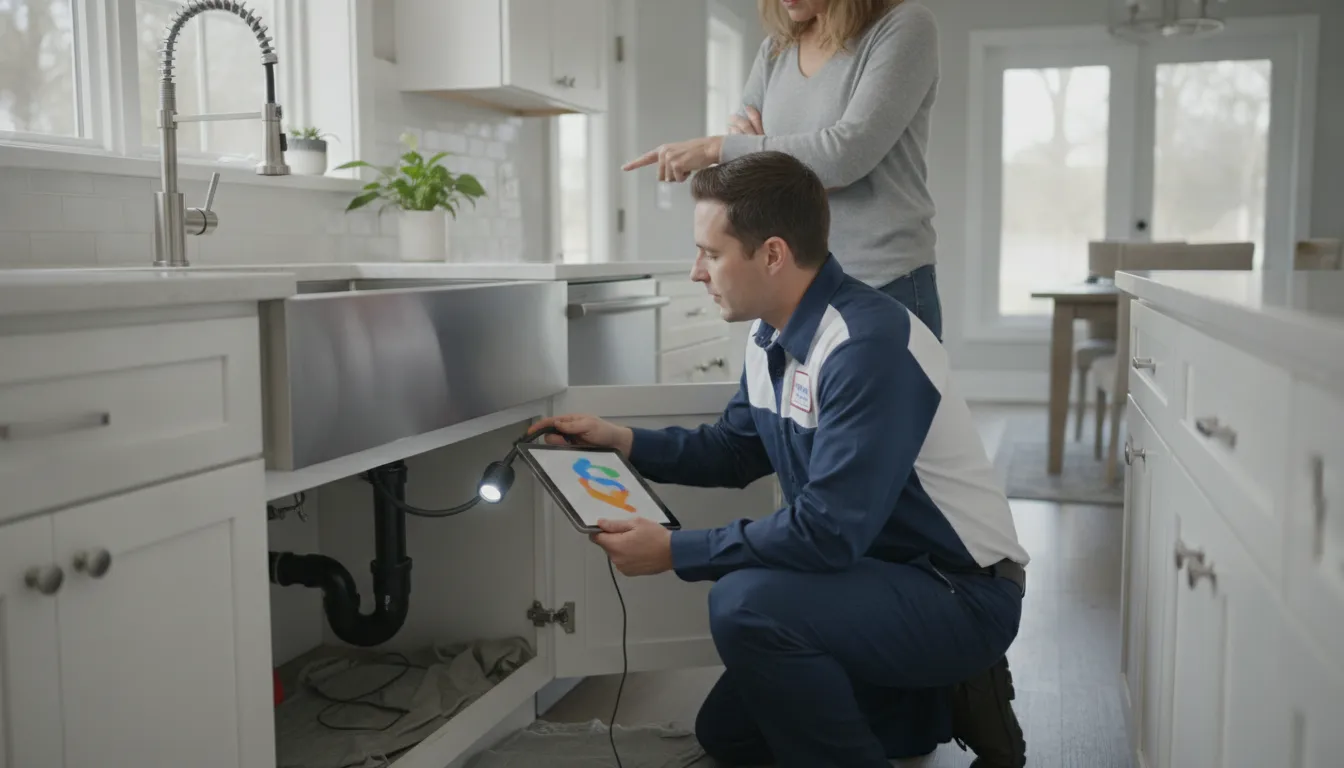
When you call a professional plumber, they won’t just treat the symptom; they’ll find the source of the problem. A thorough inspection often involves advanced diagnostic tools, like a sewer camera that can travel deep into your pipes. This technology allows the plumber to see exactly what’s causing the backup, whether it’s a stubborn clog, invasive tree roots, or a collapsed pipe. By pinpointing the precise location and nature of the issue, they can recommend the most effective and permanent solution. This approach ensures the problem is fixed correctly the first time, preventing future backups and giving you peace of mind.
Diagnosing a Broken Pipe with a Camera
When you call in a professional, they don’t guess what the problem is—they find it. One of the most valuable tools in our arsenal is a high-resolution sewer camera. This small, waterproof camera is attached to a flexible rod and fed deep into your sewer line, sending a live video feed back to a monitor. This allows us to see exactly what’s happening inside your pipes in real-time. We can spot the precise location of a stubborn clog, identify cracks from shifting soil, find invasive tree roots, or confirm if a section of the pipe has collapsed. This diagnostic step is crucial because it takes the guesswork out of the repair, ensuring we apply the right fix the first time and saving you from paying for ineffective solutions. It’s a key part of our comprehensive plumbing solutions.
Specialized Tools Pros Use: Hydro-Jetting
For the most stubborn main line clogs, a simple drain snake just won’t cut it. That’s when we bring out the heavy-duty equipment, like a hydro-jetter. This isn’t your average pressure washer; it’s a specialized tool that uses a high-pressure stream of water—up to 4,000 PSI—to obliterate blockages. The hydro-jetter’s nozzle shoots water forward to break up the clog and backward to scour the pipe walls clean and propel the hose forward. It’s incredibly effective at removing years of built-up grease, scale, sediment, and even tough tree roots. Unlike a snake that just pokes a hole through the blockage, hydro-jetting restores the pipe to its full diameter, providing a much longer-lasting solution and preventing future backups. This is one of the most powerful tools we use for emergency plumbing situations.
How to Know If It’s a Plumbing Emergency
Yes, a sewage backup is absolutely a plumbing emergency. The water backing up from your drain isn’t just dirty; it can contain harmful bacteria and pathogens that pose serious health risks, including E. coli and Hepatitis A. If you have standing water in your basement, you should also be aware of the electrical hazard. Immediately turn off the power to the flooded area at the breaker box to prevent the risk of electric shock. Because of these dangers, you should never wait to address a sewage backup. Contact a trusted plumber for emergency plumbing assistance right away to keep your family safe.
Understanding the Costs of a Basement Drain Backup
Facing a basement backup is stressful enough without the added worry of unexpected costs. While every situation is different, understanding the potential expenses can help you prepare and make informed decisions. The total cost typically breaks down into two main categories: the professional plumbing service to fix the cause of the backup and the cleanup and restoration services to handle the aftermath. Getting a handle on these potential costs will help you see the full picture and understand the value of getting the job done right the first time.
What to Expect for Professional Plumbing Services
When you call a plumber for a basement backup, you’re paying for more than just a quick fix; you’re investing in a long-term solution. A professional won’t just clear the immediate clog but will find the root cause of the problem. This often involves a thorough inspection using advanced tools, like a sewer camera that can travel deep into your pipes. This technology lets the plumber see exactly what’s happening, whether it’s a stubborn buildup, invasive tree roots, or a cracked pipe. By accurately diagnosing the issue, they can perform the correct repair and prevent the same messy problem from happening again, saving you from future headaches and expenses.
The Cost of Professional Cleanup and Restoration
The second major expense is the cleanup, which is not a DIY job. A sewage backup is a serious health hazard, as the water contains dangerous contaminants that can put your family at risk. Professional restoration services are essential to safely remove the water, sanitize the area, and prevent mold growth. The cost for these services can range widely, often from $2,000 to $10,000, depending on the extent of the flooding and the materials affected. While this can seem like a high price, it’s a necessary investment in your family’s health and the safety of your home. Trying to cut corners on cleanup can lead to lingering health risks and structural damage down the line.
Need Help Now? Mr. Pipey Is Here for You
When you’re faced with a basement drain backing up, especially after flushing a toilet, the situation can feel overwhelming. A backup happens when wastewater reverses flow back into your home, which can lead to significant water damage and unsanitary conditions if not handled right away. Instead of trying to manage a messy and potentially hazardous situation on your own, let our family at Mr. Pipey take care of yours. We have the experience and equipment to resolve the problem quickly and safely, so you can get your home back to normal.
We’re Available With 24/7 Emergency Services
Plumbing emergencies rarely happen at a convenient time. That’s why our team is available 24/7 to respond to your call. With many homes connected to aging sewage systems, the chances of experiencing sudden sanitary sewer backups are on the rise, making a timely response more important than ever. When you contact us for emergency plumbing, you can count on a fast, professional, and effective solution, no matter the hour. We’re here to give you peace of mind when you need it most.
Get Expert Drain and Sewer Line Repairs
Our experienced technicians are ready to tackle any drain and sewer line issue, big or small. A basement drain backup is often caused by a clog in the drain line or sewer line, which requires a professional to accurately diagnose and repair. Whether it’s a simple blockage, invasive tree roots, or a more complex problem within your pipes, we have the expertise to get your plumbing system flowing smoothly again. We use the right tools to not only clear the clog but also identify the root cause to prevent it from happening again.
Your Satisfaction Is 100% Guaranteed
We stand by the quality of our work with a 100% satisfaction guarantee. We know how stressful it is when sewage has nowhere to go but back up through the lowest drains in your home. Our commitment to you is simple: we’ll get the job done right. As a family-owned business, we treat every client’s home with the same care and respect we’d show our own. You can trust us to provide reliable, long-lasting solutions that protect your property and your family.
Related Articles
- Basement Drain Backup: Your Step-by-Step Guide
- Drain Backup in Basement? A Step-by-Step Guide
Frequently Asked Questions
Why does the water always seem to come up in the basement drain first? Your basement floor drain is the lowest plumbing outlet in your entire house. Because of gravity, when your main sewer line gets blocked, wastewater that can’t escape to the street will back up to the lowest and easiest exit point it can find. That’s almost always the drain in your basement floor, which is why it serves as an early warning sign for a major clog.
If the city’s sewer system is causing the backup, am I responsible for the damage? Unfortunately, yes, homeowners are typically responsible for the cleanup and damage inside their own property, even if the cause is a municipal issue. This is why we often recommend installing a backwater valve. This device can protect your home by preventing city sewage from flowing back into your pipes during a heavy storm or a main line overflow.
Will my homeowner’s insurance cover the damage from a sewage backup? This really depends on your specific policy. Standard homeowner’s insurance policies often do not cover damage from sewer backups. You usually need to purchase a separate rider or add-on for that specific type of coverage. It’s a good idea to review your policy or call your insurance agent to understand what is and isn’t covered before you find yourself in an emergency.
How can I know for sure if tree roots are the problem without digging up my yard? You don’t have to guess or start digging. A professional plumber can perform a video camera inspection of your sewer line. We feed a small, high-resolution camera down the pipe to get a clear look at what’s going on inside. This lets us see if roots have broken through, pinpoint their exact location, and determine the best way to clear them without destroying your lawn.
I already used a chemical drain cleaner, but the backup is still there. What should I do now? First, don’t add any more chemicals. When these products fail to clear a clog, they can sit in your pipes as a toxic, corrosive mixture, which is dangerous for you and any plumber who works on the line. The best thing to do at this point is to call a professional. Be sure to tell us that you used a chemical cleaner so our technicians can take the proper safety precautions while they work to clear the blockage.