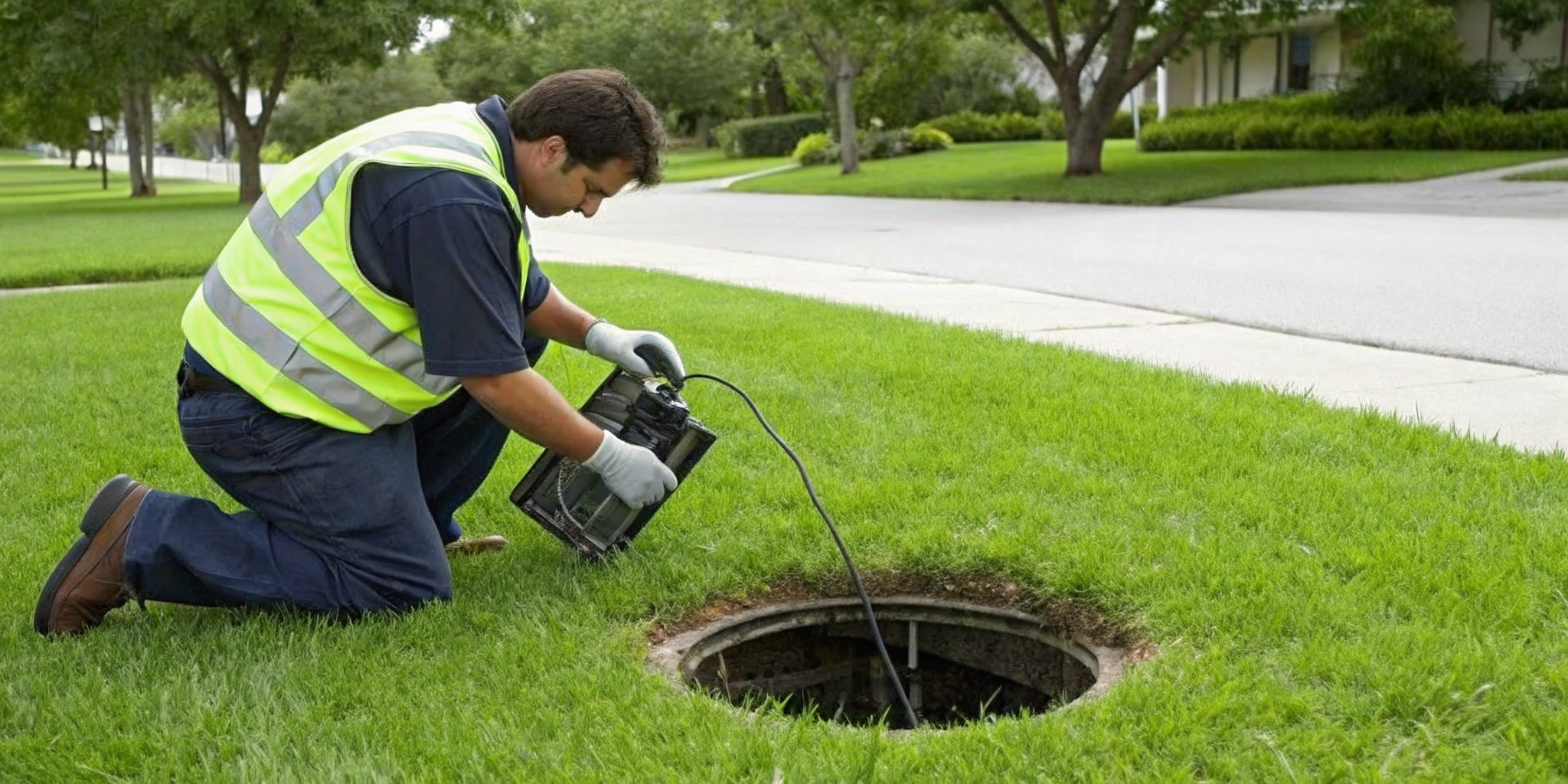
Let’s be honest. When a drain starts acting up, your mind immediately jumps to the cost. It’s a totally valid concern, especially when the problem is buried underground. You can’t see it, so it’s easy to imagine the worst-case scenario and a massive repair bill. But before you panic, there’s a smart first step: a sewer camera inspection. This simple diagnostic tool takes the guesswork out of the equation and can save you a fortune by pinpointing the exact issue. This guide offers a transparent breakdown of the sewer line camera inspection cost, so you know what to expect and can budget accordingly.
Key Takeaways
- A Camera Inspection Eliminates Guesswork: This technology provides a clear, real-time view inside your pipes, allowing for precise repairs that save you from the cost and mess of unnecessary digging.
- Know What Determines the Final Cost: The price of an inspection is based on factors like pipe accessibility and length, so always ask for a detailed quote to understand all potential charges, such as video reports or locating services.
- Be Proactive to Prevent Emergencies: Don’t wait for a backup to check on your sewer line. A routine inspection can catch small issues like minor cracks or root intrusion before they become major, expensive disasters.
What is a Sewer Line Camera Inspection?
Think of a sewer line camera inspection as a doctor’s visit for your home’s plumbing. Instead of guesswork, we use modern technology to get a clear, real-time look at what’s happening inside your pipes. A specialized, high-resolution waterproof camera is attached to a long, flexible cable, which we gently guide through your sewer line, from your house all the way to the municipal connection at the street.
As the camera travels, it sends a live video feed to a monitor. This allows us—and you, if you’d like to watch—to see the exact condition of your pipes in high definition. We can spot everything from stubborn clogs caused by grease buildup to more serious issues like cracks, corrosion, collapsed sections, and invasive tree roots that have forced their way in. It’s a straightforward, accurate way to diagnose problems without any disruptive digging. This technology is a core part of how we provide our plumbing solutions, because it takes the mystery out of plumbing problems and ensures we can recommend a precise, effective fix the very first time.
Who is Responsible for the Sewer Line?
Figuring out who is responsible for a sewer line problem can feel confusing, but it usually comes down to one simple factor: location. As a homeowner, you are typically responsible for the section of pipe that runs from your house to the main sewer line under the street. This private portion is often called the “sewer lateral.” According to plumbing experts, homeowners are responsible for the sewer line that runs from their home to the municipal system. This means if you have a clog, crack, or tree root invasion anywhere along this lateral pipe on your property, the responsibility for the repair falls on you.
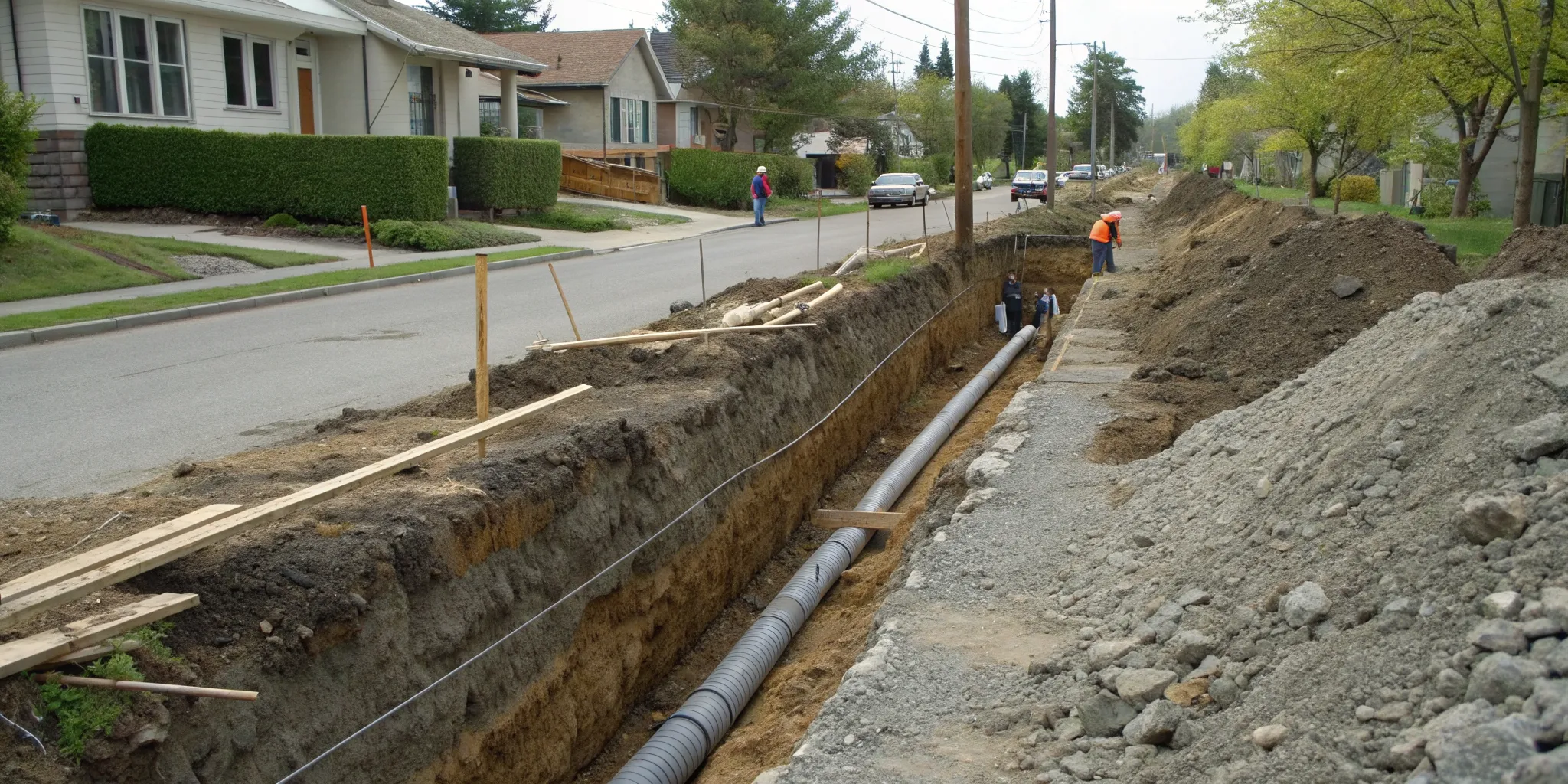
On the other hand, the city or your local municipality takes care of the public part of the system. This includes the main sewer line that typically runs parallel to the street, collecting wastewater from all the homes in your neighborhood. If a blockage or break occurs in this main line, it’s the city’s job to handle the repairs. A sewer camera inspection is the best way to determine the exact location of the problem. If the inspection shows the issue is beyond your property line, you’ll know to contact your local authorities instead of a plumber to resolve the issue.
What to Expect During Your Inspection
The process is simpler and quicker than most people imagine, usually taking about an hour. When our plumber arrives, they’ll locate the best access point to your sewer line, which is typically a cleanout. This is a capped pipe that allows for direct entry into your sewer system. If a cleanout isn’t accessible, we can sometimes enter through a vent on your roof or by temporarily removing a toilet.
Once we have access, we carefully feed the camera cable into the pipe. We watch the monitor closely as it moves, noting the pipe’s condition and pinpointing the exact location of any blockages or damage. If you’re dealing with a sudden backup, this is often the first step in our emergency plumbing response because it gives us the critical information we need to act fast.
Camera vs. Traditional: Why Modern Inspections Win
The biggest advantage of a camera inspection is that it’s non-destructive. In the past, finding a sewer line problem often meant digging large trenches in your yard based on an educated guess. This was messy, expensive, and disruptive to your landscaping and daily life. A camera inspection completely eliminates that guesswork.
By pinpointing the exact location and nature of the problem, we can plan a targeted, efficient repair. This precision saves you time, money, and the headache of unnecessary excavation. It allows us to recommend the most effective solution, whether it’s a simple cleaning or a more specific repair. It’s a smart, proactive approach that protects your property and helps you avoid much larger, more costly problems down the road.
Why Get a Sewer Line Inspection?
A sewer line inspection might seem like an extra, unnecessary step, but it’s one of the smartest decisions you can make for your property. Because your sewer line is buried underground, problems can develop silently for years until they become a catastrophic and expensive mess. A camera inspection is a proactive measure that gives you a clear picture of your pipe’s health, helping you address small issues before they escalate. It’s about more than just avoiding clogs; it’s about protecting your home, your finances, and your peace of mind.
Protect Your Home’s Value
Your home is one of your most significant investments, and its value depends on more than just curb appeal. Hidden issues with the sewer line, which are not typically covered in a standard home inspection, can lead to costly repairs that diminish your property’s worth. Problems like cracks, tree root intrusion, or pipe collapses are often invisible from the surface but can cause foundational damage or persistent backups. By investing in a camera inspection, you get a definitive look at this critical system, ensuring there are no expensive surprises waiting for you. It’s a small step that safeguards your home’s long-term value and helps you maintain its structural integrity.
Gain Negotiation Leverage When Buying a House
If you’re in the process of buying a home, a sewer line inspection is your best friend. Discovering a significant issue with the sewer line before you sign the closing papers gives you powerful information. You can use the inspection report to negotiate with the seller, asking them to cover the cost of repairs or lower the asking price to compensate for the future expense. In some cases, if the damage is too extensive, it might even be the deciding factor in walking away from a purchase that would have turned into a financial nightmare. This knowledge prevents you from inheriting a pre-existing, and often very expensive, problem.
Prevent Potential Health Hazards
A failing sewer line isn’t just a threat to your wallet; it’s a risk to your family’s health. When a pipe is blocked or broken, it can lead to raw sewage backing up into your home through drains, toilets, and showers. This not only causes thousands of dollars in damage to your floors and foundation but also introduces harmful bacteria and pathogens into your living space, creating a serious health hazard. A sewer backup can also lead to mold growth, which poses additional health risks. Catching issues early with an inspection is the best way to prevent a plumbing emergency and keep your home safe and sanitary for everyone in it.
How Much Does a Sewer Line Camera Inspection Cost?
Figuring out the cost of a sewer line camera inspection can feel a bit like a guessing game, but it doesn’t have to be. While the final price tag depends on a few different factors, understanding the typical costs can help you budget and make an informed decision. Think of it as an investment in your home’s health—catching a small issue now can save you from a massive, expensive headache later. Let’s break down what you can expect to pay, from a standard scheduled visit to a last-minute emergency call.
How Much Should You Expect to Pay?
When you start looking into pricing, you’ll see a fairly wide range. Nationally, most homeowners pay between $270 and $1,731 for a professional sewer camera inspection. The exact cost depends on things like how easy it is to access your pipes and the total length of the sewer line that needs to be checked. Because every home’s plumbing is unique, the best way to get an accurate number is to get a direct quote. A trustworthy plumber will give you a clear, upfront price so you know exactly what to expect before any work begins.
National Averages and Typical Price Ranges
While that broad range can seem a bit intimidating, most standard sewer camera inspections fall within a more predictable bracket. For a typical residential property, you can generally expect the cost to be somewhere between $100 and $600. Some sources find the average cost is closer to $300–$700, which often includes a more detailed report or a video copy of the inspection for your records. These figures serve as a great starting point, but remember that they are national averages. The final price will always depend on local rates and the specifics of your property’s plumbing system. The key is to find a company that offers transparent pricing, so you aren’t left with any surprises on the final bill.
Cost for Simple vs. Complex Sewer Lines
The complexity of your sewer line is one of the biggest factors influencing the final cost. A straightforward inspection on a simple, easily accessible line might only cost between $100 and $250. However, if your sewer line is particularly long or has multiple bends, the price could increase to the $250 to $400 range. The most significant variable is the access point. If your home doesn’t have a dedicated “cleanout” port, the plumber may need to remove a toilet to get the camera into the pipe. This extra labor can raise the cost significantly, with some inspections in this scenario ranging from $175 to $750. This is why we always assess the situation first and provide a clear, upfront quote before starting any work.
Does an Emergency Call Cost More?
Plumbing emergencies have a knack for happening at the worst possible times—like on a holiday weekend or in the middle of the night. If you need an immediate inspection, you can expect the cost to be higher than a scheduled appointment. Many companies add an extra fee of $100 to $300 for an emergency call-out. Some might increase their standard rates by 20% to 50% for after-hours work. While nobody wants to pay extra, having access to reliable emergency plumbing services when you’re dealing with a backup is invaluable for protecting your home from serious water damage.
DIY vs. Pro: Which is More Cost-Effective?
If you’re handy, you might consider renting a sewer camera yourself, which typically costs between $120 and $225 per day. While this seems cheaper upfront, it comes with a major catch: you need to know what you’re looking at. A professional plumber doesn’t just run a camera through the pipe; they use their expertise to identify hairline cracks, tree root intrusions, and other subtle signs of trouble that an untrained eye would miss. Misinterpreting the footage could lead to a costly misdiagnosis. For most homeowners, hiring a professional is the most reliable and ultimately cost-effective route to ensure the job is done right the first time.
Comparing Professional and Rental Equipment
Let’s look closer at the equipment itself. While renting a camera seems straightforward, professional-grade gear is significantly more advanced than what you’ll find at a rental shop. A professional plumber uses high-resolution cameras that provide a crystal-clear image, making it easy to spot subtle issues like hairline cracks or minor corrosion. More importantly, their equipment includes a locator, a device that pinpoints the exact location and depth of the problem from above ground. This precision is a true game-changer. It means that if a repair is needed, we know exactly where to work, saving you from the expense and disruption of unnecessary digging. When you hire a professional, you’re not just paying for the camera; you’re investing in the expertise and technology needed for an accurate diagnosis and a targeted, effective solution. This is a core part of our commitment to providing comprehensive plumbing solutions that get the job done right the first time.
What Factors Influence the Inspection Cost?
When you get a quote for a sewer line camera inspection, you’ll notice the price isn’t a simple flat rate. That’s because every home’s plumbing system is unique. Several key factors can affect the final cost, from the layout of your pipes to the specific services you need. Understanding these variables will help you see exactly what you’re paying for and why the investment is worthwhile. Let’s break down the main elements that determine the price.
How Easy Is It to Access Your Pipes?
One of the biggest factors in the cost of an inspection is how easy it is for a plumber to get to your pipes. If the access point is clear and straightforward, the job will be quicker and more affordable. However, if your pipes are located in tight crawl spaces, under a concrete slab, or beneath your driveway, the inspection becomes more complex. A plumber might need extra time and equipment to reach them, which can increase labor costs. The overall accessibility of your pipes plays a significant role in the time and effort required for a thorough examination.
The Cost of Inspecting Without a Cleanout
Ideally, every sewer inspection starts at a cleanout—that capped pipe giving us direct access to your sewer line. But what if your home doesn’t have one, or it’s buried under landscaping? In that case, we need to find another way in. This usually involves more complex steps, like accessing the line through a roof vent or temporarily removing a toilet to get the camera inside. Because this requires more time and labor, it naturally affects the final price. While a standard inspection has a typical range, the lack of a cleanout can increase the cost to anywhere from $175 to $750. It’s a clear example of how accessibility is a major factor in the overall price. Rest assured, if removing a toilet is the best option, our team handles it expertly as part of our standard toilet repair services.
Does Your Location Affect the Price?
Where you live matters when it comes to the cost of plumbing services. Just like with other home services, prices can vary based on the local economy and cost of living. For instance, homeowners in major metropolitan areas often see higher rates—sometimes 20% to 30% more—than those in more rural locations. Here in Metro Detroit, pricing is competitive, but it reflects the costs of doing business in our region. At Mr. Pipey, we always aim to provide fair, transparent pricing that offers real value for our community.
Does a Longer Sewer Line Cost More to Inspect?
The size and complexity of your sewer line also influence the final price. A longer and deeper sewer line naturally takes more time to inspect from end to end. The camera has to travel a greater distance, and the plumber needs to carefully analyze more footage. If your system has a lot of bends, turns, or connections, it adds another layer of complexity to the job. A more intricate pipe layout requires a skilled technician to guide the camera carefully, ensuring no potential issues are missed, which can impact the time and cost involved.
Does Better Equipment Mean a Higher Price?
Not all inspection cameras are created equal. The type of technology a plumbing company uses can affect the cost. High-resolution, self-leveling cameras provide a much clearer picture of your pipe’s condition, making it easier to spot cracks, blockages, and root intrusion. While this advanced equipment might contribute to a slightly higher price, it delivers more accurate results. Additionally, services like creating a video recording of the inspection or using a locating device to pinpoint the exact location of a problem underground can add to the total. These services are incredibly valuable for planning precise, minimally invasive repairs.
Are There Additional Costs to Consider?
When you get a quote for a sewer line camera inspection, it’s smart to ask what’s included. The base price usually covers the inspection itself, but several factors can add to the final bill. Think of it like ordering a pizza—the plain cheese has one price, but each topping costs extra. Understanding these potential add-ons ahead of time helps you budget accurately and avoid any surprises when the invoice arrives.
Some of these extra costs are for optional services, like getting a video recording of the inspection. Others are necessary additions based on what the plumber finds, such as needing to remove a toilet to access the pipes or using special equipment to locate a blockage underground. A transparent plumbing company will always discuss these potential charges with you before they start the work. Don’t hesitate to ask for a clear breakdown so you know exactly what you’re paying for.
Is the Video Recording an Extra Fee?
Getting a video copy of your sewer inspection is a great idea, but it often comes at an extra cost. Most plumbers can provide a digital recording and a detailed report for an additional fee, typically between $50 and $100. While it might seem like an unnecessary expense, this documentation can be incredibly valuable. If you’re dealing with an insurance claim, the video provides undeniable proof of the damage. It’s also helpful if you’re buying or selling a home, as it gives a clear record of the sewer line’s condition. Think of it as an investment in peace of mind and a tool for future reference.
What if the Toilet Needs to Be Moved?
Sometimes, the best access point to your sewer line is through a toilet’s drain. If that’s the case at your home, the plumber will need to remove the toilet before the inspection and reinstall it afterward. This extra labor will add to your total cost. Because it involves more time and care to avoid damaging the toilet or your flooring, this isn’t a minor task. If your home’s layout requires this step, your plumber should inform you upfront. This is a common scenario, and a professional team will handle your toilet repair and replacement needs carefully to ensure everything is put back perfectly.
Finding the Exact Location of a Problem
Finding a problem with a camera is one thing; knowing its exact physical location underground is another. If the inspection reveals a crack, clog, or break that needs to be dug up and repaired, the plumber will need to use a locating device. This specialized tool helps pinpoint the issue’s precise depth and location in your yard, which is crucial for efficient digging. This pipe locating service requires specific equipment and expertise, so it’s usually an additional charge. While it adds to the inspection cost, it saves you money on repairs by preventing unnecessary excavation.
Will You Be Charged a Travel Fee?
Many plumbing companies charge a trip fee or a minimum service fee just to come to your home. This charge covers their travel time, fuel, and the initial time spent on-site, and it can range anywhere from $70 to $200. It’s an important detail to clarify when you first book your appointment. At Mr. Pipey, we believe in being upfront about all our costs. When you contact us for a service, we’ll always let you know about any potential fees. Asking about travel charges is a great way to gauge a company’s transparency and ensure there are no hidden costs on your final bill.
Does Homeowners Insurance Cover the Cost?
This is a common question, and the answer is a classic “it depends.” While some homeowners insurance policies offer limited protections, they typically don’t cover damage from normal wear and tear, corrosion, or tree root intrusion—which are some of the most common reasons for a sewer line inspection. Coverage generally applies only when the damage is sudden and accidental. For more reliable peace of mind, many insurance providers offer a specific add-on, often called a service line or sewer line rider, for a small monthly fee. Your best bet is to pull out your policy or call your agent to understand exactly what your coverage includes before you need it. Knowing where you stand can help you budget for both the inspection and any potential repairs.
When Should You Get a Sewer Line Inspection?
Knowing the right time to schedule a sewer line inspection can feel like a guessing game, but your home often gives you clues. Sometimes, the signs are obvious and urgent. Other times, the best move is to be proactive to avoid a future headache. Understanding when to call for a professional look can save you from messy backups, costly repairs, and a lot of stress. Let’s walk through the key moments when an inspection is a smart idea.
Red Flags That Point to a Sewer Problem
If you’re experiencing plumbing issues, don’t ignore them. Persistent problems are often symptoms of a bigger issue lurking in your sewer line. Pay attention if you notice several drains in your house are slow, you smell unpleasant odors coming from your pipes, or water starts backing up into your sinks, tubs, or toilets. These are classic signs that something is wrong deep within your plumbing system. When these issues pop up, it’s time to call for an emergency plumbing inspection before a small problem turns into a major disaster.
Warning Signs Inside Your Home
Your home’s plumbing system is interconnected, so when the main sewer line has a problem, you’ll often see signs pop up in multiple places at once. A single slow drain might just be a local clog, but if your shower, toilet, and bathroom sink are all draining sluggishly, that’s a major red flag. You might also hear strange gurgling sounds coming from your pipes after you flush the toilet or run the sink. Another unmistakable sign is water backing up into your tub or shower when you use the washing machine. And, of course, a persistent, foul odor that smells like sewage is a clear indicator that something is wrong. These issues suggest a blockage in the main line that needs immediate attention before it leads to a messy and unsanitary backup, often requiring a professional toilet repair or replacement.
Warning Signs Around Your Property
Sometimes, the most telling clues are outside your house. Take a walk around your yard and look for any areas that seem unusual. Do you have a patch of grass that is suddenly much greener and more lush than the rest of your lawn? While it might look nice, this can be a sign that an underground sewer pipe is leaking, fertilizing the soil above it. You might also notice soggy spots or indentations in your yard where the ground has settled due to a broken pipe. If you have large, mature trees, their roots can be a major threat to your sewer line. Over time, powerful roots can invade pipes, causing cracks and blockages. Noticing any of these external signs is a good reason to contact a professional for an inspection to see what’s happening beneath the surface.
Can a Preventive Inspection Save You Money?
You don’t have to wait for a clog or a backup to check on your sewer line’s health. In fact, scheduling routine inspections is one of the smartest things you can do as a homeowner. A camera inspection can catch small issues, like minor cracks or early-stage root intrusion, before they escalate. Finding and fixing a small leak early on is far less disruptive and much more affordable than dealing with a collapsed pipe and a flooded basement down the road. Think of it as a check-up for your home’s plumbing—a simple step that provides peace of mind and protects your property.
How Often Should You Schedule a Preventive Inspection?
As a general rule of thumb, having your sewer line inspected every five to ten years is a great starting point for most homes. However, that timeline isn’t one-size-fits-all. If you live in an older home, especially one with original clay pipes, or if you have large, mature trees in your yard, you should consider more frequent checks—perhaps every couple of years. Tree roots are naturally drawn to the moisture in sewer lines and can cause serious blockages over time. Here in Metro Detroit, our beautiful, established neighborhoods often mean older pipes and mature trees, making proactive inspections even more important. A regular check-up helps you stay ahead of potential issues and prevent costly emergency repairs down the road.
Sewer Inspection Myths, Busted
A couple of misconceptions can prevent homeowners from getting a necessary inspection. One is the idea that you can just do it yourself. While you can rent inspection cameras, there’s a real risk of misinterpreting what you see without professional training. A pro knows how to identify subtle signs of corrosion, cracks, and blockages. Another issue is access. Some homes lack a proper clean-out point, which can complicate an inspection. This isn’t the plumber’s fault, but it’s something a professional can assess and find a workaround for, ensuring you get a complete picture of your pipe’s condition.
What Happens After the Inspection?
Once the camera has made its journey through your sewer line, you’ll have a clear picture of what’s going on inside your pipes. This is where a professional plumber’s expertise really shines. They’ll walk you through the footage, explain exactly what they found, and recommend the best course of action. It can feel a little overwhelming to see cracks or blockages in your home’s essential plumbing, but this is the most important step toward a lasting solution. The inspection gives you the power to make an informed decision instead of guessing what’s causing your plumbing headaches. You’re no longer dealing with symptoms like slow drains or backups; you’re looking directly at the cause.
Think of the inspection report as a roadmap. It pinpoints the exact location and nature of the problem, which allows for a targeted and effective fix. Whether it’s a simple clog or a more complex issue like a collapsed pipe, knowing the specifics saves you time and money in the long run. Instead of digging up your entire yard to search for a mystery leak, a plumber can go directly to the source. This precision is what makes a camera inspection so valuable. It transforms a major, disruptive project into a manageable repair. We’ll break down the most common findings and what they mean for you and your home.
What Might the Camera Find?
A sewer camera can spot a range of issues, from minor to severe. Most often, we find stubborn clogs caused by a buildup of grease, hair, and other debris that a simple drain snake can’t reach. The camera can also reveal more serious structural problems. We’re talking about cracked, corroded, or completely broken pipes that can leak wastewater into your yard. Another frequent culprit, especially in a place like Metro Detroit with its beautiful, mature trees, is root intrusion. Tree roots are incredibly powerful and can work their way into tiny openings in your sewer line, causing major blockages and damage over time.
Common Blockages
More often than not, the camera reveals a stubborn clog that a simple drain snake just can’t handle. Over time, things like grease from the kitchen sink, hair from the shower, and even so-called “flushable” wipes can build up on the walls of your pipes, creating a dense blockage. While you might clear a small path with a snake, the camera shows us the full extent of the problem, allowing for a more thorough cleaning that actually solves the issue instead of just postponing it. Understanding what shouldn’t go down the drain is the first step, but once a major clog forms, a camera inspection is the best way to see exactly what we’re up against and plan the most effective way to clear it for good.
Types of Pipe Damage and Defects
Sometimes, the inspection uncovers issues that go beyond a simple clog. The camera can reveal serious structural problems like cracked, corroded, or completely broken pipes that are leaking wastewater into your yard. In older homes, we often find that cast iron pipes have deteriorated or clay pipes have become brittle. Another frequent culprit, especially here in Metro Detroit with our beautiful, mature trees, is root intrusion. Tree roots are naturally drawn to the moisture in sewer lines and can force their way into the smallest cracks, causing significant blockages and damage. Identifying these issues early is critical to preventing a complete pipe collapse, which is why our emergency services often start with a camera inspection to get a clear diagnosis.
Is It Cheaper to Repair or Replace?
If the inspection reveals significant damage, you’ll face the decision to either repair a section of the pipe or replace the entire line. This is a big decision, and the right choice depends on the age of your pipes and the extent of the problem. A spot repair might be enough for a single crack or hole. However, if the pipe is old, corroded, or has multiple issues, a full replacement is often the more cost-effective solution long-term. The cost to repair or replace a sewer line can vary widely, but it’s an investment in your home’s health and functionality. We can help you weigh the pros and cons to find the best solution for your budget.
Average Costs for Sewer Line Repairs
If the camera inspection uncovers a localized issue like a single crack or a specific blockage, a targeted repair is often the best route. This is great news because it’s far more affordable than a full replacement. Generally, you can expect the cost for fixing a damaged sewer line to fall somewhere between $1,000 and $4,000. The final price depends on the depth of the pipe and the complexity of the repair. In some cases where extra work is needed, like clearing out heavy root intrusion before patching the pipe, the cost could go up to $6,000. This is why catching problems early is so important—it allows for a precise, manageable repair that restores your system’s integrity without breaking the bank.
Costs for Full Sewer Line Replacement
A full sewer line replacement is the most intensive solution, reserved for pipes that are old, collapsed, or have widespread damage. It’s a significant investment, so it’s important to be prepared for the potential cost. A full sewer pipe replacement can cost $25,000 or more, with many major repairs falling in the $1,000 to $15,000 range depending on the scope of the work. This price reflects the extensive labor involved, including excavation, removing the old pipe, installing the new one, and restoring your landscaping. While this number can be intimidating, it’s a long-term solution for severe issues. A trustworthy plumber will always explore all repair options first and only recommend a full replacement when it is absolutely necessary for the health and safety of your home.
Will You Need Professional Pipe Cleaning?
Sometimes, the problem isn’t damage but a massive clog that needs more power than a standard drain snake. In these cases, a thorough cleaning might be all you need. Hydro-jetting is a highly effective method where we use high-pressure water to blast away years of accumulated grease, scale, and even tree roots from the pipe walls. It’s like a pressure washer for your sewer line, leaving it sparkling clean. While more intensive than snaking, hydro-jetting is a great option for tough blockages and can help prevent future clogs, making it a smart step before you consider more extensive repairs.
Hydro-Jetting vs. Snaking Costs
When it comes to professional pipe cleaning, your two main options—snaking and hydro-jetting—come with different price tags. Snaking is typically the less expensive route and works well as a quick fix for a simple clog. The key thing to remember, though, is that snaking just breaks up a blockage; it doesn’t fully clean the inside of your pipes. That leftover grease and sludge can create a perfect spot for a new clog to form. Hydro-jetting has a higher initial cost but offers a far more complete solution. It thoroughly scours the pipe walls, removing years of buildup and helping prevent future issues. For homeowners dealing with persistent drain problems, this makes it a smarter investment that can save you money on repeat service calls down the road.
How to Choose the Right Plumbing Company
Finding a plumbing company you can trust with your home’s sewer system is a big deal. A great way to start is by gathering a few different quotes. Getting at least three estimates from local plumbers gives you a clear picture of fair market pricing and helps you compare what each company offers. Remember, you’re not just looking for the lowest price—you’re looking for the best value. That means finding a licensed and insured professional who will do the job correctly the first time. When you’re ready, you can always contact our team for a straightforward, no-hassle estimate.
What to Ask Your Plumber About the Cost
Before you agree to any work, it’s smart to have a few questions ready. This helps you understand exactly what you’re paying for and avoids surprises down the road.
Here’s what I always recommend asking:
- “Will I get a copy of the video inspection and a written report?” This is your proof of the problem and is essential for your records.
- “Does this estimate include potential repairs, or are those separate costs?” Knowing this upfront helps you budget for the entire project.
- “Are you licensed, insured, and bonded?” This is non-negotiable. It protects you and your property.
Asking these questions helps you find a company that values transparency, like the team at Mr. Pipey.
Check Online Reviews and Credentials
Once you have a few estimates, take a moment to do a little homework. Online reviews on sites like Google or the Better Business Bureau are today’s word-of-mouth, offering a glimpse into a company’s track record. Look beyond the star rating and read what actual customers are saying. Are they consistently praised for being on time, professional, and transparent with their pricing? Also, pay attention to how a company responds to negative feedback—it speaks volumes about their commitment to customer satisfaction. Finally, always confirm that the company is licensed and insured. This is your safety net, protecting you from liability. A trustworthy plumber will have this information readily available, reflecting the company’s values and dedication to professional, reliable service.
Decoding Your Plumbing Quote
When you get your quotes, you might notice the prices vary. Several factors can influence the final cost of a sewer line camera inspection. Understanding them will help you make sense of each estimate. The main variables include the accessibility of your pipes, the total length of the sewer line, and your home’s location. A more complex or hard-to-reach system will naturally require more time and effort. A good quote will be clear and detailed, so you can see exactly what plumbing services you are paying for.
Does Your Plumber Offer a Guarantee?
Hiring a professional who stands behind their work provides incredible peace of mind. Reputable plumbing companies often offer service guarantees or warranties on their inspections and repairs. This is a sign that they are confident in their skills and equipment. A guarantee ensures that if an issue is missed or a repair doesn’t hold up, the company will make it right. At Mr. Pipey, we treat every client like family and back our work with a 100% customer satisfaction guarantee, so you can feel confident you’re getting reliable, long-lasting results.
How to Prepare for Your Sewer Line Inspection
A sewer line inspection can feel a bit mysterious, but knowing what to expect makes the whole process much smoother. A little preparation on your end can help your plumber work more efficiently, give you a clearer picture of what’s happening in your pipes, and help you plan for what comes next. Think of it as setting the stage for a successful diagnosis of your home’s plumbing health. By taking a few simple steps, you can save time, reduce stress, and feel more in control from start to finish.
What to Do Before the Plumber Arrives
One of the easiest ways to help your inspection go smoothly is to clear the path for your plumber. Your sewer line has an access point, often called a cleanout, which could be in your basement, crawl space, or yard. Before we arrive, take a few minutes to clear the area around it. This means moving any boxes, furniture, or storage items that might be in the way. If the cleanout is outside, trimming back overgrown bushes or clearing away debris can make a big difference. This simple step allows our technicians to get straight to work, which can save time and potentially lower your overall cost, especially in an emergency plumbing situation.
What Do Your Inspection Results Mean?
The best part of a camera inspection is that you get to see exactly what’s going on inside your pipes. We feed a high-resolution camera into your sewer line, and you can watch the footage in real-time on a monitor. This technology lets us pinpoint the exact location of blockages, cracks, tree root intrusion, or pipe corrosion without any guesswork or disruptive digging. Seeing the problem with your own eyes helps you understand its severity and why a certain repair is recommended. We’ll walk you through the findings, explain what you’re seeing, and answer any questions you have, so you can make a fully informed decision about your home’s plumbing solutions.
How to Budget for Potential Repairs
It’s important to remember that the fee for the sewer line inspection covers the diagnostic service itself, not any repairs that might be needed. Think of it like getting an X-ray at the doctor’s office—the image tells you what’s wrong, and the treatment is the next step. Once we identify an issue, we’ll provide you with a separate, detailed quote outlining your repair options and the associated costs. Catching problems early with a routine inspection can often save you from much larger and more expensive repairs down the road. If you have questions about potential costs or want to schedule an inspection, feel free to contact us to discuss your needs.
Related Articles
- Plumbing Maintenance & Prevention
- Repair & Emergency Solutions
- DIY Garbage Disposal Repair: A Step-by-Step Guide
- How to Repair an Instant Water Heater: A DIY Guide
Frequently Asked Questions
Is a camera inspection really necessary if my drains are just a little slow? Think of a slow drain as an early warning sign from your home. While it might seem like a minor annoyance, it often points to a developing issue like grease buildup or early tree root intrusion. Scheduling an inspection when you first notice a problem is a proactive move that can help you catch a small issue before it turns into a messy, expensive backup. It’s the best way to know for sure what you’re dealing with.
Could the camera actually damage my pipes during the inspection? This is a great question, and the short answer is no. The camera equipment is specifically designed for this job. The camera head is durable yet smooth, and it’s attached to a highly flexible cable that can easily move through the twists and turns of your plumbing system. Our technicians are trained to guide the camera carefully, so the process is safe and non-invasive for your pipes.
What happens if you can’t find a cleanout or easy access point to my sewer line? While a cleanout is the most common access point, it’s not the only one. Experienced plumbers know how to find alternative entry points if a cleanout isn’t available or is inaccessible. This might involve temporarily removing a toilet to access the drain directly or, in some cases, using a plumbing vent on the roof. We’ll always assess your home’s specific layout to find the safest and most effective way to perform the inspection.
Is the inspection fee a waste of money if you don’t find any problems? Not at all! An inspection that reveals a clean, healthy sewer line is actually great news. It provides you with valuable peace of mind and confirms that your plumbing system is in good working order. Think of it as an investment in certainty. Knowing your pipes are clear saves you from worrying about potential backups and gives you a baseline for your home’s health.
Does the inspection price include fixing the problem you find? The fee for a sewer line camera inspection covers the diagnostic service itself—running the camera and identifying the issue. It does not include the cost of any repairs. This two-step approach is actually in your best interest. It ensures you get an accurate diagnosis first, and then we can provide you with a separate, detailed quote for the specific repair needed. This way, you only pay for the work that’s truly necessary.