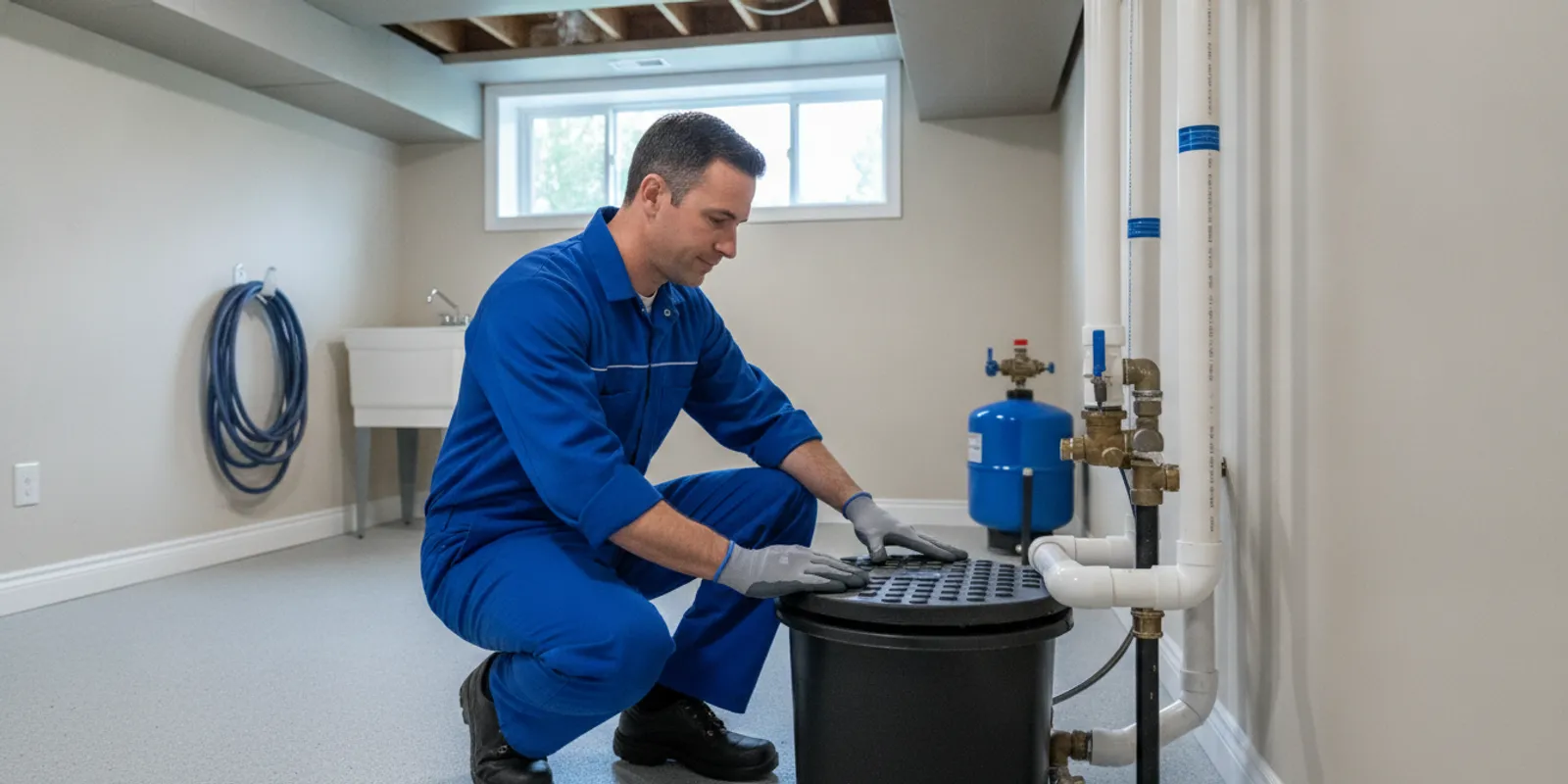


Our homes here in Metro Detroit come with their own unique challenges, from aging pipes to that dense clay soil we all know. These local factors play a huge role in the final sewer lateral replacement cost. A project in one neighborhood can look completely different from another just a few miles away. That’s why getting a clear, detailed breakdown is so important. This guide is tailored for local homeowners like us, explaining how things like pipe accessibility, landscaping, and even your specific city can impact your budget. We’ll give you the insights you need to tackle this project with confidence.
Key Takeaways
- Understand the Full Financial Picture: Your final bill includes more than just the new pipe. Be sure to account for necessary extras like city permits, camera inspections, and the potential costs of restoring your lawn, driveway, or patio after the job is done.
- Compare Repair Methods for Long-Term Value: While traditional digging may have a lower initial price, trenchless methods can save you thousands in the long run by preserving your landscaping. Consider the total project cost, including restoration, to make the smartest financial choice.
- Take Control of the Hiring Process: You can manage costs by getting at least three detailed, written quotes from licensed and insured plumbers. Always ask about their guarantees, check reviews, and inquire about payment plans to find a reliable partner that fits your budget.
What is a Sewer Lateral Replacement?
Hearing that you might need a sewer lateral replacement can be daunting. It sounds like a massive, complicated job, and it’s one of those home repairs nobody ever wants to think about. But understanding what it is and why it’s necessary is the first step to handling the problem without the stress. Your home’s plumbing system has a lot of moving parts, and the sewer lateral is one of the most critical. When it fails, it can cause a chain reaction of issues inside and outside your house. Let’s break down what this pipe does and the warning signs your home might be sending you.
First Things First: What’s a Sewer Lateral?
Think of the sewer lateral as the main exit ramp for all the wastewater leaving your home. It’s the underground pipe that connects your house’s plumbing system—from your toilets, sinks, and showers—to the public sewer main, which is usually located under your street. What many homeowners don’t realize is that you are responsible for maintaining this entire line, from where it leaves your house to the point where it connects to the city’s system. If this crucial pipe cracks, gets clogged by tree roots, or collapses due to age, it’s up to you to fix it. Ignoring problems here can lead to messy backups and even potential health hazards.
Sewer Lateral vs. Sewer Main
Knowing the difference between your sewer lateral and the sewer main is one of those homeowner details that doesn’t seem important until it really is. The sewer lateral is the underground pipe that carries all the wastewater from your house out to the larger municipal line under the street. The key thing to remember is that this pipe belongs to you. From the foundation of your home to the point where it connects to the city’s system, you are responsible for its maintenance and repair. So, if it gets clogged with tree roots, cracks from shifting soil, or simply wears out over time, the responsibility for fixing it falls squarely on your shoulders.
In contrast, the sewer main is the large, shared pipeline that serves your entire neighborhood, collecting waste from all the individual laterals and transporting it to a treatment facility. Your local municipality or city is responsible for maintaining the sewer main. This distinction is critical because it determines who pays the bill. A blockage in the city’s main is their problem to solve, but a problem anywhere along your lateral line requires you to call a professional. Determining the exact location of the issue is the first step, which is why a camera inspection is often necessary to diagnose the problem correctly and avoid any unnecessary emergency plumbing situations.
Common Causes of Sewer Lateral Failure
Sewer lateral issues rarely happen overnight. They’re usually the result of long-term stress on the pipe from a few common culprits. Understanding what causes these failures can help you spot the early warning signs and potentially avoid a full-blown emergency. From the materials used decades ago to what goes down our drains today, several factors are constantly at play right underneath our yards. In an area like Metro Detroit with its mix of historic and modern homes, knowing these causes is especially important for protecting your property and your peace of mind.
Aging Pipe Materials
One of the biggest culprits behind sewer lateral problems is simply age. Many homes in our area were built with pipes made from materials that have a limited lifespan. Cast iron pipes, for example, can rust from the inside out, while older clay pipes are prone to cracking as the ground shifts around them. There are even pipes made from a fiber material, called Orangeburg, that can soften and collapse over time. While new sewer pipes are generally expected to last about 50 years, much of our local infrastructure is older than that. When these materials start to fail, it’s not a matter of if you’ll have a problem, but when.
Blockages from Grease and Debris
Another frequent cause of sewer lateral failure is something that happens right in our own kitchens: blockages from grease and other debris. It’s easy to think that pouring a little cooking oil or fat down the drain is harmless, but it adds up. As fats, oils, and grease (FOG) travel down the drain, they “cool, harden, and stick to the inside of the pipe.” Over time, this sticky residue catches other debris, creating a stubborn clog that narrows the pipe and restricts water flow. Eventually, this can lead to slow drains, foul odors, and messy backups that require emergency plumbing attention. Proper disposal is key to keeping your lines clear.
Warning Signs You Might Need a Replacement
Your home is usually pretty good at telling you when something is wrong, and a failing sewer lateral is no exception. You just have to know what to look for. If you’re experiencing one or more of these issues, it might be time to call in a professional for an inspection. Some of the most common red flags include frequent backups in multiple drains, gurgling noises from your toilets, and slow drainage throughout the house. You might also notice unpleasant sewage odors in your yard or basement. Sometimes the signs are outside, like unusually green patches of grass or sunken spots in your lawn, which can indicate a leak. If you notice any of these problems, it could be a sign of a serious issue that requires emergency plumbing attention.
Who is Responsible for the Sewer Lateral?
When a sewer line problem pops up, the first question is usually, “Who pays for this?” It’s a critical question because the answer determines your next steps and financial obligations. The responsibility for sewer lateral maintenance isn’t always straightforward and can depend on your specific location and the exact part of the pipe that’s failing. Understanding the distinction between the different sections of the lateral line is key to figuring out who needs to make the call and foot the bill. Before you start getting quotes, it’s essential to know where your property line ends and the city’s responsibility begins.
Understanding Upper vs. Lower Lateral Responsibility
As a general rule, you, the homeowner, are responsible for the sewer lateral on your property. This section of pipe, often called the “upper lateral,” runs from your house all the way to your property line. This is a common policy across many cities, and as the Milwaukee Metropolitan Sewerage District points out, homeowners are responsible for the sewer pipe that connects their house to the main city sewer line. This means if tree roots invade, the pipe cracks from age, or a clog forms in that stretch, the repair bill lands on your shoulders. It’s the part of the system that directly serves your home, so its upkeep is considered part of your home maintenance.
Where things can get a bit fuzzy is the “lower lateral”—the part of the pipe running from your property line to the main sewer under the street. In some places, like those covered by the Carpinteria Sanitary District, the city actually shares some of that responsibility. Here in Metro Detroit, the rules can vary from one municipality to another, so it’s always a good idea to check with your local government. A professional plumber can also perform a camera inspection to pinpoint exactly where the problem is, which helps clarify who is responsible before any digging starts. If you’re facing a sewer issue and need a clear assessment, our team is here to help.
How Much Does Sewer Lateral Replacement Cost?
Figuring out the cost of a sewer lateral replacement can feel overwhelming because there isn’t a single, flat-rate price. The final bill depends on several factors, from the method used to your home’s specific location. Think of it less like buying a product off the shelf and more like a custom project for your home. Understanding the key variables will help you get a clearer picture of the potential investment and prepare you for getting an accurate quote for your property.
National Averages vs. Real-World Costs
When you start researching sewer replacement costs, you’ll likely see national averages that float around the $3,500 to $4,000 mark. While these numbers can give you a general idea, they don’t tell the whole story for your home here in Metro Detroit. In reality, the price can swing dramatically, with some projects costing as little as a thousand dollars and others climbing well over $15,000 depending on the complexity. The final bill includes more than just the new pipe. You also have to account for necessary extras like city permits, camera inspections to diagnose the problem accurately, and the potential costs of restoring your lawn or driveway after the work is done. This is why a personalized quote from a trusted local plumber is so much more reliable than a generic online estimate.
Cost Breakdown by Replacement Method
The technique your plumber uses is one of the biggest factors in the total cost. Most projects start with a camera inspection to diagnose the problem, which can add $150 to $500 to the bill. From there, you have two main options. The traditional trenching method, which involves digging up the old pipe, typically runs from $50 to $125 per square foot. It’s direct but can be disruptive to your yard. A more modern, trenchless approach costs more upfront—ranging from $60 to $250 per square foot—but it avoids major excavation. This makes it a great choice if you want to preserve your driveway, patio, or mature landscaping.
Does Your Metro Detroit Location Affect the Price?
Here in Metro Detroit, costs can vary quite a bit from one neighborhood to the next. The average price for a sewer line replacement falls between $1,390 and $5,320, with most homeowners paying around $3,320. This range is influenced by local labor rates and how accessible your pipes are. If your sewer lateral is buried under a concrete driveway or a beloved old tree, for example, the job becomes more complex and costly. The length and type of pipe needed for your home also play a role in the final price. The only way to know for sure is to have a professional assess your specific situation. Getting a custom quote is the best first step toward creating a clear budget.
What Factors Influence Your Final Cost?
When you get a quote for a sewer lateral replacement, it’s not just one flat fee. The final price tag is a combination of several unique factors specific to your property. Understanding what goes into the estimate can help you see exactly where your money is going and why one neighbor’s cost might be completely different from yours. From the type of pipes you have to what’s planted in your yard, every detail matters. Let’s walk through the main variables that will shape your project’s budget.
The Depth and Accessibility of Your Pipe
One of the biggest cost drivers is how difficult it is to physically reach the damaged pipe. A shallow pipe in an open yard is the most straightforward scenario. However, pipes that are buried deeper require more extensive excavation, which means more time and labor. If your sewer lateral runs under a concrete driveway, a patio, or the foundation of your home, the job becomes much more complex. Plumbers have to carefully break through and then repair these structures, which can increase the cost from $50–$250 per foot to as much as $300–$350 per foot for those hard-to-reach sections.
Your Pipe’s Material and Total Length
The length of the pipe that needs replacing is a primary factor in your total cost—the more feet, the higher the price. The material of the pipe itself also plays a significant role. Modern PVC pipes are generally the most affordable option, while older materials like cast iron or clay can be more expensive to purchase and more labor-intensive to work with. For example, 40 feet of PVC piping might cost a few hundred dollars, whereas the same length in cast iron could run into the thousands. We can help you determine the best material for your home’s needs when you contact our team.
Soil Conditions and Underground Obstacles
What’s happening underground on your property can also affect the project’s complexity. Metro Detroit has a variety of soil types, and dense clay or rocky ground can make excavation much more challenging than digging through soft loam. The presence of large tree roots is another common obstacle that can wrap around and damage pipes, requiring extra work to clear. Your plumber also has to account for other underground utility lines to avoid disrupting your gas, water, or electrical services. These hidden challenges can add time and labor to the job, influencing the final cost.
The Impact on Your Yard and Landscaping
It’s important to remember that the plumbing quote typically covers the pipe replacement itself, but not always the restoration of your property afterward. If the replacement requires digging a large trench across your lawn, you’ll need to budget for reseeding the grass and repairing any garden beds. The same goes for any hardscaping that has to be removed, like a brick patio or a section of your driveway. Be sure to ask your contractor what is and isn’t included in their estimate so you can plan for these additional restoration expenses and avoid any surprises.
Traditional vs. Trenchless: A Head-to-Head Cost Comparison
When it comes to replacing your sewer lateral, you have two main paths: the classic excavation method or a more modern, trenchless approach. Each has its own process and price tag, and understanding the difference is key to making a smart financial decision for your home. The best choice often comes down to your property’s layout, your budget, and how much you value your landscaping. Let’s break down what you can expect from each.
The Traditional ‘Dig’ Method: Process and Price Tag
The traditional method is exactly what it sounds like: a trench is dug along the path of your old sewer line to remove it and lay a new one. This approach is effective and has been the standard for decades. The cost for this type of replacement typically runs between $50 and $125 per square foot. The biggest factor in that price is the excavation itself, as digging up the pipe is usually the most expensive part of the job. Keep in mind that the plumber’s quote often doesn’t include the cost of restoring your yard. Repairing lawns, gardens, walkways, or driveways can add several hundred to a few thousand dollars to your final bill.
Trenchless Solutions: How Pipe Bursting and Lining Work
Trenchless sewer replacement is a less invasive alternative that can save your yard from destruction. The two main techniques are pipe bursting and pipe lining. Pipe bursting pulls a new pipe through the old one, fracturing the old pipe outward. Pipe lining inserts a flexible, resin-coated tube into the old pipe, which then hardens to form a new pipe within the old one. These methods generally cost between $60 and $250 per linear foot. While the per-foot cost can be higher than traditional replacement, you avoid a lot of digging, which means you also avoid the massive expense and headache of landscape restoration.
Which Method Offers Better Long-Term Value?
When you look at the total project cost, trenchless methods often come out ahead. While the initial quote might seem higher, you could save thousands on rebuilding your patio, repaving your driveway, or replacing mature landscaping. A new, reliable sewer line also adds value to your home by giving you (and any future buyers) peace of mind. Regardless of the method you choose, the most important investment is in a reputable, experienced plumber. A job done right the first time saves you from costly repairs down the road. Exploring all your expert plumbing solutions with a trusted team ensures you get the best value for your home.
Don’t Forget to Budget for These Extra Costs
When you get a quote for a sewer lateral replacement, it’s easy to focus on the main price tag. But several other expenses can pop up, and it’s smart to plan for them. Thinking about these costs ahead of time will give you a much more realistic budget and save you from sticker shock when the final invoice arrives. From restoring your yard to paying for city permits, here are the additional costs you need to keep in mind.
Fixing Up Your Lawn and Garden
If your sewer line replacement requires traditional excavation, your yard is going to be disrupted. The cost to restore your landscaping is a major factor that many homeowners overlook. This isn’t just about sprinkling some grass seed; it can involve laying new sod, replanting shrubs and flower beds, or even rebuilding parts of a garden path. Depending on how much of your yard is affected, these restoration costs can range from a few hundred to several thousand dollars. Make sure you discuss this with your plumbing contractor so you have a clear understanding of what the cleanup and restoration process will involve.
Budgeting for Permits and Camera Inspections
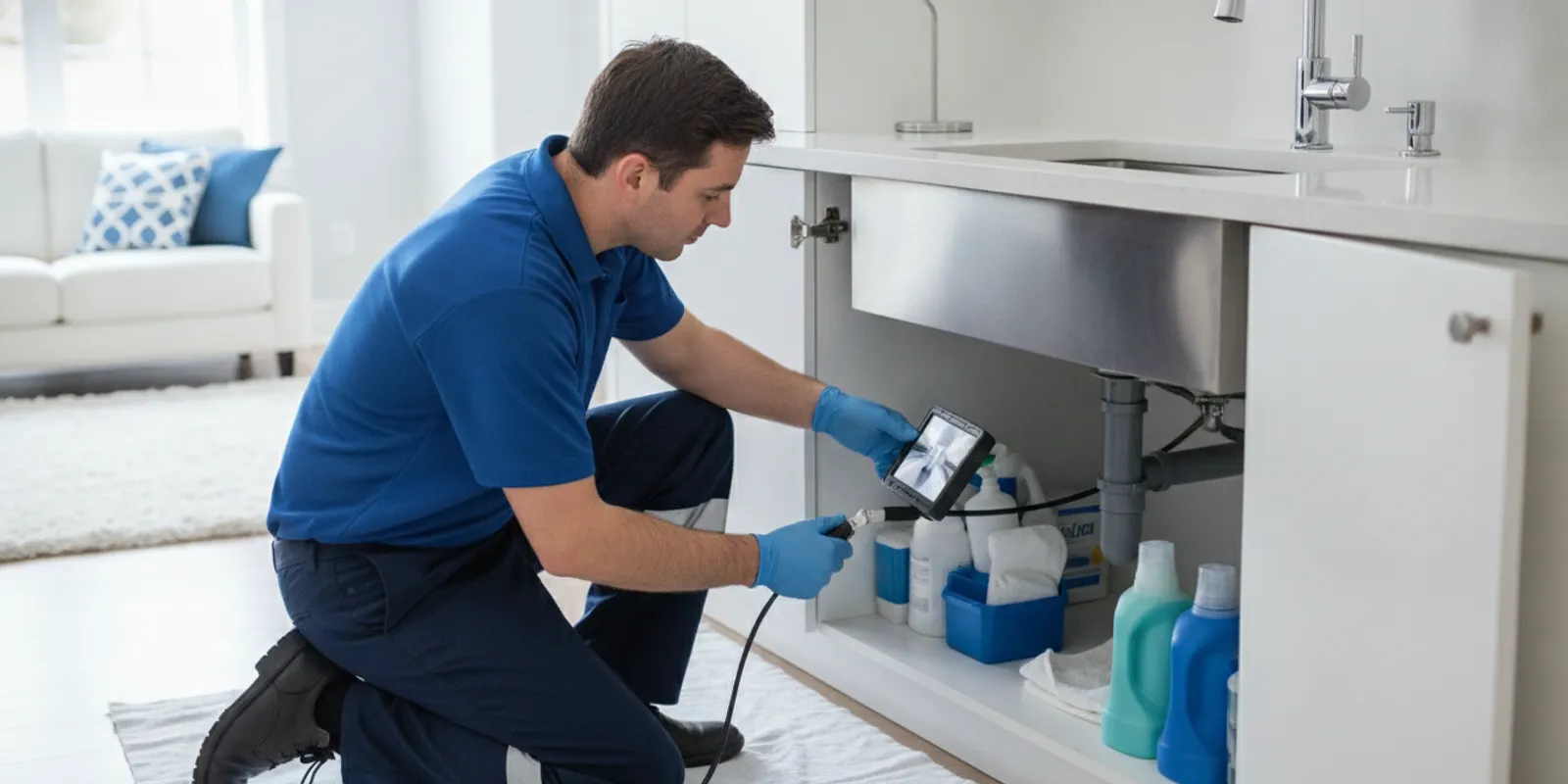
Before a single shovel hits the ground, your project needs to be approved by your local municipality. Securing the necessary permits is a non-negotiable step, and the fees can cost anywhere from $100 to $1,000, depending on where you live in the Metro Detroit area. On top of that, a proper diagnosis almost always starts with a camera inspection. A plumber will run a specialized camera through your sewer line to pinpoint the exact problem. This essential diagnostic step can add $150 to $500 to your bill, but it ensures the repair is done right the first time.
Repairing Hardscaping Like Driveways and Patios
Unfortunately, sewer lines don’t always run under easy-to-dig grass. If your pipes are located under a driveway, walkway, or patio, the project becomes more complicated. The crew will have to cut through the concrete or pavers to access the pipe, which significantly increases labor and material costs. You can expect to pay an additional $300 to $350 per foot for the demolition and subsequent repair of these surfaces. This is a key reason why trenchless repair methods are often a more cost-effective solution when hardscaping is involved, as they can often preserve your driveway and patio.
Factoring in Potential Emergency Service Fees
Sewer line problems rarely wait for a convenient time to happen. More often than not, they become urgent crises that require immediate action. If you need a plumber to come out on a weekend, a holiday, or in the middle of the night, you should be prepared for higher rates. Many companies charge extra for emergency plumbing calls outside of standard business hours. While the average replacement cost is around $3,500, the price can fluctuate based on the urgency. It’s always a good idea to ask about any after-hours fees when you call so you can factor them into your budget.
Will Homeowners Insurance Cover the Cost?
This is one of the first questions homeowners ask when they get a quote for a sewer line replacement, and for good reason. It’s a significant expense, and it’s natural to hope your insurance will help. The answer, however, can be complicated and often depends on the fine print of your specific policy.
What Your Standard Policy Likely Excludes
Unfortunately, most standard homeowners insurance policies do not cover the cost of replacing your sewer lateral. Insurance is typically designed to cover sudden and accidental damage, not issues that arise from general wear and tear, lack of maintenance, or old age. Since many sewer line problems develop slowly over time due to root intrusion, corrosion, or shifting soil, they often fall into these excluded categories. In fact, many homeowners are surprised to learn that standard policies specifically exclude coverage for pipes that fail due to age or neglect. Furthermore, damage from a sewage backup into your home is also commonly excluded unless you have a specific add-on to your policy.
When Optional Sewer Line Coverage Makes Sense
To get a clear answer, your best bet is to review your policy documents or call your insurance agent directly. Ask specifically about “service line coverage” or a “sewage backup rider.” Many insurance companies offer these as optional add-ons for an additional premium. This extra coverage can provide financial protection if your sewer line fails unexpectedly, turning a potential budget crisis into a manageable situation. While it adds a small amount to your premium, having this coverage can offer incredible peace of mind, especially if you have an older home with its original pipes. It’s a crucial safety net for one of your home’s most critical systems.
Sewer Line Coverage vs. Sewer Back-Up Coverage
It’s easy to assume these two coverages are the same, but they protect you from completely different problems. Think of it this way: Sewer Line Coverage (often called Service Line Coverage) is for the pipe itself. It helps pay for the excavation and repair or replacement of the actual sewer lateral if it cracks, corrodes, or collapses. On the other hand, Sewer Back-Up Coverage deals with the aftermath. This rider helps you pay to clean up the mess and repair the damage *inside* your home if a clog causes sewage to back up through your drains. It covers things like replacing ruined carpets and drywall, but it won’t pay a dime to fix the broken pipe that caused the disaster in the first place.
Understanding Water Damage Coverage
Most homeowners policies include some form of water damage coverage, but it’s almost always limited to “sudden and accidental” events. For example, if a pipe suddenly bursts and floods your basement, your policy will likely help cover the repairs. This is why it’s crucial to address issues like pipe insulation before winter hits. However, this standard coverage typically excludes damage from gradual problems, like a slow leak you didn’t fix, or pipes that fail simply due to old age. More importantly, it almost never covers damage from sewer backups or groundwater flooding. That’s why having those specific add-on policies is so important for creating a complete safety net for your home.
How to Choose the Right Plumbing Contractor
A sewer lateral replacement is a significant investment in your home’s health and safety, so choosing the right team for the job is absolutely essential. This isn’t the time to simply go with the cheapest option you can find. The quality of the work directly impacts your home for decades to come, and a job done wrong can lead to even more expensive repairs down the road. You need a partner you can trust—a team that is transparent, experienced, and stands firmly behind their work.
Finding the right plumbing contractor means looking for a combination of technical skill, fair pricing, and proven reliability. An experienced plumber might cost more upfront, but they are far more likely to do the job correctly the first time, saving you stress and money in the long run. Taking the time to vet your options ensures you’re not just getting a quick fix, but a lasting solution from a company that values your peace of mind. When you’re ready to find a reliable plumber for any of your home’s needs, it’s important to know what to look for. Here are the key steps to follow to ensure you hire a true professional.
Always Get Multiple, Detailed Quotes
Your first step should be to gather at least three detailed estimates from different licensed plumbers. This isn’t just about comparing prices; it’s about comparing what you get for that price. A professional quote should be a written document that clearly breaks down the cost of labor, materials, permits, and any other associated fees. Be wary of vague, verbal quotes or estimates that seem drastically lower than the others—this can be a red flag for hidden costs or subpar work. A detailed quote reflects a company’s transparency and helps you make a true apples-to-apples comparison. When you’re ready, you can request a quote to see what a comprehensive estimate looks like.
Confirm Their Licenses, Insurance, and Guarantees
Never hire a plumber without first confirming they are licensed and insured. A license proves they have met the state’s requirements for knowledge and competency. Insurance is even more critical, as it protects you and your property from liability in case of an accident or damage during the project. Ask for proof of both. Furthermore, a reputable company will always stand behind its work. Look for a plumber who offers a written guarantee or warranty on their services. This shows they are confident in their workmanship and are committed to your satisfaction, a core part of our customer-first approach.
Read Online Reviews and Ask for References
In today’s world, a company’s reputation is easy to research. Look up potential contractors on sites like Google and Yelp to read reviews from previous customers. Pay attention to comments about their professionalism, communication, and the quality of their work. While a single negative review isn’t necessarily a deal-breaker, a pattern of poor feedback is a clear warning sign. For a big project like a sewer replacement, don’t hesitate to ask the company for references from past clients. Speaking directly with someone who has been through the process can provide invaluable insight and peace of mind.
How to Keep Your Sewer Lateral Replacement Costs Down
Facing a sewer lateral replacement can feel overwhelming, especially when you start thinking about the cost. It’s a significant investment in your home’s health and safety, but that doesn’t make the price tag any less intimidating. The good news is you’re not powerless. With a bit of planning and the right information, you can make smart decisions that protect both your property and your wallet.
The key is to approach the project proactively instead of waiting for a full-blown emergency. By understanding what goes into the final cost and exploring your options ahead of time, you can find ways to save money without cutting corners on quality. From simple maintenance to choosing the right repair method, here are a few practical steps you can take to manage the expense of a sewer lateral replacement.
Think Ahead with Preventive Maintenance
The single best way to control plumbing costs is to avoid major disasters in the first place. As a homeowner, you’re responsible for the sewer lateral line that connects your house to the city’s main sewer. Ignoring it can lead to messy sewage backups and expensive emergency calls. Instead, think preventively. Scheduling regular inspections can help you catch small issues like minor cracks or root intrusion before they escalate into a full-blown line failure. A little bit of maintenance now can save you thousands of dollars and a massive headache down the road. It’s a simple step that gives you peace of mind and control over your home’s plumbing health.
Proper Drain Care
What you put down your drains every day has a huge impact on the health of your sewer lateral. It’s easy to forget, but things like cooking grease, coffee grounds, and even so-called “flushable” wipes don’t break down easily. Over time, they build up inside your pipes, creating stubborn clogs that can lead to serious backups. The best defense is a good offense. Be mindful about keeping grease out of the sink and only flushing toilet paper. This kind of regular maintenance is key to making your pipes last longer and preventing the kind of blockages that strain your entire system. It’s a simple, no-cost habit that can save you from needing an emergency plumbing call down the line.
Regular Cleaning for Older Pipes
If you live in one of Metro Detroit’s beautiful older homes, your plumbing system likely has its original cast iron or clay pipes. While these materials were built to last, they are more vulnerable to issues like tree root intrusion and sediment buildup over decades of use. For these older systems, scheduling a professional cleaning every year or two is a smart investment. A plumber can use techniques like hydro-jetting to safely blast away years of accumulated grime and clear out any encroaching roots. This proactive step helps maintain proper flow and can prevent the small cracks that eventually lead to a full pipe collapse. It’s an essential part of caring for an older home’s unique plumbing needs and one of the many expert plumbing solutions we offer.
Be Strategic When Planning Your Project
When you get a quote for a sewer lateral replacement, remember that the price covers more than just a new pipe. The total cost, which can range from a few thousand to over $20,000, includes factors like camera inspections, pipe materials, labor, and cleanup. One of the biggest variables is the repair method. While traditional digging might seem cheaper upfront, you also have to pay to restore your lawn, garden, or driveway. It’s worth asking about trenchless methods like pipe bursting or lining. These modern techniques are less invasive and can significantly reduce landscaping restoration costs, offering better long-term value for many Metro Detroit homeowners.
Combine Projects to Save on Excavation
If a sewer lateral replacement is on your to-do list, here’s a strategic tip that can save you a lot of money: try to bundle it with other outdoor projects. Are you also thinking about repaving the driveway, adding a new patio, or completely redoing your landscaping? Coordinating these big jobs means you only have to dig up your yard once. Since traditional trenching costs between $50 and $125 per square foot—and that’s before you even factor in restoring your lawn—it makes financial sense to consolidate the disruption. By planning all your excavation-heavy projects together, you can seriously cut down on labor and restoration expenses.
It’s a detail that’s easy to miss, but your plumbing quote usually only covers the pipe replacement itself, not putting your yard back together. If excavation is part of the plan, you’ll need to budget separately for things like reseeding the lawn, replanting garden beds, or repairing a walkway. These restoration costs can add anywhere from a few hundred to several thousand dollars to the final bill. By thinking ahead and coordinating these efforts, you can streamline the entire process and keep more money in your pocket. It’s all about making one big project work for you in multiple ways.
Explore Financing and Payment Options
A sewer line replacement is a major expense that most people don’t have saved up in a rainy-day fund. Don’t hesitate to talk to your plumbing contractor about your financial options. A trustworthy, family-focused company understands that this is a significant and often unexpected investment. Many professional plumbers offer financing or flexible payment plans to help make the cost more manageable for your budget. When you contact a plumbing expert, be upfront about your needs. Asking about payment solutions is a normal and responsible part of the process, allowing you to get the essential repairs you need without unnecessary financial strain.
Check for Municipal Assistance Programs
When you’re planning for a major home repair, it’s always a good idea to see if your local city or township offers any financial assistance. Many municipalities have programs designed to help homeowners with the cost of essential projects, including sewer lateral replacements and other critical plumbing solutions. While these programs vary widely, some might offer grants or low-interest loans to ease the financial burden. You’ll need to do a little research by visiting your local government’s website or calling your city hall to see what might be available in your specific Metro Detroit community. Taking the time to explore these options could significantly reduce your out-of-pocket expenses.
Related Articles
- Trenchless Sewer Line Replacement Cost: A 2026 Guide
- Trenchless Sewer Replacement: A Complete Guide
Frequently Asked Questions
How can I be sure I actually need a full replacement and not just a simple repair? That’s a very smart question to ask. The only way to know for sure is with a professional camera inspection. A plumber will feed a small camera through the pipe to get a clear look at its condition from the inside. This removes all the guesswork and will show if you have a small, isolated crack that might be repairable or if the pipe has collapsed or has extensive damage that truly requires a full replacement.
Is the trenchless method always the better option? While trenchless methods are a fantastic solution for preserving your yard and driveway, they aren’t a perfect fit for every situation. For instance, if the existing pipe has completely collapsed or has severe dips, a traditional excavation might be the only way to properly install the new line. The best approach really depends on the specific diagnosis from a camera inspection and your property’s unique layout. A good plumber will walk you through the pros and cons of each method for your home.
My quote seems really high. What are the biggest “hidden” costs I should look out for? It’s wise to think beyond the main number on the estimate. The biggest costs that can surprise homeowners are often related to restoration. If your replacement requires digging, you’ll need to budget for repairing your lawn, garden, patio, or driveway after the work is done. You should also confirm if the cost of city permits and the initial camera inspection are included in the quote. Always ask for a detailed, itemized estimate so you can see exactly what is covered.
How long does a sewer lateral replacement typically take? The timeline can vary quite a bit depending on the method used and the complexity of the job. A straightforward trenchless replacement can often be completed in just one or two days. A traditional replacement that involves extensive digging, especially if it’s under a driveway or patio, could take several days from start to finish. Your contractor should be able to give you a much more specific timeline once they have assessed your property and the scope of the work.
What can I do to prevent this from happening again in the future? Taking a proactive approach is the best way to protect your new sewer line. The most important step is to be mindful of what goes down your drains—avoid flushing anything other than toilet paper and human waste. If you have large trees on your property, consider scheduling a camera inspection every few years to check for any new root intrusion before it becomes a major problem. Regular check-ups are a small investment that can help you avoid another large-scale replacement for many years to come.