

Are you constantly dealing with slow drains, strange gurgling sounds from your toilet, or a persistent sewage smell in your yard? These aren’t just minor annoyances; they are often the first warning signs of a failing sewer line. Ignoring them can lead to messy, hazardous, and expensive backups inside your home. If an inspection confirms the worst, your next step is to understand the financial side of the solution. We’re here to demystify the sewer lateral replacement cost by breaking down all the variables. This article will explain the average price ranges, what hidden expenses to plan for, and how different repair methods impact your budget.
Key Takeaways
- Understand What Drives the Cost: The final price for a sewer replacement is tailored to your property. Factors like pipe depth, yard accessibility, and the chosen repair method (traditional vs. trenchless) are why an on-site inspection is crucial for an accurate quote.
- Budget for the Full Project, Not Just the Pipe: A plumbing estimate often excludes key expenses like city permits, camera inspections, and the cost of restoring your lawn or driveway. Always ask for a detailed breakdown to understand the total investment and avoid surprises.
- Take Control with Proactive Steps: You can manage the expense by getting multiple quotes, asking your insurance agent about “service line coverage,” and investing in preventive maintenance. These actions help you avoid costly emergencies and make the most informed decision for your home.
What is a Sewer Lateral Replacement?
Think of your sewer lateral as the main exit pipe for all the wastewater in your home. This crucial pipeline connects your property’s plumbing system—everything from your toilets to your kitchen sink—to the municipal sewer main under the street. It’s completely out of sight, but it shouldn’t be out of mind, because as the homeowner, you are responsible for its maintenance and repair. Over time, this line can be damaged by invasive tree roots, shifting soil, corrosion, or simple old age. When it fails, a replacement is often the only way to prevent messy and hazardous sewage from backing up into your home. A full replacement involves installing a brand new pipe from your house to the city connection, ensuring your home’s waste system functions properly for decades to come. It’s a significant project, but it’s also a permanent solution to recurring clogs and backups. Understanding what this pipe does and how to spot trouble is the first step in managing a potential replacement and protecting your property.
Your Home’s Sewer Lateral, Explained
This hardworking pipe carries all the wastewater from your toilets, sinks, and showers safely away from your house. Sewer laterals can be made from a few different materials, including modern PVC, copper, or older cast iron. Each material has a different expected lifespan and price point, which will influence the overall cost of a replacement project. Because this line is so essential to your home’s sanitation, any issues can quickly become serious. A failing lateral isn’t just an inconvenience; it’s an emergency plumbing situation that needs immediate attention from a professional.
Warning Signs of a Failing Sewer Line
Your sewer line will usually give you a few hints that something is wrong before it fails completely. If you notice any of the following red flags, it’s time to call for a professional inspection. Some of the most common warning signs include:
- Persistent sewage odors inside or outside your home.
- Drains that clog frequently, especially in multiple locations.
- Water backing up in your shower or tub when you flush the toilet.
- Unusually green, lush, or soggy patches of grass in your yard.
- New cracks in your home’s foundation or driveway.
Ignoring these symptoms can lead to much bigger, more expensive problems down the road. If any of this sounds familiar, it’s best to contact a trusted plumber to diagnose the issue.
How Much Does Sewer Lateral Replacement Cost?
Let’s talk numbers. When you’re facing a sewer line issue, one of the first questions on your mind is, “What’s this going to cost me?” It’s a completely valid concern, and while every project is different, understanding the typical price range can help you plan and avoid surprises. The final bill for a sewer lateral replacement depends on several key factors, from the length of the pipe to the accessibility of your property. We can look at some industry averages to give you a clear starting point for what to expect when you need emergency plumbing work done on your sewer line. Knowing these figures helps you prepare your budget and ask the right questions when you get a quote.
Breaking Down the Average Cost
When you look at national data, the average cost of replacing a sewer line is about $3,463. Most homeowners find themselves paying somewhere between $1,424 and $5,759 for the complete job. Of course, these are just averages. Depending on the complexity of the work and the specific issues at your property, the price can shift. Some straightforward jobs might cost as little as $1,000, while extensive projects with serious complications could reach up to $20,000. Think of these numbers as a baseline to help you understand the potential investment involved in securing your home’s plumbing.
Typical Cost Ranges to Expect
To get a bit more specific, most homeowners can expect a sewer line replacement cost between $1,390 and $5,320. A helpful way to estimate is by looking at the price per foot, which usually falls between $150 and $250. For example, replacing a private leaky lateral often lands around the $5,000 mark. The final price tag is influenced by things like the type of pipe material you choose, the repair method we use, and whether any landscaping needs to be restored afterward. We’ll explore these factors in more detail so you know exactly what goes into your quote.
What Factors Influence the Final Price?
When you get a quote for a sewer lateral replacement, the final number isn’t pulled out of thin air. It’s a carefully calculated estimate based on the unique conditions of your property. Several key factors can cause the price to vary significantly from one home to the next, which is why a one-size-fits-all price is impossible to give over the phone. Understanding these variables will help you see exactly what you’re paying for and why one neighbor’s project might cost more or less than yours. From the layout of your yard and the depth of the pipes to the type of soil underground, every detail plays a role in determining the scope—and cost—of the work.
Your Property’s Layout and Accessibility
One of the biggest cost drivers is simply where the sewer line is located and how easy it is for a crew to access it. A pipe running under an open, grassy yard is relatively straightforward to reach. However, if your sewer line is buried beneath a driveway, a concrete patio, mature landscaping, or the roots of a large tree, the job immediately becomes more complex. Technicians will need extra time and specialized equipment to work around these obstacles, which adds to the labor costs. The more challenging the access, the more you can expect the final price to reflect that extra effort.
The Type and Length of Pipe Needed
Just like any other construction material, the type of pipe used for the replacement affects the total cost. Modern materials like PVC are often more affordable and durable than older options like clay or cast iron. The length of the pipe that needs to be replaced is also a major factor. A small, localized repair on a ten-foot section will naturally cost much less than a full replacement of a 50-foot line running from your house to the street. The total amount of new pipe required directly influences both material and labor costs, making it a primary element in your project’s budget.
Soil Conditions and Pipe Depth
What’s happening underground can have a big impact on the price tag. The depth of the existing pipe is a key consideration; a line that’s buried six feet deep requires significantly more excavation than one that’s only three feet down. Deeper trenches mean more labor, more time, and increased safety precautions. The type of soil on your property also matters. Soft, loamy soil is easy to dig through, but dense clay, rocky ground, or a high water table can slow the process down and may require special equipment, increasing the overall cost of your plumbing services.
Local Permit and Regulation Fees
Any major plumbing work, including sewer lateral replacement, requires a permit from your local municipality. This is a step you can’t skip—it ensures the work is done correctly and meets all safety and environmental codes for your area in Metro Detroit. The cost of these permits can vary widely, typically ranging from a hundred to several hundred dollars, depending on your city or township. While your plumbing contractor will handle the entire process of pulling the permit, the fee itself will be included in your final bill. It’s a necessary administrative cost that protects you and ensures the job is done right.
How Replacement Methods Affect Your Budget
When you get a quote for a sewer lateral replacement, one of the biggest factors determining the price is the method the plumbers use. The two main approaches—traditional excavation and modern trenchless repair—come with very different processes and price tags. Understanding how each one works will help you make an informed decision that protects both your property and your wallet.
The Cost of Traditional Excavation
The traditional method involves digging a large trench to expose the entire length of the damaged pipe. This approach, often called the “trench method,” typically costs between $50 and $125 per square foot. While the initial plumbing quote might seem lower than other options, it’s crucial to look at the bigger picture. This method leaves you with a torn-up yard, and the cost to repair your lawn, garden, driveway, or patio is almost never included in the plumbing bill. When you choose this route, be sure to budget separately for significant landscaping and restoration work after the plumbing services are complete.
Pricing for Trenchless “No-Dig” Methods
Trenchless, or “no-dig,” methods are a less invasive alternative. Techniques like pipe bursting or pipe lining only require one or two small access holes, leaving your landscape mostly untouched. The upfront cost for trenchless repairs is generally higher, ranging from $60 to $250 per square foot. However, this initial investment can lead to major savings down the line. By avoiding extensive digging, you eliminate thousands of dollars in restoration costs. In fact, some trenchless methods can save homeowners 30% to 40% on the total project cost compared to traditional excavation, making it a very appealing option for preserving your property’s curb appeal.
Traditional vs. Trenchless: A Cost Comparison
So, what does this all mean for your final bill? The total cost for a sewer line replacement can fall anywhere between $1,000 and $20,000, with a national average of around $3,500. The best method for you depends on factors like your property’s layout, the pipe’s depth, and whether it runs under structures like your driveway or foundation. While traditional digging might seem cheaper at first glance, trenchless repairs often provide better long-term value by protecting your landscape. The best first step is to get a professional opinion to see which solution makes the most sense for your home and budget.
What Other Costs Should You Plan For?
When you get a quote for a sewer lateral replacement, the price usually covers the core labor and materials. But what about the other expenses that can pop up? Budgeting for a major home repair means looking at the full picture, not just the initial estimate. To avoid any surprises on the final bill, it’s smart to plan for a few additional costs that are often part of the process. Thinking about these items ahead of time will help you create a more realistic budget and ensure your project goes smoothly from start to finish.
Permit and Inspection Fees
Before any digging begins, your project will likely need a green light from your local municipality. Most cities and townships in Metro Detroit require permits for major plumbing work to ensure everything is done safely and up to code. These permit and inspection fees can range from $100 to over $1,000, depending on your location. While it might seem like just another expense, this step is crucial. It protects you by verifying that the work meets local standards, preventing potential issues down the road. A professional contractor will handle the permitting process for you, but the cost is typically passed on to the homeowner.
Pre-Work Camera Inspections
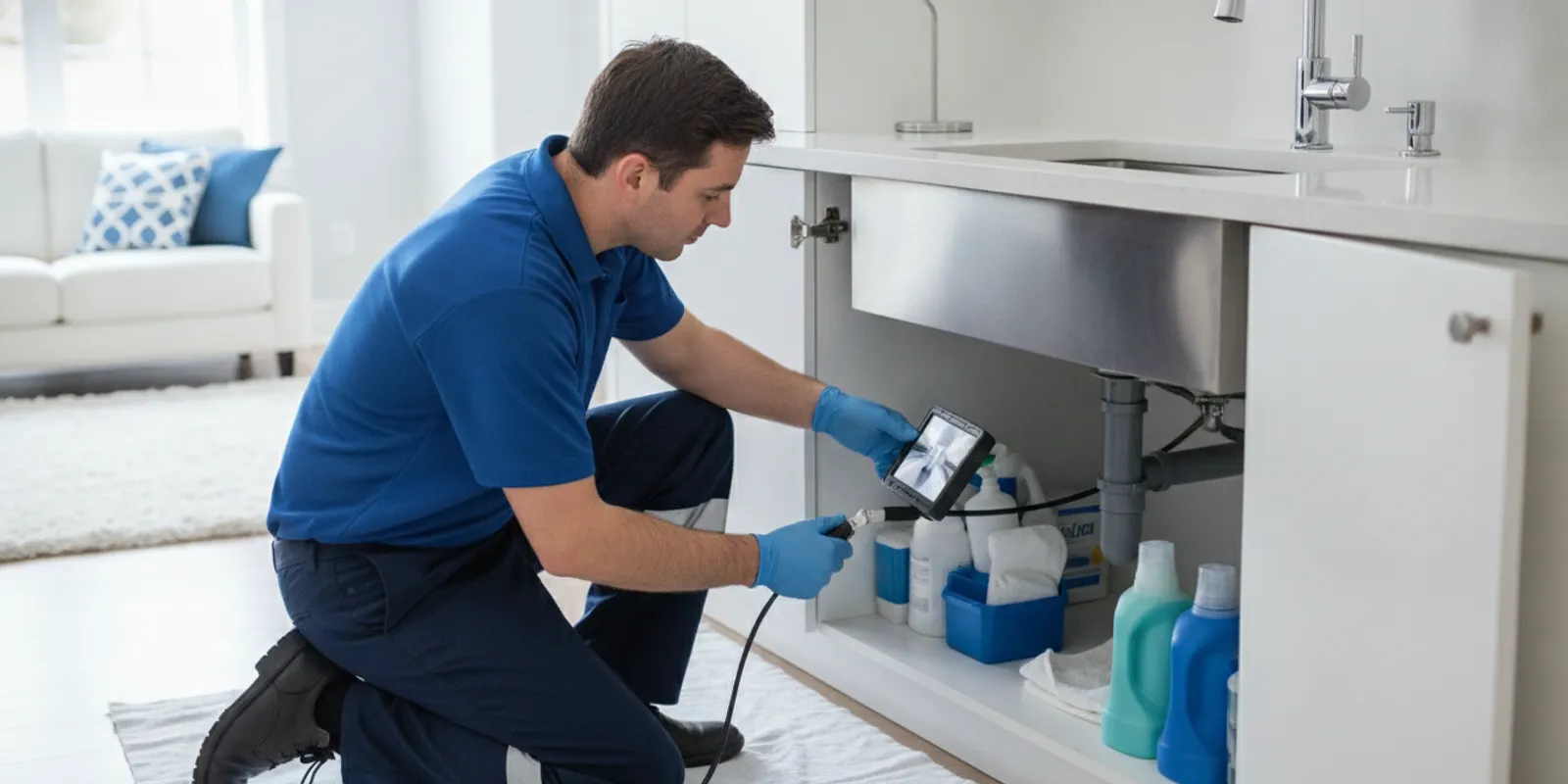
How do you know exactly what’s wrong with your sewer line? A camera inspection is the best way to find out. Before starting a replacement, many plumbers perform a video inspection to pinpoint the exact location and cause of the problem. This diagnostic step typically adds between $150 and $500 to your total cost. Think of it as an essential first step that prevents guesswork. An accurate diagnosis ensures the right repair method is chosen and can uncover other potential issues, saving you from more extensive and costly repairs later.
Landscaping and Yard Restoration
A sewer line replacement, especially a traditional one, can be disruptive to your yard. Once the new pipe is in place, you’ll need to think about restoring your lawn, garden beds, driveway, or walkways. The cost for this can vary dramatically—from a few hundred dollars for new sod to several thousand for rebuilding a patio or walkway. This is one of the most significant “hidden” costs homeowners face. When discussing your project with a plumber, ask about the methods they use to minimize yard damage and what your restoration options might look like after the work is complete.
Cleanup and Debris Disposal
After the job is done, there’s still the matter of cleaning up. The process of replacing a sewer line generates a lot of debris, including old pipe fragments, excavated dirt, and other waste materials. Hauling this away and disposing of it properly comes with a cost, often adding several hundred to a few thousand dollars to the project total. It’s important to clarify with your contractor if cleanup and disposal are included in their initial quote. At Mr. Pipey, we believe in leaving your property as clean as we found it and are always upfront about our comprehensive services.
How to Find a Trusted Contractor in Metro Detroit
Choosing the right contractor for a sewer lateral replacement is just as important as understanding the cost. The right team will do the job correctly, communicate clearly, and stand by their work, saving you from future headaches and expenses. A major plumbing project can feel overwhelming, but finding a trustworthy professional in Metro Detroit doesn’t have to be. By focusing on a few key areas—research, quotes, and credentials—you can confidently hire a team that will treat your home with the care it deserves.
Researching Local Plumbing Experts
Start your search by looking for established local plumbers with a strong reputation in your community. A qualified contractor will be fully licensed, insured, and have a deep understanding of Metro Detroit’s specific plumbing codes and regulations. This isn’t just about following rules; it’s about ensuring the job is done safely and correctly the first time. Check online reviews, ask neighbors for recommendations, and look for a team with deep local roots and a proven track record. A contractor who is proud of their work and their connection to the community is more likely to provide excellent service.
Getting Clear, Accurate Quotes
To avoid surprise charges, always ask for a detailed, itemized estimate from any contractor you’re considering. A vague quote can hide unexpected costs, so you want a breakdown that clearly lists labor, materials, permit fees, and any other potential charges. This allows you to compare different offers fairly and understand exactly what you’re paying for. Don’t hesitate to ask questions if something isn’t clear. A trustworthy plumber will be happy to walk you through the estimate and explain every line item. When you’re ready, reach out for a detailed estimate to get a clear picture of your project’s scope.
Verifying Licenses and Insurance
Before you sign any contracts, make sure the contractor has the proper licenses and insurance. A valid license proves they meet state and local requirements to perform the work, while insurance protects you from liability if an accident happens on your property. Ask to see proof of both general liability insurance and worker’s compensation. Any reputable company will readily provide this documentation. This step is crucial for your peace of mind and financial protection. Hiring a fully credentialed professional ensures you’re getting comprehensive plumbing solutions from a team that operates with integrity.
Costly Mistakes to Avoid During Your Project
A sewer lateral replacement is a significant investment in your home. Being prepared can make all the difference, helping you avoid common pitfalls that add unnecessary stress and expense to the process. By steering clear of a few key missteps, you can ensure your project goes smoothly and you get the best possible value. Let’s walk through the most frequent mistakes homeowners make and how you can easily avoid them.
Overlooking Hidden Expenses
When you get a quote for a sewer line replacement, it typically covers the direct plumbing work—labor and materials. What it might not include are the “after” costs. If your project requires traditional excavation, you’ll have a trench running through your yard. Restoring your landscaping, repairing a damaged driveway, or rebuilding a patio can add hundreds or even thousands of dollars to the final bill. Be sure to ask any potential contractor for a clear breakdown of what their quote includes. Does it cover backfilling, hauling away debris, and restoring your property? Understanding the full scope from the start prevents sticker shock later.
Skipping a Second (or Third) Opinion
When you’re facing a serious plumbing issue, it’s tempting to hire the first company that answers the phone. However, taking time to get multiple estimates is one of the smartest moves you can make. We recommend getting at least three quotes from licensed, reputable plumbers. This isn’t just about finding the lowest price. Comparing proposals helps you understand the various solutions available and gives you a feel for each company’s professionalism. When you request a quote, make sure it’s detailed so you can compare the scope of work, materials, and warranties accurately.
Misunderstanding Your Insurance Coverage
Many homeowners assume their insurance will cover a sewer line failure, but that’s rarely the case. A standard homeowners insurance policy typically excludes issues with exterior service lines. Problems caused by tree roots, corrosion, or general wear and tear are almost never covered. Before an emergency strikes, call your insurance agent to review your policy. Ask specifically about “service line coverage,” which is an affordable add-on many providers offer. Knowing what your policy covers can save you from an unexpected and very expensive out-of-pocket repair.
How Can You Save Money on Your Sewer Replacement?
A sewer lateral replacement is a significant investment in your home, and the price tag can certainly be intimidating. But facing this project doesn’t have to mean draining your savings. With a bit of planning and some smart strategies, you can find ways to manage the cost effectively without compromising on the quality of the work. It’s all about being an informed homeowner. By understanding what goes into the final bill, you can identify opportunities to save money and make choices that fit your budget. This isn’t about cutting corners; it’s about making strategic decisions that protect both your property and your wallet. From choosing the right time of year for the repair to exploring different payment options and investing in preventive care, you have more control over the final cost than you might think. Let’s look at some actionable steps you can take to make your sewer replacement more affordable and less stressful. These tips are designed to empower you, giving you the knowledge to ask the right questions and plan ahead for this essential home maintenance task. Taking a proactive stance can transform a daunting expense into a manageable project that secures your home’s plumbing for years to come.
Does Seasonal Timing Make a Difference?
Believe it or not, the time of year you schedule your sewer replacement can impact the price. Like many home services, plumbing has its peak seasons. Spring and summer are often busy times for outdoor work, which means demand is high. If your sewer line issue isn’t a full-blown crisis, you might find more competitive pricing during slower periods. Consider scheduling the work in the late fall or winter, when plumbers may have more availability and offer better rates. Of course, if you’re facing a backup, you need emergency plumbing services right away. But for non-urgent replacements, planning ahead can lead to real savings.
Exploring Financing and Payment Plans
Facing a large, unexpected bill is stressful for any homeowner. The first step is to check your homeowner’s insurance policy. While many standard policies don’t cover sewer line failure from normal wear and tear, it’s always worth confirming what is and isn’t covered. Some policies have add-ons for service line protection. Beyond insurance, don’t hesitate to talk to your plumbing contractor about payment options. Many companies understand this is a significant investment and offer financing or flexible payment plans to help you manage the cost without draining your savings. When you contact us for a quote, feel free to ask about the financial solutions we have available.
The Long-Term Value of Preventive Care
The most effective way to save money on a sewer replacement is to avoid needing one for as long as possible. Proactive maintenance is your best defense against catastrophic failures. We recommend scheduling regular camera inspections to get a clear look inside your pipes. This allows a professional to spot small issues like cracks, root intrusion, or blockages before they become major problems that require a full replacement. Addressing minor repairs as they come up is far more affordable than waiting for a complete system breakdown. Consistent care not only extends the life of your sewer line but also protects your property’s value. Taking care of your home’s plumbing is one of the smartest investments you can make.
Related Articles
Frequently Asked Questions
Will my homeowner’s insurance pay for a sewer line replacement? This is one of the first questions homeowners ask, and unfortunately, the answer is usually no. A standard homeowner’s insurance policy typically does not cover damage to exterior service lines caused by normal wear and tear, corrosion, or tree root invasion. However, some providers offer an affordable add-on called “service line coverage.” The best thing you can do is call your insurance agent to review your specific policy and see what options are available to you.
How can I tell if I need a simple repair or a full replacement? The only way to know for sure is with a professional camera inspection. A plumber will feed a small, high-resolution camera through your sewer line to get a clear view of the pipe’s interior. This allows them to pinpoint the exact location and severity of the damage. If the problem is a small, isolated crack or a single joint issue, a spot repair might be possible. If the pipe is old, corroded throughout, or has extensive root damage, a full replacement is often the more reliable and cost-effective long-term solution.
Is the ‘no-dig’ trenchless method always the best choice? Trenchless methods are a fantastic option for preserving your yard and driveway, and they can often save you money on restoration costs. However, they aren’t the right fit for every situation. For example, if a pipe has completely collapsed or has severe dips (called “bellies”), traditional excavation might be the only way to properly fix the issue and ensure the new line has the correct slope. A professional plumber can assess your property and recommend the most effective method for your specific problem.
How long does the replacement process take and how disruptive will it be? The timeline really depends on the method used and the complexity of the job. A straightforward trenchless replacement can often be completed in just one day, with minimal disruption to your property. A traditional excavation project is more involved and typically takes two to three days from start to finish. While your water may be shut off for a few hours during the final connection, a good contractor will work efficiently to minimize the impact on your daily routine.
Besides the main plumbing work, what other costs should I be prepared for? It’s smart to budget for more than just the plumber’s direct quote. The most significant additional expense is often landscaping and hardscape restoration, especially if you need traditional excavation. You should also plan for municipal permit and inspection fees, which are required for this type of work. Finally, ask your contractor if their estimate includes the cost of hauling away old pipe materials and other debris. Being aware of these potential costs from the start helps you create a realistic budget and avoid surprises.