
Stubborn sewer clogs in Metro Detroit often require more power than a standard plumbing snake can provide. This is especially true for older homes with cast iron pipes. You need a solution that clears the line for good.
Call (313) 896-8874 to ask Mr. Pipey which sewer jetting service is right for your drain line.
Sewer jetting services use high pressure water to blast away the stubborn grease, sludge, and tree roots that common plumbing snakes often leave behind. This professional method cleans the entire diameter of the sewer line to restore full flow and stop the recurring clogs found in Metro Detroit homes. According to the EPA, regular sewer line cleaning and inspection are needed to maintain a good system and help fix local pipes. By choosing this deep cleaning instead of a simple fix, homeowners can avoid messy backups and repairs caused by the scale that common tools miss. This proactive approach ensures your plumbing runs smoothly and saves you money on major repairs over time.
Picking the right method depends on the age of your pipes and the type of clog you face in your home. We compare these options in our guide to Sewer jetting services vs snaking at a glance to help you decide. To see which one fits your needs, here is how they compare.
Sewer jetting services vs snaking at a glance
When you face a slow drain or a full backup, you need a fix that lasts. Most people first think of a drain snake to clear the path. But modern sewer jetting services offer a much deeper clean for your home pipes. Choosing the right tool depends on the type of clog and the age of your plumbing.
How drain snaking works
A drain snake, or auger, uses a long metal cable with a hook at the end. A plumber feeds this cable into the pipe to reach the clog. Once it hits the blockage, the tool spins to break apart the debris. This method works well for small clogs like a wad of hair or a single paper object. It can poke a hole through the mess to get water moving again.
While snaking is common, it has some limits. The metal tip only clears a path as wide as the cable itself. It often leaves behind grease, scale, and sludge on the pipe walls. These leftovers can catch new debris and lead to another clog in just a few months. Snaking is a quick fix, but it rarely cleans the full pipe.
The power of sewer jetting
Professional hydro jetting services use high-pressure water to blast away blockages. Instead of a metal cable, a special nozzle shoots water at up to 4,000 PSI. This force is strong enough to clear out intrusive tree roots and thick grease. It does more than just poke a hole; it scrubs the entire inside of the pipe clean.
This method is highly effective for cleaning out sludge and scale that a mechanical snake might not fully remove. According to EPA reports, periodic sewer flushing is a key way to stop sediment buildup. By cleaning the full diameter of the pipe, jetting helps prevent future clogs. It is often the best choice for main sewer lines that handle heavy waste.
Method comparison
Both tools have a place in home maintenance. Snaking is often cheaper and works for simple kitchen or bath clogs. Jetting is a better long-term value for major sewer lines. It restores the pipe to like-new condition without using harsh chemicals. Here is how the two methods stack up for common pipe problems.
| Feature | Drain Snaking | Sewer Jetting |
|---|---|---|
| Best Use Case | Minor, local clogs | Major main line clogs |
| Clears Grease | No, only pokes holes | Yes, scrubs walls clean |
| Removes Roots | May trim them back | Blasts roots away |
| Cleaning Range | Small path in pipe | Full pipe diameter |
| Long-Term Value | Short-term fix | Preventative fix |
Why sewer jetting is worth it
Keeping your sewer lines clean is a smart move for your home value. Regular cleaning and inspection are essential to maintain a working system over many years. While jetting might cost more at first, it prevents the need for frequent service calls. It is a thorough solution that gives you peace of mind about your home plumbing.
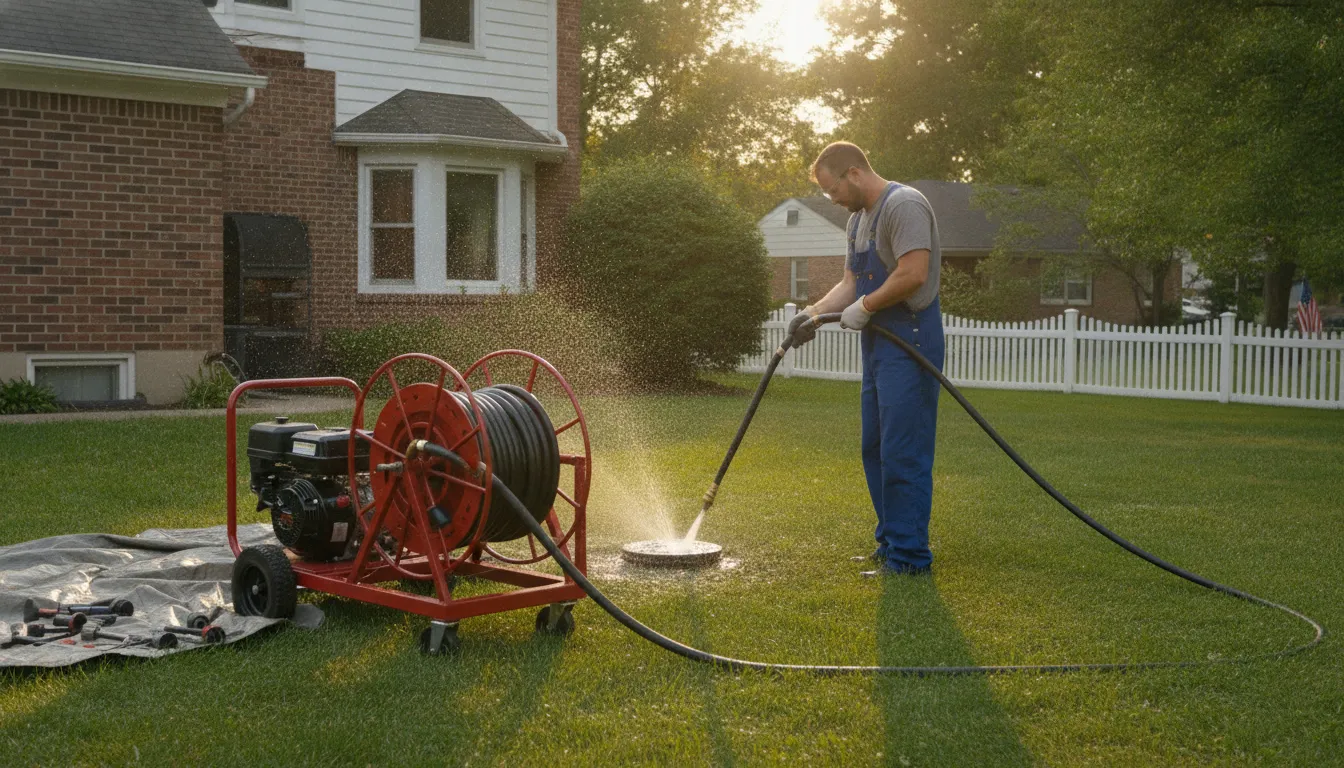
How do sewer jetting services clean a drain line?
Expert sewer jetting services use a smart process to clear your pipes. This method does more than just push through a clog. It cleans the entire pipe wall to keep your system running well for a long time. According to the EPA, cleaning and checking sewer lines is a key part of keeping wastewater systems working.
Finding the root cause
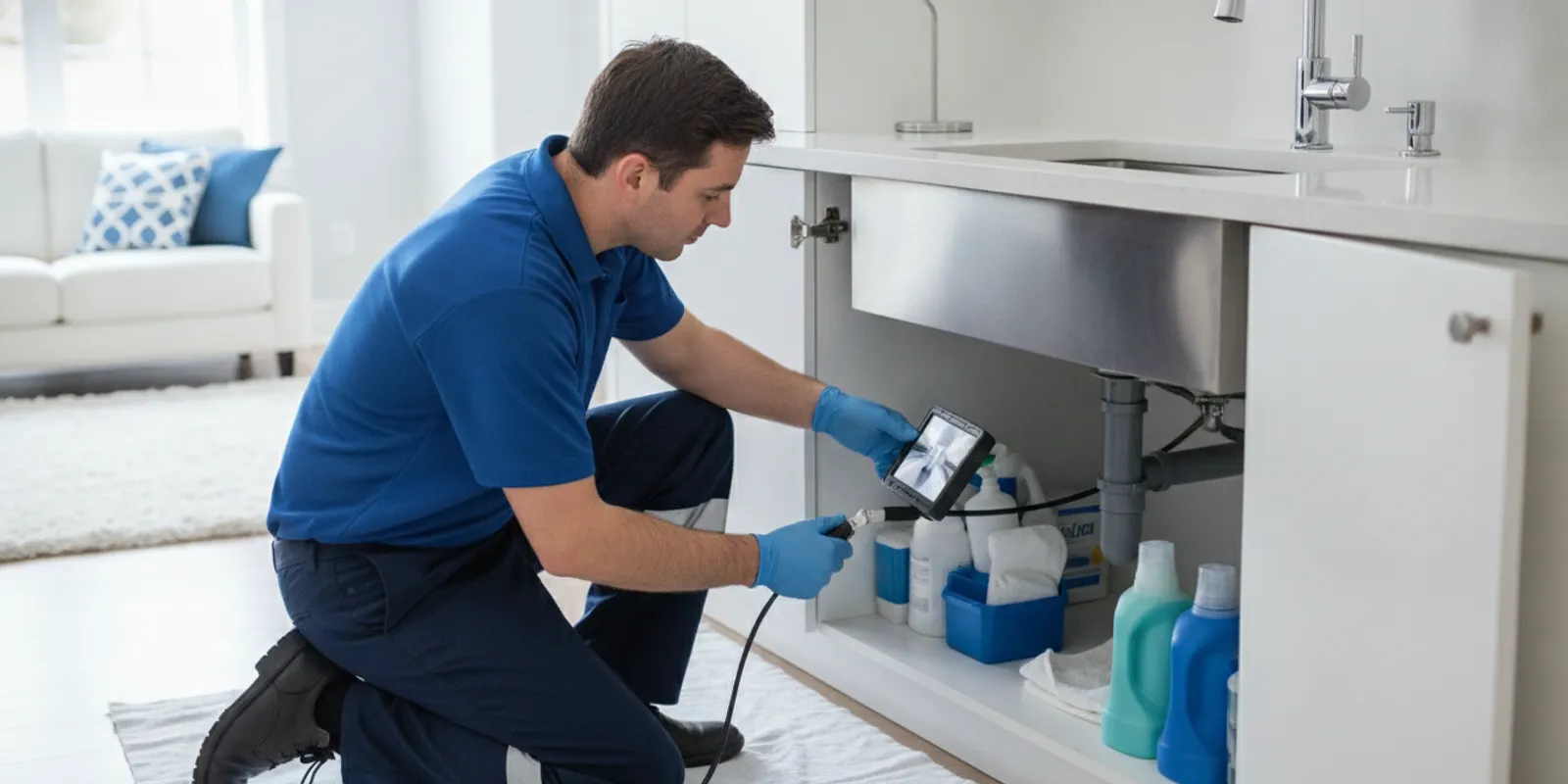
Before any water flows, a plumber must see what is happening inside the pipe. We use a waterproof camera on a long cable to find the exact spot of the blockage. This tool helps us see if the issue is a simple clog or a bigger problem like tree roots. Seeing the inside of the pipe ensures we use the right amount of force for the job.
- Run a video camera through the line to find the clog and check the pipe health.
- Connect a high-pressure hose to a water tank and a strong pump.
- Put a nozzle with small jets into the sewer line through a cleanout.
- Release water at very high pressure to blast through the blockage.
- Pull the hose back slowly to scrub grease and scale off the pipe walls.
- Check the line again with the camera to make sure it is fully clean.
Scrubbing with water pressure
The heart of this service is the HydroScrub tool. This system uses a strong pump to send water through a tough hose. The nozzle at the end of the hose has jets that point both forward and backward. The forward jet cuts through the clog while the rear jets pull the hose through the pipe. This dual action is why hydro jetting services work so well for tough jobs.
High-pressure water can remove things that a metal snake might miss. It blasts away thick grease, soft mud, and hard mineral scale. Research shows that hydro jetting is very good at cleaning out sludge and scale that builds up over time. This leaves your pipes smooth and clean, which helps prevent new clogs from forming.
Keeping pipes safe
Sewer jetting services are safe for most types of pipes. Unlike older tools, this method does not use sharp metal parts that can scrape or gouge the pipe walls. It only uses the power of water to clear the path. This makes it a great choice for older homes in the Metro Detroit area that have clay or cast iron pipes. By choosing this method, you can avoid using harsh chemicals that might damage your plumbing or the local soil.
Checking the results
Once the cleaning is done, we do not just pack up and leave. A final check is a key part of our sewer jetting services. We run the camera through the line one more time. This second look proves that the pipe is clear of all debris. It also lets us see if the high-pressure water found any hidden cracks or leaks that need repair.
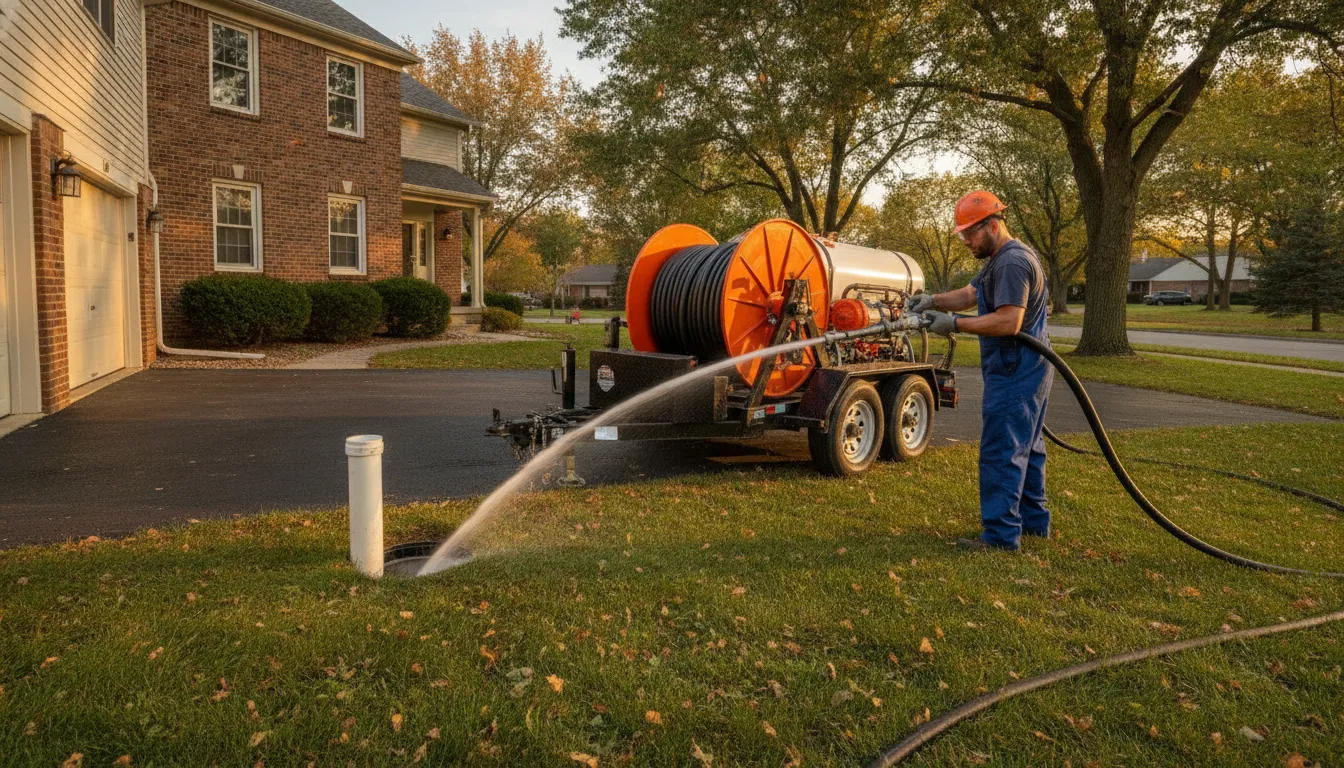
When is drain snaking the better choice?
Drain snaking is a standard fix for many home plumbing issues. A plumber uses a long, metal cable with a motor to reach deep into your pipes. This tool can break through small clogs like hair, paper, or soap. While it does not clean the pipe walls, it is often the first tool a pro will use to get water moving again.
Best for minor or local clogs
Snaking works well for simple blocks in small pipes. If a sink or tub drains slowly, a metal snake can often clear the path in minutes. It is a low-cost choice for clogs that are close to the drain opening. But manual snaking may not remove all the sludge or scale from the line. It is best for a quick fix when the main sewer line is still in good shape.
Safe for old or weak pipes
Older homes in Metro Detroit often have pipes that are thin or brittle. In these cases, the high pressure of sewer jetting services might be too much for the lines to handle. A drain snake is a soft way to restore flow without the risk of a pipe burst. We often suggest snaking for cast iron or clay pipes that show signs of age or wear. It helps us clear a path while keeping your pipes safe from damage.
Limitations of the snake method
A snake only clears a path as wide as its tip. It does not scrub the whole pipe like high-pressure water does. This means grease, scale, and tree roots may stay behind. This can lead to clogs that come back soon. For a full clean that stops future issues, professional sewer jetting services are a better long-term choice. Snaking is a great way to start, but it is rarely the final step for a deep sewer line issue.
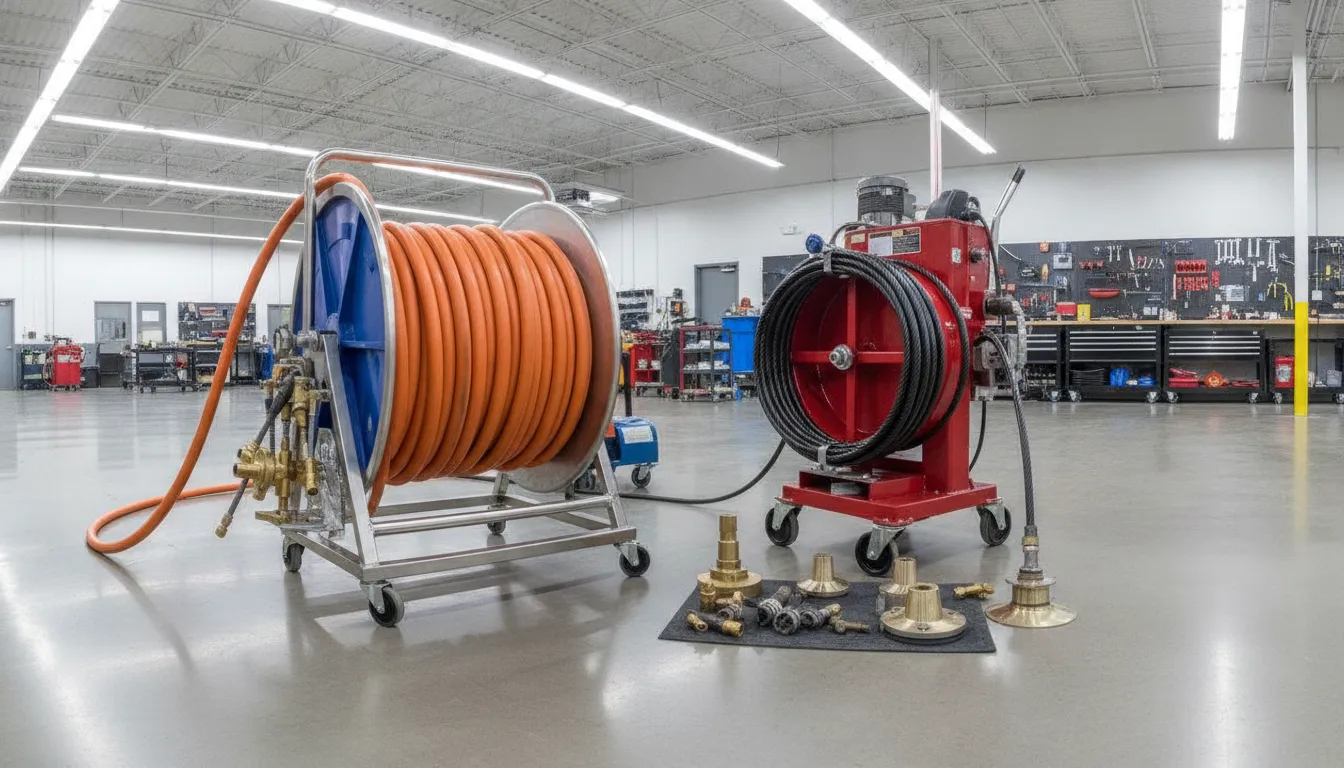
What signs suggest your sewer line needs hydro jetting?
Your home’s sewer line is easy to forget until a big problem starts. Many people do not know the small signs of a clogged pipe. Catching these early can save you from a messy backup. While some clogs are simple, others need more than a basic tool. That is where high-pressure water comes in to help. It can clear out the line and keep things moving as they should.
Frequent clogs and slow drains
One major red flag is when your drains slow down at the same time. If your sink, shower, and toilet all drain slowly, the blockage is likely in the main line. This often happens because of waste and dirt that builds up over many years. When clogs keep coming back after you snake them, it usually means the pipe walls have thick layers of waste. These deep issues often require sewer jetting services to fully clear the path.
Bad smells are another big clue that you have a problem. If you notice a rotten egg scent near your drains, sewer gas may be backing up into your home. This happens when waste sits in the pipe and cannot move. Keeping pipes clean is a key part of keeping your sewer system working well. If you ignore these odors, the pipe could stop working entirely. You might also hear gurgling sounds from your pipes after you flush the toilet.
Grease and root buildup
Grease and sludge are common causes of stubborn blockages. Over time, kitchen grease hardens inside the line like a thick paste. This buildup narrows the pipe and makes it easy for waste to get stuck. Roots from trees can also find tiny cracks in the pipe and grow inside. These roots act like a net that catches hair and paper. A standard snake might just poke a small hole through the mess.
HydroScrub Jetting tools are better than snaking because they clean the whole pipe wall. They can blast away grease and cut through small roots to restore full flow. This method does not use harsh chemicals that can harm your pipes. It relies on water pressure to scrub the line clean. This deep clean helps prevent new clogs from forming in the same spot.
The need for a visual check
You should not guess what is happening inside your pipes. A pro can use a special camera to look deep into the sewer line. This is called a CCTV inspection. It shows if your pipes have cracks, sags, or heavy buildup. These visual tools help find the exact cause of a problem that keeps coming back.
A video record helps you decide if jetting is the right move for your home. This clear view ensures the work fixes the real problem rather than just a symptom. It is the best way to keep your home safe from water damage. Licensed pros use this data to plan the best cleaning path. This ensures your plumbing stays in top shape for years to come.
Is hydro jetting safe for older Metro Detroit pipes?
Many homes in Metro Detroit have sewer lines that are many years old. These pipes often use clay or cast iron. While these pipe types are tough, they can get weak as they age. You might wonder if sewer jetting services are safe for these old lines.
Why pipe state matters
In most cases, hydro jetting is very safe if you have a careful check first. The safety of your sewer line depends on its current state. Older pipes in Detroit often face soil shifts or tree root growth. These factors can create small cracks or weak spots over time.
High-pressure water is great for clearing out grease and grit. But if a pipe is already thin or cracked, high pressure could lead to a leak. This is why a pro will never use the same pressure for every home. A trained plumber looks for signs of wear before they start the job.
They check for sagging spots or joints that have started to pull apart. If the pipe is in good shape, hydro jetting is the best way to clean it. It removes the whole clog and washes away debris that other tools miss. This deep clean can help your plumbing last longer by removing rust and buildup.
The role of camera inspections
A video camera check is the most important step. Before turning on the water, a tech sends a small camera down the line. This gives a live view of the pipe’s inner walls and lets the team find the clog. More importantly, it shows if the pipe has any damage that would make jetting risky.
You can learn more about this in our hydro jetting guide. According to the Environmental Protection Agency, inspecting sewer lines is a key part of keeping aging systems working. The camera helps plumbers see root growth or pipe breaks. If the check shows a big break, the plumber may suggest a repair instead of a clean.
This step ensures that no pressure hits a pipe that cannot handle it. It protects your home and your yard from spills. Modern tools allow for exact control over water pressure. Plumbers can lower the pressure for older clay pipes to keep them safe.
Safe pressure for older systems
Unlike chemical cleaners, hydro jetting uses only plain water. This means there are no harsh acids to eat away at old cast iron or copper lines. It is a clean and safe way to restore your sewer flow. Choosing a licensed pro ensures that the right settings are used.
They know the local soil and the types of pipes found in Detroit. By using a camera first and setting the right pressure, they ensure the job is done safely. This care keeps your older sewer line working for many years. It stops small clogs from turning into big, costly breaks.
How does a plumber choose the right drain cleaning method?
When you have a slow drain, a plumber must pick the best tool for the job. They do not just guess. Most experts look at what is stuck in the pipe and how old the pipes are. Expert sewer jetting services are often the best choice for tough jobs in Metro Detroit.
A simple hair clog in a sink may only need a small tool. But big blocks in the main line often need more power. High-pressure water is better for these large jobs. It clears the path and keeps the system running well.
Finding the type of clog
The first step is to find out what is causing the block. A plumber might use a snake for small clogs like hair or paper. This tool has a long cable that spins to break up the mess. But snakes only clear a small path and can leave debris behind.
For heavy grease or scale, many pros use water at high pressure. This HydroScrub system can wash away the worst debris. It cleans the whole pipe wall so the block does not come back soon. If you have tree roots, water jets are better at flushing them out of the system.
Checking the health of your pipes
Plumbers also look at the state of your plumbing. Older pipes in Detroit can be fragile. A snake might hit a weak spot and cause a leak. Water jets are safe for most pipes, but the pressure must be set right. A pro will often use a small camera first to be safe.
This camera test shows the inside of the line on a screen. It helps the plumber see cracks or shifted joints before they start cleaning. This test is a smart way to find the best fix for your needs. It tells the plumber if the pipe can handle the pressure.
Using a camera is one of the best ways to inspect the internal state of a sewer line. It gives a clear view of the walls and any damage. This helps the pro pick the right pressure for the job and avoid mistakes.
Setting goals for long-term flow
Your goals also help the plumber decide. If you just want a quick fix, a snake might work for now. But if you want to prevent future clogs, a full cleaning is better. Many homeowners choose a drain cleaning program to keep lines clear.
Routine cleaning stops sediment from building up over time. This helps your home avoid a mess and high repair costs later on. Regular checks are key to keeping a sewer system running well. Keeping lines clean is needed for a system to work and helps local pipes.
When a plumber picks a method, they think about the next few years. They want to give you a fix that lasts and keeps your home safe. A pro will look at every detail to make sure your drains stay clear for a long time.
How to keep drains clear after professional cleaning
Keeping your pipes clear is a smart way to protect your home. Once an expert cleans your lines, you should take steps to keep them that way. Steady care stops waste from building up and causing new blocks. This helps your home run well and saves you from high repair costs later. Taking care of your home is a great way to avoid stress and keep things working.
Stop clogs at the source
The best way to keep drains clear is to watch what goes into them. Do not pour fats, oils, or grease down the kitchen sink. These fluids may look thin when they are hot, but they get hard as they cool. They stick to the pipe walls and trap other food bits. Use a jar to catch grease and throw it in the trash instead. You should also scrape food scraps off plates before you wash them.
In the bathroom, only flush toilet paper and waste. Items like wet wipes, cotton pads, and hair do not break down in water. Even wipes that say they are fine to flush can snag on small bumps in the pipe. Over time, these items form a large mass that blocks the flow. Small screens in your tubs and sinks can also catch hair before it goes deep into the drain. Good habits in the bathroom prevent messy clogs from coming back.
Simple home care steps
You can do easy things at home to keep your lines open. Run hot water down your drains for a few minutes once a week. The heat helps move small bits of fat and soap scum out of the system. Some people use baking soda and vinegar, but this is mostly for smell. For real cleaning, look for safe cleaners that eat away at waste.
These products use safe cells to eat through waste. They do not have the harsh acids found in many store-bought gels. Using these products once a month can help stop clogs before they start. It is a safe way to help your pipes without hurting the earth. Good habits like this protect your pipes and keep the water moving fast every day.
Expert help when needed
Even with good care, some systems need more help. If you live in an older home, tree roots or aging pipes can cause issues. Expert sewer line cleaning and checks are key to keeping a good system. A video camera check can show the state of your pipes and find small cracks or roots early. This allows you to plan repairs on your own time rather than during a midnight crisis.
Routine checks help find problems before they turn into a flood. If your drains start to slow down again, you may need expert hydro jetting services to restore full flow. Taking a smart path helps you avoid messy backups in your yard or home. Expert sewer jetting services can blast away tough buildup that regular tools might miss. This keeps your home safe and supports the local waste water systems.
Frequently Asked Questions
How much does it cost to jet out a sewer line?
The cost for sewer jetting in Metro Detroit usually ranges from $350 to $600 for most homes. This price often depends on the size of the pipe and the type of clog. While it costs more than a simple snake, it cleans the pipe walls much better. A licensed plumber will give you a clear quote after a camera check. Using this service now can prevent costly sewer backups and big pipe repairs later on.
Is sewer jetting worth it?
Yes, sewer jetting is a great choice for many homeowners. Unlike a basic drain snake, it uses high water pressure to scrub the pipe walls clean. This process removes grease and scale that other tools often leave behind. According to Mr. Pipey, expert cleaning helps stop repeat clogs and slow drains. By fully clearing the line, you get better flow and fewer plumbing visits throughout the year.
Why is drain jetting so expensive?
The cost reflects the top gear and skill needed for the job. Plumbers use a heavy-duty pump and special nozzles to blast away tough clogs safely. The service also includes a video camera check to ensure the pipe is in good shape. This work takes more time and training than using a manual snake. While the upfront price is higher, it saves you money by fixing the root of the problem and stopping future issues.
Can hydro jetting remove tree roots?
Yes, hydro jetting is very good at cutting through small tree roots. The high-pressure water stream can slice roots and wash them away to restore flow. However, it cannot fix the holes where the roots entered. According to the EPA, regular cleaning and checks are key to keeping old sewer systems working. After the roots are gone, a plumber can check the pipe to see if a final repair is needed.
Ready to schedule sewer jetting service?
Leaving a slow drain alone can lead to a major sewer backup. This can flood your home and cause very costly damage to floors. You also risk the growth of mold when dirty water sits in pipes. This type of plumbing mess is often very hard to fix later on. If you act now, you can stop these problems before they start. This will keep your local plumbing safe for many years to come. Clearing your lines today will give you peace of mind. We use the latest tools to get your sewer jetting jobs done fast. You do not have to deal with the stress of a broken sewer line. Set up a visit with us right away to keep your home safe.
Ready to schedule sewer jetting service? Call (313) 896-8874 to set up your plumbing job with our local team today.