

Buying a home is one of the biggest investments you’ll ever make. But a standard home inspection often overlooks the sewer line’s condition, and an unseen problem here can lead to thousands of dollars in unexpected repairs. This is why a professional sewer inspection camera service is one of the smartest moves a homeowner can make. It provides a clear, visual assessment of your pipes, uncovering hidden issues like cracks or root damage before they become your financial burden. We’ll explain why this inspection is so critical and how it protects your investment from the ground down.
Key Takeaways
- Pinpoint Pipe Problems Without Guesswork: A sewer camera inspection provides a real-time video feed from inside your pipes, allowing a professional to identify the exact cause and location of a clog or break without digging up your property.
- High-Quality Cameras Lead to Accurate Fixes: Professional-grade cameras offer clear, stable images and location-finding technology that basic rental units lack, ensuring the problem is diagnosed correctly the first time and preventing unnecessary repairs.
- An Expert’s Interpretation is Key: A trained plumber knows how to interpret the camera footage, distinguishing minor issues from major ones and recommending the most effective, long-term solution, which is a skill you don’t get with a DIY inspection.
What Is a Sewer Inspection Camera?
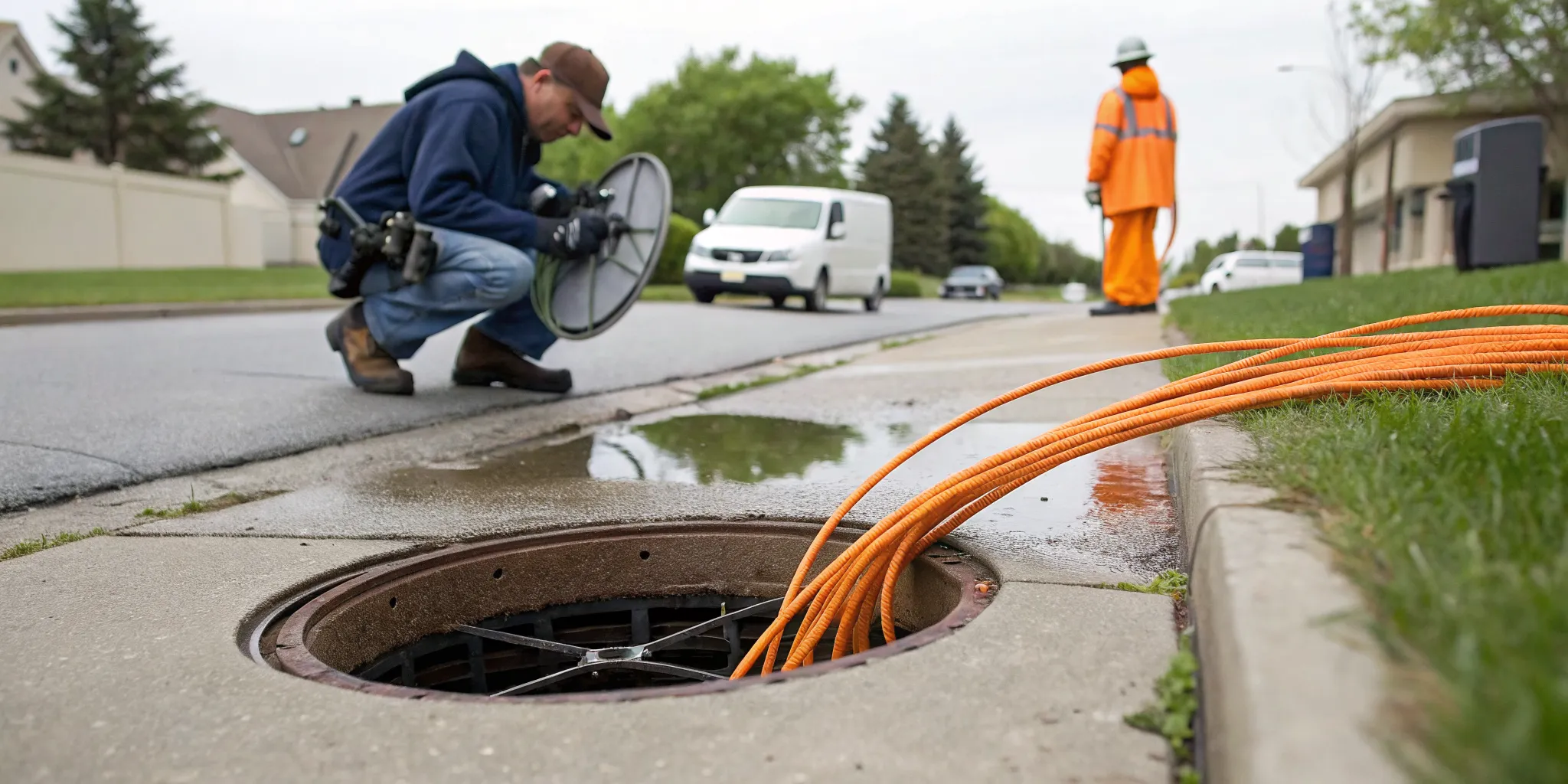
Think of a sewer inspection camera as a tiny, waterproof camera mounted on the end of a long, flexible cable. Plumbers use this tool to get a real-time video tour of the inside of your pipes. It’s one of the most effective ways to diagnose hidden problems in your sewer and drain lines without having to dig up your yard. Instead of guessing what’s causing a backup or slow drain, we can get a clear, firsthand look at the issue and figure out the best way to fix it.
How Do Sewer Cameras Work?
The process is straightforward and non-invasive. A trained plumber feeds the flexible cable into your sewer line through an access point, like a cleanout. As the camera travels through the pipes, it sends a live video feed to a high-resolution monitor. This allows us to see the exact condition of your pipes in real time. We can spot everything from grease buildup and blockages to cracks and tree root intrusions. This technology is essential for accurately diagnosing issues and providing the right expert plumbing solutions without any guesswork.
Your Guide to Different Sewer Camera Types
Not all sewer cameras are created equal. Professionals use a variety of specialized cameras depending on the size and type of pipe they’re inspecting. For instance, the camera needed for a small 1.5-inch drain line in your home is very different from one used for a 10-inch commercial sewer main. Brands like RIDGID and General Pipe Cleaners make high-quality sewer cameras that are built for durability and clear imaging. Having the right equipment for the job ensures we can inspect any line thoroughly and identify problems with precision, no matter the scale.
Flexible vs. Rigid Cameras
When it comes to inspection cameras, one size doesn’t fit all, and the main difference comes down to flexibility. A rigid camera is exactly what it sounds like—it’s sturdy and holds its shape, which is a huge advantage for getting a steady, clear view in a straight pipe. Because they’re so durable, they can handle a lot of wear and tear. On the other hand, flexible sewer cameras are designed to shine in pipes that have a lot of bends and turns. A professional plumber knows exactly which tool to use based on your home’s specific plumbing layout to get a complete and accurate picture of your pipe’s health.
Understanding Borescopes and Snake Cameras
You might hear plumbers use different terms for these cameras, like “borescope” or “snake camera.” While they sound technical, the ideas are pretty simple. A rigid borescope is a straight, non-flexible camera that often provides an incredibly clear image because of its direct design. This high-resolution view is perfect for spotting tiny hairline cracks or subtle signs of damage that could be missed otherwise. “Snake camera” is just a more common name for the flexible cameras that can wind through your pipes. While there are trade-offs between them, a skilled technician will always choose the best tool to get a reliable view and correctly identify the root cause of any plumbing issue.
Advanced Systems for Large Pipes
Inspecting the plumbing for a commercial building or a large residential property often requires more advanced equipment. The sewer lines in these systems are typically wider and more complex, which is where articulating and self-leveling cameras come into play. These sophisticated systems are built to handle long, underground pipes with multiple bends, all while providing a stable, upright image the entire time. This feature ensures that nothing is missed, no matter how big the job is. At Mr. Pipey, we’re equipped to handle any inspection, from a small home drain to a large commercial sewer main, providing the right plumbing solutions for every client.
What a Sewer Camera Can (and Can’t) Detect
A sewer camera inspection is incredibly revealing. It can pinpoint the exact location of blockages, identify pipe materials, find cracks or collapses, and show where tree roots have broken through. It’s the best way to understand the overall health of your drainage system. However, it’s just as important to know what a camera can’t do. A camera alone cannot confirm a leak. While it can show a crack or a hole where water might be escaping, it can’t see outside the pipe to verify that water is actively seeping into the ground. This is a critical distinction, especially when dealing with potential emergency plumbing situations.
Identifying Punctures, Corrosion, and Misaligned Pipes
A sewer camera is your best tool for spotting subtle but serious issues like punctures, corrosion, and misaligned pipes before they cause major damage. The high-resolution video feed allows a trained technician to see exactly what’s happening inside your sewer line. We can identify small holes or cracks from shifting soil or invasive tree roots, and spot the tell-tale signs of corrosion, like flaking or discoloration, that weaken your pipes over time. The camera also clearly reveals misaligned or “bellied” pipes, where sections have sunk and created a low spot that collects waste and debris. Catching these problems early is key to avoiding a messy and expensive plumbing emergency, ensuring your home’s system remains reliable and functional for years to come.
The Top Reasons You Need a Sewer Inspection
Sewer camera inspections take the guesswork out of plumbing problems. Instead of digging up your yard to find the source of a clog or leak, we can get a clear, real-time view of what’s happening inside your pipes. This technology is a game-changer because it’s less invasive, more accurate, and ultimately saves you time and money. It allows us to diagnose issues with certainty and recommend the right solution the first time, which is a core part of our commitment to you.
Find Problems Without Tearing Up Your Yard
The biggest advantage of a sewer camera is its ability to find the exact location and cause of a problem without any destructive digging. A flexible rod with a high-resolution camera on the end is fed into your sewer line, navigating corners and bends to provide a live video feed. Modern cameras offer such clear lighting and maneuverability that they allow for incredibly detailed inspections of your sewer lines. We can spot everything from tree root intrusions and pipe cracks to blockages and corrosion, all while your lawn and landscaping remain perfectly intact. This precision means we can target the repair exactly where it’s needed.
How a Camera Inspection Saves You Money
Spending a little on an inspection now can save you a lot on major repairs later. A camera inspection is a proactive step that identifies small issues before they become catastrophic failures, like a collapsed sewer line. Considering a full sewer line repair can cost thousands, the price of an inspection is a smart investment in your home’s health. It’s also essential if you’re buying a new home, as it can uncover hidden problems that aren’t visible on the surface. By catching issues early, you can avoid the stress and expense of dealing with unexpected emergency plumbing situations down the road.
See the Problem for Yourself with Video Proof
A sewer camera inspection offers complete transparency. You don’t have to just take our word for it—you can see the condition of your pipes for yourself. The camera sends a live feed to a monitor, so you and your plumber can watch the inspection together. We can pause, rewind, and record the footage to get a closer look at problem areas. Having these clear inspection results right away helps you understand the issue and feel confident in the recommended repair plan. This video proof is also valuable for insurance claims or if you’re documenting the condition of a property before a sale.
A Non-Invasive Way to Check Your Pipes
Because the entire process happens inside the pipe, a camera inspection is one of the least invasive ways to diagnose plumbing issues. It’s a powerful tool to check your home’s sewer system for common problems like blockages from grease buildup, cracks from shifting soil, or damage from foreign objects. The inspection itself won’t damage your pipes or property. For homeowners experiencing recurring backups or slow drains, a camera inspection provides a definitive diagnosis without the mess and disruption of traditional methods. It gives you a clear picture of your pipe’s health and the peace of mind that comes with knowing exactly what you’re dealing with.
Verify Repairs and Ensure Peace of Mind
A sewer camera inspection isn’t just for diagnosing problems—it’s also an essential final step to confirm a job well done. After a repair is completed, running the camera through the line one more time verifies that the issue has been fully resolved. You can see for yourself that the blockage is gone, the new pipe lining is seamless, or the crack is properly sealed. This final check provides tangible proof that the repair is effective and gives you confidence that your plumbing system is in top shape. This video documentation also serves as a valuable part of your home maintenance records, which can be incredibly useful for insurance purposes or if you decide to sell your property in the future. It’s a crucial part of delivering a long-lasting solution and upholding a commitment to quality workmanship.
What to Look For in a Sewer Inspection Camera
When you need a look inside your pipes, not just any camera will do. The technology used for sewer inspections has come a long way, and the features of a professional-grade camera make a huge difference in accurately diagnosing a problem. A fuzzy, unstable picture or a camera that can’t reach the problem area isn’t going to help anyone. At Mr. Pipey, we rely on top-tier equipment to get the job done right. Here are the key features that separate a helpful tool from a glorified toy.
Look for a Clear, Stable Picture
The most important feature of a sewer camera is its ability to deliver a crystal-clear image. Without it, a plumber is just guessing. Modern professional cameras provide high-resolution video that makes it easy to spot tiny cracks, stubborn clogs, and invasive tree roots. Good lighting is also essential, as sewer lines are completely dark. These cameras use bright, built-in LEDs to illuminate every detail. Many professional models also have a self-leveling camera head, which keeps the video feed upright. This ensures your plumber gets a stable, accurate view of the pipe’s condition, leading to a correct diagnosis the first time.
Choosing the Right Cable Length and Locator
A sewer camera is only as good as its reach. The camera head is attached to a flexible push cable that needs to be long enough to travel from an access point all the way to the city sewer main if necessary. Professional systems have cables of varying lengths to handle different properties, from small homes to large commercial buildings. Just as important is the locator, or sonde. This is a small transmitter in the camera head that sends out a signal. Using a receiver above ground, your plumber can pinpoint the exact location and depth of the problem, which is critical for planning an efficient, targeted emergency plumbing repair without unnecessary digging.
Common Cable Lengths for Residential and Commercial Use
The length of the camera’s cable is crucial because it determines how much of your sewer line we can actually see. A short cable might not reach a blockage that’s closer to the street, leaving you with an incomplete picture of the problem. Professional systems come equipped with cables of varying lengths to suit different properties, from a small home to a large commercial building. These push cables can be 100, 200, or even over 300 feet long, ensuring a plumber can inspect the entire length of your pipe. Having the right equipment for both residential and commercial plumbing services means we can always reach the source of the issue, no matter how far down the line it is.
How Locators (Sondes) Pinpoint Problems
A locator, also known as a sonde, is a small radio transmitter built into the sewer camera’s head. As the camera moves through the pipe, this transmitter sends out a signal, typically at a frequency of 512Hz. Above ground, your plumber uses a special handheld receiver to track this signal. This technology allows us to pinpoint the camera’s exact location and depth underground. It’s an essential feature that takes all the guesswork out of repairs. Instead of digging blindly, we know precisely where the problem lies, which is critical for planning an efficient fix and avoiding unnecessary disruption to your property, especially during an emergency plumbing situation.
Make Sure You Can Record and Share Footage
Seeing is believing, which is why recording capabilities are a must-have feature. Professional sewer cameras can record the entire inspection, providing you with a digital video file. This is incredibly useful for a few reasons. First, it gives you a clear visual record of the issue, which can be helpful for insurance claims. Second, it allows your plumber to show you exactly what they found and explain the recommended repairs. This transparency helps you make an informed decision about your property. Many modern inspection cameras even allow for easy sharing, so you can have the footage for your own records.
Consider Durability and Camera Head Size
Sewer pipes are a rough environment, so the camera needs to be tough. Professional-grade cameras are built with durable, waterproof materials that can withstand being pushed through sludge, navigating sharp turns, and bumping into obstructions. The camera head itself must be the right size—small enough to fit into standard residential pipes but robust enough to house the high-resolution camera and bright lights. This combination of durability and thoughtful design is what allows a professional to perform a thorough inspection of all your home’s plumbing services without risking damage to the equipment or your pipes.
Matching Camera Head Size to Your Pipes
Just as you wouldn’t use a sledgehammer to hang a picture frame, you can’t use a one-size-fits-all camera for every pipe. The size of the camera head is critical for a successful inspection. A camera designed for a large 10-inch commercial sewer main simply won’t fit into the 1.5-inch drain line under your kitchen sink. Professional plumbers have a range of cameras to match the specific pipe they’re inspecting. Using the correct size ensures the camera can navigate the line smoothly without getting stuck, providing a complete view of the pipe’s interior. This adaptability is key to accurately diagnosing issues across all the different plumbing services in your home.
The Importance of an IP68 Waterproof Rating
Sewer lines are a harsh, wet environment, and the camera going inside needs to be built for it. That’s where a waterproof rating comes in. Professional-grade cameras typically have an IP68 rating, which means they are completely protected against dust and can be continuously submerged in water. This isn’t just a nice-to-have feature; it’s essential. The camera has to push through sludge, water, and other debris to get a clear picture of the pipe’s condition. This level of durability ensures the equipment won’t fail mid-inspection, which is especially critical when dealing with a potential emergency plumbing situation that needs a fast and accurate diagnosis.
Battery Life and Equipment Lifespan
A sewer inspection can take time, especially when navigating a long or complex pipe system. The last thing you want is for the camera’s battery to die before the job is done. Professional cameras are equipped with powerful batteries that can last for 6 to 8 hours of continuous use, ensuring the plumber can complete a thorough inspection without interruption. This reliability is a hallmark of professional equipment. It’s designed for repeated, heavy-duty use, day in and day out. When you hire a pro, you’re not just getting their expertise; you’re getting the assurance that their tools are up to the task. If you have questions about our equipment, feel free to contact our team.
Helpful Features to Look For
Beyond a clear picture and a durable build, the best sewer inspection cameras come with advanced features that turn a simple look-see into a detailed diagnostic session. These tools help a plumber gather more precise information, leading to a more accurate and efficient repair plan. Features like distance counters, pan-and-tilt heads, and on-screen text annotation are what separate a basic camera from the sophisticated types of cameras used by seasoned professionals. They provide a layer of data that is invaluable for pinpointing the exact nature and location of a problem, ensuring the right fix is recommended from the start.
Distance Counters, Pan & Tilt, and Text Annotation
These advanced features provide critical details for an accurate diagnosis. A distance counter shows exactly how many feet down the line a problem is located, so there’s no guesswork when it comes time to dig. A pan-and-tilt camera head allows the plumber to remotely look up, down, and side-to-side inside the pipe, getting a 360-degree view of a crack or blockage. Finally, text annotation lets the technician type notes directly onto the video file, marking specific issues as they are discovered. These tools ensure a comprehensive and precise inspection, reflecting the high standards of a company that values getting the job done right, which is a core part of our commitment to every client.
Which Sewer Camera Brands Can You Trust?
When you hire a professional plumber, you’re not just paying for their time and skill—you’re also getting access to their high-tech equipment. While you probably won’t be shopping for a sewer camera yourself, knowing the top brands helps you understand the quality of the tools being used in your home. At Mr. Pipey, we believe in using reliable, professional-grade equipment because it allows us to diagnose problems accurately and efficiently, saving you time and money in the long run.
Just like you wouldn’t want a surgeon using subpar instruments, you want a plumber with a camera that delivers a crystal-clear picture of what’s happening inside your pipes. The right camera can mean the difference between a quick, targeted fix and a major, disruptive excavation project on your property. The brands that professionals trust are known for their durability, image quality, and advanced features that make it easier to pinpoint everything from tree root intrusions to cracks, corrosion, and blockages. When we perform an inspection, we’re looking for the exact cause of the problem, and having the best tools for the job is a critical part of our customer satisfaction guarantee. It’s how we ensure we provide a solution that lasts, not just a temporary patch.
The Best Professional-Grade Sewer Cameras
In the world of plumbing, a few brands stand out as the gold standard for sewer inspection cameras. These companies have built a reputation for creating tough, reliable tools that can handle the daily demands of the job. Think of them as the heavy-duty trucks of the camera world—built to last and packed with features that make a plumber’s work more precise. We’ll cover a few of the names you’ll often see on a professional’s truck, so you can feel confident knowing your plumber is equipped with the best.
RIDGID SeeSnake: The Versatile Workhorse
If there’s one name that’s practically synonymous with plumbing tools, it’s RIDGID. Their SeeSnake video inspection systems are workhorses, known for their incredible durability and diagnostic accuracy. These cameras are designed to withstand the harsh conditions inside a sewer line while delivering a consistently clear image. Whether it’s a routine inspection or a challenging blockage, a SeeSnake camera gives plumbers the detailed view they need to identify the problem correctly the first time. Their reliability makes them a favorite for all-around use in both residential and commercial settings.
Exploring the Gen-Eye Systems
General Pipe Cleaners is another top contender, and their Gen-Eye camera systems are packed with smart, user-friendly features. Many models come with a self-leveling camera head, which means the picture on the screen always stays upright—a huge help when you’re trying to figure out what you’re looking at inside a dark pipe. They also often include Wi-Fi capabilities, allowing a technician to stream the video directly to a phone or tablet. This is great for showing you, the homeowner, exactly what’s going on in real-time, making the entire process more transparent.
Specialized Cameras: Drain Gear and Other Brands
Sometimes, a standard camera isn’t quite right for the job. That’s where specialized suppliers like Drain Gear come in. They offer a wide range of cameras from various brands designed for specific situations, like inspecting very small or very large pipes. This variety is crucial because a camera that works perfectly for a 2-inch drain line won’t be suitable for a 10-inch sewer main. Having access to specialized equipment ensures that no matter the challenge, a professional has the right tool. It’s this commitment to using the best equipment that allows us to handle any emergency plumbing situation effectively.
How Much Do Sewer Cameras Cost?
The price of a sewer inspection camera can vary dramatically, from a few hundred dollars for a basic model to thousands for a professional-grade system. The right one for you depends entirely on what you need it to do. For most homeowners, the cost of a quality camera is a major reason why hiring a professional is often the more practical and cost-effective route. But if you’re curious about the investment, the cost generally falls into three main tiers.
Understanding these price points can help you appreciate the technology and expertise that goes into a professional sewer inspection. It’s not just about owning a camera; it’s about having the right tool for the job, which can make all the difference in accurately diagnosing a problem and avoiding unnecessary, expensive repairs down the line. Let’s break down what you can expect to pay.
The Price of Entry-Level Cameras
For simple, occasional use, entry-level sewer inspection cameras typically cost between $300 and $1,000. These models are often geared toward homeowners or small businesses that need basic diagnostic capabilities without a huge upfront investment. While they get the job done for straightforward clogs or inspections, they usually have shorter cables, standard-definition video, and fewer features. They’re a good starting point for a DIY enthusiast, but may lack the durability and clarity needed to spot more subtle issues like hairline cracks or root intrusion.
How Much Are Mid-Range Professional Cameras?
Stepping up to mid-range professional cameras, you’ll find prices between $1,000 and $3,000. This is the category where you start seeing features that plumbing professionals rely on every day. These cameras offer better image quality, much longer and more durable cables, and the ability to record video and audio. The improved visuals and robust construction allow for more accurate and efficient inspections in a wider variety of pipe conditions. Many independent plumbers and smaller plumbing companies invest in these systems as their primary diagnostic tools.
The Investment for High-End Systems
At the top of the line, high-end commercial systems can run anywhere from $3,000 to well over $10,000. These are the heavy-duty workhorses designed for contractors and municipal services that perform frequent, detailed inspections. They boast advanced technology like high-definition video, self-leveling camera heads, extensive cable lengths, and rugged, waterproof construction. These systems are built to withstand the rigors of daily use in harsh environments and provide the clearest possible picture of what’s happening deep inside a sewer line.
What Determines the Final Price?
So, what causes such a wide price range? Several key factors influence the final cost of a sewer camera. The camera resolution is a big one—HD video will always cost more than standard definition. Cable length and durability also play a major role, as longer, more flexible pushrods are needed to inspect extensive plumbing systems. Finally, additional features like Wi-Fi connectivity for screen sharing, built-in locators (sondes) to pinpoint the camera’s location underground, and the overall brand reputation all contribute to the price tag.
DIY vs. Hiring a Pro: What’s the Right Call?
Tackling home projects yourself can be incredibly satisfying, but when it comes to your sewer line, the DIY route can get complicated fast. While you can rent or buy a sewer inspection camera, knowing what you’re looking at—and what you’re missing—is a different story. Deciding between a DIY inspection and calling a professional comes down to understanding the risks, the benefits, and when a pro’s expertise is non-negotiable.
Thinking of DIY? Know the Risks First
Renting a sewer camera might seem like a cost-effective first step, but it comes with significant limitations. The biggest issue is that a camera only sees the inside of the pipe. As one plumbing expert noted, “Leaks are water escaping out of the pipe, which the camera can’t see.” You could have a perfectly clear-looking pipe with a serious leak happening just out of view. An untrained eye can also easily misinterpret findings. What looks like a small crack could be a sign of a major structural failure, while something that looks alarming might be normal wear. Without experience, you risk missing the real problem or even damaging your pipes or the rental equipment, turning a small issue into an emergency plumbing situation.
The Cost of Renting vs. Buying a Camera
When you’re facing a mysterious drain issue, the idea of renting or buying a sewer camera to diagnose it yourself can be tempting. It feels proactive and potentially budget-friendly. However, the decision isn’t just about the upfront cost of the equipment. It’s about the total cost of solving the problem correctly. While renting can be a solution for a very minor, one-time issue, and buying might make sense for a property manager, for most homeowners, neither option replaces the value of a professional diagnosis. The real investment isn’t in the camera itself, but in the expertise needed to interpret what it sees and recommend a lasting solution.
When Renting Makes Sense
Renting a sewer camera can be a practical choice if you only need it for a single, straightforward job. If you’re dealing with a simple clog and just want a quick look, renting allows you to avoid the high purchase price of a new camera. According to some cost comparisons, renting is often the more economical path if you only anticipate needing to inspect your pipes once or twice a year. It gives you access to the technology for a specific task without a long-term commitment. However, keep in mind that rental units may not have the same image quality or features as professional-grade equipment, and you’ll be responsible for interpreting the findings yourself.
When Buying Is the Better Investment
For those who manage multiple properties or frequently flip houses, buying a sewer camera could be a worthwhile investment over time. If you expect to use a camera more than three or four times a year, owning one will likely save you money compared to repeated rentals or service calls. Basic models start around $1,000, while professional systems can cost several thousand. While owning the equipment provides convenience, it doesn’t come with the experience to diagnose complex issues. A professional plumber can identify subtle signs of corrosion, pipe sagging, or potential backflow issues that an untrained eye would miss, ensuring you get the right expert plumbing solutions the first time.
Why Hiring a Professional Pays Off
When you hire a professional plumber, you’re not just getting a camera—you’re getting the expertise to interpret what it sees. We use specialized, high-resolution cameras on flexible cables to get a complete view of your sewer lines. This allows us to accurately find drainage problems, identify the type of pipe material you have, and locate all the connections. This detailed assessment is crucial for a correct diagnosis and an effective repair plan. A professional inspection provides peace of mind, giving you a clear, actionable report on your sewer system’s health. You’ll know exactly what the problem is, where it is, and what it will take to fix it, which is the kind of reliable service we pride ourselves on at Mr. Pipey.
When Should You Call a Plumber in Metro Detroit?
Not sure if you need a professional inspection? There are a few key moments when it’s always a smart move. You should schedule a sewer inspection if you’re buying or selling a home, as it can uncover hidden issues before the sale closes. If your home is over 50 years old, its original pipes are likely nearing the end of their lifespan and should be checked. Another major red flag is a large tree in your front yard, as tree roots are a leading cause of sewer line damage. And of course, if your sewer line backs up frequently, it’s a clear sign of an underlying problem that needs a professional diagnosis. If any of these sound familiar, it’s time to contact a professional.
How to Find a Good Deal on a Sewer Camera
A sewer inspection camera is a significant investment, so finding the right one at a fair price is key. Whether you’re a professional plumber building your toolkit or a dedicated DIYer, getting a good deal doesn’t mean you have to sacrifice quality. It’s all about knowing where to look and what to look for. By keeping an eye out for promotions and understanding the value of new features, you can find a camera that fits your needs and your budget.
Where Can You Find Promotions?
A great place to start your search is directly with the manufacturers. Companies like General Pipe Cleaners often showcase their latest diagnostic tools and may run promotions on their websites. Another smart move is to check with specialized plumbing equipment suppliers, both online and locally. These retailers frequently bundle cameras with locators or other accessories for a reduced price. Signing up for their email newsletters is an easy way to get notified about seasonal sales, clearance events, and new product launches before anyone else.
A Quick Guide to Discounts and Financing
Finding a good deal is about more than just the lowest price—it’s about getting the best value. Keep an eye on specialty retailers that carry multiple brands, as they often have competitive pricing. For example, online stores like Drain Gear sometimes offer deep discounts on specific models, which can save you hundreds or even thousands of dollars. If the upfront cost is a concern, ask about financing. Many suppliers provide payment plans that make purchasing a professional-grade camera much more manageable, allowing you to get the right tool now and pay for it over time.
The Latest in Sewer Camera Technology
Sometimes, the best deal isn’t the cheapest camera but the one with modern features that save you time and prevent future headaches. The evolution of sewer inspection technology has led to incredible improvements. Today’s cameras offer crystal-clear, high-resolution video, self-leveling camera heads for a stable picture, and powerful LED lights that illuminate every corner of the pipe. They are also becoming smaller and more durable, allowing them to fit into tight spaces without getting damaged. Investing in a camera with these features can make your inspections faster, more accurate, and ultimately more cost-effective.
Frequently Asked Questions
What are some signs that I might need a sewer camera inspection? You should consider an inspection if you’re dealing with recurring issues like slow drains throughout your house, frequent toilet backups, or gurgling sounds from your pipes. Unpleasant sewer odors in or around your home are another major red flag. It’s also a very smart idea to get an inspection before buying a new home to uncover any hidden problems, or if you have large, mature trees on your property, as their roots are a common cause of sewer line damage.
What actually happens during a sewer camera inspection? The process is surprisingly straightforward and clean. A trained plumber will find an access point to your sewer line, which is usually a small cap in your basement or yard called a cleanout. They will then carefully feed a flexible cable with a small, high-resolution camera on the end into the pipe. You can watch on a monitor in real-time as the camera travels through the line, showing the exact condition of your pipes. The plumber will explain what they’re seeing and can record the footage for your records.
Is a sewer camera inspection really worth the cost? Absolutely. Think of it as a small investment to protect yourself from a huge, expensive disaster. A sewer line replacement can cost thousands of dollars and tear up your yard. An inspection costs a fraction of that and can identify small problems like minor cracks or root intrusion before they cause a complete pipe collapse. It takes all the guesswork out of plumbing diagnostics, ensuring you only pay for the exact repair you need.
Can a sewer camera find every single plumbing problem, like leaks? A camera is incredibly effective at finding the source of blockages, cracks, collapsed sections, and tree root damage inside a pipe. However, it’s important to know its limitations. A camera can only see the interior of the pipe, so while it can show you a crack where water is likely escaping, it cannot see outside the pipe to confirm an active leak into the surrounding soil. A professional uses the camera’s findings along with other diagnostic methods to get a complete picture of your system’s health.
I’m pretty handy. Can I just rent a camera and do this inspection myself? While you can rent a sewer camera, interpreting the footage correctly is a skill that takes experience. An untrained eye can easily mistake a normal pipe joint for a serious crack or miss the subtle signs of a developing problem. You also run the risk of getting the rental equipment stuck or even damaging your pipes. For an accurate diagnosis and peace of mind, it’s best to rely on a professional who uses this equipment every day.