

That foul-smelling water backing up from your drains isn’t just dirty—it’s dangerous. It’s considered blackwater, a hazardous material filled with bacteria and viruses that pose a serious risk to your family’s health. Trying to clean it yourself is a huge mistake. It can lead to severe illness and leave behind hidden contaminants that cause mold and permanent odors. This is why professional sewage cleanup isn’t just a good idea—it’s essential. We’ll walk through the real health risks and what a professional restoration looks like to get your home truly safe again.
Key Takeaways
- Prioritize Safety Above All Else: A sewage backup is a biohazard, not just a mess. For your family’s health, avoid the contaminated area completely and call for professional emergency services immediately rather than attempting to clean it yourself.
- Understand the Professional Process: Proper restoration is a multi-step science that includes containing the spill, removing contaminated materials, sanitizing all surfaces with EPA-approved agents, and using industrial equipment to thoroughly dry the structure and prevent mold.
- Verify Your Insurance Coverage Before a Crisis: Most standard homeowners policies do not cover sewer backup damage. Proactively check your policy for a specific water backup rider and consider adding one—it’s an affordable step that can save you thousands in an emergency.
What is Sewage Cleanup and When Do You Need It?
A sewage backup is one of the most stressful situations a homeowner can face. It happens when a blockage or break in your sewer line forces contaminated water back into your home, and it requires immediate attention. Sewage cleanup is the professional process of safely removing this hazardous water, cleaning the affected area, and restoring your home to a safe, livable condition. This isn’t just about mopping up a mess; it’s a critical health and safety procedure.
Sewage, also known as blackwater, is filled with bacteria, viruses, and other pathogens that can cause serious illness. Because of these dangers, cleanup should always be handled by trained professionals who have the right equipment and protective gear. Attempting to manage it yourself can expose you and your family to significant health risks and may lead to incomplete sanitation, leaving behind hidden mold and bacteria. If you see any signs of a backup, it’s time to call for emergency plumbing services right away.
How to Spot the Signs of a Sewage Backup
Catching a sewage backup early can save you from extensive damage and costly repairs. Your home’s plumbing system will usually give you a few warning signs that trouble is brewing. Pay close attention if you notice multiple fixtures acting up at once, as this often points to a main sewer line issue rather than an isolated clog.
Keep an eye out for these red flags:
- Slow Drains: If sinks, showers, and tubs throughout your house are draining slowly, it could signal a blockage in the main line.
- Gurgling Noises: Strange gurgling sounds coming from your drains or toilets are often caused by trapped air in the plumbing system due to a backup.
- Toilet Troubles: A toilet that won’t flush or overflows easily, especially after running water in a sink or shower, is a classic sign.
- Bad Odors: A persistent smell of raw sewage around your drains or property is a clear indicator of a problem.
What to Do Immediately After a Sewage Backup
The moment you discover a sewage backup, your first priority is safety. You need to get everyone, including pets, out of the contaminated area right away. This isn’t just messy water; it’s classified as blackwater, a serious biohazard teeming with harmful bacteria, viruses, and pathogens. Resist any urge to start cleaning or assess the damage yourself. The most important step you can take is to call for professional emergency plumbing services immediately. A trained team has the necessary protective gear and specialized equipment to handle the situation safely, protecting your family’s health and preventing the contamination from spreading further throughout your home.
While you wait for help to arrive, there are a few things you can do to contain the situation. First, stop using all water in your house—don’t flush toilets, run sinks, or use the washing machine or dishwasher. Any water you send down the drain can make the backup significantly worse. If you can safely access your home’s breaker box without entering the affected area, shut off the electricity to that part of the house to prevent any risk of electrical shock. You can also help reduce airborne contaminants by opening windows to ventilate the space, but only if it’s secure and safe to do so from a distance.
It’s just as important to know what not to do. Do not attempt to use household cleaners, especially bleach, on the contaminated area. These products are not strong enough to properly sanitize a sewage spill and can release dangerous toxic fumes. Also, avoid touching or using any electrical appliances that may have come into contact with the water. Once you’ve taken these immediate safety precautions and called for professional help, your next step should be to contact your homeowner’s insurance company. Giving them a heads-up as soon as possible will help get the claims process started smoothly for the necessary repairs and restoration.
Why Sewage Contamination is a Serious Health Risk
The biggest reason to take a sewage backup seriously is the significant health risk it poses. Sewage water is highly unsanitary and contains a dangerous mix of contaminants that can make people and pets very sick. This blackwater can carry everything from E. coli and salmonella to parasites and viruses.
Exposure can happen through direct contact with the water, by breathing in airborne microorganisms, or even by touching contaminated surfaces long after the water is gone. These pathogens can lead to gastrointestinal illnesses, skin infections, and respiratory problems. That’s why it’s so important to keep everyone, especially children and pets, far away from the affected area and to leave the cleanup and sanitization to certified professionals.
Understanding Water Contamination Levels
Not all water damage is created equal. When professionals arrive at a scene, one of the first things they do is identify the type of water they’re dealing with. The industry classifies water into three categories based on the level of contamination. This classification is crucial because it dictates the specific procedures, equipment, and safety precautions needed to properly restore your home. Understanding these categories can help you grasp the seriousness of the situation and why a professional response is so important, especially when you move beyond the first category.
Category 1: Clean Water
Category 1 water is the least contaminated type and comes from a source that doesn’t pose an immediate health threat. Think of water from a broken supply line, a leaky faucet, or an overflowing bathtub with no soap. While it’s called “clean,” the term is a bit misleading. Once this water leaves its source and comes into contact with building materials like drywall, insulation, and flooring, it can quickly pick up contaminants. If not addressed within 24 to 48 hours, it can degrade into Category 2, creating a perfect environment for mold growth. A common source of this is a burst pipe, which is why prompt frozen pipe repair is essential to prevent further damage.
Category 2: Gray Water
Category 2 water, or gray water, is significantly contaminated and can cause illness if ingested. This water has been used, so it contains chemical or biological contaminants. Common sources include overflows from washing machines, dishwashers, or a toilet bowl containing only urine. Gray water may contain viruses and bacteria that pose a health risk. Just like clean water, gray water can quickly worsen. As it sits and stagnates, the microorganisms multiply, and it can become Category 3 black water in as little as 48 hours. This is why a swift and professional cleanup is non-negotiable.
Category 3: Black Water
Category 3, known as black water, is grossly contaminated and extremely dangerous. This is the water that comes from a sewage backup, a toilet overflow containing feces, or flooding from a nearby river or stream. It is teeming with harmful bacteria, viruses, parasites, and other pathogens that can cause severe illness or even death. You should never attempt to handle black water cleanup on your own. It requires specialized protective gear, industrial-grade disinfectants, and a deep understanding of biohazard removal. If you have black water in your home, your first and only step should be to call for emergency plumbing services immediately.
When to Call for Emergency Sewage Cleanup
The moment you confirm a sewage backup, you need to call for professional help. This is not a “wait and see” situation. The longer the contaminated water sits, the more it soaks into your floors, walls, and furniture, causing greater structural damage and increasing the risk of mold growth. Acting fast helps contain the problem and protects your family’s health.
Do not try to clean up the mess yourself. It’s dangerous, and household cleaning products are not strong enough to properly sanitize the area. A professional team has the industrial-grade equipment and expertise to handle the situation safely and effectively. When you notice any of the warning signs, from gurgling drains to standing water, your first and only step should be to call a trusted emergency plumber.
Critical Safety Precautions During a Sewage Backup
When you’re facing a sewage backup, your first instinct might be to start cleaning, but your absolute top priority should be safety. The contaminated water in your home is a serious biohazard, and protecting your family from exposure is the most important thing you can do. Before any cleanup begins, you need to secure the area and take specific precautions to prevent illness or injury. These steps are non-negotiable and are the same ones professionals follow. This isn’t the time for a DIY fix; it’s a time to call for emergency plumbing services and focus on keeping everyone safe until help arrives.
Shut Off Utilities to Prevent Shock or Explosion
One of the most immediate and severe dangers in a flooded area is the risk of electrical shock or a gas explosion. Water and electricity are a deadly combination, and if the backup is significant, it can easily reach electrical outlets, appliances, or wiring. Similarly, if you have gas-powered appliances like a water heater or furnace in the affected area, there’s a risk of a gas leak. Before you even think about stepping into the water, you must shut off the electricity and gas to your home at the main breaker and valve. According to safety guidelines, you should not enter a flooded area until you are certain the utilities have been turned off, which may require a call to your utility companies to handle it safely.
Personal Hygiene and Protective Measures
If you must briefly enter the area for a critical reason, like shutting off the water main, you need to protect yourself from direct contact with the blackwater. The pathogens in sewage can be absorbed through your skin or inhaled. The Illinois Department of Public Health recommends wearing heavy-duty protective gear, including waterproof rubber boots, rubber gloves, and an N95 or HEPA respirator mask to prevent breathing in airborne contaminants. A simple dust mask won’t provide enough protection. Your eyes are also vulnerable, so safety goggles are a smart addition. This gear is essential for minimizing your exposure to the harmful bacteria and viruses present in the water.
Handling Cuts and Wounds
It is extremely important that you do not let your skin touch the sewer water, especially if you have any open cuts, scrapes, or sores. These small breaks in your skin are direct pathways for dangerous bacteria and viruses to enter your bloodstream, which can lead to serious infections. Before going anywhere near the contaminated area, make sure any wounds are thoroughly cleaned and securely covered with waterproof bandages. If you accidentally come into contact with the sewage, wash the affected skin with soap and warm water immediately. Keeping your skin completely isolated from the blackwater is a critical step in preventing a health emergency.
Avoiding Chemical Hazards
While you should leave the actual cleanup to professionals, it’s important to know that mixing cleaning products can create toxic fumes. In particular, you should never mix bleach with ammonia-based cleaners. This combination produces chloramine gas, which is highly toxic and can cause severe respiratory damage. Always read and follow the instructions on any cleaning product label. This is another reason why professional cleanup is so vital—experts are trained to use EPA-approved sanitizers and disinfectants that are effective against sewage-borne pathogens without creating additional chemical hazards in your home.
Keeping Children and Pets Out of the Area
Your home’s contaminated zone is no place for children or pets. They are often more vulnerable to the pathogens found in sewage due to their developing immune systems and tendency to touch surfaces and then their mouths. It’s crucial to completely block off the affected area to prevent them from accidentally wandering in. If the backup is widespread, the safest option is to have children and pets stay with a friend or family member until your home has been professionally cleaned, sanitized, and declared safe. Remember, you can’t just clean the visible mess; you need to ensure the entire environment is free of contaminants before letting your loved ones return.
What to Expect During a Professional Sewage Cleanup
When you’re facing a sewage backup, the situation can feel overwhelming. The good news is that you don’t have to handle it alone. Professional cleanup crews follow a meticulous, multi-step process to safely and effectively restore your home. They have the right training, equipment, and protective gear to manage the health risks and bring your space back to normal. Understanding their process can help demystify the situation and give you peace of mind. From the initial assessment to the final drying, every step is designed to protect your family and your property. If you’re dealing with a plumbing crisis, calling for emergency help is always the first and most important step. A professional team will take it from there, ensuring the job is done right.
Step 1: Assessing and Containing the Damage
The moment a professional team arrives, their first priority is safety. They’ll start by assessing the extent of the damage and identifying the source of the backup. Before any cleanup begins, they put on personal protective equipment (PPE), including gloves, boots, and respirators, to protect themselves from harmful contaminants. Next, they work to contain the affected area. This is a critical step to prevent bacteria and viruses from spreading to other parts of your home. They’ll use plastic sheeting and other barriers to seal off doorways, vents, and any other openings, effectively isolating the contamination and protecting your family from exposure.
Step 2: Removing Sewage and Contaminated Items
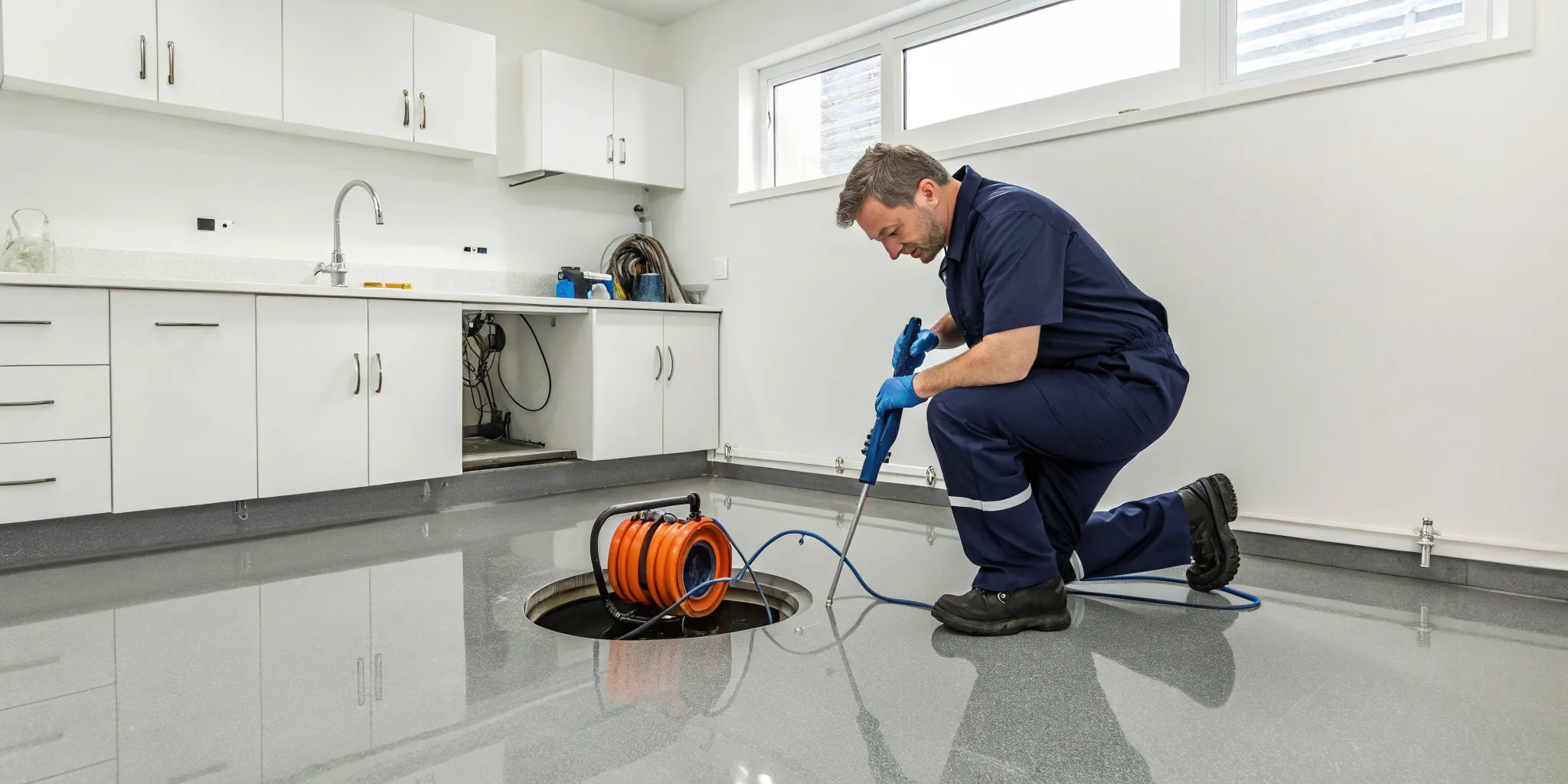
Once the area is secure, the physical cleanup begins. Professionals use powerful, specialized equipment like industrial-grade pumps and vacuums to extract all the standing water and raw sewage. This isn’t just about removing the liquid; it’s about getting rid of the solid waste and sludge, too. After the water is gone, the team will identify and remove any materials that have been contaminated beyond repair. Porous items like carpet, padding, drywall, insulation, and upholstered furniture can absorb contaminants and are often impossible to salvage. Safely removing and disposing of these materials is essential for a truly clean and healthy home.
Step 3: Deep Cleaning and Sanitizing Everything
With the water and damaged materials removed, the space is ready for a thorough cleaning and sanitization. This goes far beyond what you could achieve with household cleaners. Professionals use EPA-registered disinfectants, antimicrobial agents, and hospital-grade sanitizers to treat every affected surface. They meticulously clean floors, walls, and any remaining structural elements to kill off dangerous bacteria, viruses, and parasites. This step is crucial for preventing long-term health risks and stopping future problems like mold growth, which can thrive in damp, contaminated environments. It’s a key part of a comprehensive approach to all plumbing services.
Step 4: Drying and Restoring Your Home
The final step in the cleanup process is ensuring the area is completely dry. Even after all the visible water is gone, moisture can hide in wood, concrete, and wall cavities, creating a perfect breeding ground for mold. To combat this, professionals set up high-velocity air movers and commercial-grade dehumidifiers. They’ll monitor moisture levels until everything is back to an acceptable, dry standard. Once the space is officially dry and sanitized, the restoration process can begin. This might involve replacing drywall, installing new flooring, or painting, all with the goal of returning your home to its safe, comfortable, pre-damage condition. If you need help, don’t hesitate to contact a professional.
How Much Does Sewage Cleanup Cost?
Facing a sewage backup is stressful enough without the added worry of what it will cost to fix. While there’s no single price tag for sewage cleanup, understanding the factors that go into the final bill can help you prepare. The cost depends entirely on the specifics of your situation, from the size of the spill to the type of materials affected. Think of it less like a fixed price and more like a custom project, where the final cost reflects the unique scope of the work required to make your home safe and clean again.
What Factors Affect Your Cleanup Cost?
The final price for sewage cleanup isn’t pulled out of a hat; it’s calculated based on several key variables. The most significant factor is the extent of the damage. This includes how much sewage was released, how large an area it covered, and what kind of materials it touched—porous surfaces like carpet and drywall often need to be completely removed and replaced. How long the contaminated water sat is also critical, as delays can lead to more extensive damage and mold growth. Finally, the cost includes not just the cleanup itself but also the expense of fixing the underlying plumbing issue that caused the backup in the first place.
What’s the Average Cost for Sewage Cleanup?
While every situation is different, it helps to have a general idea of potential costs. On average, you can expect to pay between $7 and $14 per square foot for sewage water removal. For most homeowners, the total cost for a complete cleanup and restoration project typically falls somewhere between $2,000 and $10,000. Of course, this is just a ballpark. A minor backup contained in a small bathroom with tile floors will be on the lower end of that spectrum. A major incident that floods a finished basement could easily exceed that range, sometimes reaching up to $50,000 in severe cases. The only way to know for sure is to have a professional assess the damage and provide a precise quote.
Addressing the Cause: Common Plumbing Repair Costs
Remember, the cleanup cost is only one part of the equation. To prevent another disaster, you also need to fix the plumbing problem that caused the backup in the first place. This repair is a separate but essential expense. The cost will depend on what’s wrong with your pipes, from a simple clog to a collapsed sewer line. A professional plumber can diagnose the issue and give you a clear path forward. At Mr. Pipey, we handle the full spectrum of plumbing repairs, ensuring that once the mess is cleaned up, the root cause is resolved so it doesn’t happen again.
Sewer Camera Inspection Costs
Before you can fix the problem, you have to know exactly what and where it is. That’s where a sewer camera inspection comes in. A plumber feeds a small, high-resolution camera into your sewer line to get a clear view of the pipe’s interior. This non-invasive technique lets them pinpoint the exact location of a clog, tree root intrusion, or break without any guesswork or unnecessary digging. This diagnostic service typically costs between $250 and $500. While it’s an upfront expense, it saves money in the long run by ensuring the repair strategy is accurate from the start.
Clog and Tree Root Removal Costs
If the camera inspection reveals a blockage, the next step is to clear it. For minor clogs, a plumber might use a drain snake, which generally costs between $45 and $150 per hour. For more stubborn blockages, like heavy grease or extensive buildup, they may recommend hydro jetting. This method uses high-pressure water to blast the pipes clean and typically runs from $400 to $800. If invasive tree roots are the culprit, the cost for removal can range from $100 to $600, depending on the severity of the root growth and the method used to clear them out.
Sewer Line Replacement Costs
In some cases, the problem is more serious than a clog. If your sewer line is cracked, corroded, or collapsed, it will need to be repaired or replaced. The cost for this varies widely based on the extent of the damage and the method used. Replacing a small section of the line could start around $1,000, while a full replacement can cost up to $6,000 or more. Trenchless pipe repair, a less invasive method that avoids digging up your yard, often starts at $6,000. For such a significant project, it’s always best to contact a professional for an accurate estimate.
How Insurance Coverage Affects What You Pay
This is the question on every homeowner’s mind, and unfortunately, the answer isn’t always what you hope to hear. Most standard homeowners insurance policies do not cover damage from sewage backups. This is often considered a maintenance-related issue, which standard policies exclude. However, many insurance companies offer specific add-ons or riders for sewer and drain backup coverage. This extra protection is usually quite affordable, sometimes costing as little as $5 per month, and can provide between $10,000 and $25,000 in coverage. It’s a small investment that can save you a massive headache down the road. The best thing you can do is pull out your policy or call your agent to see exactly what you’re covered for.
DIY vs. Professional Cleanup: Which Is the Right Choice?
When you’re faced with a sewage backup, your first instinct might be to grab a mop and bucket. I get it—you want the mess gone as quickly as possible. But this is one situation where the DIY approach can do more harm than good. Sewage water isn’t just dirty; it’s a hazardous material that requires specialized handling to protect your health and your home. Understanding the risks involved is the first step in making the safest choice for you and your family.
Why DIY Sewage Cleanup is a Bad Idea
It’s easy to underestimate the risks of a sewage spill, but the water is highly contaminated with bacteria, viruses, and other pathogens that can cause serious illness. Direct contact or even inhaling airborne particles can lead to health problems ranging from stomach flu to more severe infections. Unlike a simple water leak, this cleanup requires more than just household cleaners. Standard products aren’t strong enough to properly sanitize the affected area, leaving behind hidden dangers that can linger long after the visible mess is gone. This isn’t just about cleaning; it’s about decontaminating your living space safely.
Why You Should Always Call a Professional
When you’re dealing with a sewage issue, it’s crucial to call for professional help immediately. A certified team has the proper personal protective equipment (PPE), industrial-grade tools, and specialized knowledge to manage the cleanup safely and effectively. They know how to contain the spill, remove contaminated materials, and prevent future problems like dangerous mold growth. Trying to handle it yourself is not only a health risk but can also lead to incomplete cleaning that compromises your home’s structure and air quality. This is the kind of job that requires emergency plumbing services, and getting an expert on-site fast is the best way to protect your property.
Why Certified Cleanup Standards Matter
Not all cleanup services are created equal. Reputable companies follow strict industry guidelines, like those set by the Institute of Inspection, Cleaning and Restoration Certification (IICRC). This certification ensures that technicians are trained to handle biohazards according to proven safety protocols. When you hire a certified team, you can trust that they will not only remove the waste but also thoroughly clean, sanitize, and dry the area to prevent long-term issues. Working with professionals who value high standards ensures the job is done right, giving you peace of mind that your home is safe and clean.
How to Choose the Right Sewage Cleanup Company
When you’re dealing with a sewage backup, the last thing you need is the added stress of finding a reliable cleanup crew. You need a team that’s fast, professional, and knows exactly how to handle the situation safely. Choosing the right company can make all the difference in protecting your home and your family’s health. To help you make a confident decision during a difficult time, here are the key things to look for in a sewage cleanup service. A trustworthy company will be transparent about their qualifications and process, giving you peace of mind that the job will be done right.
Check for Certifications and Licensing
Not just anyone can safely clean up a sewage spill. This is a job that requires specific training and knowledge of how to handle hazardous waste. Before hiring a company, make sure their technicians are properly certified. The gold standard in the industry is the Institute of Inspection, Cleaning and Restoration Certification (IICRC). This certification means the team has been trained in the best practices for water damage restoration and sewage remediation. A certified company is committed to following strict safety protocols, ensuring your home is not only clean but also thoroughly decontaminated and safe to live in again.
Ask About Their Response Time
With a sewage backup, every minute counts. The longer contaminated water sits, the more it soaks into your floors, walls, and furniture, leading to more extensive damage and higher repair costs. You need a company that offers true emergency plumbing services and can get to your home quickly. When you call, ask for their estimated arrival time. A top-tier service will often have a team on their way within 30 to 60 minutes. A rapid response is crucial for minimizing damage, preventing mold growth, and getting your life back to normal as soon as possible.
Ask About Their Equipment and Restoration Process
Professional sewage cleanup requires more than a mop and bucket. A reputable company will use specialized, industrial-grade equipment to handle the job effectively. Don’t hesitate to ask about their process. They should be able to walk you through their steps, which typically include using powerful water extractors, air movers, dehumidifiers, and air scrubbers to remove contaminants from the air. They should also use professional-grade disinfectants and sanitizers to ensure all affected areas are safe. A team that follows IICRC standards will have a systematic approach to make sure your property is properly restored.
Confirm They Have Insurance and Liability Coverage
Accidents can happen, so it’s essential to hire a company that is fully insured. This protects you from any liability if a worker is injured on your property. Ask for proof of both liability insurance and workers’ compensation. It’s also a good time to understand your own homeowners insurance. Most standard policies don’t automatically cover sewer backups, but you may have purchased an add-on or rider for this type of event. A professional cleanup company can often help you with the documentation needed for your insurance claim, making the process a little smoother.
Will Your Homeowners Insurance Cover the Cleanup?
After the initial shock of a sewage backup, one of the first questions that pops into your head is, “Who is going to pay for this?” It’s a valid and stressful concern. Navigating insurance policies can feel like learning a new language, especially when you’re dealing with a mess in your home. The answer isn’t always straightforward, but understanding your policy is the first step toward getting the help you need.
The key thing to remember is that coverage often depends on the source of the problem and the specific terms of your policy. Let’s walk through what you can typically expect and what you can do to protect yourself.
What Your Standard Policy Likely Excludes
Here’s the hard truth: most standard home insurance policies do not automatically cover damage from a sewer backup. This is a common exclusion that catches many homeowners by surprise. Coverage for events like fires or theft is standard, but water damage is often more complicated. Insurers usually draw a line between different types of water issues. For example, a burst pipe inside your home might be covered, but a backup originating from a municipal sewer line or your main drain is typically not included in a basic policy. It’s crucial to read the fine print or, better yet, talk to your agent to know exactly where you stand.
Do You Need Add-On Coverage for Sewer Backups?
If your standard policy doesn’t cover it, what can you do? The good news is that most insurance companies offer specific, add-on coverage for sewer and water backups. This is often called an “endorsement” or a “rider.” It’s an extra layer of protection you can add to your existing policy for a relatively small increase in your premium. This endorsement is designed to cover the exact kind of damage we’re talking about—from cleanup costs to repairing floors and replacing personal belongings. The best time to look into this is before you have a problem. A quick call to your insurance agent can help you understand your options and get the right water backup coverage in place.
How to File a Claim and Document Everything
If you have the right coverage and need to file a claim, acting quickly is essential. First, call for professional help to address the immediate health hazards and stop further damage. Our team at Mr. Pipey offers emergency plumbing services to handle these exact situations. As soon as it’s safe, contact your insurance company to start the claims process. Be prepared to document everything. Use your phone to take extensive photos and videos of the affected areas and any damaged items before anything is moved or cleaned up. This visual evidence is incredibly important for your claim and will help the adjuster understand the full scope of the damage.
How Your Cleanup Company Can Help with Insurance
You don’t have to manage the insurance process alone. A professional cleanup and restoration company is your best ally. Because sewage contains dangerous contaminants, the cleanup should always be handled by certified experts who have the right equipment and protective gear to make your home safe again. Beyond the physical cleanup, experienced companies can also help with the insurance claim. They can provide detailed documentation, moisture readings, and a professional scope of work that your insurance adjuster will need. This can streamline the process and help ensure you get the full coverage you’re entitled to.
Post-Cleanup Recovery: What Happens Next?
Once the professional cleanup crew has removed the sewage and sanitized your home, the immediate crisis is over. But the recovery process isn’t quite finished. Now, you’ll need to make some important decisions about what to keep, what to throw away, and how to handle items that were exposed to the contaminated water. Taking the right steps here is just as crucial for ensuring your home is truly safe and healthy for your family. It’s about carefully sorting through the aftermath and making sure no hidden risks remain.
Food and Appliance Safety
Your kitchen is the heart of your home, so ensuring its safety after a sewage backup is a top priority. Contaminated food and damaged appliances can pose serious health and safety risks if not handled correctly. It’s tempting to try and salvage what you can, but when it comes to potential contamination, the rule is always “when in doubt, throw it out.” This isn’t the time to take chances. Prioritizing your family’s well-being means being extra cautious with anything you eat or plug into an outlet.
When to Discard Food from Your Fridge and Freezer
You must be ruthless when it comes to food safety. According to health experts, you should discard contaminated food immediately. This includes any food that came into direct contact with floodwater, whether it’s in a box, bottle, or bag. Even if a container seems sealed, microscopic cracks can let in harmful bacteria. This applies to food in your refrigerator and freezer, too. If the appliance lost power or was submerged, the food inside is likely unsafe to eat. It’s a frustrating loss, but protecting your family from foodborne illness is what matters most.
Having Submerged Appliances Professionally Inspected
If any of your electrical appliances, like your refrigerator, washing machine, or dishwasher, were touched by the sewage water, do not turn them on. Water and electricity are a dangerous combination, and submerged appliances can pose a serious risk of electrical shock or fire. The internal wiring and components could be damaged in ways you can’t see. Before you even think about plugging them back in, have them inspected by a qualified service technician. They can determine if the appliance is safe to use or if it needs to be repaired or replaced.
Handling Contaminated Belongings
Sorting through your personal belongings after a sewage backup can be an emotional and difficult task. Many items will hold sentimental value, but you have to assess them with safety as your primary concern. Contaminants can soak deep into porous materials, making them nearly impossible to clean and sanitize completely. It’s important to be realistic about what can be saved and what needs to go. This step is essential for preventing lingering odors, mold growth, and long-term health risks in your home.
Deciding What to Keep and What to Throw Away
The general rule is that hard, non-porous items like glass, metal, and hard plastics can often be cleaned and sanitized. However, most porous materials are a lost cause. Items like carpets, rugs, upholstered furniture, mattresses, pillows, and children’s toys should almost always be thrown away if they’ve been saturated with sewage water. These materials act like sponges, trapping bacteria and contaminants deep within their fibers. While it’s hard to part with these items, keeping them could pose a lasting health threat to your family.
Proper Disposal of Contaminated Waste
Once you’ve sorted through what needs to be discarded, it’s important to dispose of it properly to prevent the spread of contamination. Don’t just leave contaminated items sitting in your yard or in open trash cans. Place everything into heavy-duty plastic bags, seal them tightly, and if possible, double-bag them. Your professional cleanup crew can usually advise you on local regulations for disposing of contaminated waste. Proper disposal protects not only your family but also your neighbors and sanitation workers from potential exposure.
Special Instructions for Flooded Basements
Basements are particularly vulnerable to sewage backups, often due to issues with floor drains or a failing sump pump. Because they are below ground level, the cleanup and drying process requires special attention. If your basement has flooded, it’s critical to follow the right steps to avoid causing even more damage to your home’s foundation. Rushing the process can lead to serious structural problems, so patience and professional guidance are key. This is a situation where calling for emergency plumbing services is non-negotiable.
One of the most important things to remember is to wait until the floodwaters outside have receded before pumping the water out of your basement. Pumping too soon can create immense pressure on your foundation walls from the saturated ground outside, potentially causing them to crack or even collapse. Once it’s safe to remove the water, you need to act quickly on drying out the structure. According to the Illinois Department of Public Health, materials like wood paneling and drywall must be cleaned and dried immediately. If they are badly damaged, they need to be removed and replaced to prevent mold from taking hold.
Frequently Asked Questions
What is the very first thing I should do if I see sewage backing up in my home? Your immediate priority is safety. Get everyone, including pets, out of the affected area and away from the contaminated water. Avoid touching the water or any items that have come into contact with it. Do not use any of your plumbing fixtures or run any water, as this can make the backup worse. Your next and most important step is to call a professional emergency plumber right away.
My backup seems pretty small. Can I just clean it myself with bleach? Even a small amount of sewage, or blackwater, is considered a hazardous material. It contains bacteria and viruses that can make you sick. Household cleaners like bleach are not sufficient to properly sanitize porous surfaces like drywall, carpet, or wood. Professionals use specialized equipment and EPA-approved disinfectants to ensure the area is truly decontaminated and to prevent dangerous mold growth from hidden moisture.
How long does the entire cleanup and restoration process usually take? The timeline really depends on the extent of the damage. The initial water and waste removal can happen relatively quickly, but the most critical phase is the drying process. Professionals use industrial air movers and dehumidifiers to ensure all affected materials are completely dry, which can take several days. After that, any necessary restoration, like replacing drywall or flooring, can begin.
Will my homeowners insurance actually pay for the cleanup? Unfortunately, most standard homeowners insurance policies do not cover damage from a sewer backup. Coverage for this specific issue usually requires a separate add-on or rider to your policy. It’s a good idea to review your policy or call your insurance agent to see what you’re covered for. Many companies offer this extra coverage for a small monthly fee, and it can save you thousands of dollars.
Once the mess is cleaned up, how can I prevent this from happening again? While some backups are out of your control, you can take a few key steps to reduce your risk. Be mindful of what goes down your drains—avoid flushing anything other than toilet paper and human waste. Never pour grease down the sink. It’s also wise to have your main sewer line inspected periodically by a professional, especially if you have an older home or large trees on your property whose roots could interfere with the pipes.