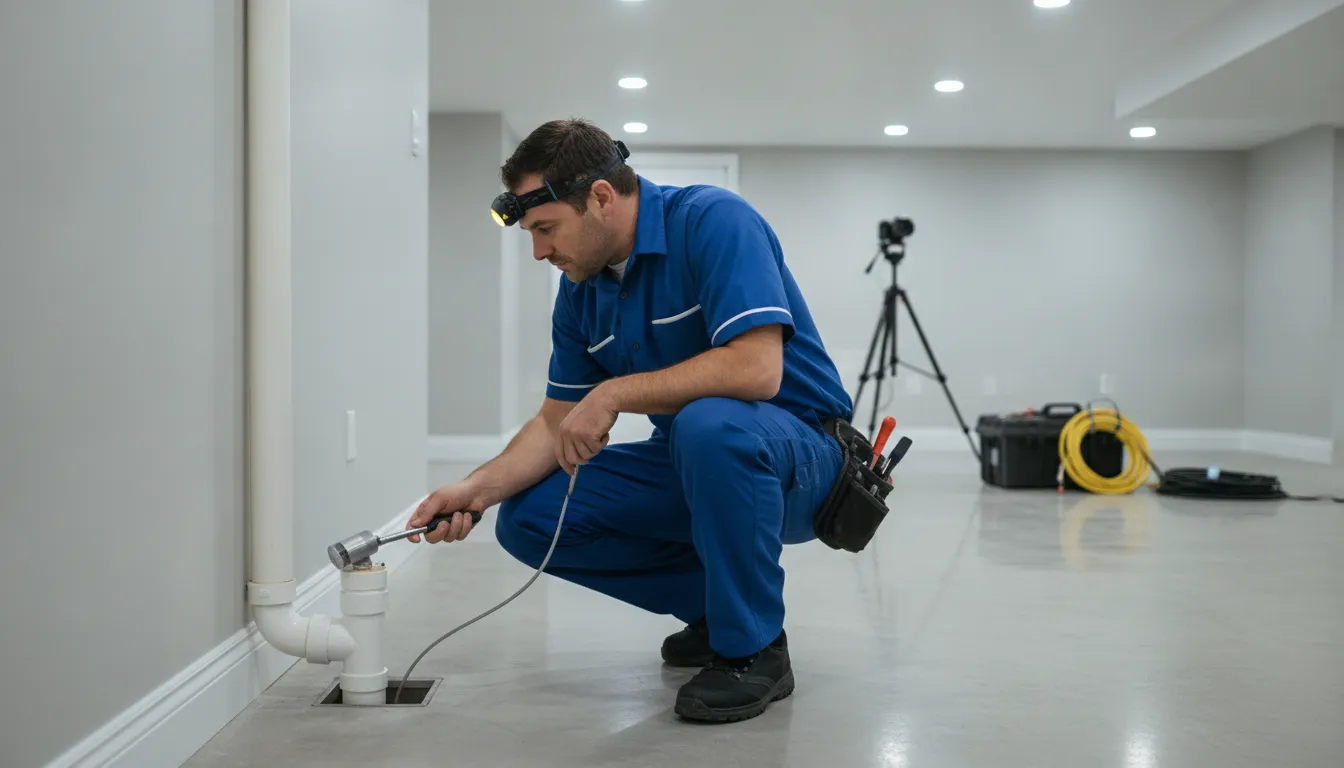


When wastewater appears in a Detroit basement, the first priority is to keep people and pets away from the affected area, not to start mopping. Sewage can carry bacteria, viruses, and parasites, while contaminated surfaces and porous materials may continue creating sanitation problems after the visible water is gone. Move everyone to a clean area, avoid contact with the water, and arrange professional help promptly.
For sewage backup cleanup detroit homeowners should first protect people and pets, avoid using contaminated rooms, and call a licensed plumber to identify and stop the source. A qualified cleanup team can then remove contaminated materials, dry the space, and disinfect affected surfaces. If the backup may involve a public sewer, contact the Detroit Water and Sewerage Department as well, and document the damage with photos before cleanup begins.
Knowing what to do in the first few minutes can limit exposure and preserve useful information for a claim. These immediate steps help you respond safely while the source of the backup is being investigated.
Call Mr. Pipey now for 24/7 sewage backup assistance.
With licensed, insured technicians across Metro Detroit and no overtime charges, we respond quickly to help protect your home.
What Should I Do Immediately After a Sewage Backup?
Act promptly, but keep the response focused on safety. A sewage backup can involve contaminated water, damaged materials, and an obstruction that still needs to be diagnosed. The first steps are about limiting exposure and getting the right help, not attempting cleanup yourself.
- Keep people and pets out of the affected area. Close the door or block access so children and animals do not track contaminated water into other rooms. Do not eat or drink in the room where the backup occurred. If sewage has spread beyond one contained area, treat the connected floor or basement as off limits until a professional has assessed it.
- Stop using nearby plumbing fixtures. Do not flush toilets, run sinks, start a washing machine, or operate other fixtures that may add water to the line. Ask everyone in the home to avoid using plumbing until the source is identified. If an appliance is standing in or near contaminated water, do not touch it or try to move it while it is connected to power.
- Avoid direct contact with the sewage. Do not walk through the backup to retrieve belongings, push water toward a drain, or begin scrubbing surfaces. Raw sewage can contain bacteria, viruses, and parasites, and a major backup calls for trained professional help rather than a do-it-yourself cleanup. The CDC recommends appropriate protective measures and trained health and safety planning for people who handle human waste or sewage. Learn more about sewage-handling safety from the CDC.
- Wash your hands thoroughly if you handle anything nearby. Use soap and clean running water after any contact with contaminated items or surfaces, even if the contact seemed brief. Keep your hands away from your eyes, nose, and mouth until they have been washed. Change out of clothing that may have been splashed, and keep it separate from clean laundry.
- Call for an urgent plumbing diagnosis. A licensed professional can determine whether the immediate problem is a blocked private lateral, a building-side issue, or a larger sewer-main problem. For Detroit properties, contact the Detroit Water and Sewerage Department at (313) 267-8000 and request a Service Request number. DWSD can help assess whether the concern involves the city main or the private property sewer lateral. You can also contact 24/7 emergency plumbing support for help stopping the source and planning the next safe step.
Make a note of when the backup began and what areas appear affected, without entering unsafe spaces to inspect them. Once the source is controlled, a trained team can determine what must be removed, dried, sanitized, or documented for a claim. Prompt professional assessment helps keep the response organized while protecting your household from unnecessary exposure.
Why Professional Sewage Backup Cleanup in Detroit Is Essential
Professional sewage backup cleanup in Detroit is about restoring a safe living environment, not simply removing dirty water from a basement or lower level. Sewage can contain bacteria, viruses, and parasites associated with waterborne illness. The Centers for Disease Control and Prevention notes that people who handle human waste or sewage face increased exposure to these hazards. Shigella, one example of a sewage-related bacterial infection, can cause diarrhea, fever, and stomach pain, while other exposure-related illness may involve vomiting, stomach cramps, and watery diarrhea. Symptoms may not appear immediately. Some illnesses can take up to a week to begin, according to the Mayo Clinic.
That delayed onset is one reason a calm, professional response matters. Keep household members and pets away from the affected area, and do not treat the space as clean once visible water has been removed. Contamination can remain on floors, walls, baseboards, household contents, and other surfaces. It can also spread when contaminated material is carried through the home. The CDC recommends appropriate protective equipment for sewage handling, including waterproof gloves, rubber boots, eye protection, and splash protection. A trained team understands how to contain the affected area and reduce unnecessary exposure.
Cleanup requires disinfection and controlled drying
Standing-water removal is only one stage of the work. Complete sewage cleanup requires cleaning and disinfecting affected surfaces, drying the structure, and evaluating materials that cannot be reliably sanitized. Carpet, drywall, insulation, and other porous materials often absorb contaminated water deeply. Because they are difficult to disinfect completely, they may need to be removed and discarded rather than cleaned and returned to service. A professional assessment helps distinguish salvageable contents from materials that could continue to hold contamination.
Professional restoration teams can use industrial-grade extraction and drying equipment, HEPA filtration, and appropriate disinfection procedures. HEPA filtration is used to help reduce airborne particles during controlled cleanup. Technicians can also check moisture levels in walls and floors after the visible water is gone. That follow-up is important because hidden moisture can contribute to longer-term building problems, including mold growth. The goal is a documented process that addresses contamination, moisture, and the condition of the structure in the right order.
Documentation supports the next decisions
A professional company can document the affected areas, removed materials, cleaning stages, drying work, and sanitization performed. Keep photographs and an inventory of damaged belongings when it is safe to do so, and retain service records for your insurer or a potential municipal claim. Detroit homeowners can review the DWSD sewage backup damage claims guidance for current requirements. For the plumbing cause and source of the backup, a qualified team can also coordinate with sewer and drain services so cleanup follows source control rather than treating only the visible damage.
Who Do I Call for a Sewage Backup in Detroit?
When wastewater is coming into your Detroit home, the order of your calls matters. Start with a licensed emergency plumber who can identify the blockage, stop the immediate source, and restore safe drainage. Mr. Pipey provides 24/7 emergency plumbing for urgent sewer and drain problems, including nights, weekends, and holidays.
Next, involve a professional restoration or cleanup team when sewage has entered finished living space, soaked flooring, or affected walls and belongings. Plumbing and restoration address different parts of the problem. The plumber works on the failed drain, sewer line, or connection. The restoration team handles controlled removal, drying, disinfection, and documentation. Sewage may contain bacteria, viruses, and parasites, so contaminated areas require more than ordinary water removal. The CDC recommends protective equipment for people handling sewage, including waterproof gloves, rubber boots, eye protection, and liquid-repellent coveralls. CDC sewage-handling guidance supports using trained professionals for this work.
When should I contact DWSD?
Contact the Detroit Water and Sewerage Department, or DWSD, to determine whether the trouble is in the city main or your property’s private sewer lateral. This distinction can affect who investigates the problem, what repairs may be needed, and whether a municipal damage claim is appropriate. DWSD’s customer service number is (313) 267-8000. Ask for a Service Request number and keep it with your records. DWSD also provides information about sewage-backup damage claims through its damage-claims guidance.
Before ending the call, ask what information DWSD needs to evaluate the location and whether there are known main-line issues or service interruptions nearby. Do not assume the backup is a city responsibility or a private plumbing problem until the source has been assessed. A plumber can document conditions at your property, while DWSD can help clarify the public-system side of the question.
What should I document before cleanup begins?
Take photographs and video from a safe, uncontaminated location if possible. Record the date and time, affected rooms, visible water lines, damaged materials, and any Service Request number. Keep invoices and written findings from the plumber and restoration company. DWSD identifies sewage backups as a potential damage-claim matter, and thorough documentation can help support the review. Confirm the current claim form and specific filing requirements directly with DWSD before submitting anything.
This calling hierarchy keeps the response organized: plumber first to control the source, restoration professionals to make the interior safe. And DWSD to investigate the public sewer connection and provide a Service Request record.
How a Plumber Stops the Source and Restores Your Drains
Stopping a sewage backup starts with identifying why wastewater is moving in the wrong direction. A licensed plumber does not treat every backup as a simple clog. The first goal is to determine whether the restriction is inside the home, in the private sewer lateral, or connected to a larger city-main issue. That distinction guides the safest repair and helps prevent the same problem from returning.
A sewer camera inspection allows the plumber to view the inside of the line and locate the blockage. The inspection can reveal accumulated debris, a collapsed or damaged section, root intrusion, or another condition affecting flow. It also helps clarify whether the private line needs repair or whether the homeowner should coordinate with Detroit Water and Sewerage Department about a possible city-side problem.
Clearing the blockage without guessing
Once the source is identified, the plumber selects a method that matches the condition of the pipe. Professional drain cleaning can restore flow when the line is obstructed by buildup or other removable material. For substantial drain and sewer restrictions, HydroScrub drain jetting uses high-pressure water to clean the interior of the line. The camera can then confirm whether the passage is open and whether additional damage remains.
If the inspection shows a broken, collapsed, or severely deteriorated line, clearing the stoppage alone will not provide a lasting solution. The repair plan may involve replacing the affected section or using trenchless sewer line repair where the site and pipe condition are suitable. Trenchless methods can address a damaged line with less excavation than traditional replacement. But the appropriate option depends on the inspection findings, access, depth, and overall condition of the system. A plumber should explain those tradeoffs before work begins.
Restoring the space after wastewater removal
Restoring flow is only part of sewage backup cleanup. Sewage can cause structural damage when contaminated materials and moisture remain in place. Professional restoration includes removing affected wastewater, drying the area, sanitizing surfaces, and disposing of porous materials that cannot be reliably cleaned, such as some carpet, padding, or drywall. The objective is a clean, dry environment, not simply an empty floor.
Because sewage exposure can involve biological hazards, trained crews use appropriate protective equipment and controlled procedures. HEPA equipment can help reduce airborne particles during cleanup, while moisture monitoring in walls and floors helps identify hidden dampness that could contribute to mold growth later. The team can also document the condition of the property, cleanup steps, and removed materials for insurance or municipal claim records.
For Detroit homeowners, a coordinated plumbing and restoration response addresses both the immediate blockage and the conditions that allowed contamination to spread. That approach supports a safer cleanup and a more durable repair.
Will Insurance or the City of Detroit Cover My Sewage Backup Damage?
Payment depends on where the blockage or failure occurred and what your homeowners policy says. Many policies do not automatically cover sewage backup damage, but a sewage backup endorsement may add coverage. Ask your insurer to explain the endorsement, deductible, limits, exclusions, and whether it covers cleanup, damaged contents, and repairs before assuming a claim will be approved.
In Detroit, also determine whether the backup involved the public sewer main or the private sewer lateral serving your property. DWSD may accept a damage claim for a backup related to the city system. Report the incident first at (313) 267-8000 and request a Service Request number. The DWSD claim must be filed within 45 days of discovering the damage. Review the DWSD sewage backup damage claims guidance for the current process and required information.
| Likely source | Party to contact | Typical responsibility and next step |
|---|---|---|
| City sewer main | DWSD | DWSD can assess whether the public system contributed to the backup. Report it, obtain a Service Request number, preserve evidence, and submit a claim within 45 days if applicable. |
| Private sewer lateral | Homeowner and a qualified plumbing professional | The property owner generally needs to arrange diagnosis, repair, and cleanup. Check homeowners coverage and any sewer backup endorsement, then keep all estimates and invoices. |
What documentation should you preserve?
Before moving or discarding anything, photograph and video the affected rooms, water lines, flooring, walls, furniture, appliances, and other damaged contents when it is safe to do so. Create an inventory that identifies each item, describes its condition, and includes purchase information or an estimated value when available. Do not put household members into a contaminated area simply to collect evidence. Your insurer or DWSD may have specific instructions about inspection, emergency mitigation, and disposal.
Keep a file with the DWSD Service Request number, claim correspondence, plumber or restoration reports, photographs, receipts, invoices, and repair estimates. A professional sewage backup cleanup team can document the source investigation, water removal, sanitation work, moisture readings, and materials that required disposal. That record can help an insurer or municipality understand what happened and why each service was necessary, although it does not guarantee coverage.
Because responsibility can be unclear at first, notify both DWSD and your insurer promptly when the facts support doing so. A plumbing professional can help distinguish a private lateral problem from a broader city-system issue and provide written findings for your claim file.
How to Prevent Sewage Backups in Your Detroit Home
Once a sewage backup has been resolved, prevention starts with understanding how wastewater leaves your home and where a blockage could develop. A licensed plumber can evaluate the main sewer line, identify recurring trouble spots, and recommend maintenance based on the property’s age, layout, and history. The goal is not a temporary clearing. It is to Fix It Right the First Time and reduce the chance that the same disruption returns.
Ask whether a backflow prevention valve is appropriate for your home. Installed on the main sewer line, this valve is designed to help limit wastewater flowing back toward the property when conditions in the sewer system change. It must be selected, installed, and maintained correctly, since an unsuitable or poorly serviced valve may not provide the protection your home needs.
Build a practical sewer maintenance routine
Regular maintenance can address buildup before it becomes a complete blockage. Professional cleaning is especially useful for homes with recurring slow drains, mature trees near the sewer route, or a history of backups. Professional drain cleaning can remove accumulated material from the line without turning the issue into a homeowner tool project. When appropriate, HydroScrub drain jetting can provide a more thorough cleaning of the pipe interior.
A routine sewer camera inspection can also show what is happening inside the line. The inspection may help identify slow buildup, root intrusion, misaligned sections, or other conditions that are difficult to diagnose from the fixtures alone. Finding a developing restriction early gives you more options than waiting until wastewater is already entering the home.
- Schedule sewer maintenance when recurring slow drains or odors suggest a developing problem.
- Discuss a backflow prevention valve with a licensed plumber, particularly if your property has experienced previous backups.
- Use the sewer line responsibly by keeping clumping materials out of toilets and drains. Do not flush wipes, paper towels, hygiene products, grease, or other items that can collect and restrict the line.
- Keep records of inspections, cleanings, repairs, and any recurring symptoms so a technician can see the full pattern.
If an inspection finds a damaged or collapsed sewer line, cleaning alone will not correct the underlying issue. Depending on the location and condition of the pipe, trenchless sewer line repair may offer a less disruptive way to restore the line than extensive excavation. A professional assessment can explain which repair approach fits the property.
Mr. Pipey provides 24/7 service for Detroit-area plumbing concerns, including urgent sewer problems. With no overtime charges and a customer-first commitment to fixing the cause, not just the symptom. The team can help you plan sensible maintenance before the next backup becomes an emergency.
For professional sewage backup cleanup in Detroit, call Mr. Pipey today.
Frequently Asked Questions
How much does it cost to clean up a sewer backup?
The cost depends on the amount of contaminated water, the affected rooms. The materials that need removal, drying time, and whether the blockage or damaged line also needs repair. A professional assessment can separate cleanup, restoration, and plumbing work so you receive a clearer estimate. Your insurer may also request photos, an itemized inventory, and documentation of the work.
What should I do to clean up after a sewage backup?
Keep children, pets, and other household members out of the affected area, avoid eating or drinking there, and do not handle contaminated materials unnecessarily. Contact a qualified plumber or cleanup professional, then wash your hands thoroughly with soap and water after handling any affected items. The CDC recommends professional safety planning for people who handle sewage because of waterborne disease risks: CDC sewage-handling guidance.
How do you clean a sewage backup in a basement?
Professionals first identify and stop the source, remove contaminated water and materials, dry the space, and disinfect affected surfaces. Carpet, drywall, and other porous materials may need disposal because they can be difficult to sanitize fully. Moisture monitoring helps determine whether walls and flooring have dried adequately before the area is returned to normal use.
Will insurance or Detroit cover sewage backup damage?
Coverage depends on your policy and the cause of the backup. Detroit homeowners should contact DWSD when a city sewer main may be involved and review the department’s sewage-backup damage-claim process. Document the scene with photos, keep a detailed inventory of damaged items, and save plumbing and restoration records for your insurer or municipal claim: DWSD damage-claims information.
Get Help With Sewage Backup Cleanup in Detroit
A sewage backup into your home is stressful, but you do not have to manage it alone. Mr. Pipey is a family-owned, licensed plumbing contractor serving Metro Detroit with 24/7 emergency response, transparent pricing with no overtime charges, and a 100% satisfaction guarantee on the work.
Contact Mr. Pipey today for 24/7 sewage backup help.
Our technicians will help stop the source, restore your drains, and get your home back to safe, clean condition as quickly as possible.