
That little valve behind your fridge could be a ticking time bomb, especially in an older home. Many rely on a “saddle valve,” a clamp-on part notorious for failing. They clog easily, reduce water pressure, and are a leading cause of slow, damaging leaks. Replacing it isn’t just a simple repair; it’s a crucial upgrade for your home’s plumbing health. This guide is focused on one essential task: a complete shut-off valve replacement. We’ll show you exactly how to swap that outdated part for a modern, reliable ball valve and gain some serious peace of mind.
Key Takeaways
- Inspect your valve for common issues: Periodically check for drips, visible corrosion, or a handle that is difficult to turn. Addressing these signs early is the best way to prevent a small leak from turning into a significant water damage problem.
- Choose the right parts for a reliable repair: Swap out any old, leak-prone saddle valves for a modern 1/4-turn ball valve. To guarantee a tight seal, always use a proper tubing cutter to make a clean, straight cut on the water line.
- Prioritize safety and call a plumber when needed: If you run into unexpected issues like a corroded pipe, a major leak, or feel unsure about shutting off the main water, it’s time to call a professional. A plumber will ensure the job is done safely and meets local codes.
What’s a Refrigerator Water Line Shut-Off Valve?
Think of the refrigerator water line shut-off valve as the control switch for your fridge’s water supply. This small but essential device connects to the water line that runs to your refrigerator, giving you the power to turn the water on or off for your ice maker and water dispenser. Its main job is to provide a quick and easy way to stop the water flow directly at the source. This is incredibly useful when you need to perform maintenance, install a new fridge, or deal with a leak.
Without a dedicated shut-off valve, a simple repair could turn into a major project, forcing you to shut off the main water supply to your entire house. A faulty valve can also be the source of slow, hidden leaks that cause water damage over time. Knowing where this valve is and how it works is a key part of home maintenance. If you ever face a sudden leak, being able to quickly shut off the water can prevent a small issue from becoming a full-blown emergency plumbing situation.
How Does It Work?
The shut-off valve is installed directly into the water line that feeds your refrigerator. When the valve is open, it allows water to flow freely, keeping your ice maker and water dispenser running smoothly. When you need to stop the flow, you simply turn the valve’s handle or knob. This action closes an internal gate, blocking the water path and effectively cutting off the supply to the appliance. This simple mechanism allows you to work on your refrigerator or its water line without worrying about water spilling all over your kitchen floor. It isolates the fridge from the rest of your home’s plumbing system.
Which Type of Valve Do You Have?
You’ll typically find a few different kinds of shut-off valves. One common but often problematic type is the saddle valve. This valve clamps onto an existing pipe and pierces it to create a water connection. While easy to install, saddle valves are known for leaking and providing low water pressure, which is why most plumbers advise against them. A much more reliable option is an inline shut-off valve, like a 1/4-turn ball valve. These are installed directly into the water line and are far less prone to leaks. They offer a secure connection and a clear on/off position, making them the preferred choice for a lasting, trouble-free installation. If you’re unsure which valve is right for your setup, it’s always a good idea to contact a professional for advice.
Ball Valves vs. Gate Valves vs. Globe Valves
When you hear the word “valve,” you might not realize there are several different types doing different jobs around your home. The three most common are gate, globe, and ball valves. Gate valves are designed for simple on/off control, like a light switch for your water; they aren’t meant for partially opening to adjust flow. Globe valves, on the other hand, are excellent for throttling or regulating water flow, but this precision comes at the cost of lower water pressure. For a refrigerator line, the clear winner is the 1/4-turn ball valve. It provides a fast, reliable shut-off with a simple quarter-turn of the handle and is incredibly durable. This quick action is exactly what you need to prevent water damage in an emergency plumbing situation, making it the modern standard for appliance connections.
Is It Time for a Shut-Off Valve Replacement?
That little valve behind your fridge is easy to forget about, but it plays a huge role in controlling the water supply to your ice maker and water dispenser. Like any part of your plumbing system, it won’t last forever. Knowing when it’s starting to fail can save you from a soggy mess and a major headache down the road. A failing valve can quickly turn a small drip into a serious leak, and the last thing you want is to discover the problem in the middle of the night.
Catching the issue early is key. If you notice any signs of trouble, it’s best to address them before you’re faced with unexpected water damage. A proactive approach will keep your kitchen dry and your appliances running smoothly. If you’re ever unsure, remember that a quick inspection can give you peace of mind. A faulty valve is one of those small fixes that prevents much bigger, more expensive emergency plumbing problems.
Warning Signs of a Failing Valve
The most obvious sign of a failing shut-off valve is a leak. If you see water pooling around the valve or dripping from the handle, it’s a clear signal that something is wrong. Some types, like saddle valves, are notorious for leaking, especially if you try to turn them after they’ve been sitting in one position for years. Don’t ignore even a tiny drip, as it will likely worsen over time. Other red flags include visible corrosion on the valve body, stiffness or difficulty turning the handle, or a handle that just keeps spinning without actually shutting off the water. If you notice any of these issues, it’s time to plan for a replacement.
How to Test Your Current Shut-Off Valve
If you suspect your valve might be on its way out, you can perform a simple test. First, it’s a good idea to release the pressure in the water line. Just grab a glass and run the water dispenser on your refrigerator until the water stops flowing. This simple step can prevent drips and sprays when you test the valve. Next, slowly turn the valve handle clockwise to the “off” position. It’s somewhat normal for an old valve to leak a few drops right after you turn it, but the dripping should stop quickly. If it continues to leak or you can’t turn the valve off completely, it’s faulty and needs to be replaced. If you find a problem, you can always contact us for help.
Troubleshooting Before You Replace
Before you jump straight to a full replacement, a little troubleshooting can sometimes solve the problem with minimal effort. A small leak doesn’t always mean the entire valve is shot. Sometimes, a simple adjustment is all it takes to fix a drip and restore peace of mind. Taking a few minutes to inspect the valve closely can help you pinpoint the exact cause of the issue. This will help you determine whether you’re dealing with a quick fix or if it’s truly time to install a new valve. Let’s walk through a few common scenarios to see if you can avoid a replacement.
Tightening the Packing Nut
If you notice a slow drip coming from the base of the valve handle, the packing nut is the first thing you should check. This is the nut located right behind the handle, and its job is to compress the packing material inside to create a watertight seal around the valve stem. Over time, this packing can wear down or compress, allowing a small amount of water to seep out. Before you do anything else, grab an adjustable wrench and try giving the packing nut a very gentle, one-eighth to one-quarter turn clockwise. Often, this small adjustment is enough to stop the leak completely. Be careful not to overtighten it, as that can make the handle difficult to turn or damage the valve.
Checking for a Broken Handle
Sometimes the problem isn’t a leak but a handle that no longer works. If you try to turn the valve handle and it just spins freely without offering any resistance, the internal mechanism is likely stripped or broken. This is a serious issue because it means you can no longer control the water flow. You might also find the handle is completely frozen in place due to corrosion and won’t budge at all. In either case, the valve is not functional. While a leak is an obvious sign of failure, a broken handle is just as critical because it leaves you powerless in an emergency plumbing situation. A valve with a broken handle cannot be repaired and must be replaced.
When to Repair vs. Replace
So, when is a simple repair enough? If tightening the packing nut solves your leak, you’re likely in the clear for now. However, this is often a temporary fix, especially for older valves. You should plan on a replacement if you see significant corrosion, if the handle is broken, or if the valve fails your test and won’t completely shut off the water flow. For outdated and unreliable saddle valves, we always recommend a full replacement with a modern 1/4-turn ball valve. It’s a proactive upgrade that prevents future leaks and ensures you have a reliable way to shut off the water when you need to. If you’re unsure, it’s always safest to opt for a replacement.
What You’ll Need for the Replacement
Before you get started, let’s make sure you have everything you need. A little preparation goes a long way in making this a smooth, leak-free project. Having the right tools and parts on hand means you won’t have to make a last-minute trip to the hardware store with your water turned off. Let’s get everything laid out so you can tackle this with confidence.
Your Essential Tool Checklist
You don’t need a massive toolbox for this job, just a few key items. Grab these before you get started, and you’ll be all set.
- Adjustable wrenches: You’ll need a couple of these to grip the valve and tighten the fittings securely.
- Tubing cutter: This is the best tool for making a clean, straight cut on the water line, which is essential for a good seal.
- Pliers: A good pair of pliers is always helpful for gripping small components or stubborn nuts.
- A small bucket or towel: Have this ready to catch any leftover water that drips out when you disconnect the old line. It’s a small step that saves a lot of cleanup time!
Specialty Tools for Removal
Sometimes, a standard wrench just won’t cut it, especially when you’re dealing with an old, stubborn valve. A couple of specialty tools can make removing the old valve much easier and prevent damage to your pipes. A tubing cutter is a must-have for getting a perfectly clean, straight cut on the water line—this is critical for creating a tight, leak-proof seal with the new valve. Another lifesaver can be a ferrule puller. If you have an old compression fitting, this tool helps you remove the old compression ring without damaging the pipe, saving you from a much bigger repair job. If you find the pipe is too corroded or damaged during removal, it’s best to call in a pro to avoid a potential emergency plumbing situation.
Shopping for the Right Parts
When you head to the hardware store, you’re looking for a specific part: an inline shutoff valve. This type of valve is designed to be installed directly into the 1/4-inch water line that runs to your refrigerator. It’s a straightforward solution that gives you a reliable way to control the water flow right where you need it. Make sure the valve you buy is sized for a 1/4-inch line, as this is the standard for most refrigerators. Double-checking the size before you buy will save you a lot of frustration later on.
How to Choose the Right Replacement Valve
Not all valves are created equal. If you find an old saddle valve attached to your pipe, this is the perfect time for an upgrade. Saddle valves clamp onto the main water pipe and pierce it to create a connection. They’re notorious for leaking and restricting water flow over time. Instead, you’ll want to choose a modern 1/4-turn ball valve. These are far more reliable, easier to use (a simple quarter-turn is all it takes to shut off the water), and provide a much more secure connection. It’s a small change that makes a big difference in preventing future plumbing emergencies.
Understanding Connection Types: Compression, Push-to-Connect, and ProPress
When you’re picking out your new valve, you’ll see a few different ways it can connect to your pipes. Let’s break down the common options. Compression fittings are standard and create a seal by tightening a nut, but it’s crucial to leave them undisturbed after installation to prevent leaks. For a simpler DIY approach, push-to-connect fittings (like SharkBite) are fantastic. You just push the pipe into the fitting, and internal “teeth” create a watertight seal—no complex tools required. Then there’s the ProPress method, which is what professionals like us often use. It involves a special hydraulic tool to press the fitting onto the pipe for an incredibly strong, reliable connection without heat or soldering. While push-to-connect valves are great for a quick fix, ProPress is an example of how a professional plumbing service ensures a job is done with maximum durability.
Safety First: How to Prep for the Job
Before you even think about touching a wrench, let’s talk about safety. Taking a few minutes to prep your workspace properly is the most important part of any DIY plumbing project. It’s the difference between a smooth, successful repair and a frantic call for help. These steps will protect you, your refrigerator, and your floors from any unexpected waterworks. Getting this part right sets you up for a stress-free replacement, so don’t be tempted to skip ahead. When you’re dealing with water lines, a little preparation goes a long way. If you ever feel unsure about shutting off your water or run into trouble, remember that professional emergency plumbing services are always available to help.
Shut Off the Water and Power
First things first: cut off the water supply. You’ll need to find your home’s main water shut-off valve, which is usually located near the water meter or where the main water line enters your house. Turn the valve completely to the “off” position. This stops any new water from flowing while you work. Next, unplug your refrigerator from the wall outlet or switch off the corresponding circuit breaker. This step is crucial for your safety, as it prevents any electrical hazards while you’re working with water lines near the appliance. Never work on a water line for an appliance that is still connected to power.
Confirming the Water is Off
Okay, you’ve turned the main valve, but don’t grab your wrench just yet. You need to be 100% sure the water is off. To do this, go to the sink closest to your fridge and turn on the cold water tap. You’ll see a trickle of water, and then it should stop completely. This confirms the main supply is cut. Next, let’s deal with the water already in the line leading to your fridge. Grab a glass and use the water dispenser until it runs dry. This releases the pressure in the line, so you won’t get a surprise spray when you disconnect the old valve. If you find that your main valve won’t close or continues to leak, it’s a sign you need a professional to handle the plumbing repair.
Safely Release Pressure from the Line
Even after you’ve turned off the main water supply, there’s still water and pressure trapped in the line leading to your refrigerator. To get rid of it, simply press the water dispenser on your fridge door. Keep holding it until the water slows to a trickle and then stops completely. You might want to do the same with the ice maker if you can. Releasing this pressure prevents a surprising spray of water when you disconnect the old valve. It also makes the lines easier and cleaner to work with, saving you from a messy cleanup job later on.
Prepare Your Workspace
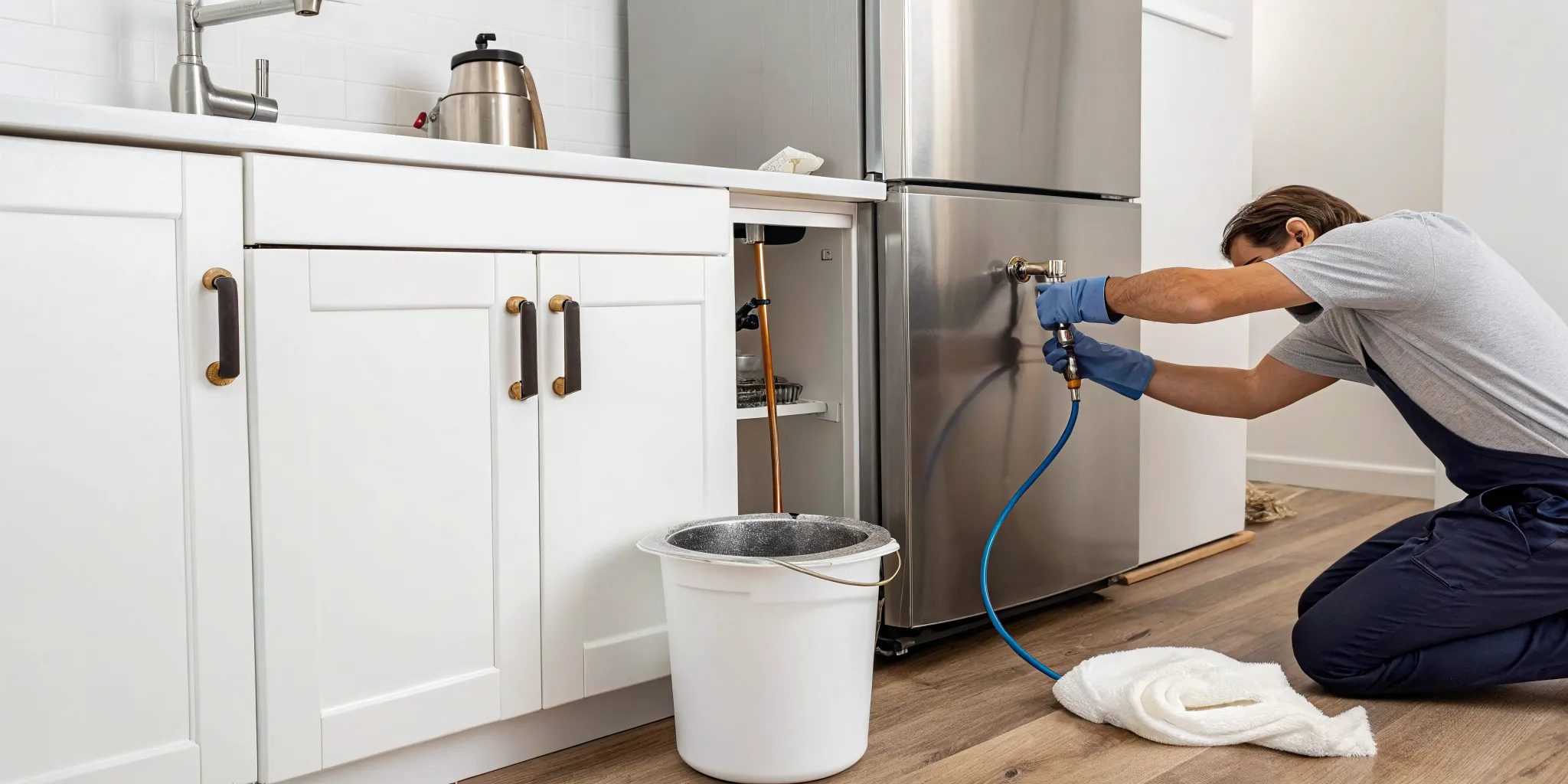
Now it’s time to get access to the valve. Carefully pull your refrigerator away from the wall so you have plenty of room to work behind it. Be mindful of your flooring, and ask for help if the appliance is heavy. Place a few old towels or a shallow pan on the floor directly under the water line connection. This will catch any water that drips out when you remove the old valve. Make sure you have good lighting, using a flashlight or headlamp if needed. A clear, well-lit, and dry workspace makes all plumbing jobs safer and much more manageable.
Essential Safety Gear
You might not think a small plumbing task requires safety gear, but protecting yourself is always a smart move. A few basic items can prevent minor injuries and make the job go more smoothly. Safety glasses are a must. You never know when a stray drop of water or a small piece of debris could fly toward your eyes, and it’s a simple way to prevent a serious injury. A good pair of work gloves will also protect your hands from any sharp edges on old pipes or fittings and give you a better grip on your tools. It’s all part of a proactive approach to plumbing maintenance. Taking these simple precautions ensures you stay safe while you work, turning a potentially frustrating task into a successful DIY project.
Your Step-by-Step Shut-Off Valve Replacement Guide
Alright, you’ve got your tools and parts ready to go. Replacing the shut-off valve is a manageable project if you follow the steps carefully. We’ll walk through how to remove the old valve, install the new one, and make sure everything is watertight. Just take your time, and you’ll have that new valve installed in no time.
Step 1: Remove the Old Valve
First things first, you need to get the old valve out of the way. Start by shutting off the main water supply to your house to prevent any unexpected showers. Then, head to your fridge and press the water dispenser until the flow stops completely. This clears the line of any remaining water. Next, use a wrench to carefully disconnect the existing water line from the valve. If you’re dealing with an old saddle valve, you’ll need to remove it and then use a tubing cutter to snip out the small section of pipe it was piercing. Once it’s off, use a bit of sandpaper or an emery cloth to smooth out any rough edges or burrs on the pipe. This step is key for creating a tight, secure seal with the new valve.
Dealing with a Stuck Nut or Ferrule
It’s not uncommon for old fittings to put up a fight. If the compression nut is stuck, resist the urge to just crank on it with all your might. Instead, try tightening it just a fraction of an inch first—this can help break the seal of corrosion. Then, gently rock it back and forth with your wrench. The small brass ring inside, called a ferrule, can be even more challenging. It’s designed to bite into the pipe for a tight seal, so it won’t come off easily. The safest way to remove it is with a specialty tool called a ferrule puller, which pulls the ring off without damaging the pipe. If you’re in a pinch, you can try to carefully cut the ferrule with a hacksaw, but be extremely cautious not to nick the pipe itself. Any damage to the pipe will prevent the new valve from sealing properly. If you find yourself struggling, it’s a sign that it might be time to call for professional help to avoid a bigger issue.
Step 2: Install the New Shut-Off Valve
Now it’s time to install your new valve. For a standard 1/4-inch refrigerator water line, your best bet is an inline shutoff valve. This type of valve fits directly into the water line and uses compression fittings to create a strong, reliable connection with the existing plastic or copper tubing. It’s a much better choice than the saddle valves that are common in older homes. Saddle valves pierce the pipe to tap into the water supply, which can cause low water pressure over time and often leads to leaks as they corrode or get clogged with mineral buildup. Using a quality inline valve will give you much more peace of mind.
Proper Tightening and Sealing Techniques
Getting a perfect seal is the most critical part of this job. It’s what stands between you and a slow, damaging leak. Following a few key techniques will ensure your new valve is watertight from the start.
- Start with a clean cut. Using a proper tubing cutter on the water line is non-negotiable. A clean, straight edge is essential for a tight seal, as any jaggedness can create a tiny gap for water to escape. This simple step helps the new valve fit perfectly and prevents leaks right from the start.
- Tighten with care. When you install the new valve, check for an arrow indicating the direction of water flow and position it correctly. Use your wrench to tighten the compression nut until it’s snug, then give it another quarter-turn. The goal is to be firm, but be careful not to overtighten. Cranking down too hard can damage the fitting or the pipe, which ironically, can cause a leak.
- Let it be. Once your compression fittings are installed and tightened, try not to move or wiggle them. These fittings create a seal that can be compromised if disturbed. Leaving the connection untouched is the best way to maintain a secure, long-lasting seal.
- Do a final leak check. After you’ve turned the main water back on, it’s time for the moment of truth. Grab a dry paper towel and wipe down the new valve and all its connections. Then, watch it closely for a few minutes. Any sign of moisture, from a tiny bead of water to a slow drip, means you need to address the connection immediately.
Step 3: Reconnect and Check for Leaks
With the new valve in place, you’re on the home stretch. It’s time to reconnect the refrigerator water line to the new valve. Make sure the connections are snug by tightening them with a wrench, but be careful not to overtighten, as this can damage the fittings or the tubing. Once everything is connected, you can turn the main water supply back on. Go slowly and keep a close eye on the new valve and its connections. Check thoroughly for any drips or moisture. If you spot a leak, turn the water off and try tightening the connection a little more. If it’s dry, you’ve successfully completed the job.
Turning the Water Back On Safely
This is the moment of truth. Head back to your main water shut-off and turn the handle very slowly to restore the water flow. A gradual approach is key here, as it prevents a sudden pressure surge that could stress the new connections you just made. Immediately return to the refrigerator and watch the new valve and fittings closely. My favorite trick is to use a dry paper towel to wipe around each connection point; it will make even the tiniest bit of moisture immediately obvious. If you do spot a drip, don’t panic. Just shut the main water off again and give the leaky fitting a gentle quarter-turn with your wrench. If the leak persists after that, don’t risk overtightening. A stubborn leak is a clear sign it’s time to call in an expert to prevent water damage. For any plumbing issues that feel beyond a quick fix, our team is always ready to provide reliable emergency plumbing services.
How to Prevent Future Leaks and Problems
You’ve done the hard part and replaced the old valve. Now, let’s make sure your new connection stays dry and dependable for years to come. A little extra attention during installation and some simple maintenance can prevent frustrating drips and potential water damage down the road. Taking these steps ensures your work lasts and gives you peace of mind. After all, the goal is to fix the problem, not create a new one. A secure, leak-free valve makes everything from getting a glass of water to changing a filter completely worry-free.
Tips for a Leak-Free Installation
A successful installation starts with a clean slate. When you cut the existing water line, use a proper tubing cutter instead of a hacksaw. This tool gives you a clean, straight cut, which is essential for creating a tight seal with the new valve. A crooked or rough cut can easily lead to a slow, persistent leak. Once the pipe is cut, take a moment to smooth the end with a piece of sandpaper or an emery cloth. This simple step removes any tiny burrs or ridges that could interfere with a secure connection. Taking these extra few minutes can save you from dealing with emergency plumbing situations later.
Troubleshooting Common Replacement Issues
Sometimes, even with careful installation, you might run into a leak. If you’re replacing an old saddle valve, be aware that they are known to leak, especially if they haven’t been turned in a long time. If your new valve leaks significantly right after you turn the water back on, don’t try to overtighten it. The valve itself is likely faulty and should be exchanged for a new one. It’s better to replace it immediately than to risk a bigger failure. Problems with shut-off valves are common in many areas of the home, from refrigerators to toilets, so knowing when a part is defective is a valuable skill for any homeowner.
Simple Maintenance for Your New Valve
Your new shut-off valve does more than just control the water supply; it makes routine maintenance much easier. Now, tasks like changing your refrigerator’s water filter are more convenient because you can quickly shut off the water right behind the appliance. To keep the valve in good shape, operate it once or twice a year to prevent it from seizing up. If you notice a very small drip from the valve stem only when you turn the handle, you may be able to fix it by gently tightening the packing nut on the top of the valve with a wrench. This is just one part of a good home maintenance routine, much like checking your pipe insulation before winter.
Annual Valve Operation
Now that your new valve is installed, a little “exercise” will keep it working perfectly for years. To prevent the internal parts from getting stiff or seizing up from mineral buildup, make it a habit to operate the valve once or twice a year. All you have to do is turn the handle to the fully closed position and then open it back up again. This simple action takes less than a minute but ensures the valve moves freely and will be ready to work the moment you need it. It’s an easy task to add to your seasonal home maintenance checklist, right alongside testing your sump pump before the spring thaw.
Protecting Against Corrosion
Even new valves can sometimes have minor issues, but don’t panic—it’s often an easy fix. If you notice a very small drip coming from the valve stem (the post the handle is attached to) only when you turn it, you can usually solve it yourself. Grab an adjustable wrench and gently tighten the packing nut, which is the nut right below the handle. A slight turn is often all that’s needed to create a tighter seal. However, be careful not to overtighten it. If the drip persists or you see any signs of corrosion, it’s best to stop and get a professional opinion. For any plumbing concerns you can’t solve, you can always contact us for help.
When Should You Call a Professional Plumber?
Tackling a home repair project yourself can be incredibly rewarding. But even the most confident DIYer knows there are times when it’s smarter to call in a professional. When it comes to plumbing, a small mistake can lead to big, watery problems. Knowing your limits is key to avoiding a minor repair turning into a major headache. If you find yourself in over your head, don’t hesitate to reach out. A professional can get the job done quickly, correctly, and give you peace of mind.
If the Job Feels Too Complicated
You’ve followed the steps, but something isn’t right. Maybe you’ve removed the old valve only to find the pipe is corroded, or the new valve just won’t stop dripping. If the valve leaks a lot, it’s a clear sign that it’s faulty and needs to be replaced by someone with experience. These unexpected issues can quickly turn a straightforward task into a complex one. Instead of getting frustrated, this is the perfect time to pause and call for backup. A professional plumber has seen it all and has the right tools and expertise to handle tricky situations without causing further damage. It’s the best way to ensure the job is done right.
For Your Safety and Peace of Mind
Plumbing work involves more than just connecting pipes; it’s about ensuring your home is safe and up to code. If you’re not completely comfortable shutting off the main water supply to your house, it’s best to let a professional handle it. Safety should always come first. Additionally, local plumbing codes can be specific. For example, many areas no longer permit saddle valves because they are prone to leaking. A licensed plumber will know the regulations in Metro Detroit and ensure your installation is compliant, preventing potential issues with insurance or future home inspections. Getting professional plumbing services guarantees the work is done safely and correctly.
Related Articles
- DIY Water Shut Off Valve Replacement in 5 Steps
- Shut Off Valve Under Sink: A Complete DIY Guide
- Water Shut Off Valve in House: A Homeowner’s Guide
Frequently Asked Questions
Why is everyone so against saddle valves? Saddle valves were a popular quick fix for years, but plumbers now know they’re a major source of leaks. They work by piercing the main water pipe, which creates a weak spot that can fail over time. The small hole they create also gets clogged easily with mineral deposits, which reduces water flow to your ice maker. A modern inline ball valve provides a much more secure and reliable connection, which is why it’s the only type we recommend for a lasting repair.
My valve is only dripping a tiny bit. Do I really need to replace it right away? Yes, you should definitely address it soon. A tiny drip might seem harmless, but it’s a clear sign that the valve’s internal seal is failing. That small leak will almost certainly get worse over time, and it can happen suddenly. Ignoring it can lead to water damage behind your fridge, which is often hidden until it becomes a serious problem. It’s much easier and cheaper to replace the valve now than to deal with an emergency plumbing call and floor repairs later.
What’s the most common mistake people make during this project? The biggest mistake is not getting a clean, straight cut on the water line. Many people try to use a knife or a hacksaw, which creates a rough, uneven edge. This makes it nearly impossible for the new valve’s compression fitting to create a perfect seal, leading to frustrating leaks. Using a dedicated tubing cutter is the best way to ensure a clean cut and a watertight connection from the start.
I’m not sure where my main water shut-off is, or I’m afraid to touch it. What should I do? If you’re not 100% confident about shutting off your home’s main water supply, it’s best to stop and call a professional. This is the most critical safety step, and getting it wrong can cause major flooding. A professional plumber can locate the valve for you, make sure it’s working correctly, and handle the entire refrigerator valve replacement safely and quickly.
How can I tell if my new valve is faulty or if I just installed it wrong? If you see a small drip from the fitting nut right after installation, turn the water off and try tightening the connection about a quarter-turn. Don’t apply too much force. If the leak stops, you’ve solved it. However, if you have a steady leak coming from the valve body itself or the handle, or if the drip from the fitting won’t stop, the valve is likely defective. It’s better to exchange it for a new one than to risk a failure.
Comparing DIY vs. Professional Costs
One of the biggest questions for any home repair is whether to do it yourself or call in a pro. When it comes to replacing your refrigerator’s shut-off valve, the decision often comes down to cost versus confidence. A DIY approach can definitely save you some money on labor, which is always tempting. However, it’s important to weigh those initial savings against the potential costs of a mistake, like a persistent leak or water damage. Let’s break down what you can expect to spend for both a DIY replacement and a professional installation so you can make the best choice for your home and your budget.
The Cost of a DIY Replacement
If you decide to tackle this project yourself, your main expenses will be parts and tools. A quality 1/4-turn ball valve, which we highly recommend over an old saddle valve, will typically run you between $25 and $50. If you don’t already have the necessary tools, you might need to pick up an adjustable wrench and a tubing cutter, which could add another $20 to $50 to your shopping list. All in, you can expect the DIY cost to be somewhere in the $50 to $100 range. Just remember, using the right tool, especially a tubing cutter for a clean cut, is crucial. A sloppy cut can lead to a bad seal and a leak, which could make your money-saving project much more expensive in the long run.
The Cost of Hiring a Plumber
Hiring a professional plumber will have a higher upfront cost, typically ranging from $150 to $500. This price usually includes the service call, the new valve, and the labor to ensure a perfect installation. While it costs more, you’re paying for more than just the repair. You’re investing in peace of mind. When you contact a professional plumber, you get the assurance that the job is done correctly, complies with local plumbing codes, and is backed by experience. A pro can also spot underlying issues, like corroded pipes, that a DIYer might miss. At Mr. Pipey, we believe in providing reliable, long-lasting solutions that protect your home, and that’s exactly what you get with a professional installation.