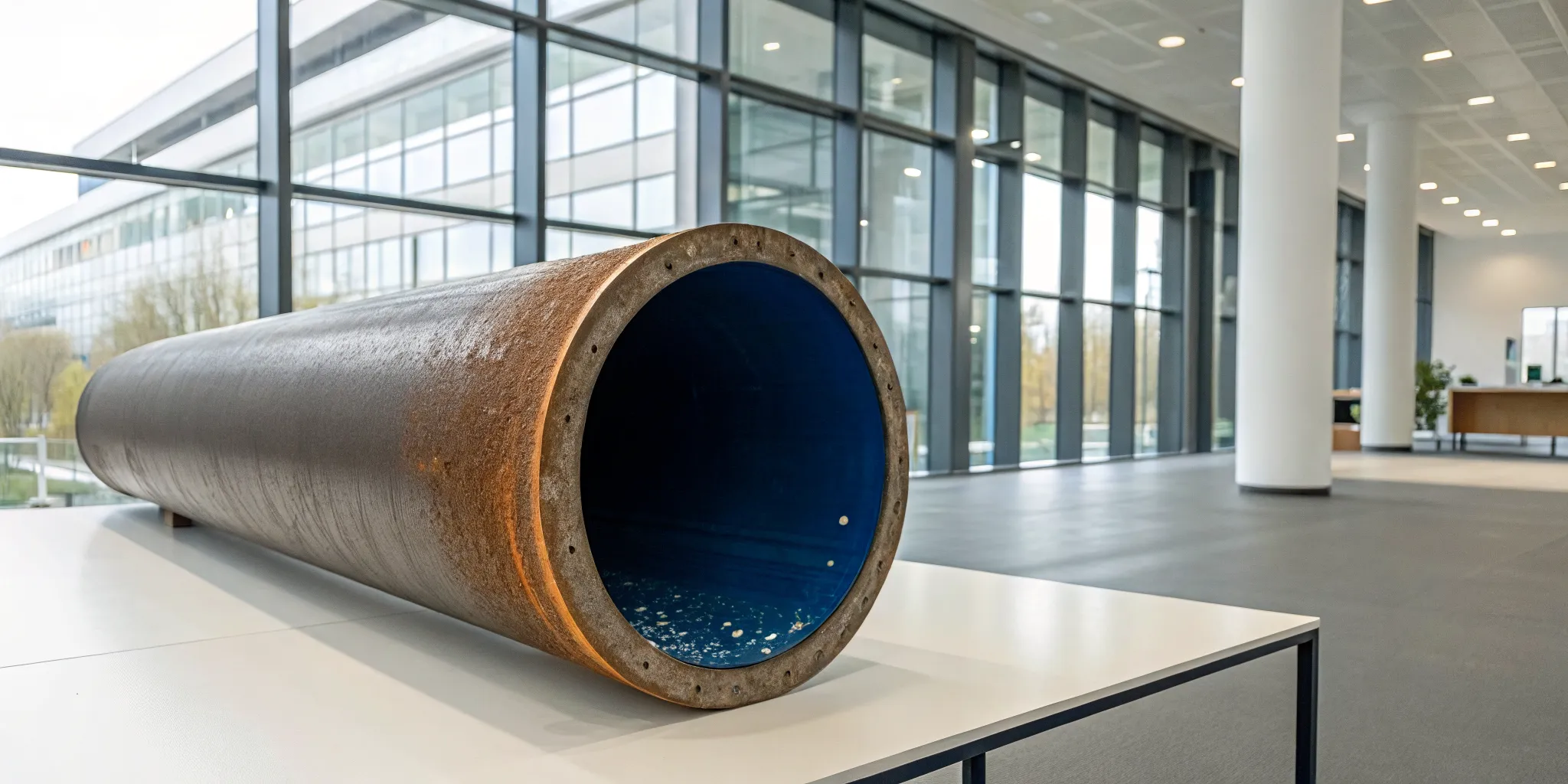
Investing in a major home repair means you want a solution that truly lasts. Epoxy pipe lining isn’t just a quick fix; it’s a long-term upgrade that restores your plumbing for decades. But let’s be real, any smart investment requires a close look at the numbers. So, how much does epoxy pipe lining actually cost? We’ll break down the upfront price, compare it to the cost of traditional replacement (and the property damage that comes with it), and show you how this modern method saves you serious money over time.
Key Takeaways
- Repair Pipes Without the Demolition: Epoxy pipe lining creates a new, durable pipe inside your existing one, fixing leaks and cracks without the need to dig up your yard or break through your walls.
- Consider the Total Project Cost: While priced per foot, the true financial benefit of epoxy lining comes from avoiding the expensive restoration costs, like landscaping and drywall repair, that are necessary with traditional pipe replacement.
- It’s a Great Solution, But Not for Everything: Epoxy lining is a long-lasting fix for many common pipe issues, but it requires a host pipe that is still structurally sound. If a pipe has completely collapsed, a full replacement is the more effective and necessary solution.
So, What Is Epoxy Pipe Lining and How Does It Work?
If you’re dealing with aging, leaky, or damaged pipes, you might be picturing your yard getting dug up for a major replacement project. But there’s a less disruptive and highly effective alternative you should know about: epoxy pipe lining. Often called epoxy coating or relining, this method is a popular and cost-effective way to repair pipes from the inside out.
Think of it as creating a brand-new, durable pipe directly inside your old one. This trenchless technology addresses cracks, leaks, and corrosion without the need for extensive excavation. It’s a modern solution that restores your plumbing system’s integrity while saving your lawn, driveway, and landscaping from being destroyed. By forming a seamless, joint-free pipe wall, epoxy lining provides a long-lasting fix for a wide range of common pipe problems.
Epoxy Relining vs. Epoxy Coating: What’s the Difference?
As you explore your options, you’ll likely hear the terms “relining” and “coating” used, and it’s easy to get them mixed up. While they both involve epoxy, they serve very different purposes. Think of epoxy coating as a preventative measure—it’s like applying a protective sealant to the inside of a pipe that’s still in good working order to prevent future corrosion. On the other hand, epoxy relining is a true structural repair. This process creates a brand-new, seamless pipe directly inside your old, damaged one. It’s designed to fix existing cracks, leaks, and gaps, essentially giving a broken pipe a second life. For most homeowners facing active plumbing problems, relining is the powerful solution you’re looking for.
What Types of Pipes Can Be Lined?
One of the biggest advantages of epoxy pipe lining is its versatility. This isn’t a solution limited to just one type of pipe in one specific location. The technology is designed to work on a wide variety of drainage pipes, including sewer lines, storm drains, and even roof drains. Whether the damaged pipe is located inside your walls, under your foundation, or buried deep in your yard, trenchless lining can often be the answer. This flexibility makes it a powerful tool for addressing complex plumbing issues throughout your property without turning your home into a major construction zone. It effectively creates a new, seamless “pipe-within-a-pipe” to restore flow and function for years to come.
Compatible Pipe Materials
Homes across Metro Detroit feature a mix of plumbing materials, from historic cast iron to modern PVC. The good news is that epoxy lining is compatible with most of them. This technology adheres strongly to a wide range of surfaces, making it an effective repair for pipes made of clay, concrete, metal, cast iron, steel, plastic, and fiberglass. This adaptability means that regardless of your home’s age or the materials used in its original construction, there’s a strong chance that epoxy lining can restore your pipes. A professional assessment is the best way to confirm compatibility and ensure the lining will provide a durable, long-lasting seal for your specific system.
Pipe Diameters and Sizes
Epoxy lining is not a one-size-fits-all solution; it’s adaptable to the different pipes that make up your home’s plumbing network. The technology can be used to repair pipes ranging from as small as 1.5 inches in diameter—typical for a sink or shower drain—all the way up to 12 inches for main sewer lines. This scalability ensures that the same reliable, trenchless method can be applied to fix a localized issue in a bathroom or restore the main line connecting your home to the municipal sewer. For any project, the first step is always a thorough camera inspection to measure the pipe’s diameter and assess its condition, ensuring the lining is a perfect fit.
The Epoxy Lining Process, Step by Step
The idea of building a new pipe inside an old one might sound complex, but the process is straightforward. First, a plumber performs a camera inspection to get a clear view of the pipe’s interior and identify the exact problem areas. Once the issue is diagnosed, the pipe is thoroughly cleaned to remove any buildup, rust, or debris. This step is crucial for ensuring the new lining adheres properly.
Next, a flexible liner coated in a special epoxy resin is inserted into the existing pipe. The liner is then inflated, pressing the resin firmly against the pipe walls. The resin is left to cure for a few hours, and once it hardens, it creates a smooth, strong, and seamless new pipe.
Step 1: Cleaning and Preparation
Before any lining can be applied, the host pipe needs to be perfectly clean. Think of it like painting a wall—you wouldn’t apply a fresh coat over dirt and grime. A professional plumber uses specialized tools to clear out all the rust, scale, and debris that have built up over the years. This is often done using methods like high-pressure air or sandblasting, which scours the pipe’s interior, creating a clean, slightly rough surface. This preparation is essential because it ensures the epoxy resin can form a powerful, lasting bond with the old pipe, creating a seamless and durable final product.
Step 2: Applying the Epoxy Liner
Once the pipe is clean, it’s time to install the new lining. A flexible, felt-like tube, perfectly sized for your pipe, is saturated with a two-part epoxy resin. This liner is then carefully inserted into the pipe, often through an existing access point, which means there’s no need to dig up your yard. After the liner is in place, an internal air bladder is inflated. This presses the epoxy-soaked liner firmly against the inner walls of the host pipe, ensuring it covers every crack, pinhole leak, and weak spot. The pressure is held consistently while the epoxy begins its curing process.
Step 3: Curing the New Pipe
The final step is allowing the epoxy to harden, or “cure.” This process transforms the soft, flexible liner into a rigid, solid, and incredibly strong new pipe. The curing time can vary depending on the specific resin used and the ambient temperature, but it often takes just a few hours. Once the epoxy has fully hardened, the air bladder is deflated and removed. What’s left behind is a smooth, joint-free pipe within the old one, ready to provide reliable service for decades. Your plumbing system is then inspected one last time with a camera to ensure a perfect application before your water is turned back on.
Common Lining Application Methods
While the core concept of creating a pipe-within-a-pipe is the same, plumbers use a few different techniques to apply the epoxy liner. The right method depends on the specific situation, including the pipe’s length, diameter, and the number of bends it has. Each technique is designed to deliver a seamless, durable repair with minimal disruption to your property. Understanding these methods can help you appreciate the versatility and precision of trenchless pipe repair. Here are the three most common approaches you’ll encounter.
Pull-in-Place (CIPP)
The Pull-in-Place method, also known as Cured-in-Place Pipe (CIPP), is one of the most widely used techniques. For this process, the epoxy-saturated felt liner is pulled into the damaged pipe from one access point to another. Once it’s positioned correctly to cover the damaged section, the internal bladder is inflated to press it against the pipe walls. This method is highly effective for repairing specific sections of pipe rather than the entire line. It’s a precise solution that allows for targeted repairs without lining pipes that are still in good condition.
Inversion Lining
Inversion lining is another popular CIPP technique that uses air pressure to essentially turn the liner inside out as it enters the pipe. The liner is fed into an inversion machine, which uses pressure to push it through the host pipe, fitting it snugly against the walls as it goes. This method is great for lining entire pipe lengths, even those with bends, because the liner conforms smoothly to the pipe’s path. As the liner inverts, it presses itself firmly into place, ensuring complete coverage before the curing process begins.
Spray Coating
Unlike methods that use a felt liner, spray coating involves applying a liquid epoxy resin directly to the inside of the pipe. A specialized machine with a rotating spray head is sent through the pipe, applying several thin, even layers of epoxy. Each layer is allowed to cure before the next is applied, gradually building up a new, corrosion-resistant pipe wall. This technique is excellent for pipes with complex joints or multiple branches and is a fantastic way to address corrosion and prevent future pinhole leaks in otherwise structurally sound plumbing.
What Is the New Pipe Like?
After the epoxy lining process is complete, you are left with a brand-new pipe that is, in many ways, better than the original. This new pipe is incredibly durable, seamless, and corrosion-proof. Because the inner surface is so smooth, it improves flow capacity and makes it much harder for waste and debris to build up, reducing the chance of future clogs. The epoxy material is rated to last for 50 years or more, making it a truly long-term solution. It effectively seals all cracks and holes, preventing leaks and blocking tree roots from getting in. This is the kind of reliable, lasting workmanship that provides true peace of mind for any property owner, and it’s a core part of our comprehensive plumbing services.
Why Go Trenchless? The Real Advantages
The most significant benefit of epoxy pipe lining is that it’s a trenchless repair. This means there’s no need to dig up your yard, tear out walls, or destroy your driveway to access the pipes. This saves you a tremendous amount of time, mess, and the extra cost of restoring your property after the job is done.
Beyond the convenience, epoxy lining offers a durable, long-term solution. The new liner protects your old pipes from rust and corrosion and seals off any cracks that allow tree roots to get in. This means you’ll have fewer emergency plumbing issues and less maintenance to worry about in the future, making it a smart investment for your home.
Improved Pipe Flow and Performance
Over time, the inside of older pipes, especially cast iron ones, can become rough with corrosion and scale buildup. This creates friction that slows down water flow and makes it easier for debris to get caught, leading to clogs and backups. Epoxy lining addresses this problem head-on by creating a new, ultra-smooth interior surface. Think of it as giving your plumbing a fresh start, allowing water and waste to move through freely and efficiently without anything to snag on. This process doesn’t just restore your system’s original flow capacity—it often improves it. The seamless, slick surface means you’ll notice faster drainage and a significant drop in clogs. Ultimately, that translates to fewer frustrating backups and less need to make those stressful emergency plumbing calls.
How Much Does Epoxy Pipe Lining Cost Per Foot?
When you hear about a no-dig solution for pipe repair, your first question is probably about the price tag. The great news is that epoxy pipe lining is often more budget-friendly than traditional pipe replacement, especially when you factor in the cost of restoring your lawn or driveway. The cost is typically calculated per linear foot, but the final price depends on a few key details about your specific plumbing system.
Think of it like this: every home’s plumbing is unique. The length of the pipes, their size, and their current condition all play a role in determining the final cost. Below, we’ll break down the numbers so you can get a clearer idea of what to expect for your project.
How Project Size Affects Your Quote
Generally, you can expect epoxy pipe lining to cost between $80 and $250 per linear foot. For an average residential project, this usually adds up to a total cost of around $3,000 to $8,000. This range covers the entire process, from cleaning the existing pipes to applying the new epoxy liner. Of course, a small, straightforward repair will be on the lower end of that spectrum, while a more extensive project involving longer pipe sections will be on the higher end. The best way to understand the cost for your home is to get in touch with a professional for a detailed quote.
Does Pipe Diameter Change the Price?
The size of your pipes is a major factor in the cost equation. It makes sense when you think about it: a wider pipe requires more epoxy resin to create a durable, long-lasting seal. Because of this, you’ll find that larger diameter pipes typically cost more per foot to line, often falling in the $100 to $250 per foot range. The condition of your pipes also matters. If they are heavily corroded or blocked, they will require more intensive cleaning before the liner can be installed, which can influence the price. If you’re dealing with a sudden pipe issue, our emergency plumbing services can help diagnose the problem quickly.
What Really Affects Your Epoxy Pipe Lining Cost?
When you get a quote for epoxy pipe lining, you’ll notice it’s not a one-size-fits-all price. The final cost depends on the unique details of your plumbing system and your home. Understanding these factors can help you see exactly what you’re paying for and why the investment is worthwhile. Several key elements come into play, from the current state of your pipes to the complexity of their layout. Let’s break down what influences the price tag so you can feel confident in your decision.
How Pipe Condition and Access Impact Cost
The starting point for any epoxy lining project is the condition of your existing pipes. If your pipes have minor cracks or pinhole leaks, the process is usually straightforward. However, if they are severely corroded, have significant blockages, or are collapsed in certain areas, more prep work is needed. This extra labor to clean and prepare the pipes adds to the overall cost. Similarly, accessibility is a major factor. Pipes that are easy to get to, like those in an open basement, will be less expensive to line than pipes hidden behind walls, under concrete slabs, or in tight crawl spaces. The more challenging the access, the more time and effort are required from our plumbing experts.
How Your Location Affects the Price Tag
Just as the cost of living varies from one city to another, so do the rates for skilled labor and materials. The price for epoxy pipe lining in Metro Detroit might be different from what you’d find in another part of the country. These regional differences are influenced by local economic factors, the cost of materials from suppliers, and standard labor rates for certified plumbers. At Mr. Pipey, we focus on providing fair, competitive pricing for our community while ensuring we use the highest quality materials and talent. We believe in transparent pricing that reflects the value and durability of our work right here in our neighborhoods.
The Impact of Pipe Length and Layout
This might seem obvious, but the more pipe you need to line, the higher the cost will be. Pricing is often calculated per foot, so a larger home with an extensive plumbing system will naturally have a higher project cost than a smaller one. But it’s not just about length; it’s also about complexity. A simple, straight pipe is much easier and faster to line than a system with numerous bends, joints, and connections to other pipes. Each turn and junction requires careful work to ensure the epoxy coating is applied evenly and creates a perfect seal. Complex plumbing systems require more time and precision, which is reflected in the final quote.
Epoxy Lining vs. Pipe Replacement: A Cost Comparison
When you’re facing a major pipe problem, the price tag is often the first thing on your mind. Both epoxy lining and traditional pipe replacement are significant investments, but their costs are calculated very differently. While a traditional replacement might seem cheaper at first glance, it’s the hidden expenses that can really make a difference.
Understanding the full financial picture, from the initial quote to the final restoration work, is the key to making a choice that fits your budget and protects your property. Let’s break down how these two methods stack up financially.
Epoxy Lining vs. Replacement: The Initial Cost
On paper, epoxy pipe lining typically costs between $80 and $250 per linear foot. For an average home, this can translate to a total project cost of around $3,000 to $8,000. Traditional pipe replacement can sometimes have a lower initial quote per foot, which can be tempting. However, this price only covers the new pipes and the labor to install them. It doesn’t account for the demolition required to access the old pipes. When you consider that epoxy lining can last 35 to 50 years, its upfront cost often provides better long-term value by avoiding the destructive process of a full replacement.
Calculating Long-Term Savings and Avoiding Hidden Fees
Here’s where the true cost difference becomes clear. The lower price for a traditional pipe replacement rarely includes the expense of fixing the damage caused by the work itself. Think about it: plumbers have to tear down walls, dig up your beautiful lawn, or even break through your foundation to get to the old pipes. All of that repair work comes with its own bill. These extra restoration costs can quickly make a traditional replacement far more expensive than epoxy lining. With trenchless lining, you sidestep these hidden fees entirely, making it a more predictable and often more affordable option overall.
Don’t Forget About Property Restoration Costs
The costs of property restoration after a traditional pipe replacement are no small thing. You could be looking at bills for drywall repair, painting, replacing flooring, and extensive landscaping to fix a torn-up yard. These aren’t just minor touch-ups; they can add thousands of dollars to your final invoice and turn your home into a construction zone for weeks. Because epoxy lining is a trenchless method that works inside your existing pipes, it eliminates the need for this widespread destruction. You get a fully restored pipe system without the headache and high cost of putting your home back together, which is why it’s one of the most effective plumbing solutions available.
Landscaping and Driveway Repair
One of the biggest and most frustrating hidden costs of traditional pipe replacement is the damage to your property’s exterior. To access underground pipes, crews have to bring in heavy equipment to dig long trenches across your lawn, garden, and even your driveway. Once the plumbing work is done, you’re left with the expensive task of putting it all back together. This often involves hiring landscapers to re-sod your lawn, replant flower beds, and repair or repave sections of your driveway. These restoration costs can add thousands to your final bill, turning a plumbing repair into a major landscaping project you never planned for.
Drywall and Flooring Replacement
The disruption from traditional pipe replacement doesn’t stop at your front door. When pipes are located inside walls or under floors, the only way to access them is to cut through drywall and pull up flooring. This creates a significant mess and leaves you with another set of repairs to manage. You’ll need to budget for patching and painting walls or replacing sections of carpet, tile, or hardwood. Because epoxy lining is a trenchless method that works inside your existing pipes, it eliminates the need for this widespread destruction. You get a fully restored pipe system without the headache and high cost of putting your home back together.
Slab and Foundation Work
For many homes in Metro Detroit, pipes run beneath a concrete slab foundation. Accessing these pipes traditionally is the most disruptive and costly scenario of all. It requires jackhammering through the concrete, creating a massive amount of dust and noise before the plumbing work can even begin. After the new pipe is installed, the foundation must be repaired, which is a specialized and expensive job. This kind of work not only adds a significant expense but can also be a source of stress for any homeowner. With trenchless lining, you sidestep these hidden fees entirely, making it a more predictable and often more affordable option for your plumbing needs.
Are There Other Costs to Consider with Epoxy Pipe Lining?
When you get a quote for epoxy pipe lining, the price per foot is a big part of the equation, but it’s not the full picture. Several other factors play a role in the final cost, and knowing what they are ahead of time can help you budget accurately and avoid surprises. A trustworthy plumber will walk you through every potential cost, ensuring you understand exactly what you’re paying for. From the initial look at your pipes to the final cleanup, each step has a cost associated with it.
Think of it like this: the epoxy material is just one ingredient. The real value comes from the expertise, preparation, and specialized equipment needed to get the job done right. These additional considerations ensure the repair is not just a quick fix but a durable, long-lasting solution for your home’s plumbing system. Let’s break down what those other potential costs might be.
The Cost of the Initial Pipe Inspection
Before any lining work can begin, a professional needs to understand what’s happening inside your pipes. This initial inspection is critical and is the first cost you’ll encounter. A plumber will typically use a specialized camera to get a clear view of your pipe’s interior, checking for cracks, blockages, and severe damage. The cost of this assessment depends on the length and complexity of your plumbing system. This step is non-negotiable because it determines if your pipes are even good candidates for epoxy lining and helps create an accurate plan and quote for the project.
Do You Need Permits? Budgeting for Prep Work
Depending on where you live in Metro Detroit, your epoxy pipe lining project may require a permit from the local municipality. Your plumbing contractor usually handles the process of securing these permits, but the fee itself is often factored into your total project cost. Additionally, there might be some prep work involved. If the pipes are difficult to access, some minor demolition or excavation might be needed to create an entry point. Any necessary cleaning or minor repairs to the existing pipe before the lining is applied would also fall under this category, ensuring the new epoxy lining adheres properly.
Understanding Labor and Restoration Costs
Labor is a significant component of the final price tag. You’re not just paying for materials; you’re paying for the skill and experience of the technicians performing a highly technical repair. The complexity of the job, the length of the pipes, and the time it takes to complete the work all influence labor costs. While one of the biggest benefits of epoxy lining is minimal disruption to your property, there can still be minor restoration costs. For example, if a small section of a wall or floor was removed for access, you’ll need to factor in the cost of patching and painting it afterward. We can provide a detailed quote when you contact us.
Common Myths About Epoxy Lining Costs, Busted!
When it comes to plumbing repairs, new technologies can sometimes sound too good to be true. Epoxy pipe lining is a game-changer, but it’s also surrounded by a few misconceptions, especially about its cost and reliability. It’s easy to feel skeptical when you’re facing a big plumbing decision. Let’s clear the air and look at the facts behind some of the most common myths about epoxy pipe lining, so you can feel confident about choosing the right solution for your home.
Myth #1: It’s Just a Temporary Fix
One of the biggest worries I hear from homeowners is that pipe lining is just a fancy band-aid. The word “lining” might make you think of a flimsy patch, but that couldn’t be further from the truth. Epoxy lining creates a brand-new, structural pipe inside your old one. This seamless, durable pipe is designed to last for decades, effectively sealing cracks, preventing root intrusion, and stopping leaks for good. Think of it less like a patch and more like a permanent reinforcement. It’s a modern, long-term solution that addresses the root of the problem without tearing up your property, making it a reliable part of our expert plumbing solutions.
Myth #2: There Are Always Hidden Costs
We’ve all been there: a home repair quote looks reasonable, but then the final bill is loaded with unexpected fees. It’s natural to worry that epoxy lining comes with hidden charges. The good news is, the opposite is usually true. With traditional pipe replacement, the plumbing work is just one part of the cost. You also have to budget for digging up your yard, repairing drywall, and restoring your landscaping. Because epoxy lining is a trenchless method, it avoids all that extra work. The price you’re quoted typically covers the entire process, giving you a much clearer and more predictable final cost without the surprise expenses.
Myth #3: It Isn’t Always Effective
Some people believe that nothing can beat the old-school method of completely replacing a pipe. While replacement is sometimes necessary, it’s not always the most effective or efficient choice. Epoxy lining is a highly effective repair for many common pipe problems, from pinhole leaks to major cracks. The smooth, joint-free surface of the new pipe can even improve flow and prevent future blockages. Because the relined pipes are so durable, you’ll likely face fewer repairs down the road. This long-term reliability means that even if the upfront cost is similar to a replacement, you often save a lot more over time by avoiding future plumbing headaches and property damage.
Is Epoxy Pipe Lining a Good Investment?
When you’re looking at a plumbing repair, the price tag is always a major factor. Epoxy pipe lining can cost anywhere from $80 to $250 per linear foot, which sounds like a lot at first glance. But it’s helpful to think about this as a long-term investment in your home’s health, not just a quick fix. Instead of just patching a single problem, you’re essentially giving your entire plumbing system a new, durable interior that protects it for decades to come.
The real value comes from what you avoid: tearing up your beautiful landscaping, breaking through your basement floor, and dealing with the same plumbing issues over and over again. When you add up the costs of traditional pipe replacement, including the expensive restoration work that follows, epoxy lining often comes out ahead. It’s a modern solution that prioritizes not just fixing the pipe, but preserving your home and your peace of mind. By choosing a less invasive method, you’re investing in a durable fix that saves you from future headaches and expenses.
How Long Does Epoxy Lining Last?
One of the biggest questions homeowners have is whether this is a temporary patch or a permanent fix. You can rest assured it’s the latter. A professionally installed epoxy pipe lining is incredibly durable, designed to last for 35 to 50 years. Some lab tests even suggest it could hold up for as long as 80 years. Think about that, it’s a solution that could easily outlast your mortgage. This isn’t just a simple repair; it’s a long-term upgrade to your home’s infrastructure. By creating a seamless, joint-free pipe within your old one, you’re preventing future leaks, cracks, and root intrusion for a very long time.
Comparing Lifespans: Epoxy vs. Traditional Pipes
So how does that 50-year lifespan stack up against traditional pipes? Many older homes in Metro Detroit have cast iron or galvanized steel pipes, which can start to corrode and fail after just a few decades. While modern PVC pipes can last much longer, they aren’t immune to cracks or root intrusion at the joints. Epoxy lining essentially gives your old pipes a new lease on life by creating a seamless, corrosion-proof barrier inside them. This not only solves the immediate problem but also protects the original pipe from future wear and tear. It’s one of the most durable expert plumbing solutions because it eliminates the weak points, like joints and seams, where most problems start, turning your aging plumbing into a stronger, more reliable system.
A Less Disruptive Fix for Your Home and Yard
The thought of digging a huge trench across your lawn or jackhammering your concrete floors is enough to make any homeowner anxious. This is where epoxy lining truly shines. Because it’s a trenchless technology, the entire process happens inside the existing pipe. Our technicians can complete the repair through small access points, meaning your yard, driveway, and home interior remain intact. You get a brand-new pipe without the mess, noise, and chaos of a major excavation project. This saves you the secondary cost and hassle of having to restore your property after the plumbing work is done.
Is Epoxy Lining an Eco-Friendly Option?
Opting for epoxy lining is also a more sustainable choice. Traditional pipe replacement means the old, broken pipes get dug up and sent to a landfill. With lining, you’re renewing the pipes you already have, which significantly reduces waste. The new epoxy liner also creates a smooth, seamless surface that protects your pipes from rust and corrosion. It even acts as a powerful barrier against tree roots, one of the most common causes of sewer line damage. This preventative measure means you’ll need fewer emergency plumbing services in the future, saving water, resources, and money over time.
Preventing Groundwater Contamination
Beyond reducing landfill waste, epoxy lining plays a vital role in protecting our local environment. Old, cracked sewer and drainage pipes can leak wastewater directly into the surrounding soil, which can contaminate the groundwater we all rely on. Epoxy lining provides a powerful solution by creating a solid, seamless barrier inside the damaged pipe. This new pipe seals off every crack and weak spot, ensuring that waste stays where it belongs. By preventing leaks, you’re not just fixing a plumbing issue; you’re also doing your part to protect the health of our community’s water sources, which is a responsibility we take seriously.
Safety Standards for Drinking Water Pipes
It’s completely understandable to wonder if it’s safe to line the pipes that carry your family’s drinking water. The answer is a resounding yes, as long as it’s done by professionals using the right materials. The epoxy resins used for potable water pipes are specifically formulated to be safe and are rigorously tested to meet strict industry standards. Specifically, they must comply with NSF/ANSI 61, which is the certification for products that come into contact with drinking water. This ensures the lining won’t leach any harmful chemicals into your water supply. When you work with a trusted team like Mr. Pipey, you can be confident that we only use materials that meet these high safety standards for all our plumbing solutions.
When Is Epoxy Lining Not the Right Solution?
Epoxy pipe lining is an incredible, minimally invasive technology, but it isn’t a magic wand for every plumbing problem. Think of it as a powerful tool in a plumber’s toolkit, perfectly suited for certain jobs but not for others. The success of epoxy lining depends entirely on the condition of your existing pipes. If the foundation isn’t stable, the solution won’t be either. Forcing a fix that isn’t right for the situation can lead to more headaches and expenses down the road.
Recognizing when to opt for a different solution is just as important as knowing the benefits of lining. In some cases, particularly when pipes have suffered extreme damage or have collapsed, a more traditional approach is necessary to guarantee a safe and lasting repair for your home or business. A thorough professional inspection is the only way to know for sure which path is the right one for your plumbing system.
Signs Your Pipes Are Beyond Epoxy Repair
Epoxy lining creates a durable new pipe inside of your old one. For this to work, the host pipe needs to be relatively intact. If your pipes are severely cracked, have large gaps, or have completely collapsed, there’s simply no structure for the epoxy to bond to. Trying to line a collapsed pipe is like trying to paint a wall that has already crumbled. It just won’t hold.
In these situations, the integrity of your plumbing system is too compromised for a simple relining. A professional plumber will identify these issues during an initial camera inspection. If the damage is too extensive, they will recommend a different course of action to ensure a reliable, long-term fix.
Potential Downsides and Risks to Consider
While epoxy lining is a fantastic solution for many situations, it’s smart to be aware of the potential downsides. No repair method is perfect for every scenario, and being an informed homeowner means understanding the full picture. Some concerns revolve around the materials used, especially in pipes that carry drinking water, while others relate to the condition of the host pipe itself. A trustworthy plumber will always be upfront about these risks and help you weigh the pros and cons for your specific situation, ensuring you feel confident in your decision.
Concerns for Domestic Water Pipes
When it comes to the pipes that deliver your drinking water, safety is the top priority. There has been some debate in the plumbing industry about the long-term effects of epoxy linings on potable water. While many epoxy products are certified as safe for drinking water by organizations like the NSF, it’s crucial to ensure your plumber uses only these approved materials. Some cheaper, uncertified products might not meet safety standards. This is why it’s so important to work with a reputable company that is transparent about the products they use and prioritizes your family’s health and safety above all else.
Risks During the Cleaning Process
Before the epoxy liner can be installed, the existing pipe must be thoroughly cleaned to ensure the resin adheres properly. This is usually done with high-pressure water jets or mechanical tools that scour away rust and debris. However, this aggressive cleaning process can pose a risk to pipes that are already extremely fragile. There’s a chance that the force could worsen existing cracks or cause a heavily corroded section to collapse. This is precisely why a detailed camera inspection is the mandatory first step; it allows a professional to assess whether your pipes are strong enough to withstand the preparation process.
When Traditional Replacement Makes More Sense
Sometimes, the classic approach is still the best one. Traditional pipe replacement, which involves digging a trench and laying a brand-new pipe, is the necessary solution when the existing pipe is too damaged for lining. If a pipe has completely collapsed, has severe structural issues, or has large sections missing, there’s simply nothing for an epoxy liner to bond to. In these cases, trying to force a trenchless repair would be ineffective and a waste of money. A professional plumber will recommend replacement to ensure you get a secure, reliable, and long-lasting fix.
Considering a Hybrid Approach
It’s not always an all-or-nothing decision. In many homes, the most practical and cost-effective solution is a hybrid approach that combines epoxy lining with traditional replacement. For example, it might make sense to use epoxy lining for the pipes running under your home’s foundation, where excavation would be incredibly disruptive and expensive. For the sections of pipe in your yard that are easy to access, it could be simpler and more affordable to dig them up and replace them. This strategy gives you the best of both worlds, minimizing destruction while keeping your budget in check, and is a hallmark of our comprehensive plumbing solutions.
Exploring Other Plumbing Solutions
If your pipes are too damaged for epoxy lining, the most common alternative is a traditional pipe replacement. While this method can be more invasive, it’s sometimes the only way to resolve major structural issues and prevent future failures. When a pipe has collapsed, addressing the problem with a full replacement ensures your system is sound from the ground up. This can be a more cost-effective choice in the long run compared to attempting a lining that is destined to fail.
Severe pipe damage often requires immediate attention. If you’re dealing with a collapsed line or major leak, you may need emergency plumbing services to secure your property and restore function as quickly as possible.
Getting an Accurate Epoxy Lining Quote in Metro Detroit
Getting a clear and accurate quote is the first step toward a successful pipe repair. But to compare apples to apples, you need to know what to ask and who to trust. Arming yourself with the right questions will help you find a reliable partner for the job and avoid any surprises down the road. Here’s how to get a quote you can feel confident about.
Questions to Ask Your Plumbing Contractor
When you’re ready to get a quote, make sure the contractor provides a detailed plan. A price given over the phone without a proper look is a red flag. A trustworthy plumber will insist on a thorough camera inspection to understand the condition of your pipes and give you an accurate cost. Don’t forget to ask about the specific methods they use for epoxy lining and their experience with projects like yours. It’s also smart to ask about the project timeline and any potential disruptions to your home. Finally, a great contractor will offer warranties on their work, giving you peace of mind that the job is done right.
What is your cleaning and inspection process?
We believe a great repair starts with a clear diagnosis. That’s why our process always begins with a thorough camera inspection to get a precise look at your pipe’s interior and pinpoint the exact problem areas. Once we understand the issue, we meticulously clean the pipe to remove any buildup, rust, or debris that could interfere with the new lining. This isn’t just a quick rinse; it’s a critical preparation step that ensures the epoxy resin can form a perfect, lasting bond with the host pipe. A clean surface is essential for creating a seamless and durable new pipe that will stand the test of time.
What type of lining method do you use?
We specialize in epoxy pipe relining, a modern and highly effective way to fix old, broken pipes without the need for major excavation. This method essentially creates a new, strong pipe directly inside your old one using a special two-part epoxy material. Once this powerful resin cures, it hardens into a solid, joint-free pipe wall that is resistant to corrosion, cracks, and root intrusion. It’s a proven technology that restores the integrity of your plumbing system, providing a long-term solution that is both efficient and minimally invasive, protecting your property from unnecessary damage.
What warranties do you offer?
Any significant home investment should come with a guarantee, and our plumbing work is no exception. As a family-owned business, we stand behind the quality of our repairs and believe in giving our clients total peace of mind. A great contractor will always offer warranties on their work, and we are proud to do just that. This warranty is our promise to you that the job was done right and that your new pipe lining is built to last. We encourage you to ask us about the specifics of our warranties during your consultation, as part of our commitment to being a trusted partner for your home’s needs.
How to Find a Plumber You Can Trust
Choosing the right company is just as important as the repair method itself. Start by looking for a professional service with a proven track record, solid guarantees, and a focus on customer satisfaction. While it might be tempting to go with the first quote you get, it’s a good practice to get at least three quotes for a big job like pipe lining. This allows you to compare prices and options. Take some time to look for reviews and testimonials from previous customers to see what their experiences were like. A family-owned business often provides a level of care and accountability that gives homeowners extra confidence.
Related Articles
- Trenchless Sewer Line Replacement Cost: A 2026 Guide
- Trenchless Pipe Repair: The Ultimate Guide
- Trenchless Sewer Replacement: A Complete Guide
- Trenchless Sewer Line Repair: The No-Dig Guide
Frequently Asked Questions
How long does the whole epoxy lining process take? One of the best parts of epoxy lining is how quickly it can be done. Unlike a traditional replacement that can turn your home into a construction zone for weeks, most residential lining projects are completed in just one to two days. The process involves cleaning the pipe, inserting the liner, and allowing the epoxy to cure, which usually takes a few hours. This means less disruption for your family and a faster return to your normal routine.
Is the epoxy used for lining safe for my family’s drinking water? Absolutely. This is a common and very important question. The epoxy resins used by professional plumbers for lining potable water pipes are specifically formulated and tested to be safe for drinking water. Once the resin has fully cured, it forms a solid, inert barrier that doesn’t leach chemicals into your water supply. It’s a trusted and widely used method for restoring clean, safe water lines.
Will the new lining reduce my pipe’s diameter and affect water pressure? It’s true that the liner adds a thin layer to the inside of the pipe, but it’s unlikely to negatively affect your water flow or pressure. In fact, the opposite is often true. The new epoxy surface is incredibly smooth and seamless, which can reduce friction and improve the flow rate compared to an old, corroded pipe. Any minor reduction in diameter is usually more than offset by the improved efficiency of the new surface.
How can I tell if my pipes are too damaged for lining without digging them up? You don’t have to guess. The first step in any lining project is a professional camera inspection. A technician will guide a small, high-resolution camera through your pipes to get a clear look at their condition. This inspection will reveal if the pipe is collapsed, has major gaps, or is too deteriorated to support a new liner. This diagnostic step is essential for determining if lining is the right solution for your home.
Why is epoxy lining often a better financial choice than a full pipe replacement? While the initial quote for a traditional replacement might sometimes seem lower, it rarely includes the full cost of the project. Traditional methods require digging trenches and breaking through walls, leaving you with a separate, often expensive, bill for restoration. You’ll have to pay for landscaping, drywall repair, and new flooring. Epoxy lining avoids these destructive steps, which means the price you’re quoted is much closer to the final cost, saving you from surprise expenses and a lot of headaches.