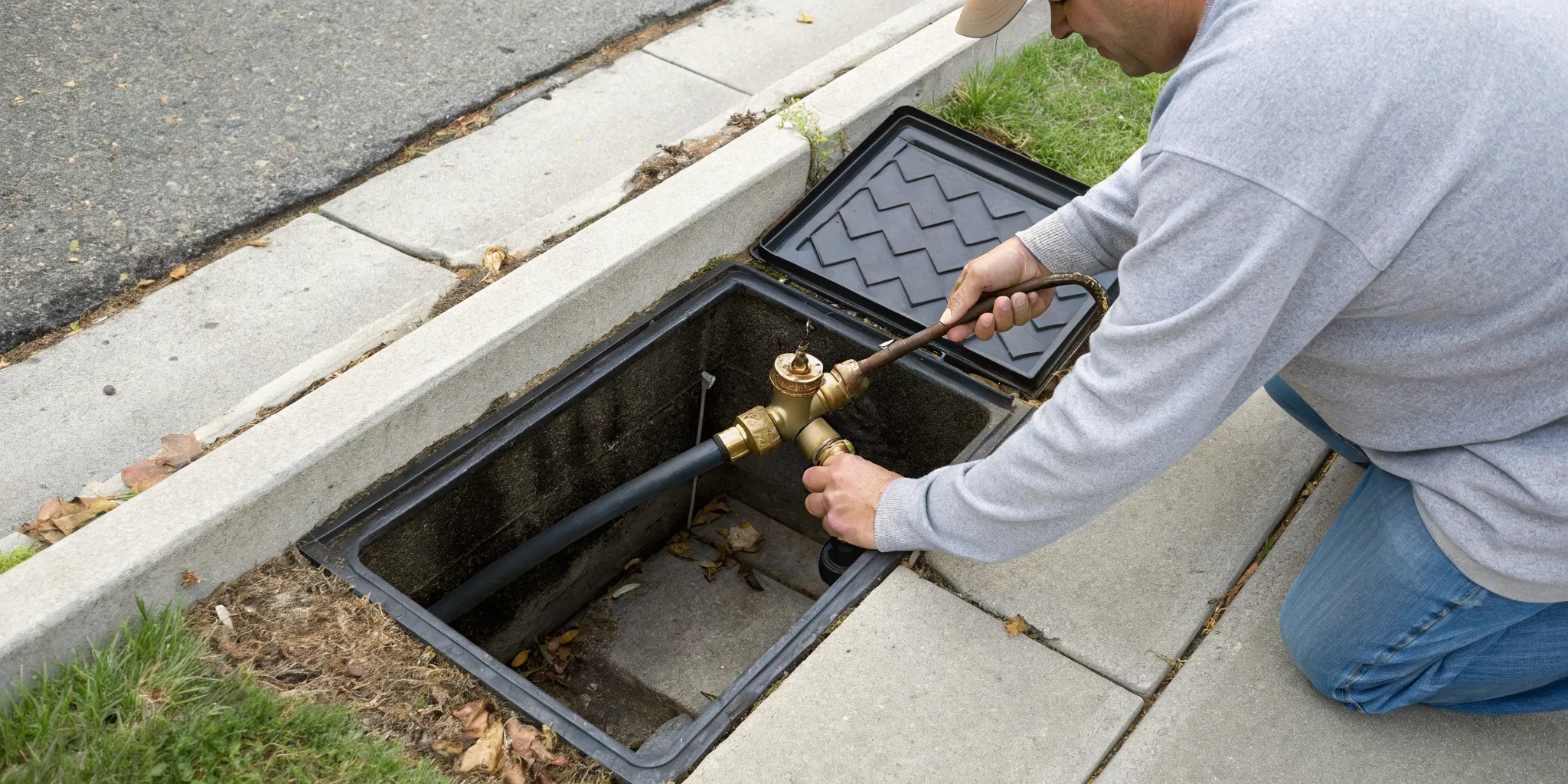

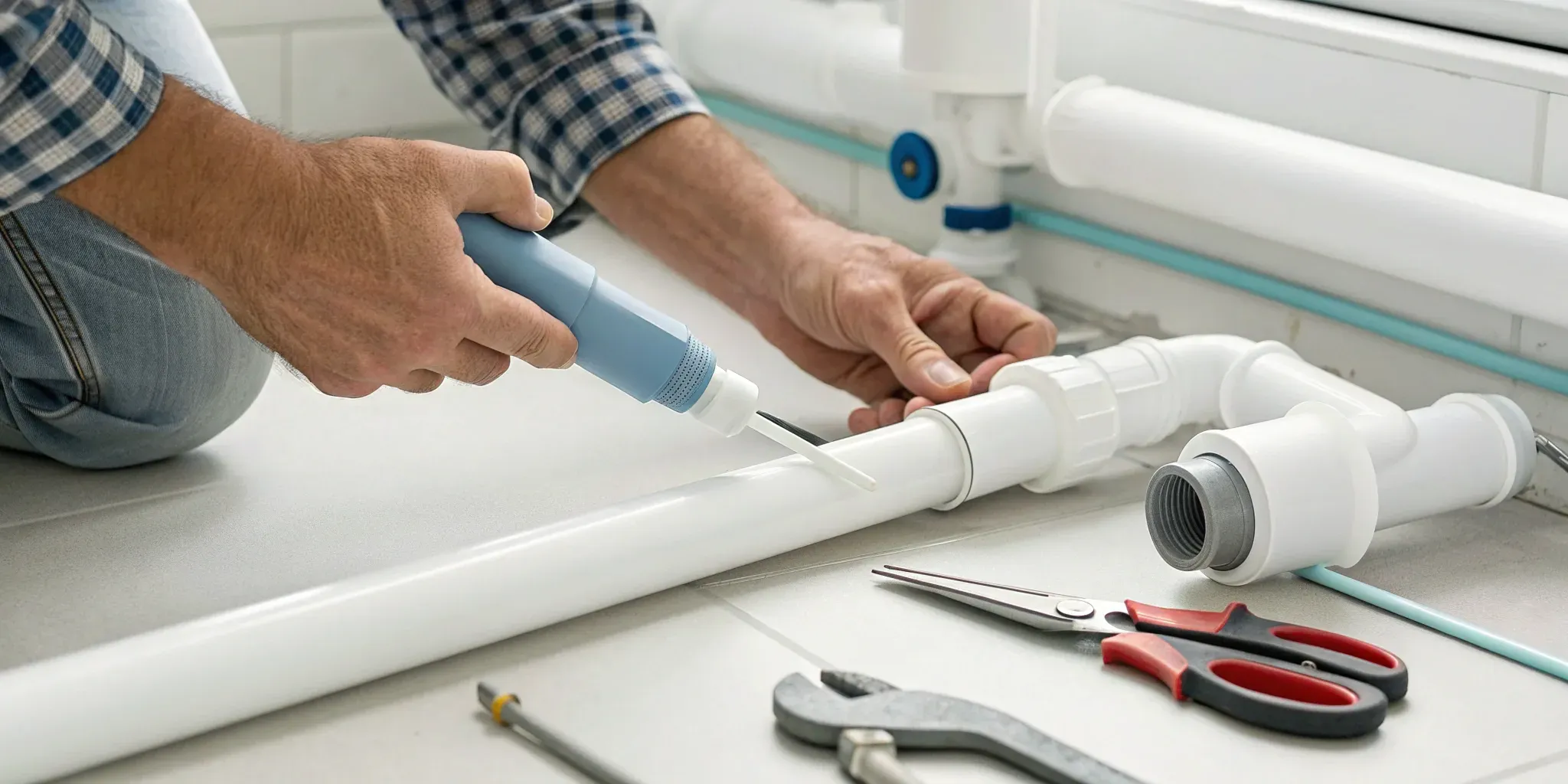
That telltale drip-drip-drip is a sound no homeowner wants to hear. When you find the source is a PVC pipe, a quick fix is top of mind. A good PVC pipe leak sealant can be a fantastic tool for minor issues, giving you the satisfaction of a successful DIY repair. But not all leaks are created equal, and a simple patch isn’t always the answer. I’ll show you how to choose the right product and apply it for a lasting seal. We’ll also cover the common mistakes to avoid and help you recognize the signs that your pipe needs more than a quick fix.
Key Takeaways
- Your repair is only as good as the sealant you choose: Use epoxy putty for significant cracks, liquid sealants for minor joint drips, and specialized tape for a quick, temporary fix until you can get a permanent solution.
- Don’t skip the prep work: A successful, long-lasting seal requires a completely clean, dry, and depressurized pipe. Shutting off the water and cleaning the surface is the most important step for ensuring the sealant bonds correctly.
- Recognize when a patch isn’t enough: Sealants are a great fix for small, isolated leaks, but they can’t solve systemic issues. Recurring drips, widespread pipe degradation, or large cracks are signs that you need a professional to address the root cause.
How Does a PVC Pipe Sealant Stop Leaks?
When you’re dealing with your home’s plumbing, the last thing you want is a leak. That’s where PVC pipe sealant comes in. It’s a special compound designed to create a strong, watertight seal at the joints and connections in your PVC pipes. Essentially, it’s the key to preventing drips and ensuring your entire plumbing system works exactly as it should. Using the right sealant is a fundamental part of many professional plumbing services because it guarantees a secure, long-lasting connection that you can rely on. Without it, even perfectly fitted pipes can eventually leak, leading to water damage and costly repairs.
What Is the Best Sealant for a PVC Pipe Leak?
The best PVC pipe leak sealant depends on the leak. Epoxy putty can temporarily patch a small crack, PVC-compatible silicone or liquid sealant can fill a tiny non-structural gap, and self-fusing silicone tape can provide a short-term wrap. A recurring leak, failed glued joint, long crack, or pressurized-line leak usually needs professional repair or pipe replacement.
| Option | Best for | Main limitation | Typical role |
|---|---|---|---|
| Epoxy putty labeled for PVC | Small accessible crack on a prepared surface | Does not correct a failed joint or widespread damage | Temporary patch |
| PVC-compatible silicone or liquid sealant | Tiny non-structural gap when the label permits | Requires correct preparation and curing conditions | Temporary seal |
| Self-fusing silicone tape | Short-term wrap around a small accessible leak | Not a structural repair | Emergency temporary control |
| Professional repair or replacement | Recurring leak, failed joint, long crack, pressurized leak, or unsafe access | Requires diagnosis and service | Lasting repair |
The Main Types of PVC Sealants
You’ll generally come across two main players in the world of PVC sealants: PVC cement and silicone. PVC cement isn’t just a glue; it’s a solvent that chemically welds the pipe and fitting together, creating one solid piece of plastic. This makes for an incredibly strong and permanent bond. On the other hand, you have silicone sealants. These are more like a flexible gasket. They create a waterproof barrier around the joint that can handle slight movements from temperature changes or vibrations, which is handy in certain situations.
How a Sealant Creates a Watertight Bond
So, how do these sealants actually work? PVC cement works its magic by temporarily softening the surfaces of the pipe and the fitting. When you press them together, the softened plastic literally fuses, and as the cement cures, it hardens into a single, seamless unit. This chemical fusion is what makes the joint so strong and leak-proof. Silicone sealants work differently. Instead of fusing the plastic, they simply stick to the surface of the PVC. This creates a durable, flexible seal that acts as a barrier against water, accommodating minor shifts without breaking its hold.
Why Is My PVC Pipe Leaking?
PVC pipes are a go-to for modern plumbing because they’re durable and affordable. But they aren’t indestructible. A leak can pop up for several reasons, from the way the pipe was installed to the wild weather we get here in Detroit. Understanding what causes a leak is the first step to fixing it right and preventing another one from happening. Let’s look at the most common culprits behind a leaky PVC pipe.
How Temperature Changes Stress Your Pipes
PVC pipes expand and contract with temperature changes. While they can handle a fair amount of this, extreme or rapid swings can cause stress. Think about our Michigan winters—a sudden freeze can put immense pressure on pipes. Over time, this constant movement can weaken the material, and as research shows, “PVC pipes can warp, leading to all sorts of problems… warped pipes can cause water leaks.” This is also true for pipes carrying hot water, which can soften and deform the PVC over the years. Proper pipe insulation is one of the best ways to protect your plumbing from these temperature fluctuations, keeping the pipe’s environment stable and reducing the risk of stress-related cracks and leaks.
The Problem with Loose Joints and Bad Installations
More often than not, a PVC leak isn’t in the pipe itself but at the joint where two pieces connect. These connections are the most vulnerable points in your plumbing system. A leak can happen if the installer didn’t use enough cement, forgot the primer, or simply didn’t create a snug fit. Sometimes, the issue isn’t even the initial installation. As one report notes, plumbers often find leaks at joints “because of soil settling or improper backfilling during installation.” The ground shifting around your home can put pressure on buried pipes, causing joints to loosen or crack. This is why a professional installation is so important—it ensures every connection is secure and built to last against environmental stress.
When Old Pipes Simply Wear Out
Like anything else in your home, PVC pipes have a lifespan. While they can last for decades, they do degrade over time. The quality of the material plays a huge role. As experts point out, “One of the most common reasons for PVC pipe leaks is the use of low-quality materials. Cheap PVC pipes are prone to cracking, breaking, and leaking.” Over the years, the plastic can become brittle and more susceptible to cracking under pressure. Exposure to sunlight can also accelerate this process for any outdoor pipes. Even the constant flow of water and occasional use of harsh chemical drain cleaners can slowly wear down the pipe’s interior. When an old pipe finally gives out, it can lead to a serious mess, often requiring emergency plumbing services.
How to Spot a PVC Leak Early
Catching a PVC pipe leak early can save you from a world of water damage, stress, and expensive repairs. While PVC is a tough material, it’s not indestructible. The key is to pay attention to the subtle clues your home might be giving you. Most signs of a leak fall into a few categories: things you can see, things you can smell, and changes you can feel in your water flow. Being proactive and knowing what to look for means you can address a small drip before it becomes a major problem, keeping your home safe and your plumbing system in top shape.
Visual Clues of a Hidden Pipe Leak
The most obvious signs of a leak are often visual. Keep an eye out for damp spots, discoloration, or peeling paint on walls, ceilings, or floors, especially in areas near plumbing like bathrooms, kitchens, and laundry rooms. You might also notice puddles or unexplained moisture around the base of toilets or under sinks. Don’t forget to check the pipes themselves. Regularly inspect pipe joints and fittings for any signs of trouble, like mineral deposits (which look like white, chalky buildup) or visible moisture. A persistent musty smell is another red flag, signaling that water is sitting somewhere it shouldn’t be. If you suspect an issue, our team can provide a thorough inspection of all your home’s plumbing systems.
Is a Drop in Water Pressure a Sign of a Leak?
Have you noticed your shower feeling a little less powerful lately? A sudden or gradual drop in water pressure is one of the most common indicators of a hidden leak. When water is escaping from a crack or a loose joint somewhere in your PVC pipes, less of it makes it to your faucets and showerheads. This means your water might not flow as strongly as it used to. If you turn on a tap and the stream seems weaker than normal, it’s a clear signal that something is wrong within your plumbing system. A significant drop in pressure could point to a serious leak, so it’s wise to investigate any changes right away to avoid a potential plumbing emergency.
How to Choose the Right Pipe Leak Sealant
Walking down the plumbing aisle can feel overwhelming with so many sealants, tapes, and putties to choose from. Picking the right product isn’t just about stopping a leak; it’s about using the correct solution for the specific problem you’re facing. A tiny drip at a joint needs a different approach than a significant crack in the middle of a pipe. Making the right choice from the start saves you time, prevents a bigger mess, and ensures your repair holds up. Let’s break down the best options based on the type of leak you’re dealing with.
Best for Large Cracks: Epoxy Putty
When you’re facing a more substantial crack in a PVC pipe, epoxy molding putty is your best friend. This stuff is a powerhouse. It’s a two-part adhesive that you knead together to activate, creating a super-strong, waterproof bond. One of its biggest advantages is that it can be applied to wet surfaces, which is incredibly helpful when you can’t get a pipe perfectly dry. Once applied, it hardens like steel. A good quality putty will form a strong bond in about an hour, though it typically takes a full 24 hours to cure completely. For a serious crack, this is a reliable fix, but remember it could be a sign of a larger issue needing professional emergency plumbing services.
Tackling Minor Leaks with Liquid Sealants
For those small, annoying drips, especially around pipe joints and fittings, a liquid sealant is the way to go. A specialized silicone sealant designed for PVC is perfect for filling in tiny gaps and stopping water from seeping out. It’s flexible and creates a durable, waterproof seal. Another option for joints is PVC cement, which works by chemically welding the pieces of plastic together for a permanent bond. When using PVC cement, you need to apply it to both the pipe and the fitting to create a solid connection. These solutions are ideal for minor leaks that don’t compromise the pipe’s overall structure.
Need a Quick Fix? Try Sealing Tapes and Wraps
If you need to stop a leak immediately and don’t have time for a full repair, rubber and silicone repair tape is a fantastic temporary solution. This thick, stretchy tape fuses to itself as you wrap it around the pipe, creating a tight, pressurized seal. To use it, just clean and dry the area as best you can and wrap the tape tightly around the leak, overlapping it as you go. Applying multiple layers ensures a secure hold. While it’s a great quick fix for small leaks, think of it as a bandage, not a cure. It will buy you time to figure out a more permanent solution or call for help.
Using Self-Fusing Silicone Tape for Live Leaks
When you’re dealing with a leak that you can’t completely stop, self-fusing silicone tape is an excellent tool to have on hand. Unlike other tapes, this one doesn’t rely on adhesive; it bonds to itself, creating a seamless, pressurized seal as you stretch and wrap it around the pipe. The key is to pull it tight as you go, overlapping each layer by about half to ensure a solid fusion. This method is effective even on wet surfaces, making it perfect for active drips. While this tape is a lifesaver for preventing immediate water damage, it’s important to view it as a temporary bandage. It gives you the breathing room you need to schedule a permanent fix with a professional. For a leak that requires a quick but temporary stop-gap, this tape is invaluable before you call for emergency plumbing help.
Don’t Forget to Check for Compatibility and Durability
Before you apply any sealant, take a moment to assess the situation. First, check the condition of the pipe itself. If the plastic is brittle, discolored, or has multiple cracks, a simple patch might not be enough—the pipe may need to be replaced entirely. Second, always read the product label. Using the wrong type of glue or sealant for your specific type of plastic can lead to a failed repair and even more leaks down the road. If you’re unsure about the pipe’s condition or which product to use, it’s always better to be safe than sorry. When in doubt, contact a professional who can diagnose the problem correctly and ensure a long-lasting repair.
Matching the Sealant to Your Pipe Material
While this guide focuses on PVC, it’s crucial to remember that your home might have a mix of different pipe materials. The best sealant for the job always depends on what kind of material you’re working with. A product designed for PVC might not bond correctly to copper, galvanized steel, or ABS plastic. Using the wrong sealant can lead to a failed repair and a leak that’s even worse than the original. Always double-check the product label to confirm it’s compatible with your specific pipe type. This simple step ensures you’re creating a strong, lasting bond instead of a temporary fix that will give you headaches later on.
Considering High-Temperature and Drinking Water Safety
Not all pipes carry cold water. If you’re repairing a hot water line, you need a sealant specifically rated for high temperatures. Standard sealants can fail under the heat, breaking down and causing the leak to reappear. Even more important is the safety of your drinking water. If the pipe you’re fixing carries potable (drinkable) water, you must use a product that is certified as non-toxic and safe for this purpose. In the US, look for products with an NSF/ANSI 61 certification. Using an uncertified sealant can leach harmful chemicals into your water supply. This is one area where taking a shortcut is never worth the risk to your family’s health.
Popular Sealant Brands to Look For
When you head to the hardware store, you’ll find a lot of options, but a few trusted names consistently stand out. Brands like Gorilla, GE, and J-B Weld offer a range of reliable epoxy putties and silicone sealants that are great for DIY projects. You’ll also see products from Flex Seal, which are popular for their ease of use in creating a quick waterproof barrier. These brands are widely available and offer clear instructions, making them a solid choice for homeowners tackling a minor leak. While these products are effective for many common repairs, remember that a professional plumber often uses specialized, contractor-grade materials for a more permanent and robust solution, especially for complex issues like backflow preventer repairs or major pipe replacements.
Sealing Threaded Pipe Connections
Sometimes, a leak isn’t from a crack but from where two threaded pipes meet. These connections are common, but they aren’t naturally waterproof because the threads have tiny gaps that let water seep through. To create a truly leak-proof seal, you need a thread sealant. This step is crucial for ensuring your connections are secure and dry, whether you’re installing a new faucet or repairing a pipe. Let’s look at the most common and effective ways to get the job done right.
Using Plumber’s Tape (Teflon Tape)
Plumber’s tape, often called Teflon tape, is a go-to for many DIY plumbing projects. It’s a thin, non-sticky tape you wrap around the male threads of a pipe before screwing it into a fitting. As you tighten the connection, the tape compresses into the gaps between the threads, creating a physical barrier that stops water from escaping. The key is to wrap it in the same direction the fitting will tighten—usually clockwise. Apply three to five snug wraps, ensuring the tape conforms to the threads without bunching up. This simple tool is incredibly effective for creating a reliable seal.
Applying Pipe Joint Compound (Pipe Dope)
Another excellent option is pipe joint compound, also known as pipe dope. This is a thick paste that you brush directly onto the male threads. Unlike tape, pipe dope acts as both a sealant and a lubricant. It fills the gaps to prevent leaks and helps the fittings screw together more smoothly, allowing for a tighter connection without damaging the threads. Pipe dope is particularly useful for connections that might experience vibrations or temperature changes, as it remains pliable and maintains its seal. While it can be messy, its ability to create a durable seal makes it a professional favorite.
The Professional Method: Combining Tape and Compound
For the most critical connections where a leak would be disastrous, the best approach is using both plumber’s tape and pipe joint compound. This is the belt-and-suspenders method many professional plumbers rely on for maximum security. First, wrap the male threads with plumber’s tape as you normally would. Then, apply a thin layer of pipe dope over the tape. This combination gives you the best of both worlds: the tape fills the larger gaps, while the compound provides an extra layer of sealing and lubrication. This technique ensures a strong, leak-proof seal for important installations like sump pumps or backflow preventers.
Can You Seal a Pressurized PVC Leak Without Turning Off the Water?
Do not rely on a standard sealant as a permanent repair while a PVC line is pressurized. Shut off and drain the line whenever possible so the surface can be prepared and the product can cure as directed. A product specifically labeled for wet surfaces or live leaks may reduce a small leak temporarily, but active spraying, structural damage, or water near electricity requires professional help.
How to Apply PVC Pipe Sealant in 3 Simple Steps
Ready to tackle that pesky PVC leak? With the right sealant and a little bit of prep, you can create a strong, durable seal. Following these steps carefully will help you get a professional-quality result and stop that drip for good. Let’s walk through the process together.
Step 1: Clean and Prep the Pipe Surface
Think of this as setting the stage for a successful repair. A clean, dry surface is non-negotiable for a sealant to bond properly. First, and most importantly, shut off the water supply to the pipe you’re working on. Next, clean the area around the leak thoroughly with a cloth to remove any dirt or grime. Once it’s clean, dry the pipe completely. For the best adhesion, you can lightly scuff the surface with a piece of fine-grit sandpaper. This creates a slightly rough texture that helps the sealant grip the PVC and form a stronger bond. Don’t skip this step—proper prep work makes all the difference.
Step 2: Apply the Sealant for a Perfect Seal
Now that your pipe is prepped, it’s time to apply the sealant. Always start by reading the instructions on the product you’ve chosen, as application methods can vary. If you’re using epoxy putty, you’ll need to knead it until it reaches a single, uniform color—this is what activates it. Wearing gloves, press the putty firmly over and into the crack or leaky joint. Make sure you extend the putty about an inch beyond the damaged area on all sides. Smooth the edges to create a tapered, seamless patch. The goal is to create a watertight seal that completely covers the source of the leak without any gaps.
Step 3: Give It Time to Cure Properly
This last step is all about patience. After you’ve applied the sealant, it needs time to cure, which means it has to harden and bond completely with the pipe. The packaging will give you a specific curing time, and it’s crucial to follow it. While some products might feel hard to the touch within an hour, they often require a full 24 hours to reach maximum strength and durability. Resist the temptation to turn the water back on early, as the pressure can ruin your fresh repair. Just let the sealant do its job undisturbed. A proper curing process ensures your fix will be long-lasting and reliable.
DIY Pipe Sealing: Mistakes to Avoid
Fixing a small PVC pipe leak can feel like a major win. You found the problem, you have the sealant, and you’re ready to save the day. But a few common missteps can quickly turn that victory into a much bigger, wetter problem. Rushing the job or using the wrong materials can mean the leak comes right back, often worse than before.
Think of it this way: a successful repair isn’t just about plugging a hole. It’s about creating a durable, long-lasting seal that can handle the pressure and temperature changes in your plumbing system. Taking a few extra minutes to do it right can save you from a costly emergency call later. Let’s walk through the most frequent mistakes people make when sealing PVC pipes and how you can steer clear of them for a successful fix.
Why You Can’t Skip the Prep Work
It’s tempting to just wipe the leaky spot and slap on some sealant, but proper preparation is the most critical step for a lasting repair. If the pipe surface isn’t perfectly clean and dry, the sealant won’t be able to create a strong bond, and your leak will reappear. Before you even open the sealant, shut off the water supply to the pipe and drain any remaining water. Then, thoroughly clean the area around the leak with a cloth to remove any dirt, grease, or moisture. For the best adhesion, you can even lightly sand the surface. Also, take a moment to check nearby joints and tighten any loose nuts—just be careful not to overtighten them.
Using the Wrong Sealant for the Job
Walking down the adhesive aisle at a hardware store can be overwhelming. There are dozens of products all claiming to be the best, but not every sealant is right for every job. Using a product that isn’t specifically designed for pressurized PVC pipes is a recipe for failure. Low-quality or incorrect sealants can crack, fail to cure properly, or even react poorly with the plastic, weakening the pipe over time. Always read the manufacturer’s instructions carefully to ensure the product is compatible with your pipes and is rated for the pressure and temperature it will be exposed to. When in doubt, sticking with a manufacturer-approved primer and cement is a reliable choice for many plumbing repairs.
Applying Sealant to a Wet Pipe
In a moment of panic, it’s natural to want to stop a leak as fast as possible, but applying sealant while water is still flowing is one of the biggest mistakes you can make. The pressure from the water will push the sealant out of the crack before it has a chance to bond and cure, making your efforts completely useless. You must shut off the water supply first. While some specialty epoxy putties are designed to be applied to damp surfaces, they are the exception, not the rule. For most liquid sealants, tapes, and cements, the surface needs to be completely dry. Trying to patch a pressurized pipe is a guaranteed way to waste time and materials, and it won’t solve your emergency plumbing problem.
When Is a Pipe Leak Sealant Not Enough?
PVC sealants are fantastic tools to have in your DIY toolkit, but they aren’t a magic wand for every plumbing problem. While a quick patch can feel like a victory, it’s important to recognize when you’re dealing with a symptom of a much larger issue. Applying sealant to a pipe that’s truly on its last legs can create a false sense of security and lead to a much bigger, wetter disaster down the road. Knowing the difference between a simple fix and a serious failure is the key to protecting your home. Let’s walk through the signs that tell you it’s time to put the putty down and call for a professional opinion.
Is PVC Pipe Leak Sealant a Temporary or Permanent Fix?
PVC pipe leak sealant is usually a temporary patch when the pipe or joint itself is damaged. It may hold on a small, accessible, non-structural leak when the correct product is applied exactly as labeled, but it does not correct a failed joint, movement, recurring pressure problem, or widespread pipe damage.
| A patch may be reasonable | Plan a professional repair or replacement |
|---|---|
| Small, accessible, non-structural leak | Recurring leak or failed glued joint |
| Water can be shut off and the pipe drained | Active spraying or a line that cannot be safely depressurized |
| Product label confirms PVC compatibility and application conditions | Long crack, gash, movement, or widespread damage |
| Repair can be monitored after curing | Hidden/hard-to-reach pipe, unsafe access, or water near electricity |
The Reality of Sealing Wet Surfaces
When you’re faced with a leaking PVC pipe, the immediate urge is to stop the water by any means necessary, which often means trying to apply a sealant directly onto the wet surface. However, this approach is almost always a recipe for failure. In fact, applying sealant while water is still flowing is one of the biggest mistakes you can make. The pressure from the escaping water can easily push the sealant out of the crack before it has a chance to bond and cure, rendering your efforts useless. While a few specialty epoxy putties are designed for damp conditions, the vast majority of liquid sealants, tapes, and cements require a completely dry surface to form a strong connection. If the pipe surface isn’t perfectly clean and dry, the sealant won’t be able to create a strong bond, and your leak will reappear. Taking the time to shut off the water and thoroughly dry the area is the only way to ensure your repair is effective and lasts. If you can’t get the water to stop, it’s a sign you need emergency plumbing help.
Identifying Leaks That Are Too Big to Seal
Sealants work by bonding to the pipe’s surface to cover a small breach. Their effectiveness depends entirely on the size of the damage. If you’re looking at a long, splintering crack or a hole larger than a pinhead, a sealant simply won’t have the structural integrity to hold back the water pressure. Attempting to patch a significant break is a losing battle; the water will almost always win. This is particularly true for pipes that have burst after freezing, as the damage is often extensive. In these cases, the only reliable solution is to have a professional perform a frozen pipe repair by replacing the entire damaged section.
Warning Signs: When You Need More Than a Sealant
Sometimes, the leak itself is just one clue that your pipe needs more serious attention. Take a moment to look at the bigger picture. Do you notice any discoloration, flaking, or warping along the pipe? Are there signs of corrosion or a buildup of mineral deposits around the joints and fittings? These are all red flags that the pipe material is degrading from the inside out. Recurring leaks in the same general area are another strong indicator that you’re dealing with a systemic issue, not an isolated flaw. Patching one spot won’t stop the next one from appearing. A thorough inspection can uncover the root cause and prevent a cycle of endless repairs.
Repair or Replace? When to Call It on an Old Pipe
A good sealant can be a lifesaver for a minor leak, but it’s not a cure-all. Sometimes, a leaking pipe is a symptom of a much larger problem that a patch just can’t fix. Knowing when to repair a small section versus replacing the whole system can save you from future headaches, water damage, and surprise costs. If you’re dealing with a persistent pipe problem, it’s time to look at the bigger picture and decide if it’s time to say goodbye to that old pipe for good.
How to Spot Widespread Pipe Damage
One leak can be an anomaly; several leaks are a pattern. If you find yourself playing a constant game of whack-a-mole with new drips and cracks, your plumbing system is trying to tell you something. This is especially true if your home has older, low-quality PVC pipes, which are much more prone to cracking and breaking. Other red flags include recurring clogs, a noticeable drop in water pressure across your home, or water that looks rusty or discolored. Patching these issues one by one is a temporary fix that ignores the root cause: the pipes themselves are failing. When damage is this widespread, a full replacement is often the most effective solution to prevent a major plumbing emergency.
Does Your Pipe’s Age Matter?
Like everything else in your home, pipes have a lifespan. While PVC is durable, it doesn’t last forever. Over the decades, pipes can become brittle, change color, or even start to warp and sag, which can lead to serious leaks and water damage. Take a look at any visible pipes in your basement or crawlspace. Do they look bowed or stressed? Are the fittings showing signs of corrosion or mineral buildup? If your home is several decades old and still has its original plumbing, it’s worth considering a replacement even before major problems start. A proactive upgrade protects your home and gives you peace of mind.
The Cost Breakdown: Repairing vs. Replacing
It’s easy to see a single repair as the more budget-friendly option, but that’s not always the case in the long run. The costs of repeated service calls, materials for patching, and cleaning up minor water damage can add up quickly. Sometimes, a pipe joint leaks simply because the ground has settled over time, putting stress on the connection. While you can fix that one joint, the same stress is likely affecting the entire line. A full pipe replacement is a significant investment, but it’s one that secures your home’s plumbing for decades to come. If you’re unsure which path to take, we can help you assess the situation and provide a clear estimate for all your plumbing service options.
Proactive Tips for Preventing Pipe Leaks
The best way to deal with a pipe leak is to prevent it from ever happening. While sealants are great for a quick fix, a little proactive care can save you from the stress and expense of water damage in the first place. By incorporating a few simple checks into your home maintenance routine, you can catch potential problems early and keep your plumbing system running smoothly. These habits don’t take much time, but they can make a huge difference in protecting your home and your peace of mind.
Perform Regular Plumbing Inspections
You don’t have to be a plumbing expert to keep an eye on your pipes. Making a habit of regularly checking your plumbing can help you spot small issues before they become big problems. Once every few months, take a flashlight and look at the visible pipes under your sinks, in your basement, and around your water heater. You’re looking for any signs of trouble: slow drips, rust spots, bulging or warping, and white, chalky mineral deposits around fittings. Catching these early warning signs allows you to address them before they lead to a full-blown leak. If you notice anything that doesn’t look right, a professional plumbing inspection can give you a clear picture of your system’s health.
Protect Your Drains to Prevent Clogs
What you put down your drains has a direct impact on the health of your pipes. Clogs are more than just an inconvenience; they create pressure buildup that can stress pipe joints and lead to leaks. One of the biggest culprits is grease. It might be liquid when it’s hot, but as it cools, it solidifies inside your pipes, creating a stubborn blockage. Instead of pouring grease down the drain, let it cool and dispose of it in the trash. The same goes for coffee grounds, food scraps, and so-called “flushable” wipes, which don’t break down and can easily cause a backup. Keeping your drains clear is a simple yet effective way to prevent leaks and protect your entire plumbing system.
Monitor Your Water Bill for Hidden Leaks
Your water bill is one of the most useful tools for detecting a hidden leak. If you notice a sudden, unexplained spike in your monthly bill, it’s a major red flag that water is escaping somewhere you can’t see. A hidden leak behind a wall, under a floor, or in your home’s foundation can waste hundreds of gallons of water and cause serious structural damage over time. Make a habit of comparing your bills from month to month. If your usage habits haven’t changed but your bill has shot up, it’s time to investigate. You can start by checking your water meter for movement when all faucets are off, but a persistent issue warrants a call to a professional to find and fix the source.
Consider Installing Water Alarms
For an extra layer of protection, consider placing water alarms in leak-prone areas of your home. These small, inexpensive devices are like smoke detectors for water. You can put them on the floor near your water heater, washing machine, dishwasher, and sump pump, or under sinks in your kitchen and bathrooms. The moment they detect moisture, they emit a loud alarm, giving you an early warning of a leak. This can be the difference between wiping up a small puddle and dealing with a flooded basement. An early alert gives you the chance to shut off the water and address the problem before it causes catastrophic damage, making these simple sensors a smart investment for any homeowner.
DIY vs. Calling a Pro: Making the Right Choice
Tackling a home repair project yourself can be incredibly satisfying. A quick trip to the hardware store, a little bit of elbow grease, and you’ve saved yourself some money and earned some serious bragging rights. When it comes to plumbing, a simple PVC pipe leak seems like a perfect candidate for a DIY fix. And sometimes, it is! Using a sealant for a tiny drip can be a straightforward and effective solution.
However, not all leaks are created equal. What looks like a minor issue on the surface can sometimes be a symptom of a much larger problem. A botched repair can quickly turn a small puddle into a major flood, causing extensive water damage and a much bigger bill than you were trying to avoid. The key is knowing where to draw the line. Understanding the risks involved and recognizing the signs that a problem is beyond a simple patch job will help you decide whether to grab your tools or your phone. Making the right call protects your home, your wallet, and your peace of mind. If you’re ever on the fence, remember that professional plumbing solutions are designed to be long-lasting.
Safety First: Tips for Your DIY Repair
If you decide to handle the repair yourself, safety should be your top priority. Before you do anything else, make sure the water supply to the pipe is completely shut off. Applying sealant to a pressurized pipe is a recipe for a mess and an ineffective seal. Next, gather the right tools and materials. It can be tempting to grab the cheapest option, but low-quality PVC pipes and fittings are prone to cracking and breaking. Using quality materials is your best defense against future leaks. Also, be aware that PVC pipes can warp from heat or stress, which can lead to new leaks and water damage down the line.
Be Mindful of Electrical Hazards
When you’re focused on stopping a leak, it’s easy to overlook other dangers, but you absolutely have to be mindful of electrical hazards. Water and electricity are a dangerous combination, and standing water can pose a serious risk, especially if it’s near outlets, appliances, or hidden wiring. Before you start any repair, it’s a good practice to shut off the power to the circuits in that area of your home, not just the water. If you notice water pooling around any electrical components, the situation has become too risky for a DIY fix. Your safety is always more important than a pipe. In a scenario like that, the smartest and safest move is to step back and call for emergency plumbing help right away.
Know When to Call a Professional Plumber
Some plumbing problems are best left to the professionals. If you’re dealing with a recurring leak in the same spot, a sealant is likely just a temporary bandage for a deeper issue. Leaks at joint areas are also tricky, as they can be caused by things like soil settling or improper installation—problems you can’t fix with a tube of epoxy. A professional plumber has the experience to spot these underlying causes. They can also identify issues like corrosion or mineral buildup that might be compromising your entire system. When a leak is widespread, located in a hard-to-reach area, or you simply feel out of your depth, it’s time to call for help. A professional can provide a permanent solution and prevent a minor drip from becoming an emergency plumbing situation.
Sealant can buy you time, but it cannot correct a failing joint, recurring leak, or damaged pipe. If you need a lasting repair, contact Mr. Pipey to have a licensed and insured plumber diagnose the leak and recommend the right fix. Learn more about professional leaking pipe repair.
Mr. Pipey is a Detroit-based, licensed and insured plumbing contractor serving Metro Detroit, with 24/7 emergency help and a 100% satisfaction guarantee.
Related Articles
- Repair & Emergency Solutions
- Plumbing Maintenance & Prevention
- How to Repair an Instant Water Heater: A DIY Guide
- DIY Garbage Disposal Repair: A Step-by-Step Guide
Frequently Asked Questions
What is the best sealant for a PVC pipe leak?
Use a product labeled compatible with PVC and match it to the leak. Epoxy putty can patch a small crack, while PVC-compatible silicone or liquid sealant suits tiny non-structural gaps; recurring leaks and failed joints need repair, not another coating.
How do you seal a leaking PVC pipe?
Shut off and drain the line, clean and prepare the surface, apply a PVC-compatible product exactly as its label directs, and allow the full cure time before restoring pressure. If the leak returns or the pipe is structurally damaged, arrange a professional repair.
Can you fix a leaking PVC joint without cutting it?
A compatible wrap or epoxy may temporarily slow a small joint leak, but a leaking glued joint often indicates a failed connection or movement. A lasting fix may require removing and rebuilding the joint.
Will Flex Seal work on a leaking PVC pipe?
A flexible coating may slow a small surface leak only if its label confirms PVC compatibility and the application conditions match. It should not be treated as a permanent fix for a pressurized leak, failed joint, long crack, or recurring problem.
How long does PVC pipe leak sealant last?
Service life depends on the product, preparation, leak type, pressure, temperature, and pipe condition. Follow the product label, monitor the repair, and treat any recurring leak as evidence that the pipe or joint needs a lasting repair.
When should I call a plumber for a PVC leak?
Call a plumber for a recurring or spraying leak, a failed glued joint, a long crack, widespread damage, unsafe access, or water near electrical components. Professional diagnosis is also the right next step when a patch does not hold.