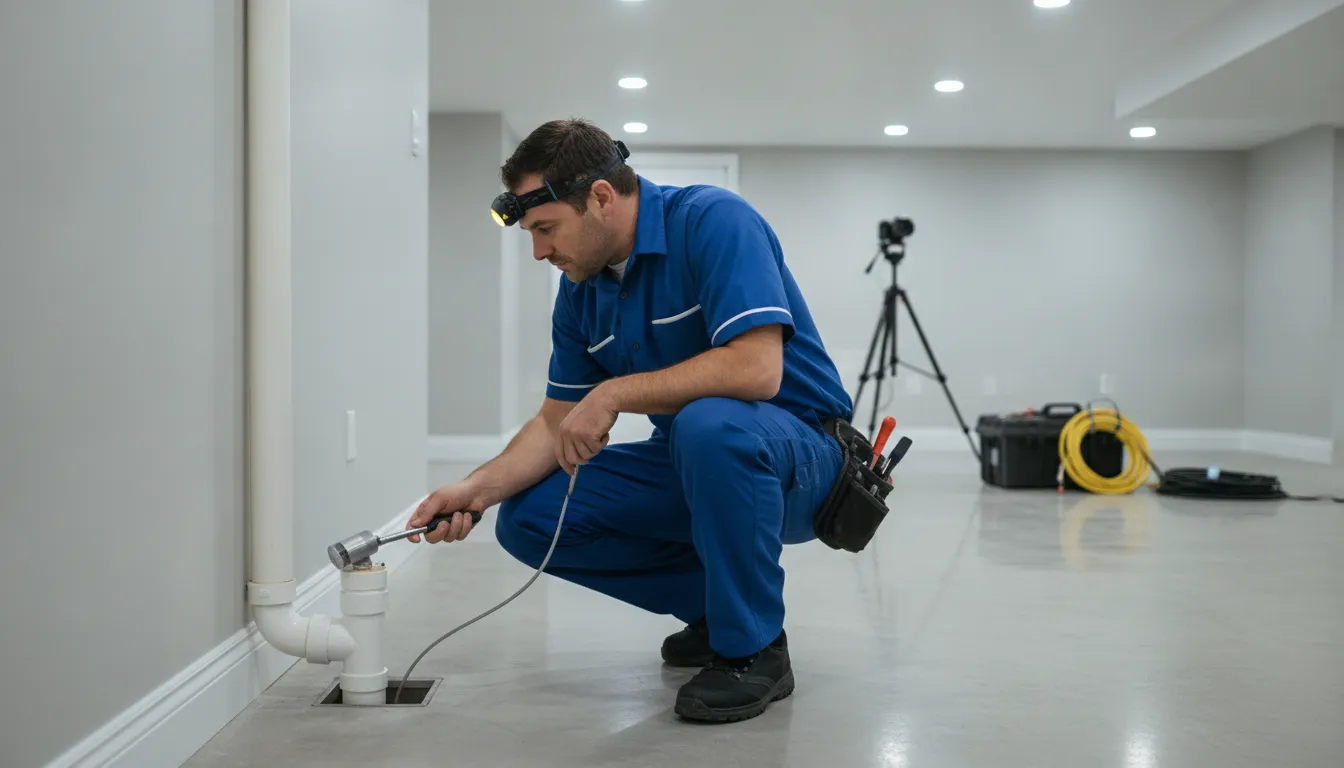


That blast of icy water in the shower? It’s the absolute worst. A broken water heater can throw your entire day off track, but the breakdown rarely happens without warning. Your appliance was likely sending you subtle signals for weeks, maybe even months. From a slight drop in water pressure to faint popping sounds from the basement, these are clues that trouble is brewing. We’ll help you tune into what your water heater is telling you, so you can address problems early and know exactly when to call for water heater repair.
Key Takeaways
- Know When Your Heater Needs Help: Don’t ignore symptoms like lukewarm water, rumbling sounds, or small puddles at the base of the unit. These are direct signals that a component is failing, and an early inspection can save you from a complete breakdown and costly water damage.
- Leave Complex Repairs to the Experts: Water heaters involve high-voltage electricity or gas lines, making most repairs too dangerous for a DIY project. Hiring a licensed, insured plumber ensures the job is done safely and correctly, protecting your home and keeping your warranty intact.
- Protect Your Investment with Simple Maintenance: After a repair, keep your water heater running efficiently by flushing the tank annually to remove sediment and having the anode rod checked every few years. These simple steps can significantly extend the life of your unit and prevent future problems.
5 Signs You Need Water Heater Repair
Let’s be honest, most of us don’t think about our water heater until a cold shower forces us to. But these workhorse appliances usually give us a few warning signs before they quit completely. Paying attention to these clues can help you catch a small problem before it turns into a major, floor-soaking headache. Knowing what to look and listen for is the first step in keeping your home’s hot water supply running smoothly.
Some signs are subtle, like a slight change in water temperature, while others are much more obvious, like a puddle forming on your utility room floor. Ignoring these signals can lead to more extensive damage and costlier repairs down the line. If your water heater is acting up, it’s trying to tell you something. A quick inspection can help you decide if it’s time to call in a professional. At Mr. Pipey, we handle all kinds of plumbing services and can help you figure out exactly what your water heater needs to get back in working order. We’ve seen it all, from minor thermostat adjustments to complete replacements, and we know how disruptive a faulty water heater can be to your daily routine.
Your Hot Water Doesn’t Last
Is your morning shower getting shorter because the hot water runs out too fast? Or maybe the water temperature swings from hot to lukewarm without you touching the faucet. This is one of the most common signs that your water heater needs attention. Consistent hot water is something we all rely on, so when it becomes unpredictable, it’s a clear signal that a component, like a heating element or thermostat, might be failing. Don’t just put up with inconsistent temperatures; it’s a problem that a professional can diagnose and fix, often without needing to replace the entire unit. Getting it checked out early can save you from a completely cold shower down the road.
Lukewarm Water and Broken Dip Tubes
Sometimes the issue isn’t a lack of hot water, but water that just never gets hot enough. If your taps are only producing lukewarm water, a broken dip tube could be the culprit. Inside your tank, the dip tube is a long plastic pipe that directs incoming cold water to the bottom of the tank to be heated. When it cracks or breaks, cold water gets released at the top, mixing with the hot water that’s ready to be used. This results in that frustratingly tepid temperature. It’s a clear sign your water heater is acting up and needs a professional look. A plumber can quickly diagnose the issue and replace the tube, restoring your hot water supply without needing to replace the entire unit. It’s one of those plumbing repairs that’s best left to an expert who can get it done right.
Water That’s Too Hot: A Thermostat Issue
On the flip side, water that’s dangerously hot is a serious problem, especially if you have kids or elderly family members at home. If your water is scalding, the thermostat is the first thing to check. Most experts recommend a setting of 120°F to prevent burns while still killing off bacteria. If you adjust the dial and the water temperature doesn’t change, the thermostat is likely faulty. This isn’t a DIY fix. Water heaters involve high-voltage electricity or natural gas lines, and working on them without proper training is incredibly risky. For your safety, it’s always best to call a professional. If you’re dealing with dangerously hot water, don’t hesitate to call for emergency service to protect your family from potential harm.
Rumbling, Popping, or Whining Noises
Your water heater should operate pretty quietly. If you start hearing popping, rumbling, or gurgling sounds coming from the tank, it’s not just settling. These noises are often caused by a buildup of sediment and minerals at the bottom of the tank. As the water heats, it gets trapped under the sediment and boils, creating those popping sounds. This buildup not only makes your heater less efficient, forcing it to work harder and use more energy, but it can also cause long-term damage to the tank itself. A professional flush can often solve the problem, quiet things down, and restore your heater’s efficiency.
Visible Leaks or Puddles
Water pooling around the base of your water heater is a major red flag that should never be ignored. Take a close look to see where it’s coming from. It could be a simple fix, like a loose valve or a leaking connection, or it could be a sign of a much bigger issue, like a crack in the tank itself. Any leak, no matter how small, needs immediate attention to prevent water damage to your floors, walls, and home structure. A leaking tank is often considered an emergency plumbing situation, so it’s best to shut off the water supply to the heater and call for help right away.
Failed Temperature and Pressure (T&P) Valve
Sometimes, the leak originates from a specific part called the Temperature and Pressure (T&P) relief valve. This crucial component is a safety feature designed to automatically release water if the temperature or pressure inside the tank gets too high. If you notice a steady drip from this valve, it’s a sign of trouble. While it could indicate that the pressure or temperature settings are too high, it often means the valve itself has failed. A faulty T&P valve is a serious safety risk because it might not work when you need it most. This isn’t a DIY fix; replacing it requires a professional to ensure your system is protected.
Worn-Out Gaskets and Connections
Leaks often appear where pipes connect to the water heater. Over time, the constant expansion and contraction from temperature changes can cause these connections to loosen. You can take a look and see if any fittings around the pipes or valves seem loose, but be careful not to overtighten them, as that can strip the threads and make the leak worse. Another common culprit is a worn-out gasket. These rubber seals sit between metal parts and can degrade over the years, eventually allowing water to seep through. If you’ve ruled out a loose connection, a bad gasket is the likely problem. For these kinds of persistent leaks, it’s best to get professional plumbing services to ensure the repair is handled correctly.
Discolored or Rusty Water
If you turn on the hot water tap and see discolored or rusty water, it’s a serious warning sign. This usually means the inside of your water heater tank is corroding from the inside out. Every tank has a component called an anode rod, which is designed to corrode first to protect the tank lining. However, this rod gets used up over time. Once rust appears in your hot water, it often indicates that the anode rod is gone and the tank’s structural integrity is compromised. This is a problem you’ll want to address quickly to ensure your water supply is clean, safe, and not about to cause a major leak.
A Sudden Drop in Water Pressure
Have you noticed that the water pressure from your hot water taps is weaker than the cold? This can be another symptom of sediment buildup inside your water heater tank. Over the years, mineral deposits from the water can accumulate and harden at the bottom of the tank. Eventually, these particles can get into your plumbing, clogging the pipes leading out of your heater and restricting water flow. This reduces the hot water pressure throughout your home. A professional plumber can flush the tank to clear out the debris and help restore your hot water pressure to its normal strength, making your showers enjoyable again.
Smelly or Foul-Odor Water
If turning on your hot water releases a smell like rotten eggs, you’re not just imagining it. That distinct sulfur smell is a classic sign of bacteria growing and thriving inside your water heater tank. This often happens when the water temperature is set too low, creating a warm, welcoming environment for these smelly microbes to multiply. While it’s tempting to just ignore it and hope it goes away, that foul odor is a clear signal that your tank needs a good cleaning to ensure your water is fresh and safe to use.
The most effective solution is to flush the tank to remove the bacteria and the sediment they live in. A persistent odor can also indicate a more serious problem, like a completely corroded anode rod that is no longer protecting your tank. Because this issue involves both water quality and the health of your appliance, it’s best to have a professional plumber handle it. At Mr. Pipey, we can thoroughly flush your system, check the anode rod, and make sure your water is clean and odor-free again, giving you peace of mind.
What Does a Water Heater Repair Service Include?
When your water heater acts up, you might wonder what a professional plumber actually does to fix it. A comprehensive repair service isn’t just about patching a single problem; it’s about diagnosing the root cause to ensure a lasting solution. A qualified plumber will start by thoroughly inspecting your unit to pinpoint exactly what’s wrong. Whether you’re dealing with lukewarm water, strange noises, or a puddle on the floor, their goal is to get your system back in safe, working order.
A typical service call covers a wide range of potential issues. The plumber will check everything from the heating mechanism to the structural integrity of the tank itself. Depending on their findings, the repair could involve replacing specific parts, performing essential maintenance, or addressing safety concerns related to gas or electrical connections. Understanding what these services entail can help you feel more confident when you make the call for a repair.
Fixing Heating Elements and Thermostats
If your water is consistently cold or scalding hot, the problem often lies with the heating elements or the thermostat. In an electric water heater, two heating elements are responsible for warming the water; if one burns out, you’ll run out of hot water much faster. The thermostat acts as the brain, telling the elements when to turn on and off. A faulty thermostat can lead to inconsistent temperatures. A professional plumber can quickly test these components, identify the malfunctioning part, and replace it to restore reliable hot water to your home.
Troubleshooting Tripped Circuit Breakers
If your electric water heater suddenly goes cold, your first stop should be the circuit breaker panel. A tripped breaker is a safety feature designed to cut power when it detects a problem. Before you do anything else, try resetting it by flipping the switch completely to the “Off” position and then back to “On.” If it stays on, you might be in the clear. However, if the breaker trips again right away or soon after, you have a bigger issue on your hands. This often signals an overloaded circuit or a short in one of the water heater’s components, like a failing heating element. Constantly resetting a breaker that wants to stay off is a serious fire risk. This is where DIY stops and professional help begins. Persistent electrical issues with a water heater are considered an emergency plumbing situation, and it’s crucial to call a licensed professional to safely diagnose the problem and prevent further damage.
Tank Flushing to Clear Out Sediment
Have you ever heard a popping or rumbling sound coming from your water heater? That’s often the sound of sediment buildup. Over time, minerals from your water supply settle at the bottom of the tank, creating a layer of gunk. This sediment can insulate the water from the heating source, forcing your unit to work harder and less efficiently. A key part of many repair and maintenance services is flushing the tank to clear out this debris. This simple step can quiet those strange noises, improve efficiency, and extend the life of your water heater.
Leak Detection and Repair
A puddle around your water heater should never be ignored. While it can cause a panic, a leak doesn’t always mean you need a new unit. A professional plumber will investigate the source of the water, which could be anything from a loose drain valve to a faulty temperature and pressure relief valve. They can tighten connections or replace worn-out parts to stop the drip. However, if the leak is coming from the tank itself, it often indicates internal corrosion and means a replacement is necessary. A thorough diagnosis is key to determining the right fix for all your plumbing needs.
Pilot Light and Gas Line Service
For those with gas water heaters, a pilot light that won’t stay lit is a common headache. This issue usually points to a problem with the thermocouple, a safety device that shuts off the gas if the flame goes out. It could also be an issue with the pilot assembly or the main gas valve. Because these repairs involve working directly with your home’s gas line, it’s crucial to leave them to a trained professional. A licensed plumber can safely troubleshoot the problem, replace the necessary parts, and ensure your system is operating correctly and without risk.
Addressing Blocked Vents and Gas Supply Issues
If you have a gas water heater, problems can sometimes extend beyond the tank itself to the ventilation and gas supply systems. For instance, the exhaust vent leading outside can get blocked by things like snow, leaves, or even a bird’s nest, which restricts airflow and can cause your heater to overheat or shut down. Similarly, if the pilot light keeps going out, it could signal a problem with the gas supply, such as a malfunctioning thermocouple or a faulty gas valve. These components are critical for safe operation, and any issues with them should be handled with extreme care. Because these repairs involve your home’s gas line, they are considered an emergency plumbing situation and are definitely not a DIY project. It’s essential to call a licensed professional who can safely diagnose and fix the problem, ensuring your system runs efficiently and without risk.
24/7 Emergency Water Heater Repair
Some water heater problems can’t wait. A major leak can flood your basement, and a total loss of hot water during a Michigan winter is more than just an inconvenience. That’s when you need a plumber who offers emergency plumbing services. A reliable company will have technicians available 24/7 to handle urgent situations, preventing costly water damage and restoring your hot water quickly. Knowing you have a trusted expert to call gives you peace of mind that help is on the way, no matter the time of day.
Common Issues with Tankless Water Heaters
Tankless water heaters are fantastic for providing hot water on demand and saving energy, but they aren’t immune to problems. Unlike traditional tank heaters that mainly struggle with sediment and tank corrosion, tankless models have their own unique set of challenges. These high-tech units are more complex, with sensitive electronic components and heat exchangers that require specific care. If you’ve made the switch to a tankless system, knowing what to watch for can help you keep it running efficiently and avoid a sudden, cold surprise. Understanding these common issues will help you identify when it’s time to call for a professional diagnosis.
Mineral Buildup and Scaling
One of the most frequent problems for tankless water heaters, especially in areas with hard water, is mineral buildup, also known as scaling. Over time, minerals like calcium and magnesium deposit onto the internal components, particularly the heat exchanger. This layer of scale acts like an insulator, forcing the unit to work much harder to heat the water, which reduces its efficiency and drives up your energy bills. If left unchecked, this buildup can restrict water flow and eventually cause the system to shut down completely. Regular descaling is the best way to prevent this, and it’s a maintenance task best left to a professional who can safely flush the system.
Ignition or Flame Failure
If you turn on the tap and get nothing but cold water, your tankless heater might be experiencing ignition failure. The unit needs to create a flame to heat the water as it passes through, and if it can’t ignite, it simply won’t work. This can be caused by several things, including a blocked vent, an issue with the gas supply, or a faulty ignition pack. Sometimes, the problem is linked back to mineral scaling, which can coat the heat exchanger and interfere with the ignition process. Because this involves your home’s gas system, troubleshooting ignition failure is not a DIY job. A qualified plumber can safely inspect the unit, diagnose the cause, and get your hot water flowing again.
System Overload from an Undersized Unit
Do you find that your tankless heater can’t keep up when you’re running the shower and the dishwasher at the same time? This is a classic sign of system overload, and it usually means the unit is too small for your household’s hot water demands. A tankless heater is rated for a specific flow rate, and if you exceed it, the water temperature will drop or fluctuate. This isn’t a mechanical failure but rather an issue of improper sizing from the start. If your family has grown or your hot water needs have changed, you might be pushing your unit beyond its limits. We can help you assess your home’s needs to determine if a larger unit is the right solution for consistent, on-demand hot water.
How to Hire a Plumber You Can Trust
When your water heater acts up, finding a reliable plumber can feel overwhelming. You want someone who is skilled, trustworthy, and won’t leave you with a bigger mess than you started with. Taking a few minutes to vet your options can save you a lot of headaches and money down the road. Think of it as a mini-interview for one of the most important jobs in your home. A great plumber will not only fix the immediate issue but also give you peace of mind. Here are four key things to look for to ensure you’re hiring the right professional for the job.
Always Verify Licensing and Insurance
First things first: make sure any plumber you consider is properly licensed and insured. This isn’t just a formality; it’s your protection. A license proves they’ve met the state’s requirements for knowledge and competency. Insurance protects you and your home in case of accidental damage. Water heater repairs can be complex, sometimes involving electrical wiring or gas lines. You need a trained professional who knows how to handle these systems safely. Don’t be shy about asking for proof of their credentials—a reputable company will be happy to provide it. This simple step ensures you’re working with a legitimate business that stands by its professional services.
Ask About Their Experience with Water Heaters
Experience matters, especially with something as essential as your home’s hot water. Look for a plumber or company with a long history of serving your community. An established business has likely seen it all and can diagnose problems quickly and accurately. A family-owned company that has been around for years often brings a level of dedication and pride to their work that’s hard to beat. They have a reputation to uphold and a deep understanding of the types of homes and plumbing systems in the area. When you contact a plumber, ask how long they’ve been in business and about their experience with your specific type of water heater.
See What Your Neighbors Are Saying
Before you pick up the phone, do a little online digging. Reading reviews from your neighbors is one of the best ways to gauge a plumber’s quality of work and customer service. Look for patterns in the feedback. Are customers consistently praising their professionalism, punctuality, and communication? Great reviews often mention technicians who are knowledgeable and take the time to explain the problem and the proposed solution clearly. This shows the company values keeping its customers informed. A few negative reviews aren’t always a deal-breaker, but pay attention to how the company responds—or if they respond at all.
Get a Clear Timeline for Your Repair
A broken water heater rarely happens at a convenient time. When you have no hot water or a leak, you need help fast. Before you commit, find out about the plumber’s availability. Do they offer service outside of standard business hours? Many companies provide emergency plumbing services for urgent situations that can’t wait. Ask what their typical response time is for an emergency call in your area. It’s also a good idea to clarify their fee structure. Some plumbers charge extra for nights, weekends, or holidays, while others offer 24/7 service with no overtime fees, which can make a big difference in the final cost.
Who Can Repair a Water Heater?
When your water heater is on the fritz, figuring out who to call can be confusing. Is this a job for a plumber, or do you need someone else? The answer usually depends on the type of water heater you have and the specific problem you’re facing. For most common issues like leaks, inconsistent temperatures, or sediment buildup, a plumber is your best bet. However, certain problems, especially with gas-powered units, might fall into the territory of another type of professional. Knowing the difference helps you get the right expert to your door the first time, ensuring a safe and effective repair.
Licensed Plumbers
For the vast majority of water heater problems, a licensed plumber is the expert you need. They are trained to handle the entire water-related system, from the pipes bringing water in and out to the valves and the tank itself. Whether you have an electric or gas model, plumbers can diagnose and fix issues like faulty heating elements, broken thermostats, leaking pressure relief valves, and sediment buildup. At Mr. Pipey, our team of licensed professionals has seen every kind of water heater issue and provides a full range of plumbing services to get your hot water running again. Hiring a licensed plumber is crucial because it guarantees they have the proper training to work safely and ensure all repairs meet local building codes, protecting your home and your family.
HVAC Technicians for Gas Heaters
If you have a gas water heater, some issues might also be handled by an HVAC (Heating, Ventilation, and Air Conditioning) technician. This is because HVAC pros are specialists in combustion systems, gas lines, and ventilation. If your problem is related to the gas burner, the pilot light assembly, the thermocouple, or the exhaust vent, an HVAC tech has the specific expertise to address it safely. While many licensed plumbers are also certified to work on gas lines, an HVAC technician is another reliable choice for these specific components. The most important thing is to ensure whoever you hire is qualified and licensed to work with natural gas to prevent dangerous leaks or carbon monoxide issues.
What Will Water Heater Repair Cost?
Let’s talk about the number one question on your mind: how much is this going to cost? When your hot water goes out, the last thing you want is a surprise bill. The final price tag for a water heater repair can vary quite a bit, but understanding the factors that go into it can help you feel more in control. On average, most homeowners pay around $600 for a repair, but the cost can range from under $100 for a simple fix to over $1,700 for a major issue. Knowing what to expect can make the process a lot less stressful.
A Breakdown of Common Repair Costs
The specific problem with your water heater is the biggest factor in determining the cost. A simple fix, like replacing a faulty thermostat or a heating element, will be on the lower end of the price spectrum. However, more complex issues, such as fixing a significant leak in the tank or addressing a problem with the gas valve, will naturally cost more. The national average for a water heater repair is a good starting point, but a professional diagnosis is the only way to know for sure what you’ll need to budget for.
What Affects the Final Price?
Beyond the specific part that needs fixing, several other things can influence the final invoice. The type of water heater you have—whether it’s a traditional tank, tankless, gas, or electric model—plays a big role, as parts and labor can differ. Where the unit is located in your home also matters; a water heater tucked away in a tight crawlspace will take more time and effort to access than one in an open basement. The plumber’s labor rate and the overall time it takes to complete the job will also be factored into the total cost of our plumbing services.
How Labor and Service Fees Work
When you hire a professional plumber, you’re paying for their expertise, time, and specialized tools. Plumber hourly rates typically range from $50 to $150 per hour. Some companies may also charge a flat service fee just to come to your home and diagnose the problem. At Mr. Pipey, we believe in being upfront about our pricing. We’ll always explain the costs clearly before we start any work, so you know exactly what you’re paying for. If you have questions about our rates, don’t hesitate to get in touch with our team.
Repair vs. Replace: Making the Call
Sometimes, a repair might not be the most cost-effective solution in the long run. If your water heater is getting old—most tank models last about 8 to 13 years—it might be time to consider a replacement. A good rule of thumb is the 50% rule: if the cost of the repair is more than half the price of a new unit, investing in a new, more efficient model is usually the smarter financial move. Constant breakdowns and rising energy bills are other signs that your old water heater is on its last legs and might require emergency service soon.
Considering the Unit’s Location and Potential Damage
Think about where your water heater lives. Is it tucked away in a closet next to your living room, or is it in an unfinished basement with a concrete floor and a drain? The location is a huge factor in the repair vs. replace debate. If a sudden, major leak would ruin drywall, flooring, and furniture, the risk of keeping an aging unit in service is much higher. A proactive replacement, in this case, isn’t just about getting a new appliance; it’s an insurance policy against thousands of dollars in potential water damage. For situations like these, calling for an emergency service to assess the risk can help you make a confident decision.
Factoring in Your Personal Risk Tolerance
Ultimately, the decision often comes down to your comfort level with risk. A repair might be the most affordable option right now, and it could very well buy you another few years of service from your current water heater. However, it’s a bit of a gamble. On the other hand, replacing the unit is a bigger upfront investment, but it comes with the peace of mind of a new warranty and the assurance that you won’t be facing another breakdown anytime soon. Are you someone who prefers to fix things as they break, or do you feel better knowing you’ve planned ahead to prevent a future headache? There’s no wrong answer, but being honest about your own risk tolerance can make the choice much clearer.
Comparing Lifespans: Tank vs. Tankless Heaters
The age of your water heater is one of the most straightforward factors to consider. A typical tank-style water heater has a lifespan of about 8 to 12 years, though this can vary based on maintenance and water quality. If your unit is less than eight years old and has a simple issue, like a faulty heating element, a repair is usually the logical choice. However, if your tank is leaking, needs constant repairs, or is pushing past the 10-year mark, it’s living on borrowed time. According to manufacturers like A. O. Smith, a leaking tank is a clear sign for replacement. Investing in a new unit, especially a high-efficiency or tankless model that can last up to 20 years, becomes the smarter long-term decision.
DIY vs. Pro: When to Call for Water Heater Repair
I love a good DIY project as much as anyone. There’s a real sense of accomplishment in fixing something yourself. But when it comes to major appliances like your water heater, it’s important to know where to draw the line. A water heater isn’t like a leaky faucet; it involves a tricky combination of water, high pressure, and either gas or high-voltage electricity. Making a mistake here can go from a small problem to a major disaster in a hurry.
Knowing when to put down the wrench and pick up the phone is the smartest move you can make. It’s not about admitting defeat—it’s about protecting your home, your family, and your wallet. Let’s walk through the risks of DIY repairs, which jobs you should always leave to a professional, and some common myths that can lead homeowners down the wrong path.
Why DIY Water Heater Repair Can Be Dangerous
Your water heater is more complex than it looks. Most repairs involve plumbing, electricity, or gas, all of which can be dangerous if you don’t know exactly what you’re doing. With a gas heater, you risk improper ventilation, which can lead to a carbon monoxide leak. With an electric model, you’re dealing with high-voltage components that can cause serious injury. And with any water heater, a mistake can lead to significant water damage or even a burst tank. A botched repair can quickly become a serious situation, turning a simple fix into a need for emergency plumbing services. It’s just not worth the risk when a professional can handle it safely.
Repairs You Should Always Leave to a Professional
While you can handle simple maintenance like checking the temperature setting, you should always call a licensed plumber for any real water heater issues. Professionals are trained to work on every part of a water heater, from the electrical wiring and heating elements to the gas lines and plumbing connections. If you’re dealing with a gas leak (which you might smell), any electrical problems, a faulty pressure relief valve, or a major water leak, it’s time to call for help. A professional plumber has the tools and expertise to diagnose the problem correctly and perform a safe, lasting repair, giving you peace of mind that the job is done right.
Debunking Common DIY Repair Myths
One of the biggest myths is that a leaking tank can be patched up. The truth is, if your water heater is leaking from the tank itself, it’s almost always a sign of internal corrosion, and the entire unit needs to be replaced. Another common misconception is that DIY is always the cheaper option. While you might save on labor costs upfront, a mistake could lead to much more expensive damage or even the need to buy a new unit entirely. Many homeowners find that paying for a professional’s speed and expertise is well worth it for the assurance that their family is safe and their home is protected. When you’re ready for that peace of mind, you can contact a trusted plumber to get the job done right.
What to Expect During Your Service Call
When you have a plumbing issue, especially with something as essential as your water heater, it’s natural to feel a bit of stress. Knowing what a professional service call involves can help ease your mind. A trustworthy plumber won’t just show up and start working; they’ll guide you through a clear, transparent process designed to solve your problem efficiently and effectively. From the moment they arrive, you should expect professionalism, clear communication, and a focus on getting your home back to normal.
At Mr. Pipey, we believe in treating every client like family, which means we keep you in the loop every step of the way. A great plumbing service starts with listening to your concerns and ends with ensuring you’re completely satisfied with the work. The entire visit is a partnership. Your plumber will explain their findings, present you with options, and wait for your approval before making any repairs. This customer-first approach ensures there are no surprises, just reliable solutions. You can learn more about our commitment to you by reading about our story. A professional visit should leave you feeling confident that the job was done right, with lasting results that you can depend on.
Step 1: The Initial Inspection and Diagnosis
The first thing a licensed plumber will do is perform a thorough diagnosis to pinpoint the exact cause of the problem. This is more than just a quick look; it’s a detailed investigation. They’ll ask you about the issues you’ve noticed, whether it’s a lack of hot water, strange noises, or a visible leak. Then, they’ll inspect the water heater itself, checking everything from the heating elements and thermostat to the electrical wiring and gas lines. This comprehensive check ensures they identify the root cause, not just the symptom. It’s this expertise that prevents a small issue from turning into a major, costly emergency plumbing situation down the road.
Step 2: How the Repair Is Done
Once the problem has been identified, your plumber will explain the situation in clear, easy-to-understand terms. They’ll walk you through the necessary repairs, why they’re needed, and provide a straightforward cost estimate before any work begins. This transparency is key—you should feel completely comfortable with the plan. After you give the go-ahead, the plumber will get to work. Whether they’re replacing a faulty part, fixing a leak, or flushing sediment from the tank, they’ll use the proper tools and high-quality parts to get the job done right. Their goal is to provide a durable solution that fits within the wide range of expert plumbing solutions they offer.
Step 3: Final Checks to Ensure Everything Works
A professional plumber’s job isn’t finished the moment the repair is complete. The final and most crucial step is testing and verification. Your plumber will run the water heater to ensure it’s functioning correctly and safely. They’ll check that the water is heating to the right temperature, that the pressure is stable, and that there are absolutely no leaks. This final check is their way of guaranteeing the quality of their work. It’s also your peace of mind, knowing the repair is solid and your hot water is back for good. This commitment to quality is why we stand by our work, and if you’re ready for that level of service, feel free to contact us.
Will Your Repair Be Covered by a Warranty?
When you’re facing a water heater repair, the last thing you want is a surprise bill. The good news is that a warranty might cover some or all of the cost. Figuring out warranty coverage can feel a little complicated, but taking a few minutes to check your paperwork can save you a significant amount of money. It’s always best to understand your potential coverage before work begins, as it empowers you to ask the right questions and make informed decisions.
There are two main types of coverage to look for: the warranty on the water heater itself and the service guarantee offered by your plumber. The manufacturer’s warranty typically handles the cost of replacement parts, while a service guarantee ensures the quality of the labor. Think of it this way: one warranty covers the what (the physical parts) and the other covers the how (the professional installation and repair). Understanding how both work together will help you make the best decision for your home and your budget. A trustworthy plumber will be happy to help you understand your options and will always be transparent about costs before starting any work.
What to Know About Parts and Labor Warranties
Before you schedule a repair, it’s a good idea to locate any warranty information for your water heater. Most units come with a manufacturer’s warranty that typically covers the tank and its parts for a set number of years. Some homeowners also have a separate home warranty policy that includes appliance repairs. These can be a huge help in covering the cost of replacement parts.
However, it’s important to know that most manufacturer and home warranties come with specific conditions. For instance, attempting a DIY repair or failing to keep up with regular maintenance, like flushing the tank, can sometimes void your coverage. This is why it’s often best to rely on professional plumbing services to ensure your warranty stays intact and the job is done safely.
The Three Parts of a Manufacturer’s Warranty
Think of your manufacturer’s warranty as having three main pieces. First, there’s a warranty for the parts, which covers components like the thermostat or heating elements if they fail within a certain period. Second, some warranties include coverage for labor, but this is often for a much shorter time, sometimes only the first year after installation. The third and most significant part is the warranty for the tank itself, or the heat exchanger in a tankless model. This is the longest part of the warranty and typically covers the cost of a replacement unit if the tank fails due to a manufacturing defect. However, it’s important to know that it usually doesn’t cover the full cost of installation.
Understanding Out-of-Pocket Costs
It’s a common mistake to assume that a repair or replacement “under warranty” will be completely free. While the warranty might cover the cost of a new part or even a whole new unit, you will likely still have some out-of-pocket expenses. Most manufacturer warranties do not cover the labor costs for the plumber to perform the repair or installation. You may also need to pay for things like local permits, disposal of the old unit, or any necessary upgrades to bring your plumbing or ventilation up to current code. A professional plumber can help you understand the full scope of the work and provide a clear estimate of all potential costs before they begin.
Why a Service Guarantee Matters
A parts warranty is great, but it doesn’t cover the actual repair work. That’s where a plumber’s service guarantee comes in. This is a promise that the company stands behind the quality of its labor. If the same issue pops up again soon after the repair, a company with a strong guarantee will come back to make it right. It’s a sign that you’re working with a professional who is committed to providing a lasting solution, not a temporary fix.
Here at Mr. Pipey, we treat every client like family, which is why we back all of our work with a 100% customer satisfaction guarantee. Choosing a plumber who offers a solid service guarantee gives you peace of mind, knowing that your investment is protected and that the company truly cares about the quality of its work.
Common Warranty Misconceptions
Warranties can feel like they’re written in a different language, full of fine print and confusing terms. It’s easy to assume you’re covered, only to find out about a technicality when you need the help most. A few common misunderstandings can end up costing you a lot of money and frustration. Two of the biggest surprises for homeowners often involve how the unit was installed and what happens when you get a replacement. Knowing about these potential pitfalls ahead of time can help you protect your investment and make sure you get the full benefit of your coverage.
How Improper Installation Voids a Warranty
Many homeowners don’t realize that how their water heater is installed can directly impact its warranty. Manufacturers have specific installation requirements to ensure the unit operates safely and efficiently. If you try to install it yourself or hire an unqualified handyman to save a few bucks, you could accidentally void the entire warranty. According to experts, an improper installation is one of the most common reasons for a denied warranty claim. This is why it’s so important to have a licensed and insured plumber handle the job from the start. A professional installation not only guarantees the work is done correctly but also protects your coverage for years to come.
Warranty Duration for Replacement Units
Here’s another warranty detail that often catches people by surprise. If your water heater fails and you receive a replacement unit under warranty, you might assume the warranty clock resets. Unfortunately, that’s rarely the case. The replacement unit typically inherits the remaining warranty period from your original appliance. For example, if your heater with a six-year warranty breaks down after four years, your new replacement unit will only be covered for the final two years. Understanding this helps you set realistic expectations and highlights why investing in quality plumbing services from the beginning is so important for long-term peace of mind.
How to Maintain Your Water Heater Post-Repair
Once your water heater is back in working order, you’ll want to keep it that way for as long as possible. A little proactive care can make a huge difference in preventing another breakdown and extending the life of your unit. Think of it like regular maintenance for your car—a few simple checks can save you from major headaches down the road. These straightforward habits will help your water heater run efficiently, keep your energy bills in check, and give you peace of mind.
Why You Should Flush Your Tank Annually
Over time, sediment like minerals and sand settles at the bottom of your water heater tank. This buildup forces your unit to work harder to heat the water, reducing its efficiency and potentially causing damage to the tank itself. Flushing the tank once a year is a simple way to clear out all that gunk. This process involves draining the tank to wash out the sediment. The result? Your water heater runs more efficiently, heats water more effectively, and is less likely to suffer from corrosion. While some homeowners tackle this themselves, it’s a quick job our team can handle during a routine maintenance visit.
The Impact of Hard Water on Your Heater
If you live in an area with hard water, that annual tank flush is even more critical. Hard water is packed with minerals like calcium and magnesium, and while it’s safe to drink, these minerals can cause real trouble inside your water heater. As the water heats up, these minerals settle out and form a hard, crusty layer of sediment at the bottom of the tank. This buildup acts like a barrier between the heating element and the water, forcing your heater to work overtime just to do its job. This not only wastes energy but can also shorten your heater’s life. Over time, these mineral deposits can even break loose and clog your pipes, leading to a frustrating drop in water pressure. Regular maintenance is the best defense against the long-term damage hard water can cause to all your plumbing systems.
When Should You Replace the Anode Rod?
Inside your water heater tank is a small but mighty component called an anode rod. Its entire job is to be a “sacrificial” part—it’s designed to corrode and rust away so that your steel tank doesn’t. By attracting the corrosive elements in the water, the anode rod protects the tank’s inner lining and can dramatically extend its lifespan. These rods don’t last forever, though. It’s a good idea to have a professional check it every two to three years. Replacing a worn-out anode rod is a small, inexpensive repair that can save you from the massive cost of replacing the entire water heater.
A Quick DIY Inspection Checklist
You don’t have to be a plumbing expert to keep an eye on your water heater. A quick visual inspection every few months can help you spot trouble early. First, look for any signs of water or moisture around the base of the unit—even a small puddle can signal a slow leak. If you have an electric model that isn’t working, check your home’s circuit breaker before calling for help. Also, listen for any strange popping or rumbling sounds, which could indicate sediment buildup. If you notice a significant leak or anything else that seems off, it’s best to call for emergency plumbing services right away.
Simple Ways to Improve Energy Efficiency
A more efficient water heater isn’t just better for the planet—it’s better for your wallet. One of the easiest ways to improve efficiency is to check the thermostat setting. Most households are comfortable with a setting of 120°F, which is high enough for your needs without wasting energy. You can also add a special insulating blanket to the tank, which helps it retain heat. Similarly, insulating the first few feet of hot and cold water pipes connected to the unit reduces heat loss. Proper pipe insulation is a simple step that ensures hot water arrives at your faucet faster and with less energy wasted.
Adding Safety Measures for Older Units
If your water heater is getting up there in years but still seems to be running fine, you might be tempted to just cross your fingers and hope for the best. But a little bit of prevention can go a long way in protecting your home from a sudden, messy failure. Think of it as an inexpensive insurance policy. Adding a few simple safety measures can give you a heads-up at the first sign of trouble, turning a potential catastrophe into a manageable repair. This is especially important for units located in finished basements, attics, or closets where a leak could go unnoticed and cause thousands of dollars in damage. It’s about being smart and proactive to safeguard your home and your peace of mind.
Installing Drip Pans and Flood Detectors
Two of the most effective safety additions are a drip pan and a flood detector. A drip pan is a simple, shallow pan that sits directly underneath your water heater to catch any small leaks or condensation. It’s your first line of defense, containing minor drips before they can seep into your flooring. For even greater protection, you can pair it with a smart flood detector. These small devices sit inside the pan or on the floor nearby and will send an alert straight to your phone the moment they sense moisture. This gives you an immediate warning to shut off the water and call for help, which is crucial for preventing the kind of widespread damage that leads to an emergency plumbing call. Taking these small steps can make all the difference when an older unit finally decides to fail.
Related Articles
- How to Tell If You Need a New Water Heater
- Water Heater Maintenance Tips Every Homeowner Should Know
- Tankless vs. Traditional Water Heaters: Which Is Right for You?
- How Much Does It Cost to Repair a Water Heater?
- How to Find a Good Plumber: What to Look For
Frequently Asked Questions
How often should I have my water heater professionally serviced? Even if your water heater seems to be working perfectly, it’s a smart move to have it professionally inspected and serviced once a year. An annual check-up allows a plumber to flush out sediment, check the anode rod, and test all the components. This simple maintenance step helps your unit run more efficiently, catches small issues before they become major emergencies, and can significantly extend its lifespan.
Is it okay to just turn up the thermostat if my water isn’t hot enough? While it might seem like a quick fix, turning up the thermostat usually just masks a deeper problem. If your water isn’t getting hot enough, it’s likely due to an issue like sediment buildup or a failing heating element. Cranking up the temperature will only make your unit work harder and increase your energy bills without solving the root cause. It’s much better to have a professional diagnose the real issue.
How long does a typical water heater repair take? The time it takes to complete a repair really depends on the specific problem. A straightforward fix, like replacing a heating element or a thermostat, can often be done in just a couple of hours. More complex issues or repairs that require a specific part to be ordered might take longer. A good plumber will always give you a clear time estimate after they diagnose the problem.
My water heater is over 10 years old but seems fine. Should I think about replacing it? If your water heater is getting up there in age, it’s wise to start planning for a replacement, even if it hasn’t failed yet. Most traditional tank heaters last between 8 and 13 years. As they get older, they become less efficient and the risk of a sudden, messy leak increases. Proactively replacing an old unit allows you to choose a new, more efficient model on your own terms, rather than in an emergency.
What should I do immediately if I see a major leak from my water heater? A significant leak is a true plumbing emergency. The first thing you should do is shut off the water supply to the tank; there is usually a valve on the cold water pipe leading into the heater. Next, turn off the power source. For an electric model, find the corresponding switch on your circuit breaker. For a gas model, turn the gas shut-off valve to the “off” position. Once you’ve done that, call a professional plumber right away.