
That unexplained puddle in your lawn or the sudden drop in water pressure is more than just an annoyance—it’s a major source of stress. Your mind immediately jumps to the biggest question: what will the final water leak repair cost be? The price can vary wildly, and factors like the type of pipe, its location, and the severity of the break all determine the final bill. This guide is here to bring some clarity to a confusing situation. We’ll break down what influences the cost of an outdoor leak, what hidden expenses to watch for, and how to feel prepared when getting an estimate.
Key Takeaways
- Understand What Drives Repair Costs: The final bill for a leak repair is determined by practical factors, including the leak’s location, how difficult the pipe is to access, and the severity of the damage.
- Be Your Home’s First Defense: You can prevent major issues by looking for clues like soggy spots in your yard or a surprise jump in your water bill, and by preparing your pipes for winter.
- Act Quickly When You Find a Leak: Your immediate response is crucial, so shut off the main water valve to stop the flow, take photos of the damage for insurance, and call a professional plumber right away.
What’s the Real Cost of an Outside Water Leak Repair?
Figuring out the cost to fix an outside water leak can feel overwhelming, especially when you’re already stressed about potential water damage. The truth is, the price can vary quite a bit. It all depends on what’s causing the leak, where it is, and how much work is needed to fix it. Think of it like a car repair; a simple fix is one thing, but a major overhaul is another. A small drip from an outdoor faucet is going to be a completely different scenario than a break in the main water line buried under your driveway. The first might be a quick and easy job, while the second could involve excavation and more extensive labor.
Understanding the potential costs can help you feel more prepared and in control. We’ll walk through the typical price ranges for different types of repairs, from minor drips to major breaks. This way, you’ll have a clearer picture of what to expect when you call a professional. Remember, every situation is unique, but these numbers will give you a solid starting point.
What to Expect for Minor Leak Repairs
Let’s start with the good news. If you’ve caught a small, simple leak, the repair is usually quite affordable. Think of issues like a dripping outdoor spigot or a leak in an easily accessible pipe. For these kinds of minor fixes, you can generally expect the cost to be somewhere between $50 and $150.
These repairs are on the lower end because they typically don’t require extensive labor or expensive parts. A plumber can often resolve the issue quickly, sometimes in under an hour. It’s a straightforward job that stops a small problem from turning into a big, costly one. Getting these little leaks addressed promptly is one of the smartest things you can do for your home and your wallet.
The Price Tag on Major Pipe Repairs
When you’re dealing with a more significant issue, like a leak in your main water line, the costs naturally go up. On average, homeowners pay between $354 and $1,696 for these types of repairs, with a typical cost hovering around $1,025. For simpler jobs, like replacing a small section of pipe, you might pay as little as $150. However, extensive work on a badly corroded water line could reach up to $4,000.
This wider range reflects the complexity of the job. A major repair might involve excavating part of your yard to reach the pipe, which requires more time and specialized equipment. In places like Metro Detroit, frozen pipes are a common cause of these bigger breaks, making a professional assessment essential.
The Financial Drain of a Small Drip
It’s tempting to put a bucket under a slow drip and forget about it, but that small leak is quietly draining your bank account. While a minor repair might cost between $50 and $150, ignoring it can lead to much higher expenses. First, there’s the wasted water, which can add up to a surprising amount on your utility bill over months. More importantly, that constant moisture creates the perfect environment for mold, wood rot, and foundation damage—problems that cost thousands to fix. Acting quickly on a small issue is the best way to prevent a plumbing emergency and protect your home from costly, long-term damage. Think of it as an investment in peace of mind; a small, one-time cost now saves you from a massive financial headache later.
Don’t Forget Emergency Service Fees
A leak doesn’t always happen during convenient business hours. If you discover a burst pipe on a holiday or in the middle of the night, you’ll likely need to call for immediate help. Most plumbing companies have an extra fee for after-hours or weekend calls, which is important to factor into your budget. This fee is added on top of the regular repair costs.
While the total repair cost can range from $100 to $5,000 depending on the damage, an emergency call will increase that final bill. It’s always best to ask about these fees when you call. Having access to reliable emergency plumbing services is crucial for protecting your home from significant water damage, even if it comes at a premium.
What Factors Influence Water Leak Repair Costs?
When you discover an outside water leak, one of the first questions that pops into your head is, “How much is this going to cost?” The truth is, there’s no single answer, and the price can range from a couple of hundred dollars for a simple fix to several thousand for a major problem. The final price tag for an outside water leak repair depends on a few key factors, and knowing what they are can help you feel more prepared when you call a professional.
Think of it like taking your car to the mechanic. A simple oil change costs much less than rebuilding an engine, and the same principle applies to plumbing. The cost isn’t just about the leak itself; it’s about where it is, what kind of pipe is broken, and how much work it takes to get to it. A plumber has to consider the materials needed, the time it will take, and the complexity of the job. We believe in being transparent about our pricing, which is why we want to walk you through the main variables that influence your repair cost. This way, you know what to expect and can make informed decisions for your home. When you’re ready, our team is here to provide a clear, upfront estimate for all our plumbing solutions.
How a Leak’s Severity and Location Impact Price
A tiny, slow drip from an exposed pipe is a completely different beast than a gushing break in a line buried three feet underground. The severity of the leak is a primary cost driver. A small crack might only need a simple patch or a new fitting, which is a relatively quick and inexpensive job. However, a major pipe burst could require replacing an entire section of the pipe. Location is just as important. If the damaged pipe is easy to access, the repair will be straightforward. But if it’s hidden under a concrete driveway, a mature tree, or your favorite rose bushes, the job becomes much more complex and, therefore, more expensive. Severe leaks often require immediate attention, so knowing who to call for emergency plumbing is key.
How Your Pipe Material Affects the Cost
Not all pipes are created equal, and the material your pipes are made of will affect the repair cost. Common materials for outdoor water lines include copper, PVC, and older materials like galvanized steel. Each has its own price point for replacement parts. For example, copper is generally more expensive than PVC. Beyond the cost of the material itself, some pipes are simply harder to work with. Older, corroded galvanized pipes might crumble during a repair, forcing a larger replacement than originally planned. A professional plumber will know how to handle different materials and can advise you on the best, most durable solution for your home, especially when dealing with issues like frozen pipe repair where material type matters a lot.
Pipe Accessibility and Your Final Bill
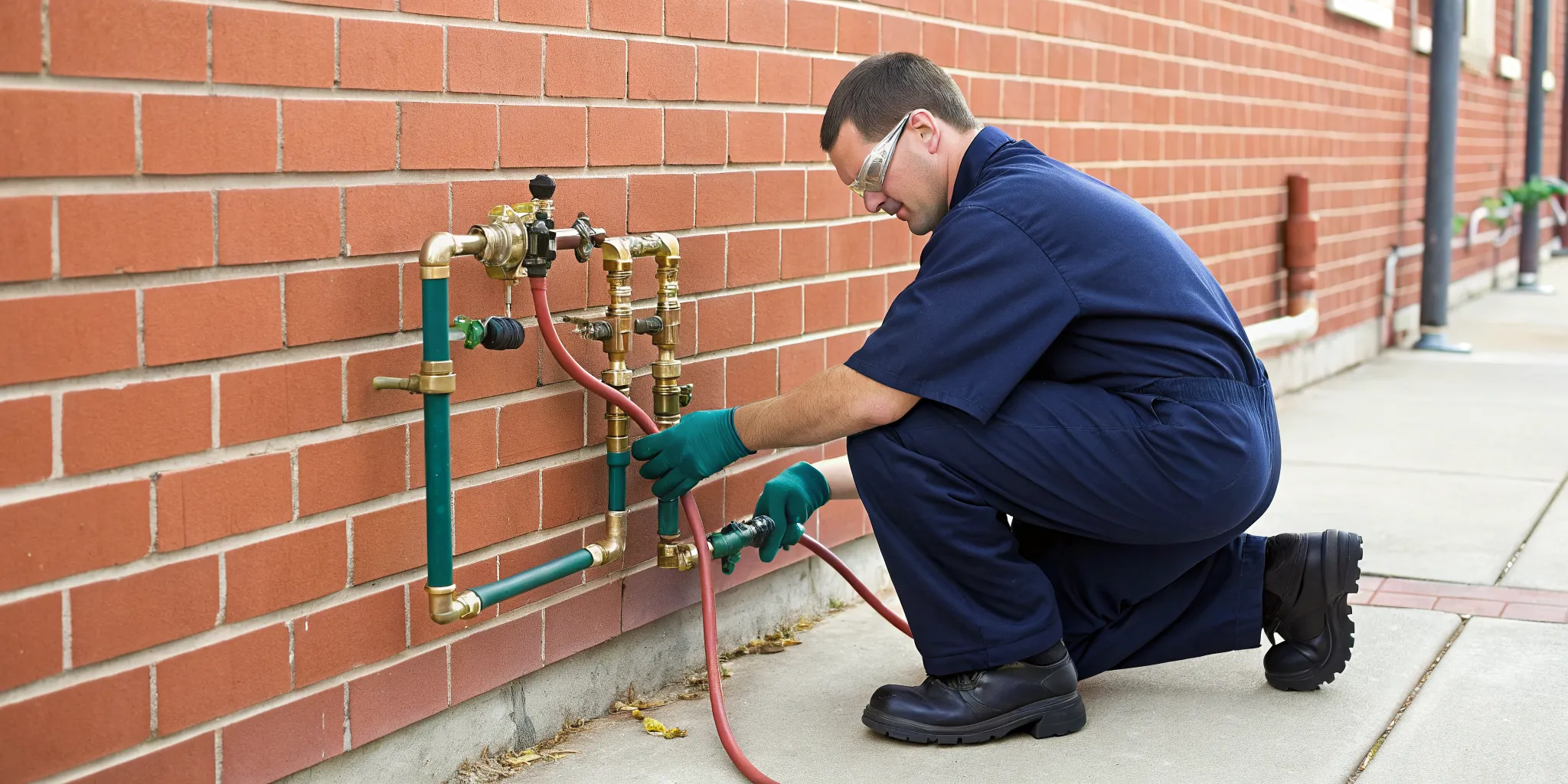
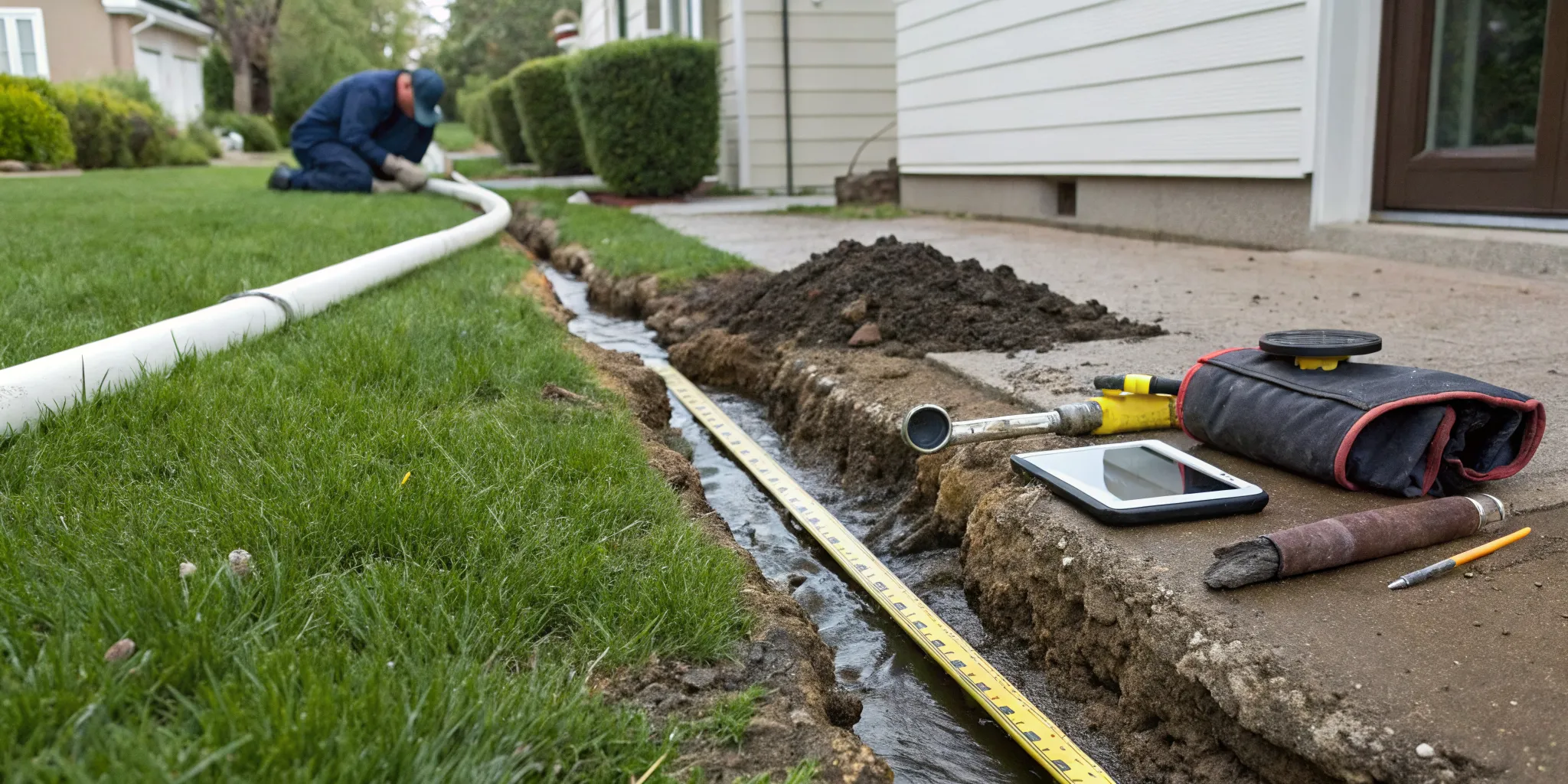
One of the biggest variables in an outdoor leak repair is accessibility. If the broken pipe is right near the surface of your lawn, the job is relatively simple. However, if it’s buried deep underground, the repair automatically becomes more involved. Your plumber may need to bring in excavation equipment to dig a trench, which adds significant labor and equipment costs to the final bill. Repairs under driveways, patios, or established landscaping are the most complex. The process involves not only digging but also carefully breaking through and later repairing the surface. When you get an estimate, a plumber will assess the location to determine exactly how much work is needed to reach the pipe.
How Your Location Affects Labor Costs
Just like the cost of housing or groceries, the price for skilled labor varies depending on where you live. The going rate for a licensed and insured plumber in Metro Detroit will be different from the rate in a small rural town or a major coastal city. This rate reflects the plumber’s expertise, training, insurance, and the cost of doing business in the area. While it can be tempting to find the cheapest option, remember that quality workmanship is an investment. Hiring a reputable, local company ensures the job is done right the first time, saving you from future headaches and expenses. As a family-owned business rooted in our community, we pride ourselves on offering fair pricing for expert service.
Why Do Outside Water Pipes Leak in the First Place?
Finding a puddle in your yard or a sudden drop in water pressure can be stressful. Outside water leaks aren’t just a nuisance; they can point to bigger issues with your plumbing. Understanding what causes these leaks is the first step toward a solution. From the natural effects of aging to unexpected environmental factors, several culprits could be behind your water woes. Let’s look at the most common reasons your outdoor pipes might be leaking.
When Pipes Simply Get Old and Worn Out
Just like anything else, pipes have a lifespan. Over time, materials like metal can corrode, rust, and weaken, especially when exposed to Michigan’s changing seasons. As pipes get old, they become more susceptible to cracks and pinhole leaks that can go unnoticed for a while. The connections and joints are also common failure points, where seals can degrade and loosen over many years of use. If your home is older, your plumbing system has likely been working hard for decades. This constant wear and tear can eventually lead to leaks that start small but can cause significant damage if left unaddressed, making it important to know the age and condition of your pipes.
How Freezing Temperatures Cause Pipe Damage
In Metro Detroit, we know how harsh winters can be, and your pipes feel it too. When water inside a pipe freezes, it expands, putting immense pressure on the pipe walls. This pressure can cause the pipe to crack or burst. You might not even notice the damage until the ice thaws and water begins to escape rapidly from the new opening. This is why frozen pipe repair is one of the most common winter plumbing emergencies. Even a small crack can release a surprising amount of water, leading to flooding and property damage before you even realize there’s a problem.
Is Your Water Pressure Too High?
While good water pressure is great for a shower, excessively high pressure can be tough on your plumbing system. It puts constant stress on your pipes, fittings, and joints, accelerating wear and tear. Think of it like a tire that’s been overinflated; it’s much more likely to fail under pressure. This strain is especially risky for older pipes that may already be weakened from years of use. If you hear banging noises in your walls (often called water hammer) or notice your faucets are sputtering, high water pressure could be the cause, silently setting the stage for a future leak.
When Tree Roots Invade Your Pipes
The trees in your yard add beauty and shade, but their roots can pose a serious threat to your underground water lines. Roots are naturally drawn to sources of moisture and can detect even a tiny amount of condensation on the outside of a pipe. They can grow toward the pipe, and over time, the pressure from the growing roots can crush, crack, or completely break it. Once a root finds its way inside, it will continue to grow, creating a blockage and worsening the leak. This kind of damage often requires professional help to resolve, as it involves digging and complex pipe repairs.
What Are the Hidden Costs of a Water Leak?
When you discover a water leak, your first thought is probably about the cost of the plumbing repair itself. But that’s often just the beginning. The initial fix is one thing; dealing with the aftermath is another. From soggy drywall to a torn-up lawn, several other expenses can pop up, turning a straightforward repair into a much larger project. Understanding these potential hidden costs helps you see the full picture and prepare for what’s ahead.
The Cost of Water Damage Cleanup
One of the most immediate and significant hidden costs is the cleanup. Water damage cleanup can range anywhere from $500 to over $10,000, depending on how much water escaped and what it soaked. This isn’t just about mopping up a puddle. It involves professionally drying out walls, floors, and insulation to prevent long-term issues. If the water affects carpeting, drywall, or wood flooring, those materials may need to be replaced entirely. The longer water sits, the more extensive and expensive the restoration becomes, which is why acting fast is so important.
Will You Need Foundation Repairs?
A leak in a main water line can be especially destructive because it can compromise the very foundation of your home. While the average repair cost for a main line is between $354 and $1,696, a major break can cost much more. Water pooling around or under your foundation can cause the soil to shift, leading to cracks and structural instability. These repairs are complex and costly, making it critical to address any main line leaks immediately. What starts as a plumbing problem can quickly become a serious structural issue if it’s not handled by a professional.
Putting Your Yard and Driveway Back Together
If the leak is outside, the repair process itself can create new costs. Plumbers may need to dig up your yard to access the broken pipe, leaving you with a trench running through your lawn, garden, or even your driveway. After the pipe is fixed, you’re left with the job of putting everything back together. The expense of restoring their lawn, replanting gardens, or patching up a concrete or asphalt driveway can add a surprising amount to your total bill. It’s a messy but necessary part of fixing underground pipes.
What Does Mold Removal Cost?
Where there’s water, there’s often mold. If a leak goes unnoticed for a while, even in a hidden area like behind a wall or under a floor, mold can start to grow. Professional mold removal can cost between $500 and $6,000 and is not something to take lightly. Mold not only causes further damage to your home but can also create health risks for your family. A certified specialist is needed to safely remove the mold and ensure it doesn’t come back, adding another potential layer of expense to the water leak repair.
Will Homeowners Insurance Cover the Repair?
After you discover an outside water leak, one of your first thoughts is likely about the cost and whether your insurance will help. The answer, unfortunately, isn’t a simple yes or no. Coverage almost always depends on the cause of the leak and the specific terms of your policy. Understanding the difference between a sudden accident and a gradual problem is key to knowing what to expect.
What’s Typically Covered by Insurance?
Most standard homeowners insurance policies are designed to cover damage that is “sudden and accidental.” Think of a pipe that abruptly bursts. This is a common scenario with frozen pipes during harsh Metro Detroit winters. In these cases, your insurance will likely cover the cost of the resulting water damage, like replacing soaked drywall or ruined flooring. However, it’s important to know that the policy may not cover the cost of repairing the broken pipe itself. Always review your specific policy documents to understand exactly what is and isn’t included before you file a claim.
Don’t Fall for These Insurance Myths
Here’s where things get tricky. Homeowners insurance typically does not cover damage from problems that happen slowly over time. This includes slow drips, gradual corrosion, or pipes that fail simply due to old age. Insurance providers view these issues as a failure of routine maintenance, which is the homeowner’s responsibility. A pinhole leak that has been dripping for months or a pipe that finally gives way after years of decay will probably not be covered. This is why staying on top of your home’s plumbing solutions is so important for preventing costly surprises.
How to Avoid a Denied Insurance Claim
If your claim is denied, it’s likely because the insurance company has classified the leak as a maintenance issue rather than a sudden accident. You are responsible for the upkeep of your property, and that includes the water line running from the municipal connection to your house. If that pipe fails due to neglect or age, the repair costs will fall on you. Acting quickly when you find a leak can sometimes help your case. Calling for emergency plumbing services immediately shows you took responsible steps to minimize the damage, which can be a favorable point when speaking with your insurer.
How to Spot an Outside Water Leak Early
Catching an outside water leak early can save you from a world of headaches, from sky-high water bills to serious property damage. The problem is that these leaks often happen underground, out of sight and out of mind, quietly wasting water and potentially eroding the soil around your home’s foundation. But your property will give you clues if you know what to look for. Being observant is your best defense against a small issue becoming a costly catastrophe. By regularly checking your yard, your water bill, and your water pressure, you can spot the subtle signs of a hidden leak before it turns into a major disaster. Think of it as a quick health checkup for your home’s plumbing. It only takes a few minutes and can make all the difference in protecting your property and your wallet. If you notice any of these red flags, it’s a clear signal to investigate further or call in a professional to take a look. Don’t ignore them; acting quickly is key to minimizing damage and keeping repair costs down.
Check Your Yard for These Telltale Signs
Your yard is often the first place to show signs of an underground water leak. Take a walk around your property and keep an eye out for anything unusual. If you notice persistent wet spots, soggy patches of ground, or small puddles that never seem to dry up even without rain, you could have a leak. An especially green or lush patch of grass that stands out from the rest of your lawn is another classic sign, as the leaking pipe is giving that area extra water. In more serious cases, you might see soil erosion, cracks in your driveway or patio, or even sinking ground. These are all indicators that water is escaping somewhere it shouldn’t be, and it’s time to get it checked out by a professional.
Look for Signs of Hidden Leaks Inside
While you’re scanning your yard for clues, don’t forget to check inside your home, too. Sometimes, a leak in an outside wall or near your foundation will show its first signs indoors, especially in your basement or on the ground floor. These clues are your home’s way of telling you something is wrong, and ignoring them can lead to much bigger problems than a soggy lawn. Paying attention to the condition of your walls and floors can help you catch a hidden leak before it causes serious structural damage. These clues often point to a problem that requires a professional diagnosis from a plumber who can handle a wide range of plumbing solutions.
Peeling Paint or Bubbling Drywall
One of the most common signs of a hidden water leak is paint that has started to peel, blister, or bubble. This happens when moisture gets trapped behind the wall, causing the paint to lose its adhesion. You might also see your drywall looking swollen or warped. It’s a sure sign that water is present where it shouldn’t be, often the result of a slow, steady leak from a pipe inside the wall. While it might seem like a cosmetic issue at first, this kind of water damage is a warning that can’t be ignored. That trapped moisture is the perfect breeding ground for mold, which can spread quickly and create health hazards for your family.
Spongy Walls or Floors
If you press on a section of your wall or step on a spot on your floor and it feels soft, spongy, or weak, you have a serious problem. This isn’t just a minor issue; it means that water has been soaking into the structural materials of your home for some time. Prolonged exposure to moisture from a hidden leak can cause wood to rot and drywall to crumble, weakening the integrity of your walls and floors. This kind of damage doesn’t happen overnight, so a spongy spot indicates a leak has likely been active for a while. It’s a critical warning sign that calls for emergency plumbing help to locate and stop the leak before the damage gets even worse.
Is Your Water Bill Suddenly Higher?
Your water bill is one of the most reliable tools for detecting a hidden leak. A sudden and unexplained increase in your bill is a major red flag, especially if your family’s water usage habits haven’t changed. Don’t just dismiss it as a fluke. Pull out your past few bills and compare the usage. If you see a significant jump, you likely have a leak. You can also perform a simple test using your water meter. First, make sure all faucets, toilets, and water-using appliances are turned off. Then, go check your water meter. If the dial is still moving, water is flowing somewhere on your property. This simple check can confirm a leak and let you know it’s time to call for professional plumbing services.
Have You Noticed a Drop in Water Pressure?
A sudden drop in water pressure throughout your home is another common symptom of an outside water leak. If your shower feels weaker than usual or your kitchen faucet sputters when you turn it on, it could mean that water is escaping from a broken pipe before it even reaches your fixtures. This loss of pressure happens because a portion of the water supply is being diverted through the crack or break in the pipe. While other issues can cause low water pressure, a noticeable and abrupt change is a strong indicator of a leak. This is especially true after a cold snap, as a sudden drop in pressure could point to a problem with frozen pipes that have burst underground.
How to Use Your Water Meter to Pinpoint a Leak
Your water meter is your secret weapon for confirming a hidden leak. Here’s a simple test you can do yourself. First, make sure every single water source in and around your house is turned off. That means no flushing toilets, no running faucets, and no dishwasher or washing machine cycles. Once you’re sure everything is off, locate your water meter. If you see the small dial or triangle on the meter moving, you have an active leak somewhere. For a slower leak, you might need to be more patient. Write down the number on the meter, wait for one or two hours without using any water, and then check it again. If the reading has changed, you’ve confirmed that water is flowing somewhere it shouldn’t be, and it’s time to call in a professional for plumbing solutions.
Don’t Overlook Common Indoor Leak Sources
While we’ve focused on outdoor leaks, don’t forget that the signs of trouble can also appear inside your home. A high water bill could just as easily point to a problem indoors. Keep an eye out for water stains on your ceilings or walls, peeling paint, or a musty smell you can’t seem to place. These are classic signs of a hidden pipe leak. Toilets are another common culprit; a constantly running or “phantom flushing” toilet can waste hundreds of gallons of water. In your basement, check around your sump pump for any unusual dampness. Being aware of these indoor red flags is just as important for protecting your home from water damage.
Found a Leak? Here’s What to Do Next
Finding a puddle in your yard or a damp spot on your wall can send your heart racing. It’s a stressful discovery, but don’t panic. Taking a few key steps right away can make a huge difference in managing the damage and the cost of repairs. Think of this as your action plan. By moving quickly and methodically, you can get the situation under control and on the path to a proper fix. Here’s exactly what to do the moment you suspect an outside water leak.
Take These First Steps Right Away
Okay, you’ve found a leak. The most important thing to do is act quickly. Even a seemingly small leak can waste a surprising amount of water and lead to serious structural damage, mold growth, or a washed-out yard. Don’t put it off. Your first move should be to call a professional plumber. They can help you assess the situation over the phone and get a technician out to your home. For any leak that seems serious, like a burst pipe or rapidly spreading water, you’ll need emergency plumbing services immediately to prevent a catastrophe. Acting fast is the best way to protect your property and keep repair costs from spiraling.
How to Shut Off Your Main Water Supply
To stop the flow and prevent more damage while you wait for help, you need to shut off your water. Your home has a main water shut-off valve, which is usually located where the main water line enters your house. Check your basement, a crawl space, or a utility closet near the water heater. It will likely have a wheel-style handle (like for a hose) or a lever handle. Turn the wheel clockwise or the lever a quarter-turn to shut it off. If the leak is between the street and your house, you may need to use the curb-side shut-off valve. This often requires a special tool, so it’s best to call a professional or your local water department to handle that part.
How to Document Damage for Your Insurance Claim
Before you start any cleanup, grab your phone. You’ll want to thoroughly document the situation for your insurance company. Take clear photos and videos of the source of the leak and all affected areas. Capture images of the soggy ground, damaged landscaping, water seeping into your foundation, and any water stains on walls or floors inside. The more evidence you have, the smoother your claim process will be. Once you have your photos, contact your insurance agent right away to report the leak. They can walk you through the next steps for filing a claim and explain what your specific policy covers. Don’t throw anything away until your adjuster has seen the damage.
Can You Fix a Leaky Pipe Yourself?
When you find a leak, your first instinct might be to reach for a toolbox. The idea of a quick DIY fix is tempting, especially when you’re worried about the cost. While there are some situations where a temporary patch is a smart first move, it’s crucial to know the difference between a stopgap measure and a real solution. For most leaks, especially those involving your main water line or pipes hidden behind walls, a DIY repair can quickly turn a small problem into a much bigger, more expensive one. Knowing your limits is the key to protecting your home from further damage.
Temporary DIY Fixes (And When to Use Them)
If you have a small, accessible leak and you’re waiting for a plumber to arrive, a temporary fix can be a lifesaver. Products like self-fusing pipe tape, epoxy putty, or a pipe repair clamp can help minimize water loss. Pipe tape and putty are great for small drips on straight pipes or joints, while a clamp offers a more secure hold on a straight section of pipe. These are excellent for damage control, especially if you’ve had to call for emergency plumbing services and need to manage the situation until help is on the way. Remember, these are not permanent solutions. Their only job is to buy you some time and prevent water from causing more damage while you wait for a professional to assess and properly fix the pipe.
Permanent DIY Repairs: A Word of Caution
While tackling a permanent repair yourself might seem like a way to save money, it comes with significant risks. Permanent fixes involve more than just patching a hole; they often require cutting and replacing sections of pipe, which demands specialized tools and a solid understanding of your plumbing system. More importantly, plumbing work must adhere to local codes to be safe and effective. A botched DIY repair can lead to bigger leaks, water damage, and could even violate those codes, creating problems down the road. What started as an attempt to save a few hundred dollars can easily turn into a multi-thousand-dollar disaster. For a reliable, long-lasting solution that ensures your peace of mind, it’s always best to trust the job to a licensed professional who can guarantee their workmanship.
When Is It Time to Call a Professional?
While you might be tempted to try a DIY fix, most outside water leaks require professional expertise. A slow drip from a garden spigot is one thing, but a burst pipe, a leak under your driveway, or a mysterious wet spot in the yard is a job for a licensed plumber. Professionals have the diagnostic tools to pinpoint the exact location of a hidden leak without tearing up your entire property. They also have the knowledge to perform a durable repair that meets local codes. Attempting to fix a major leak yourself can often lead to bigger, more expensive problems down the road. When in doubt, it’s always safest to call in an expert to get the job done right the first time.
Using Professional Leak Detection Tools
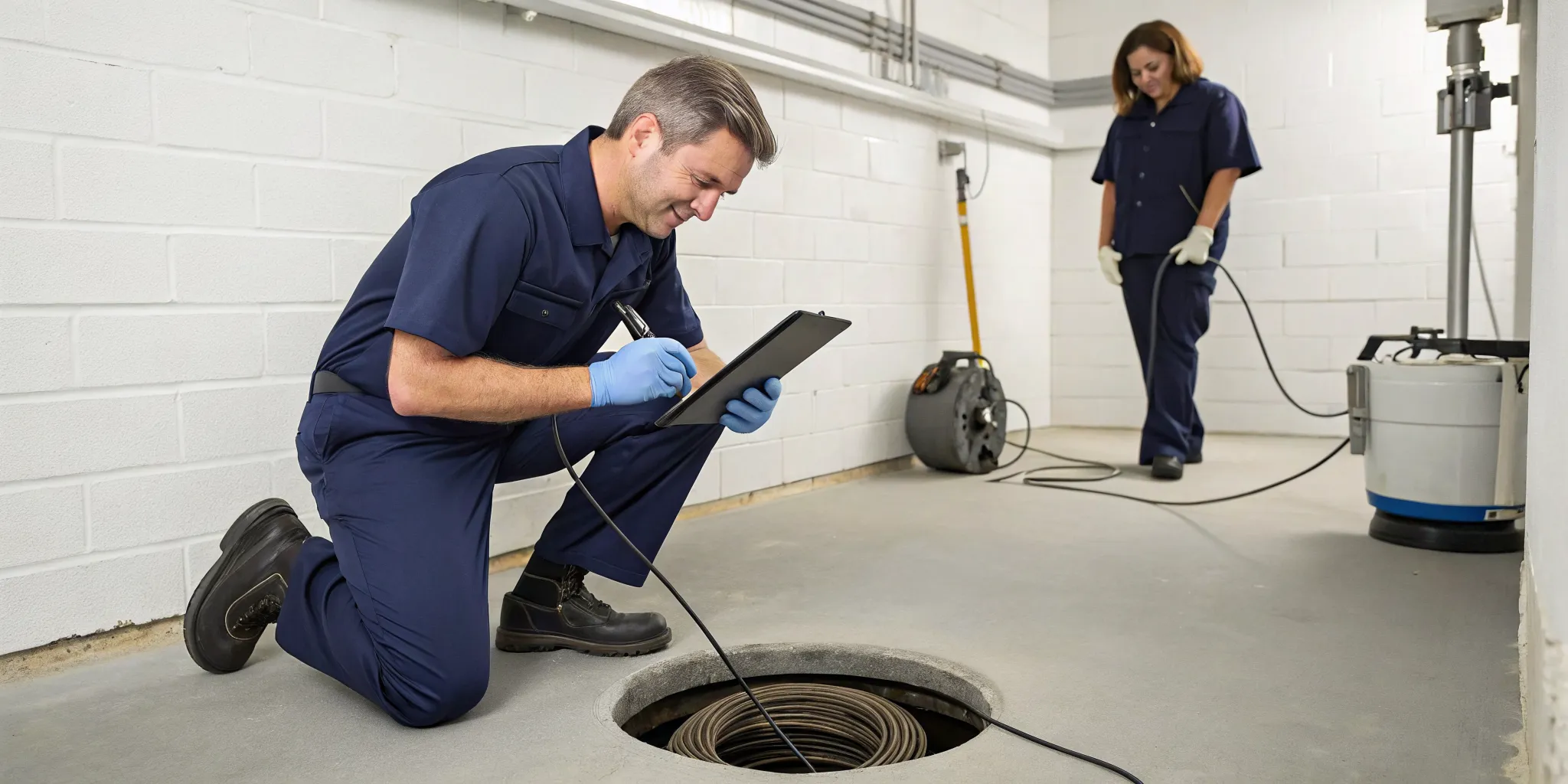
Hiring a professional gives you a huge advantage: their advanced diagnostic equipment. Instead of guessing where a leak is and digging up your entire yard, a trained technician uses specialized tools to pinpoint the exact location. They might use acoustic listening devices to hear the sound of a leak deep underground or thermal imaging cameras to spot temperature changes from water hidden in a wall. This technology lets them find the source of the problem with incredible accuracy and minimal disruption. By avoiding unnecessary digging, you save money on restoring your lawn or driveway and get a faster, more effective repair. That’s the kind of precision that ensures the job is done right.
What to Ask Your Plumber Before They Start
Finding a plumber you trust is a big deal, especially when you’re dealing with a stressful leak. Once you have a professional on the phone, asking a few key questions can give you peace of mind and help you avoid any surprises down the road. Think of it as a mini-interview to make sure you’re putting your home in the right hands. A reputable plumber will be happy to answer these questions and provide clear, direct information.
How to Get an Accurate, Itemized Estimate
Before any work begins, you need a clear picture of the potential costs. Ask the plumber if they can provide a detailed, written estimate. While it can be hard to give an exact price without seeing the problem, they should be able to explain their rates and how they’ll calculate the final bill. Ask what factors might change the cost, like the extent of the damage or the materials needed. A transparent plumber will walk you through the possibilities so you feel prepared. To start this conversation, you can get in touch with our team for an initial assessment.
Ask About Their Warranty and Guarantees
A warranty is a plumber’s promise that they stand behind their work. You should always ask about the warranty on both parts and labor. How long does it last? What does it cover? Knowing this information gives you security long after the repair is finished. A company that offers a strong warranty or a customer satisfaction guarantee is showing you they are confident in their skills and committed to providing a lasting solution. Don’t be shy about asking for these details; it’s a standard part of any professional service.
Are They Licensed and Insured?
This question is a non-negotiable. Always ask if the plumber is licensed and insured. A license proves they have the training and qualifications required to do the job correctly and safely. Insurance protects you and your property in the unlikely event that something goes wrong during the repair. This is especially important in emergency plumbing situations when you might feel rushed to hire someone quickly. Any professional company will have this information ready and will be glad you asked. It’s a simple step that ensures you’re working with a true expert.
How to Prevent Future Leaks and Save Money
Fixing an outside water leak is a relief, but the real win is preventing the next one from ever happening. Taking a few proactive steps can save you from the stress, mess, and expense of future pipe problems. Think of it as a small investment in your home’s health and your own peace of mind. You don’t have to be a plumbing expert to make a difference. By paying a little more attention to your plumbing system and making smart choices around your property, you can significantly reduce the risk of leaks. These simple habits and preventative measures are your best defense against water damage, high water bills, and unexpected repair costs. Let’s walk through a few key strategies to keep your pipes in top shape and your money in your pocket.
Get Ahead of Leaks with Regular Inspections
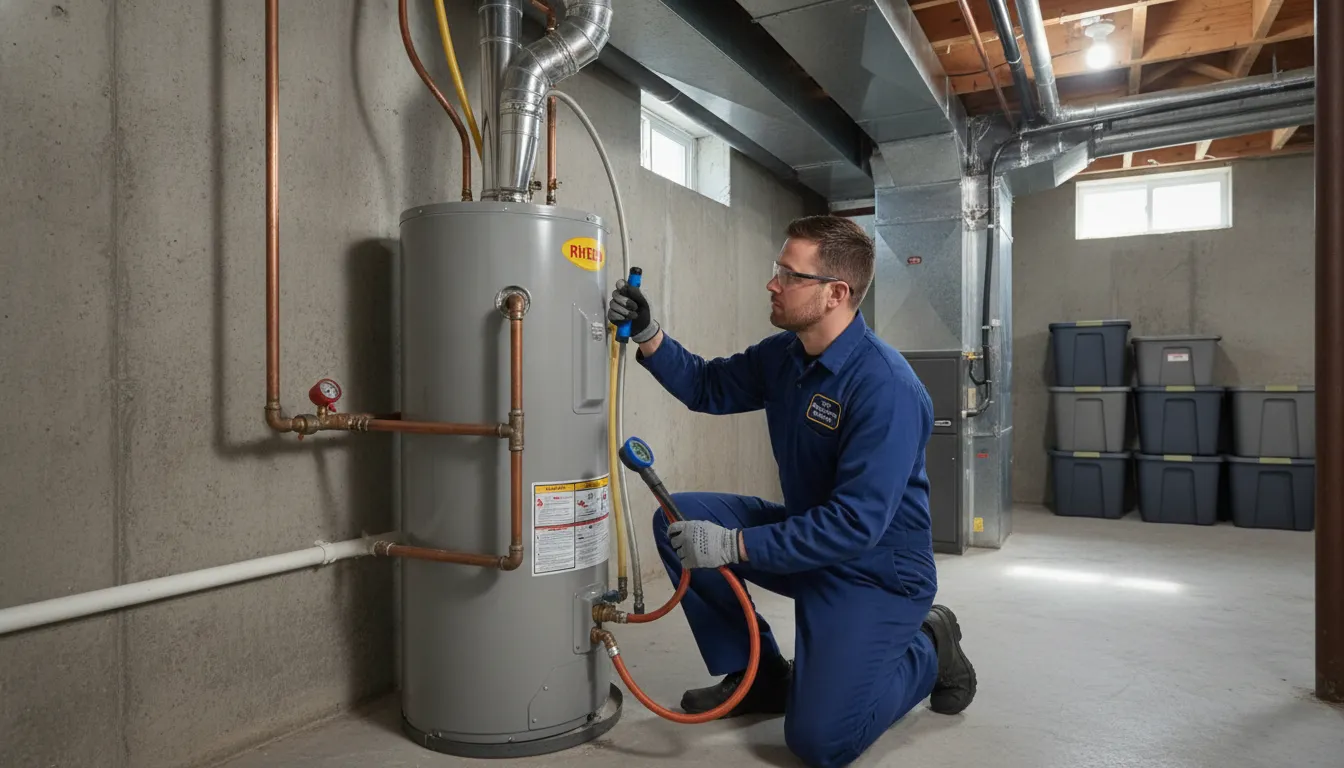
One of the easiest ways to prevent a disaster is to catch it early. Make it a habit to perform regular visual checks of your home’s plumbing. At least once every few months, take a flashlight and look for signs of moisture, drips, or corrosion under sinks, behind toilets, and around your water heater. Your basement and crawl space are also critical areas to monitor. While these quick self-checks are great for spotting obvious issues, a professional inspection can identify hidden problems you might miss. A trained plumber can assess your entire system, from water pressure to pipe integrity, giving you a clear picture of its condition. Consider scheduling a professional check-up with us to ensure everything is working as it should.
How to Prep Your Pipes for Each Season
Here in Metro Detroit, our pipes face the ultimate test each winter. Preparing them for the cold is non-negotiable. Before the temperature drops, it’s a great idea to add pipe insulation to any exposed water lines in unheated areas like your basement, garage, or attic. This simple step is a powerful defense against frozen pipes. If your home has older plumbing, like copper pipes that are nearing the end of their lifespan, you might also consider upgrading to more durable, modern materials like PEX. These materials are more flexible and resistant to bursting, offering better long-term protection. Taking these seasonal precautions helps ensure your plumbing can handle whatever the weather throws at it.
How Smart Landscaping Can Protect Your Pipes
Your beautiful yard could be hiding a threat to your underground water lines. Tree roots are naturally drawn to the moisture and nutrients inside your pipes, and they can work their way into tiny cracks, eventually causing blockages or breaks. When planning your garden, be mindful of where your main water and sewer lines are located. As a general rule, avoid planting trees or large shrubs directly over or near these pipes. If you have large, established trees on your property and notice recurring drain issues or soggy spots in the yard, intrusive roots could be the culprit. If you suspect a root problem, it’s best to call for emergency plumbing services before the damage gets worse.
Related Articles
- DIY Pipe Leak Repair: Your Step-by-Step Guide
- Repair a Copper Pipe Leak: A Step-by-Step Guide
- Water Tank Leak? Your Step-by-Step Repair Guide
Frequently Asked Questions
My water bill suddenly went up, but I don’t see any water. How can I be sure it’s a leak? An unexplained spike in your water bill is one of the most common signs of a hidden leak. To confirm your suspicion, you can use your water meter. First, make sure every faucet, toilet, and water-using appliance in your home is turned off. Then, find your water meter and watch it for a few minutes. If the dial or numbers are still moving, it means water is flowing somewhere on your property, and it’s very likely you have a leak. At that point, it’s best to call a professional to locate the source.
Why can’t a plumber give me an exact price for a repair over the phone? Giving an exact price without seeing the problem would be a disservice to you. The final cost of an outdoor leak repair depends on several factors that a plumber can only assess in person. They need to determine the leak’s precise location, see what kind of pipe needs fixing, and figure out how difficult it will be to access. A leak under an open lawn is a much different job than one buried beneath a concrete patio, which would require excavation and more intensive labor. A professional on-site estimate ensures you get a fair and accurate price for the specific work needed.
Is it really a big deal if I wait to fix a small, slow drip from an outdoor faucet? Yes, it’s always best to fix any leak right away, no matter how small it seems. That slow drip can waste hundreds of gallons of water over time, adding up on your water bill. It can also create a constantly damp area that attracts pests and can cause erosion near your home’s foundation. More importantly, a small drip can be a symptom of a bigger issue, like high water pressure or a failing seal that could lead to a much larger break down the road. Addressing it now is a simple, inexpensive way to prevent a future emergency.
My insurance company said they won’t cover the leak repair. Why would they deny the claim? This is a common point of frustration for homeowners. Insurance policies typically cover damage that is sudden and accidental, like a pipe that bursts unexpectedly. However, they usually don’t cover issues that result from a lack of maintenance or simple old age. If a pipe fails because it has slowly corroded over many years, the insurer will likely classify it as a maintenance issue that is the homeowner’s responsibility. This is why being proactive with inspections and upkeep is so important for protecting your home and your finances.
What is the most important thing I can do to protect my pipes from a Michigan winter? The single most effective step you can take is to insulate your pipes. Focus on any water lines that run through unheated spaces, such as your basement, crawl space, or garage. You can find simple foam pipe sleeves at any hardware store, and installing them is a straightforward DIY project. Also, remember to disconnect, drain, and store your garden hoses before the first hard freeze. These simple precautions create a protective barrier that can prevent water from freezing, expanding, and bursting your pipes during our cold winters.
Perform Regular Home Maintenance Checks
One of the most powerful things you can do is stay proactive. Make it a habit to perform regular visual checks of your home’s plumbing. At least once every few months, take a flashlight and look for signs of moisture, drips, or corrosion under sinks, behind toilets, and around your water heater. While these quick self-checks are great for spotting obvious issues, a professional inspection can identify hidden problems you might miss. A trained plumber has the expertise to spot subtle signs of wear and tear that could lead to a future leak. If you want an expert eye on your system, consider scheduling a professional check-up to ensure everything is working as it should.
Consider a Water Leak Detection System
For an extra layer of security, you might want to look into a water leak detection system. These smart devices use sensors placed in leak-prone areas, like near your sump pump, water heater, or washing machine. Knowing about a leak as soon as it starts is crucial for stopping big damage. These systems send an alert directly to your phone the moment moisture is found, giving you a critical head start. Some advanced models can even automatically shut off your home’s main water supply, stopping a potential flood before it can cause serious harm. It’s a modern solution that offers incredible peace of mind, especially for homeowners in Metro Detroit who worry about pipes during the winter.