
A little misinformation about your plumbing can cause a lot of damage. Many homeowners believe a small leak can wait or that some DIY tape is a permanent fix for a failing pipe. These common myths are what turn minor issues into major disasters. Let’s get one thing straight: there is no such thing as a satisfactory water geyser erupting in your home. This article is here to debunk those dangerous misconceptions and give you the real facts, showing you why professional repairs are essential and how to spot warning signs before they escalate.
Key Takeaways
- Focus on proactive maintenance: You can prevent most plumbing disasters with a few simple steps. Insulate pipes in unheated areas, have a professional check your home’s water pressure, and schedule regular inspections to catch small problems before they escalate.
- Have an emergency action plan: If a pipe bursts, your first move is to shut off your home’s main water valve. Know its location ahead of time so you can act quickly to stop the flow of water and minimize damage before calling for professional help.
- Address all leaks professionally: A small drip or a DIY tape patch is not a reliable solution. These are often warning signs of a bigger issue, and only a professional repair can address the root cause to ensure a safe, long-lasting fix.
What’s That Sudden ‘Geyser’ in Your Home?
The term “plumbing geyser” might sound a bit dramatic, but if you’ve ever seen one, you know it fits. We’re not talking about a natural hot spring, but a sudden, powerful burst of water inside your home from a broken pipe. It’s one of the most stressful plumbing problems you can face, often happening without warning and causing significant damage in minutes. Understanding what causes these geysers is the first step to preventing one in your own home. Let’s look at what’s really happening when a pipe bursts and the specific reasons it’s a common issue for homeowners here in Metro Detroit.
What Really Causes a Sudden Pipe Burst?
A plumbing geyser is the result of a pipe that has completely failed. When a water pipe breaks, the pressurized water inside has nowhere to go but out, creating a forceful spray that can flood a room very quickly. This isn’t a slow drip; it’s a full-blown rupture that can empty gallons of water into your walls, ceilings, and floors. The main culprits behind a busted pipe are things that weaken its structure over time, like corrosion, or factors that put it under extreme stress, like sudden spikes in water pressure. When this happens, you’re dealing with a true emergency plumbing situation that requires immediate action.
Common Culprits Behind Metro Detroit Pipe Bursts
Here in Metro Detroit, our cold winters are the biggest threat to our plumbing. The most frequent cause of a pipe bursting is freezing. When water inside a pipe freezes, it expands with incredible force, putting immense pressure on the pipe walls until they split open. This is why proper pipe insulation is so important. Beyond the cold, high water pressure can also strain your entire plumbing system, leading to weak points that eventually give way. Older homes in our communities might also have aging, corroded pipes that are more susceptible to breaking. Keep an eye out for warning signs like a sudden drop in water pressure or unexplained damp spots, as they could signal a problem before it becomes a geyser.
Frozen Pipes During Michigan Winters
Living in Michigan, we all know how brutal the winters can be, and our home’s plumbing feels it too. The most frequent cause of a pipe bursting is freezing. It’s a simple science problem with disastrous results. When water inside a pipe freezes, it expands with incredible force, putting immense pressure on the pipe walls until they split open. This is especially a risk for pipes in unheated areas like basements, crawl spaces, or exterior walls. You might not even realize a pipe has burst until the ice thaws and water starts gushing out. This is why proper pipe insulation isn’t just a suggestion; it’s one of the most critical preventative steps you can take to protect your home from a watery catastrophe during the cold months.
Aging and Corrosion
Many of us live in beautiful older homes throughout Metro Detroit, full of character and history. Unfortunately, that history can sometimes include an aging plumbing system. Over decades, pipes made from materials like galvanized steel or even old copper can corrode from the inside out. This process gradually thins the pipe walls, making them weak and brittle. As we’ve seen, “older homes in our communities might also have aging, corroded pipes that are more susceptible to breaking.” The scary part is that you often can’t see this damage until it’s too late and the pipe fails completely. If your home is several decades old and you’re unsure about the state of your pipes, it’s a risk you shouldn’t ignore, as it’s a leading cause of plumbing emergencies.
High Water Pressure
Good water pressure is great for a refreshing shower, but when it’s too high, it can be a silent menace to your plumbing. Think of it like constantly overinflating a tire; eventually, the stress will cause a weak spot to blow. “High water pressure can also strain your entire plumbing system, leading to weak points that eventually give way.” This constant strain affects not just the pipes themselves but also the joints, fittings, and your appliances. A sudden surge or consistently high pressure can cause a pipe to rupture unexpectedly. A professional can test your home’s water pressure and, if needed, install a pressure regulator to keep it within a safe range, protecting your entire system from the stress that leads to bursts and leaks. It’s a simple check that can prevent a major disaster.
A Pipe Just Burst. Now What?
Seeing water gushing from a burst pipe is a homeowner’s nightmare. It’s easy to panic, but taking a few deep breaths and acting quickly can save you from serious water damage. Here’s exactly what to do to get the situation under control.
Your 3-Step Emergency Action Plan
First, stop the flow of water immediately. Your top priority is to find and shut off your home’s main water valve. A burst pipe can release several gallons of water every minute, so every second counts. Once the water is off, take a quick safety assessment. If water is anywhere near electrical outlets, appliances, or your breaker box, shut off the electricity to that area to prevent a dangerous electrical hazard. With the immediate threats contained, your next step is to call a professional. A burst pipe is a serious issue that requires an expert fix, so contact a trusted plumber for emergency service right away.
How to Quickly Find Your Main Water Shut-Off Valve
Knowing where your main water shut-off valve is located before an emergency is one of the most important things you can do as a homeowner. In most Metro Detroit homes, you’ll find it in the basement or a crawl space, often on a wall closest to the street where the water line enters your house. It might also be in a utility closet or near your water heater. Look for either a round, wheel-like handle (a gate valve) or a straight, lever-like handle (a ball valve). To turn off the water, turn the wheel handle clockwise all the way. If you have a lever handle, give it a quarter turn so it’s perpendicular to the pipe.
The Aftermath: Long-Term Risks of Improper Pipe Repair
After you’ve stopped the initial geyser, the next step is the repair. It can be tempting to reach for a quick DIY patch or hire the cheapest handyman you can find. While these might seem like cost-effective solutions in the moment, an improper repair is just a temporary bandage on a much bigger problem. The real danger isn’t just that the pipe might burst again; it’s the slow, silent damage that a lingering leak can cause. Cutting corners on plumbing repairs often leads to far more expensive and hazardous problems down the road, affecting both your home’s structure and your family’s health.
Structural Damage and Foundation Issues
A pipe that isn’t repaired correctly can continue to leak, often in places you can’t see, like behind walls or under floorboards. This constant moisture seeps into your home’s framework, weakening wooden beams, rusting metal supports, and saturating your drywall. Over time, this can lead to significant structural issues that compromise the integrity of your house. What started as a simple pipe problem can escalate into sagging floors, warped walls, and even a damaged foundation. This is especially true for issues caused by frozen pipes, where the initial break can be just the beginning of a series of problems if not addressed by a professional who can assess the full extent of the damage.
Mold Growth and Health Hazards
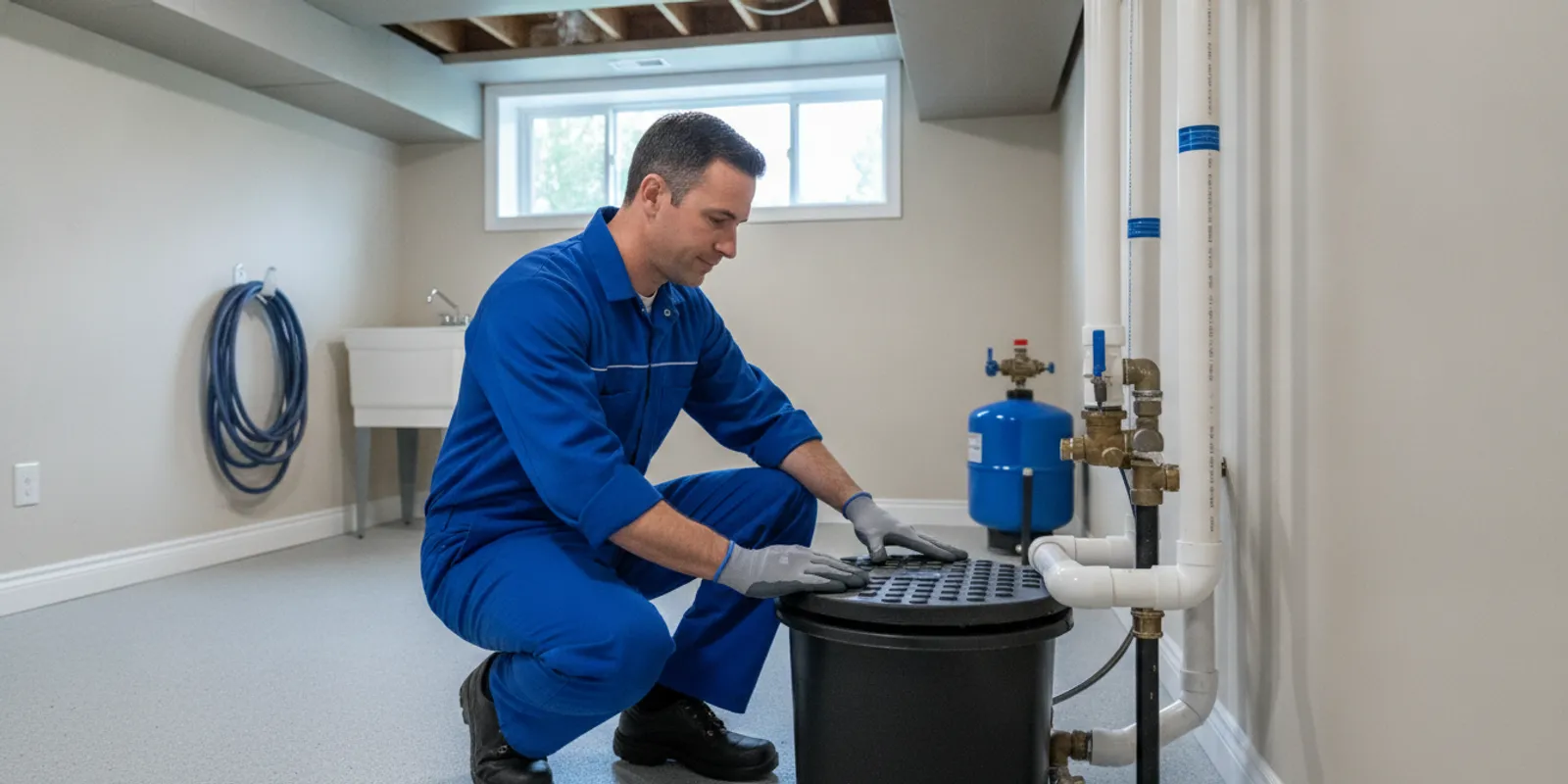
Beyond the structural risks, persistent dampness from a faulty repair creates the ideal breeding ground for mold and mildew. It doesn’t take a major flood for mold to take hold; even a small, steady drip is enough. Mold can spread quickly through your walls and ventilation system, releasing spores into the air you breathe. This poses a serious health risk, especially for children, the elderly, and anyone with allergies or respiratory conditions like asthma. A professional repair ensures the leak is completely stopped and the area is properly dried, protecting your family from these hidden dangers. Ensuring your basement stays dry with services like sump pump maintenance is another key part of preventing the damp conditions where mold thrives.
How Can You Prevent a Plumbing Emergency?
The best way to handle a plumbing emergency is to stop it from ever happening. While you can’t predict everything, a little proactive care goes a long way in protecting your home from the stress and expense of a sudden pipe burst. Think of it as a simple check-up for your home’s circulatory system. By focusing on a few key areas, you can significantly reduce your risk and keep your plumbing running smoothly for years to come.
Protect Your Pipes: A Guide to Insulation
Here in Metro Detroit, we know how harsh the winters can be. That cold is tough on your pipes, especially those in unheated areas like basements, crawl spaces, or attics. When water freezes, it expands, putting immense pressure on your pipes until they split. A single burst pipe can cause thousands of dollars in water damage. The good news is that proper pipe insulation is a simple and highly effective defense. It acts like a winter coat for your plumbing, keeping the water inside from freezing and protecting your home all season long.
Key Areas to Insulate: Basements, Crawl Spaces, and Attics
Your basement, crawl space, and attic are the primary danger zones for your plumbing during a Michigan winter. Because these areas are often unheated, the pipes running through them are directly exposed to freezing temperatures. When the water inside these pipes freezes, it expands and can easily cause a pipe to split, leading to a messy and expensive flood. It’s not just the obvious pipes; even those tucked away inside exterior walls can be at risk. The most effective way to safeguard your home is by ensuring these vulnerable pipes are properly covered. While DIY foam sleeves are an option, getting a professional assessment ensures no pipe is overlooked. Investing in expert pipe insulation guarantees that every at-risk line is protected, giving you total peace of mind when the temperature drops.
Is Your Water Pressure Putting Your Pipes at Risk?
Think of your home’s water pressure like its blood pressure. If it’s too high, it puts constant strain on the entire system, from the pipes themselves to your faucets and appliances. This relentless stress can weaken joints and seals over time, eventually leading to leaks or a catastrophic burst. A professional plumber can test your home’s pressure and, if needed, install a pressure regulator to keep it at a safe level. This small adjustment protects your plumbing from premature wear and tear, extending the life of your system.
Why Regular Plumbing Inspections Are a Must
You wouldn’t skip a regular oil change for your car, and the same logic applies to your plumbing. Scheduling routine inspections helps a professional catch small issues before they spiral into major disasters. A trained eye can spot subtle signs of trouble you might miss, like minor corrosion on pipes, slow drips that indicate a failing seal, or incorrect water pressure. Addressing these problems early is far less expensive and disruptive than dealing with a full-blown emergency. It’s a simple step that provides peace of mind and protects your biggest investment.
What to Expect During a Professional Plumbing Inspection
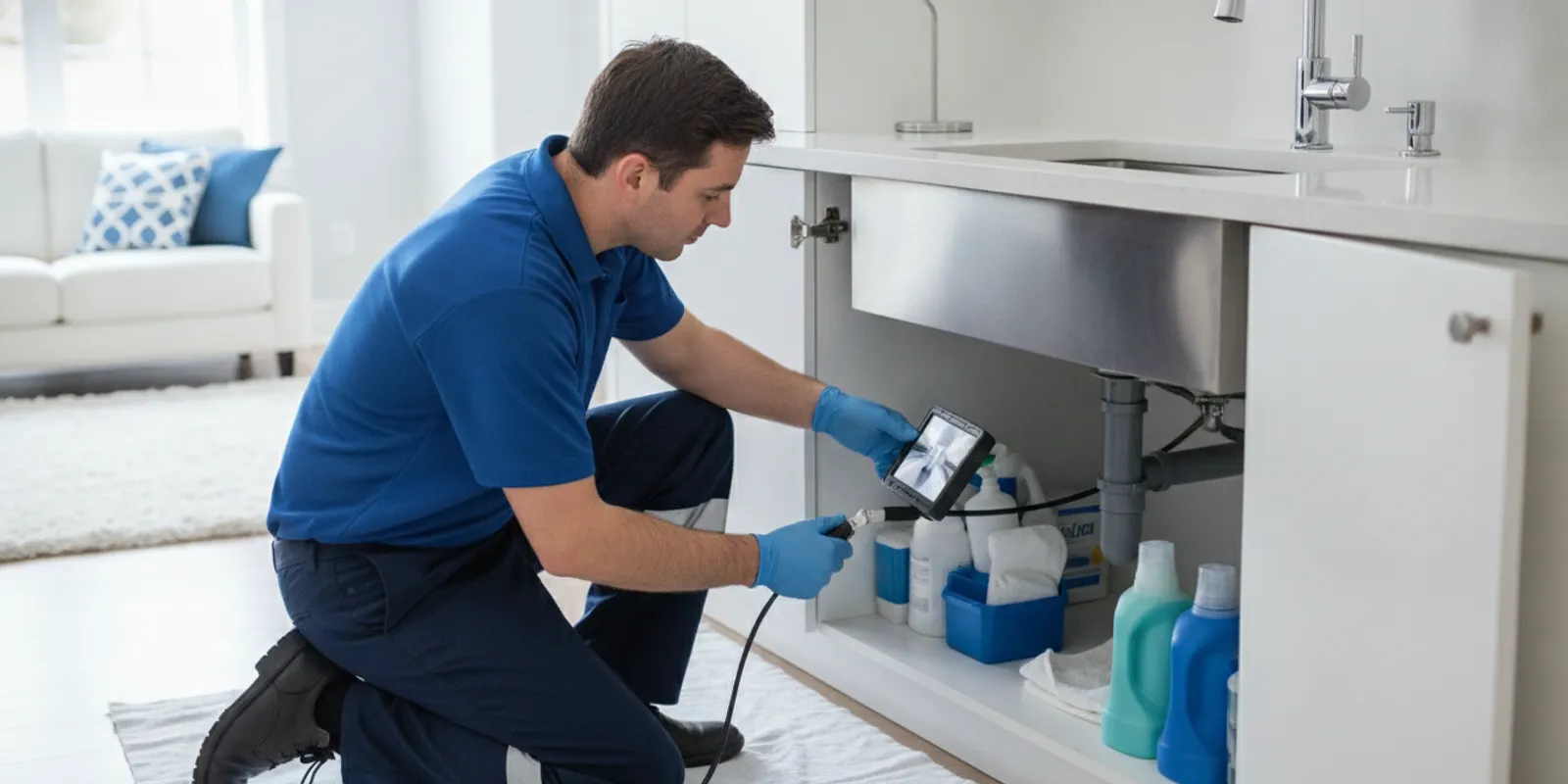
If you’re picturing a major disruption, you can relax. A professional plumbing inspection is a straightforward and systematic process. A plumber will visually check all the accessible parts of your system, like the pipes under your sinks and in your basement, looking for early signs of corrosion, drips, or damage. They will also test the function of your fixtures, including your toilets and faucets, and check your water heater. A key part of the inspection is measuring your home’s water pressure to ensure it’s within a safe range. For a deeper look, many professionals use tools like video cameras to inspect drain lines from the inside, identifying hidden cracks or blockages. The goal is to provide you with a complete health report for your plumbing and a clear plan for any recommended maintenance.
Debunking 3 Common Myths About Burst Pipes
When it comes to your home’s plumbing, a little misinformation can lead to a lot of damage. Believing the wrong thing about a leaky or frozen pipe can turn a minor issue into a full-blown catastrophe. Let’s clear the air and debunk a few common myths we hear from homeowners around Metro Detroit. Understanding the truth can help you protect your home, save money, and avoid unnecessary stress.
Myth: “It’s Just a Small Leak”
It’s easy to dismiss a tiny drip under the sink as a problem for another day, but that small leak is often a warning sign. Over time, even a slow drip can cause significant water damage to your cabinets, flooring, and drywall, creating the perfect environment for mold to grow. What starts as a minor annoyance can weaken your home’s structure and lead to incredibly expensive repairs. Addressing a leak immediately is the best way to prevent it from escalating. If you spot a leak, don’t wait for it to get worse; it’s a sign you need a professional plumbing solution before a small problem becomes a major headache.
Myth: “DIY Tape Is a Permanent Fix”
In a pinch, reaching for duct tape might feel like a clever, quick fix. While these products can temporarily slow a leak, they are never a permanent solution. DIY patches don’t address the pressure and corrosion that caused the pipe to fail in the first place. Relying on tape creates a false sense of security and often leads to a much more catastrophic failure when the patch gives way. For a safe and reliable fix, you need a professional repair. We have the right tools and materials to properly address the issue, ensuring your plumbing system is secure and preventing future frozen pipe emergencies.
Myth: “My New Home Is Immune to Leaks”
Many people assume a brand-new home comes with problem-free plumbing, but that isn’t always the case. Even in new constructions, pipes can burst due to faulty installation, defective materials, or unexpected pressure changes. No home is completely immune to plumbing issues. A new build requires regular attention to keep everything running smoothly. Proactive maintenance and inspections are key to catching potential problems before they start, regardless of your home’s age. If you have any concerns about your plumbing, new or old, it’s always best to contact a professional for an expert opinion and peace of mind.
Why Professional Pipe Repair Is Non-Negotiable
When a pipe bursts, the first instinct for many homeowners is to find a quick, do-it-yourself solution. While the can-do spirit is admirable, plumbing is one area where a professional touch is non-negotiable. A seemingly simple leak can be a symptom of a much larger issue, and a temporary patch job often leads to more significant, and expensive, problems down the road.
Hiring a professional plumber isn’t just about fixing the immediate problem; it’s about protecting your home, your family, and your peace of mind. An expert has the right tools, training, and experience to diagnose the issue accurately and provide a solution that lasts. They can spot underlying problems you might miss, ensuring the repair is done right the first time. This approach saves you from the stress of recurring issues and the potential for catastrophic damage. Think of it as an investment in the long-term health and safety of your home.
Get It Done Right: Ensuring a Safe, Lasting Repair
A professional plumber does more than just stop a leak. They investigate the root cause, whether it’s corrosion, high water pressure, or an installation error. This expertise is crucial because it ensures the repair is not just a temporary fix but a durable solution. Professionals are trained to handle complex plumbing systems safely and efficiently, minimizing the risk of future problems. When you hire a professional, you’re paying for the assurance that the job is done correctly and up to code. At Mr. Pipey, our team has the experience to handle a wide range of plumbing solutions, giving you confidence that your home is in good hands.
How Pros Protect Your Home From Major Water Damage
Water damage is one of the most destructive and costly issues a homeowner can face. It can weaken your home’s structure, ruin flooring and furniture, and lead to mold growth. When you have a burst pipe or a serious leak, time is of the essence. A professional plumber can respond quickly to fix the issue and prevent water from spreading. They have the specialized equipment to locate hidden leaks and address the problem at its source, protecting your property from further harm. This is especially critical for issues like frozen pipe repair, where a fast response can make all the difference.
Know the Signs: When to Call for Emergency Service
It’s important to know which plumbing problems are true emergencies. Situations like a burst pipe, a major leak that won’t stop, or a sewage backup require immediate professional attention. Don’t wait to see if the problem gets better on its own, because it will almost certainly get worse. Having a trusted plumber’s number on hand is key. When you need extensive repairs or pipe replacements, you need a qualified specialist who can handle the pressure. For any urgent issue, calling for emergency plumbing services right away can save you from extensive damage and costly repairs.
Sudden Drop in Water Pressure
If you turn on your faucet and get a weak trickle instead of a steady stream, pay attention. A sudden drop in water pressure is more than just an annoyance; it’s a significant warning sign. This often indicates that there is a leak somewhere in your system, possibly hidden behind a wall or under your foundation. That escaping water is reducing the pressure that reaches your fixtures and could be causing serious, unseen damage. Ignoring it can lead to structural issues, mold growth, and a much larger repair bill down the line. When you notice a sudden change, it’s time to call for a professional to diagnose the problem before it gets worse.
Discolored Water or Strange Noises from Pipes
Your plumbing shouldn’t make its presence known with strange colors or sounds. If you see brown or rusty water coming from your taps, it’s a clear sign of corrosion or sediment buildup inside your pipes. Likewise, noises like banging, whistling, or gurgling are your pipes telling you something is wrong. These symptoms can point to anything from high water pressure to a loose pipe that’s at risk of breaking. Don’t dismiss these as quirks of an older home. They are indicators of underlying issues that can lead to leaks or bursts. It’s best to have a professional investigate the cause to prevent a small problem from turning into a major one.
Ready to Prevent a ‘Water Geyser’ in Your Home?
A burst pipe in your home isn’t just a leak; it’s an uncontrolled force of nature, a plumbing “geyser” that can cause incredible damage in minutes. Unlike in a video game where a geyser might be a source of power, the only thing a burst pipe powers is stress and expensive repairs. The good news is that you don’t have to wait for a disaster to strike. With a little foresight, you can prevent most plumbing emergencies before they ever begin.
Think of preventative maintenance as your strategy guide for keeping your home safe. The warning signs of a potential pipe burst can be subtle and easily missed, like a strange icon on a map that doesn’t quite match what you’re looking for. A small drop in water pressure or a discolored spot on the ceiling might not seem like much, but they can be clues to a much bigger problem lurking within your walls. This is where having a professional on your side makes all the difference. We have the right tools and experience to correctly identify and address these issues.
Taking proactive steps is the best way to protect your home, especially from our harsh Metro Detroit winters. Simple measures like proper pipe insulation can be your first line of defense against freezing and bursting. Regular inspections allow us to check your water pressure and the condition of your pipes, catching wear and tear before it leads to a catastrophic failure. Don’t wait for an unexpected geyser to disrupt your life. Let’s work together to ensure your plumbing system is a reliable resource, not a source of risk. If you’re ready to get ahead of potential problems, give our team a call to schedule an inspection.
Related Articles
- Need a 24 Hr Emergency Plumber? Read This First
- 7 Signs You Need an Emergency Plumber Now
- DIY Pipe Leak Repair: Your Step-by-Step Guide
- Repair a Copper Pipe Leak: A Step-by-Step Guide
Frequently Asked Questions
How often should I have my plumbing inspected? For most homes, scheduling a professional plumbing inspection every one to two years is a great rule of thumb. If you live in an older home or have had plumbing issues in the past, an annual check-up is an even better idea. A quick inspection can catch minor issues with corrosion or pressure before they have a chance to become a major emergency.
Besides freezing, what are some other warning signs of a potential pipe burst? Keep an eye (and ear) out for a few key signals. You might notice your water pressure suddenly dropping or fluctuating, or see water that looks rusty or discolored. Listen for strange noises like banging, whistling, or dripping sounds coming from inside your walls. Unexplained damp spots on walls, ceilings, or floors are also a clear sign that you should call a professional right away.
Is insulating my pipes something I can do myself? Insulating exposed pipes, like the ones under your kitchen or bathroom sink, is a very manageable weekend project for most homeowners. You can find foam pipe sleeves at any local hardware store. However, for pipes located in harder-to-reach areas like crawl spaces, attics, or behind walls, it’s best to call in a professional. We can ensure the job is done thoroughly and safely, giving you total peace of mind.
What should I do if I can’t find or turn off my main water valve during an emergency? If you can’t locate the valve or it’s stuck and won’t turn, your first and only step should be to call for emergency plumbing service immediately. Don’t waste precious time searching. A professional plumber can get to your home quickly to shut off the water, sometimes from the curb if necessary, and begin to control the situation and prevent further damage.
Does my homeowner’s insurance cover damage from a burst pipe? Coverage really depends on your specific policy. Most standard homeowner’s insurance policies will cover damage from a sudden and accidental event, like a pipe that bursts unexpectedly. However, they are less likely to cover damage that results from a slow leak that was neglected over time. The best course of action is to review your policy or call your insurance agent to understand exactly what is and isn’t covered.