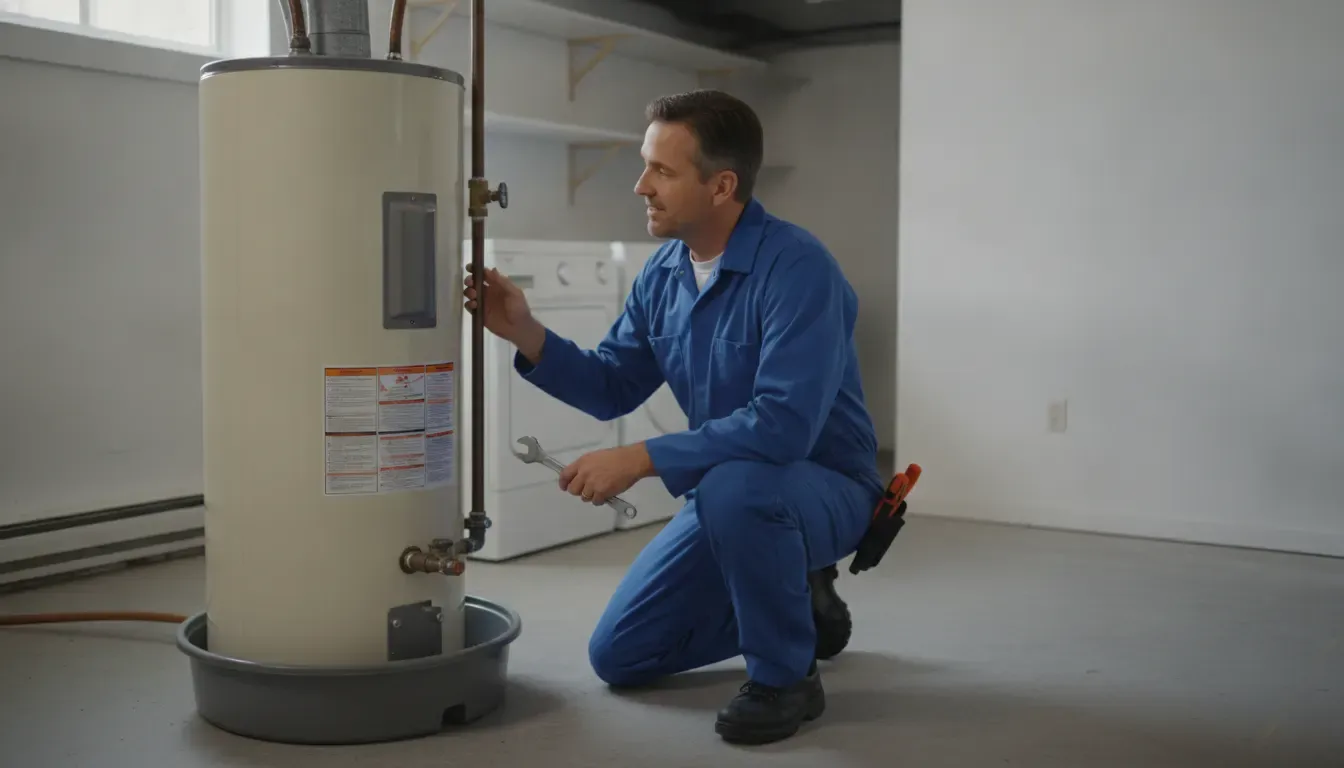

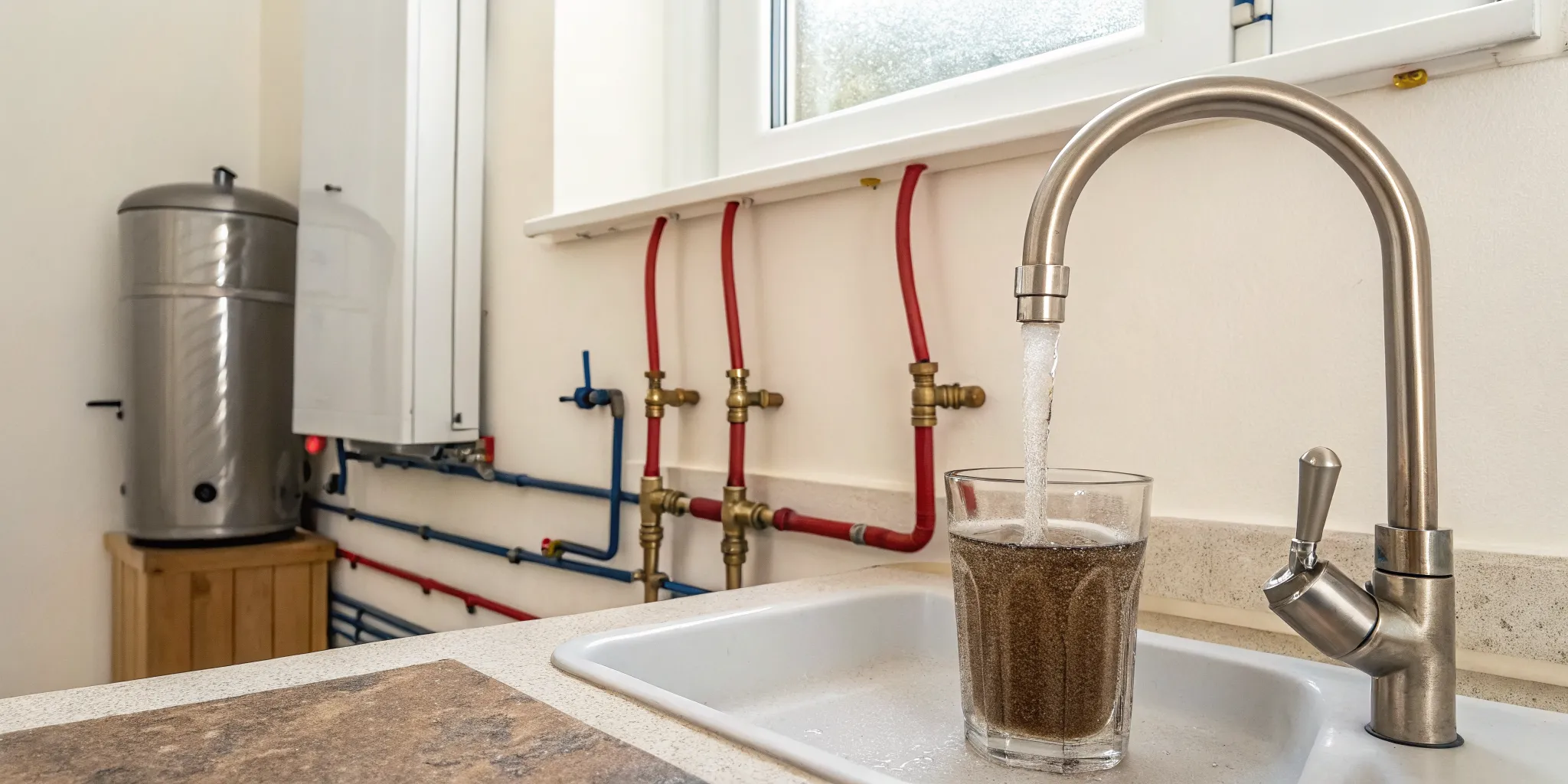
Seeing brown water right after getting a new water heater installed can be alarming, but it’s rarely a problem with the heater itself. The installation process requires shutting your home’s water supply off and on. This sudden pressure change acts like a power-washer inside your pipes, scouring away years of settled sediment and rust. All that debris then flows straight to your faucets. While this is the most common reason for that murky water, it’s not the only one. We’ll explore all the potential causes and give you the simple steps to get your water running clear again.
Key Takeaways
- Sediment Is the Usual Suspect: Brown water is most often caused by harmless rust and mineral deposits getting stirred up from your pipes during the installation, not a faulty new heater.
- A Simple Flush Is Your First Step: Before you worry, try running all your hot water taps for 15 to 20 minutes, as this simple action is often all it takes to clear the discolored water from your system.
- Don’t Ignore Persistent Issues: If the water is still brown after a day, or if you notice low water pressure or a foul odor, it’s a sign to stop troubleshooting and call a professional plumber for an expert diagnosis.
Before You Buy: A Guide to Choosing a New Water Heater
Dealing with brown water from a new heater is one thing, but choosing the right unit in the first place can prevent a host of other headaches. A water heater is a significant investment in your home’s comfort and efficiency, so it pays to do a little homework before you buy. Thinking through your needs ahead of time ensures you get a model that keeps the hot showers flowing without sending your energy bills through the roof. This guide will walk you through the essential factors to consider, from planning your purchase to understanding the different types available, so you can make a choice you’ll be happy with for years to come.
Key Considerations Before You Shop
Before you even start looking at models, a few key considerations will narrow down your options and make the selection process much smoother. Taking the time to assess your household’s needs, your home’s existing infrastructure, and the physical space you have available will save you from the stress of making a rushed decision. It’s about matching the appliance to your lifestyle, not the other way around. Let’s break down the four most important things to think about before you start shopping for a new water heater.
Plan Ahead: Replace Before It Fails
The absolute worst time to shop for a new water heater is right after your old one has failed, leaving you with cold showers and a flooded basement. Making a decision under pressure often leads to choosing whatever is in stock, not what’s best for your home. Most tank water heaters last about 8 to 12 years. If yours is approaching that age or showing signs of trouble (like rust, strange noises, or leaks), it’s wise to start researching a replacement. Planning ahead gives you the time to find the perfect fit and schedule an installation on your terms, helping you avoid a costly plumbing emergency.
Think About Long-Term Energy Costs
A water heater’s price tag is only part of its total cost. Water heating is a major energy expense in most homes, so choosing an efficient model can lead to significant savings on your utility bills over the life of the unit. An energy-efficient water heater might have a higher upfront cost, but the lower operating costs can pay you back over time. As you compare models, look for the bright yellow EnergyGuide label to understand how much a particular unit will cost to run each year. Prioritizing efficiency is an investment in your home’s future value and your wallet.
Check Your Home’s Electrical and Gas Systems
Before you fall in love with a specific type of water heater, you need to confirm your home can support it. If you’re thinking of switching from a gas to an electric model, for example, does your electrical panel have enough capacity? If you want a powerful tankless gas heater, is your existing gas line large enough to provide the necessary fuel? A quick assessment of your home’s current electrical and gas systems will tell you what’s possible. A professional plumber can help you evaluate your setup and understand what, if any, upgrades would be needed to accommodate a new type of heater.
Measure Twice, Buy Once
This old saying is especially true for water heaters. Newer, more efficient models are often wider or taller than their older counterparts due to increased insulation. Before you buy, carefully measure the space where your current water heater sits, including height, width, and depth. Don’t forget to account for the necessary clearance around the unit for ventilation and future servicing. Nothing is more frustrating than having a brand-new water heater delivered only to find it doesn’t fit in the designated closet or utility room.
Exploring Your Options: Types of Water Heaters
Once you’ve done your prep work, it’s time to explore the different types of water heaters on the market. The traditional storage tank model is what most of us are familiar with, but technology has come a long way, offering more efficient and convenient alternatives. From on-demand tankless units to ultra-efficient heat pumps, each type has its own set of benefits and considerations. Understanding how each one works will help you decide which technology is the best match for your family’s hot water habits, your budget, and your long-term energy-saving goals.
Storage Tank Water Heaters
This is the most common type of water heater found in homes across the country. A storage tank heater features an insulated tank that holds and continuously heats a reserve of water, typically between 30 and 80 gallons. When you turn on a hot water tap, hot water is drawn from the top of the tank while cold water enters the bottom to be heated. They are relatively inexpensive to purchase and install, making them a popular choice. However, they can be less energy-efficient because they constantly use energy to keep the stored water hot, a problem known as standby heat loss.
Tankless (On-Demand) Water Heaters
Tankless water heaters, also known as on-demand heaters, provide hot water instantly without using a storage tank. When you turn on the hot water, cold water travels through a pipe into the unit and is rapidly heated by a gas burner or an electric element. This gives you a constant supply of hot water, so you never have to worry about running out during a long shower. They are much more energy-efficient than storage tanks since they only heat water when you need it. While their upfront cost is higher, the energy savings and longer lifespan (often 20 years or more) make them an attractive long-term investment.
Heat Pump (Hybrid) Water Heaters
Heat pump water heaters, sometimes called hybrid models, are a highly efficient electric option. Instead of generating heat directly, they work like a refrigerator in reverse, pulling heat from the surrounding air and transferring it to the water in the storage tank. According to the U.S. Department of Energy, they can be two to three times more energy-efficient than conventional electric resistance water heaters. They do require more space—typically needing at least 1,000 cubic feet of uncooled air around them—and they have a higher initial cost, but the significant energy savings can offer a quick return on your investment.
Solar Water Heaters
Solar water heaters use the sun’s free, renewable energy to heat water. These systems include a storage tank and a solar collector that is typically mounted on a roof. In a direct circulation system, water is pumped from the tank through the collector to be heated and then returned to the tank. These are incredibly efficient and environmentally friendly, but they depend on having enough sunny weather to function optimally. Most systems include a backup gas or electric heater to ensure you have hot water on cloudy days. The initial investment is high, but they can dramatically reduce your energy bills.
Condensing Water Heaters
For homes with natural gas, a condensing water heater is a highly efficient option. It’s similar to a conventional gas storage tank heater but includes a second heat exchanger that captures extra heat from the hot exhaust gases that would normally escape through your chimney or flue. This captured heat is used to preheat the cold water entering the tank, reducing the amount of energy needed to bring it up to temperature. These units are best for households that use a lot of hot water, as that’s when the energy savings really add up.
Tankless Coil and Indirect Water Heaters
If your home has a furnace or boiler for central heating, you might consider a tankless coil or indirect water heater. A tankless coil system uses your furnace’s heating coil to heat water as it flows through, providing hot water on demand without a separate storage tank. An indirect system pairs with your furnace or boiler to heat fluid that is then circulated through a heat exchanger in a storage tank. Both are very efficient options during the winter when your heating system is already running, but they are less effective during warmer months when the furnace or boiler is off.
Making an Informed Choice: Sizing, Efficiency, and Features
After you’ve decided on the type of water heater that best suits your home, the next step is to dig into the details. Choosing the right size, understanding efficiency ratings, and looking for key features will ensure your new appliance performs well and lasts for years. These technical specifications might seem intimidating, but they are actually straightforward tools designed to help you make a smart comparison. Getting these details right means you’ll have plenty of hot water when you need it without overpaying for a unit that’s too large or inefficient for your needs.
Getting the Size Just Right
Sizing is critical for both comfort and efficiency. A water heater that’s too small will leave you with lukewarm showers, while one that’s too large will waste energy by heating water you don’t use. The right size depends on the type of heater you choose and your household’s peak hot water demand. A little bit of calculation upfront ensures you get a system that can handle your family’s needs, from morning showers to running the dishwasher and washing machine simultaneously.
Sizing a Storage Tank Heater
For storage tank models, the key metric is the “first-hour rating” (FHR), which you can find on the EnergyGuide label. The FHR tells you how many gallons of hot water the heater can produce during one hour of high usage, starting with a full tank of hot water. To estimate your needs, think about your family’s morning routine. How many showers are taken? Do you run the dishwasher or laundry at the same time? The U.S. Department of Energy provides worksheets to help you calculate your peak hour demand and find a heater with an appropriate FHR.
Sizing a Tankless Heater
Sizing a tankless water heater is a bit different. Since there’s no tank, you need to determine the maximum flow rate of hot water you’ll ever need at one time. You can do this by adding up the flow rates (in gallons per minute, or GPM) of all the fixtures you might use simultaneously. For example, a standard showerhead is about 2.0 GPM and a bathroom faucet is 1.0 GPM. If you expect to run both at once, you’ll need a unit that can provide at least 3.0 GPM. You also need to consider the temperature rise—how much the heater needs to warm the incoming cold water to reach your desired output temperature.
Understanding Efficiency Ratings
Efficiency ratings are your best tool for comparing the long-term operating costs of different water heaters. A more efficient unit will use less energy to do the same job, which translates directly into lower utility bills. While these ratings can seem technical, they provide a standardized way to see how one model stacks up against another. Taking a moment to understand what these numbers mean can help you make a choice that saves you hundreds of dollars over the life of the appliance.
What is the Uniform Energy Factor (UEF)?
The main efficiency rating to look for is the Uniform Energy Factor (UEF). This number, which replaced the older Energy Factor (EF) rating, indicates a water heater’s overall energy efficiency. The higher the UEF, the more efficient the unit is. The rating system is designed to make it easy to compare similar models—for example, you can compare the UEF of one gas tank heater to another, but not to a tankless electric model. Always look for the highest UEF you can find in the size and type of heater you need.
How Drain-Water Heat Recovery Saves Energy
For an extra efficiency gain, you can install a drain-water heat recovery system. This clever technology captures heat from the warm water going down your drain from showers and sinks. It then uses that captured heat to preheat the cold water going into your water heater. This means your water heater doesn’t have to work as hard to bring the water up to the target temperature, saving a significant amount of energy. These systems are most effective in homes with high hot water usage and can be a great complement to any type of water heater.
Features That Matter
Beyond size and efficiency, certain features can impact a water heater’s longevity, safety, and convenience. Manufacturers often use different materials and offer varying warranties, and these details can make a big difference in your ownership experience. Paying attention to a few key components can help you choose a more durable and reliable unit. These are the features that are truly worth looking for when you’re making your final decision.
Look for a Longer Warranty
A water heater’s warranty is a good indicator of its quality and expected lifespan. Warranties typically range from 3 to 15 years, covering both the tank and its parts. A longer warranty often signifies a better-built unit with features like a larger anode rod to prevent corrosion or thicker insulation for better efficiency. While a model with a 12-year warranty might cost more than one with a 6-year warranty, it’s often a worthwhile investment for the added peace of mind and durability.
Safety and Convenience: Mixing Valves
A mixing valve, also known as a tempering valve, is a crucial safety feature. This device mixes hot water from the heater with cold water before it reaches your faucets, ensuring the water delivered is at a safe, consistent temperature and preventing accidental scalding. It also allows you to set the thermostat on your water heater to a higher temperature (like 140°F) to kill bacteria, while still delivering water at a safer 120°F to your taps. This not only enhances safety but can also increase your available hot water supply.
Durability Check: Brass vs. Plastic Drain Valves
The drain valve at the bottom of a storage tank water heater is used for routine maintenance, like flushing out sediment. Many heaters come with basic plastic valves, which can become brittle over time and are prone to breaking or leaking. A model with a more durable brass drain valve is a much better choice. Brass valves are more robust, easier to operate, and far less likely to fail when you need to perform maintenance. It’s a small detail that speaks volumes about the overall quality of the unit.
The Final Step: Installation
You’ve done the research, picked the perfect model, and had it delivered. Now for the final, and most critical, step: installation. Proper installation is essential for the safety, efficiency, and longevity of your new water heater. An incorrect setup can lead to poor performance, water damage, or even dangerous conditions like gas leaks or pressure buildup. This is one home improvement project where cutting corners is never a good idea. Whether you’re an experienced DIYer or would rather leave it to the pros, understanding what the installation entails is key.
DIY vs. Professional Installation
While it might be tempting to install a new water heater yourself to save money, this is a job best left to a licensed professional. A plumber can typically replace a standard water heater in just a couple of hours, ensuring the job is done correctly and safely. Professional installation involves much more than just connecting a few pipes; it requires knowledge of local building codes, proper venting for gas models, correct temperature and pressure relief valve setup, and secure electrical or gas connections. At Mr. Pipey, our expert technicians handle every aspect of the installation, giving you the confidence that your new water heater will provide safe, reliable service for years to come. If you’re ready for a professional installation, feel free to contact our team for help.
Why Is My New Water Heater Making Brown Water?
You’ve just invested in a new water heater, expecting crystal-clear hot water, but instead, you’re getting a murky, brownish flow from the tap. It’s an alarming sight, but before you panic, know that this is a surprisingly common issue. More often than not, it doesn’t mean your new heater is faulty. The installation process itself is the usual suspect, as it can disrupt the settled state of your home’s plumbing. When a plumber replaces your old unit, they have to shut off the water, drain the system, and then turn everything back on. This change in pressure can stir up sediment that has been sitting quietly in your pipes for years.
Think of it like shaking a snow globe. All that “snow” (in this case, rust and mineral deposits) gets swirled around and comes out of your faucets. In most cases, the water will clear up on its own after a short time. However, there are a few different potential causes, from harmless residue in the new tank to issues with your home’s existing pipes. Understanding the source is the first step to getting your water back to normal. We’ll walk through each possibility.
Sediment Stirred Up During Installation
The most common reason for brown water after a new installation is simply stirred-up sediment. Your home’s water pipes, especially if they are older, can accumulate a layer of harmless mineral deposits and rust over time. When your plumber performs the water heater replacement, the water pressure in your pipes changes dramatically. Shutting the main valve off and turning it back on can create a surge of water that scours the inside of the pipes, dislodging all that settled gunk. This rusty, sediment-filled water then flows to your faucets when you turn on the hot water. It looks unpleasant, but it’s typically a temporary problem that resolves once the loose particles are flushed out of the system.
It Might Just Be Factory Residue
It might seem strange, but your brand-new water heater could be the source of the discoloration, and it’s usually nothing to worry about. During the manufacturing and shipping process, a small amount of harmless residue or oil can get inside the tank. When the tank is filled with water for the first time, this residue mixes in, creating a brownish or yellowish tint. This is perfectly normal and not a sign of a defective or used unit. Think of it like rinsing a new water bottle before you use it for the first time. This initial discoloration should disappear after you run the hot water for a bit and the tank has a chance to flush itself out completely.
Are Your Home’s Pipes the Real Culprit?
If the brown water persists, the issue might not be the sediment stirred up by the installation but the condition of your pipes themselves. Many older homes in the Detroit area were built with galvanized steel pipes. Over decades, these pipes can corrode from the inside out, creating a thick layer of rust. Your new water heater is likely more powerful and efficient than your old one, leading to faster temperature changes and stronger water flow. This can cause flakes of rust to break off from the inside of the pipes and mix with your water. If you suspect your pipes are the problem, it’s a good idea to have them inspected by a professional from a trusted, family-owned company.
A Failing Anode Rod Could Be the Cause
Every tank-style water heater has a part called an anode rod. This is a long metal rod, typically made of magnesium or aluminum, that hangs inside the tank. Its job is to corrode sacrificially to protect the steel tank from rusting. Essentially, the anode rod rusts so your tank doesn’t. While it’s a crucial component, a new anode rod can sometimes be overly reactive or, in rare cases, faulty, causing it to release an excessive amount of rust particles into the water. If you’ve flushed your system and the brown water keeps coming back after a day or two, a problematic anode rod could be the culprit. This isn’t something you should fix yourself; it’s best to contact a professional plumber to inspect and replace it if needed.
Is Brown Water From a New Water Heater Safe?
Seeing brown water come out of your faucet right after getting a new water heater can be unsettling. Your first thought is probably, “Can I still use this water?” While the discoloration is usually caused by harmless mineral sediment or rust stirred up during installation, it’s smart to be cautious. The short answer is that it’s best to avoid using the water for certain activities until it runs clear again. Let’s break down what that means for your daily routine.
Can I Drink or Cook With It?
It’s best to hold off on drinking the brown water or using it for cooking. While the rust and sediment particles aren’t typically harmful to your health in small amounts, they aren’t exactly appetizing. The metallic taste can ruin your morning coffee, and the gritty texture is the last thing you want in your dinner. Until the water clears up, stick to bottled water for drinking, cooking, and even for your pets. It’s a simple, temporary fix that gives you peace of mind while you work on solving the issue.
What About Showers and Laundry?
You might want to postpone your shower and laundry day, too. The main issue with using brown water for washing is staining. The same iron and rust particles that discolor the water can leave stubborn reddish-brown stains on your clothes, sinks, and bathtub. If you notice the water has a foul odor or looks especially cloudy, it could indicate a more serious problem like bacteria. If you suspect contamination or the issue feels urgent, our emergency plumbing services are available to diagnose the problem quickly.
How Long Should the Brown Water Last?
Thankfully, this problem is almost always temporary. In most cases, the brown water will clear up within a few hours to a day after you flush your plumbing system. The exact timeline depends on how much sediment was disturbed during the installation. If you’ve run your faucets and flushed the tank but the water is still brown after 24 to 48 hours, it might signal a more complex issue. At that point, it’s a good idea to contact a professional to get an expert opinion.
How to Fix Brown Water From Your New Water Heater
Seeing brown water after getting a new water heater can be alarming, but don’t panic. It’s usually a temporary issue caused by stirred-up sediment, and there are several straightforward steps you can take to clear it up. Think of it as your plumbing system getting used to the new equipment. When a new heater is installed, the process can dislodge rust and mineral deposits that have been sitting quietly in your pipes for years. This debris then mixes with your water, giving it that unappealing brown or reddish tint. The good news is that you can often resolve this on your own with a little patience and flushing. Here’s a step-by-step guide to get your water running clear again. Most of these fixes are simple, but if you ever feel unsure, remember that a professional is just a phone call away.
Step 1: Pinpoint the Source with Cold Water
First, let’s figure out where the brown water is coming from. Go to the faucet closest to where the main water line enters your home, which is often in the basement or a utility closet. Turn on only the cold water and let it run for several minutes. This simple test helps you isolate the problem. If the cold water is also brown, the issue might be with the city’s water supply, not your new heater. However, if the cold water runs clear while the hot water stays brown, you’ve confirmed the problem is related to your water heater or hot water pipes. This is a crucial first step that saves you from chasing the wrong solution.
Step 2: Flush the Brown Water from Your Taps
Now that you know the issue is on the hot water side, the next step is to flush the discolored water out of your pipes. Go around your house and turn on all the hot water faucets. The bathtub is a great one to use for this since it can handle a high volume of water without splashing everywhere. Let the hot water run for about 15 to 20 minutes. This process pulls the sediment-filled water from the tank and through the pipes, helping to clear the entire system. Keep an eye on the water to see if it starts to clear up. This is often all it takes to fix the problem.
Step 3: Flush the New Water Heater Tank
If flushing the lines didn’t completely solve the problem, the next step is to drain the water heater tank itself. First, for safety, turn off the power or gas supply to the heater and give it time to cool down. Next, attach a standard garden hose to the drain valve near the bottom of the tank. Run the other end of the hose to a floor drain or outside. Open the drain valve and let the tank empty until the water coming out of the hose runs clear. If you’re not comfortable doing this, our team at Mr. Pipey is always ready to help.
Step 4: Check and Clean Your Faucet Aerators
All that sediment you just flushed out had to go somewhere, and it often gets trapped in your faucet aerators. These are the small, mesh screens at the tip of your faucets. Clogged aerators can slow your water flow and hold onto discolored particles, making it seem like the problem isn’t fixed. Simply unscrew them from the end of each faucet, separate the screen and washer, and rinse them thoroughly under clean water. Once they’re clean, screw them back on. This is a quick and easy step that makes a surprising difference for your home’s plumbing system.
Step 5: Give the Anode Rod a Quick Inspection
If the brown water persists after a day, the issue might be the anode rod inside your new tank. This metal rod is designed to corrode over time to protect the tank lining from rust. Sometimes, a new anode rod can react with the water chemistry in a way that releases excess particles, causing discoloration. While it’s a normal part of its job, a faulty or overly reactive rod can cause problems. Inspecting and replacing an anode rod can be tricky, as it often requires specific tools and knowledge. This is usually a job best left to a professional plumber to avoid damaging your new heater.
Step 6: Run the Hot Water for a Final Check
After you’ve flushed your lines, drained the tank, and cleaned your aerators, it’s time for a final check. Turn the hot water back on at a few faucets and see if it’s running clear. Don’t be discouraged if it’s not perfect right away. It can sometimes take a few hours or even a full day for all the lingering sediment to work its way out of the system. If the water is still brown after 24 hours of trying these steps, it’s a sign that there might be a deeper issue requiring professional attention.
When to Call a Plumber About Brown Water
Sometimes, flushing your pipes is all it takes to solve the problem. But if you’ve tried the steps above and your water still looks like iced tea, it’s time to call in a professional. Certain signs point to a deeper issue that a simple flush won’t fix. Ignoring them can lead to bigger, more expensive problems down the road. If you notice any of the following issues, it’s best to put down the wrench and pick up the phone to schedule a professional plumbing service.
If the Water Is Still Brown After a Day
A little discoloration is normal for a few hours after installing a new water heater or if the city flushes its mains. However, if your water stays brown for more than 24 to 48 hours, it’s a clear signal that something is wrong. Persistent brown water suggests an ongoing source of rust or sediment, which could be a severely corroded pipe or a failing water heater tank. Don’t just wait for it to clear up on its own. A professional can perform an inspection to find the source and prevent further damage to your plumbing system.
When Brown Water Comes with Low Pressure
When brown water is accompanied by a noticeable drop in water pressure, it’s a double warning. This combination strongly suggests a significant blockage in your pipes. The rust and sediment aren’t just tinting your water; they’re building up and physically restricting the flow. This can strain your entire plumbing system and lead to more serious issues, like pipe bursts. It’s a problem that requires a professional diagnosis to locate and clear the obstruction safely. If you’re experiencing this, it’s wise to get your plumbing system inspected right away.
A Foul Odor Is a Red Flag
This is one sign you should never ignore. If your brown water also has a foul smell, like rotten eggs or sewage, stop using it immediately. A bad odor often indicates the presence of bacteria or other harmful contaminants that could make you sick. This isn’t just an issue of water quality; it’s a health and safety concern. The problem could stem from your water heater, a cross-connection, or even an issue with the municipal supply. In this situation, you should call for emergency plumbing services to identify and resolve the contamination source.
You Spot Rust on Your Pipes or Fixtures
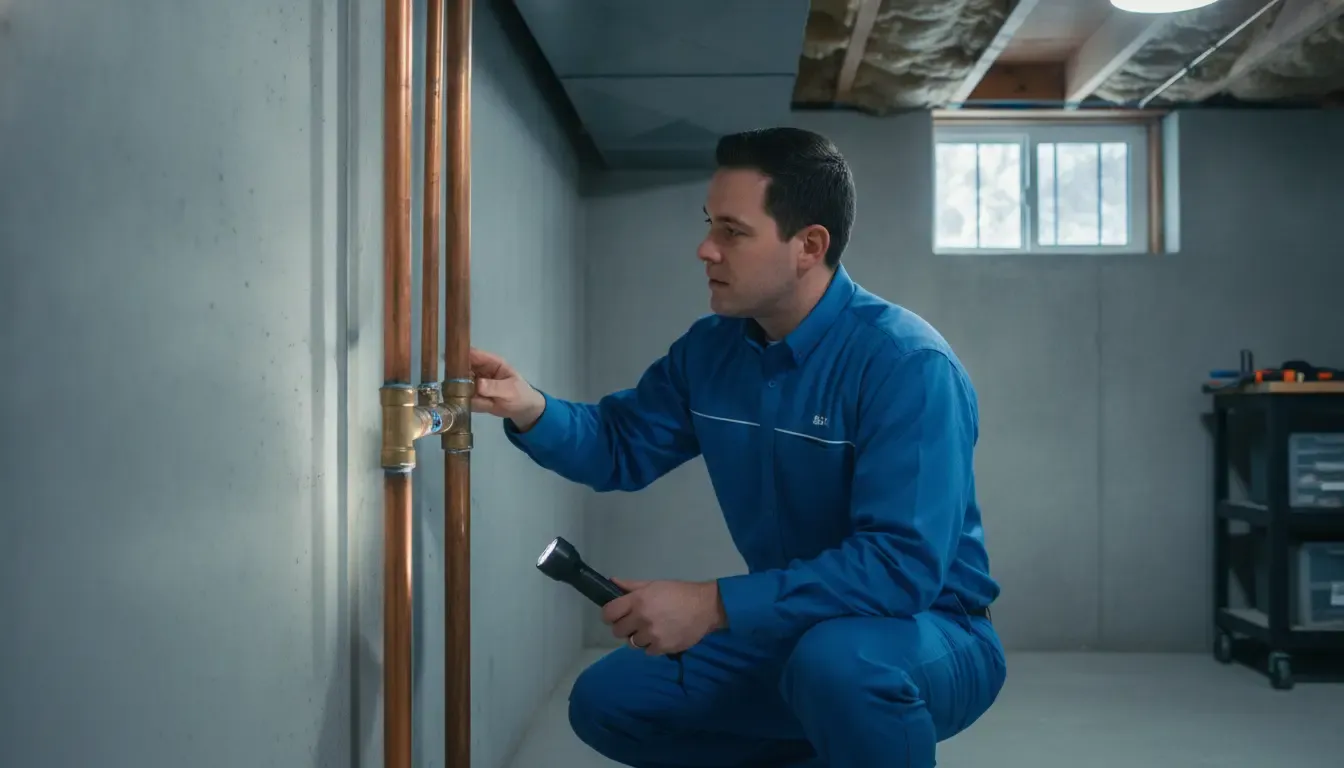
Take a look at the accessible pipes in your basement or under your sinks. If you see visible rust, flaking, or moisture around the pipe fittings and joints, it’s a good bet the inside of the pipes is in even worse condition. External corrosion is a telltale sign that your pipes are deteriorating and are likely the source of the rust in your water. A plumber can assess the extent of the damage and determine whether a simple repair will suffice or if a full pipe replacement is necessary to ensure the integrity of your system.
For Peace of Mind, Get Your Water Tested
If you’ve tried everything and the water is still discolored, or even if it has cleared but you’re still concerned, getting your water tested provides peace of mind. A professional water quality test is the most definitive way to know exactly what’s in your water. A plumber can take a sample and have it analyzed for high levels of iron, manganese, bacteria, and other contaminants. This not only confirms whether your water is safe but also helps pinpoint the exact cause of the discoloration, allowing for a targeted and effective solution. When in doubt, it’s always best to contact a professional for help.
How to Prevent Brown Water in the Future
Okay, you’ve dealt with the brown water. Now, let’s talk about how to keep it from coming back. A little proactive maintenance can save you a lot of headaches and ensure your water stays clear. Think of it as a simple check-up for your home’s plumbing. By paying attention to your water heater and pipes, you can catch small issues before they turn into big, discolored problems. These steps are straightforward and will help protect your investment in your new water heater and your home’s overall plumbing health.
Schedule a Yearly Tank Flush
One of the best things you can do for your water heater is to flush it regularly. Over time, sediment and minerals settle at the bottom of the tank. If left alone, this buildup can cause corrosion, reduce efficiency, and lead to discolored water. Draining some water from the tank once or twice a year helps clear out this gunk before it builds up too much. This simple step not only prevents brown water but also extends the life of your appliance. If you’re not comfortable doing this yourself, our team is always here to handle your water heater maintenance.
Keep an Eye on Your Anode Rod
Inside your water heater is a hidden hero called the anode rod. This metal rod is designed to corrode so your tank doesn’t. It essentially sacrifices itself to prevent rust from forming inside the water heater. Since it’s meant to break down, it needs to be inspected every couple of years and replaced when worn out. A failing anode rod can’t do its job, leading to rust buildup and brown water. If you suspect your anode rod is failing, it’s best to call a professional for an inspection.
Check Your Pipes for Signs of Corrosion
Sometimes, the problem isn’t your water heater but the pipes carrying water through your home. Older homes, especially those with galvanized steel pipes, are prone to internal rust and corrosion. This rust can flake off and mix with your water, causing discoloration. Take a few minutes every so often to look at any visible pipes in your basement or under sinks. If you see signs of rust, flaking, or moisture, your pipes might need attention. Proactive care, like proper pipe insulation, can also protect your plumbing from damage and extend its lifespan.
Related Articles
- Water Heater Installation: A Step-by-Step Guide
- Water Heater Leak? Here’s What to Do Right Now
- Labor Cost to Install Water Heater: A Full Breakdown
Frequently Asked Questions
Does brown water mean my new water heater is broken? It’s completely understandable to think that, but it’s highly unlikely. In most cases, a new water heater is working perfectly. The brown water is usually just a side effect of the installation process. When the water is turned off and on again, the change in pressure can stir up harmless rust and mineral deposits that were already settled in your home’s pipes. Think of it as cleaning out the cobwebs in your plumbing system.
How long should I run my faucets to clear the brown water? A good starting point is to run all the hot water taps in your house for about 15 to 20 minutes. This is often enough time to flush the discolored water out of the tank and pipes. If the water is still tinted after that, don’t worry. It can sometimes take a few hours for all the fine particles to work their way out of the system.
What if my cold water is brown, too? This is a great question because it helps pinpoint the source of the problem. If your cold water is also running brown, the issue is probably not related to your new water heater. It’s more likely that the discoloration is coming from the municipal water supply, perhaps due to nearby maintenance on a water main. In this case, the water should clear up on its own shortly.
Will this rusty water damage my dishwasher or washing machine? It’s best to hold off on running those appliances until your water is clear again. The same rust and sediment that cause the brown color can also lead to reddish stains on your clothes and dishes. More importantly, these particles can clog the small filters and hoses inside your appliances, potentially causing performance issues or damage over time.
I flushed the system, but the water is still slightly discolored. What should I do? If you’ve flushed your pipes and the water is much better but not perfectly clear, give it a few more hours. Sometimes, it takes a little while for the last of the sediment to settle or wash out. However, if the water is still noticeably brown after 24 hours, or if it clears up and then becomes discolored again, it’s time to call a professional. This could point to a more persistent issue, like severely corroded pipes or a problem with the anode rod.