
We often focus on the home maintenance tasks we can see, like peeling paint or an overgrown lawn. But one of the biggest financial risks is hiding in your utility closet. A sudden water heater failure can release 40 to 80 gallons of water into your home in minutes, causing thousands of dollars in damage to floors, walls, and personal belongings. This isn’t just an inconvenience; it’s a major financial headache. Investing in water heater flood protection is one of the smartest decisions a homeowner can make. It’s a small, one-time cost that prevents a massive, unexpected expense, protecting your biggest asset from the ground up.
Key Takeaways
- Protect your wallet, not just your floors: Investing in a flood protection system is significantly cheaper than paying for water damage restoration, saving you from thousands of dollars in potential repairs down the line.
- Match the solution to your home: From simple smart alarms to comprehensive automatic shut-off valves, the right system depends on your budget and your water heater’s location. A professional can help you find the perfect fit.
- Prioritize professional installation and maintenance: A DIY job can create safety risks and system failures. Professional installation ensures your system works correctly, while simple annual checks keep your water heater and your home safe.
Why Your Home Needs Water Heater Flood Protection
Your water heater works tirelessly behind the scenes, providing the hot water you rely on daily. It’s an appliance we often forget about until something goes wrong. Unfortunately, a water heater failure can happen fast, and it’s a common cause of home water damage that leads to stressful and expensive problems. Understanding why these failures happen and what to look for is the first step in protecting your home and your peace of mind.
What Causes a Water Heater to Leak or Burst?
Water heater floods don’t always happen with a dramatic burst. Often, the problem starts as a slow, sneaky leak that goes unnoticed, seeping into your floors and walls. These leaks can come from corroded tanks, loose fittings, or a faulty pressure relief valve. The most catastrophic failures occur when the tank itself ruptures, suddenly releasing 40 to 80 gallons of water into your home. This can cause widespread damage in minutes, turning your basement or utility closet into a disaster zone that requires immediate emergency plumbing services.
Understanding Water Heater Lifespan and Failure
Like any major appliance, your water heater has a limited lifespan. Most traditional tank-style water heaters are designed to last between 10 to 15 years. If your unit is approaching or has already passed the 10-year mark, its risk of failure increases significantly. According to home service experts at Angi, once a water heater is over this age, it should be considered for replacement to avoid a potential flood. Age-related wear and tear, sediment buildup, and internal corrosion can weaken the tank and its components, making a leak or burst more likely. Proactively replacing an aging unit is a smart move that can save you from the stress and expense of an unexpected failure.
The Risk of Continuous Leaking
While a sudden burst is a nightmare scenario, slow leaks are far more common and can be just as destructive over time. The real danger with a leaking water heater is that it will continuously refill itself, creating a constant source of water that can saturate your subfloor, drywall, and even your home’s foundation. These sneaky leaks often start small and can go unnoticed for weeks or months, silently causing mold growth and structural rot. By the time you discover the dampness or musty smell, you could be facing a serious situation that requires immediate emergency plumbing intervention to stop the flow and prevent thousands of dollars in further damage.
What a Water Heater Failure Really Costs You
A water heater flood is more than just a puddle to mop up; it’s a major financial headache. The cost to repair water damage from a failed water heater can easily run into the thousands, covering everything from replacing drywall and flooring to mitigating mold growth. In fact, water damage is a leading cause of homeowner’s insurance claims, with water heaters being a frequent culprit. Beyond structural repairs, you have to consider the loss of personal items and the disruption to your life. Investing in preventative measures helps you avoid these unexpected costs, and our team is dedicated to providing cost-effective solutions to keep your home safe.
Water Heaters and Homeowners Insurance Claims
It might surprise you, but water damage is one of the most common reasons homeowners file insurance claims, and the water heater is often the culprit. A sudden tank failure can release 40 to 80 gallons of water into your home in minutes, causing widespread damage before you can even react. This isn’t just a mess; it’s the start of a long and stressful process with your insurance company. The financial hit can be huge, covering not just the repairs but also your deductible. Taking steps to prevent a failure is far less stressful and more affordable than dealing with an insurance claim after the fact.
The real shock isn’t just the water; it’s the bill that follows. The cost to repair water damage can quickly climb into the thousands, covering everything from replacing flooring and drywall to professional mold remediation. When a catastrophe strikes, you’ll need immediate help from an emergency plumbing service to stop the flow and assess the damage. Investing in preventative maintenance and flood protection systems is a smart financial move. It’s a small price to pay to protect your property, avoid the headache of insurance claims, and ensure your home remains a safe, dry, and comfortable space for your family.
Warning Signs Your Water Heater Is at Risk
You can often spot trouble before it turns into a full-blown flood. Keep an eye out for a few key warning signs. Check the tank for any rusty spots or slow drips, as even a tiny leak indicates a bigger problem is on the way. Also, look for moisture on the pipe connections. Listen for unusual sounds like rumbling or popping, which can mean sediment has built up inside and is stressing the tank. Finally, consider its age. If your water heater is over 10 years old, it’s living on borrowed time. If you notice any of these signs, it’s time to contact a professional for an inspection.
How Does Water Heater Flood Protection Work?
When it comes to protecting your home from a water heater leak, you have several great options. These systems work in different ways, from simply containing a small drip to automatically shutting down your water supply during a major failure. Understanding how each one functions will help you decide which layer of protection is the right fit for your home, your budget, and your peace of mind. Think of it as building a safety net; you can choose one solution or combine a few for even more robust defense against water damage.
Stopping Floods with Automatic Shut-Off Systems
An automatic shut-off system is one of the most effective ways to prevent a full-blown flood. This system uses a small, water-sensitive sensor placed on the floor next to your water heater. This sensor is connected to a valve installed on the water line that feeds your heater. If the sensor detects even a small amount of water from a leak, it immediately sends a signal to the valve, which automatically closes. This action instantly stops the flow of water to the heater, containing the problem before it can cause widespread damage. It’s a proactive solution that offers incredible peace of mind, especially if your water heater is in a finished basement or you’re often away from home.
Key Features of Automatic Shut-Off Systems
The best part about these systems is their immediate, decisive action. The moment a leak is detected, the system springs into action, shutting off the water supply before a small drip becomes a major disaster. This rapid response is what saves your floors, drywall, and cherished belongings from ruin. Many modern systems also come with smart features, like sending an alert directly to your phone, so you know there’s an issue even when you’re not home. This gives you incredible peace of mind, knowing your home is protected 24/7. It’s the difference between a minor cleanup and a frantic call for emergency plumbing services in the middle of the night.
Containing Leaks with Pans and Drains
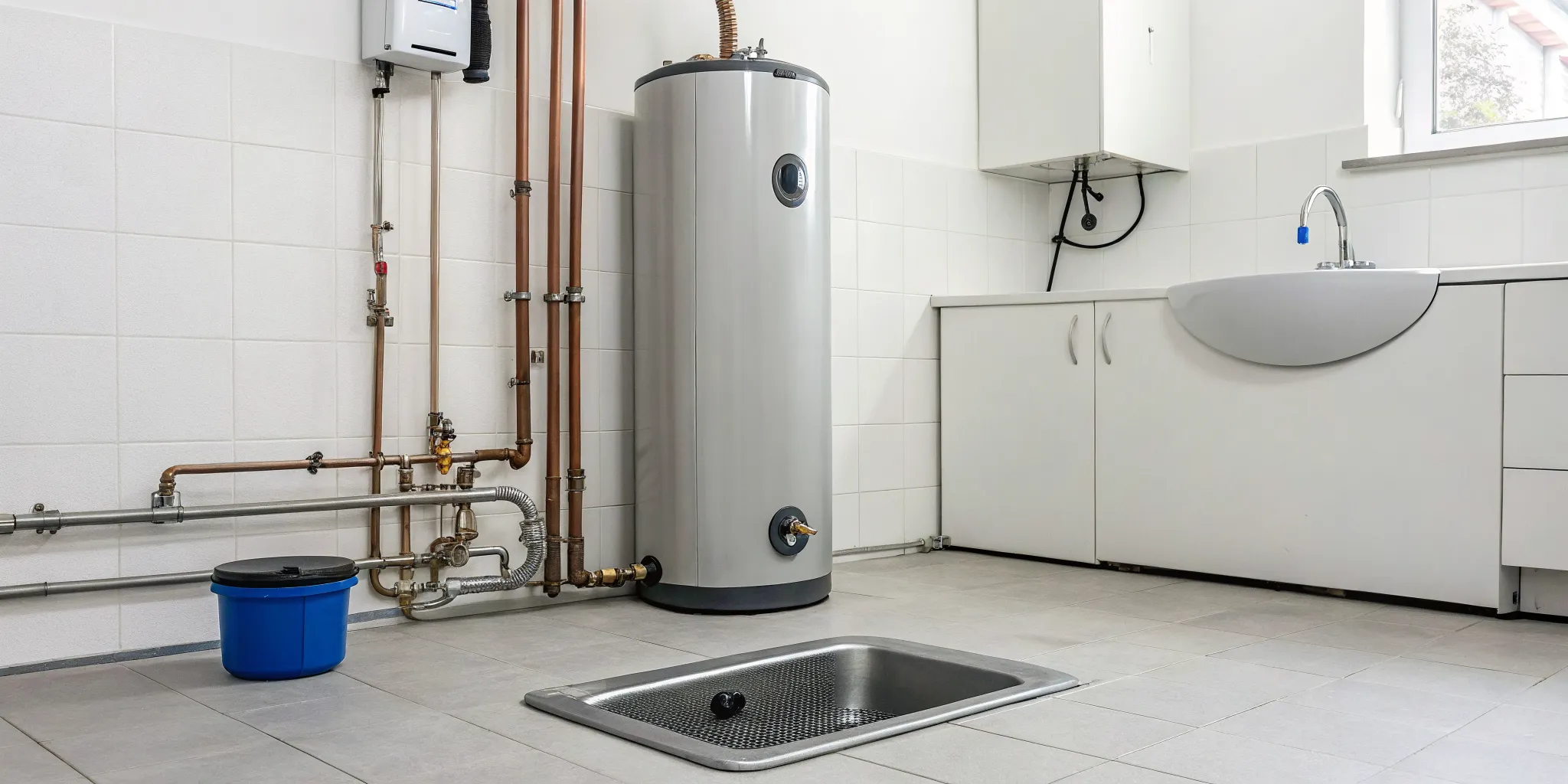
A containment pan is a simple yet practical tool for managing minor leaks. It’s a durable, shallow pan that sits directly underneath your water heater to catch any drips or small puddles. While a pan alone can prevent minor water damage to your floor, its effectiveness is greatly improved when connected to a drain. A small pipe can be installed to lead from the pan to a nearby floor drain or your home’s sump pump system. This way, any water that collects in the pan is safely channeled away instead of overflowing. This method won’t stop a major pipe burst, but it’s an excellent and affordable first line of defense against slow leaks that can go unnoticed for weeks.
Upgrading to a Sealed Containment Ring
If you want to take containment a step further, a sealed containment ring offers a more robust defense. Think of it as a fortress for your water heater. This system involves installing a durable, high-sided ring directly onto the floor, creating a watertight seal around the base of your appliance. Unlike a simple pan that can overflow, this ring is designed to contain a much larger volume of water. It’s then connected to your home’s drainage system, channeling any captured water safely to a floor drain or, for maximum effectiveness, your home’s sump pump. This proactive solution ensures that even a significant leak is managed immediately, preventing water from ever reaching your floors, walls, or personal belongings and giving you ultimate peace of mind.
Early Warnings: Smart Detectors and Alarms
Smart leak detectors and alarms act as an early warning system. These small, battery-powered devices are placed on the floor near your water heater and other flood-prone appliances. The moment they come into contact with water, they emit a loud audible alarm to alert anyone in the house. Many modern detectors are also “smart,” meaning they connect to your home’s Wi-Fi and send an instant notification to your smartphone. This immediate alert gives you the critical time needed to get home and manually shut off the water before a small leak becomes a disaster. If you have questions about which smart devices are most reliable, feel free to reach out to our team for advice.
The Manual Option: Emergency Shut-Off Valves
Emergency shut-off valves are a core component of a comprehensive flood protection strategy. Similar to automatic systems, these valves are installed on your water heater’s supply lines and are triggered by a water sensor. When a leak is detected, the valve takes immediate action by closing to cut off the water supply at the source. Some advanced models also have the capability to shut off the gas or electrical supply to the water heater, preventing further hazards. These valves are your home’s emergency first responders, acting instantly to stop a high-volume failure in its tracks. Installing one is a powerful step toward safeguarding your property, and it’s just one of the many expert plumbing solutions we offer.
Protecting Your Water Heater From External Floods
While a burst tank is a major concern, it’s not the only way water can threaten your water heater. For many homeowners in Metro Detroit, the bigger risk comes from the outside. Heavy rains, rapid snowmelt, or sewer system backups can lead to basement flooding, submerging your appliances in water. When a water heater’s sensitive electronic controls, gas burners, or insulation get soaked, it almost always results in a total loss of the unit. This kind of external flooding can be just as destructive as an internal leak, but the strategies to protect against it are a bit different. Instead of just containing a leak, the goal is to keep the appliance high and dry or, even better, to stop the water from getting into your basement in the first place.
Elevating Your Water Heater
One of the simplest and most effective ways to guard against shallow flooding is to lift your water heater off the floor. By placing the unit on a sturdy, elevated platform, you create a buffer zone that keeps its critical components out of harm’s way. Most experts recommend raising the water heater at least 18 inches, which is high enough to protect it from minor water intrusion. This can be accomplished with a solid concrete block base or a specially designed metal stand. Elevating your water heater ensures that if a few inches of water do enter your basement, your burner assembly and controls will remain safe and dry, preventing a costly replacement.
Using Waterproof Covers
If your home is in an area with a higher risk of significant flooding, elevation alone might not be enough. In these cases, you can add another layer of defense with a waterproof cover. These are not your average tarps; they are specialized, heavy-duty bags designed to create a watertight seal around your home’s essential utilities. Often called “Utility Flood Covers,” they are made to fit snugly around appliances like water heaters and furnaces. When a flood is imminent, you can deploy the cover to protect your equipment from damage, giving you a powerful tool to safeguard your investments against rising water.
Securing the Tank Against Floodwaters
When you elevate your water heater, it’s important to remember that floodwaters can have a powerful current. A simple stand might not be enough to keep your unit stable if it’s pushed by moving water. To prevent your water heater from tipping over and causing even more damage—like a broken gas or water line—you need to secure it properly. This means using a robust, weight-certified platform that is anchored to the floor or wall. By ensuring your elevated water heater is also firmly secured, you create a flood-proof setup that can withstand the forces of moving water, keeping your appliance and your home safe.
Addressing the Source of Basement Flooding
While protecting your water heater is important, the best long-term strategy is to fix the reason your basement is flooding in the first place. Constantly worrying about water damage is stressful, and it’s a problem that won’t go away on its own. By addressing the root cause of water intrusion, you not only protect your water heater but also your furnace, your foundation, and everything else you store in your basement. This proactive approach involves installing systems that actively manage and remove water, turning your flood-prone space into a dry, usable part of your home. It’s a solution that provides lasting peace of mind.
Sump Pumps and French Drains
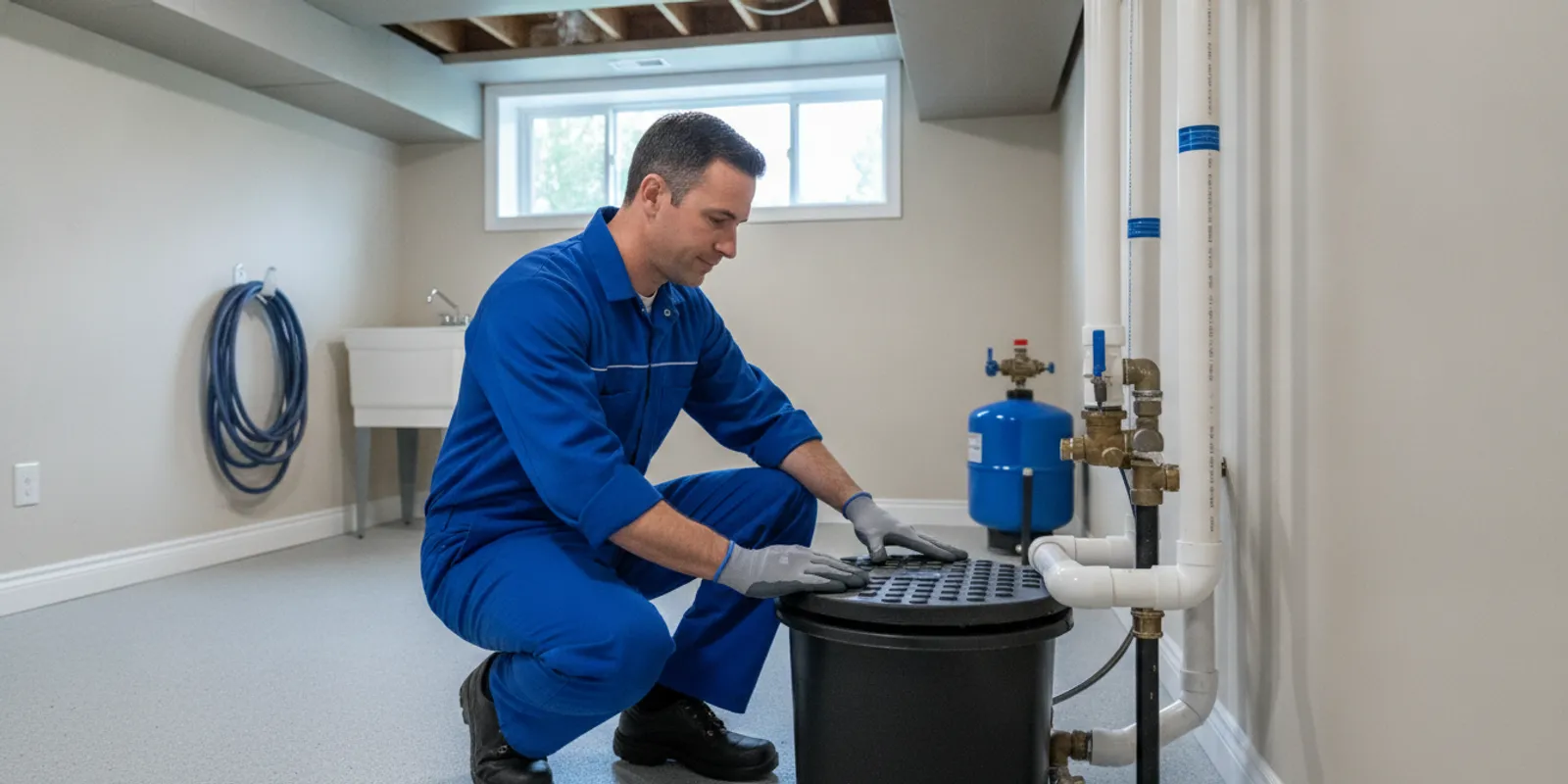
If groundwater is seeping into your basement every time it rains, a sump pump is your best friend. A sump pump system involves creating a pit in the lowest part of your basement floor where water naturally collects. A pump inside the pit automatically turns on when the water reaches a certain level, pumping it safely outside and away from your foundation. For even greater effectiveness, a sump pump can be paired with a French drain system, which is a trench and pipe that directs water toward the pit. Our team specializes in sump pump services, ensuring your basement has a reliable defense against groundwater intrusion.
Backwater Valve Installation
Sometimes, the water flooding your basement isn’t coming from the ground but from your own pipes. During intense rainstorms, municipal sewer systems can become overwhelmed and force wastewater back into your home through your floor drains and toilets. A backwater valve is a simple but brilliant device that prevents this from happening. Installed on your main sewer line, it acts as a one-way gate, letting sewage flow out but automatically closing if it ever tries to flow back in. Installing a backflow preventer is a crucial step for any home connected to a city sewer system, protecting you from messy and unsanitary backups.
Alternative Water Heater Solutions for Flood-Prone Areas
For homes in serious flood zones or with persistent water issues, simply protecting a standard water heater might feel like a losing battle. If you’re tired of dealing with the constant threat of a flooded basement damaging your appliances, it may be time to consider a different approach to your hot water system altogether. By changing the type of water heater you use or moving it to a safer location, you can eliminate the risk entirely. These solutions require a bigger upfront investment and professional planning, but they offer a permanent fix that allows you to stop worrying every time the forecast calls for heavy rain.
Tankless Water Heaters
Tankless water heaters are a fantastic solution for flood-prone areas. Unlike traditional models that store dozens of gallons of water in a large, floor-standing tank, tankless units are compact and heat water on demand. Their small size is their biggest advantage in a flood situation. Because they don’t need to be on the floor, they can be mounted high up on a wall in your basement or utility room, well above any potential flood line. This simple change in location keeps the unit’s sensitive electronics and components completely safe from water damage. As a bonus, you’ll also get endless hot water and lower energy bills.
Horizontal Water Heaters
If you prefer the reliability and lower upfront cost of a traditional tank but need to get it off the floor, a horizontal water heater is a clever solution. Just as the name suggests, these are tank-style water heaters designed to be installed horizontally instead of vertically. This unique design allows them to be hung from the ceiling joists in your basement, lifting the entire unit safely out of the path of floodwaters. It’s a creative approach that combines the benefits of a traditional tank with the flood-proof advantage of being elevated, making it an excellent choice for basements where wall space is limited but overhead space is available.
Relocating Your Water Heater
The most direct solution to protect your water heater from basement flooding is to move it out of the basement entirely. Relocating the unit to a higher level of your home, such as a first-floor closet, garage, or attic, permanently removes it from the flood zone. While this is an extremely effective strategy, it is also a more complex project that requires careful planning. You’ll need to consider space, ventilation, and the logistics of rerouting water, gas, and electrical lines. This is definitely a job for the pros, and our team can help you assess the feasibility and plan the relocation to ensure it’s done safely and correctly.
How to Choose the Right Flood Protection Solution
With several types of flood protection systems available, picking the right one can feel overwhelming. The best choice for your home depends on factors like your water heater’s location, your home’s layout, and your budget. Understanding your options is the first step toward making a confident decision and securing your home against unexpected water damage. From automatic shut-offs to simple alarms, each solution offers a unique level of protection. Let’s walk through the most common systems so you can find the perfect fit.
Why You Should Start with a Pro’s Advice
Before you make a decision, getting an expert opinion is the smartest move you can make. As a family-owned business, we at Mr. Pipey treat every client like our own family, which means giving you honest, reliable advice tailored to your home. A professional plumber can assess your water heater’s age, location, and potential risk factors to recommend the most effective and cost-efficient solution. We pride ourselves on being a trusted partner for homeowners across Metro Detroit, and our goal is to provide high-quality solutions that give you peace of mind. Learning more about us and our commitment to our community is a great place to start.
Are Automatic Shut-Off Systems a Good Fit?
An automatic shut-off system is one of the most effective ways to prevent a small leak from turning into a full-blown flood. These devices work using a simple but brilliant design: a water sensor is placed on the floor by your water heater. If the sensor detects any moisture, it immediately signals a valve on your water line to close, stopping the flow of water to the tank. This action halts the leak at its source, preventing catastrophic damage, especially if you’re away from home. It’s a proactive solution that can save you thousands in repairs and is a key part of preventing a plumbing disaster before it requires emergency plumbing services.
When Does a Containment System Make Sense?
If your water heater is located in a basement or a finished area, a containment system is an excellent line of defense. These systems typically consist of a durable ring or pan placed under the water heater. Instead of stopping the leak, a containment system captures the water and safely directs it toward a floor drain. Some systems can even be connected directly to your home’s drainage line or sump pump. While it doesn’t stop the water flow from the tank, it effectively contains the mess and prevents water from spreading across your floors and causing structural damage. This solution works best when paired with reliable sump pump services to ensure the water is properly removed.
Do You Need a Smart Alarm or Detector?
Sometimes, the most powerful tool is an early warning. Smart alarms and leak detectors are affordable, easy-to-use devices that provide exactly that. You can place these small sensors near your water heater, under sinks, or behind appliances. The moment they detect moisture, they emit a loud alarm to alert anyone at home. Many smart versions also connect to your Wi-Fi and send an instant notification straight to your smartphone, so you’ll know there’s a problem no matter where you are. This immediate alert gives you the chance to shut off the water manually and call for help before significant damage occurs. Feel free to contact us to discuss which alarm options might be right for you.
Proper Installation and Maintenance: What to Know
Once you’ve chosen a flood protection system, proper installation and regular upkeep are what make it effective. While it can be tempting to handle this yourself, some jobs are best left to the pros. A little professional help and routine maintenance can save you from a world of headaches and expensive repairs down the road. Let’s walk through what you need to know to keep your system in top shape and your home protected.
Thinking About a DIY Install? Consider the Risks
We all love a good DIY project, but installing a water heater flood protection system isn’t the time to test your skills. A small mistake can have big consequences. One of the most significant DIY water heater risks involves your family’s safety. An incorrect connection could lead to dangerous gas leaks, serious electrical hazards, or the very flood you were trying to prevent. Even a small error can compromise the system’s ability to work when you need it most. Before you pick up a wrench, it’s important to weigh the potential savings against the real safety risks and the cost of potential damage.
Why Call a Professional for Installation?
Having a professional handle the installation gives you peace of mind that the job is done right. At Mr. Pipey, we ensure your automatic shut-off system is correctly integrated with your plumbing and that every connection is secure. Professional installation is your best defense against the kind of significant water damage that can cost thousands to repair. When our team installs your system, you can trust that it will function perfectly from day one. If you’re ready to protect your home, contact us to schedule a professional installation and get the job done safely and correctly.
Easy Maintenance to Keep Your System Working
Your flood protection system is a great start, but your water heater itself needs a little TLC to prevent problems. Regular maintenance is the key to keeping it running safely and efficiently. We recommend a few simple tasks to prevent water heater disasters. Flushing the tank once a year removes sediment buildup that can cause corrosion and inefficiency. It’s also a good idea to have a professional check the anode rod, which protects the tank from rust, and inspect the temperature-pressure relief valve. These small steps go a long way in extending the life of your water heater.
The Role of Water Heater Insulation Blankets
Another simple but effective step in your maintenance routine is adding an insulation blanket to your water heater. Think of it as a cozy jacket for your tank. Its main job is to reduce heat loss, which means the heater doesn’t have to work as hard to keep your water hot. According to the U.S. Department of Energy, this simple addition can save you up to 9% on your water heating costs. In a climate like ours in Metro Detroit, it also helps protect the unit from temperature fluctuations, which can extend its lifespan and prevent premature failure. While installing a blanket is often a straightforward DIY task, it’s crucial to follow safety guidelines and never cover the thermostat or safety valves. It’s all part of a smart insulation strategy, much like the professional pipe insulation we provide to protect your home from winter’s chill and keep your entire plumbing system running efficiently.
Your Go-To Testing and Inspection Checklist
Part of your maintenance routine should include testing your system’s components. You should test the temperature-pressure release (T&P) valve at least once a year to ensure it’s working. To do this, gently lift the handle to let a small amount of water escape, then release it to make sure it seals properly. If the valve leaks or doesn’t release water, it needs to be replaced immediately. If you’re not comfortable performing this test yourself or if you find an issue, it’s time to call in an expert. A faulty valve is an emergency plumbing situation waiting to happen, so don’t delay.
Breaking Down the Costs and Long-Term Savings
When you think about adding a new system to your home, the price tag is often the first thing that comes to mind. It’s smart to be budget-conscious, but with water heater flood protection, it’s more helpful to think about the cost of not having it. A single water heater failure can lead to devastating damage and expenses that far exceed the price of a simple preventative system. Let’s break down the costs and savings so you can see why this is one of the smartest investments you can make for your home.
A Cost Breakdown by Protection System Type
Flood protection systems come in a range of options, and their costs vary accordingly. A basic water leak alarm is the most affordable choice; it will sound an alert when it detects moisture, giving you a chance to react. A step up is a containment pan, which sits under your water heater to catch minor drips and leaks. The most comprehensive solution is an automatic shut-off system. While it has a higher initial cost, it provides the ultimate protection by automatically stopping the water supply when a leak is detected. A quality system can prevent catastrophic damage, saving you a significant amount of money and stress down the road.
Pro Install vs. DIY: What’s the Cost Difference?
It can be tempting to try a DIY installation to save a few dollars, but this is one area where cutting corners can cost you dearly. One of the biggest risks of a DIY water heater project is safety. An improper installation can create serious hazards like gas leaks, electrical shorts, or even worse water damage than you were trying to prevent. Paying for a professional installation isn’t just about convenience; it’s an investment in your family’s safety and your peace of mind. When you call a professional, you can trust the job is done correctly and safely from the start.
How Water Heater Protection Pays for Itself
A malfunctioning water heater can quickly lead to thousands of dollars in repairs. Think about the chain reaction of a major leak: water extraction services, replacing drywall and flooring, mold remediation, and replacing ruined furniture and valuables. The average cost of water damage restoration can be staggering. When you compare that potential financial hit to the one-time cost of installing a flood protection system, the math is clear. The system pays for itself by preventing just one major incident, saving you from the enormous expense and headache of a flooded basement.
Why It’s a Smart Investment for Your Home
Ultimately, installing a water heater flood protection system is more than just a purchase; it’s a strategic investment in your home’s value and security. It provides a safety net that protects your property and the people in it. This proactive step gives you confidence that a small leak won’t turn into a disaster while you’re at work or on vacation. As a family-owned company, we believe in treating your home with the same care we give our own. We can help you choose a solution that fits your needs and budget, ensuring your home is protected for years to come. That’s the kind of peace of mind every homeowner deserves.
Related Articles
- How to Repair an Instant Water Heater: A DIY Guide
- Water Tank Leak? Your Step-by-Step Repair Guide
- Water Heater Leak? Here’s What to Do Right Now
Frequently Asked Questions
My water heater is only a few years old. Do I really need a flood protection system? That’s a great question. While older water heaters are certainly at a higher risk of failure, even new units can have problems. Manufacturing defects, installation errors, or issues with water pressure can cause a leak at any time. Think of a flood protection system as insurance for the unexpected. It’s a safety net that protects your home from water damage, regardless of your water heater’s age.
What’s the real difference between a smart alarm and an automatic shut-off system? A smart alarm is an early warning system. When it detects water, it sounds an alarm and sends an alert to your phone, which is great if you’re home or nearby and can act quickly. An automatic shut-off system, however, is a complete solution. When its sensor detects water, it doesn’t just alert you; it automatically closes a valve on your water line, stopping the leak at its source. The shut-off system takes action for you, which can be a lifesaver if you’re on vacation or can’t get home right away.
Will installing a flood protection system lower my homeowner’s insurance premium? In many cases, yes. Insurance companies love when homeowners take proactive steps to prevent claims, and water damage is one of the most common and expensive issues they handle. Many providers offer discounts for installing devices like automatic shut-off valves. The best way to find out is to call your insurance agent directly and ask what discounts are available for installing a water leak detection or prevention system.
Can I install one of these systems myself to save money? While I’m a huge fan of DIY, this is one job I always recommend leaving to a professional. Installing an automatic shut-off valve involves cutting into your home’s plumbing, and a small mistake could cause the very flood you’re trying to prevent. A professional plumber ensures the system is installed correctly, safely, and according to code, so you can have complete confidence that it will work when you need it most.
Besides installing a system, what is the most important thing I can do to prevent a water heater flood? The single best thing you can do is schedule regular professional maintenance. Having a plumber inspect your water heater annually is key. They can check the anode rod for corrosion, test the pressure relief valve, and flush out sediment that can damage the tank from the inside. These simple checkups can catch small problems before they turn into catastrophic failures, extending the life of your heater and keeping your home safe.