

Is that musty basement smell more than just an “old house” thing? Absolutely. It’s a clear sign that excess moisture is getting in, and the problem usually starts outside. Many older homes have a basement drainage system built with materials like clay tile or cast iron. These were the standard for decades, but they eventually clog, corrode, and break down. Learning to spot the early warning signs is the key to preventing a flooded basement and serious foundation issues. Here’s what to look for and what you can do about it.
Key Takeaways
- Prevent a Crisis with Proactive Care: The materials in old drainage systems, like clay and cast iron, inevitably break down. You can extend their life and avoid a sudden flood by scheduling annual professional cleanings and keeping drain openings clear of leaves and debris.
- Know the Telltale Signs of Failure: A musty smell, damp walls, slow drains, or new foundation cracks are not normal parts of owning an old home. These are direct warnings that your drainage system is struggling and needs attention before a small issue becomes a major flood.
- Invest in a Modern Solution for Lasting Protection: When an old system consistently fails, patching it isn’t a long-term fix. Upgrading to a modern French drain or a sump pump with a battery backup provides a reliable way to keep your basement dry and protect your home’s value.
How Your Old Basement Drain is Supposed to Work
If you live in one of Metro Detroit’s beautiful older homes, you might have wondered how your basement stays dry. The drainage systems in these houses are often quite different from modern setups. They rely on a clever, gravity-fed network of pipes and drains designed to channel water away from your foundation. Understanding how it all works can help you spot problems before they turn into a watery mess.
The Essential Parts of an Old Drain
Older basement drainage systems are a bit like a puzzle, with a few key pieces working together. You’ll often find “rain lines,” which are dedicated pipes that collect rainwater from your gutters, window wells, and floor drains. The star of the show is often the “drain tile”—not actually tile, but sections of unglazed clay pipe laid around your foundation. These pipes have intentional gaps between them, allowing groundwater to seep in and be carried away. Many systems also include simple floor drains with check valves to prevent sewer gases and water from backing up into your home.
Tracing the Path of Water
The magic behind these old systems is simple: gravity. As groundwater collects around your foundation, it enters the gaps in the clay drain tile. From there, gravity pulls the water through a network of sloped pipes, directing it safely away from your home. This water is usually routed to a storm drain, a sump pit where a sump pump takes over, or sometimes just “to daylight” at a lower point on your property. The system works beautifully until a pipe gets blocked or collapses. When that happens, water has nowhere to go, often creating a situation that requires emergency plumbing assistance.
A Look at Old-School Drainage Materials
If you live in an older home, your basement drainage system is likely a patchwork of materials and methods that were standard decades ago. Understanding these components is the first step in knowing how to maintain them and spot trouble before it starts. Unlike modern systems that use durable PVC and advanced technology, older systems relied on the best materials available at the time. Unfortunately, many of those materials are now reaching the end of their lifespan.
Many homeowners don’t think about their home’s complex drainage system until a flood happens, which is often too late. Getting familiar with the key parts—from the pipes buried around your foundation to the pump in the corner—can help you protect your home. Let’s look at the four main components you’ll likely find in an old basement drainage system.
The Role of Clay and Perforated Pipes
Before PVC became the standard, clay was a common material for exterior drainage pipes. Your home’s original gutter drains and foundation drains, also known as weeping tiles, are probably made of clay tile. These pipes were designed to collect water from around your foundation and channel it away from the house. While effective for a time, clay is brittle and porous. Over many years, soil pressure, shifting ground, and tree root intrusion can cause these pipes to crack, break down, and eventually collapse. When that happens, water has nowhere to go but into your basement.
Why Cast Iron and Steel Were Used
Inside your home, the main soil and waste lines were likely built with cast iron or galvanized steel. These materials are incredibly strong and were built to last, but they have one major enemy: corrosion. Over decades of use, water and waste cause the inside of these pipes to rust and corrode. This buildup not only restricts water flow, creating slow drains and backups, but it can also weaken the pipe walls until they fail completely. A pinhole leak or a major crack in a cast iron drain line can cause serious water damage and unsanitary conditions in your basement.
Sump Pits: The Original Water Collectors
Many older homes with basements have a sump pit—a hole carved into the floor to collect water. This pit is the heart of a drain tile system, which uses perforated pipes around the foundation to capture groundwater and direct it into the pit. An early-model sump pump would then activate to pump the water out and away from your home. While this concept is still used today, older pumps are far less efficient and reliable than modern ones. They often lack battery backups and are more prone to mechanical failure, leaving your basement vulnerable during a power outage or heavy storm.
Early Attempts at Waterproofing
Long before modern sealants and membranes, builders used simpler methods to keep basements dry. One common technique was creating trenches around the foundation filled with gravel and sometimes perforated pipes. This formed a basic French drain designed to intercept groundwater and give it an easy path to flow away from the home’s foundation. While clever for its time, this method relies entirely on gravity and can easily be overwhelmed by heavy rain or clogged with silt and debris over the years. These passive systems are often out of sight and out of mind until they stop working.
Common Reasons Your Old Drainage System Fails
The drainage system in an older home has been working hard for decades, but it wasn’t designed to last forever. Over time, the materials, design, and surrounding environment can all contribute to its decline. Understanding what causes these systems to fail is the first step in protecting your basement from water damage. From the slow breakdown of old pipes to the sudden impact of a summer storm, several key factors can turn a reliable system into a major liability. Knowing what to look for can help you catch problems before they lead to a flooded basement and costly repairs.
When Pipes Break Down and Corrode
Many older homes in Metro Detroit were built with drainage systems made from materials like clay tile or cast iron. While durable for their time, they have a finite lifespan. Over many decades, clay tiles can become brittle from constant moisture and pressure from the soil above, causing them to crack or collapse entirely. Cast iron pipes face a different enemy: corrosion. Constant exposure to water and minerals causes rust to form and eat away at the pipe from the inside out. This process thins the pipe walls, eventually leading to leaks, breaks, and a system that can no longer carry water away from your foundation. When a pipe gives way, you need help fast, which is why we offer emergency plumbing services.
Stubborn Clogs from Roots and Debris
Just like the gutters on your roof, your underground drainage system can get clogged. Over the years, leaves, dirt, silt, and other yard debris can wash into the pipes, slowly building up and creating stubborn blockages. This prevents water from flowing freely and causes it to back up toward your home. Tree roots are another common culprit. They are naturally drawn to the consistent moisture inside drain lines and can work their way into tiny cracks or joints. Once inside, they expand into a thick, fibrous mass that can completely choke off the pipe and even break it apart. Keeping your system clear is a critical part of home maintenance and one of the many plumbing solutions we provide.
How a Shifting Foundation Causes Damage
The ground around your house isn’t static. The dramatic freeze-thaw cycles we experience in Michigan cause soil to expand and contract, which can lead to foundation settling and shifting over time. This movement puts an enormous amount of stress on the rigid pipes of an old drainage system. Brittle clay tiles are especially vulnerable and can easily crack, separate at the joints, or collapse under the pressure. Once a pipe is broken or misaligned, it creates an immediate blockage and a path for water to escape right next to your foundation. If you notice new cracks in your basement walls, it could be a sign of a bigger issue, and it’s best to contact us for a professional inspection.
Overwhelmed by Heavy Rain
Simply put, many old drainage systems weren’t built to handle the volume of water from the intense downpours we often see today. Their pipes are often smaller in diameter and may not have been designed to manage the runoff from a sudden, heavy storm. When a massive amount of rain falls in a short time, it can completely overwhelm the system’s capacity. If the pipes are already partially narrowed by debris or corrosion, the problem gets much worse. The water has nowhere to go, so it pools against your foundation, building pressure until it seeps into your basement. A modern, high-capacity sump pump is one of the most effective lines of defense against this kind of overwhelming water flow.
Warning Signs of a Failing Basement Drainage System
Your home’s old drainage system will usually give you a few warning signs before it fails completely. Paying attention to what your basement is telling you can help you catch problems early, saving you from a major headache and expensive water damage down the road. If you notice any of the following issues, it’s a good idea to investigate further. These signs point to a system that’s struggling to keep water away from your foundation, and ignoring them can lead to bigger trouble.
Spotting Puddles, Seepage, or Flooding
The most obvious sign of a drainage problem is water where it shouldn’t be. If you see puddles forming on your basement floor after it rains, that’s a major red flag. When old drain lines collapse or become overwhelmed, rainwater has nowhere to go. Instead of flowing away from your house, it pools around the foundation and can seep through walls or flood your basement. Even small amounts of water or persistent damp spots are clear indicators that your system isn’t doing its job. If you’re dealing with significant water, you may need emergency plumbing services to get the situation under control quickly.
That Musty Smell: A Sign of Dampness
That classic musty basement smell is more than just an unpleasant odor—it’s a sign of excess moisture. The main reason basements in older homes feel damp is often groundwater seeping through the foundation walls and floor. This happens when the original drainage system is no longer effective at directing water away. You might also notice peeling paint, chalky white residue on the walls (efflorescence), or a general feeling of high humidity. These are all symptoms of a moisture problem that originates with a failing drainage system outside your home.
Dealing with Slow or Backed-Up Drains
Your basement floor drain is a critical part of the drainage system. If you notice it’s draining slowly or, even worse, that water is backing up out of it, you likely have a blockage. Over the years, leaves, dirt, tree roots, and other debris can easily clog the underground pipes connected to your drainage system. When these lines are blocked, water can’t escape and will back up into the lowest point of your home—your basement. A single backed-up drain can be the first warning sign of a much larger clog in the main line.
Finding New Cracks in Your Foundation
While some hairline cracks are normal as a house settles, new or widening cracks in your foundation walls or floor are a serious concern. When water builds up in the soil around your foundation, it creates immense pressure. This force, known as hydrostatic pressure, can push water through tiny openings and even create new cracks over time. This isn’t just a cosmetic issue; it’s a sign that your drainage system is allowing water to compromise the structural integrity of your home. If you spot new cracks, it’s wise to contact a professional for an assessment.
Beyond Water Damage: Health, Safety, and Pest Concerns
A damp basement is more than just a structural headache or a threat to your stored belongings. The persistent moisture from a failing drainage system creates an environment that can directly impact your family’s health and safety. Beyond the visible water damage, the unseen consequences—like poor air quality, unwanted pests, and even dangerous gases—can spread throughout your entire home. Addressing the root cause of the water problem is about protecting not just your foundation, but the well-being of everyone living inside.
Health Risks Associated with Mold and Dampness
That musty odor you’ve gotten used to is a clear signal that mold and mildew are growing in your basement. When a drainage system fails, the resulting dampness creates the perfect breeding ground for these fungi. Mold releases microscopic spores into the air, which don’t stay confined to the basement. They travel through your home’s ventilation system, significantly lowering your indoor air quality. For family members with allergies or asthma, inhaling these spores can trigger persistent coughing, sneezing, and other serious respiratory issues. Ignoring a damp basement means you’re breathing in air that could be making you sick.
How a Wet Basement Can Attract Pests
A damp, dark, and undisturbed basement is a five-star resort for pests. Insects like cockroaches, silverfish, and spiders are drawn to moisture, while rodents seek out secluded places to build nests. A failing drainage system essentially rolls out the welcome mat for these unwelcome guests. Once they’ve settled in, they can cause a host of other problems, from chewing through electrical wiring and insulation to contaminating your living space. Keeping your basement dry is one of your best defenses against a pest infestation, protecting your home from the damage and health hazards they bring with them.
The Link Between Drainage Systems and Radon Gas
Radon is an invisible, odorless radioactive gas that naturally rises from the soil. In a home with a healthy foundation and proper drainage, it typically dissipates harmlessly. However, when your drainage system fails, the soil around your foundation becomes saturated with water. This can increase the pressure that forces radon gas up and into your home through cracks in the foundation. A damp, poorly ventilated basement can trap this gas, allowing it to build up to dangerous levels. According to the EPA, radon is a leading cause of lung cancer among non-smokers, making it a serious health risk. A dry basement is a critical first step in ensuring your home is safe from radon exposure.
Simple Maintenance to Extend Your System’s Life
Living with an older basement drainage system doesn’t have to be a constant source of worry. While these systems have their quirks, a little proactive care can make a world of difference in preventing catastrophic failures and costly water damage. Think of it less as a losing battle and more as a partnership with your home’s history. By staying on top of a few key maintenance tasks, you can significantly prolong the life of your existing drains and keep your basement dry for years to come. It’s all about catching small issues before they escalate into full-blown emergencies. These simple, consistent habits can help you protect your foundation, your belongings, and your peace of mind.
Why Annual Cleanings Are a Must
The single most effective thing you can do for your old drainage system is to give it a yearly check-up. Regular maintenance, especially an annual cleaning for homes with mature trees or older pipes, is the best way to stop basement floods before they start. During an inspection, a professional can identify hairline cracks, early-stage corrosion, and minor blockages that you would never see on your own. This allows you to address problems when they are small and manageable, rather than waiting for a major backup. Making this a yearly habit is a small investment that protects you from much larger, more stressful repairs down the road. You can explore a full range of plumbing services to find the right maintenance plan for your home.
Keep Debris Out of Your Drains
This one is simple, free, and incredibly effective. It’s very important to keep all your foundation drains, floor drains, gutter drains, and window wells clean and clear of debris. Leaves, dirt, twigs, and other yard waste can easily accumulate and create clogs that prevent water from flowing away from your home. When water can’t escape, it pools against your foundation, building pressure and searching for a way in. Take a few minutes every month or so, especially after a storm, to sweep away debris from drain openings and scoop out anything that has collected in your window wells. This simple chore ensures your system can do its job when the next downpour hits.
How to Manage Invasive Tree Roots
Those beautiful, mature trees in your yard have extensive root systems that are naturally drawn to sources of moisture—like your underground drain pipes. Old gutter drains and foundation drains, often made of clay, are particularly vulnerable. Over time, these pipes can develop small cracks, and tree roots will work their way inside, expanding and causing serious blockages or even collapsing the pipe. If you have large trees near your house, be aware of the potential risk. While you can’t see what’s happening underground, a professional can perform a camera inspection to check for root intrusion. If you suddenly experience backups, it might be time to call for emergency plumbing services to clear the line.
When to Get a Professional Assessment
While DIY maintenance is crucial, there’s no substitute for an expert opinion. If you’re unsure about the condition of your drainage system, consider hiring drainage experts to inspect and regularly clean your pipes. A professional plumber has specialized tools, like drain cameras, that can see deep inside your system to accurately diagnose its health. They can spot issues that are invisible from the surface and give you a clear picture of your system’s remaining lifespan. This assessment provides the information you need to make smart decisions about repairs or potential upgrades. When you’re ready for an expert evaluation, you can contact our team to schedule a visit.
Modern Upgrades for Your Basement Drainage System
If your old basement drainage system is struggling to keep up, you’re not just dealing with a damp inconvenience—you’re risking long-term damage to your home’s foundation. Moisture can lead to mold, rot, and cracks in your foundation, turning a small issue into a major, expensive repair. Fortunately, modern drainage technology offers powerful and reliable solutions to keep your basement dry for good. Upgrading isn’t just about fixing a current problem; it’s a smart investment in your home’s health and value.
Think of it as a permanent solution rather than a temporary patch. While old systems often rely on outdated materials that clog and corrode, today’s upgrades use durable components and smart designs built for the long haul. From advanced sump pumps that work during a power outage to interior drains that catch water before it ever reaches your floor, these systems are designed to handle everything Metro Detroit weather throws at them, from a spring thaw to a summer downpour. Investing in a modern system gives you the peace of mind that your basement—and everything in it—is protected. Let’s look at some of the best options available to safeguard your home.
Interior vs. Exterior Systems: A Fundamental Comparison
When you decide to upgrade your drainage system, one of the biggest choices you’ll face is whether to install an interior or exterior solution. Both are designed to achieve the same goal—a permanently dry basement—but they go about it in completely different ways. An exterior system acts like a shield, stopping water before it can even touch your foundation. An interior system, on the other hand, works as a management plan, collecting any water that seeps through and safely directing it away. Understanding this fundamental difference is key to choosing the right long-term solution for your home.
Preventing Water vs. Managing Water
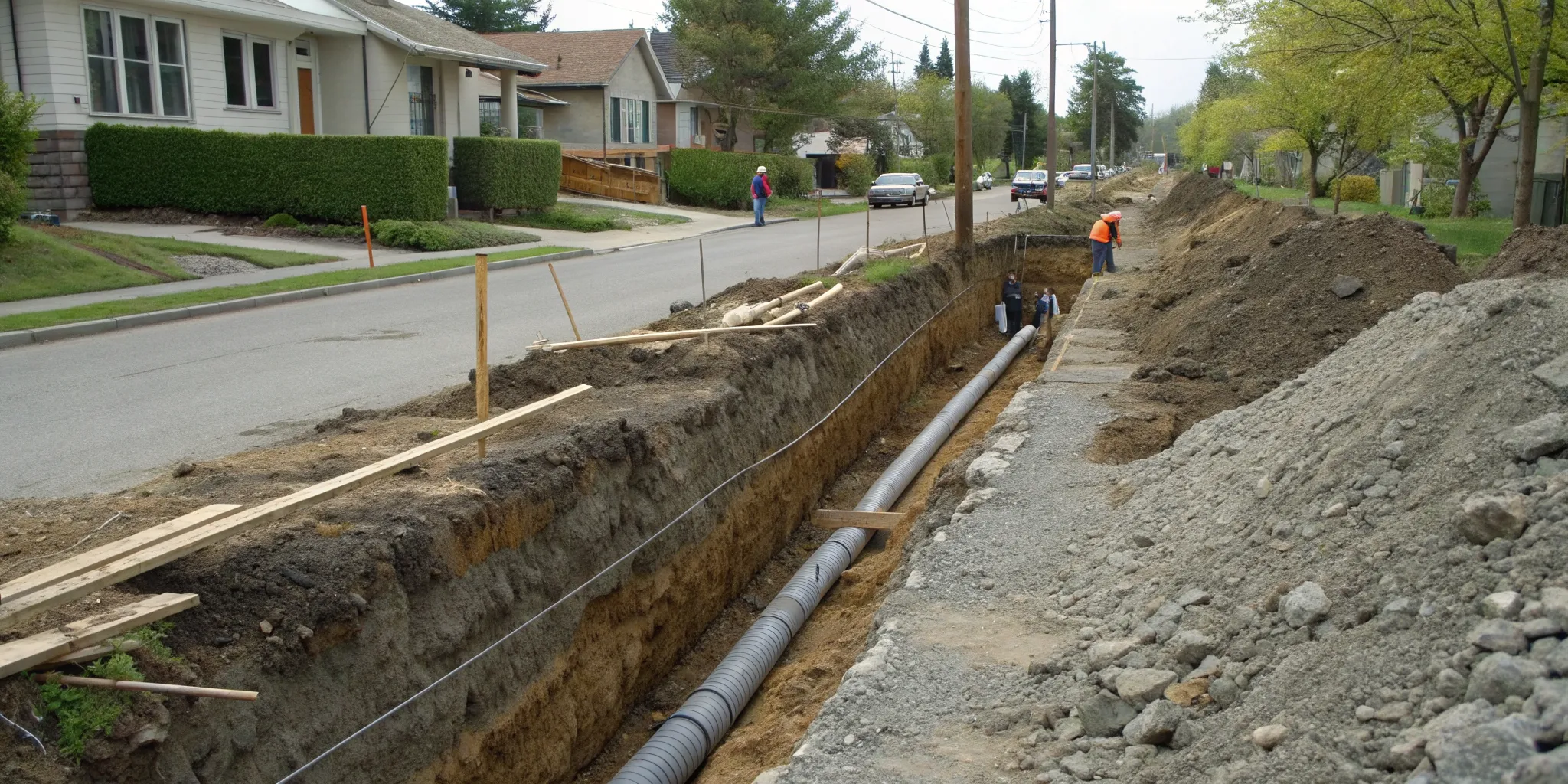
Think of an exterior waterproofing system as a raincoat for your foundation. This approach involves excavating all the soil around your home, down to the foundation footing, and installing a waterproof membrane and drainage pipes. The goal is to prevent water from ever coming into contact with your basement walls in the first place. While highly effective, this is a major construction project. It’s expensive, disruptive to your landscaping, and can take a significant amount of time. It’s a great option for new construction but can be a massive undertaking for an existing home.
An interior drainage system takes a different approach: it manages water instead of blocking it. This system is installed inside your basement along the perimeter of the floor. It works by collecting any water that seeps through the foundation walls and channeling it into a drain that leads to a sump pump. From there, the pump ejects the water safely away from your house. It’s a highly effective strategy that accepts the reality that water might find its way through an old foundation, but ensures it never has a chance to pool on your floor.
Benefits of Interior Drainage Solutions
For most homeowners dealing with an existing basement, an interior drainage system is often the more practical and cost-effective choice. The installation process is far less disruptive—there’s no need to dig up your yard, tear out your deck, or destroy your landscaping. Most interior systems can be installed in just a day or two, minimizing the interruption to your life. This efficiency makes it a much more affordable option compared to the extensive labor and restoration costs associated with exterior waterproofing.
Interior systems also offer a major advantage in reliability. Unlike exterior drains that are buried in soil and vulnerable to clogs from silt, clay, and invasive tree roots, an interior system is protected inside your home. This design makes it virtually clog-proof and much easier to access for service if ever needed. It’s a solution that works seamlessly with a reliable sump pump to create a comprehensive and low-maintenance system that keeps your basement dry, no matter what the weather is doing outside.
Installing French Drains and Drain Tiles
French drains are a classic, effective solution for managing groundwater around your foundation. This system uses a perforated pipe laid in a gravel-filled trench to collect and channel water away from your home before it can seep into the basement. Modern linear drainage systems are incredibly efficient because their continuous design prevents water from pooling. By intercepting water at the source, a French drain or drain tile system relieves the hydrostatic pressure pushing against your foundation walls, which is one of the main causes of leaks and cracks. It’s a proactive way to manage water and protect your home’s structural integrity for years to come.
Specific Types of Interior Drains
When you think of basement drainage, you might picture pipes buried outside. But some of the most effective modern solutions are actually installed inside your basement. Interior drainage systems are designed to capture water the moment it enters, channeling it away before it can spread across your floor. This approach is often more reliable and less disruptive than excavating your entire foundation. The best system for your home depends on your foundation type and whether your basement is finished or unfinished. Understanding the different options can help you choose a solution that provides lasting protection and peace of mind.
Floor Sinks and Area Drains
The most straightforward type of interior drain is the floor sink, which you might recognize as a simple grate set into your basement floor. These drains are designed to catch surface water from spills, a leaking water heater, or minor seepage, directing it into a pipe that leads it away. While they are easy to install and effective for managing water that’s already on the floor, they have their limits. They are best suited for specific areas and may not be the right choice for an unfinished basement with a rough or uneven floor, as water can easily pool elsewhere. They also don’t address the root cause of most wet basements: groundwater seeping up from below.
Subfloor Drainage Systems
For a more comprehensive and discreet solution, a subfloor drainage system is an excellent choice. This system is installed beneath your concrete basement floor, typically around the perimeter. It acts as a hidden channel, collecting both surface water and groundwater that seeps in through the foundation walls. The water is then directed to a sump pit, where a pump takes over. Because the entire system is concealed, it’s the perfect option for finished basements, preserving your living space while providing powerful protection. These systems are a core component of modern waterproofing and rely on high-quality sump pump services to keep your basement reliably dry.
Systems for Different Foundation Types
One size does not fit all when it comes to basement waterproofing. Metro Detroit homes have various foundation types, from poured concrete to monolithic floors, and each requires a specific drainage approach. For example, the ideal drainage system for a home with poured concrete footings is different from one designed for a monolithic slab. Specialized systems are engineered to work with the unique construction of your home, ensuring water is managed effectively at the wall-floor joint, where most seepage occurs. Choosing the right system requires a professional eye, which is why an expert assessment is crucial to identify the best solution for your home’s specific needs and protect your foundation for the long term.
The Benefits of a Modern Sump Pump
Your sump pump is the heart of your basement drainage system, and today’s models are more reliable and powerful than ever. A modern sump pump installation offers energy-efficient performance to quickly remove water from the sump pit before it can cause damage. Many new systems also include critical features like battery backups and smart alerts that notify you of issues, ensuring your home stays protected even during a power outage. These updated systems are designed to keep your home secure all year round, preventing the freeze-thaw cycles that can damage older equipment. Investing in a high-quality sump pump is one of the most important steps you can take to prevent a flooded basement.
The Importance of a Backup Sump Pump
A powerful storm is the last time you want to discover your sump pump has a critical weakness: it needs electricity to run. When heavy rain causes a power outage, your primary pump becomes useless, leaving your basement completely vulnerable to flooding. This is why a battery backup sump pump is not a luxury—it’s essential protection. A backup system automatically kicks in the moment the power goes out, continuing to pump water out of the pit and away from your foundation. Many modern systems even include smart alerts that can notify your phone if there’s an issue, giving you peace of mind whether you’re home or away. We can help you explore reliable sump pump services to keep your home protected around the clock.
Why a Check Valve is Essential
A check valve is a small but mighty component of your sump pump system that acts like a one-way door for water. After your pump pushes water up and out of the discharge pipe, the check valve snaps shut, preventing all that water from flowing right back down into the pit. Without one, your pump would have to work much harder, cycling on and off to pump out the same water repeatedly. This not only wastes energy but also puts unnecessary wear and tear on the pump’s motor, shortening its lifespan. Ensuring you have a properly installed and functioning check valve is a simple step that makes your entire drainage system more efficient and reliable.
How to Test Your Sump Pump
You shouldn’t wait for a flood to find out if your sump pump is working. It’s a good practice to test it every three months to ensure it’s ready for action. The process is simple: just pour a five-gallon bucket of water into the sump pit. The water should raise the float switch, which will activate the pump. Watch to make sure the pump turns on, removes the water from the pit, and then shuts off automatically once the water level drops. If the pump doesn’t turn on, makes strange noises, or fails to empty the pit, it’s a clear sign that it needs professional attention. If you run into any issues, it’s best to contact our team for a professional inspection and repair.
Consider a Full-Perimeter Interior Drain
If you’re already seeing water seep through your basement walls or floor joints, a full-perimeter interior drain is an excellent solution. This system is installed along the inside edge of your basement floor, acting as a hidden gutter. It captures any water that makes its way through the foundation and directs it straight to your sump pump for removal. Modern interior drains use superior pipe slopes and designs to optimize water flow and prevent clogs, ensuring constant protection. This approach manages water effectively without requiring major excavation outside your home, making it a clean and highly reliable way to keep your basement floor dry and usable.
Below-Slab vs. On-Footing Designs
When you decide on an interior drainage system, you’ll likely encounter two main installation methods: on-footing and below-slab. Both are designed to capture water and send it to your sump pump, but they work from slightly different positions. The “on-footing” design places a drainage channel on top of your home’s foundation footing, right under the edge of your basement floor. This method is effective at catching water that seeps in at the cove joint—where the wall meets the floor. It’s a popular approach because it’s often less labor-intensive to install. However, it allows water to reach the level of your foundation footing before it’s collected, which might not be ideal for every situation.
The “below-slab” design takes a more proactive approach. With this method, a trench is created next to the foundation footing, and a perforated pipe is installed *below* the level of your concrete slab. This system is designed to intercept groundwater at a lower point, collecting it before it has a chance to build up and saturate the concrete floor from underneath. While it can be a more involved installation, many experts prefer this method because it keeps the entire slab drier. By capturing water at its lowest possible entry point, a below-slab system provides a more comprehensive defense against hydrostatic pressure and ensures your basement floor stays protected from moisture.
Today’s Best Waterproofing Solutions
Modern waterproofing goes far beyond the simple tar coatings of the past. Today, you can protect your foundation with advanced solutions like flexible, rubberized membranes and powerful cement-based sealants. These materials are applied directly to your basement walls to create a seamless, impenetrable barrier against moisture. When combined with an effective drainage system, this waterproofing layer provides comprehensive protection against water intrusion. Unlike old-school materials that crack and peel over time, these advanced sealants bond permanently with the concrete, stopping water in its tracks. By sealing out moisture before it can even enter, you add a crucial layer of defense against dampness, mold, and foundation decay.
Modern Materials: From PVC Pipes to Wall Sealers
What really makes modern drainage systems so effective isn’t just the smart design—it’s the materials. We’ve moved far beyond the brittle clay tiles and rust-prone cast iron pipes of the past. Today’s systems are built with durable components designed to last, with PVC (polyvinyl chloride) piping leading the charge. Unlike clay, PVC won’t crack under soil pressure, and it will never corrode like cast iron. Its smooth interior also helps prevent debris from building up, ensuring water flows freely away from your foundation. To complete the defense, advanced waterproofing compounds like flexible, rubberized membranes create a truly impenetrable barrier on your basement walls. These modern materials work together to provide a comprehensive system that protects your home. When you install a new sump pump, it’s often paired with these superior drainage and sealing solutions for maximum effectiveness.
Investing in a New System: Costs, Timeline, and Value
Deciding to upgrade your basement drainage system is a significant step, but it’s one of the smartest investments you can make in your home’s long-term health. When you’re faced with persistent dampness or recurring water issues, patching the problem is only a temporary fix. A modern system offers a permanent solution that protects your foundation, improves your home’s air quality, and safeguards your belongings. Understanding the installation process, the costs involved, and the value it adds can help you move forward with confidence. It’s not just about stopping leaks; it’s about creating a stable, dry, and healthy environment for your family.
The Installation Process for an Interior System
Installing an interior drainage system is a streamlined process designed to be highly effective with minimal disruption to your home. The process begins by creating a narrow trench in the concrete floor around the inside perimeter of your basement. A perforated drainpipe is then laid in the trench and surrounded by crushed stone, which acts as a filter to prevent clogs. This channel is designed to intercept any water that seeps through the foundation walls or floor. The water flows through the pipe directly to a sump pit, where a sump pump activates and safely pumps the water out of your home and away from the foundation. Once installed, the trench is covered with fresh concrete, leaving you with a clean, dry floor and a hidden, powerful defense against water.
Breaking Down the Costs
The cost of a new drainage system is one of the first things homeowners consider, and it’s important to understand what goes into the price. The total investment depends on several factors, including the size of your basement, the type of system you choose, and the specific challenges of your property. While it’s a significant upfront expense, it’s crucial to weigh it against the potential cost of water damage, mold remediation, and foundation repairs, which can be far more expensive. A new system is a proactive investment in preventing those future disasters.
Average Cost of a Basement Drainage System
Generally, you can expect an interior drainage system to cost between $2,000 and $7,000. This is often the most cost-effective and popular solution for existing homes. In contrast, an exterior system, which requires extensive excavation around your entire foundation, can easily exceed $10,000. The final price for any system will depend on the linear footage of your basement and the complexity of the job. Getting a professional quote is the best way to understand the specific costs for your home and ensure you’re getting a solution tailored to your needs.
Cost Differences Between System Types
The major price difference between interior and exterior systems comes down to labor and disruption. Interior systems are installed from inside your basement, which is a much faster and less invasive process. Exterior systems require digging a deep trench around your home’s foundation, which means removing landscaping, patios, or walkways and then replacing them afterward. This extensive excavation work significantly increases labor costs. Additionally, exterior drains are more susceptible to clogging from silt and tree roots over time, which can lead to future maintenance expenses.
Expected Lifespan and Installation Time
A modern basement drainage system is built to last. When properly installed by professionals, you can expect it to protect your home for 25 to 30 years or even longer. The key to this longevity is using high-quality materials and ensuring the system is correctly designed and maintained. The installation itself is surprisingly quick. Most interior drainage systems can be fully installed in just one or two days, minimizing the disruption to your daily life. Our team works efficiently to get the job done right, so you can enjoy a dry, secure basement almost immediately.
Protecting and Increasing Your Home’s Value
A dry basement is a major asset when it comes time to sell your home. Evidence of water damage, like stains, musty odors, or foundation cracks, can be a huge red flag for potential buyers and can significantly lower your property’s value. By installing a modern drainage system, you’re not just fixing a problem—you’re making a powerful upgrade. A reliable waterproofing system provides peace of mind and shows that the home has been well-cared-for. This can make your property more attractive to buyers, help it sell faster, and allow you to increase your asking price, often recouping a significant portion of your initial investment.
When Is It Time to Call a Plumber?
Knowing when to tackle a problem yourself and when to call in a professional is key to responsible homeownership. While you can handle minor upkeep, some drainage issues are too complex or urgent for a DIY approach. Trying to fix a major problem without the right tools or expertise can lead to bigger, more expensive headaches down the road. If you’re facing a water emergency, a complicated repair, or just want an expert opinion, it’s always best to contact a licensed plumber.
If You Have a Water Emergency
If you see water pooling around your foundation or find standing water in your basement, don’t wait. This is a clear sign that your drainage system is overwhelmed or has failed. In older homes, drainage systems can be surprisingly complex, and a collapsed or blocked drain can quickly lead to a serious flood. When water has nowhere to go, it will find its way into your home, causing damage to your foundation, walls, and belongings. In these situations, you need immediate help from a professional who can provide emergency plumbing services to diagnose the source of the problem and prevent further damage.
For Repairs Beyond a DIY Fix
Replacing corroded cast iron pipes or upgrading to a modern drainage system is not a weekend project. These jobs require a deep understanding of how water flows, including proper pipe slopes and venting to ensure everything works efficiently. An experienced plumber can assess your home’s specific needs and recommend the best comprehensive plumbing solutions, whether that’s installing a new sump pump or replacing old, failing pipes with higher-capacity materials. They have the specialized equipment and knowledge to get the job done right, ensuring your new system is built to last and protects your home effectively.
When You Need an Expert Opinion
Sometimes, the biggest problems are the ones you can’t see. An expert inspection can uncover hidden issues before they turn into disasters. A professional plumber can assess the condition of your old pipes, check for blockages, and identify weak spots in your system. This is especially important for preventing seasonal issues, like the freeze-thaw cycles that can wreak havoc on older drains during Michigan winters. Scheduling a professional assessment is a proactive step to maintain your system’s health and get peace of mind. A plumber can also offer services like frozen pipe repair if a problem has already occurred.
Related Articles
Frequently Asked Questions
My basement only gets a little damp after heavy rain. Is that really a big deal? Even a small amount of dampness is a clear warning sign that your drainage system is struggling to keep up. Think of it as the first symptom of a bigger issue. That moisture indicates that water is pooling against your foundation and forcing its way inside. Over time, that constant pressure can worsen small cracks and lead to more significant water damage, not to mention create the perfect environment for musty odors and mold.
Is it better to repair my old drainage system or just replace it? This really depends on the overall health of your pipes. The only way to know for sure is to have a professional take a look with a specialized drain camera. If the problem is isolated to one small section, a targeted repair might be all you need. However, if the inspection reveals widespread corrosion, cracks, or collapsed sections throughout the system, replacing it with a modern solution is a much better long-term investment in protecting your home.
My sump pump seems to run constantly, even when it’s not raining. Is that normal? During a major downpour or spring thaw, it’s normal for a sump pump to run frequently. If it’s running all the time during dry weather, however, it could point to a problem. This might mean the check valve has failed, causing water to flow back into the pit, or that there’s a constant source of groundwater overwhelming your system. It’s a good idea to have it checked out to ensure the pump isn’t overworking and that a larger drainage issue isn’t being overlooked.
Can I just use a chemical drain cleaner on a slow basement floor drain? I would strongly advise against it. Those harsh chemicals can be very damaging to the old cast iron or clay pipes found in many Metro Detroit homes, potentially accelerating corrosion and making the problem much worse. Furthermore, a chemical cleaner won’t solve the real issue if the clog is caused by tree roots, silt buildup, or a collapsed pipe. A professional cleaning is a safer and far more effective way to clear the line without harming your plumbing.
My house is over 60 years old. Should I just assume my drainage system is going to fail soon? Not necessarily. While these systems certainly don’t last forever, their lifespan depends on many factors, including the original materials used, your property’s soil conditions, and how well it has been maintained over the decades. Instead of waiting for a problem to happen, it’s best to be proactive. A professional inspection can give you a clear picture of your system’s current condition and help you create a plan for maintenance or future upgrades.