

Fixing a pipe buried deep underground without digging sounds like magic, right? It’s actually just clever engineering. Instead of excavating a huge trench, this modern method uses small access points to fix the problem from the inside. Think of it like surgery for your pipes—precise, minimally invasive, and incredibly effective. This type of sewer line repair is often called no-dig repair. It uses advanced techniques, like creating a durable new liner inside the old pipe, to give you a cleaner, faster, and more durable solution that reinforces your plumbing for decades.
Key Takeaways
- Save Your Yard and Your Wallet: No-dig repair fixes your sewer line without digging a destructive trench across your property. This approach not only protects your landscaping and driveway but also saves you from the hidden, often expensive, costs of restoration.
- Get a Camera Inspection First: “Trenchless” isn’t a single fix; it’s a category of solutions like pipe lining and pipe bursting. The right method depends on your specific issue, which is why a professional camera inspection is the essential first step to an accurate diagnosis.
- Hire a Pro with the Right Experience: The success of a no-dig repair hinges on the technician’s skill. Choose a contractor who is certified in these specific methods, can clearly explain the process, and offers a strong warranty on both their work and the materials used.
What Is No-Dig Sewer Repair & How Does It Work?
When you hear “sewer line repair,” you probably picture a giant trench running through your beautifully manicured lawn. For years, that was the only option. But now, there’s a much less invasive solution: no-dig sewer repair. Also known as trenchless repair, this modern approach allows professionals to fix underground pipes without extensive excavation. It’s a game-changer for homeowners who want to solve their plumbing problems while keeping their yards, driveways, and gardens intact. Instead of digging up your entire property, this method uses small access points to repair the pipe from the inside out, saving you time, money, and a major landscaping headache.
What Is Trenchless Technology?
So, how is it possible to fix a pipe you can’t see? It all comes down to a few clever techniques. Trenchless technology uses specialized equipment to address cracks, leaks, or corrosion with minimal surface disruption. The most common methods for repairing pipes this way include creating a new pipe within the old one or pulling a replacement pipe through. For example, with Cured-in-Place Pipe (CIPP), a flexible, resin-coated liner is inserted into the damaged pipe and inflated. The resin then hardens, forming a seamless, durable pipe wall that seals any issues. Another popular technique, pipe bursting, is used when a pipe is too damaged to be relined. It breaks the old pipe apart while simultaneously pulling a new one into its place.
Do You Need Sewer Line Repair? Watch for These Signs
Sewer line problems don’t always announce themselves with a major catastrophe. Often, the signs are subtle at first, but ignoring them can lead to bigger issues. If you notice slow drains throughout your home, gurgling noises coming from your toilets, or unpleasant odors you can’t seem to locate, your sewer line could be the culprit. These sounds and smells are often caused by blockages or breaks in the line. More serious red flags include sewage backing up into your drains or unexplained soggy, foul-smelling patches on your lawn. These symptoms can point to serious issues that often require emergency plumbing services to prevent further damage to your home and property.
Common Causes of Sewer Line Damage
Your sewer line works hard every day, but it isn’t invincible. Over time, a combination of factors can lead to serious damage. In older homes, the pipes themselves are often the problem; materials like clay and cast iron eventually weaken, corrode, and become brittle. But even newer pipes face threats from the outside. Shifting soil, freeze-thaw cycles, and invasive tree roots searching for water can put immense pressure on the line, causing cracks or even crushing sections of the pipe. Inside, years of accumulated grease, sludge, and other debris can create stubborn blockages that strain the entire system. These common sewer line problems can escalate quickly, turning a minor issue into a major headache.
Specific Problems: Pipe Bellies and Separation
Sometimes, the issue isn’t a simple crack but a structural flaw that develops underground. A “pipe belly” is a perfect example—it’s a sag or dip in the sewer line caused by poor soil compaction or ground settlement. This low spot disrupts the flow, allowing waste and water to pool and create a recurring blockage. Another common structural issue is pipe separation, where the joints between pipe sections pull apart. Even a small gap can let soil and debris in while allowing wastewater to leak out into your yard. Identifying these specific problems requires a professional camera inspection, which is the only way to see exactly what’s happening and determine if a no-dig repair is the right solution for your home.
Does “No-Dig” Really Mean Zero Digging?
This is a great question, and it’s important to have clear expectations. While the term “no-dig” highlights the massive reduction in excavation, it doesn’t always mean there is absolutely zero digging involved. Most trenchless methods, like pipe bursting, require one or two small access holes to be dug at either end of the damaged pipe section. These holes allow technicians to insert the new pipe or liner. However, compared to the long, destructive trench required for traditional repairs, these small pits are a minor inconvenience. You’re saving your lawn, patio, and landscaping from being completely torn up, which is the main advantage of no-dig repair.
Who is Responsible for Sewer Line Repairs?
Figuring out who is responsible for a sewer line repair is one of the most confusing and stressful parts of the process. Is it your problem, or the city’s? The answer almost always comes down to one simple question: where is the damage located? The sewer line running from your house to the street is divided into two main parts: the upper lateral and the lower lateral. The dividing line is typically your property line. Understanding this distinction is the first step in determining who needs to call—and pay for—the plumber. It’s not always straightforward, but knowing the general rules can save you a lot of time and frustration when you’re dealing with a backup.
Homeowner vs. Utility Company
As a homeowner, you are generally responsible for the sewer pipe that runs from your house to the edge of your property, often ending at the curb or sidewalk. This section is called the upper lateral. It includes all the pipes under your home and yard. If a clog, crack, or tree root intrusion happens anywhere on this part of the line, the responsibility for the repair falls on you. The city or your local utility company takes over from the property line to the main sewer line under the street. This section, the lower lateral, and the main line itself are considered public infrastructure. A professional plumber can perform a camera inspection to pinpoint the exact location of the problem, which is essential for clarifying who is financially responsible for the fix.
Checking Your Homeowner’s Insurance
Once you confirm the sewer line issue is on your property, the next logical question is whether your homeowner’s insurance will cover the cost. Unfortunately, a standard policy often excludes repairs for underground pipes, especially if the damage is from gradual wear and tear, corrosion, or neglect. However, some policies offer coverage if the damage was caused by a sudden and accidental event. It’s crucial to read your policy carefully or, better yet, call your insurance agent directly. Ask specifically about “service line coverage,” as many providers offer this as an affordable add-on that can protect you from the high cost of excavating and repairing underground utility lines. Knowing your coverage ahead of time can make a stressful situation much more manageable.
Common No-Dig Sewer Repair Methods Explained
When you hear “no-dig repair,” it’s easy to picture a single, magical solution. In reality, trenchless technology is a family of clever techniques, each suited for different situations. The best method for your home depends on factors like the type of pipe, the extent of the damage, and its location. Think of it as a plumber’s specialized toolkit—you wouldn’t use a hammer when you need a wrench. The goal of every method is the same: to fix your pipes from the inside out, saving your lawn, driveway, and sanity from the disruption of a massive trench.
These techniques generally involve either creating a new, durable pipe inside the old one or pulling a brand-new pipe through the existing path. It all starts with a thorough camera inspection to diagnose the problem accurately. From there, a professional can recommend the right approach, whether it’s sealing a few minor cracks or performing a complete pipe replacement without turning your yard into a construction zone. Understanding your options is the first step, so let’s walk through the most common no-dig repair methods you’re likely to encounter. If you suspect an issue, getting a professional pipe assessment is the best way to know which solution fits your needs.
Preparing the Pipe for Repair
The Role of Hydro Jetting and Cleaning
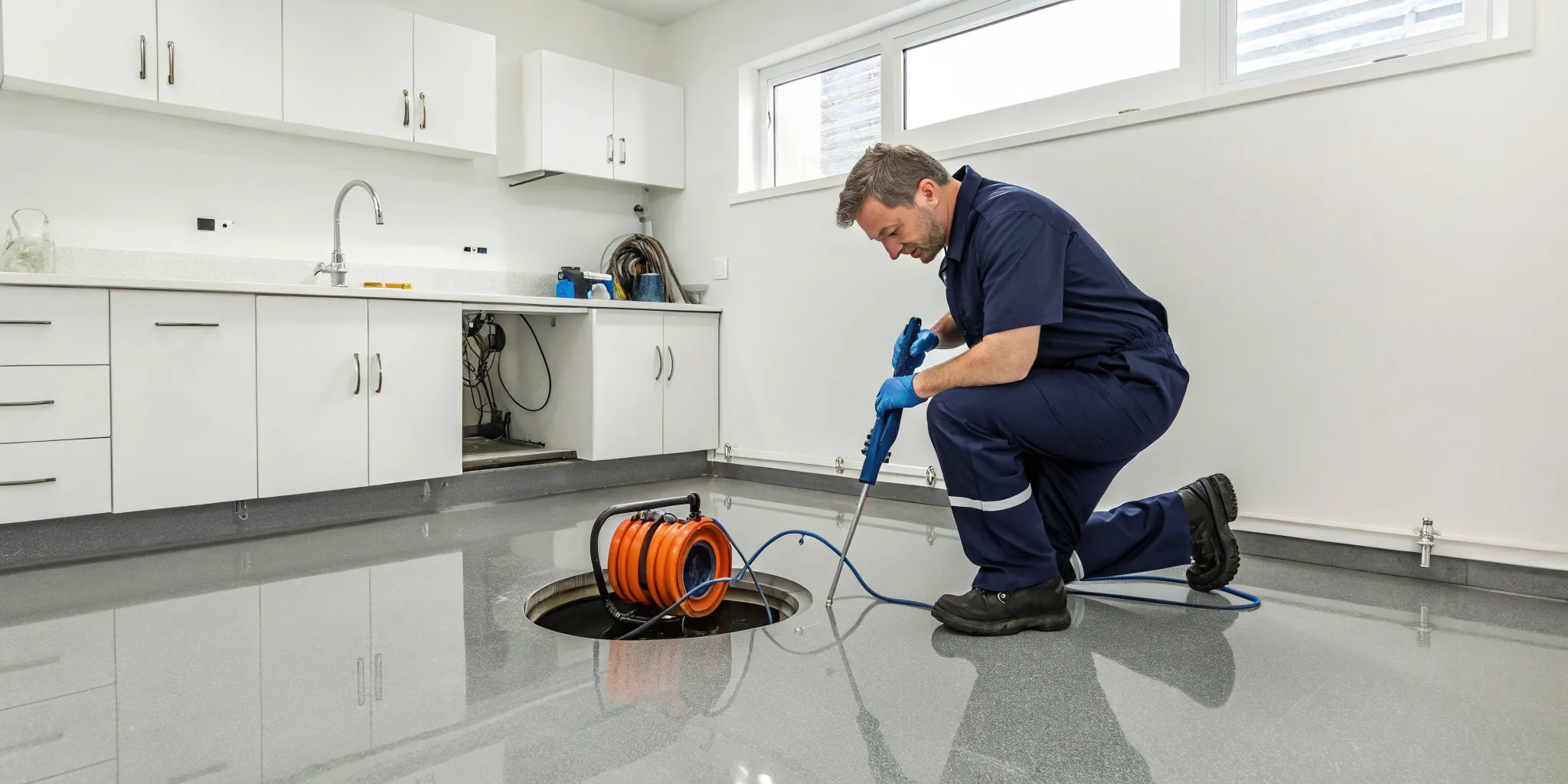
Before any repair can begin, the pipe needs to be properly prepped. You can’t fix a line that’s clogged with years of grease, sludge, and invasive tree roots. That’s why the first step is a thorough cleaning, and the go-to method is hydro jetting. This process uses a high-pressure stream of water to scour the inside of the pipe, blasting away obstructions. It does more than just clear a blockage; it creates a perfectly clean surface for a new liner to adhere to, ensuring the repair is effective and will last for years. Think of it like painting a wall—you wouldn’t just paint over dirt and expect it to stick. Proper preparation is key to a durable, long-term solution.
Even before the cleaning, however, comes the most critical diagnostic step: the camera inspection. A technician feeds a small camera through your sewer line to get a clear view of the problem. This inspection reveals the exact nature and location of the damage, from minor cracks to a full collapse. This visual confirmation is non-negotiable, as it helps determine which trenchless method is the right solution for your home. Without a proper camera inspection, any repair plan is just a guess, and you need a precise diagnosis for a lasting fix. It’s the foundation of a successful repair, ensuring the right tool is used for the right job.
CIPP Lining: Creating a New Pipe Within the Old One
Cured-in-Place Pipe lining, or CIPP, is one of the most popular trenchless methods. Imagine it as creating a brand-new pipe right inside your old one. We start by inserting a flexible, resin-coated tube into the damaged pipe. Once it’s in place, we inflate the tube, pressing it against the walls of the original pipe. The special epoxy resin then cures, or hardens, forming a seamless, joint-free pipe that is strong and resistant to corrosion. This method is fantastic for sealing cracks, closing gaps, and preventing root intrusion. While it does slightly reduce the pipe’s inner diameter, the smooth surface of the new lining often improves flow, making it a highly effective and long-lasting repair.
Pipe Bursting: How to Replace Damaged Pipes
If your sewer line is too damaged for a simple relining, pipe bursting is an excellent solution. This method doesn’t just repair the old pipe—it completely replaces it. We begin by digging two small access points at either end of the damaged pipe section. A specialized machine then pulls a brand-new pipe through the old one. At the front of the new pipe is a “bursting head,” which fractures the old, damaged pipe outward as it moves along. The new pipe, often made of durable polyethylene, immediately takes its place. A major advantage of this technique is that we can often install a new pipe with the same or even a larger diameter, which can significantly improve your system’s capacity and flow.
Sealing Cracks with Spray Lining and Brush Coating
For pipes with less severe issues, spray lining or brush coating can be the perfect fix. This technique involves applying a flexible polymer or epoxy resin to the inside of the pipe. A specialized tool with a rotating head is sent through the pipe, spraying or brushing the coating onto the interior walls. This creates a durable, waterproof seal that covers pinhole leaks, small cracks, and areas weakened by corrosion. It’s a quick and efficient process that reinforces the existing pipe structure without reducing its diameter. However, it’s important to know that this method is best for targeted repairs and preventative maintenance, not for pipes with major structural damage or collapses.
Slip Lining: Sliding a New Pipe into Place
Slip lining is one of the original trenchless methods and still has its uses today, particularly for larger, straight pipes. The process is straightforward: a new, smaller-diameter pipe, called a carrier pipe, is pulled or pushed directly into the damaged host pipe. Once the new liner is in place, the space between the old pipe and the new one is often filled with grout to ensure a secure fit. While effective at sealing leaks and restoring function, the main drawback of slip lining is the significant reduction in the pipe’s internal diameter. Because of this, it’s generally better suited for larger-scale applications rather than typical residential sewer lines where maintaining flow capacity is critical.
The Pros and Cons of No-Dig Sewer Repair
Deciding on the best way to repair your sewer line can feel overwhelming, but understanding your options is the first step. No-dig technology is a fantastic solution for many homeowners, but it’s not a silver bullet for every plumbing problem. Like any method, it comes with its own set of advantages and limitations. Weighing these pros and cons will help you make an informed choice that protects your property and your wallet. Let’s break down what you can expect from a trenchless repair.
Why Choose No-Dig Over Traditional Repair?
The most obvious benefit of no-dig repair is right in the name: no massive trench cutting through your yard. This modern approach saves your lawn, garden, and driveway from being destroyed. Beyond aesthetics, it’s often faster than traditional excavation, meaning your plumbing is back up and running sooner. Trenchless methods can also be more cost-effective when you factor in the money you’ll save on restoring your landscape. Instead of paying to re-sod your lawn or repave your driveway, you can invest in a durable, long-lasting pipe repair. It’s a smarter way to handle your plumbing services with minimal fuss.
Save Your Landscaping with No-Dig Repair
Your home is your sanctuary, and the last thing you want is a major construction project tearing it up. Traditional sewer repair is disruptive, noisy, and messy. In contrast, no-dig methods are far less invasive. The work is typically confined to small access points, preserving the peace and integrity of your property. This approach is also more environmentally friendly, as it avoids major soil disruption that can harm surrounding ecosystems. As a family-owned business, we understand how important it is to treat your home with respect, and trenchless repair allows us to fix the problem without turning your yard upside down.
When Is No-Dig Repair Not the Right Choice?
While trenchless technology is incredibly versatile, it has its limits. No-dig methods may not be suitable for pipes that are severely collapsed, have significant bellies (sags), or are back-pitched (meaning they don’t slope correctly). In these cases, the existing pipe may be too damaged to serve as a host for a new liner or a bursting head. Extremely old or brittle pipes might also require traditional excavation to ensure a stable, long-term solution. A thorough camera inspection is essential to determine if your pipes are good candidates for a no-dig repair or if you’re facing a situation that requires more intensive emergency plumbing intervention.
How Long Do No-Dig Repairs Last?
This is a question every homeowner asks, and the answer is reassuring. When installed correctly by a professional, no-dig repairs are built to last. Materials like Cured-in-Place Pipe (CIPP) liners create a seamless, joint-free pipe within the old one, effectively creating a new pipe that can last for 50 years or more. These modern materials are resistant to corrosion, root intrusion, and cracks, often making them stronger than the original pipes. This isn’t a temporary patch; it’s a long-term investment in your home’s plumbing infrastructure. If you want to know if this durable solution is right for you, the best first step is to schedule an assessment with an expert.
Breaking Down the Cost: No-Dig vs. Traditional Repair
When you’re facing a major plumbing repair, the cost is often the first thing on your mind. It’s easy to compare initial quotes, but the true cost of a sewer line repair goes beyond the price per foot. Traditional and no-dig methods have very different impacts on your property and your wallet, and understanding the full financial picture is key to making a smart decision. While one option might seem cheaper upfront, the hidden expenses of excavation and restoration can quickly add up, making the less invasive choice more cost-effective in the long run. Let’s break down what you can expect so you can budget accordingly and avoid any surprises.
Upfront Costs vs. Long-Term Value
On paper, the initial costs of no-dig and traditional sewer repair can look surprisingly similar. No-dig trenchless sewer repair typically costs between $60 and $250 per foot. Traditional repair, which involves digging a large trench, can range from $50 to $250 per foot just to replace the pipe. However, that traditional estimate doesn’t include the cost of the excavation itself, which can add thousands to the bill before a single pipe is even touched. The real savings with no-dig repair come from what you don’t have to pay for. Since there’s no massive trench, you avoid the expense of restoring your property. That means no costs for re-sodding your lawn, repaving your driveway, or rebuilding your patio. The price you’re quoted for a no-dig repair is much closer to the final price you’ll actually pay.
The Hidden Costs of Traditional Excavation
Think about what lies between your house and the street. A beautiful lawn you’ve spent years caring for? A brand-new driveway? Maybe a stone walkway or a garden bed? A traditional sewer repair puts all of it at risk. The process requires digging a long, deep trench across your property, and the collateral damage can be extensive. These “hidden costs” are rarely included in the initial plumbing quote. After the pipe is fixed, you’re left with a torn-up yard and the responsibility of putting it all back together. This can involve thousands of dollars in additional expenses for things like:
- Hiring a landscaper to lay new sod and replace plants.
- Paying a contractor to pour new concrete for a driveway or sidewalk.
- Rebuilding retaining walls, patios, or decks that were in the way.
These restoration costs can easily double the total price of the project, turning an affordable repair into a major financial burden.
What Factors Influence the Final Price?
No two sewer line problems are exactly alike, so the final price for your repair will depend on the unique conditions of your property. Whether you choose a no-dig or traditional method, a professional plumber will assess several factors before giving you a precise quote. The time it takes to complete the job is influenced by how bad the damage is, the pipe’s location, and other variables. Key factors that affect the cost include:
- The extent of the damage: A pipe with a few small cracks is a simpler fix than a pipe that has completely collapsed.
- Pipe accessibility: A pipe buried deep underground or located beneath your home’s foundation will be more challenging and costly to repair.
- Pipe diameter and length: Larger and longer pipes require more materials and labor.
- Ground conditions: Rocky soil or the presence of other utility lines can complicate the process.
- Permits: Some municipal areas require permits for sewer line work, which adds to the overall cost.
Assessing the Urgency of Your Repair
It can be tough to know if a gurgling drain is a minor annoyance or a sign of a looming disaster. Sewer line problems often start small, but ignoring them can be a costly mistake. If you’re noticing slow drains in multiple rooms, hearing strange noises from your toilets, or smelling unpleasant odors, your plumbing is trying to tell you something. Delaying can turn a manageable repair into a full-blown crisis, like a complete pipe collapse that floods your basement. The only way to know for sure what you’re dealing with is to see inside the pipe. A professional camera inspection will reveal the true condition of your sewer line and help determine if you need a scheduled repair or immediate emergency plumbing intervention.
Exploring Financial Assistance for Sewer Repairs
Let’s be honest—a major sewer repair is an expense no one wants. The good news is that you might not have to cover the entire cost on your own. Before you do anything else, pull out your homeowner’s insurance policy. While coverage varies, some policies will help with the cost of accessing and repairing a damaged sewer line, especially if the damage was sudden and accidental. It’s always worth a call to your agent to clarify what your specific plan covers. Additionally, check with your local municipality. Some cities offer grants or low-interest loan programs to help homeowners replace failing sewer laterals, as it helps protect the public water system. A little research could uncover financial assistance options you didn’t know existed.
How to Choose the Right Contractor for Your No-Dig Repair
Choosing the right repair method is only half the battle; finding the right team to do the work is just as critical. The success of a trenchless repair depends heavily on the skill of the technicians and the quality of the equipment they use. A great contractor will not only fix the problem but also give you peace of mind. Here’s how to find a plumbing partner you can trust with your home.
Why a Professional Pipe Assessment Is Step One
Before any work begins, a trustworthy contractor will insist on a professional pipe assessment. This isn’t an optional step. A technician should perform a camera inspection to get a clear look inside your pipes. This diagnostic tool helps them pinpoint the exact location and extent of the damage. More importantly, it determines if your pipe’s condition and the surrounding soil are suitable for a trenchless repair. A collapsed line or certain types of soil might rule it out. This initial check ensures you’re getting the right solution for your specific problem, not just a one-size-fits-all guess. It’s the foundation for all our expert plumbing solutions.
Key Questions to Ask Your Plumbing Contractor
Once you have a few potential contractors, it’s time to ask some direct questions. Their answers will tell you a lot about their experience and professionalism. Don’t hesitate to ask:
- Are your technicians certified in trenchless technology? This isn’t a standard plumbing job and requires specialized training.
- What specific materials and technology do you use? You want a company that invests in modern, high-quality equipment for a lasting repair.
- Can you provide references or examples of past no-dig projects? A proven track record is a great indicator of reliability.
- What does your warranty cover? A strong warranty should cover both the materials used and the workmanship.
As a family-owned business, we believe transparency is key, and any reputable plumber should be happy to answer these questions.
Look for Comprehensive Service Offerings
When you’re searching for a contractor, it’s smart to look beyond just their trenchless repair skills. A company that offers a wide range of plumbing services is often a safer bet because they’re prepared for anything. What happens if the camera inspection reveals a problem that no-dig methods can’t solve, or an unexpected issue turns into a crisis? A specialized contractor might have to refer you to someone else, delaying the fix and adding stress. A full-service plumbing company, however, can pivot to the right solution on the spot. They have the tools and expertise to manage everything from the initial diagnosis to complex repairs, ensuring your problem is solved efficiently without you needing to coordinate between multiple businesses. This comprehensive capability is a sign of a well-equipped and reliable team.
Red Flags to Watch for When Hiring a Pro
Just as important as knowing what to look for is knowing what to avoid. Keep an eye out for these red flags when vetting a contractor. Be wary of any company that gives you a quote over the phone without a camera inspection or pressures you into making an immediate decision. A professional will always want to assess the situation first. Another warning sign is a reluctance to provide clear details about their licensing, insurance, or the warranty they offer. If their answers are vague or they can’t show proof of their credentials, it’s best to walk away. When you’re facing a plumbing issue, you need a reliable team, especially if it’s an emergency plumbing situation.
Frequently Asked Questions
How do I know if no-dig repair is an option for my home? The only way to know for sure is with a professional camera inspection. A technician will guide a small camera through your sewer line to get a clear view of the problem. If your pipe has cracks, leaks, or root intrusion but is still structurally sound, you are likely a perfect candidate. However, if the pipe has completely collapsed or has a severe sag, a traditional repair might be the only solution.
How long does a typical no-dig repair take from start to finish? One of the biggest advantages of trenchless repair is the speed. While every project has its own timeline, most residential jobs are completed in a single day. This is a significant improvement over traditional excavation, which can drag on for several days or even a week, especially when you factor in the time needed to restore your property afterward.
Will a no-dig repair fix a sewer line that’s been damaged by tree roots? Yes, this is one of the most common problems that no-dig methods solve effectively. After the existing roots are cleared from the line, a technique like CIPP lining creates a brand-new, seamless pipe inside the old one. This smooth, joint-free surface eliminates the tiny gaps where roots typically enter, providing a powerful, long-term barrier against future invasions.
Is the process noisy or disruptive to my family and neighbors? Compared to the constant roar of a backhoe digging for days, no-dig repair is remarkably quiet. You can expect some noise from the equipment, but it is typically confined to the small access areas and only lasts for a fraction of the time. Your daily routine, and your relationship with your neighbors, will face far less disruption.
Can trenchless repair be used for pipes located under my house’s foundation? This is a situation where no-dig technology is a true lifesaver. Excavating through your home’s foundation is a massive, costly, and incredibly invasive project. Trenchless methods allow professionals to repair those hard-to-reach pipes from the inside, often by using an access point outside the home. This saves you from the headache and expense of tearing up your floors and compromising your home’s structure.
Preventative Measures to Avoid Costly Repairs
While it’s great to know that solutions like no-dig repair exist, the best-case scenario is avoiding the need for a major repair altogether. A little proactive care can go a long way in keeping your plumbing system healthy and saving you from unexpected expenses down the road. Just like you get regular check-ups for your car, your home’s pipes benefit from routine attention. Taking a few preventative steps can help you catch small issues before they escalate into costly emergencies, giving you control over your home maintenance instead of just reacting to problems as they arise.
Scheduled Maintenance and Cleaning
Think of scheduled maintenance as a wellness check for your plumbing. During a routine visit, a professional can identify potential trouble spots, like early-stage corrosion or minor clogs, that you might not notice otherwise. For homes with older pipes or recurring issues, regular cleanings can be a game-changer. By clearing out debris and early root growth on a set schedule—whether it’s once a year or more frequently—you can prevent the kinds of severe blockages that lead to backups and pipe damage. This simple, proactive step is one of the most effective ways to extend the life of your pipes and avoid the stress of a sudden plumbing failure. It’s a core part of our comprehensive plumbing solutions.
The Value of a Pre-Purchase Sewer Inspection
Buying a home is one of the biggest investments you’ll ever make, but a standard home inspection often overlooks one of the most critical systems: the main sewer line. A pre-purchase sewer inspection is a small investment that can save you from a massive financial headache. Before you sign on the dotted line, a professional can run a camera through the sewer line to check for hidden issues like cracks, sags, or invasive tree roots. Discovering a serious problem ahead of time gives you the power to negotiate with the seller or even walk away from a property that has a failing sewer system. An inspection provides a clear picture of the pipe’s condition, ensuring you don’t inherit a costly surprise repair right after moving in. You can schedule an inspection to get that peace of mind.