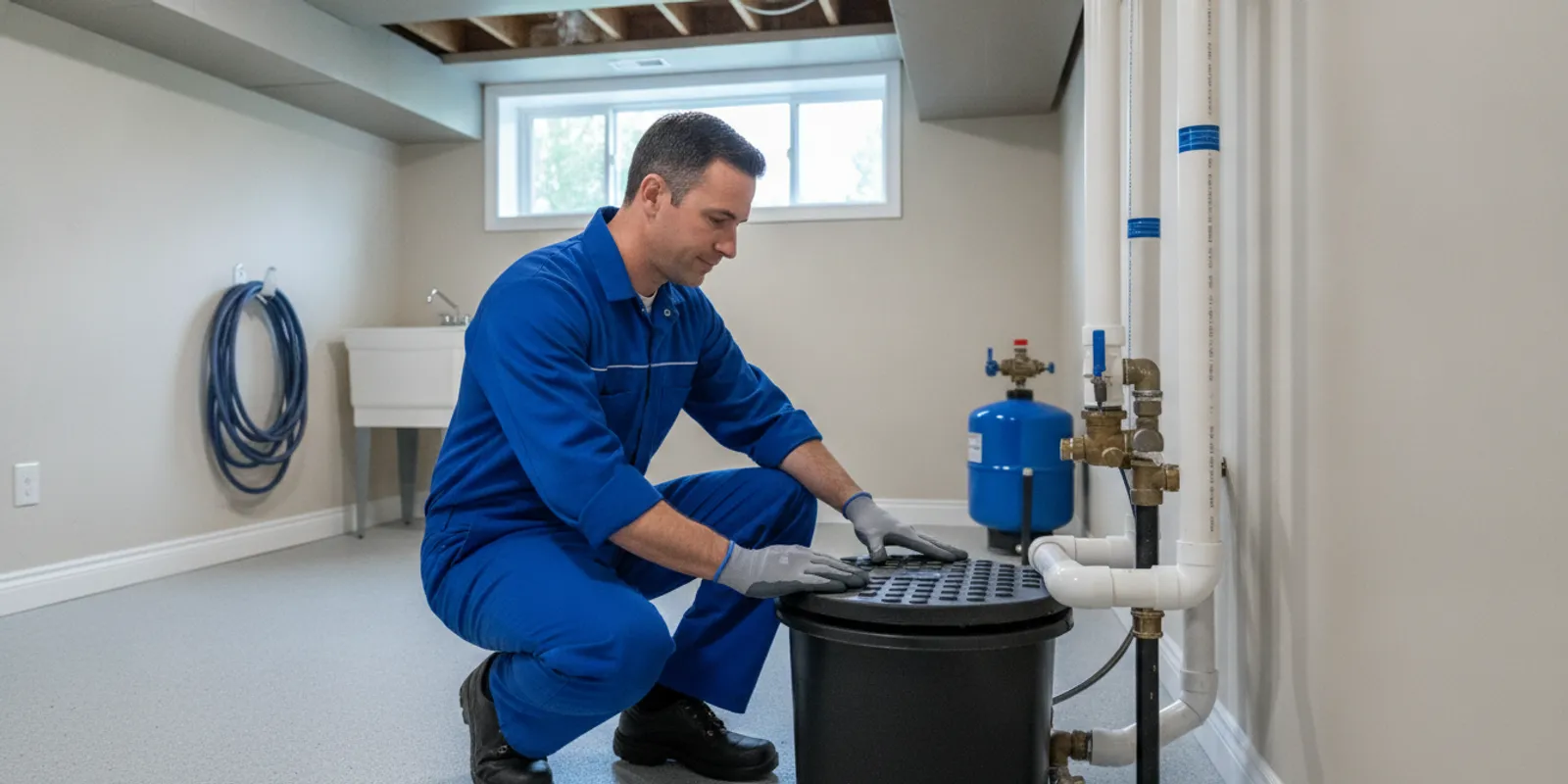


Nothing ruins the joy of a new home faster than a plumbing problem. A mysterious leak, drains that constantly back up, or frustratingly low water pressure can turn your dream home into a source of stress. The best way to deal with these issues? Prevent them from ever happening. The quality of your initial plumbing installation is the single biggest factor in your home’s long-term reliability. This is where a skilled new construction plumber proves their worth. They are your first line of defense against future headaches, ensuring every pipe, fitting, and fixture is installed perfectly from day one.
Key Takeaways
- Hire a Specialist, Not Just a Repair Person: New construction plumbing requires a unique skill set, including reading blueprints, designing entire systems, and coordinating with other trades. Ensure any plumber you consider has specific, proven experience in new builds, not just general service calls.
- Do Your Homework to Avoid Headaches: The right plumber is licensed, insured, and transparent. Protect your investment by verifying their credentials, calling their references from recent construction projects, and comparing detailed, itemized estimates.
- Invest in Quality Now to Save Money Later: The materials chosen for your pipes and fixtures directly impact your home’s long-term reliability. Opting for durable, high-quality components from the start is the most effective way to prevent future leaks, clogs, and expensive emergency repairs.
What Does a New Construction Plumber Actually Do?
When you think of a plumber, you might picture someone fixing a leaky faucet or a clogged drain. But in a new construction project, a plumber’s role is far more extensive and foundational. They are one of the first trades on-site and their work is critical to the home’s long-term function and safety. A new construction plumber is a master planner and builder, responsible for designing and installing the entire plumbing system from the ground up. They work from blueprints to lay the groundwork for everything from your morning shower to your kitchen sink, ensuring every pipe, drain, and fixture works perfectly from day one.
The Three Main Phases of New Construction Plumbing
Putting in the plumbing for a new house isn’t a single task—it’s a carefully planned process that unfolds in three key stages. Each phase lines up with a different part of the construction timeline, from laying the foundation to adding the final touches. Understanding these steps shows you just how much detail goes into the work and why it’s so important for every pipe and fixture to be installed perfectly for long-term reliability. A professional plumber works closely with the general contractor and other teams to make sure everything flows smoothly, literally. This methodical approach is the secret to preventing leaks, clogs, and other headaches, ensuring your new home’s plumbing is solid from the very beginning.
Phase 1: The Underground Rough-In
The first phase is all about laying the groundwork—the hidden network that your entire home will depend on. This happens right after the foundation is poured but before the concrete slab is laid. During this underground rough-in, your plumber installs all the pipes that will live beneath your house. This includes the main water lines bringing fresh water in and the sewer lines carrying wastewater out. It’s incredibly detailed and critical work because once the concrete is poured, there’s no going back. Getting this stage perfect is non-negotiable, as it establishes a reliable system and is the best way to prevent major plumbing emergencies down the road.
Phase 2: The Top-Out or Rough-In
Once the house has been framed and the roof is on, the plumbers come back for the second phase, often called the top-out or rough-in. Now, they work inside the walls, running all the supply and drain pipes to the exact spots where sinks, toilets, showers, and tubs will eventually go. Think of it as installing the plumbing system’s skeleton. They’ll also install shower valves and tub drains. Before any drywall goes up, the entire system is pressurized and carefully tested for leaks. This is also the ideal time to add pipe insulation, which helps protect against freezing in our Michigan winters and improves your home’s energy efficiency.
Phase 3: The Trim-Out or Finishing
The final phase is when everything comes together and your house starts to feel like a home. After the walls are painted and the flooring is in, the plumber returns for the trim-out. This is when they install all the visible plumbing components, or “fixtures.” They will set the toilets, connect faucets to sinks, install showerheads, and hook up the water heater and other appliances like your dishwasher. Every fixture is meticulously installed and tested to make sure it works perfectly, from the water pressure at the kitchen sink to the proper flush of your new toilet. This finishing touch ensures your system is ready for daily use.
Designing and Installing Your Entire Plumbing System
Before a single pipe is laid, a new construction plumber maps out the entire system. This isn’t just about connecting pipes; it’s about creating a highly efficient network for water distribution and waste removal. A well-designed plumbing layout ensures strong water pressure, effective drainage, and full compliance with local building codes. The plumber works with the builder and architect to plan the placement of every pipe, vent, and drain line, making sure the system is not only functional but also accessible for future maintenance. This initial design phase is crucial for preventing issues like slow drains or water hammering down the road.
Connecting Your Home to Water and Sewer Lines
One of the most critical tasks for a new construction plumber is installing the main water and sewer lines. This is the heavy lifting that connects your home to the outside world. The plumber excavates trenches to lay the primary pipes that bring clean, potable water in from the municipal supply and carry wastewater out to the sewer system. This foundational work happens early in the building process, often before the foundation is even poured. Getting this step right is non-negotiable, as mistakes can lead to catastrophic and expensive emergency plumbing situations later on.
Hooking Up Your Fixtures and Appliances
Once the hidden network of pipes is in place, the plumber moves on to the finishing touches you’ll see and use every day. This includes installing all the fixtures and appliances that make a house a home. Think sinks, faucets, showers, bathtubs, and toilets. They also handle the hookups for water heaters, dishwashers, washing machines, and refrigerators with ice makers. This work requires precision to ensure there are no leaks and everything functions correctly. A professional plumber’s work at this stage is essential for passing final inspections and receiving the Certificate of Occupancy, which deems the building safe to live in.
Safely Installing Gas Lines
Many modern homes rely on natural gas or propane for heating, cooking, and more. A licensed new construction plumber is qualified to install these gas lines safely and efficiently. This specialized job involves running pipes from the main gas supply to appliances like furnaces, water heaters, stoves, fireplaces, and even outdoor grills or pool heaters. Given the potential dangers of gas leaks, this work demands the highest level of expertise and strict adherence to safety codes. It’s a critical service that ensures your home is both comfortable and secure. If you have questions about gas line work, it’s always best to contact a professional.
Making Sure Everything Is Up to Code
A huge part of a new construction plumber’s job happens behind the scenes. They are responsible for making sure the entire plumbing system meets strict local, state, and federal building codes. These regulations are in place to protect your health, safety, and the environment. A professional plumber will handle pulling all necessary permits before work begins and scheduling inspections at key stages of the project. Their deep knowledge of code requirements prevents costly fines, legal trouble, and the need to tear out and redo work that isn’t up to standard, giving you peace of mind that your home is built right.
Specialized Services for New Builds
Beyond the standard installation of pipes and fixtures, a great new construction plumber offers specialized services that protect your home’s long-term health and value. These advanced checks and certifications are designed to catch potential problems before they start, ensuring your plumbing system is not just functional, but also safe, compliant, and built to last. Think of these as the final quality control steps that give you complete confidence in the hidden infrastructure of your new home. They address critical areas like water safety and sewer line integrity, which are foundational to a worry-free homeownership experience.
Backflow Certification and Testing
One of the most important safety checks for a new home is backflow testing. This process ensures that contaminated water from sources like irrigation systems or boilers can’t flow backward into your clean drinking water supply. It’s a non-negotiable step for protecting your family’s health and meeting local code requirements. A certified plumber will test your home’s backflow preventer, a device that acts like a one-way gate, to confirm it’s working perfectly. Getting this certification isn’t just about ticking a box for an inspector; it’s about guaranteeing the water coming from your taps is always safe and clean.
Sewer Line Video Inspections
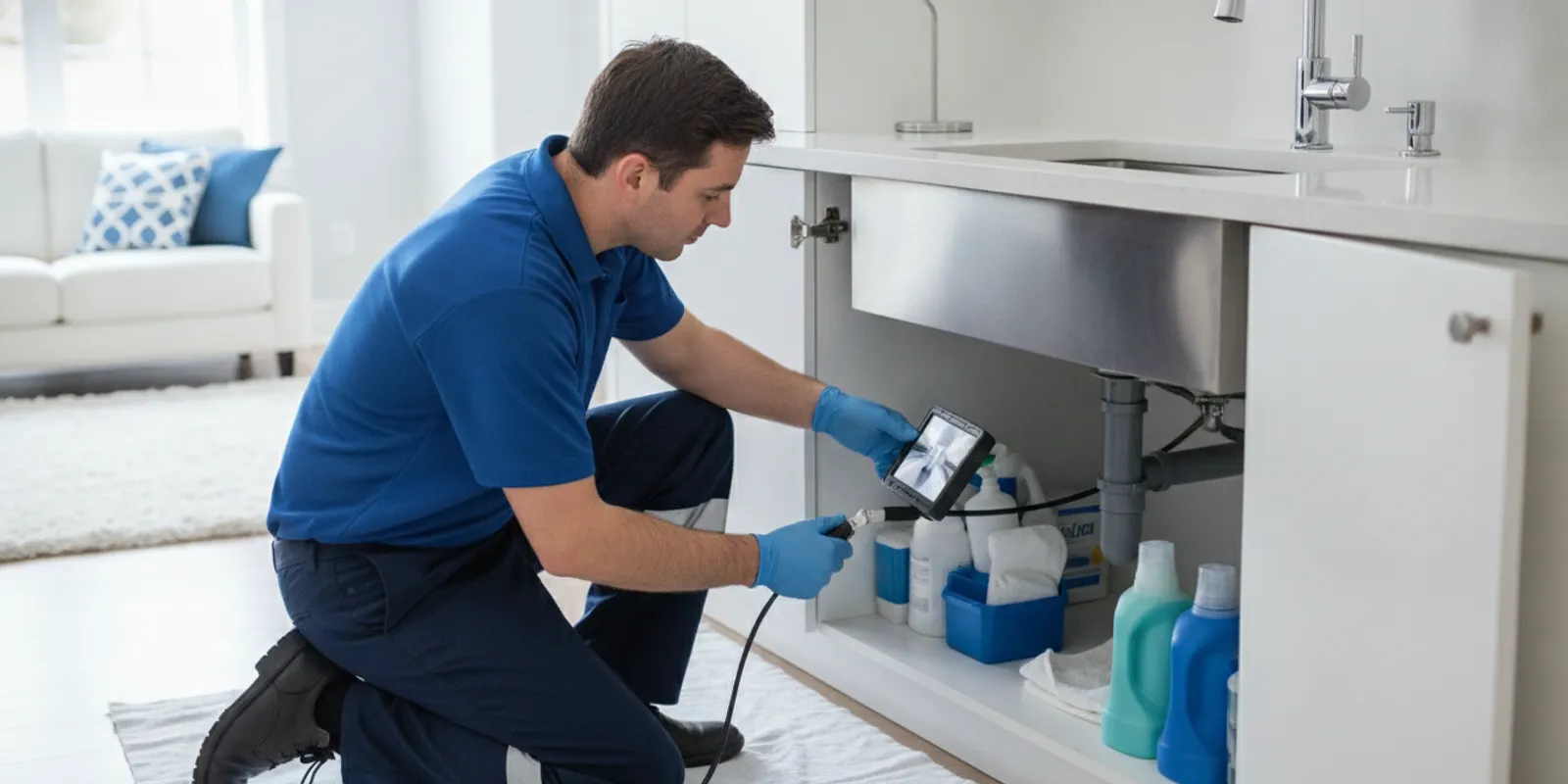
Before you move in, it’s wise to get a clear look at what’s happening inside your sewer lines. A sewer line video inspection involves sending a small, high-resolution camera through your pipes to provide a real-time view of their condition. This allows a plumber to spot any issues left over from construction, such as debris, misaligned pipe joints, or cracks, without digging up your newly landscaped yard. Catching these problems early prevents disastrous backups down the road. This proactive inspection is one of the many comprehensive plumbing solutions that ensures your system is flawless from day one, saving you from major headaches and expensive repairs later.
How to Choose the Right New Construction Plumber
Choosing a plumber for a new build is one of the most important decisions you’ll make for your project. The plumbing system is like the circulatory system of your home or business—it’s hidden behind the walls, but it’s essential for everything to function correctly. A great installation means decades of reliability, while a poor one can lead to endless headaches and costly repairs. This isn’t the time to cut corners or rush the hiring process.
Finding the right professional doesn’t have to be overwhelming. By focusing on a few key areas, you can confidently select a plumber who will be a true partner in your construction project. It’s about more than just connecting pipes; it’s about finding an expert who understands the big picture, communicates clearly, and stands behind their work. We’ll walk through the four essential steps to vetting a new construction plumber: checking their credentials, verifying their specific experience, analyzing their estimates, and looking into their reputation. Taking the time to do this homework now will pay off for years to come.
Always Check for Licensing and Insurance
First things first: any plumber you consider must be licensed and insured. This is the baseline for professionalism and is completely non-negotiable. A state-issued license proves that the plumber has met specific training and testing requirements, confirming they have the knowledge to do the job safely and correctly. It’s important to hire an experienced and licensed plumber for any new construction project to avoid problems, delays, and extra costs down the road.
Equally important is insurance. Ask for proof of both general liability insurance and worker’s compensation. Liability insurance protects your property in case of accidental damage, while worker’s comp covers their employees if they get injured on your job site. Without it, you could be held financially responsible. Don’t just take their word for it—ask for a copy of their insurance certificates.
Do They Specialize in New Construction?
Not all plumbers specialize in new construction. Many focus on service calls and repairs, which require a different skill set. For a new build, you need a plumber who can read and interpret complex blueprints, collaborate effectively with your general contractor and other trades, and design a complete plumbing system from scratch. They need to understand the entire process, from laying the initial groundwork to installing the final fixtures.
When interviewing potential plumbers, ask specifically about their new construction experience. How many new homes or commercial buildings have they worked on? Can they provide a portfolio or show you examples of their plumbing solutions? An experienced new construction plumber will also be able to advise you on the best materials and fixtures for your project, ensuring durability and long-term performance.
Look for Experience and a Proven Track Record
Beyond their license, you need to know if a plumber has a history of success with projects like yours. Ask for references from their most recent new construction jobs and make the calls. Talk to the homeowners or general contractors about their experience. Were they professional? Did they stick to the timeline and budget? Most importantly, have any issues come up with the plumbing since the project was completed? A reputable plumber will be happy to connect you with satisfied clients. This is where a company with deep roots in the community, like a trusted family-owned business, often shines. They have a long-standing reputation to uphold and a portfolio of local work they can point to with pride.
Ask About Warranties and Guarantees
A professional plumber’s confidence in their work should be backed by a solid warranty. This is your protection against potential defects in materials or workmanship. Be sure to ask what kind of guarantees they offer. Does the warranty cover both labor and the parts they install? How long does the coverage last? A clear, written guarantee is a sign that the company stands behind its work and is committed to quality. For example, a top-tier company might offer a 100% customer satisfaction guarantee, which shows they are dedicated to getting the job right and ensuring your long-term peace of mind. This isn’t just a piece of paper; it’s an assurance that your significant investment is protected.
How to Compare Plumbing Estimates (The Right Way)
While budget is always a factor, you shouldn’t choose a plumber based on price alone. The cheapest bid can often lead to cut corners, low-quality materials, and surprise costs later on. Instead, gather at least three detailed, itemized estimates from different companies. A professional estimate should be a clear, comprehensive document, not just a single number scribbled on a piece of paper.
Look for a breakdown of costs that includes labor rates, a list of all materials and fixtures with their prices, permit fees, and a proposed payment schedule. This allows you to make an apples-to-apples comparison and understand exactly what you’re paying for. A vague estimate is a major red flag. A plumber who provides a clear plan shows they’ve thought through your project and are committed to transparency. When you’re ready, you can always request a detailed estimate from our team.
Read Reviews and Actually Call Their References
A plumber’s reputation is one of the best indicators of the quality of their work and customer service. Start by looking up online reviews on sites like Google, Yelp, and the Better Business Bureau. Look for patterns in the feedback—are customers consistently praising their communication, timeliness, and professionalism?
Don’t stop there. Ask each plumber for a list of recent references from new construction projects similar to yours. Take the time to actually call these references and ask about their experience. Were they happy with the final result? Was the project completed on time and within budget? How did the plumber handle any unexpected challenges? Hearing directly from past clients will give you invaluable insight and help you find a plumber who is seen as trustworthy and reliable.
What Will New Construction Plumbing Cost You?
Budgeting for a new home can feel like a huge puzzle, but breaking down the plumbing costs makes it much more manageable. Knowing what to expect helps you plan effectively and avoid surprises down the road. The total price tag for your plumbing system is a combination of a few key things: the plumber’s labor, the materials and fixtures you choose, and some necessary administrative fees. Let’s walk through what goes into the cost of new construction plumbing so you can feel confident about your project’s budget from day one.
Breaking Down Labor Rates
The first major cost is labor, particularly for the “rough-in” phase. This is where your plumber installs all the essential pipes, drains, and water lines inside the walls, floors, and ceilings before any drywall goes up. For an average-sized home, many plumbers charge a flat rate for this work, typically ranging from $8,000 to $12,000. This foundational work is critical—it’s the skeleton of your entire plumbing system. The final price can vary based on the complexity of your home’s layout, like the number of bathrooms or the location of your kitchen. This is the most intensive part of the job, and it’s where a skilled plumber’s expertise is absolutely essential.
The Price of Pipes, Fixtures, and Materials
After labor, the materials and fixtures you select make up a large part of your budget. The core plumbing system—all the pipes and fittings hidden behind your walls—averages around $4.50 per square foot. Then you have the fixtures, which are the parts you’ll see and use every day. Sinks, toilets, faucets, and showerheads come in a massive range of styles and prices. This is where you have the most control over your spending. While it can be tempting to choose less expensive options, investing in durable, quality fixtures is a smart move that pays off in performance and longevity, helping you avoid the need for future toilet repairs or leaky faucets.
Pipe Material Costs Per Foot
The type of pipe running through your home is a major factor in both the upfront cost and the system’s long-term durability. PEX tubing is a popular and flexible option, typically costing between $0.50 and $1.50 per foot. PVC pipes, often used for drain lines, are similarly priced, ranging from $0.40 to $2.00 per foot. For maximum longevity, copper pipes are the gold standard, though they come with a higher price tag of $3.00 to $8.00 per foot. While it might be tempting to go with the cheapest option, investing in higher-quality materials can save you from future leaks and costly repairs. A professional can help you choose the right materials to balance your budget with your home’s needs, and proper pipe insulation will protect whichever option you select.
Appliance and Fixture Rough-In Costs
Each appliance and fixture that uses water requires its own specific plumbing hookup, and these individual costs add up. Budgeting for these “rough-ins” is a key part of planning. For example, setting up the plumbing for a single sink can range from $350 to $500. A new water heater installation might cost between $400 and $1,800, depending on the model and complexity. Even a dishwasher hookup has its own price, typically falling between $400 and $650. Ensuring these connections are installed perfectly from the start is one of the best ways to guarantee your new appliances function correctly and avoid frustrating leaks or the need for emergency plumbing services later on.
Bathroom Rough-In Costs
Because they contain multiple fixtures in a small space, bathrooms are the most plumbing-intensive rooms in any house. The cost to rough-in a bathroom’s plumbing—meaning all the pipes for the sink, shower, and toilet—scales with the number of bathrooms you’re building. For a single bathroom, you can expect to budget between $1,600 and $2,900. If your plans include two full bathrooms, the cost will likely be in the $3,200 to $5,800 range. For a home with three bathrooms, the total rough-in cost typically runs from $4,800 to $8,700. This investment covers the complex network of water supply and drain lines needed to make sure everything works flawlessly, preventing future issues like a faulty toilet repair.
Don’t Forget Permit and Inspection Fees
It’s easy to overlook the administrative side of a big project, but you’ll need to budget for permits and inspections. These are required by your local municipality to ensure all the plumbing work meets current building codes and safety standards. Think of them as a layer of protection for your investment. Permit fees usually run between $50 and $500. Inspections are often charged by the hour, typically from $40 to $120 per hour. Your plumber will handle the logistics of pulling the right permits and scheduling inspections, but these fees will be part of your overall project cost. They’re a small price to pay for the peace of mind that comes with knowing the job was done right.
What Can Change Your Final Plumbing Bill?
Several key factors can influence your final plumbing costs. The single most important decision is choosing your plumber. Hiring an experienced and licensed plumber from the start is the best way to prevent costly mistakes, delays, and future problems. The quality of the fixtures you select also plays a huge role in both the upfront cost and long-term durability. Finally, it’s always wise to build a contingency fund into your budget—about 10-20% of the total cost—to cover any unexpected issues that might pop up. The best way to get a clear picture of your specific costs is to get a detailed estimate that breaks down every expense for you.
Excavation for Main Lines
The excavation process for your main water and sewer lines is a perfect example of a variable cost. While essential, the difficulty of this job can change based on your property. Factors like rocky soil, a high water table, or difficult site access can increase the labor and equipment needed to dig the trenches. The length and depth of the lines also play a big role. This foundational work is non-negotiable for connecting your home to municipal services, and getting it right prevents devastating issues later on. A poorly executed excavation can lead to pipe damage or collapses, resulting in the kind of catastrophic failures that require emergency plumbing intervention.
Understanding Different Pricing Models
When you receive an estimate, it will likely follow one of two common pricing models: flat-rate or time and materials. A flat-rate bid gives you a single, all-inclusive cost for a specific phase, like the initial rough-in. This approach offers predictability, making it easier to manage your budget. A time and materials contract, however, bills you for the plumber’s hourly rate plus the actual cost of all parts used. This model can be more flexible if the project scope changes, but the final cost is less certain from the start.
Regardless of the model, transparency is key. A professional plumber should provide a detailed scope of work that clearly outlines what is included in their price. For a flat-rate bid, you should know exactly what that number covers; for a time and materials contract, you should have clear hourly rates and an estimated number of hours. A trustworthy plumber will always be upfront about their pricing so you can make an informed decision. When you’re ready to discuss your project, our team is happy to provide a clear, comprehensive estimate.
How to Choose the Best Materials for Your Plumbing
When you’re building a new home, the plumbing is one of those behind-the-scenes systems you want to get right the first time. The materials you choose for your pipes, fixtures, and fittings will have a huge impact on your home’s long-term health and your peace of mind. Opting for high-quality materials from the start can save you from costly repairs and headaches down the road. Think of it as a long-term investment in your property. A well-built plumbing system functions smoothly for decades, while one built with subpar components can lead to leaks, clogs, and water damage. Let’s walk through the key components and what you should look for.
Pipe Options: Copper, PEX, or PVC?
The pipes running through your walls are the arteries of your home’s plumbing system, so choosing the right material is essential. For your water supply lines, the main contenders are copper and PEX. Copper has been the gold standard for decades and can last over 50 years. It’s incredibly durable and naturally resists bacteria. PEX, a flexible plastic tubing, is a more modern option that’s gaining popularity for its affordability and ease of installation. It’s also resistant to scale buildup and chlorine. Because of its flexibility, PEX is less likely to burst, which is a huge plus during Michigan’s harsh winters and can help prevent the need for frozen pipe repair. PVC is another common pipe material, but it’s primarily used for drain, waste, and vent lines, not for carrying your drinking water.
How to Pick Fixtures That Actually Last
Fixtures are the parts of your plumbing system you interact with every day—your faucets, showerheads, and toilets. While it can be tempting to choose the most stylish or budget-friendly option, durability should be your top priority. High-quality faucets made from solid brass or stainless steel can last 15 to 20 years, while cheaper alternatives might fail in just a few. These stronger materials are better at handling high water pressure and temperature changes without corroding or leaking. Investing a little more upfront for a well-made fixture means you’re less likely to need a toilet repair or replacement service call just a few years after moving in. It’s a simple choice that pays off in reliability and performance.
Why Quality Valves and Fittings Matter
Valves and fittings are the small but mighty connectors that hold your entire plumbing system together. These are not the places to cut corners. Quality fittings ensure leak-proof connections between pipes, while reliable valves give you control over the water flow. One of the most critical components is the main shutoff valve, which allows you to turn off the water to your entire house in an emergency. Your plumber should also install accessible shutoff valves for individual fixtures like toilets and sinks. Having easy access to these valves can turn a potential disaster into a minor inconvenience, preventing widespread water damage while you wait for emergency plumbing help. Proper system design includes the strategic placement of these essential parts.
Common Plumbing Problems in New Builds (and How to Avoid Them)
Building a new home or commercial space is an exciting process, but it’s rarely without a few bumps in the road. When it comes to plumbing, a few common challenges can arise that require a skilled hand and a sharp mind to solve. From the initial design to the final inspection, your plumbing system is a complex network that has to be installed perfectly to function for decades to come.
Anticipating these potential hurdles is half the battle. An experienced plumbing team knows what to look for and how to adapt, ensuring that small issues don’t snowball into major project delays or costly repairs down the line. The goal is always to install a reliable, efficient, and code-compliant system from the start. Understanding these challenges will help you see why choosing a seasoned professional for your comprehensive plumbing solutions is one of the most important decisions you’ll make for your new build.
When Blueprints Don’t Match Reality
Even the most detailed architectural blueprints can’t always capture the full reality of a construction site. What looks like a clear path on paper might be a tight squeeze in person, with beams, ductwork, or wiring creating unexpected obstacles. Plumbers often have to get creative to run pipes through crowded walls and ceilings without compromising the system’s performance.
This is where experience truly counts. A seasoned plumber can read a blueprint, anticipate potential conflicts, and suggest adjustments before they become problems. They know how to reroute lines efficiently and make the most of limited space, ensuring every pipe has the proper slope and support. It’s this kind of on-the-fly problem-solving that keeps your project moving forward smoothly.
Keeping Up with Complex Building Codes
Building codes aren’t just suggestions; they are the law. These regulations are in place to ensure your plumbing system is safe, sanitary, and functional. However, codes can be incredibly complex and often vary from one city to another within the Metro Detroit area. A plumbing layout that’s perfectly acceptable in one township might fail inspection in another.
Staying current with these local requirements is a critical part of a plumber’s job. A professional who understands the specific plumbing codes for new construction will design and install your system correctly the first time. This helps you avoid the stress, delays, and extra costs that come with failed inspections and mandatory rework.
Working with Electricians, Framers, and Other Trades
A construction site is a carefully choreographed dance of different trades, and everyone needs to be in sync. Plumbers must work closely with framers, electricians, and HVAC technicians, as everyone is competing for limited space within the walls and floors. If the plumber installs a drainpipe where the electrician planned to run wiring, it creates a conflict that can halt progress for multiple teams.
Effective communication and collaboration are essential. A great new construction plumber is not just a technical expert but also a team player who coordinates their work with other contractors. This ensures a smooth workflow where each part of the build fits together seamlessly, preventing clashes and keeping the entire project on schedule.
How to Handle Project Delays and Timeline Changes
In an ideal world, every construction project would finish on time and on budget. In reality, delays can happen. Materials might be back-ordered, weather can interfere with excavation for sewer lines, or another trade’s schedule might get pushed back, creating a domino effect. While some delays are unavoidable, how they are handled makes all the difference.
A professional plumber will manage the timeline proactively. They’ll order materials well in advance and communicate clearly and immediately if any issues arise. If a delay occurs, they will work with the general contractor to adjust the schedule and minimize the impact on your move-in date. This transparency and commitment to keeping the project on track are hallmarks of a reliable partner you can trust with your project.
Your Game Plan for a Smooth Plumbing Project
A new construction plumbing project can feel like a huge undertaking, but a solid plan turns a mountain of tasks into a series of manageable steps. The key to a smooth process is thinking ahead and working closely with your plumbing team. A great plan doesn’t just prevent headaches; it saves you money and ensures the final result is a reliable system that serves your home or business for years to come. From the initial layout to the final fixture, every detail matters, and having a clear strategy makes all the difference.
Think of your project plan as a roadmap that you and your plumber create together. It should outline every phase, from laying the first pipe to turning on the last faucet. This collaborative approach ensures everyone is on the same page, helps manage expectations, and keeps the project moving forward. A successful project hinges on three core elements: a realistic timeline, consistent communication, and thorough final checks. By focusing on these areas, you can feel confident that your investment is protected and your plumbing system is built to last. At Mr. Pipey, we handle a wide range of plumbing solutions and know that a good plan is the foundation of every successful job, whether it’s a small residential build or a large commercial property.
Set a Clear Project Timeline from Day One
A realistic project timeline is more than just a start and end date—it’s a detailed schedule that accounts for every step and potential hiccup. New construction can be unpredictable; issues like inaccurate blueprints, tight spaces, or material delays can pop up. A good plumber will anticipate these challenges and build buffer time into the schedule. Work with your team to map out key milestones, from the initial rough-in phase to the final fixture installation. This creates a clear path forward and helps coordinate with other trades on the job site, ensuring everyone works together efficiently without getting in each other’s way.
Insist on Regular Communication and Quality Checks
Clear and consistent communication is the glue that holds a project together. Your plumbing system is a complex network that’s vital to your building’s daily function and long-term value. A well-designed layout ensures everything from water distribution to waste removal works efficiently and meets local codes. Regular check-ins with your plumbing team allow you to ask questions and stay informed. These quality checks are also crucial for catching small issues before they become major problems, preventing the kind of system failures that lead to calls for emergency plumbing down the road. A proactive approach ensures high-quality workmanship at every stage.
Plan for Long-Term Water and Energy Efficiency
Your new plumbing system is a long-term investment, and planning for efficiency from the start can save you a significant amount of money on water and energy bills over the years. Modern plumbing can be designed to be incredibly efficient. Talk to your plumber about installing water-saving fixtures, such as low-flow toilets and showerheads, which reduce consumption without sacrificing performance. Another smart move is proper pipe insulation for your hot water lines. This simple step reduces heat loss as water travels from the heater to your faucet, meaning you waste less water waiting for it to warm up and your water heater works less. These choices aren’t just good for your wallet; they create a more sustainable home and reduce the need for future repairs by using high-quality, durable components.
The Final Step: Inspections and System Testing
Before you can call the project complete, a final inspection and thorough testing are essential. This isn’t just a formality; it’s a critical step to verify that all work complies with safety standards and local regulations, protecting you from potential fines. During this phase, your plumber will test every part of the new system—from pipes and drains to fixtures and shutoff valves—to confirm everything is working perfectly. This meticulous final review ensures there are no leaks, pressure issues, or installation errors, giving you peace of mind that your new plumbing is safe, reliable, and ready for use. If you’re ready to start planning your project, contact us to get started.
Frequently Asked Questions
How is a new construction plumber different from the plumber I’d call for a leak? Think of it as the difference between an architect and a home repair specialist. The plumber you call for a clogged drain is an expert at diagnosing and fixing problems within an existing system. A new construction plumber is a master planner who designs and builds that entire system from scratch. They work from blueprints, collaborate with builders and other trades, and install the complex network of pipes, drains, and vents that will serve the home for decades. It’s a specialized skill set focused on system-wide installation and code compliance from the ground up.
Can I save money by purchasing my own faucets and toilets? While it might seem like a good way to control costs, buying your own fixtures can sometimes create more problems than it solves. Your plumber can get professional-grade fixtures that are often more durable than what’s available at a big-box store. They also know which components are compatible with your system’s design and can ensure everything is covered under their workmanship warranty. If you do decide to source your own, it’s essential to discuss your selections with your plumber beforehand to avoid compatibility issues or installation headaches.
What happens if my project plans change after the plumbing work has started? Changes are a normal part of any construction project, but communication is key. If you decide to move a sink or add a bathroom after the initial “rough-in” phase is complete, it’s important to talk to your general contractor and plumber immediately. Depending on how far along the work is, adjustments can range from minor rerouting to more significant work that may impact your timeline and budget. Addressing changes as soon as they come up allows your team to find the most efficient solution.
How long does the plumbing phase of a new build usually take? The timeline really depends on the size and complexity of your home. Generally, the work is split into two main phases. The “rough-in” phase, where all the pipes are installed in the walls and floors, can take anywhere from a few days to over a week. The “finish” phase, where fixtures like sinks, toilets, and faucets are installed, happens near the end of the build and is usually much quicker, often taking just a couple of days. Your plumber will coordinate this schedule closely with your general contractor.
For a new home in Michigan, is PEX or copper piping the better choice? Both copper and PEX are excellent, durable materials for water supply lines, but PEX has a distinct advantage for our cold Michigan winters. Because PEX tubing is flexible, it can expand slightly if the water inside it freezes, making it much less likely to burst than rigid copper pipe. This resilience can save you from a major emergency and the need for frozen pipe repairs. While copper has a long and proven history, the modern technology and freeze-resistance of PEX make it a very popular and practical choice for new homes in our climate.
Related Articles
- Plumbing Maintenance & Prevention
- Sewer Line Camera Inspection Cost: A Price Guide
- 7 Signs You Need an Emergency Plumber Now