A gurgling sound in your floor drain is often the first sign of a major underground pipe failure. These noises can lead to a full sewage backup if you ignore them. Metro Detroit homeowners should act fast to avoid a messy emergency.
Main sewer line repair is needed when your plumbing system shows signs of a deep blockage or a broken underground pipe. Common signs include slow drains, sewage odors near your home, or patches of lush grass in your yard. You might also hear gurgling sounds or see water backing up into your floor drains. According to the Washington State Department of Health, sewer line failure often causes sinks and showers to drain very slowly. These issues often happen due to tree root growth or shifts in the soil around your home. Fixing these warning signs early helps prevent property damage and keeps costs low. Expert plumbers use camera tools to find the cause and fix the line before a total failure occurs.
Ignoring a plumbing problem can lead to a messy flood in your home. It is vital to recognize the small red flags before they turn into a major crisis for your family. Your first step in protecting your home is to check for.
Warning signs you may need main sewer line repair
Your main sewer line is the most vital part of your home plumbing. It carries all waste away to the city system or your septic tank. When this pipe fails, the results are messy and costly. Finding the signs of a failing sewer line early can save you from a major flood. Most homeowners in Metro Detroit notice small changes before a total break happens. If you see any of these signs, you should call a pro to check your pipes right away.
Slow drains and gurgling pipes
One of the first signs of a clog is slow water flow in many areas. If your sink, tub, and shower all drain slowly at once, the issue is likely in the main line. This is not the same as a simple clog in just one pipe. Common signs of a main line clog include:
- Sinks or tubs that take a long time to empty.
- Toilets that do not flush all the way.
- Water that comes up in the tub when you run the sink.
You might also hear a strange gurgling sound when you flush the toilet or run the water. This noise happens when air gets trapped by a blockage in the line. From the Washington State Department of Health, these sounds often mean your system is close to failing. If clearing a single drain does not help, you may need a camera check to find the root cause. This tool shows exactly where the blockage sits without digging up your floor.
Tree roots are a very common cause of these issues in older Detroit homes. Roots search for water and can grow into small cracks in your pipes. Once they get inside, they grow fast and catch grease or hair. This creates a thick wall that stops water from flowing. You might notice your toilet bubbles when you run the laundry. This is a sign that the air has nowhere to go but back up. Taking care of this early can prevent a full backup that ruins your basement. Many people try to use chemicals, but these can hurt your pipes more than they help the clog.
Sewage smells and yard changes
A healthy sewer line should be airtight to keep gas out of your home. If you smell rotten eggs or raw sewage, there may be a crack in the line. These odors come from gases like methane and hydrogen sulfide. These vapors can be bad for your health if you breathe them for a long time. They are also a fire risk in some cases. You should never ignore a bad smell coming from your drains or basement floor. A quick check of your pipe can tell you if you need a repair before the smell gets worse.
You should also look at your yard for signs of a leak. If you see wet spots or patches of very green grass, your pipe might be broken. If one part of your lawn looks much thicker than the rest, it might be getting extra food from a leak. This happens even in dry weather when the rest of your grass is brown. A leaking pipe can also cause the soil to sink or feel soft under your feet. In some cases, you might even see pests like rats or bugs near your home. These pests are drawn to the moisture and waste found in a broken sewer line.
Backups and foundation cracks
The most clear sign of trouble is a sewage backup in your home. This happens when waste water comes back up through your floor drains or toilets. This is a plumbing emergency that needs fast action to protect your home. The Environmental Protection Agency warns that you should not touch sewage. It can carry germs that cause illness, so you must clean it with care. At Mr. Pipey, we offer 24/7 service with no overtime charges to help with these messy jobs. We treat every home like it is our own to keep your family safe.
In some cases, a leak can even cause your home to shift or crack. Water from a broken pipe can wash away the soil under your house. This is very common near the foundation or basement walls. If you see new cracks in your walls or floors, you might need main sewer line repair right away. Small leaks can lead to big issues if they are left alone for too long. Getting a pro to check the line can help you avoid huge repair bills later on. We use the latest tools to fix your pipes and keep your home strong for years to come.
Is it a clogged drain or a main sewer line problem?
Finding out if you have a simple clog or a big sewer issue is key. A single sink that drains slow most times means there is a block right there. But if your whole house has issues, you might need a main sewer line repair. Knowing the signs can save you time and money. Our team in Metro Detroit offers flat rates 24/7 to help you find the cause fast without extra fees.
Signs of a local drain clog
A local clog stays in one spot. A local clog in a single fixture often responds well to professional drain cleaning services, while multiple slow drains may indicate a main line issue. If your kitchen sink stops up but your bathroom works fine, the fix is in that one pipe. These blocks often come from food, hair, or soap scum that builds up over time. You can often clear these with a plunger or a simple drain snake.
Watch how the water moves. A local clog will not affect other parts of your home. You will not see water back up in the tub when you flush the toilet. If the problem is just in one fixture, you are likely dealing with a small block that is easy to fix.
Warning signs of a main sewer line issue
A main line problem affects the whole house. You may notice that sinks and tubs drain very slowly in every room. You might also hear gurgling sounds from your pipes when you use any fixture. These are big clues that your main line is blocked or broken.
A major sign of trouble is sewage backing up into your home. This can happen in toilets, drains, and sinks when the main pipe fails. In some cases, you might see wet spots or very green grass in your yard. These signs of a failing sewer line mean you need an expert to check your pipes right away.
| Feature | Local Drain Clog | Main Sewer Line Problem |
|---|---|---|
| Spot Affected | One sink or tub | Many drains or whole home |
| Water Backups | Only at the clog site | Across many drains and toilets |
| Yard Signs | No change to yard | Wet spots or lush green patches |
| Noise | Mostly quiet | Gurgling from many pipes |
| Main Cause | Hair, grease, or food | Tree roots or broken pipes |
Why expert help matters
It is hard to see what is wrong inside a pipe. Pros use special cameras to find blocks or breaks deep in the ground. These tools show if tree roots have grown into your system or if a pipe has collapsed. Finding the exact spot of the break helps us plan the right fix without digging up your whole yard.
Our team uses safe ways to clear your lines. High-pressure water can wash away tough blocks like grease and roots. If the pipe is broken, we can often fix it with trenchless ways. This helps keep your lawn and driveway safe while getting your water flowing again.
What causes main sewer line damage in Metro Detroit?
Main sewer lines in our area face many tests. The mix of old pipes and our local weather can lead to big problems. When you need a main sewer line repair, it is often due to a few common causes. Knowing these can help you find issues early. Our team sees these problems often in homes across the city. We offer 24/7 help with no extra fees for late calls. Small leaks can turn into large breaks if they are left alone.
Tree root growth and old pipes
In many parts of Metro Detroit, homes still use pipes made of clay or cast iron. These were common long ago but can break down over time. As they age, they get small cracks or joints that pull apart. This makes it easy for tree roots to find a way in. Trees grow toward water, and the wet pipes draw them in.
The Washington State Department of Health says plant roots can block pipes, mostly in older systems. Once roots get in, they grow fast. They catch grease and waste, which leads to a full clog. This puts stress on the pipe and can cause it to break. If you have large trees near your yard, watch for signs of a failing sewer line soon. Roots are a top cause of pipe failure.
Soil shifts and cold weather
Our local weather also plays a part in pipe damage. The ground in Michigan goes through a lot of freezing and thawing. When the soil freezes, it grows. When it thaws, it moves. This shift can cause pipes to sag or crack. If a pipe sags, it creates a dip where waste can pool. This buildup leads to clogs and high pressure on the pipe walls. Over time, the pipe may snap from the stress.
Soil loss from small leaks can also make the ground move. This lack of support can cause a pipe to sink. In some cases, shifting soil from a broken line can cause cracks in your home. You can use camera inspections to find the exact spot of the break. Keeping an eye on your yard for soft spots or green grass can help you find these leaks fast. Finding them early saves time and money.
Clogs from grease and debris
Not all damage comes from outside the pipe. Things you put down your drains can also cause harm. Grease, oil, and fat can stick to the walls of your sewer line. Over time, these layers get thick and hard. This leaves less room for water to flow and catches other trash. High pressure from these clogs can lead to leaks at the pipe joints. It can also cause slow drains in your sinks and tubs.
Rust is also a risk for cast iron pipes. As water and waste flow through, the metal can wear thin. This creates a rough path that catches hair and lint. In time, the rust can eat all the way through the pipe wall. Daily care and drain cleaning can help keep your lines clear. This prevents the need for a large fix later on. Keeping your drains clear is the best way to avoid trouble.
How plumbers diagnose a sewer line problem
A pro plumber starts by looking at your home’s warning signs. They check for slow drains in your sinks or tubs, as these often point to a sewer line blockage. They also listen for gurgling noises in your pipes and look for wet spots in your yard. Finding these clues early helps your plumber pick the right tools to find the exact cause of the issue.
Check the cleanout access
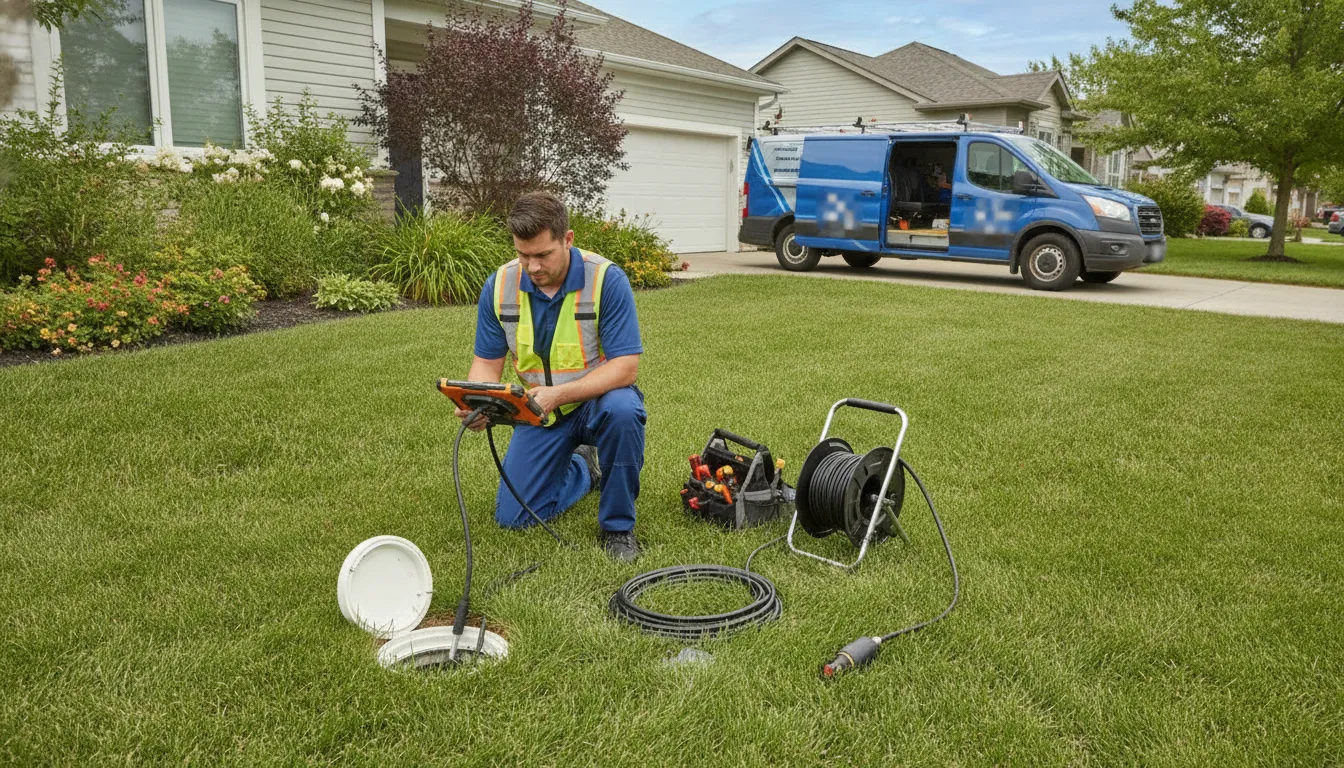
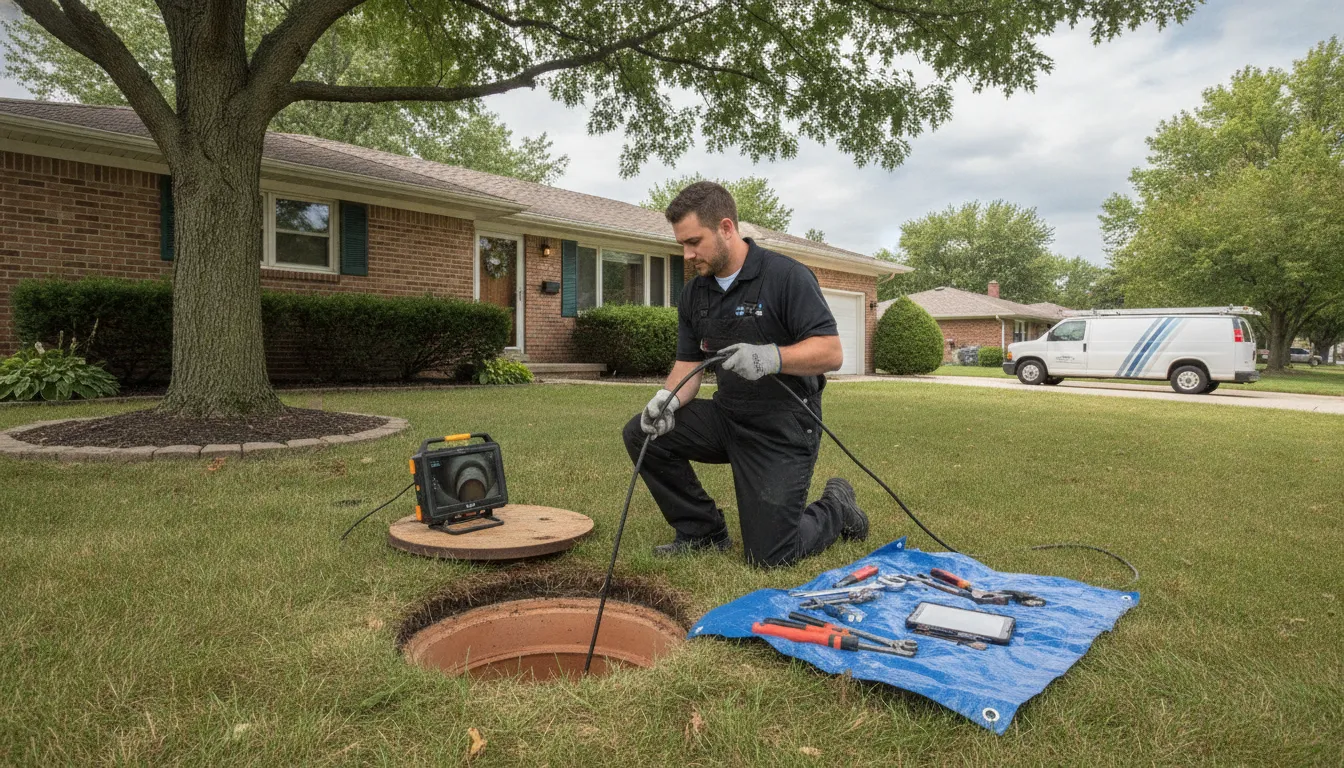
Most homes in Metro Detroit have a sewer cleanout pipe. This is a small pipe with a cap that gives a direct path to your main sewer line. Plumbers use this spot to reach the pipes without digging up your floor or lawn. If your home lacks a cleanout, the plumber might need to pull a toilet or work through a roof vent to start the check. This step is key for a clear view of your sewer repair needs.
Run a video camera check
Plumbers use a small, waterproof camera to see inside your pipes. They feed this camera through the cleanout to find tree roots, cracks, or clogs. This tool shows the exact spot and depth of the damage. A sewer camera inspection is the best way to see the pipe’s state from the inside. This look helps your plumber know if you need a simple cleaning or a full pipe fix.
Map the pipe location
Once the camera finds a fault, the plumber uses a signal tool to map it from above. They use a hand-held wand to find the exact spot on your lawn where the damage sits. This mapping helps them plan the best way to reach the pipe. It also keeps them from digging in the wrong place. This careful step saves time and protects your grass from unneeded holes.
-
The plumber checks signs like backups or slow drains to find the scope of the problem.
-
They find and open the cleanout pipe to get a clear path into your main sewer system.
-
They feed a high-quality camera through the line to record the state of the pipe.
-
They use a signal tool to mark the exact spot of the damage on the ground surface.
-
The plumber explains the findings and gives you a clear plan for your main sewer line repair.
Decide on the best fix
With all the facts, your plumber will suggest a path forward. They will tell you if the pipe can be fixed or if it needs a full swap. In many cases, you might choose a trenchless sewer line repair to save your yard. This method fixes the pipe without a long trench. The plumber will give you a flat-rate price so you know the cost before any work starts.
Main sewer line repair options and what to expect
Fixing a sewer line is a big job that needs a clear plan. When you need main sewer line repair options, you must look at the age and kind of your pipes. The best way to fix the problem will depend on how bad the damage is and where it sits in your yard. Some jobs only need a small fix in one spot, while others need a full new pipe.
Spot repairs for small damage
A spot repair is a good choice if the damage is only in one area. This often happens when a single tree root breaks one part of the pipe. Local health boards note that plant roots often block pipes, mainly in older homes. The plumber will dig a small hole to reach the broken part and swap it with a new piece. This way saves money and time compared to digging up the whole line.
You can expect this job to take a few hours. The crew will use a tool with a camera to find the right spot first. This helps them avoid digging in the wrong place. If most of the pipe is still strong, a spot fix is the fastest way to get your drains moving again. It also keeps your yard mostly as it was.
Classic dig and swap methods
Classic repair involves digging a deep trench along the whole length of the pipe. This is often the best path if the old line has fallen in or has many breaks. It lets the team see the whole pipe and make sure the new line has the right slope. A good slope is needed so that waste flows down on its own from the house.
This work is loud and will leave a large pile of dirt in your yard. You should expect the job to take one or two days to finish. Since the crew must use big machines and other heavy tools, your grass and trees will need care after they finish. But this way gives you a brand new, solid pipe that can last for many years.
No-dig sewer line fixes
Many homeowners now choose no-dig ways to fix their drains. These trenchless sewer line repair services fix the pipe from the inside. There are two main ways to do this: pipe bursting and pipe lining. In pipe bursting, a new pipe is pulled through the old one, breaking it apart. Pipe lining uses a special resin to make a new, hard tube inside the old pipe.
No-dig ways are great because they protect your yard, driveway, and porch. They are also very fast and often take less than one day. While the tools are new, the end result is a smooth pipe that resists roots and leaks. You should expect the cost to be higher for the tools, but you save money because you do not have to fix your yard later.
Before you start any work, you should know what to expect during the day. Most jobs will need you to stop using water in the house for a few hours. This means no flushing toilets, running sinks, or doing laundry. Your plumbing team will let you know when the line is open again.
After the work is done, always ask for a final camera check to see the new pipe in action. This video proves the job was done right and shows that the line is clear. Most crews will send this file to your email for your records. Once the check is over, you can go back to using your drains like normal.
- Ask for a full price quote before the work starts.
- Check if the crew has a valid state license.
- Make sure the team cleans up the site after the job.
- Save the video of the final camera check for your files.
When should you call for sewer line service?
You may not know exactly when a pipe breaks, but your home will tell you when there is a problem. Acting fast can save you from a big mess and high costs. In Metro Detroit, wet ground or old pipes often lead to issues that need a pro. If you notice a single slow drain, it might be a small clog. But when many drains fail at once, it is time to call for help.
Signs you need a pro
If your tubs and sinks drain very slowly, it often means the main line is blocked. You might also hear strange sounds from your pipes when you flush the toilet. These noises happen when air gets trapped by a clog. You should also watch for signs of a failing sewer line like wet spots or green grass in your yard. These patches can show that sewage is leaking into the soil before it even reaches your home.
When the issue is urgent
Some problems cannot wait. If sewage backs up into your home through your drains, you have a major failure. Do not touch the waste, as it can carry harmful germs that make people sick. Bad smells like rotten eggs are another sign of a leak. These vapors can hold gases like methane, which are unsafe to breathe. If you see water coming up in your basement or hear your drains bubbling, you need an expert right away.
How to limit damage
While you wait for main sewer line repair, stop using all water in the house. Do not flush toilets or run the dishwasher, as this will just add more waste to the backup. You can also clear the area around your floor drains so the pro can work fast. Mr. Pipey offers 24/7 service with no overtime fees, so you can get help any time of day or night. Taking these steps helps keep your family safe and keeps the repair bill from growing.
How to reduce the risk of another sewer line problem
Stopping a sewer line issue before it starts can save you a lot of stress and money. While some pipe problems happen due to age, many are easy to avoid with a few simple changes to your daily habits. By taking care of your system now, you can avoid the need for a major main sewer line repair. Learning about main sewer line repair options can also help you make good plans for your home.
Practice safe drain habits
The best way to keep your pipes clear is to watch what goes down your drains. Only flush toilet paper and human waste. Items like wet wipes, even if the pack says they are safe to flush, often get stuck in the line and cause big clogs. In the kitchen, never pour grease or cooking oil down the sink. These fats can cool and harden inside the pipe, which traps other bits of food and hair. Over time, this buildup leads to slow drains and backups.
You should also use drain screens in your tubs and showers. These small tools catch hair and soap scum before they enter your plumbing. If you have a garbage disposal, use it for small food scraps only. Large chunks of food or starchy items like potato peels can quickly create a blockage. Keeping these items out of your sewer line is the first step in long-term care.
Mind your trees and roots
Tree roots are a major threat to your pipes in the ground. As trees grow, their roots reach out for water and food. They can find tiny cracks or loose joints in your sewer line and grow right into them. Once inside, plant roots often block the pipe, which causes slow draining and later pipe failure. This is very common in older systems made of clay or cast iron.
If you are planting new trees, keep them away from your sewer line path. Choose slow-growing trees with small root systems if they must be near your pipes. If you have large trees near your home, pay close care to how your drains work. If you notice slow drains or gurgling sounds, roots might already be an issue. Catching root growth early can stop a full pipe collapse.
Get expert sewer checks
A little expert help goes a long way in keeping your sewer line healthy. You should schedule a camera check once every few years. During this check, a plumber runs a camera that works in water through your pipes to look for cracks, roots, or clogs. Finding a small crack now is much better than dealing with a burst pipe later. These video checks help you see the real state of your lines without any digging.
Regular care also helps you plan for future repairs. Most home sewer lines last for many years, but they do wear out. Knowing the age and state of your pipes lets you make smart choices about your home. By staying ahead of small issues, you can keep your plumbing running well for a long time. This active plan is the best way to protect your home and your budget.
Frequently Asked Questions
How much does it cost to get your sewer line fixed?
Per Angi, a main sewer fix often costs between $1,388 and $5,323. This price depends on how long the pipe is and the parts used. On most jobs, running a new sewer pipe costs about $150 per foot. You should also plan for extra fees if you need a video check to find the spot of the damage. Homeowners usually pay between $50 and $250 per foot for this type of work.
Does homeowners insurance cover sewer lines?
Most standard home insurance plans only cover sewer damage from sudden events like fire or a blast. They usually do not pay for issues caused by old age, tree roots, or poor upkeep. You might need to buy a separate plan to protect your pipes from wear over time. It is a good idea to call your agent to see what your policy covers before a major problem starts. Many people do not know they lack this help until they need it.
How to fix a broken main sewer line?
Fixing a broken main sewer line often starts with a camera check to find the block. Per the DOH, tree roots can grow into and block older pipes. If roots are the issue, experts can use high-pressure water tools to clear them out. Some pipes need a fix using methods that do not need deep digging. This helps save your lawn and saves time on the job.
How hard is it to replace a main sewer line?
Fixing a main line is a tough job that needs special tools and heavy gear. It is not a task for a homeowner because it needs deep digging and precise pipe work. Expert teams must follow local building codes and get the right permits for the city. They also have the skills to handle waste and ensure the new system flows well. Doing this work on your own can lead to big leaks and costly fines in Metro Detroit.
Ready to request sewer line service?
Delaying a repair on your main sewer line can lead to messy sewage backups and very high repair costs. Acting now stops a small leak from turning into a big yard cleanup and keeps your family safe from sewer gas. Getting help today means you can stop worrying about your pipes and enjoy a clean, dry home. Our local team provides fast and reliable work for every Metro Detroit homeowner.
You can also check out our guide on main sewer line repair options to learn more about the process. We use the latest tools to find the root cause of your sewer issues without digging up your entire yard. Our goal is to fix the problem right the first time so you can get back to your day with peace of mind.
Ready to request sewer line service?
Fill out our contact form
to request sewer line service.