

That sinking feeling you get when you spot a water stain on the ceiling or hear a steady drip under the sink is universal. Your mind immediately races with questions: How bad is it? How much will this cost? What do I do right now? A leaking pipe can feel overwhelming, but taking a few calm, measured steps can make all the difference. This article is your practical guide for navigating a pipe leak from start to finish. We’ll cover the crucial first actions to take, how to spot hidden leaks before they become disasters, and what to look for when you need reliable leaking pipe repair Rochester Hills MI, so you can handle the situation with confidence.
Key Takeaways
- Proactive Maintenance Prevents Major Headaches: Your home’s plumbing faces unique challenges in Rochester Hills, from freezing winters to hard water. Taking preventative steps like insulating pipes and scheduling regular inspections is the most effective way to avoid the stress and cost of an emergency leak.
- Know Your First Steps in a Plumbing Emergency: When you find a leak, immediately shut off your home’s main water supply to prevent further damage. Once the water is off, contain the mess and call a professional, as attempting a complex DIY fix can often make the situation worse.
- Vet Your Plumber for Lasting Results: The quality of your repair depends on the professional you hire. Always choose a licensed and insured plumber, read recent customer reviews, and look for a company that stands behind its work with a satisfaction guarantee.
Why Pipes Leak in Rochester Hills
It can feel like a personal failure when a pipe springs a leak, but the truth is, your home’s plumbing is constantly up against some tough local conditions. Here in Rochester Hills, a unique combination of factors puts extra stress on our pipes. From our famously cold winters to the very ground beneath our houses, several issues are often working together to cause frustrating and damaging leaks. Understanding these local challenges is the first step toward protecting your home.
Our harsh Michigan winters are a primary culprit. When temperatures plummet, the water inside unprotected pipes can freeze and expand, putting immense pressure on the pipe walls until they crack or burst. Beyond the cold, the water itself presents a problem. Rochester Hills is known for having hard water, which is high in mineral content. Over time, these minerals build up inside your pipes and appliances, restricting water flow and corroding the metal. The ground isn’t always on our side, either. The area’s mix of clay and sandy soil can shift with moisture changes and freeze-thaw cycles, putting physical stress on underground water and sewer lines. Finally, many beautiful homes in our community have older plumbing systems that are simply reaching the end of their functional lifespan. Years of corrosion can weaken pipes from the inside out, making them prone to leaks. When you need help with any of these issues, our team offers a full range of expert plumbing solutions.
Frozen Pipes and Winter Weather
Michigan winters are no joke, and they are especially tough on your plumbing. When the temperature drops, pipes in uninsulated or under-heated areas like basements, crawl spaces, and exterior walls are at high risk. As water freezes, it expands by about 9%, creating powerful pressure that can split a metal or plastic pipe wide open. You might not even realize it has happened until the ice thaws and water starts gushing out. This is why a sudden cold snap can lead to a wave of burst pipes across the neighborhood. Taking preventative measures is key, but if you suspect a problem, it’s critical to call for frozen pipe repair immediately to prevent a catastrophic flood.
Hard Water Mineral Buildup
You’ve probably seen the chalky white residue hard water leaves on your faucets and shower doors. Now, imagine that same buildup happening inside your pipes. Rochester Hills has hard water, meaning it carries a high concentration of dissolved minerals like calcium and magnesium. Over the years, these minerals form a crusty layer of scale inside your plumbing system. This buildup narrows the pipes, which reduces water pressure and forces your entire system to work harder. More importantly, the scale can accelerate corrosion and create rough patches where pinhole leaks are more likely to form. It also reduces the efficiency and lifespan of your water heater, making it a silent but costly problem.
Shifting Ground
The ground under your home isn’t as stable as you might think. Rochester Hills has a mix of clay and sandy soil, which behaves differently with changes in moisture and temperature. During heavy rains or the spring thaw, the soil can expand and shift. During dry spells, it can contract and settle. This movement puts significant stress on the rigid underground pipes connected to your home, including your main water line and sewer line. Over time, this pressure can cause pipes to bend, crack, or separate at the joints. Shifting soil can also allow tree roots to more easily invade and damage pipes, creating another common source of stubborn leaks.
Corrosion and Old Pipes
Like any other part of your home, your pipes have a limited lifespan. If you live in an older home in Rochester Hills, your plumbing might be made of materials like galvanized steel or cast iron that are prone to corrosion. This isn’t just about surface rust; it’s a slow chemical reaction that eats away at the pipe material from the inside out. This process thins the pipe walls, making them weak and brittle. Eventually, pinhole leaks will appear, or a section of the pipe might fail completely. The complexity of replacing these old, degraded lines is why it’s smart to have your plumbing inspected. You can contact us to assess the condition of your pipes and prevent a future emergency.
How to Spot a Leaking Pipe
Some pipe leaks announce themselves with a dramatic puddle under the sink, but others are much sneakier, hiding behind walls or under floors. Knowing what to look for can be the difference between a quick, affordable fix and a major, costly restoration project. Catching a leak early is one of the most important things you can do as a homeowner to protect your property. Beyond the obvious risk of water damage to your floors, drywall, and belongings, even a small drip can have a big impact. A tiny, persistent leak can waste thousands of gallons of water over a year, leading to a surprisingly high water bill for water you never even used.
That’s why it pays to become a bit of a detective in your own home. By learning to spot the clues, both obvious and hidden, you can address problems before they spiral out of control. Sometimes the sign is as clear as a dripping faucet; other times, it’s a faint musty smell you can’t quite place. We’ll walk through all the signs to watch for, so you can feel confident knowing when a situation needs a simple tightening versus when it’s time to call in a professional.
Obvious Signs of a Leak
The most straightforward signs of a leak are the ones you can see or hear. A dripping faucet or a puddle forming under your kitchen sink are clear calls for attention. You might also notice water stains appearing on your ceiling or walls, which often means a pipe is leaking behind the scenes. Don’t forget to check around the base of your toilet; water pooling there is a common issue. Sometimes, the clue is a sound, like the constant hiss of a running toilet long after you’ve flushed. These issues often happen in fixtures with moving parts, so giving your faucets and toilets a quick check is always a good idea for routine toilet repair and maintenance.
Clues You Have a Hidden Leak
Hidden leaks are trickier because they don’t leave obvious puddles. Your first clue might be an unexpectedly high water bill. If your usage habits haven’t changed, a hidden leak is a likely culprit. Another sign is a persistent musty or earthy smell, which indicates mold or mildew is growing somewhere damp. Pay attention to your walls and floors, too. Peeling paint, bubbling wallpaper, or warped floorboards can all point to moisture trapped behind the surface. Even a small area of water damage is worth investigating, as it could be a symptom of a bigger problem, like a leak from a frozen pipe inside a wall.
When to Call for Emergency Help
Some plumbing problems can’t wait. If you’re dealing with a burst pipe, a sewage backup, or a rapidly flooding basement, it’s time to call for help immediately. These situations can cause extensive damage to your home’s structure and create serious safety hazards. For example, if your basement is flooding, avoid any standing water until you’re certain the power has been shut off to that area to prevent electrical shock. A complete loss of hot water or a toilet that is severely clogged and overflowing also qualifies as an urgent issue. When you face a crisis like this, you need fast and reliable emergency plumbing services to get the situation under control.
What to Do Before Your Plumber Arrives
Finding a leaking pipe can be stressful, but what you do in the moments after discovery can make a huge difference. Taking a few key steps before your plumber arrives can prevent thousands of dollars in water damage and make the repair process smoother. Once you’ve called for help, your job is to manage the situation and minimize the immediate impact on your home. Think of it as plumbing first aid. These actions will help protect your property and give your plumber a head start once they walk through the door. By staying calm and taking control, you can turn a potential disaster into a manageable problem.
Turn Off Your Main Water Supply
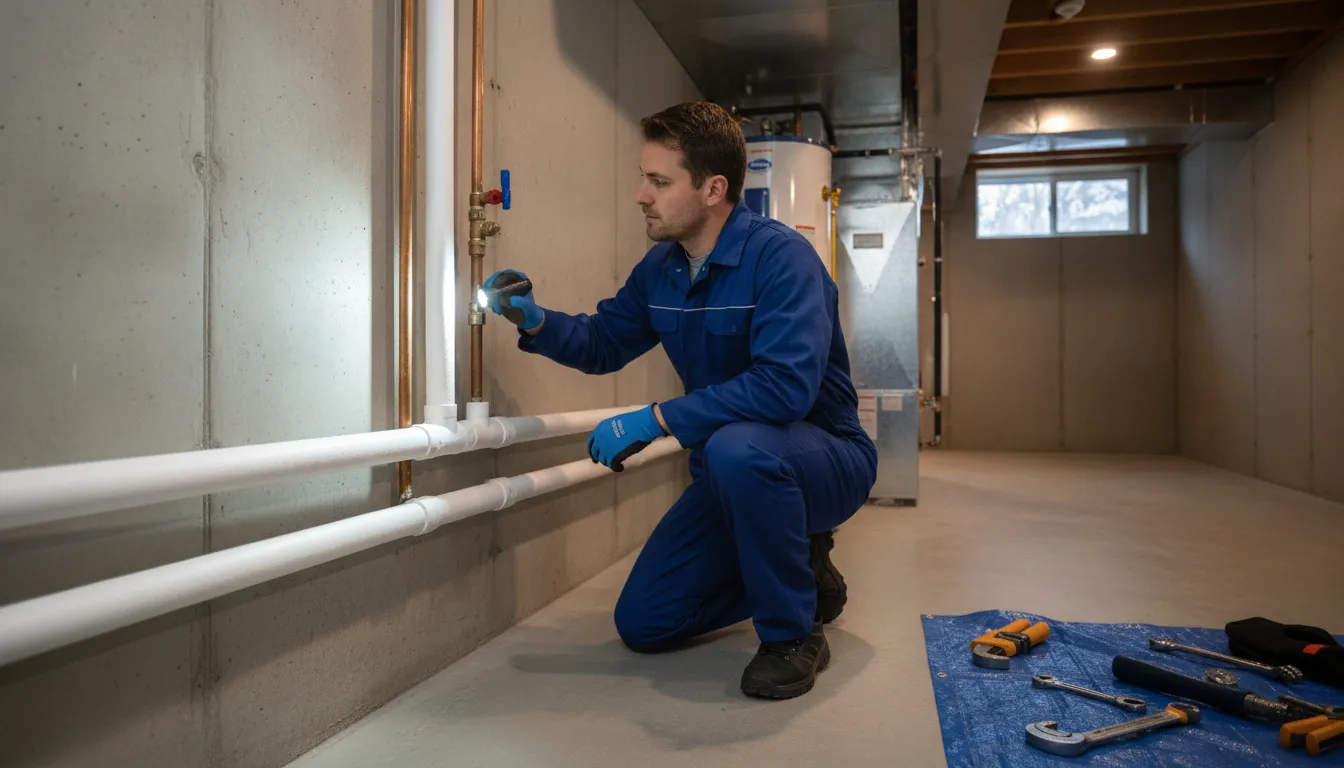
This is the most important first step. Shutting off the water stops the flow to the leak, immediately preventing more water from damaging your floors, walls, and belongings. Your main water shut-off valve is usually located in the basement, a crawl space, or a utility closet, often near the wall where the water service line enters your home. It will have either a wheel-style handle (turn it clockwise until it’s tight) or a lever handle (turn it a quarter-turn until it’s perpendicular to the pipe). If you can’t find the main valve or the leak is small, look for a smaller, local shut-off valve for that specific fixture, like under the sink or behind the toilet. Taking this one action can turn a potential catastrophe into a manageable inconvenience while you wait for emergency plumbing help.
Contain the Immediate Mess
With the water off, it’s time for damage control. Before you do anything else, be extremely cautious around standing water, especially in a basement. If there’s any risk of water reaching electrical outlets or appliances, stay clear until you are certain the power is off to that area. Safety always comes first. Once it’s safe, grab some buckets, towels, and a mop to start soaking up the water. If the leak is dripping from the ceiling, place a bucket directly underneath it to catch the water. Move any furniture, rugs, electronics, or other valuables out of the affected area to protect them from damage. This quick cleanup helps prevent mold growth and reduces the overall restoration work needed later.
Common Mistakes to Avoid
In a panic, it’s easy to make a small problem worse. One of the biggest mistakes is attempting a complex DIY fix. While it might be tempting to wrap the pipe in tape or use a sealant, these are temporary solutions at best and can fail under pressure, making the leak worse. Another common error is ignoring what seems like a minor issue. That slow drip from a faucet or a small puddle under the sink can be a symptom of a much larger problem, like widespread corrosion. Addressing it early with professional plumbing services is always more cost-effective than waiting for it to become an emergency. Finally, avoid using harsh chemical drain cleaners on a suspected clog, as they can eat away at your pipes and complicate the repair.
How Much Does Pipe Repair Cost in Rochester Hills?
When you discover a leaking pipe, one of the first questions that comes to mind is, “How much is this going to cost?” It’s a valid concern, and the honest answer is: it depends. The price for a pipe repair in Rochester Hills can range from a couple of hundred dollars to several thousand. The final bill depends on where the leak is, how bad it is, and what it takes to fix it. Let’s break down what you can typically expect to pay and what factors influence that cost.
Typical Costs for Common Repairs
Let’s talk numbers. For a straightforward, minor leak from an exposed pipe, like the one under your kitchen sink, you can generally expect the repair cost to be between $150 and $500. These are often quick fixes for a professional plumber. However, the price can climb significantly if the leak is hidden. A leaking pipe inside a wall or ceiling is a more complex job. Not only does the plumber need to find the leak without causing major damage, but the repair itself might involve opening up the wall. For these types of hidden leaks, costs can range from $500 to over $4,500, especially if water damage has occurred and drywall or flooring needs to be replaced. These situations often require emergency plumbing services to prevent further issues.
What Influences the Final Price?
Several key factors determine the final price of your pipe repair. The most significant is accessibility. A pipe that’s easy to get to will always be less expensive to fix than one buried in a wall, under a concrete slab, or in a tight crawlspace. The severity of the damage also plays a huge role. A small drip can sometimes be patched, while a burst pipe from a deep freeze will require a full section replacement. The type of pipe material (copper, PEX, or older galvanized steel) and the extent of any secondary water damage will also be factored into your final estimate. This is why a simple-looking leak can sometimes turn into a more involved project.
How to Save on Your Repair
While you can’t control where a pipe decides to leak, you can take steps to manage the cost. The best way to save money is to act fast. A small, slow drip is much cheaper to fix than the major water damage that can result from ignoring it. When you call a plumber, be sure to get a clear, written estimate before any work begins. This helps you understand the scope of the project and avoids surprises. At Mr. Pipey, we believe in transparency, which is why we stand by our work with a 100% satisfaction guarantee. Choosing a reliable plumber who guarantees their workmanship ensures the job is done right the first time, saving you from paying for the same repair twice.
What to Expect During a Pipe Repair
Once you’ve made the call, you might feel a little anxious about what comes next. Knowing what to expect can make the whole process feel much more manageable. When a professional plumber arrives, they’ll follow a clear process to get your home back to normal. It starts with a thorough investigation and ends with a reliable, long-lasting fix. We believe in keeping you informed every step of the way, so you’ll never be in the dark about what’s happening in your home. The goal is not just to fix the immediate problem but to ensure your plumbing system is sound for the future.
Finding the Source of the Leak
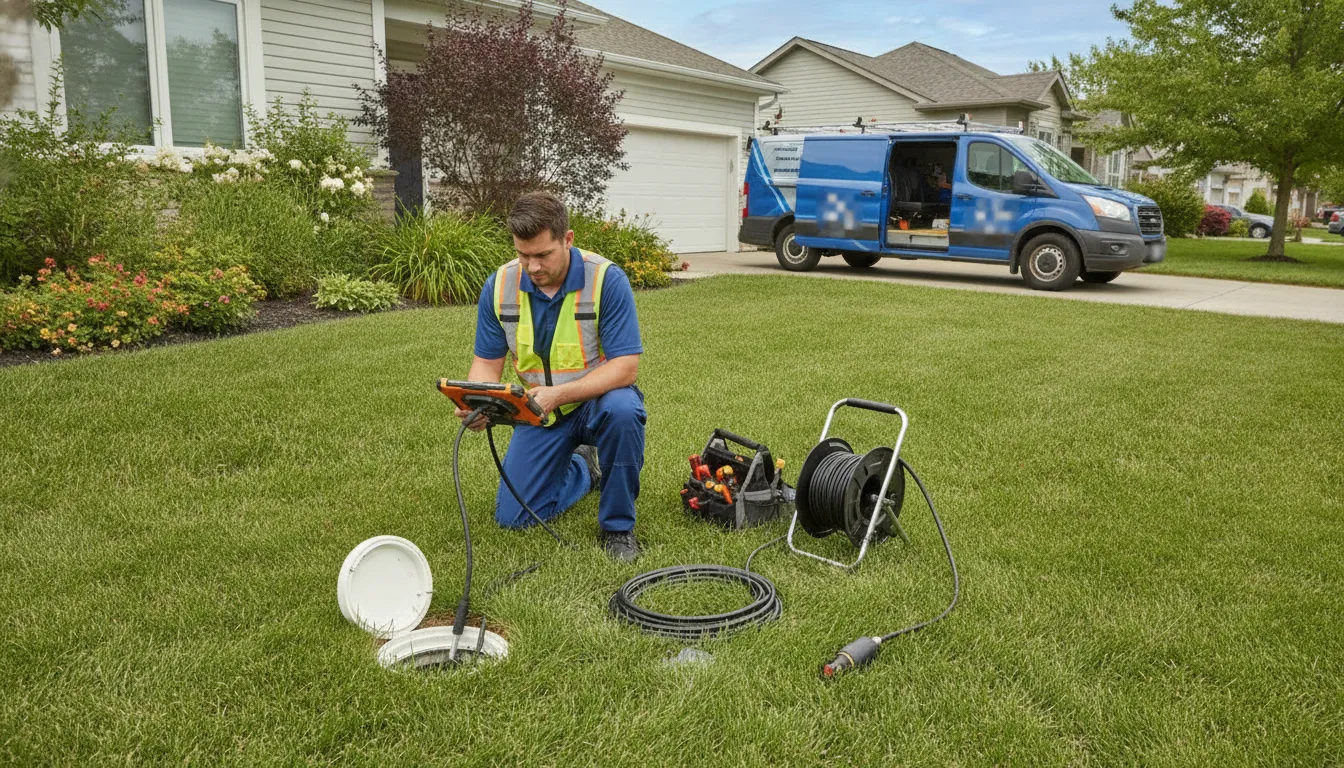
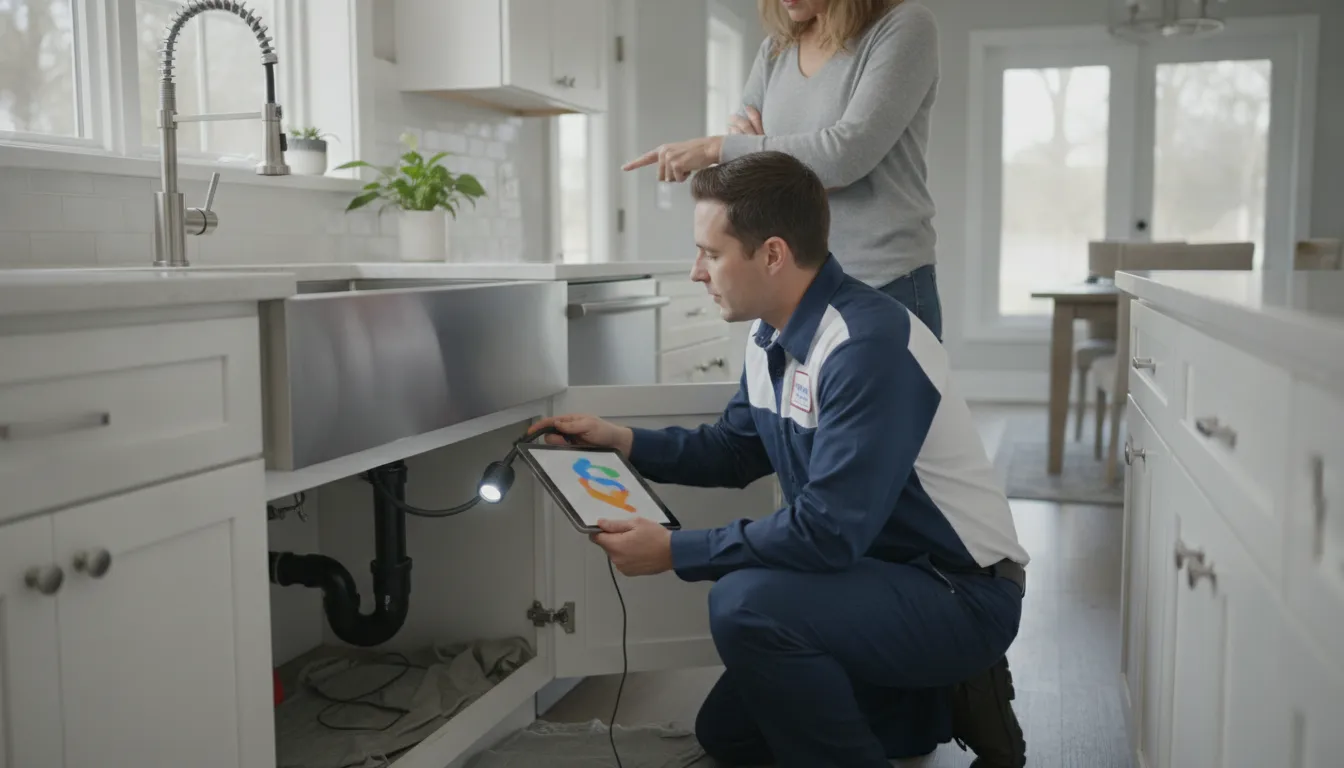
The first thing your plumber will do is play detective. Finding the exact source of a leak isn’t always as simple as looking for a drip. While some leaks are obvious, like a dripping faucet, others are hidden behind walls or under floors. Your plumber will use their expertise and specialized tools to pinpoint the problem’s origin. Leaks can be caused by many things, from shifts in your home’s foundation to corrosion in older pipes or damage from frozen pipes during a harsh Rochester Hills winter. A thorough diagnosis ensures we’re fixing the root cause, not just a symptom.
Patching vs. Replacing the Pipe
After finding the leak, the next question is whether to patch it or replace the entire pipe section. This decision depends on several factors: the pipe’s material, its age, and the severity of the damage. A small, clean break in a newer pipe might only need a simple patch. However, if the pipe is old, corroded, or has multiple weak spots, a full replacement is often the smarter, more cost-effective choice in the long run. Your plumber will walk you through the pros and cons of each option, providing a clear explanation and estimate so you can make an informed decision for your home and budget.
Preventing Future Leaks
A good repair doesn’t just stop the current leak; it helps prevent future ones. After the work is done, your plumber should give you advice on how to protect your plumbing system moving forward. This might include recommending pipe insulation to guard against freezing, scheduling regular inspections, or discussing the benefits of a water softener if hard water is causing mineral buildup. Taking these proactive steps can save you from the stress and expense of another emergency call. We want to be your partner in home maintenance, providing solutions that keep your plumbing reliable for years to come.
How to Choose the Right Plumber in Rochester Hills
When you’re dealing with a leaking pipe, the last thing you want is the added stress of hiring the wrong person for the job. Finding a plumber you can trust is just as important as fixing the leak itself. A great plumber doesn’t just show up with the right tools; they bring professionalism, transparency, and the peace of mind that comes from knowing the job will be done right. This isn’t just about stopping a drip; it’s about getting a lasting solution from someone who respects your home and your time. Taking a few moments to vet your options can save you from the nightmare of a botched repair, surprise fees, and the hassle of having to get the work redone. Think of it as a small investment that protects your biggest asset: your home. When you find a reliable partner for your plumbing needs, you’ll know exactly who to call for any issue, from a minor drip to a major emergency plumbing situation. That feeling of confidence is invaluable, turning a moment of panic into a manageable problem with a clear solution.
Check for Licensing and Insurance
Before you let anyone work on your home’s plumbing, make sure they are properly licensed and insured. This is the absolute baseline for any professional tradesperson. A license confirms that the plumber has met Michigan’s requirements for knowledge and competence. Insurance is just as critical, as it protects you from liability if a worker is injured on your property or if your home is damaged during the repair. A reputable company will have no problem providing you with proof of their credentials. This simple step separates the professionals from the amateurs and ensures you’re working with a legitimate business that values safety and accountability.
Read Reviews and Ask for Referrals
In the age of the internet, you don’t have to go into the hiring process blind. Spend some time reading online reviews on sites like Google and Yelp to see what previous customers in the Rochester Hills area have to say. Look for recurring themes, whether positive or negative. Do people consistently mention professionalism, timeliness, and fair pricing? Even better, ask friends, family, or neighbors for a personal referral. A recommendation from someone you trust is often the most reliable indicator of quality service. A plumber with a strong reputation is one who has earned the community’s trust, one successful job at a time.
Look for Guarantees on Their Work
A plumber who is confident in their skills will stand behind their work with a guarantee. This could be a warranty on parts and labor or a general satisfaction guarantee. This promise shows that the company is committed to quality and is willing to make things right if you’re not completely happy with the outcome. At Mr. Pipey, we believe in our workmanship so strongly that we offer a 100% customer satisfaction guarantee. A guarantee isn’t just a marketing promise; it’s a commitment to you and a clear sign that the plumber prioritizes long-term customer relationships over short-term profits.
Get and Compare Written Estimates
For any significant repair, it’s smart to get a few written estimates before making a decision. A proper estimate should be more than just a number scribbled on a card; it should be a detailed document outlining the work to be done, the materials required, and the total cost. This transparency helps prevent surprise fees later on. While it’s tempting to just go with the lowest price, compare the estimates based on the proposed solution and the company’s reputation. You can contact us for a clear, upfront estimate that gives you a complete picture of the repair, ensuring you can make an informed choice for your home.
Year-Round Tips to Prevent Leaking Pipes
Dealing with a leaking pipe is stressful, but the good news is that many leaks are preventable. A little proactive care throughout the year can save you from the headache and expense of water damage and emergency repairs. Think of it as simple home maintenance, just like cleaning your gutters or checking your smoke detectors. By paying attention to your plumbing system, you can protect your home and your peace of mind. These simple habits can make a huge difference in keeping your pipes healthy and your home dry, no matter the season.
Insulate Pipes for Winter
Michigan winters are no joke, and your pipes feel the chill just as much as you do. When water freezes, it expands, putting immense pressure on your pipes and leading to cracks and bursts. To keep your pipes from freezing in cold weather, let a faucet drip, open cabinets where pipes are located, and keep your home’s temperature steady. For a more permanent fix, professional pipe insulation is one of the best investments you can make. It’s a simple, cost-effective way to protect pipes in unheated areas like basements, crawl spaces, and garages, ensuring they stay safe all winter long.
Schedule Regular Inspections
The best time to fix a plumbing problem is before it starts. Scheduling regular inspections allows a professional to spot and address minor issues, like small amounts of corrosion or loose fittings, before they turn into major leaks. A trained plumber can assess the health of your entire system, from visible pipes under your sinks to hidden ones in your walls. This preventative approach helps you avoid surprise disasters and costly emergency calls. Having a trusted plumber provide comprehensive plumbing solutions and check-ups gives you the confidence that your home’s plumbing is in top shape.
Maintain Your Sump Pump and Backflow Preventer
Your sump pump and backflow preventer are your home’s unsung heroes, working behind the scenes to prevent water damage. A sump pump protects your basement from flooding during heavy rains, while a backflow preventer ensures that contaminated water can’t enter your clean water supply. These devices need to be ready to act fast to prevent mold and damage. Regular maintenance is key to making sure they function correctly when you need them most. Testing your sump pump periodically and scheduling professional sump pump services and backflow testing will keep these critical systems reliable.
Why Choose Mr. Pipey for Your Rochester Hills Home
When a pipe bursts in your Rochester Hills home, you need a plumber you can trust, not just a name from a quick search. You have options, but the right choice comes down to reliability, responsiveness, and a genuine commitment to solving your problem correctly. We understand the local challenges, from our freezing winters that threaten frozen pipes to the specific plumbing needs of our neighborhoods. At Mr. Pipey, we’re not just another service provider; we’re your neighbors. As a family-owned business, we bring a personal commitment to every job that larger companies simply can’t match. We believe in building relationships based on trust and high-quality work, ensuring your home is safe and your plumbing is sound. From the moment you call us for an emergency to the final handshake after a successful repair, our focus is on your complete satisfaction. We combine the expertise of highly trained professionals with the care and attention only a local, family-run company can provide. This means we’re not just fixing a leak; we’re looking out for your home and your family, providing lasting solutions you can depend on for years to come.
Our Family-Owned, Customer-First Approach
At Mr. Pipey, we treat you like family because we are one. As a family-owned business, our reputation in the Rochester Hills community is everything. We don’t hide behind a corporate logo; our name is on the line with every job we do. This means you get a level of personal accountability and care that is hard to find elsewhere. Our team of friendly, knowledgeable technicians takes the time to listen to your concerns, explain the problem clearly, and walk you through the best solutions for your home and budget. We’re committed to providing not just a quick fix, but a positive experience from start to finish.
24/7 Emergency Service and Fast Response
Plumbing emergencies don’t wait for business hours, and neither do we. A leaking pipe can cause significant damage in a short amount of time, which is why our team is ready to respond 24 hours a day, 7 days a week. When you have a plumbing crisis, you can count on our emergency plumbing services for a fast and effective response. Our call center is always open, ensuring you can speak to a person and get help on the way, no matter the day or time. We pride ourselves on arriving quickly, assessing the situation accurately, and getting to work immediately to protect your home from further damage.
Our 100% Satisfaction Guarantee
We stand behind our work with a 100% customer satisfaction guarantee. This is more than just a promise; it’s our commitment to you. It means we use high-quality parts, provide reliable and long-lasting workmanship, and won’t consider a job finished until you are completely happy with the result. We provide clear, upfront pricing for all our plumbing services, so you know what to expect before we begin. Whether it’s a small drip or a major pipe replacement, we approach every task with the same dedication to excellence, ensuring you receive a cost-effective solution that lasts. Your peace of mind is our top priority.
Related Articles
- DIY Pipe Leak Repair: Your Step-by-Step Guide
- Repair a Copper Pipe Leak: A Step-by-Step Guide
- Water Tank Leak? Your Step-by-Step Repair Guide
- 7 Signs You Need an Emergency Plumber Now
- Water Heater Leak? Here’s What to Do Right Now
Frequently Asked Questions
Why should I worry about leaks if my house is new? Even new homes in Rochester Hills face challenges that can cause leaks. The local hard water, for example, starts building up mineral scale inside pipes from day one, which can lead to corrosion. The area’s shifting soil can also put pressure on the main water and sewer lines connected to your home, regardless of its age. It’s less about how old your pipes are and more about the constant stress they endure.
Is a tiny drip under my sink really a big deal? It might seem harmless, but that slow drip is a problem you shouldn’t ignore. It can waste thousands of gallons of water over a year, spiking your water bill. More importantly, the constant moisture creates a perfect environment for mold to grow inside your cabinets, and the drip itself could be a symptom of a bigger issue like widespread pipe corrosion. It’s always cheaper and easier to fix it now than to deal with the consequences later.
What’s the single most important thing to do if I find a major leak? Before you do anything else, shut off your home’s main water supply. This is the most critical step because it stops more water from flooding your home and causing further damage. Your main shut-off valve is usually in the basement or a utility closet. Once the water is off, you have time to contain the mess and call for help without the situation getting worse.
How can I tell if a pipe is frozen before it bursts? The most common sign of a frozen pipe is when you turn on a faucet on a very cold day and only a trickle of water, or no water at all, comes out. You might also see a layer of frost on an exposed pipe in a cold area like a basement or garage. If you notice this, it’s a critical warning sign, and you should call a plumber immediately to safely thaw the pipe before it cracks.
Besides just fixing the leak, what should I expect from a great plumber? A great plumber doesn’t just stop the leak; they provide a complete solution. They should take the time to explain why the pipe failed in the first place and offer practical advice to prevent future problems, like recommending pipe insulation or discussing water quality. You should also look for a plumber who offers a clear, written estimate and stands behind their work with a satisfaction guarantee, giving you confidence that the repair is built to last.