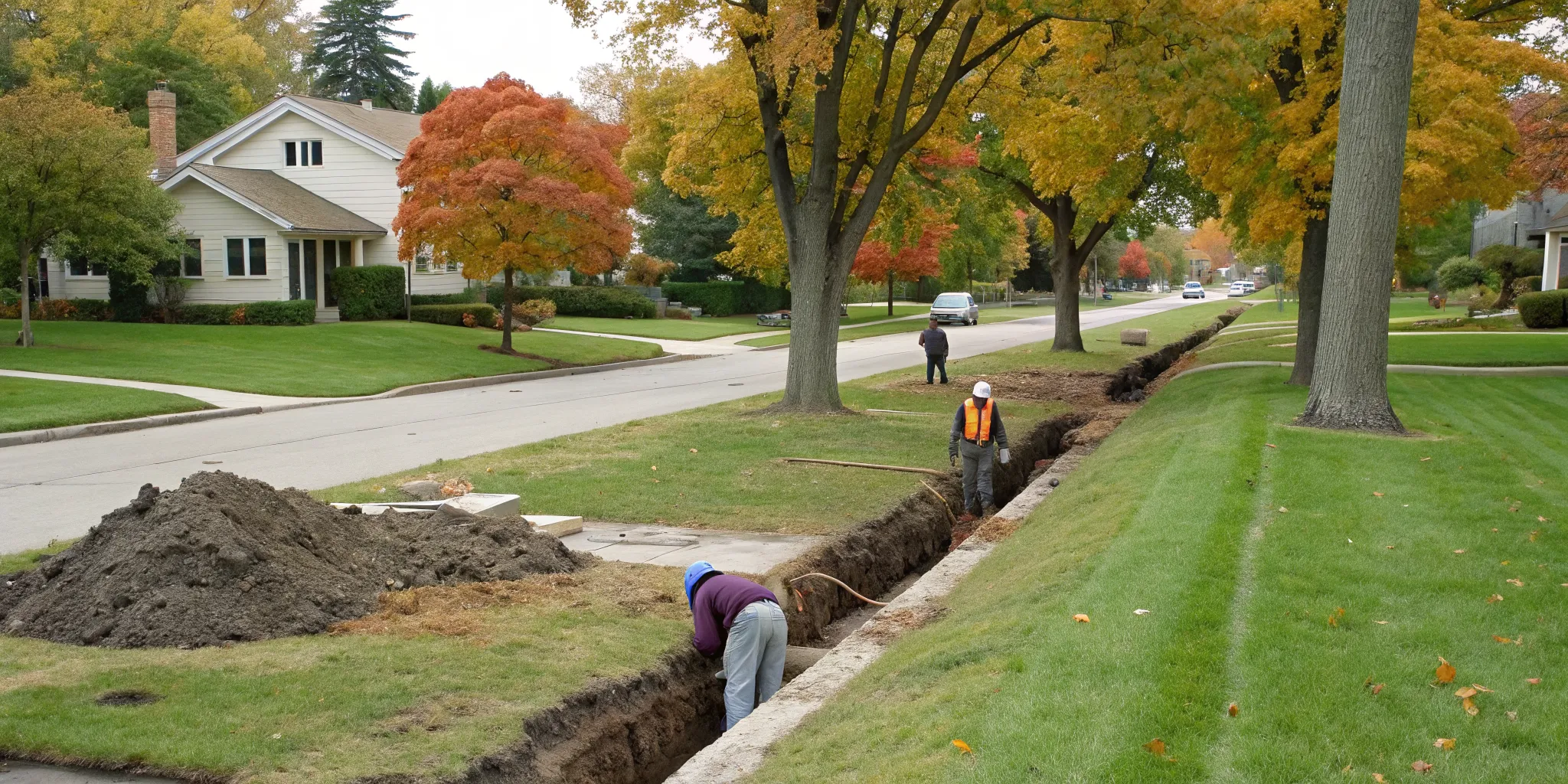


The question isn’t just if a pipe is leaking, but why. In our area, pipes face a unique set of challenges, from the intense pressure of our freezing winters to the shifting soil beneath our homes. An older house might be dealing with corroded, aging materials that are simply wearing out. Knowing the root cause is essential for a permanent fix, not just a temporary patch. This guide will help you understand the common reasons for leaks in our community and what those causes mean for your home. We’ll cover everything from diagnosis to finding the right team for your leaking pipe repair Madison Heights MI, so you can solve the problem for good.
Key Takeaways
- Recognize the early warning signs: Leaks often start small, so watch for clues like unexplained water stains, musty odors, or a sudden increase in your water bill, which can point to issues like old pipes or hidden cracks.
- Take immediate steps to control damage: If you find a leak, your first move is to shut off the main water supply. Then, contain the water with towels or buckets and take photos of the area for your insurance claim while you wait for help.
- Hire a qualified pro and focus on prevention: Ensure any plumber you hire is licensed, insured, and provides upfront pricing. After the repair, discuss preventative measures like pipe insulation to protect your home from future plumbing emergencies.
Why Are My Pipes Leaking?
Finding a leak is always stressful, whether it’s a small drip under the sink or a major issue in your basement. While your first instinct might be to panic, understanding what’s causing the leak is the first step toward a real, lasting fix. In Madison Heights, our homes face a few common culprits, from the brutal Michigan winters to the very ground they’re built on. Knowing the “why” behind a leak helps you and your plumber find the right solution, preventing a quick patch-up that will only fail later. Let’s look at some of the most frequent reasons your pipes might be giving you trouble.
Frozen and Burst Pipes
Michigan winters are no joke, and they can be especially tough on your plumbing. When the temperature plummets, the water inside your pipes can freeze. As water turns to ice, it expands, creating immense pressure inside the pipe. This is a huge problem for pipes in unheated areas like basements, crawl spaces, and exterior walls. The intense pressure can cause the pipe to crack or even burst. You might not even notice the damage until the ice thaws and water starts gushing out. Our area’s cold winters and lake-effect snow mean that frozen and burst pipes are a common risk, especially in the basements found in many local homes.
Aging Pipes and General Wear
Many homes in Madison Heights have a lot of history, and unfortunately, so does their plumbing. If your house is several decades old, your pipes are likely just as old. As one local plumbing report notes, “Madison Heights isn’t a new city. That means your sewer line is probably 50 to 70 years old.” Over time, materials like cast iron and galvanized steel begin to break down. Cast iron pipes, for example, tend to corrode from the inside out, gradually thinning the pipe walls until they are weak and brittle. This slow decay can lead to pinhole leaks, rusty water, and eventually, a complete pipe failure. Addressing general wear and tear before it becomes a catastrophe is key to protecting your home.
Shifting Soil and Intrusive Tree Roots
Some pipe problems start outside your home, right under your feet. The soil in our region is a mix of clay and sand, which can shift with changing moisture levels and freeze-thaw cycles. This movement puts a tremendous amount of stress on underground water and sewer lines, leading to “cracks, misaligned joints, and slow drains.” A small shift can be enough to crack a rigid pipe or pull a joint apart, causing a hidden leak. On top of that, tree roots are naturally drawn to the moisture and nutrients inside your pipes. They can work their way into tiny cracks, expanding and causing significant blockages and breaks. These underground issues often require emergency plumbing attention to prevent serious property damage.
Signs You Might Have a Leaking Pipe
A gushing pipe is impossible to ignore, but most leaks are much sneakier. They often start small, hidden behind walls or under floors, quietly causing damage long before you notice. The good news is that your home usually gives you clues. Learning to spot these early warning signs can save you from a world of headaches, from structural damage to sky-high water bills. If you notice any of the following red flags, it’s time to play detective and figure out if a hidden leak is the culprit.
Water Stains on Walls and Ceilings
Those yellowish or brownish rings that suddenly appear on your ceiling or wall aren’t just a cosmetic issue; they’re one of the most common signs of a leak. Water from a pipe is slowly seeping into the drywall, leaving a tell-tale stain. You might also notice bubbling or peeling paint in the same area. Sometimes, a persistent leak can even lead to a musty smell or, in the case of a sewer line issue, an unpleasant sewage odor. Don’t just paint over the spot and hope for the best. It’s a clear signal that you need to investigate what’s happening behind the surface.
An Unexplained Spike in Your Water Bill
Your water bill is usually pretty predictable. So, if you get a bill that’s suddenly much higher than usual and you know your family’s water habits haven’t changed, a hidden leak is a likely suspect. Even a small, steady drip from a pipe you can’t see can waste a surprising amount of water over the course of a month. Think of it as a phantom water user running 24/7. Paying for water you’re not even using is frustrating, and it’s a clear sign that it’s time to have your plumbing system inspected. Catching the leak is the first step to getting your bill back to normal.
Damp Spots, Mold, or Musty Odors
If you walk into your basement or open a cabinet under a sink and are hit with a damp, musty smell, pay attention. That odor is often caused by hidden moisture, which creates the perfect breeding ground for mold and mildew. You might see dark spots of mold growing on walls or notice that a patch of carpet or flooring feels damp or spongy. In our area, this is a common issue after a cold snap, as a pipe that froze may have developed a small crack. Addressing the source of the moisture is critical for both your home’s structure and your family’s health.
The Risks of Ignoring a Leak
It can be tempting to ignore a small stain or a slightly musty smell, but putting off a pipe repair is a gamble you don’t want to take. A small leak will not fix itself; it will only get worse. Over time, that constant moisture can rot wood, compromise your home’s foundation, and lead to widespread mold problems. What might have been a simple fix can quickly turn into a major, expensive renovation. If you suddenly face a burst pipe or a major backup, you’ll need immediate help. Some situations simply can’t wait, which is why having access to emergency plumbing services is so important.
Found a Leak? Here’s What to Do Right Now
Discovering a leaking pipe can send anyone into a panic, but taking a few deep breaths and acting quickly can make all the difference. The next few moments are about damage control. By following a few simple steps, you can stop the immediate threat of water damage and get the situation under control while you wait for professional help. Think of it as plumbing first aid. These actions will protect your home, save you money on potential repairs, and give you peace of mind knowing you’ve done everything you can. Let’s walk through exactly what you need to do, step by step.
Step 1: Shut Off the Main Water Supply
Before you do anything else, you need to stop the flow of water. Your home’s main water shutoff valve is your best friend in this situation. Closing it will cut off the water supply to your entire house, stopping the leak at its source. Most often, you can find this valve in the basement, a crawl space, or a utility closet, typically on a wall closest to the street. It might have a wheel-like handle (turn it clockwise until it’s tight) or a lever handle (give it a quarter turn). If you’re not sure where yours is, now is a great time to locate your main water shutoff valve before an emergency happens.
Step 2: Contain the Water and Document the Damage
With the water off, your next job is to manage the mess. Grab some buckets, towels, and a mop to soak up any standing water and prevent it from spreading further or seeping into your floors and walls. If you have a wet/dry vacuum, now is the time to use it. Once you’ve contained the water, pull out your phone and take clear photos and videos of the leaking pipe and any resulting damage. This documentation is incredibly helpful when it comes time to file a home insurance claim, as it provides clear evidence of what happened.
Step 3: Apply a Temporary Fix While You Wait
While you wait for a plumber, a temporary patch can help manage any remaining drips. Please remember, these are not permanent solutions, but they can help keep the area dry. For small pinhole leaks, wrapping the pipe tightly with silicone repair tape can create a temporary seal. Another option is epoxy putty, which you can mold over the leak to harden and block the water. For slightly larger cracks, a pipe clamp is a reliable choice. You can find these simple DIY pipe repair materials at any hardware store, and they can be a lifesaver in a pinch.
When to Skip DIY and Call a Plumber Immediately
Temporary fixes are great for minor drips, but some situations are best left to the professionals right away. If you’re dealing with a major pipe burst, can’t find the source of the leak, or notice signs of a sewer line problem (like foul odors or gurgling drains), it’s time to call for help. Leaks involving your water heater or those hidden behind walls also require an expert. Trying to fix these larger issues yourself can lead to even more significant damage. For these situations, you need a fast and reliable solution. Our team is always ready to handle your emergency plumbing needs and get your home back to normal.
How to Find a Reliable Plumber in Madison Heights
When you’re dealing with a leak, the last thing you want is the added stress of finding a plumber you can trust. A quick search online can feel overwhelming, but knowing what to look for makes all the difference. To make a confident choice, focus on a few key areas: credentials, availability, and transparency. These pillars will help you find a professional who can fix the problem correctly and treat your home with respect.
Verify Licensing, Insurance, and Local Experience
Before you let anyone work on your home’s plumbing, always confirm they are licensed and insured. A license is your proof that the plumber has met state and local training requirements, while insurance protects you from any liability if an accident happens on your property. Don’t just take their word for it; ask to see their credentials.
Equally important is their experience in the Madison Heights area. A local plumber will be familiar with regional building codes and the common plumbing challenges specific to our neighborhoods, from older pipe materials to soil conditions. This local knowledge ensures the repair is not only done right but also done to code. As a family-owned business, we pride ourselves on being a fully licensed and insured team that knows Metro Detroit inside and out.
Check for Emergency Availability and Fast Response
Plumbing disasters rarely happen at a convenient time. A pipe can burst in the middle of the night, or a drain can back up during a holiday weekend. That’s why it’s essential to find a plumber who offers around-the-clock service. When you’re searching, look specifically for companies that advertise 24/7 availability.
A plumber’s response time is just as critical. The longer you wait, the more water damage your home can sustain. A reliable company understands this urgency and will dispatch a technician as quickly as possible. At Mr. Pipey, we know that every minute counts, which is why we offer prompt and dependable emergency plumbing services to help you when you need it most.
Insist on Transparent Pricing and Upfront Estimates
No one likes financial surprises, especially when dealing with an unexpected home repair. A trustworthy plumber will always be transparent about their pricing. Before any work begins, they should provide you with a clear, detailed, and written estimate that outlines the scope of the job and all associated costs. Be wary of any plumber who is hesitant to put their quote in writing or gives you a vague price over the phone.
This upfront honesty is a hallmark of a professional, customer-focused business. It shows they respect your budget and want you to feel comfortable with the entire process. If you’re ready to get a clear picture of your repair costs, you can always contact us for a straightforward estimate.
Questions to Ask Before Hiring a Plumber
Having a short list of questions ready can help you quickly vet potential plumbers and feel confident in your decision. When you call, don’t hesitate to ask about their qualifications and policies.
Start with the basics: “Are you licensed and insured to work in Madison Heights?” Then, move on to the specifics of the job: “Do you provide a written estimate before you start?” and “What is your experience with this type of pipe leak?” Finally, ask about their commitment to quality. A great question is, “Do you guarantee your work?” The way they answer these questions will tell you a lot about their professionalism and whether they’re the right fit for you.
Why Metro Detroit Trusts Mr. Pipey for Pipe Repair
For years, our team at Mr. Pipey has been dedicated to serving the Madison Heights community with honesty and integrity. As a family-owned business, we don’t just see you as another job on the schedule; we see you as our neighbor. We built our reputation on a customer-first approach, ensuring every repair is handled with the same care we’d give our own homes. This commitment is why we stand by our 100% customer satisfaction guarantee.
From complex leak detection to straightforward pipe repairs, we offer a complete range of expert plumbing solutions to keep your home safe and dry. When you call Mr. Pipey, you’re not just hiring a plumber. You’re choosing a partner who will provide reliable, long-lasting workmanship and treat you like family.
What to Expect During the Pipe Repair Process
Once you’ve made the call, you might wonder what happens next. Knowing the steps a professional plumber takes can make the entire situation feel much more manageable. A trustworthy plumber won’t just show up and start tearing into walls; they follow a clear process to diagnose the problem, explain your options, and perform a lasting repair. From the initial inspection to the final cleanup, the goal is to fix the leak efficiently and with as little disruption to your home as possible.
At Mr. Pipey, we believe in keeping you informed every step of the way. Here’s a look at what you can expect when our team arrives to handle your leaking pipe.
The Initial Assessment and Leak Detection
The first and most important step is a thorough assessment. A skilled plumber will do more than just look at the visible water damage; they will work to find the exact source of the leak. This might involve using specialized equipment to detect hidden moisture or pressure testing your plumbing system. A precise diagnosis is key to ensuring the right repair is made, preventing future issues from the same spot. This comprehensive evaluation ensures we’re not just patching a symptom but are fixing the root cause of the problem, whether it’s a small drip or a major break.
Understanding Your Repair Options and Costs
After identifying the leak, your plumber should clearly explain the problem and your repair options. Depending on the severity and location, this could range from a simple patch to a full pipe replacement. We will provide a transparent, upfront estimate before any work begins, so you know exactly what to expect. While average plumbing repairs in Madison Heights can range from around $100 to over $700, your final cost will depend on the specific work needed. A reliable plumber will answer all your questions and help you choose the best, most cost-effective solution for your home.
The Repair Itself and Post-Service Cleanup
With your approval, our technician will get to work. We handle everything from simple fixes to complete line replacements, using modern techniques to minimize disruption whenever possible. Our team is equipped to perform a wide range of expert plumbing solutions, ensuring the job is done right the first time. Just as importantly, we treat your home with respect. After the repair is complete, we make sure to clean up the work area, leaving your space as tidy as we found it. It’s all part of our commitment to providing a stress-free experience from start to finish.
How to Prevent Future Pipe Leaks
Once the immediate crisis is over, it’s smart to think about prevention. In our area, the mix of clay and sandy soil can cause underground pipes to shift over time, leading to cracks and misaligned joints. Regular inspections can catch these issues early. Another key preventative step, especially for our Michigan winters, is proper pipe insulation. Insulating pipes in vulnerable areas like basements, crawl spaces, and attics is one of the best ways to prevent them from freezing and bursting. Taking these proactive measures can save you from the headache and expense of another emergency leak down the road.
Related Articles
- Using PVC Pipe Leak Sealant: A Complete Guide
- DIY Pipe Leak Repair: Your Step-by-Step Guide
- Repair a Copper Pipe Leak: A Step-by-Step Guide
Frequently Asked Questions
How can I tell if a leaking pipe is a real emergency? A leak becomes an emergency when you can’t control the flow of water or when it involves wastewater. If you see water gushing from a pipe, can’t find or operate your main water shutoff valve, or notice foul odors and gurgling sounds from multiple drains, you should call for help immediately. These situations can cause rapid and significant damage, so they require a professional’s urgent attention.
My water bill suddenly went up, but I don’t see any water. What does that mean? An unexpected spike in your water bill is one of the most common signs of a hidden leak. The water is escaping somewhere you can’t see, perhaps from a pipe under your home’s foundation, behind a wall, or in the service line running through your yard. This phantom water use won’t stop on its own, so it’s important to have a professional inspect your system to find the source before it leads to structural damage or mold growth.
Is it okay to use a temporary patch on a leaking pipe? Temporary patches, like silicone tape or epoxy putty, are great for first aid. They can effectively stop a small drip and prevent water damage while you wait for a plumber to arrive. However, you should always think of them as a short-term fix, not a permanent solution. The patch doesn’t fix the underlying weakness in the pipe, so a professional repair is still necessary to prevent a much bigger problem down the road.
What’s the best way to prevent my pipes from freezing during a Michigan winter? The most effective step you can take is insulating any pipes located in unheated areas of your home, such as the basement, crawl space, or garage. You can use foam pipe sleeves from any hardware store for this. During severe cold snaps, it also helps to let a faucet connected to a vulnerable pipe drip slowly. This keeps the water moving and helps relieve pressure inside the pipe.
My house is old. Does that automatically mean I need to replace all my pipes? Not necessarily. While older pipes are certainly at a higher risk for corrosion and leaks, age alone doesn’t mean you need a complete repiping project. The best course of action is to have a professional plumber perform a thorough inspection. They can assess the condition of your plumbing system and identify if you only need a few sections repaired or if a larger replacement is the most cost-effective choice for long-term reliability.