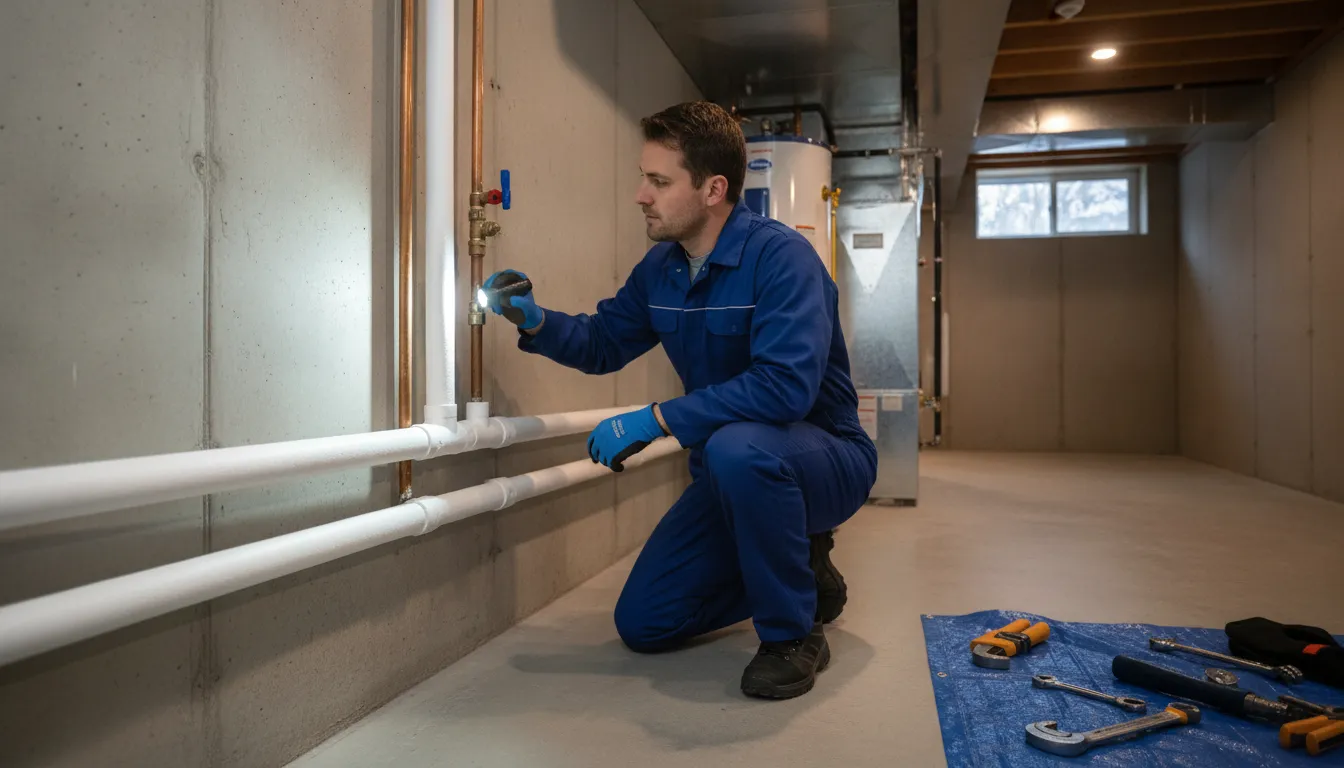
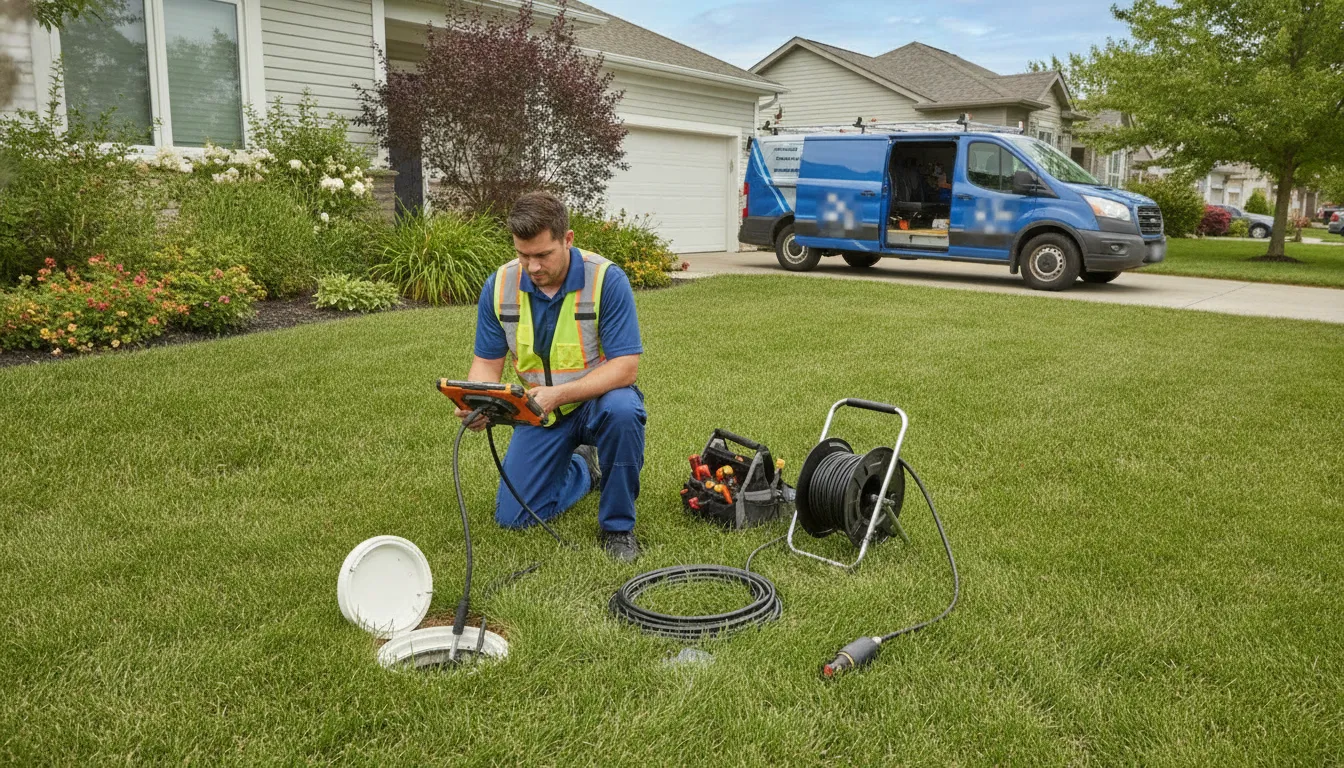
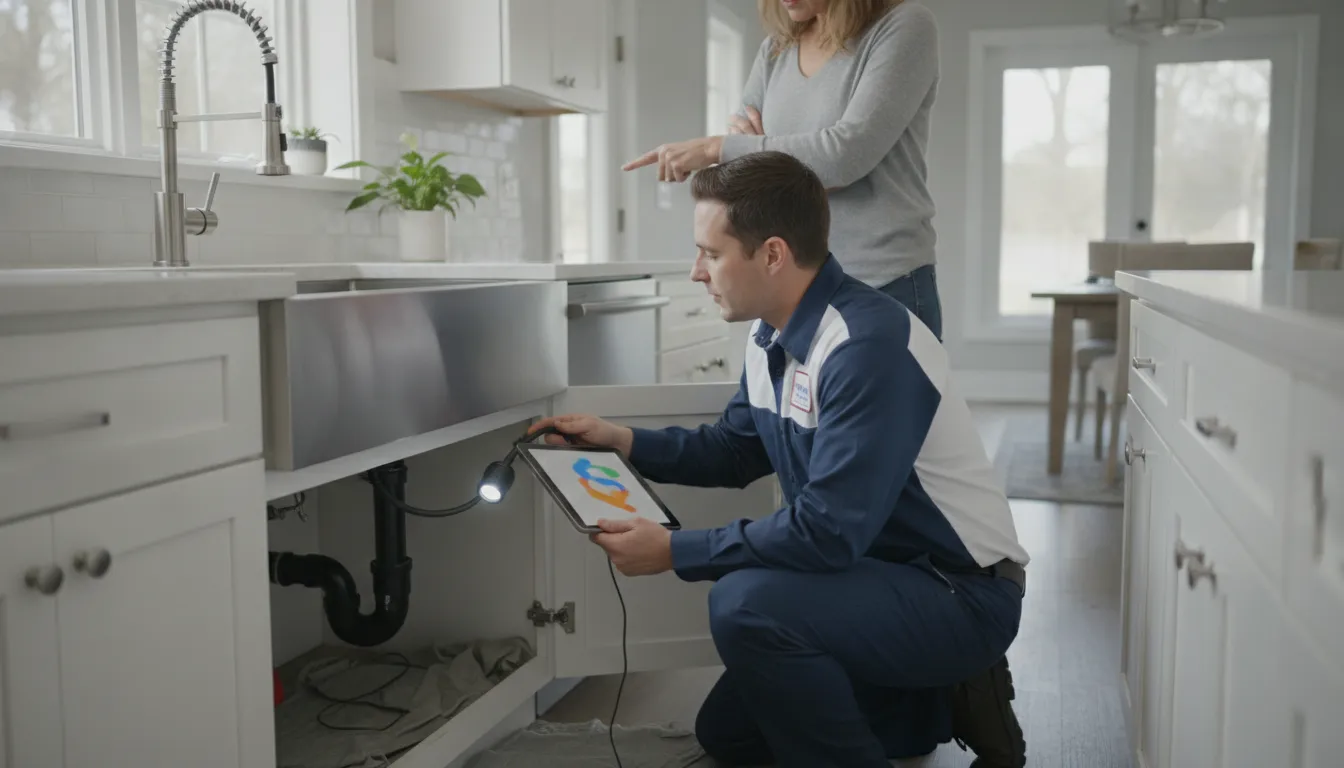
That sudden spike in your water bill isn’t just a fluke. It’s often the first sign that your plumbing system is quietly wasting water and your money. A single dripping faucet can waste gallons a day, but a hidden leak in your pipes can waste much more, all while causing serious damage to your home. From rotting wood to toxic mold growth, the true cost of ignoring a leak goes far beyond your utility bill. This article is your guide to becoming a leak detective. We’ll walk you through how to identify the subtle signs of a problem, understand your repair options, and know when it’s time to call in an expert for a leaking pipe repair Ferndale MI, before a small issue turns into a major financial headache.
Key Takeaways
- Learn to spot the signs of a leak: Unexplained high water bills, damp spots on walls, and musty odors are your home’s way of telling you there’s a problem. If you find a burst pipe, your first and most important step is to shut off the main water valve immediately.
- Make prevention your primary strategy: The best way to handle a plumbing emergency is to stop it from happening. Scheduling regular professional inspections and insulating pipes in cold areas are simple, effective actions that protect your home from costly water damage.
- Have a plan before you need one: Find a licensed, insured plumber with transparent pricing before you’re in a crisis. At the same time, build a home repair fund so you can approve necessary work quickly, preventing a small leak from turning into a major disaster.
How to Spot a Leaking Pipe in Your Home
Some plumbing problems are impossible to miss, like a burst pipe flooding your basement. But many leaks are much sneakier, hiding behind walls or under floors where they can cause serious damage before you even know they’re there. Catching these hidden leaks early is the best way to protect your home and your wallet from expensive repairs. The good news is that your house often gives you subtle clues when something is wrong. If you know what to look for, you can become your own leak detective. Here are five common signs that you might have a leaking pipe in your Ferndale home.
Your Water Bill Suddenly Spikes
One of the first and most reliable signs of a hidden leak is a sudden, unexplained increase in your water bill. If your daily habits haven’t changed but your bill has shot up, it’s time to investigate. A single dripping faucet can waste gallons of water a day, and a leak in a pipe can waste much more. To confirm your suspicion, try a simple water meter test. Turn off all water-using appliances and faucets in your home, then check your water meter. If the dial is still moving, you likely have a leak somewhere in your system. The EPA provides great information on how to find and fix leaks to conserve water and save money.
You Notice Wet Spots, Stains, or Bubbling Paint
Water damage often leaves behind obvious visual evidence. Keep an eye out for dark or discolored spots on your ceilings, walls, or floors. You might also notice paint that is bubbling, peeling, or blistering. These are classic signs that moisture is accumulating behind the surface, slowly damaging the drywall and wood structure of your home. Don’t just paint over the spot and hope for the best. These stains indicate an active problem that needs to be addressed quickly to prevent wood rot, structural issues, and mold growth. If you see these signs, it’s best to call for a professional inspection to find the source of the water before the damage gets worse.
Your Water Pressure Drops
Do your showers feel less powerful than they used to? Does it take longer to fill a pot with water at the kitchen sink? A sudden or gradual drop in water pressure can be a frustrating inconvenience, but it can also be a symptom of a hidden pipe leak. When water is escaping from a crack or hole in your plumbing system, less of it makes it to your faucets and showerheads, resulting in reduced flow. While other issues like mineral buildup can also affect pressure, a leak is a common culprit. If you notice a drop in pressure at multiple fixtures around your home, it’s a strong signal that you should have your plumbing system checked by a professional.
You Smell Musty Odors or See Mold
Your nose is a powerful tool for detecting hidden leaks. A persistent musty, damp, or earthy smell that you can’t seem to locate is a major red flag. This odor is often the result of moisture that has been sitting in a dark, unventilated space, like inside a wall cavity or under a cabinet, creating the perfect environment for mold and mildew to grow. If you see visible mold, the problem is even more advanced. These issues not only indicate a water leak but can also affect your home’s air quality. Don’t ignore strange smells; they are your home’s way of telling you that hidden moisture is causing a problem that needs immediate attention.
You Hear Running Water When Taps Are Off
When your home is quiet, take a moment to listen. Do you hear the faint sound of dripping, hissing, or running water when all the faucets and appliances are turned off? These sounds are a clear indication that water is moving through your pipes when it shouldn’t be. The sound might be coming from inside a wall, beneath the floor, or near your water heater. This is one of the most direct signs of a leak, as it points to a constant flow of escaping water. If you hear these phantom water sounds, it’s time to contact a plumber to pinpoint the location of the leak and get it repaired.
Found a Burst Pipe? Here’s What to Do Now
Discovering a burst pipe can send anyone into a panic, but taking a deep breath and acting quickly can make all the difference. Water damage happens fast, so knowing the immediate steps to take can save you from a much bigger headache down the road. The goal is to stop the flow of water and keep everyone safe until professional help arrives.
Don’t try to handle a major pipe burst on your own. Once you’ve taken these initial steps, your next call should be to a trusted plumber. A professional can assess the damage, perform a lasting repair, and prevent future issues. If you’re dealing with a sudden gusher, our emergency plumbing team is ready to help you get things under control.
Shut Off Your Main Water Valve
This is the absolute first thing you need to do. When you find a burst pipe, head straight for your home’s main water valve and turn it off immediately. This will stop more water from flooding your home and causing further damage. Not sure where it is? The valve is usually located in the basement, a utility closet, or near your water meter. It often has a wheel-style handle (turn it clockwise to close) or a lever handle (turn it a quarter-turn). Taking a moment to locate it now can save you precious time in an emergency.
Open Faucets to Relieve Pressure
After you’ve shut off the main water supply, you’ll want to relieve any pressure left in the pipes. Go to the faucets in your home, both hot and cold, and open them up. This allows the remaining water in the system to drain out, which helps minimize the mess around the burst pipe and makes the situation more manageable. It’s a simple step, but it effectively empties the pipes and prevents any trapped water from continuing to spill out from the break.
Steer Clear of Electrical Hazards
Water and electricity are a dangerous combination, so your safety has to be the top priority. If the water from the burst pipe is anywhere near electrical outlets, appliances, or your breaker box, stay away. Do not touch any electrical devices or stand in water while near them. If you can safely access your home’s breaker box without walking through water, shut off the power to the affected area. If you’re unsure, it’s best to wait for a professional to handle it.
Use a Temporary Fix While You Wait for Help
While you wait for a plumber, you might be able to apply a temporary patch to slow the leak, but remember this is not a permanent solution. You can find pipe clamps or heavy-duty rubber tape at most hardware stores. These can be wrapped tightly around the break to reduce the flow of water after you’ve turned the main valve back on to test it. This is only a short-term measure to manage the situation until an expert can perform a proper frozen pipe repair or fix the break for good.
Common Leaking Pipe Repair Solutions
Once you’ve found a leak, the next step is figuring out the best way to fix it. The right repair depends on several factors, like the pipe’s location, its material, and the extent of the damage. A professional plumber can properly assess the situation and recommend a solution that not only stops the leak but also prevents future problems from popping up. It’s not always a one-size-fits-all answer. For example, a tiny drip from a newer pipe might just need a simple adjustment, while a gushing leak from an old, corroded pipe points to a much bigger issue.
Understanding the different repair options will help you feel more confident when you discuss the plan with your plumber. From a quick patch-up to a full system overhaul, there are several ways to approach a leaking pipe. Knowing what to expect can take a lot of the stress out of the situation. Below, we’ll walk through some of the most common solutions for leaking pipes in Ferndale homes, so you can be prepared for whatever your plumbing system throws at you.
Spot Repairs for Minor Leaks
If you’ve caught a leak early and it’s just a small drip from a joint or a tiny crack, a spot repair might be all you need. This is the least invasive fix, where a plumber targets only the specific problem area. They might tighten a fitting, replace a small component, or patch a pinhole leak without disturbing the rest of your plumbing. Think of it as a precise, surgical fix for a minor issue. This approach is perfect for localized problems and can get your system back in working order quickly, making it a cost-effective first line of defense against small leaks.
Pipe Section Replacement
Sometimes, a leak is a symptom of a bigger problem, like corrosion or damage that affects an entire piece of pipe. In these cases, a simple patch won’t hold for long. The better solution is to replace the entire damaged section. A plumber will cut out the compromised portion of the pipe and fit a brand-new piece in its place. This method is more involved than a spot repair but is essential for ensuring a durable, long-lasting fix. It’s a common solution for pipes that have sustained significant wear or damage but don’t require a full system replacement.
Whole-Home Repiping
If your home is older and you’re dealing with frequent leaks, low water pressure, or discolored water, it might be time to consider a whole-home repipe. This is a comprehensive solution where all the old, deteriorating pipes are replaced with new ones. While it’s a significant project, it’s often the smartest long-term investment for an aging plumbing system. A full repipe eliminates the source of recurring problems, improves your water flow and quality, and gives you peace of mind for decades to come. For a job this big, you want a team you can trust, like the experts at Mr. Pipey.
Frozen and Burst Pipe Repair
Michigan winters are no joke, and your pipes can take a serious hit when the temperature plummets. Water expands when it freezes, and that pressure can cause pipes to crack or burst, leading to major water damage. If you have a burst pipe, it’s a true plumbing emergency. The first step is to shut off your main water valve, but the next is to call a professional immediately. Our team is equipped to handle these urgent situations, offering frozen pipe repair to fix the damage and get your water flowing safely again.
Preventative Pipe Insulation
The best way to deal with a burst pipe is to prevent it from ever happening. That’s where pipe insulation comes in. This proactive measure involves wrapping pipes in exposed, unheated areas like your basement, crawl space, or attic with insulating material. It’s a simple and effective way to protect your plumbing from freezing temperatures during the cold Ferndale winters. Investing in pipe insulation can save you from the stress, mess, and expense of an emergency burst pipe repair down the road. It’s a small step that makes a huge difference in protecting your home.
What Does Leaking Pipe Repair Cost in Ferndale?
Let’s talk about one of the first questions on every homeowner’s mind when they spot a leak: how much is this going to cost? It’s a fair question, and while the final price depends on your specific situation, I can give you a general idea of what to expect. The cost of a leaking pipe repair in Ferndale isn’t a one-size-fits-all number. It can range from a relatively minor expense for a simple fix to a more significant investment for a major problem. Understanding the variables can help you feel more prepared when you call for a professional quote.
Typical Costs for Different Repairs
To give you a ballpark idea, repair costs are often grouped by the job’s complexity. A small, easily accessible leak, like one under your kitchen sink, is on the lower end of the scale, often ranging from $180 to $400. If a whole section of pipe is corroded and needs to be replaced, the cost can increase, typically falling between $600 and $1,800. The price goes up from there if the plumber needs to open up a wall or dig into a floor to reach the damaged pipe. These more involved jobs can range from $1,200 to $3,800. Remember, these are just estimates, and the best way to know for sure is to get a quote from a trusted professional.
Factors That Influence the Final Price
So, what makes one repair more expensive than another? A few key factors come into play. The location of the leak is a big one; a pipe that’s out in the open is much easier and quicker to fix than one hidden behind drywall or concrete. The extent of the damage also matters. A tiny drip requires a different approach than a completely burst pipe that has been gushing water. Finally, the urgency of the situation can affect the cost. If you need emergency plumbing services outside of regular business hours, that immediate response can influence the final bill.
Why Waiting to Repair Costs You More
I know it’s tempting to put a small leak on the back burner, but waiting is almost always the more expensive option. That slow drip can quietly cause serious water damage to your home’s structure, leading to rot and weakness in your floors and walls. It also creates the perfect damp environment for mold to grow, which can pose health risks and require costly remediation. A simple fix today can prevent a much larger, more complicated, and more expensive problem tomorrow. Addressing leaks quickly protects both your home and your wallet. If you suspect a leak, it’s always best to have a professional assess your plumbing system sooner rather than later.
How to Choose the Right Plumber in Ferndale
When you’re dealing with a leaking pipe, the last thing you want is the added stress of finding a reliable plumber. Choosing the right professional can make the difference between a quick fix and a recurring nightmare. A great plumber not only solves the immediate problem but also gives you peace of mind. To make sure you’re hiring the best person for the job in Ferndale, focus on a few key qualities: their credentials, their pricing honesty, and their availability when you need them most. These factors will help you find a plumber who is not just skilled, but also trustworthy and dependable.
Licensed, Insured, and Local Expertise
First things first, never hire a plumber who isn’t licensed and insured. A license is your proof that they have the proper training and knowledge, while insurance protects you and your home from any accidental damage during the repair. Beyond these basics, consider the value of local expertise. A plumber who regularly works in Ferndale will be familiar with local building codes and common issues in the area. Choosing a trusted, family-owned business often means you get a team that is deeply invested in the community and its reputation, treating your home with the same care they would their own.
Transparent Pricing and Satisfaction Guarantees
Nothing is worse than a surprise bill. Look for a plumber who offers clear, upfront pricing before any work begins. Vague estimates can easily balloon into unexpected costs, so a professional who provides a detailed quote is showing you they operate with honesty. A company that is confident in its workmanship will also stand behind it. A 100% customer satisfaction guarantee isn’t just a marketing slogan; it’s a promise that the job will be done right. This commitment shows that the company values your trust and is dedicated to providing a long-lasting solution, not just a temporary patch.
Fast Emergency Response
A burst pipe at 2 a.m. can’t wait until morning. When you have a plumbing crisis, you need help immediately to prevent extensive water damage. That’s why it’s essential to find a plumber who offers a fast response for urgent situations. Check if the company provides 24/7 service for issues that simply can’t wait. Having a reliable emergency plumbing contact on hand means you can get professional help quickly, minimizing damage and getting your home back to normal as soon as possible. A plumber who is available around the clock shows a true commitment to their customers’ well-being.
How to Prevent Future Pipe Problems
Dealing with a leaking or burst pipe is stressful, but you can take steps to avoid future plumbing emergencies. Being proactive is the best way to protect your home and your wallet from the high costs and headaches of unexpected water damage. A little prevention goes a long way, especially in Michigan, where our cold winters can be tough on plumbing systems. By adopting a few key habits, you can catch small issues before they become major disasters that disrupt your life and drain your bank account.
Think of it as a simple maintenance plan for your home’s circulatory system. Just like you’d get a regular check-up, your pipes need attention too. Putting a financial safety net in place, understanding your insurance, and scheduling professional inspections are the three pillars of a solid prevention strategy. These actions give you control and peace of mind, helping you manage your home with confidence instead of reacting to a crisis. While it’s good to know who to call for emergency plumbing when you need it, the real goal is to prevent that call from ever being necessary. Taking these preventative measures seriously is one of the smartest things you can do as a homeowner.
Build a Home Repair Emergency Fund
It might sound obvious, but having money set aside specifically for home repairs can be a game-changer. When you’re not worried about how you’ll pay for a fix, you’re more likely to act fast. Delaying a repair, even for a small drip, allows time for the problem to get much worse. A minor leak can quickly lead to water damage, mold growth, or even a catastrophic pipe failure if it’s ignored.
Setting up an emergency fund doesn’t have to be complicated. Open a separate high-yield savings account and set up automatic monthly transfers, even if it’s just a small amount. Over time, this fund will grow into a safety net that lets you address plumbing issues immediately, saving you from more expensive and extensive repairs down the road.
Understand Your Home Insurance Policy
Your homeowner’s insurance is another critical piece of your financial protection plan, but many people don’t know what their policy actually covers until it’s too late. Don’t wait for a leak to find out what’s included. Most standard policies cover sudden and accidental water damage, like from a burst pipe, but may exclude damage from slow, gradual leaks that result from poor maintenance.
Take some time to read through your policy documents or, better yet, call your insurance agent. Ask specific questions about coverage for water damage, mold remediation, and repairs for different types of pipe failures. Understanding the limits and exclusions of your policy helps you know what your potential out-of-pocket costs might be. This knowledge is especially important when preparing for issues like frozen and burst pipes, which are common insurance claims.
Schedule Regular Plumbing Inspections
The most direct way to prevent future pipe problems is to have a professional inspect your system regularly. A trained plumber can spot subtle signs of trouble that you might easily miss, like early-stage corrosion, hidden leaks, or incorrect water pressure. They understand the common issues that affect homes in Ferndale, from the strain of freeze-thaw cycles to problems caused by shifting soil.
During an inspection, a professional will check the health of your pipes, drains, and fixtures. Based on their findings, they can recommend simple, preventative measures that can save you from a major headache later. For example, adding pipe insulation is a small investment that offers huge protection against winter freezes. Scheduling a yearly inspection is a simple, powerful way to maintain your home’s plumbing and keep everything flowing smoothly.
Related Articles
- DIY Pipe Leak Repair: Your Step-by-Step Guide
- Repair a Copper Pipe Leak: A Step-by-Step Guide
- Using PVC Pipe Leak Sealant: A Complete Guide
Frequently Asked Questions
I think I have a leak, but I can’t see any water. What’s my first step? Your first move is to play detective with your water meter. Make sure every faucet is off and no water-using appliances are running, then go check the meter. If you see the dial moving, water is flowing somewhere in your system. You can also listen for faint hissing or dripping sounds inside your walls when the house is quiet. If you notice either of these signs, it’s time to call a professional to pinpoint the hidden source before it causes any damage.
Is it okay to try and fix a small leak myself? While it can be tempting to grab a DIY kit for a minor drip, these are usually just temporary patches. A small leak is often a symptom of a larger issue, like pipe corrosion or a failing joint. A professional plumber can identify the root cause and provide a permanent repair. Getting it fixed correctly the first time will save you the headache and cost of dealing with a failed patch and the water damage that follows.
How often should I really get my plumbing inspected? A great rule of thumb is to schedule a professional plumbing inspection once a year. An annual checkup is especially smart for older homes or if you’ve had pipe issues in the past. A plumber can spot early signs of wear and tear, check your water pressure, and recommend preventative steps, like insulating pipes before winter. This small investment can help you avoid a much larger, more stressful emergency repair down the line.
My water pressure is low. Does that always mean I have a leak? Not always, but it’s a definite red flag that deserves attention. A hidden leak is a very common reason for a drop in water pressure, as water is escaping the system before it reaches your faucet. However, other issues like mineral buildup in your pipes or even a problem with the city’s water supply can also be the cause. The best way to know for sure is to have a professional diagnose the problem.
Why is a small, slow drip just as serious as a bigger leak? A big, gushing leak is alarming and gets immediate attention, but a slow drip can be sneakier and just as destructive. That constant moisture behind a wall or under a floor creates the perfect environment for mold to grow and can slowly rot away your home’s wooden structure. Over time, the damage from a small, ignored leak can lead to much more complex and expensive repairs than fixing a single burst pipe.