

Have you ever wondered why pipes seem to fail at the worst possible times? Here in our community, the answer often lies right outside our doors and within our walls. From the intense freeze-thaw cycles of Michigan winters that put immense pressure on pipes, to the natural corrosion in older homes, our plumbing systems face a unique set of challenges. Understanding these local factors is key to both prevention and effective repair. This article explains exactly why pipes leak in our area and what you can do about it, providing clear steps for identifying issues and finding a dependable leaking pipe repair Farmington Hills MI.
Key Takeaways
- Stay ahead of leaks with proactive care: You can prevent many common leaks with simple habits. Insulating pipes in unheated areas, checking that your water pressure is in a safe range (40-60 PSI), and doing quick visual inspections can save you from future headaches and costly repairs.
- Know the subtle signs of a hidden leak: Water damage often starts small. Be aware of early warning signs like faint musty odors, discolored spots on walls or ceilings, strange pipe noises, or a sudden jump in your water bill, as these clues mean it’s time to investigate.
- Choose a plumber who offers a real solution: When hiring help, look for a licensed and insured professional who provides transparent, upfront pricing. A trustworthy plumber will find the root cause of the leak, not just patch the symptom, and will stand behind their work with a satisfaction guarantee.
Why Do Pipes Leak in Farmington Hills?
Discovering a leaking pipe is a headache no homeowner wants, but understanding what causes them is the first step toward prevention. In Farmington Hills, our pipes face a unique set of challenges, from harsh Michigan winters to the simple effects of time. Several common culprits are often behind a sudden puddle in the basement or a damp spot on the ceiling. Knowing what to look for can help you protect your home’s plumbing system and avoid a costly emergency down the road.
Winter Freezes and Frost Damage
Here in Michigan, we know how cold the winters can get, and that weather takes a toll on our plumbing. When water inside a pipe freezes, it expands, placing immense pressure on the pipe walls. This expansion can be powerful enough to split a metal or plastic pipe right open. Pipes located in unheated areas like basements, crawl spaces, garages, and exterior walls are the most vulnerable. A sudden thaw can then reveal the damage, leading to significant water leaks. Proactive pipe insulation is one of the best ways to defend your home against this seasonal threat.
Pipe Age and Corrosion
Like any other part of your home, your plumbing system has a lifespan. Over decades, pipes naturally wear down. Older homes in Farmington Hills often have galvanized steel or copper pipes that are susceptible to corrosion. This decay can happen from the inside out, making it invisible until a leak appears. You might notice rust-colored water or declining water pressure, which are classic signs of corroded lines. If your home is several decades old and still has its original plumbing, it’s more a matter of when, not if, a pipe will fail due to age. An inspection can help you assess the health of your plumbing system.
High Water Pressure
While strong water pressure feels great in the shower, when it’s too high, it puts constant strain on your entire plumbing system. Think of it like an overinflated tire; the excess pressure wears down the material and makes it more likely to fail. This force can weaken joints, fittings, and the pipes themselves, eventually causing leaks or even a full-blown burst. Most home fixtures are designed to operate within a specific pressure range. If you hear a banging sound when you turn off your faucets, you may have a water pressure issue that needs professional attention before it causes a bigger problem.
Shifting Ground
The ground beneath your home isn’t as static as you might think. The freeze-thaw cycles common in our region cause the soil to expand and contract, which can put stress on underground water and sewer lines. Nearby construction or heavy vehicle traffic can also cause vibrations that lead to ground movement. This shifting can bend, crack, or even disconnect pipes, resulting in hidden leaks that saturate your yard or compromise your home’s foundation. If you notice unexplained wet spots in your lawn, it could be a sign of an underground leak that requires emergency plumbing attention.
Signs You Have a Leaking Pipe
Catching a leak early can save you from major headaches and costly repairs down the road. While a puddle under the sink is an obvious red flag, many leaks are much more subtle. Knowing what to look for is the first step in protecting your home from water damage. Pay attention to changes in your home’s walls, your yard, and even the sounds your pipes make. These clues can help you identify a problem before it gets out of hand. If you notice any of these signs, it’s time to investigate further.
Spotting Water Stains and Damp Walls
One of the most common signs of a hidden leak is discoloration on your walls, ceilings, or floors. These stains often look like yellowish or brownish splotches and can feel damp to the touch. You might also notice peeling paint or wallpaper in areas without any obvious source of moisture. A persistent musty smell in a room, especially in the basement or a bathroom, is another strong indicator that water is escaping somewhere. Don’t ignore these visual cues; they are your home’s way of telling you that a pipe is compromised and needs attention. A sudden drop in water pressure can also signal a significant leak that requires emergency plumbing services.
Finding Wet Spots in Your Yard
Your yard can also offer clues about your home’s plumbing health. If you find new puddles, soggy patches, or unusually green areas of grass when it hasn’t been raining, you may have a leak in your main water line. These underground pipes can break due to age, shifting soil, or invasive tree roots. A leak in this line can waste a tremendous amount of water and, if left unaddressed, can even lead to erosion or damage to your home’s foundation. If your yard feels spongy underfoot in specific spots, it’s wise to have a professional assess the situation and review all possible plumbing services that may be needed.
Hearing Strange Noises from Your Pipes
Your plumbing system should operate almost silently. If you start hearing strange noises, it’s a good idea to listen closely. Banging, rattling, or clanking sounds can indicate that pipes are loose, but they can also be a sign of high water pressure stressing the system. A hissing sound often points to a small, high-pressure leak, while gurgling from your drains can mean air is getting trapped in the pipes because of a breach. These sounds are early warnings that something isn’t right. Instead of turning up the TV to drown them out, it’s best to contact us to have a professional plumber diagnose the source of the noise.
Noticing a Spike in Your Water Bill
A sudden, unexplained increase in your water bill is a classic sign of a hidden leak. Even a tiny drip from a faulty pipe can waste hundreds of gallons of water over a month, adding a significant amount to your utility costs. If your bill jumps without a change in your family’s water usage, a leak is the most likely culprit. You can do a quick check by turning off all faucets and water-using appliances, then looking at your water meter. If the dial is still moving, water is flowing somewhere in your system. Finding and fixing the leak will not only prevent damage but also save you money every month.
Your Leaking Pipe Repair Options
When you discover a leaking pipe, your first thought might be about the potential for a huge, disruptive repair. The good news is that the solution is often simpler than you think. The right fix depends entirely on the pipe’s age, material, and the extent of the damage. A professional plumber can quickly diagnose the issue and walk you through the most effective and cost-efficient options for your home. From a quick patch to a full replacement, understanding your choices can help you feel more in control of the situation.
Here are the most common approaches to fixing a leaking pipe in your Farmington Hills home.
Spot and Joint Repairs
If you’ve caught a leak early, a simple spot repair might be all you need. This is the best-case scenario, where the damage is confined to a small, specific area. A plumber can fix the single pinhole leak or dripping joint without disturbing the rest of your plumbing. This targeted approach is perfect for newer pipes that have sustained minor, isolated damage. It’s a fast and affordable way to restore your system’s integrity and prevent a small drip from turning into a major problem. Our team can handle a wide range of plumbing solutions, ensuring even small repairs are done right.
Pipe Rerouting and Partial Replacements
Sometimes, the problem is bigger than a tiny pinhole but doesn’t require overhauling your entire system. In these cases, a partial replacement is the ideal middle ground. A plumber can cut out the damaged section of the pipe and replace it, or even reroute the pipe around the compromised area. This is a common solution for pipes that have burst after a winter freeze or have a section that has corroded more quickly than the rest. This method provides a durable, long-lasting fix without the cost and time involved in a full repiping project, making it a practical choice for many homeowners who need frozen pipe repair.
Full Repiping Services
If your home’s plumbing is constantly causing problems, it might be time to consider a full repipe. This is often the best long-term solution for older homes with recurring leaks, low water pressure, or discolored water. While it’s a larger project, replacing all the old, failing pipes with new ones eliminates the source of chronic issues and gives you peace of mind for decades to come. Think of it as an investment in your home’s health and value. If you suspect your plumbing system is nearing the end of its life, you can contact us for a thorough evaluation and a clear estimate.
Emergency Repairs and Leak Detection
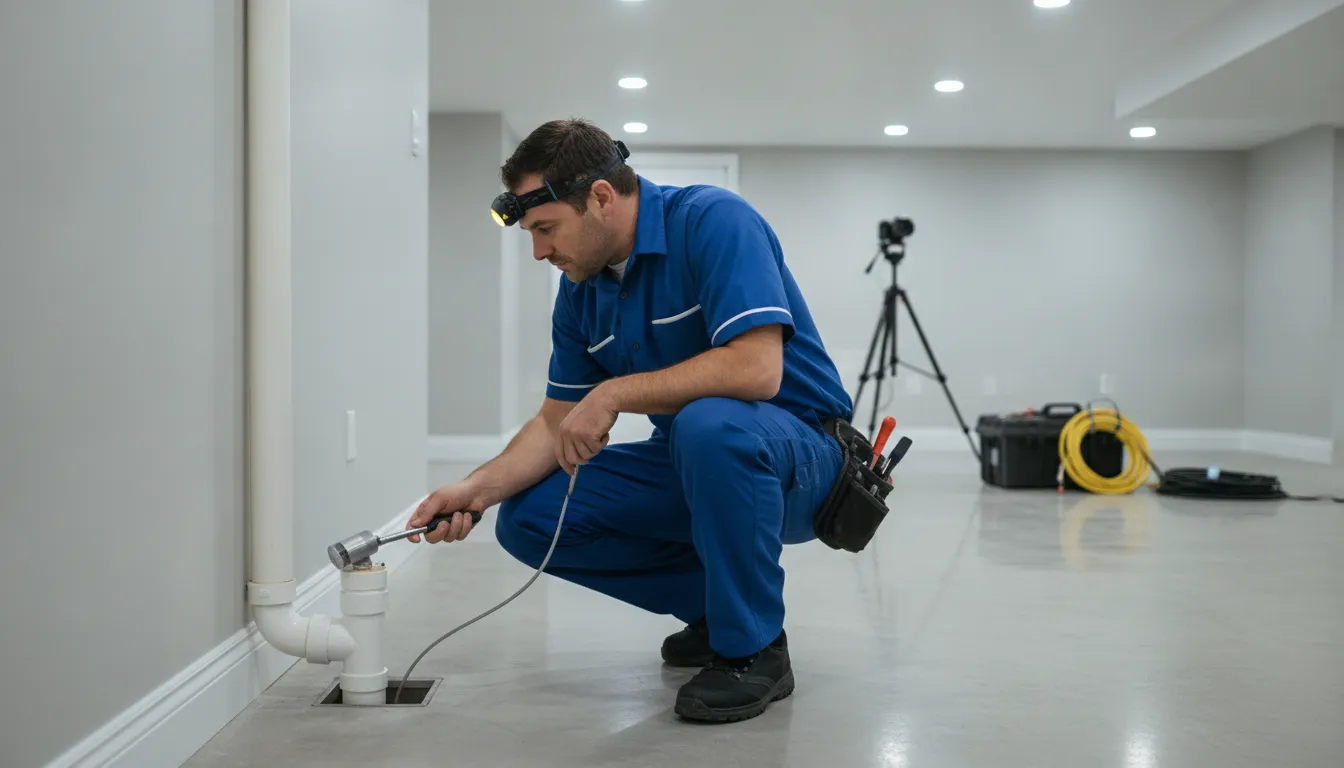
A burst pipe isn’t something that can wait until morning. When water is actively flooding your home, you need help immediately to prevent catastrophic damage. That’s what emergency plumbing services are for. Available 24/7, our team is ready to respond quickly to contain the leak and begin repairs. For leaks that are hidden behind walls or under floors, we use advanced leak detection equipment to pinpoint the source without unnecessary demolition. Acting fast in a plumbing emergency is key, and having a reliable plumber on call makes all the difference in protecting your property.
Common DIY Pipe Repair Mistakes to Avoid
I love a good DIY project as much as anyone, but when it comes to plumbing, some jobs are best left to the pros. A seemingly small mistake can quickly turn a minor drip into a major disaster, leading to more damage and higher costs than if you had called for help in the first place. While your intention to fix things yourself is great, it’s important to know the common pitfalls that can happen along the way. Understanding these potential missteps can help you decide when to grab your toolbox and when to grab your phone instead.
Misdiagnosing the Leak’s Source
One of the trickiest things about water is that it travels. A water stain on your ceiling doesn’t always mean the leak is directly above it. Water can run along pipes and floor joists before finding a place to drip through, making the true source hard to find. It’s easy to patch the visible damage while the real leak continues to cause hidden rot and mold. Accurately locating the source is the most critical first step to any repair. If you’re not 100% certain where the water is coming from, you might be fixing the wrong spot, which can lead to a bigger emergency plumbing situation down the road.
Using the Wrong Tools and Materials
In a moment of panic, it’s tempting to reach for duct tape or a generic sealant to stop a leak. Unfortunately, these quick fixes rarely last. Plumbing systems are under constant pressure, and they require specific materials designed to create a durable, watertight seal. Using the wrong type of tape, clamp, or adhesive can fail under pressure, sometimes making the leak even worse than before. Professional plumbers have access to a wide range of tools and parts for every scenario. Ensuring you have the right materials is just as important as knowing how to use them, and a mismatch can lead to a failed repair and wasted effort.
Fixing the Symptom, Not the Problem
Putting a patch on a leaky pipe is like taking a cough drop for pneumonia; it might make you feel better for a moment, but it doesn’t address the real issue. A recurring leak is often just a symptom of a larger problem, such as widespread corrosion, excessive water pressure, or shifting pipes. Simply patching the drip without investigating the cause means the problem will likely reappear somewhere else. As a family-owned plumbing company, we focus on finding and fixing the root cause to provide a long-lasting solution, not just a temporary patch that will fail you later.
Skipping Routine Inspections
It’s easy to forget about your plumbing until something goes wrong. However, waiting for a puddle to appear in your basement is a reactive approach that often leads to more extensive and expensive repairs. A proactive strategy is much better. You don’t need to be a plumbing expert to do a quick monthly check-up. Look under your sinks, around your water heater, and in your basement for any signs of moisture, corrosion, or small drips. Catching these issues early is key. Preventative measures, like proper pipe insulation before winter, can also save you from a major headache when the temperatures drop.
What Does Leaking Pipe Repair Cost in Farmington Hills?
Let’s get straight to the point: you want to know how much a leaking pipe repair will set you back. It’s one of the first questions we get, and it’s a fair one. The truth is, the cost can vary quite a bit. A simple fix is very different from a major pipe replacement. The final price depends on the type of repair, the cause of the leak, and a few other key factors. Understanding these variables will help you get a clearer picture of the potential costs and feel more prepared when you call for a quote. We believe in transparent pricing, so let’s break down what goes into the cost of a pipe repair in Farmington Hills.
Typical Costs by Repair Type
The scope of the work is the biggest factor in determining your final bill. A small, easily accessible leak, like a drip from a joint under your kitchen sink, is on the lower end of the cost spectrum. Think somewhere in the range of $150 to $350. However, if a section of the pipe is corroded and needs to be replaced, the job becomes more involved, and the cost could be between $500 and $1,500. For more extensive repairs, like a burst pipe hidden behind a wall or under your floor, the price can climb higher, as it requires cutting into drywall or flooring to access and fix the problem.
Factors That Influence the Final Price
Several things can affect the complexity and cost of a pipe repair. The location of the leak is a major one; a pipe in an open basement is much easier and cheaper to fix than one buried in a concrete slab. The cause of the leak also matters. Issues like rust, shifting ground, or damage from frozen pipes each present unique challenges. The age and material of your plumbing system play a role, too. Older, outdated pipes might be more difficult to work with, potentially increasing labor time. A previous, poorly done repair can also complicate things, adding to the time and materials needed to fix it right.
When to Involve Your Home Insurance
If you’re dealing with significant water damage from a leak, you might be wondering if your homeowner’s insurance can help. In many cases, it can. Most policies cover sudden and accidental water damage, like what happens when a pipe bursts unexpectedly. However, they typically don’t cover damage from slow, gradual leaks that result from poor maintenance. Your best first step is to call a professional plumber immediately. We can handle the emergency plumbing repair to stop the damage and provide the detailed documentation you’ll need to file a claim with your insurance provider. Always review your specific policy to understand your coverage.
How to Prevent Leaking Pipes
The best way to deal with a leaking pipe is to stop it from happening in the first place. A little proactive maintenance can save you from the stress and expense of water damage and major repairs. Think of it as simple, protective care for your home’s circulatory system. By taking a few key steps, you can protect your plumbing, your home, and your peace of mind. Here’s how you can stay ahead of potential leaks and keep your plumbing system in top shape.
Insulate Your Pipes for Winter
Living in Michigan means we’re no strangers to freezing temperatures, and your pipes are especially vulnerable. When water freezes, it expands, putting immense pressure on pipes and causing them to burst. To prevent this, ensure that all exposed pipes, especially those in unheated areas like basements, crawl spaces, and attics, are well-insulated. You can find simple foam pipe sleeves at most hardware stores for an easy DIY project. For a more thorough and professional solution, our team offers expert pipe insulation to make sure your home is fully protected before the first frost hits.
Monitor Your Water Pressure
Your home’s water pressure is a bit like blood pressure; if it’s too high, it puts a constant strain on the entire system. High water pressure can lead to pipe damage and leaks over time. It’s a good idea to check your water pressure regularly with a simple, inexpensive gauge you can attach to an outdoor spigot. Ideally, your home’s pressure should be between 40 and 60 PSI. If you find that your pressure is consistently high, it might be time to call in a professional. A plumber can install or adjust a pressure-reducing valve to bring things back to a safe level and extend the life of your pipes and appliances.
Schedule Regular Plumbing Inspections
You shouldn’t wait for the warning signs of plumbing failure to maintain your pipes. A regular, once-a-month self-inspection could help prevent a variety of future plumbing problems. Take a quick walk around your home and look under sinks, around the base of toilets, and near appliances like your water heater for any signs of moisture, drips, or corrosion. Listen for any strange sounds when you turn on the water. Catching these small issues early is key. For a more comprehensive check-up, consider scheduling a professional inspection annually. We can spot potential problems you might miss, offering you complete confidence in your plumbing system.
Fix Small Leaks Immediately
That tiny drip under the kitchen sink might seem harmless, but you should never ignore it. Don’t wait to fix a leak; the sooner it’s found, the less damage it will cause. A small leak can waste a surprising amount of water, drive up your utility bills, and create a damp environment perfect for mold and mildew growth. Over time, that persistent moisture can rot wood and compromise your home’s structure. What starts as a simple fix can quickly become a major headache. If you spot a leak, even a small one, it’s best to address it right away. For urgent issues, our emergency plumbing services are available to help you stop the problem before it gets worse.
How to Choose the Right Plumber in Farmington Hills
Finding a plumber you can trust feels like a huge win, especially when you’re dealing with the stress of a leaking pipe. The last thing you need is more uncertainty. Taking a few minutes to vet your options can save you from shoddy work, surprise fees, and future headaches. A great plumber doesn’t just fix the problem; they provide peace of mind and build a relationship based on trust and quality workmanship.
When you’re searching for a plumber in Farmington Hills, you’re looking for a partner in protecting your home. You want someone who is qualified, transparent, and available when you need them most. As a family-owned company, we believe in treating every client’s home like our own, which means showing up with expertise and integrity. To make sure you find the right fit for your needs, focus on a few key areas: credentials, pricing policies, availability, and reputation. These pillars will help you identify a professional who will get the job done right the first time.
Verify Licensing and Insurance
Before you let anyone work on your home’s plumbing, always confirm they are licensed and insured. This isn’t just red tape; it’s your primary protection. A state-issued license means the plumber has met specific training and knowledge requirements, proving they are qualified to handle the job safely and correctly. It’s the difference between hiring a proven professional and taking a gamble.
Insurance is just as important. If an accident happens during the repair, like a tool damaging your floor or an even bigger water issue, the plumber’s liability insurance covers the costs. Without it, you could be left paying for their mistake. Don’t be shy about asking for proof of both. A reputable company will gladly provide their credentials. You can always contact us to ask about our team’s qualifications.
Look for Transparent Pricing and Guarantees
No one likes a financial surprise, especially on a repair bill. A trustworthy plumber will offer transparent, upfront pricing. They should be able to explain the costs and provide a detailed estimate before any work begins. This allows you to approve the expense without worrying about hidden fees appearing on the final invoice. Clear communication about costs is a hallmark of a professional who respects their customers.
Beyond pricing, look for a company that stands behind its work with a guarantee. A satisfaction guarantee shows that the plumber is confident in their skills and committed to providing a lasting solution. At Mr. Pipey, we back all our plumbing solutions with a 100% customer satisfaction guarantee. This commitment ensures you get reliable workmanship that solves your problem for good.
Confirm 24/7 Emergency Service
A pipe can burst in the middle of the night, on a weekend, or during a holiday dinner. Plumbing emergencies rarely happen at convenient times, which is why it’s essential to find a plumber who offers 24/7 service. Knowing you have someone to call when disaster strikes can make a stressful situation much more manageable. A plumber with round-the-clock availability can dispatch a technician quickly to minimize water damage.
When you’re researching plumbers, check their websites or call to confirm they offer true emergency plumbing services. Find out their typical response times for urgent calls in the Farmington Hills area. Having this information on hand before you need it means you won’t be scrambling to find help when every second counts.
Read Local Reviews and Testimonials
What your neighbors say matters. Reading local reviews and testimonials gives you honest insight into a plumber’s reliability, professionalism, and quality of work. Check sources like Google and Yelp to see what past customers in the Farmington Hills area are saying. A long history of positive feedback is a strong indicator that you’re dealing with a reputable company.
Look for patterns in the comments. Do reviewers consistently mention that the plumber was on time, respectful of their home, and fixed the issue effectively? While a single negative review isn’t necessarily a dealbreaker, multiple complaints about the same issue should be a red flag. Learning about other people’s experiences helps you choose a plumber who truly values their customers.
Related Articles
- DIY Pipe Leak Repair: Your Step-by-Step Guide
- Repair a Copper Pipe Leak: A Step-by-Step Guide
- Need a 24 Hr Emergency Plumber? Read This First
- 7 Signs You Need an Emergency Plumber Now
Frequently Asked Questions
What is the very first thing I should do if I discover a leaking pipe? Before you do anything else, find and shut off your home’s main water valve. This will stop the flow of water and prevent any further damage while you figure out your next steps. The valve is usually located in the basement, a utility closet, or where the main water line enters your house. Once the water is off, your next call should be to a professional plumber who can handle the situation safely.
My house is older. Does that mean my pipes are guaranteed to leak eventually? While older pipes, especially those made of galvanized steel, have a higher risk of corrosion and failure, a leak isn’t a foregone conclusion. Age is just one factor. The best way to know for sure is to have a professional inspect your plumbing system. An inspection can assess the condition of your pipes and identify any weak spots, allowing you to plan for a replacement on your own terms, not in the middle of an emergency.
Can I save money by just patching a small leak myself? It’s tempting to try a quick fix, but it often costs more in the long run. A DIY patch might temporarily stop a drip, but it rarely addresses the underlying issue, such as high water pressure or widespread corrosion. Professional repairs use the correct materials and techniques to create a durable seal and fix the root cause, preventing the problem from recurring elsewhere. Investing in a proper repair from the start is the most reliable way to protect your home.
How do I know if I need a small repair versus a full repipe of my home? A single, isolated leak in an otherwise healthy system usually only needs a spot repair. However, if you’re dealing with frequent leaks in different areas, consistently low water pressure throughout the house, or rusty, discolored water from multiple faucets, these are signs of a systemic problem. In those cases, replacing the entire plumbing system is often the most effective long-term solution.
Besides insulating pipes, what else can I do to prevent a burst pipe during a Michigan winter? Insulation is key, but you can take a few other steps for extra protection. Remember to disconnect and drain all outdoor hoses before the first freeze. During a severe cold snap, you can let a faucet connected to a vulnerable pipe drip slowly to keep water moving. Also, if you plan to be away from home, avoid turning your heat completely off; instead, keep the thermostat set to at least 55 degrees Fahrenheit to protect your plumbing.