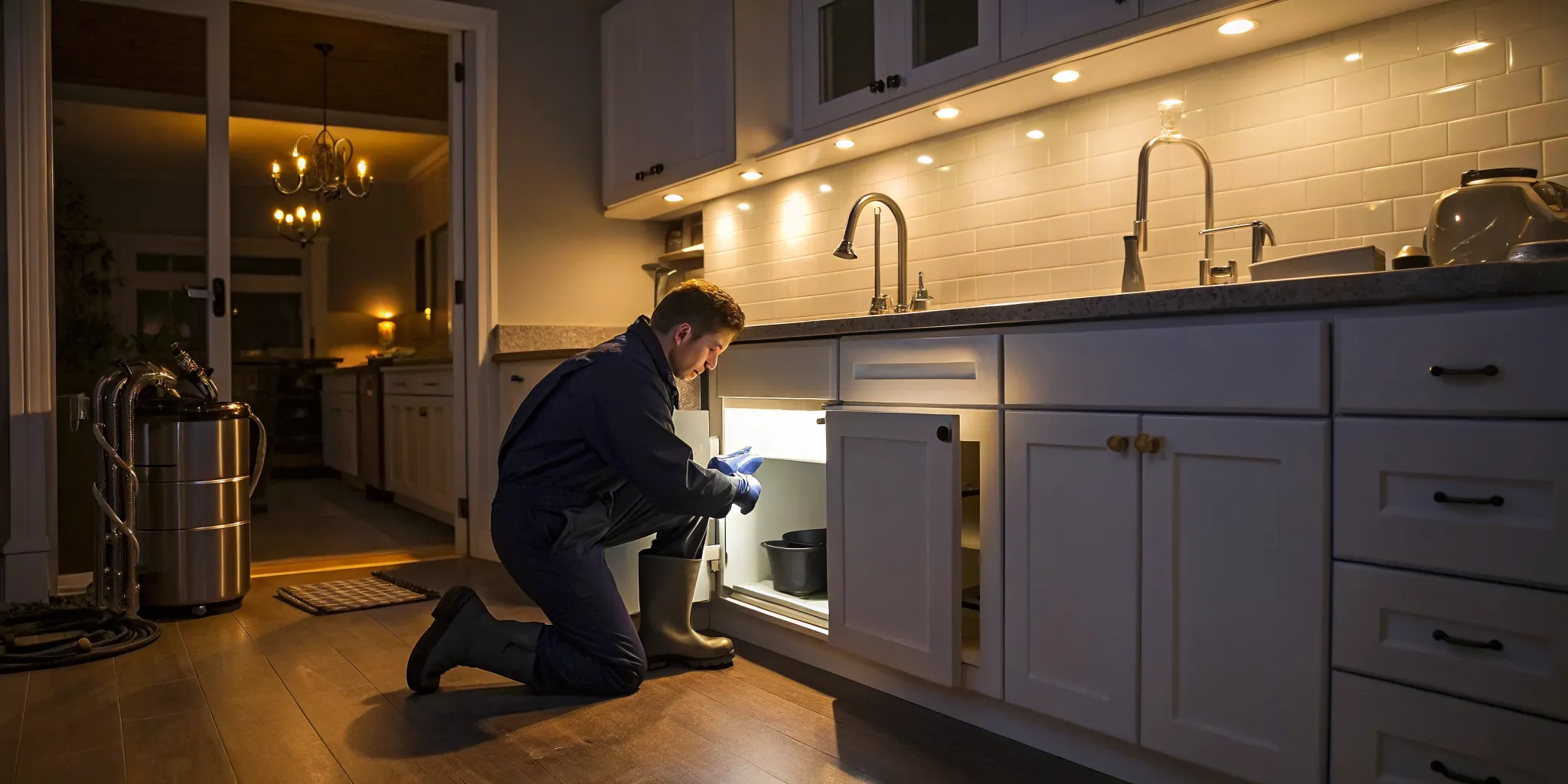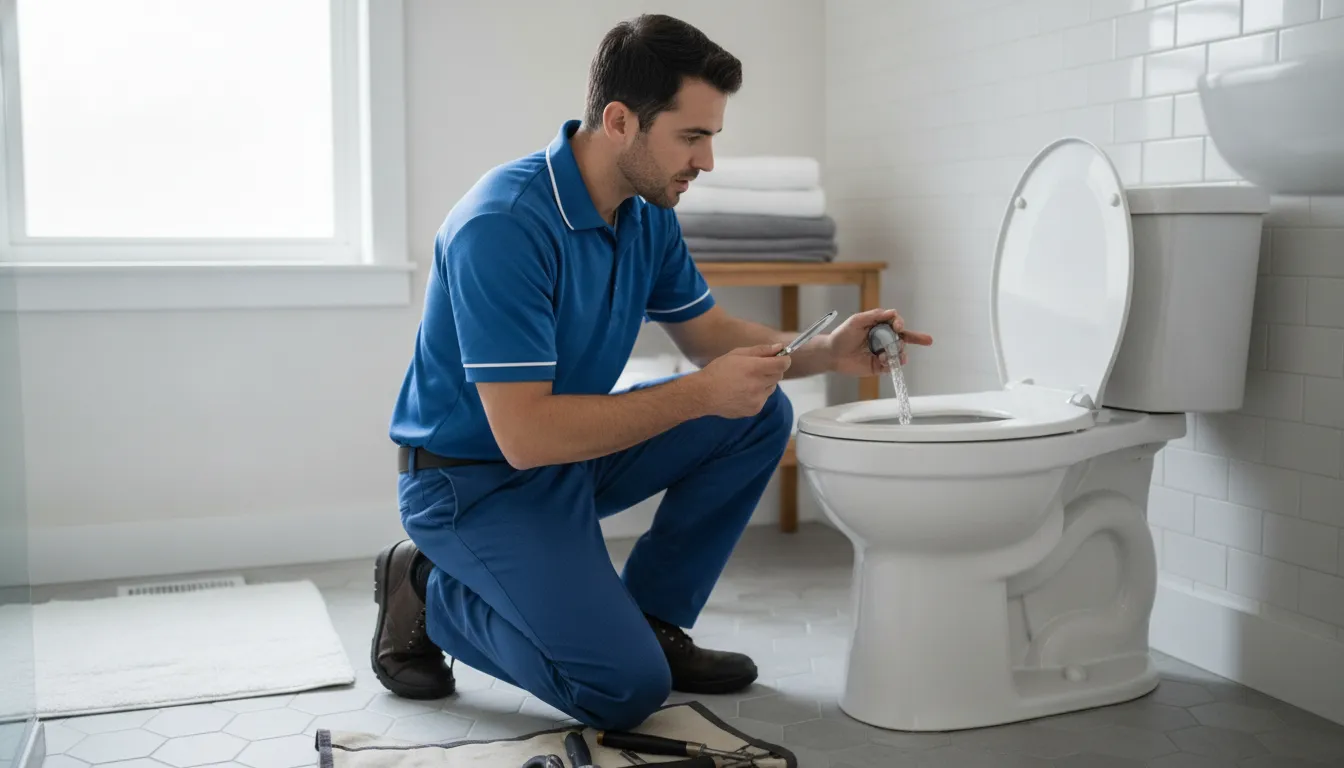

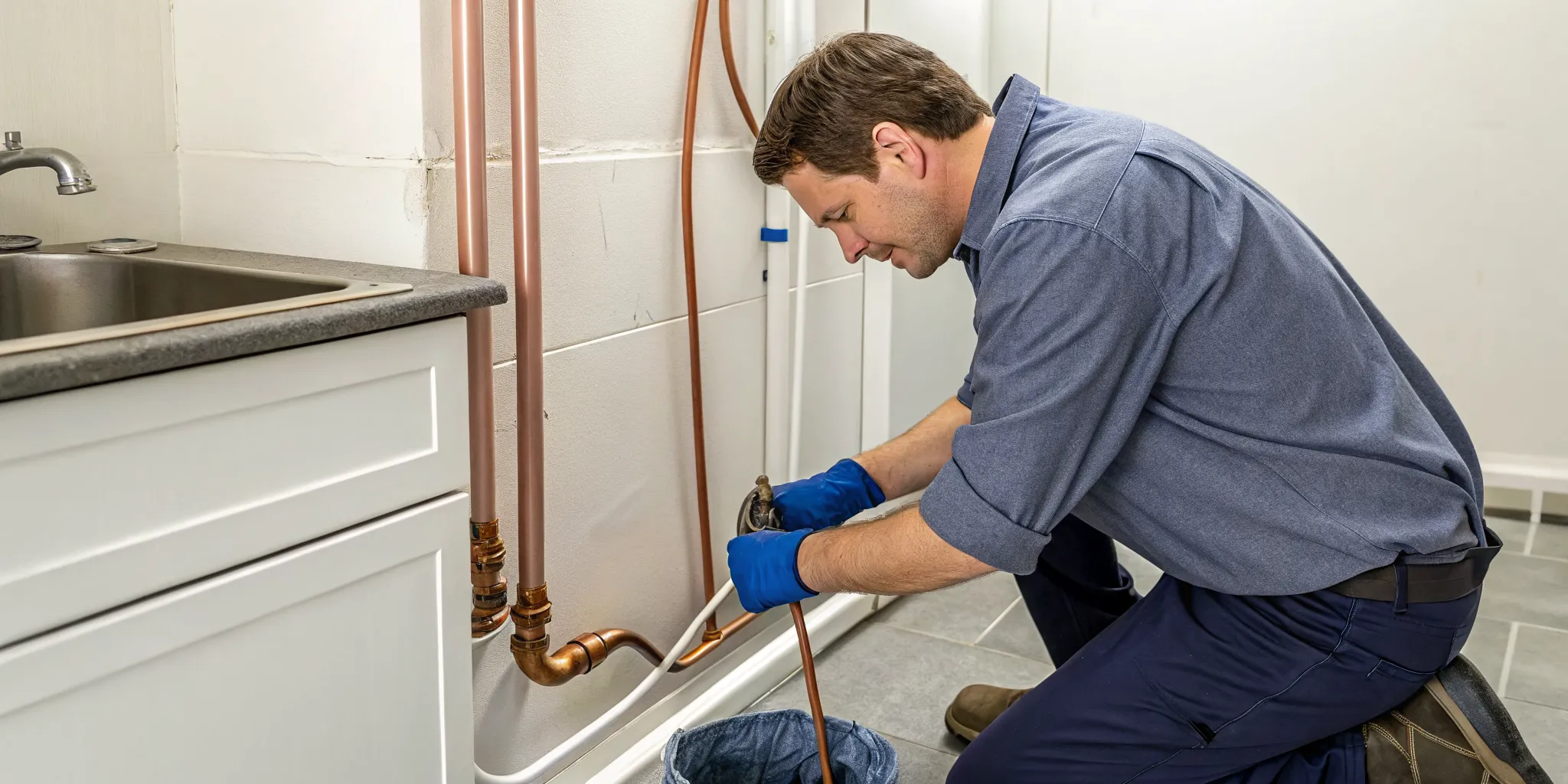
A leaking pipe is more than just an inconvenience; it’s a symptom of a bigger problem. That puddle on your basement floor or the drip under your kitchen sink didn’t just appear out of nowhere. It’s a sign that something deeper within your plumbing system needs attention, whether it’s old, corroded pipes, excessive water pressure, or failing joints. Simply patching the hole without understanding the root cause is like putting a bandage on a problem that needs stitches. This guide will help you understand the common culprits behind leaks so you can ensure a permanent solution. We’ll explain why a professional assessment is key to a lasting fix and what to expect from a top-tier leaking pipe repair in Birmingham, MI.
Key Takeaways
- Identify leaks early and take immediate action: Look for subtle clues like discolored walls, musty smells, or an unexplained spike in your water bill. If you suspect a leak, your first move should be to shut off the main water supply and apply a temporary patch to control the situation until help arrives.
- Know when a DIY fix isn’t enough: A temporary patch is meant to buy you time, not solve the problem for good. If a leak returns, you see spreading water damage, or you can’t find the source, it’s time to call a professional who can diagnose the root cause and prevent further damage.
- Prevent future leaks with proactive care: A little maintenance goes a long way in protecting your home. Insulating pipes before winter, scheduling annual plumbing inspections, and monitoring your water pressure are simple, effective steps to keep your plumbing system healthy and avoid costly emergencies.
Think You Have a Leaking Pipe? Look for These Signs
Some pipe leaks are impossible to miss, like the steady drip from under the kitchen sink. But others are much sneakier, hiding behind walls or under floors where they can cause serious damage before you even know they’re there. If you suspect something is off with your plumbing, don’t ignore that feeling. Paying attention to a few key warning signs can help you catch a leak early and prevent a small problem from turning into a major headache. Here’s what you should be looking for around your home.
Water Stains and Warped Walls
Discolored patches on your ceiling, walls, or floors are one of the most common red flags for a hidden leak. These water stains might look like faint brown or yellow rings and can grow over time. You might also notice bubbling or peeling paint, or even warped drywall that feels soft to the touch. While a small, one-time spill can cause a stain, a persistent or growing mark often points to an ongoing drip from a pipe above or behind the surface. A leak that continues after simple fixes is a clear sign you need professional emergency plumbing help to find and stop the source before the damage gets worse.
A Sudden Spike in Your Water Bill
Your water bill is usually pretty predictable, so a sudden, unexplained jump in cost is a major clue that water is being wasted somewhere. If your habits haven’t changed but your bill has shot up, you likely have a leak. Compare your latest statement to bills from previous months to confirm the spike. This kind of leak is often hidden from sight, maybe in a pipe underground or within your home’s foundation. If you suspect your piping system is the culprit, it’s time to call a professional for an inspection. We can help you contact us to get to the bottom of it.
Musty Smells or Visible Mold
That damp, earthy smell you can’t seem to air out is more than just unpleasant; it’s a classic sign of a hidden water leak. This musty odor is caused by moisture that has been sitting for a while, creating the perfect environment for mold and mildew to grow. You’ll often notice the smell in basements, bathrooms, or laundry rooms, but it can appear anywhere a pipe is leaking behind a wall or under a floorboard. If you see visible mold, you know you have a moisture problem that needs immediate attention. Finding the source of these hidden leaks is key to protecting your home and your family’s health.
A Sudden Drop in Water Pressure
If turning on your shower feels more like a trickle than a blast, you could be dealing with a significant pipe leak. A sudden and noticeable drop in water pressure throughout your home means that water is escaping the system before it reaches your faucets. This could be caused by a serious crack or even a burst pipe, which demands a fast and methodical response. Don’t wait for water to start pooling in your home. A sudden loss of pressure is an urgent issue that requires immediate attention from a professional to prevent widespread water damage.
Why Are Your Pipes Leaking? Common Causes
Finding a puddle of water where it shouldn’t be is never fun. But before you can fix a leak for good, it helps to understand what caused it in the first place. A leaking pipe isn’t just a random event; it’s usually a symptom of a bigger issue. From the age of your plumbing to the wild Michigan weather, several factors can turn a solid pipe into a dripping problem. Let’s walk through some of the most common culprits behind leaky pipes in Birmingham homes.
Old or Corroded Pipes
Nothing lasts forever, and that includes your home’s plumbing. While your home’s piping system is built to last for decades, the materials will eventually start to wear out. Over time, water and minerals can cause pipes, especially older galvanized steel ones, to corrode from the inside out. This corrosion thins the pipe walls, leading to pinhole leaks or even larger cracks. If you live in an older home and are noticing recurring leaks, rust-colored water, or flaking on your visible pipes, it might be a sign that your system is nearing the end of its life. A professional inspection can determine the health of your overall plumbing system.
High Water Pressure
Strong water pressure feels great in the shower, but if it’s too high, it puts a constant strain on your pipes, joints, and appliances. Think of it as a nonstop stress test for your entire plumbing system. This excessive force can wear down threads and seals, turning a tiny weak spot into a steady drip. If you hear banging noises when you turn off a faucet (a phenomenon called water hammer) or notice your fixtures leaking, high pressure could be the cause. A persistent leak that defies simple fixes is a clear sign you should call a plumber. This pressure can lead to sudden pipe bursts, which often require emergency plumbing services.
Frozen Pipes from Cold Snaps
Here in Michigan, we’re no strangers to freezing temperatures, and neither are our pipes. When water freezes, it expands with incredible force. If this happens inside a pipe, the pressure can be enough to split the metal or plastic, creating a crack. You might not even notice the problem until the ice thaws and water begins to pour out of the damaged section. Pipes in unheated areas like basements, crawl spaces, or exterior walls are most at risk. If you suspect you have a frozen pipe, it’s critical to call a professional for an inspection to prevent a small problem from becoming a major flood.
Failing Pipe Joints
Sometimes the pipe itself is fine, but the spot where it connects to another pipe or a fixture is the problem. These joints are the most vulnerable points in your plumbing. The seals and fittings can degrade, work themselves loose, or corrode over time due to temperature fluctuations and vibrations. A slow drip from a joint under your sink might seem minor, but it’s a warning sign that the connection is failing. Ignoring it can lead to a sudden, complete failure of the joint, causing significant water damage. Promptly addressing failing joints is key to preventing a much bigger, messier headache. If you see drips around connection points, it’s time to contact a professional.
How to Temporarily Patch a Leaking Pipe
Finding a leaking pipe can be stressful, but taking quick action can prevent a small problem from turning into a major disaster. While these DIY fixes are not permanent solutions, they can stop or slow a leak, protecting your home from water damage until a professional can arrive. Before you attempt any patch, your first step should always be to shut off the main water supply to your house to stop the flow of water. Once the water is off, you can try one of these temporary patches.
Remember, these methods are designed to buy you time. A patched pipe is not a repaired pipe. After you’ve managed the immediate leak, it’s crucial to schedule a professional repair to address the underlying issue. A lasting fix ensures the problem is solved correctly and prevents future leaks and potential damage. For any plumbing issue that feels beyond a simple patch, calling for emergency plumbing services is always the safest bet.
Use Pipe Repair Tape or Clamps
One of the most straightforward temporary fixes involves using pipe repair tape or clamps, which you can find at most hardware stores. Pipe repair tape is a silicone-based, self-fusing tape that you stretch and wrap tightly around the leak. As you wrap, the tape bonds to itself, creating a waterproof seal. For a slightly more robust hold, a pipe clamp is a great option. This device consists of a rubber sleeve that goes over the leak and a metal clamp that tightens around it. To use it, you simply “use a pipe clamp or a rubber patch” to cover the hole and then tighten the screws until the leak stops.
Apply Epoxy Putty
Epoxy putty is another reliable tool for a quick patch. This clay-like substance comes in a two-part stick that you knead together to activate. Once mixed, you can mold the putty over the crack or hole in the pipe. It will harden in minutes, forming a durable, waterproof seal. Before applying, make sure the pipe’s surface is clean and dry so the putty can adhere properly. As one expert notes, you can “use an epoxy putty, apply pipe repair tape, or install a pipe repair clamp to stop the leaking pipe.” It’s a versatile solution that works on various pipe materials, including copper and PVC.
Try a Rubber Patch and Hose Clamp
If you’re dealing with a larger split or rupture in a pipe, a simple piece of rubber and a hose clamp can work wonders. You can cut a patch from an old inner tube or a sheet of rubber, making sure it’s large enough to cover the entire damaged area. Wrap the rubber patch tightly around the pipe. Then, place one or two hose clamps over the patch and tighten them securely. This method is effective because you can “use repair clamps with a neoprene rubber patch to make temporary repairs to larger ruptures in pipes.” The pressure from the clamp holds the rubber firmly in place, containing the leak.
Wrap Threaded Joints with Plumber’s Tape
Sometimes, a leak isn’t in the middle of a pipe but at a threaded joint where two pipes connect. If you notice a slow drip from a fitting, plumber’s tape (also known as Teflon tape) can often solve the problem. You’ll need to shut off the water and unscrew the fitting first. Then, “wrap the threaded joints with plumber’s tape to help seal the connection and prevent leaks.” Wrap the tape clockwise around the male threads three or four times before screwing the fitting back on. This adds extra sealing power to stop those pesky drips. This is just one of many plumbing solutions a professional can handle permanently.
When Is It Time to Call a Professional?
While a quick DIY patch can feel like a victory, some plumbing problems are more than a simple fix can handle. Knowing when to step back and call a professional isn’t about giving up; it’s about protecting your home from further damage and saving yourself from a much bigger headache down the road. If you find yourself in one of the following situations, it’s a clear sign that you need an expert’s help.
Your DIY Fix Isn’t Holding
You’ve wrapped the pipe with repair tape or applied epoxy putty, but that stubborn drip is back. It’s a frustrating feeling, but a leak that persists after basic fixes is one of the clearest signs you need a plumber. An ongoing drip often points to a deeper issue, like worn-out pipe threads, high water pressure, or corrosion that a surface-level patch can’t solve. A temporary fix is just that: temporary. If the leak returns, it’s time to call for professional emergency plumbing services to find and fix the root cause before a small drip becomes a major flood.
You See Significant Water Damage or Mold
Water stains on your ceiling, warped drywall, or a musty smell you just can’t place are all red flags. When water damage is spreading by the hour, it demands a fast and methodical response. These signs indicate that water is escaping somewhere you can’t see, possibly from a pipe behind a wall or under your floor. Ignoring it can lead to rotted wood, compromised structural integrity, and unhealthy mold growth. A professional plumber can locate the hidden leak and provide comprehensive plumbing solutions to address both the pipe and the potential for lasting damage.
Your Water Bill Spikes, But You Can’t Find the Leak
A surprisingly high water bill is often the first clue that you have a hidden leak. You’ve already checked for dripping faucets and running toilets, but the meter is still spinning. When you can’t find the source of the water loss, the leak is likely in a place you can’t easily access, such as under your home’s foundation or within the walls. Instead of playing a guessing game that could involve tearing into your drywall, it’s best to get in touch with our team. We use specialized equipment to pinpoint the exact location of the leak without unnecessary demolition, saving you time and money.
You’re Worried About Structural Damage
If you notice sagging ceilings, soft spots on the floor, or warped walls, the leak may have already caused serious structural problems. Water can slowly rot wooden joists and subflooring, compromising the safety of your home. This is not a situation for guesswork. Professionals use advanced tools like acoustic listening devices and small cameras to find the leak’s origin with precision. Addressing the problem quickly is critical to prevent further deterioration. A burst pipe from a cold snap is a common culprit, so prompt frozen pipe repair can be essential to protecting your home’s foundation.
How Much Does Professional Pipe Repair Cost?
Let’s talk about the question that’s probably on your mind: how much is this going to cost? It’s completely normal to worry about the budget when you’re facing a pipe repair. The truth is, there isn’t a single flat rate. The final price depends on a few key things, from the location of the leak to the extent of the damage. Understanding these variables can help you feel more prepared. We believe in being upfront about costs, so let’s break down what goes into the price of a professional pipe repair and what you can expect.
Factors Influencing the Final Cost
The biggest factor in your final bill is the complexity of the job. A simple, easy-to-reach leak under a sink will naturally cost less than one hidden behind a tiled wall or under your foundation. The material of your pipes also plays a role, as some are more expensive or difficult to work with than others. The plumber’s labor, which includes the time to diagnose the problem and perform the repair, is another key component. A leak that persists after basic fixes is often a sign of a more complex issue, which is why it’s important to get a professional assessment to understand the full scope and cost of the necessary plumbing solutions.
The Cost of Water Damage Cleanup
One of the most important things to remember is that the cost of fixing the pipe is separate from the cost of fixing the water damage it caused. According to home services marketplace Angi, a typical pipe repair can cost between $400 and $1,500, but water damage cleanup can add another $1,000 to $2,000 to that bill. This secondary cost covers things like drying out structures, replacing drywall, and addressing any mold growth. This is why acting fast is so critical. The sooner you call for emergency plumbing service, the more you can limit the water damage and keep those secondary costs from piling up.
Understanding Your Payment Options
An unexpected plumbing bill can be stressful, but you have options. A trustworthy plumber will always provide a clear, detailed estimate before any work begins, so you know exactly what to expect. Don’t hesitate to ask questions if something isn’t clear. For larger jobs, like replacing a major pipe or dealing with extensive water damage, some companies offer flexible payment plans or financing to make the cost more manageable. Your peace of mind is important, so it’s always a good idea to contact us and discuss your situation. We can walk you through the costs and help you find a solution that works for your home and your budget.
How a Pro Tackles a Leaking Pipe
When you call in a professional plumber, you’re getting more than just an extra set of hands. A pro arrives with a systematic approach designed to find the source of the problem, fix it correctly, and help you prevent it from happening again. Unlike a temporary DIY patch, a professional repair is about creating a long-term solution. They have the experience to know what to look for and the right tools to get the job done efficiently, saving you from bigger headaches down the road.
From the moment they arrive, a professional plumber’s goal is to diagnose the issue thoroughly. They’ll ask you questions, inspect the area, and use their expertise to understand the full scope of the problem. This process ensures the fix isn’t just a band-aid but a durable repair that gives you peace of mind. Let’s walk through what you can expect when an expert from a company like Mr. Pipey shows up at your door.
Using High-Tech Leak Detection Tools
Sometimes, the biggest challenge with a leak is simply finding it. If you have water stains on your ceiling but no visible drip, the source could be hidden behind a wall or under a floorboard. This is where a professional’s toolkit really shines. Instead of making educated guesses and cutting into your drywall, plumbers use specialized equipment to pinpoint the exact location of a leak.
Acoustic listening devices can hear the sound of dripping water through solid structures, while tiny, flexible cameras can be fed directly into your pipes to see the problem from the inside. This technology allows for a much less invasive repair. By knowing precisely where the issue is, a plumber can fix it with minimal disruption to your home, saving you time and money on unnecessary demolition and restoration.
Deciding Between Repair and Replacement
Once the leak is found, the next step is deciding the best way to fix it. A professional will assess the pipe’s overall condition to determine if a simple repair will suffice or if a replacement is the smarter choice. If the pipe is relatively new and the leak is due to a minor issue, a quick patch might be all you need. However, if you have older pipes that are corroded or have had multiple leaks, it might be time to consider a more permanent solution.
Frequently calling a plumber for the same old pipes can get expensive. A professional will help you weigh the costs of another temporary fix against the long-term benefits of replacing a section of pipe. This expert guidance helps you make a cost-effective decision that protects your home from future plumbing problems.
What to Expect from Emergency Service
A burst pipe or a major leak doesn’t wait for a convenient time to happen. That’s why having access to reliable emergency service is so important. When you call for an emergency, you should expect a fast response, day or night. The plumber’s first priority will be to stop the flow of water to prevent further damage to your home. They’ll know exactly how to shut off the main water supply and contain the immediate threat.
Once the situation is under control, they will assess the damage and explain your repair options clearly. A true emergency plumbing professional understands the stress you’re under and will work quickly and methodically to get your home back to normal. They’ll handle the crisis with a calm, steady hand, so you can feel confident that the problem is being solved correctly.
Choosing the Right Plumber in Birmingham
When you’re dealing with a leaking pipe, the last thing you want is the added stress of finding a reliable plumber. With so many options out there, it can be tough to know who to trust with your home. But taking a moment to check a few key things can save you from a bad experience and ensure the job gets done right the first time. Think of it as a quick checklist to help you hire with confidence.
A great plumber does more than just fix the immediate problem; they provide peace of mind. You want someone who is qualified, available when you need them most, stands by their work, and has a solid reputation in your community. We believe in treating every client like family, which means being transparent and dependable from the very first call. Before you hire anyone, run through these simple checks to find a professional you can count on for years to come.
Check for Proper Licensing and Insurance
First things first, make sure any plumber you consider is properly licensed and insured. This isn’t just a formality; it’s your protection. A valid license proves they have the training and knowledge required by the state, while insurance covers any accidental damage to your property or injuries that might happen on the job. Without it, you could be held liable.
Any professional company will have no problem providing you with their credentials, so don’t feel awkward asking to see them. If a plumber is hesitant or can’t produce proof, consider it a major red flag and move on. Choosing a fully licensed and insured team like ours ensures you’re working with true professionals who are accountable for their work.
Look for 24/7 Emergency Service
Plumbing emergencies rarely happen at a convenient time. A pipe is just as likely to burst in the middle of the night or on a holiday weekend as it is during business hours. That’s why it’s so important to find a plumber who offers round-the-clock service. You need a team that can dispatch a technician 24/7, 365 days a year, so a plumbing disaster doesn’t have to wait until morning.
Before you’re in a crisis, save the number of a plumber who provides emergency plumbing services. Knowing you have a reliable expert ready to go at a moment’s notice can make a stressful situation much more manageable.
Ask About Satisfaction Guarantees
A satisfaction guarantee is a clear sign that a plumbing company is confident in the quality of its work. When a business stands behind its services, it shows they are committed to doing the job correctly and ensuring their customers are happy with the result. It means they won’t just patch the problem; they’ll make sure the solution is effective and long-lasting.
Look for a plumber who explicitly offers a 100% customer satisfaction guarantee. This promise gives you recourse if the repair doesn’t hold up or if you’re not pleased with the service. It’s a commitment to quality that reflects a company’s dedication to its clients, a core part of our family-owned business philosophy.
Read Reviews from Your Neighbors
Online reviews are one of the most powerful tools you have for vetting a plumber. They offer honest, firsthand accounts from people in your community. Look for feedback on sites like Google, Yelp, and Angi to get a well-rounded picture of what to expect. Pay close attention to recent reviews, as they reflect the company’s current level of service.
Look for comments that mention the specific issue you’re having. Do customers describe the technicians as courteous, professional, and thorough? Did they arrive on time and clean up afterward? Consistent positive feedback is a strong indicator that you’ve found a trustworthy company that values its customers and their homes.
How to Prevent Future Pipe Leaks
After dealing with a leaking pipe, the last thing you want is a repeat performance. The good news is that you can take a few proactive steps to protect your home and keep your plumbing system in great shape. Think of it as preventative care for your pipes. A little attention now can save you from the stress and expense of water damage and emergency repairs down the road. It’s about creating peace of mind so you can focus on what matters, not on what might be dripping behind your walls.
Taking a proactive approach means you’re less likely to be caught off guard by a sudden burst pipe or a slow leak that causes hidden damage. By focusing on a few key areas, you can significantly reduce your risk. Simple actions like insulating vulnerable pipes, scheduling routine check-ups with a professional, and paying attention to your home’s water pressure can make all the difference. These aren’t complicated tasks, but they are incredibly effective for maintaining a healthy plumbing system. We offer a full range of plumbing services to help you stay ahead of any potential issues.
Insulate Your Pipes Before Winter
Here in Metro Detroit, we know how cold the winters can get. That cold is not just uncomfortable for us; it’s also tough on your home’s plumbing. Insulating your pipes is one of the most effective ways to prevent them from freezing and bursting, which is a very common cause of leaks. Think of it as a winter coat for your plumbing. This simple step is especially important for pipes in unheated areas like basements, crawl spaces, and garages. Taking the time to add pipe insulation before the temperature drops is a small investment that can prevent a huge, costly headache.
Schedule a Regular Plumbing Inspection
You get a regular check-up for your car, so why not for your home’s plumbing? Regular plumbing inspections can help identify potential issues before they become major problems. A professional plumber can spot early signs of corrosion, failing pipe joints, or other weaknesses that you might not notice. Catching these small problems early allows for timely, affordable repairs instead of a full-blown emergency later. Scheduling an annual inspection is a smart way to maintain your plumbing system and gives you the confidence that everything is working as it should. You can contact us anytime to set up a visit.
Keep an Eye on Your Water Pressure
Your water pressure can tell you a lot about the health of your plumbing system. A sudden drop in pressure can indicate a hidden leak somewhere in your pipes. On the other hand, water pressure that’s too high can strain your pipes and fixtures, leading to leaks over time. You can buy a simple pressure gauge at a hardware store to test it yourself, or just pay attention to how the water flows from your faucets. If you notice a significant change, either a sudden drop or consistently high pressure, it’s a good idea to have it checked out. A sudden loss of water could signal a major problem that requires emergency plumbing service.
Related Articles
- DIY Pipe Leak Repair: Your Step-by-Step Guide
- Repair a Copper Pipe Leak: A Step-by-Step Guide
- 7 Signs You Need an Emergency Plumber Now
Frequently Asked Questions
What is the absolute first thing I should do if I discover a leaking pipe? Before you do anything else, find and shut off the main water supply to your house. This valve is usually located in your basement or a utility closet. Turning it off will stop the flow of water, which is critical for preventing further damage. Once the water is off, you can take a moment to assess the situation and decide whether to try a temporary patch or call for professional help immediately.
My water bill suddenly went up, but I can’t find any visible leaks. What does this mean? An unexplained spike in your water bill is a classic sign of a hidden leak. The problem is likely in a pipe that you can’t see, perhaps underground, within a wall, or beneath your home’s foundation. Since these leaks are impossible to spot with the naked eye, your best move is to call a professional. We use special equipment to find the exact source of the water loss without having to tear things apart.
Are temporary patches like tape and putty actually safe to use? Yes, temporary patches are safe and effective for what they are designed to do, which is to stop or slow a leak until a professional can make a permanent repair. They are excellent for preventing immediate water damage. However, they are not a long-term solution. The original problem that caused the leak, such as corrosion or high pressure, still exists and needs to be properly fixed by an expert.
How can I prevent my pipes from freezing and bursting during a Michigan winter? The most important step is to insulate any pipes located in unheated areas of your home, like the basement, crawl space, or garage. You can find simple foam pipe sleeves or wrapping at most hardware stores. On especially frigid nights, allowing a faucet to drip slowly can also help. The constant movement of water through the pipe makes it much harder for it to freeze solid and cause a rupture.
Is a small, slow drip really that big of a deal? It definitely is. That slow drip might seem harmless, but it’s often a warning sign of a bigger issue like a failing pipe joint or widespread corrosion. Even a little bit of water can cause significant damage over time, leading to rotted wood, mold growth, and ruined floors or cabinets. It’s always smarter and more affordable to fix a small leak now than to deal with major water damage later.