
Warren homeowners often think about sewer backups only after water appears where it should not. Learning how to prevent sewer backups in Warren starts with understanding the private sewer lateral, watching for early drainage changes, and reducing the amount of rainwater and debris entering the system. A few timely maintenance decisions can help protect a basement and make a developing sewer problem easier to diagnose.
Schedule a professional sewer prevention inspection with Mr. Pipey.
What causes sewer backups in Warren homes?
Sewer backups usually occur when wastewater cannot move through a blocked, damaged, or overloaded line. In Warren, common contributors include tree roots in the private sewer lateral, grease and non-dissolving paper products, settled debris, structural pipe problems, and heavy rain that adds water to an already stressed drainage system.
The private sewer lateral is the buried pipe that carries wastewater from a property toward the public sewer main. A blockage in that line can affect one home, while a restriction or capacity problem farther downstream can affect multiple properties. The location matters because the correct response depends on whether the issue is inside the home, in the private lateral, or in the public system.
The City of Warren’s property-owner guidance identifies roots, grease, and paper products such as paper towels, diapers, and feminine hygiene products as preventable causes of backups. It also notes that property owners are generally responsible for the sanitary service line from the building to the city main. Read the City of Warren sewer responsibility guidance for the local distinction.
How to prevent sewer backups in Warren before heavy rain?
To prevent sewer backups in Warren, homeowners should keep grease and non-flushable products out of drains, manage roof water away from the foundation, address recurring slow drains, and arrange professional inspection when warning signs return. These steps reduce avoidable blockages while helping identify private sewer-line defects before a storm exposes them.
- Flush only human waste and toilet paper. Dispose of wipes, paper towels, cleaning products, diapers, and feminine hygiene products in the trash, even when a package claims an item is flushable.
- Keep cooking grease out of the drain. Let grease cool in a container and place it in the garbage instead of sending it into the kitchen drain, where it can collect and harden in a sewer line.
- Watch trees and shrubs near the sewer path. Roots can enter small joints or cracks and gradually narrow the passage. Repeated root-related blockages call for professional evaluation, not just another temporary clearing.
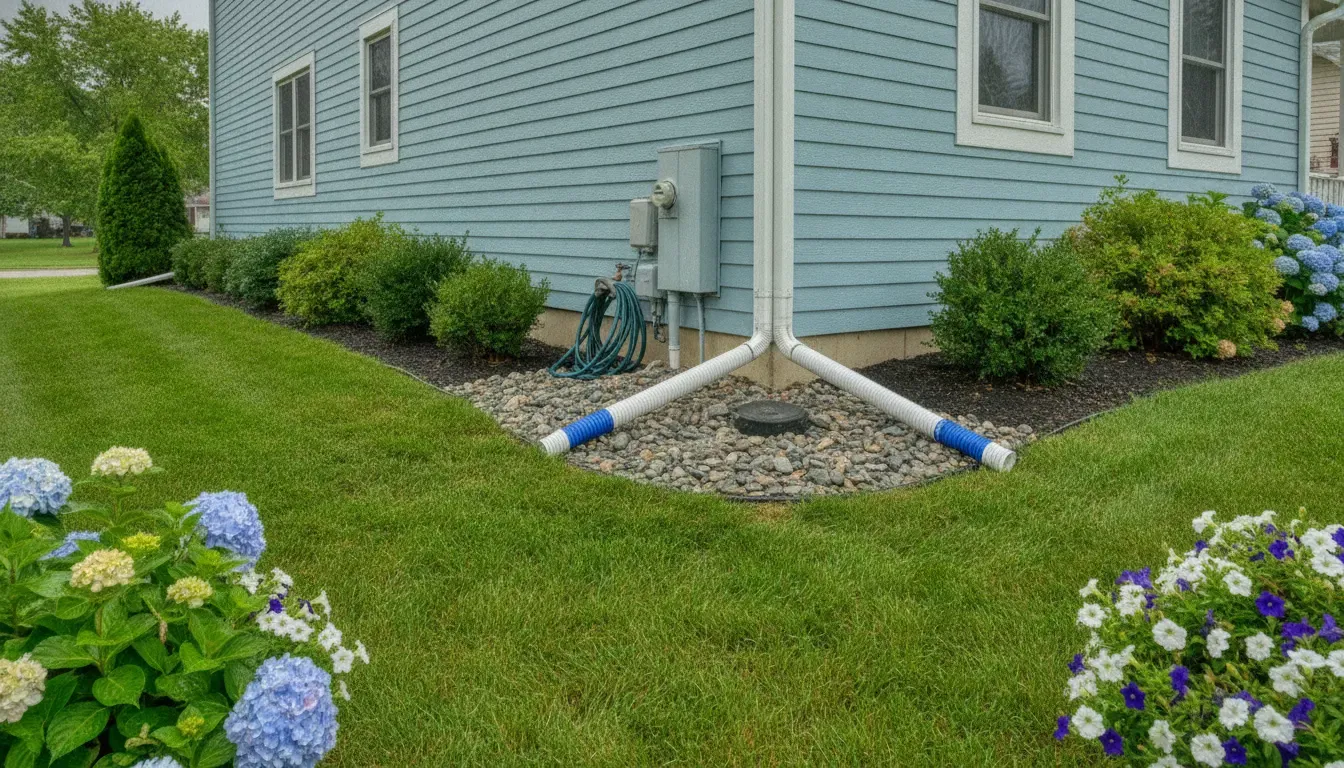
- Keep downspouts directed away from the foundation. Warren’s rain-preparedness guidance recommends steps that reduce unnecessary water entering the drainage system and help move roof runoff away from the home.
- Pay attention to more than one fixture. A single slow sink may be a localized fixture drain issue. Multiple slow drains, a bubbling toilet, or water rising in a lower drain can point to a larger sewer-line restriction.
- Schedule an inspection when symptoms repeat. If a line has been cleared more than once, a camera inspection can help locate roots, cracks, offsets, or buildup instead of treating each backup as an isolated event.
- Keep records of service and property changes. Dates of past cleanings, recurring locations, tree work, basement drainage changes, and prior repairs can help a plumber identify a pattern faster.
How does heavy rain increase sewer backup risk in Warren?
Heavy rain can increase backup risk when stormwater reaches the sanitary system, enters a private lateral through defects, or combines with an existing blockage. Warren homeowners can lower their property’s contribution by directing downspouts away from the foundation, keeping drainage paths clear, and reporting flooding through the city’s current channels when public infrastructure appears affected.
Rainfall does not cause every sewer backup, but it can reveal a weakness that was already developing. A partially restricted lateral may pass normal household flow and then struggle when groundwater, inflow, or neighborhood drainage adds pressure. Water may then appear at a basement floor drain, shower, toilet, or other low point.
The City of Warren’s rain preparedness and response guidance encourages residents to understand where rainwater goes and to take practical steps that reduce pressure on the sewer system during large rain events. The page also explains how to report flooded areas and highlights the safety risk of water near electricity.
For a homeowner, the useful distinction is between reducing avoidable water at the property and diagnosing a line that cannot carry normal flow. Extending downspouts and correcting surface drainage can help with runoff. They will not repair a collapsed lateral, remove roots inside a sewer pipe, or correct a persistent blockage. Those conditions require a plumbing assessment.
When should you schedule a sewer line inspection or cleaning?
Schedule a professional sewer inspection when backups recur, several fixtures drain slowly at once, a toilet bubbles when another fixture runs, or a basement drain shows sewage or foul water. A camera inspection can locate the cause, while professional drain cleaning can address appropriate buildup without guessing where the restriction is.
One isolated slow drain does not always mean the sewer line is failing. The concern rises when symptoms involve multiple fixtures or return soon after a clearing. Other useful warning signs include persistent sewer odors, gurgling sounds, water that rises in a basement drain, or a washing machine discharge that causes another fixture to overflow.
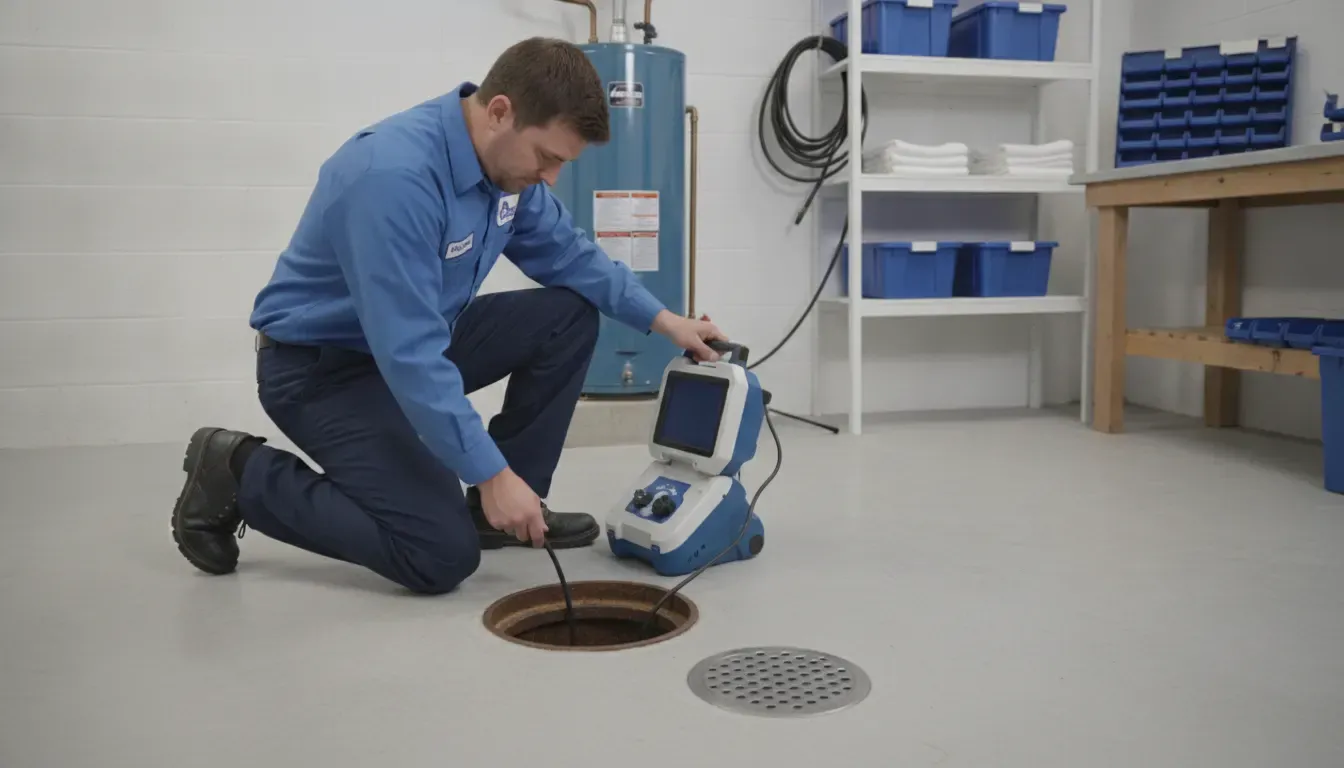
Professional evaluation may combine a camera inspection with cleaning, depending on what the line contains and what its condition allows. Video can show roots, grease, debris, cracks, offsets, or a change in pipe alignment. HydroScrub jetting may be appropriate for certain buildup and root conditions, but the method should be selected after the line and blockage are assessed.
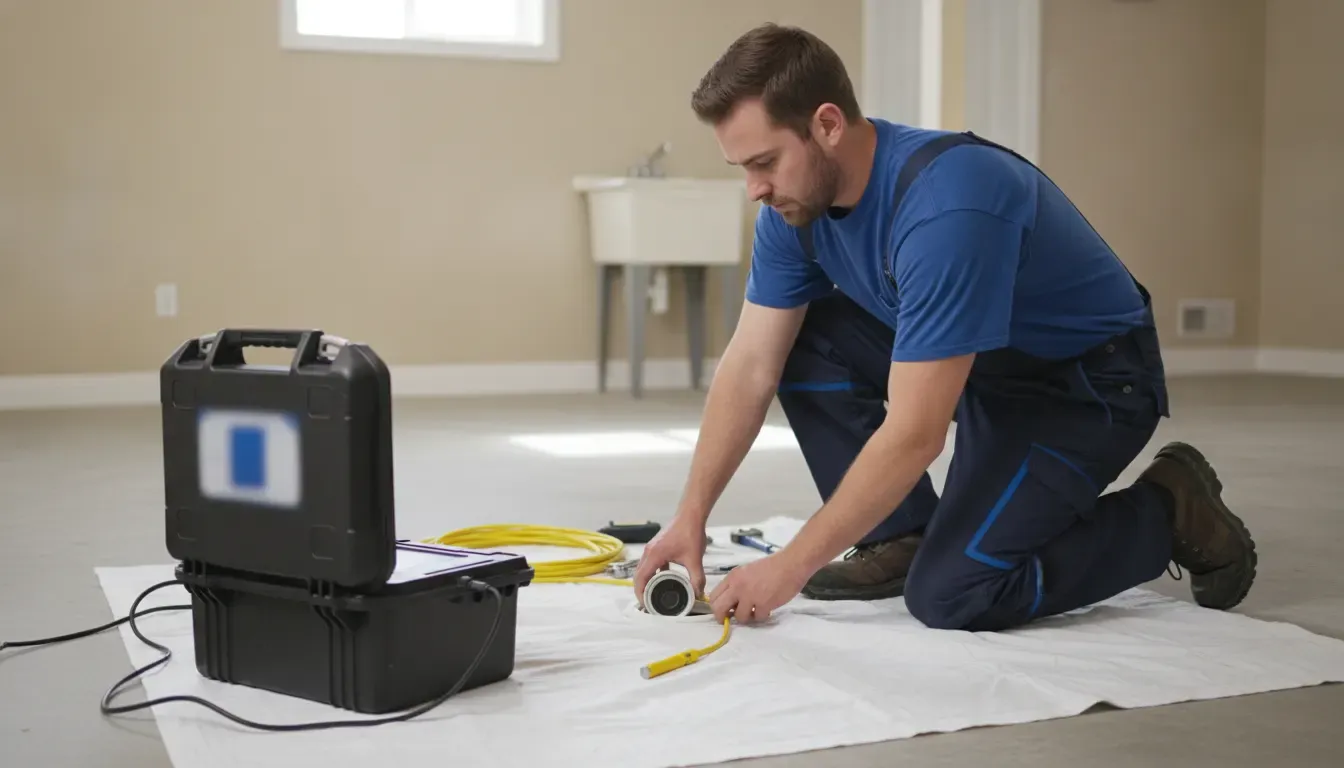
Mr. Pipey’s sewer drain service includes inspection, cleaning, repair, and replacement options. The goal is not to sell the same procedure for every home. It is to identify whether the problem is buildup, roots, damage, or a larger line issue and then explain the practical next step.
Ask Mr. Pipey for a professional sewer-line assessment before the next backup.
What belongs to the Warren homeowner, and what belongs to the city?
In Warren, the responsibility for a sewer problem depends on where the obstruction or damage is located. A homeowner generally maintains the private sanitary service line from the building to the city main, while the city maintains the public main. Confirm current permit and inspection requirements with the City of Warren before work reaches an easement or public right-of-way.
| Area or concern | Typical prevention or next step |
|---|---|
| Inside the home | Stop using affected fixtures and arrange professional diagnosis when more than one drain is involved. |
| Private sewer lateral | Keep grease and non-flushable products out, address recurring roots or blockages, and schedule inspection when symptoms return. |
| Roof and surface runoff | Direct downspouts away from the foundation and correct drainage conditions that send unnecessary water toward the home. |
| Public sewer main or neighborhood flooding | Document the location and report suspected public-system flooding through the current City of Warren reporting process. |
This division is important for both timing and communication. A plumber can inspect the private side and explain what the evidence shows. The city may need to investigate a public main, street flooding, or a condition outside the property owner’s line. If the location is unclear, prompt professional diagnosis can provide useful information for the next conversation.
What early warning signs should Warren homeowners take seriously?
Early warning signs include multiple slow drains, gurgling fixtures, sewage odors, toilet water movement when another fixture runs, recurring backups, and water appearing in a basement drain. These symptoms do not identify the exact defect by themselves, but together they justify a professional sewer-line evaluation before the problem becomes an active overflow.
- Two or more fixtures become slow at roughly the same time.
- A toilet bubbles or changes water level when a sink, tub, or washing machine drains.
- Water rises through a basement floor drain or lower-level fixture.
- A sewage odor persists even after routine fixture cleaning.
- A drain-clearing service provides only short-term relief.
- Roots, standing water, or unusually wet ground appear along the likely sewer route.
- Heavy rain consistently coincides with drainage trouble at the property.
A professional should evaluate the pattern rather than rely on one symptom. For example, a recurring backup after rain may involve both inflow and a partially restricted lateral. A camera inspection can narrow the question, while a review of the home’s drainage and sewer connections can show whether separate water-management work is also needed.
What should Warren homeowners review each season?
A seasonal sewer-backup review helps a Warren homeowner connect weather, drainage, and fixture behavior before a small change becomes an expensive interruption. The goal is not to perform invasive work personally. It is to notice conditions that deserve a licensed plumber’s attention and to keep useful information ready for a professional assessment.
- Before spring rain: Check whether downspouts direct water away from the foundation and note any low areas that stay wet after precipitation.
- During heavy storms: Pay attention to basement drains, toilets, and showers, especially if several fixtures change behavior at the same time.
- After a backup or clearing: Record which fixtures were affected, whether the issue followed rain, and how long normal drainage lasted afterward.
- During landscaping work: Tell the contractor or plumber where major trees, new hardscape, and drainage changes are located before digging or changing grades.
- Before winter: Confirm that the household knows what should never enter a toilet or drain and that emergency contact information is easy to find.
This simple record can help distinguish a one-time fixture issue from a pattern involving the private sewer lateral. It also gives a plumber better context for choosing the next diagnostic step. That may be a focused drain assessment, a camera inspection, professional cleaning, or a broader review of drainage conditions. A seasonal review cannot guarantee that a public sewer event will not occur. It can reduce preventable inputs and shorten the time between an early warning sign and a useful diagnosis.
How can a professional sewer prevention plan protect your Warren home?
A professional prevention plan combines symptom history, sewer-line inspection, appropriate cleaning, repair recommendations, and practical property-maintenance guidance. It gives a Warren homeowner a clearer view of the private line’s condition and helps prioritize work based on evidence rather than waiting for another basement backup to reveal the next problem.
The plan may begin with a conversation about the home’s age, prior repairs, known tree growth, basement drainage, and the timing of past backups. The plumber can then recommend the least disruptive diagnostic step that answers the immediate question. In some homes that means a camera inspection. In others it may include cleaning followed by a second inspection to confirm the line is open and assess its condition.
When repair or replacement is needed, the recommendation should explain what was found, where it was found, and which options fit the pipe and property. Mr. Pipey provides plumbing services across Metro Detroit, including Warren, with professional sewer drain, drain cleaning, and emergency plumbing capabilities. The company also offers a 100% satisfaction guarantee and does not charge overtime or double-time rates for after-hours or emergency calls.
Prevention is not about promising that a home can never experience a backup. It is about reducing avoidable causes, finding defects earlier, and making sure the homeowner knows who to call when the symptoms point beyond routine maintenance.
Contact Mr. Pipey to build a sewer-backup prevention plan for your Warren home.
Frequently asked questions about preventing sewer backups in Warren
Most Warren homeowners can reduce sewer-backup risk by controlling what enters the drains and managing roof runoff. They should also respond to repeated warning signs and arrange professional inspection when a problem returns. The answers below clarify which steps are practical at home and when a plumbing or city assessment is more appropriate.
Can downspout extensions prevent every sewer backup?
No. Downspout extensions can help direct roof runoff away from the foundation and reduce avoidable water near the home, but they cannot clear roots, repair a damaged sewer lateral, or resolve a public-main restriction. Use them as one part of a broader drainage and sewer-maintenance plan.
How often should a Warren homeowner schedule a sewer camera inspection?
There is no single interval that fits every property. An inspection is especially useful when a home has recurring backups, repeated root intrusion, multiple slow drains, a history of sewer repairs, or symptoms that return soon after cleaning. A licensed plumber can recommend timing based on the line’s observed condition.
Who is responsible for the sewer line between a Warren house and the city main?
The City of Warren’s property-owner guidance generally assigns maintenance of the sanitary service line from the building to the city main to the property owner, while the city maintains public sewer mains. Confirm the current boundary, permit rules, and inspection requirements with the city before work in an easement or public right-of-way.
What should I do if sewage is already backing up?
Stop using water in the home, keep people and pets away from contaminated water, and contact a licensed plumbing professional promptly. Do not treat an active sewage backup as a routine drain clog. If flooding may involve a public street or sewer main, report it through the City of Warren’s current channels while following electrical and water-safety guidance.
Ask Mr. Pipey for a professional sewer-line assessment before the next backup.